There is something quietly magical about watching your cat sleep. The tiny paw twitch. The whiskers that flutter for no obvious reason. That soft little chirp escaping their lips while they lie curled up in a beam of afternoon sunlight. It is as though their bodies are telling a story their minds are living in full – somewhere you cannot follow.
Science has been chasing these mysteries for decades, and the answers it has found are genuinely fascinating. Your cat is not just “out cold” during all those nap hours. There is a whole interior world happening behind those closed, dreaming eyes. Ready to dive into it? Let us go.
Yes, Your Cat Actually Dreams – Here Is the Proof
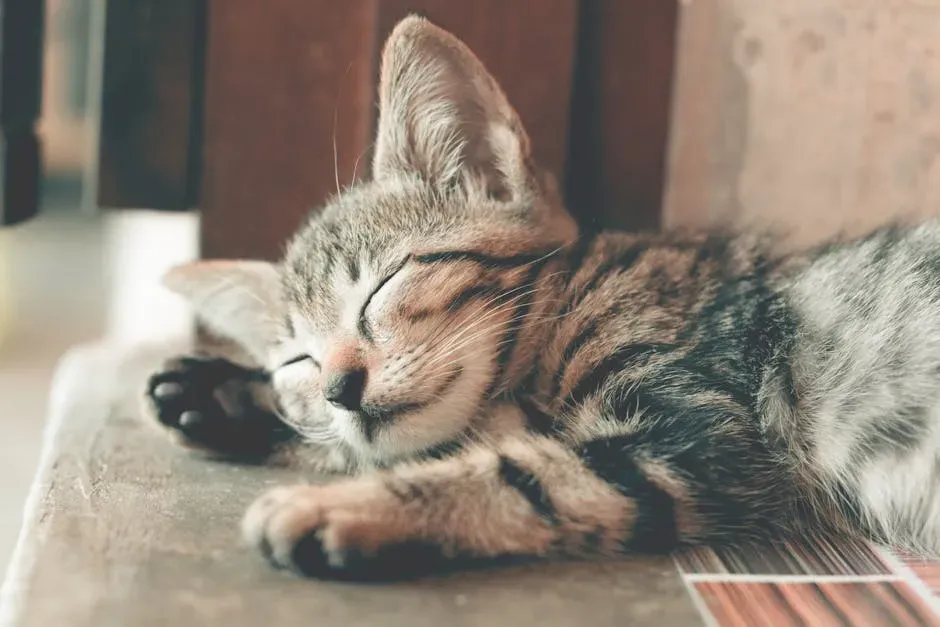
If you have ever suspected your sleeping cat was acting something out, you were right. Science suggests that cats probably do dream. They experience the same sleep cycles that humans do, including REM sleep, which is when dreaming occurs. That is not just a guess. It is backed by decades of sleep research and observation.
One of the most compelling pieces of evidence comes from early pioneering research. Noted neuroscientist Michel Jouvet’s pioneering experiments on cats at the University of Lyon revealed that when certain pathways in the brain were severed, cats entered REM sleep but displayed physical movements as if acting out their dreams. This phenomenon, akin to what occurs in human REM sleep, indicates a possible dream state in cats. It was startling to witness. The cats would stalk, pounce, hiss, and arch their backs – all while technically asleep.
What the REM Cycle Looks Like Inside Your Cat’s Brain
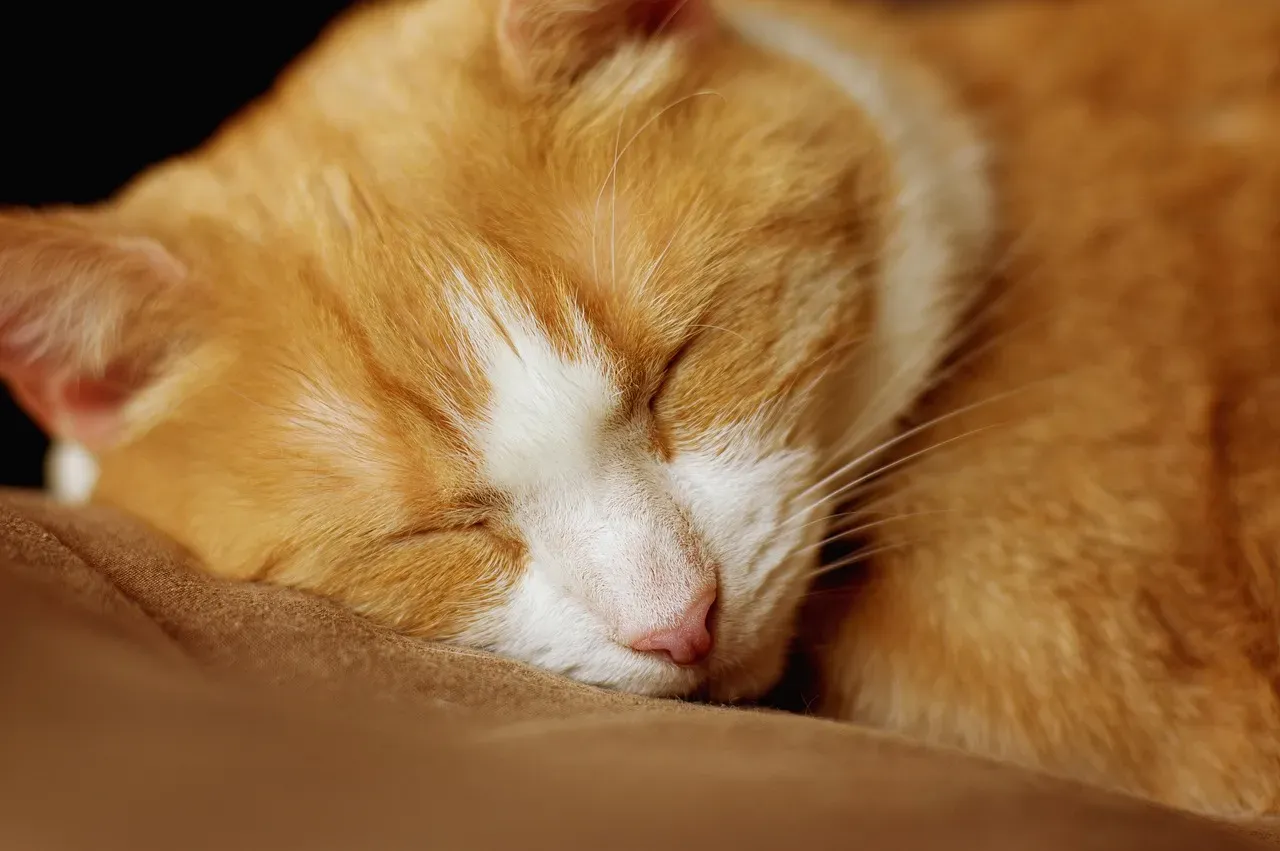
Think of REM sleep as the brain’s cinematic mode – the phase where the real show begins. During REM (rapid eye movement) sleep, breathing is fast, the heart rate is slightly elevated, and the eyes make quick, fluttering movements behind their closed lids. Despite all that brain activity, the REM phase is the deepest stage of sleep. It is also when most dreaming happens.
Here is something that might surprise you about how often your cat actually enters this dreamy state. Research tells us that cats have shorter REM cycles than humans, but they happen more often. While a sleeping human usually enters REM sleep every 90 minutes, cats hit that deep sleep about every 25 minutes. This means that cats dream even when they are taking a quick catnap. That afternoon nap on the sofa? Likely packed with mini-dreams.
How Much of Their Day Is Spent Dreaming?
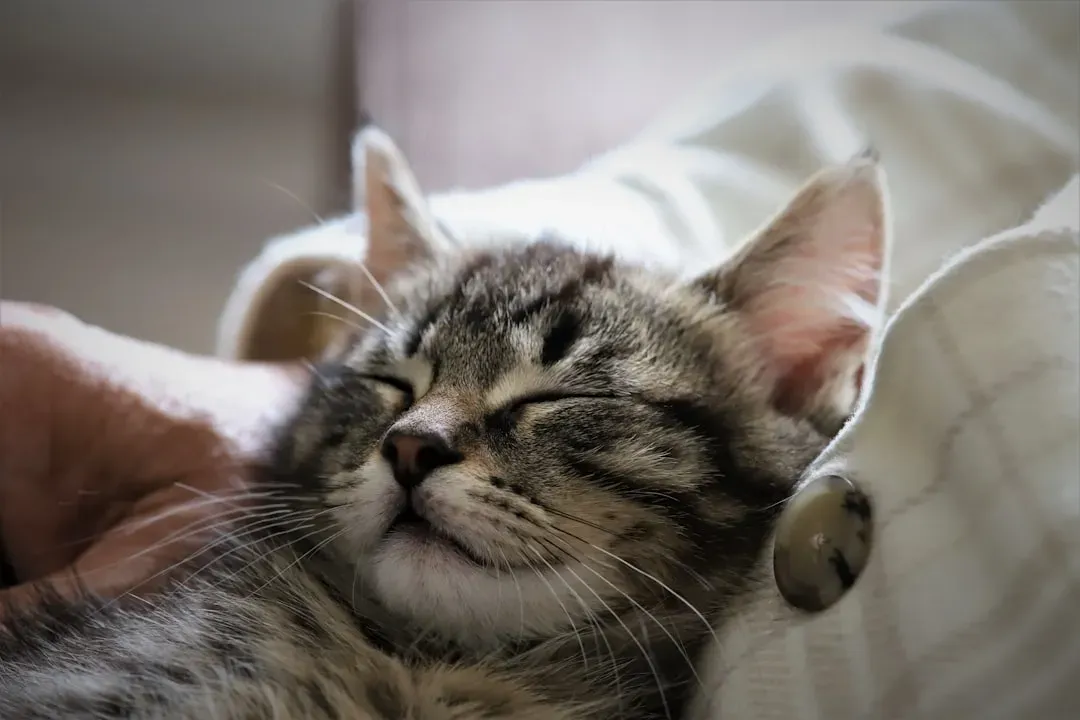
Let us be real – cats sleep an almost ridiculous amount. Most cats sleep between 12 and 16 hours a day, while humans average about 7 to 9 hours per night. This extended sleep helps cats recover energy for their active periods. Some individuals push even further than that, which is honestly a little bit enviable.
The breakdown within those sleep hours is equally striking. Up to 60 percent of your cat’s sleep is REM sleep, three times more than we have when we are asleep. To put that in perspective: if your cat sleeps 15 hours a day, they could be spending close to 9 of those hours in the dream-filled REM phase. That is a staggering amount of inner theater happening right there on your couch.
So, Do Cats Dream in Color? The Short (and Surprising) Answer
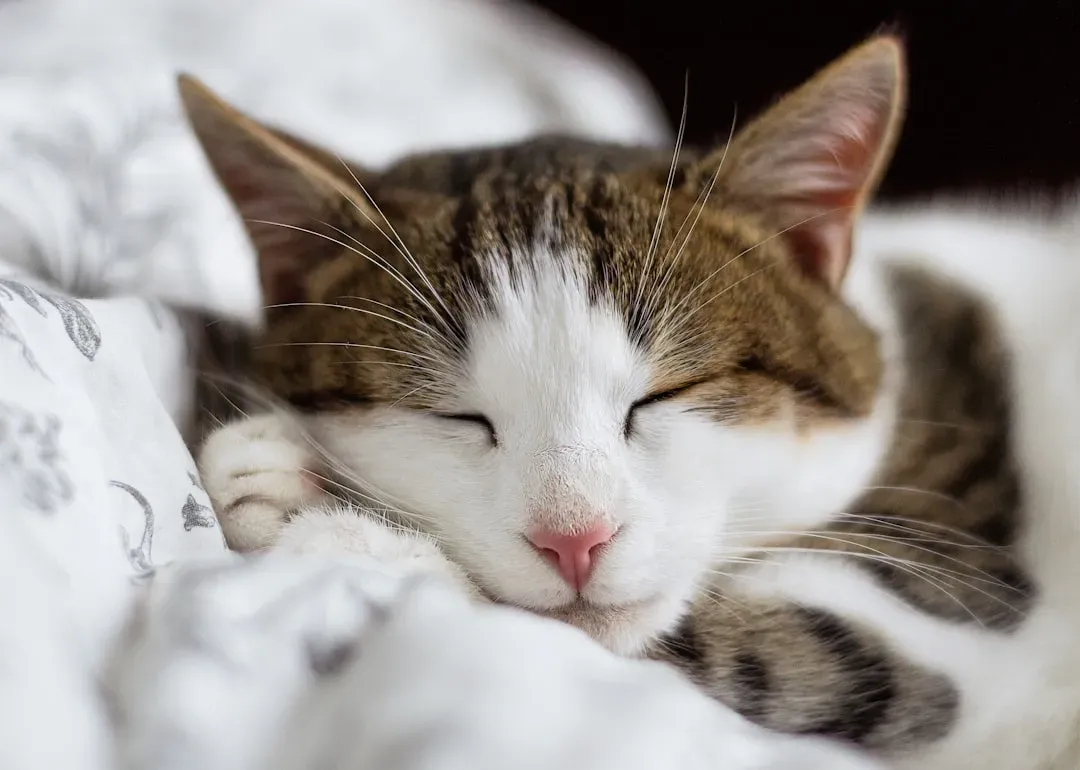
This is the question that stops most cat owners mid-thought, and honestly, it is one of the most interesting pieces of this whole puzzle. While we cannot know for sure, it is safe to assume that when cats dream, they do so in color. However, cats do not see color the same way we do. Since they are colorblind, cats only see shades of blue, gray, green, and yellow. Given this information, it is likely cats only dream in variations of those four colors.
Their waking vision directly shapes their dream palette. In either case, we know that cats cannot perceive color as vibrantly as humans can. That is because human eyes have about 10 times more cones, the light receptors in our retinas that help us see color, than cats do. So while your cat’s dreamscape is technically colored, think of it as a subtly muted, slightly cool-toned world – closer to an Instagram filter than a full-blown rainbow.
How Your Cat’s Eyes Actually See the World
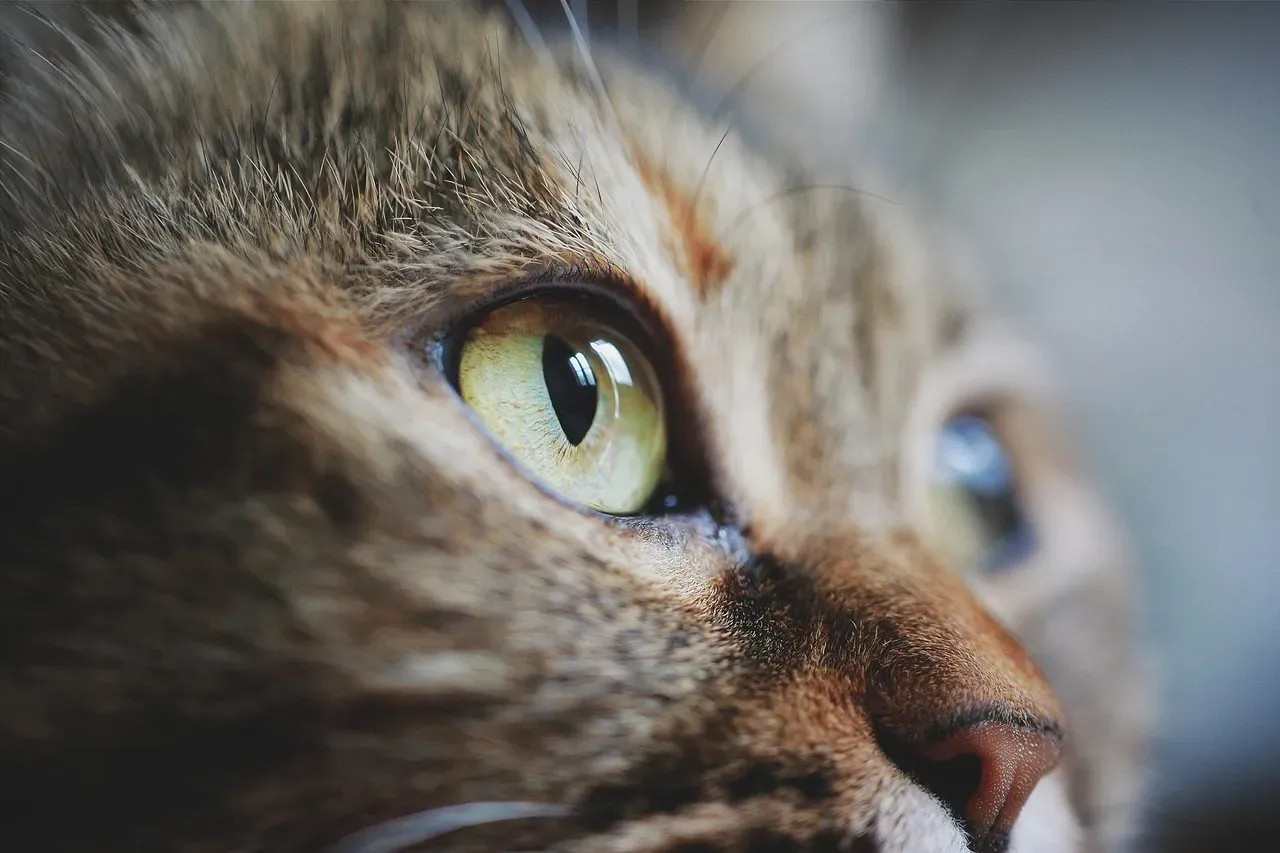
To understand what fills your cat’s dreams visually, you first need to understand how their eyes work when they are awake. Human and feline eyes have three types of cones that can identify combinations of red, blue, and green. But because humans have 10 times more cones than cats do, humans appreciate more color variations than cats. Your cat simply does not have the hardware to detect the same spectrum you enjoy every day.
Due to the construction of their eyes, it is thought that the colors cats can see best are blue and yellow. Meanwhile, red and green appear to them as shades of grey, like for people who are red-green colorblind. This also explains why your cat might walk right past a bright red toy while going absolutely wild for a blue feather wand. It literally pops more clearly in their visual field.
What Your Cat Is Most Likely Dreaming About
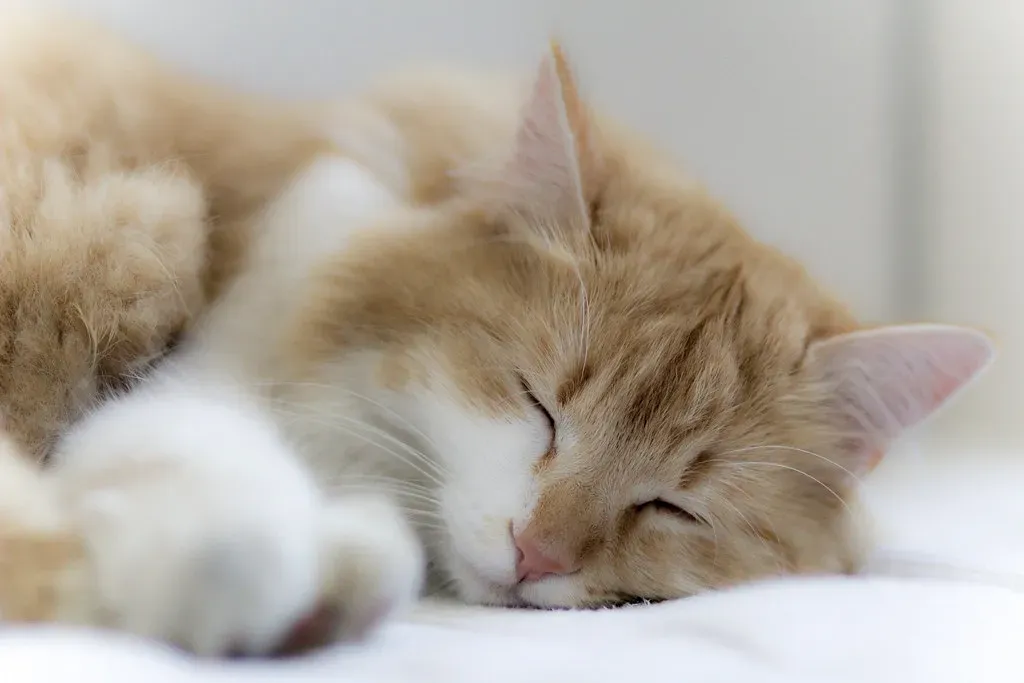
Honestly, this is the part that makes most cat owners smile. Researchers believe cats likely dream about familiar activities like hunting, playing, or interacting with their owners. The movements cats make during REM sleep often mirror their waking behaviors – stalking, pouncing, or grooming. Some cats appear to “hunt” in their dreams, with subtle head movements following imaginary prey. Others might dream about social interactions, as evidenced by soft purring or chirping sounds during sleep.
Your face might actually feature in their nightly adventures, too. There is even a good chance that your face makes regular appearances in your cat’s dream. Humans dream about people they care about, and cats likely do the same. Think of yourself as a recurring character in a very fluffy, low-resolution, blue-tinted film series. There are certainly worse roles to play.
Can Cats Have Nightmares? The Uncomfortable Truth
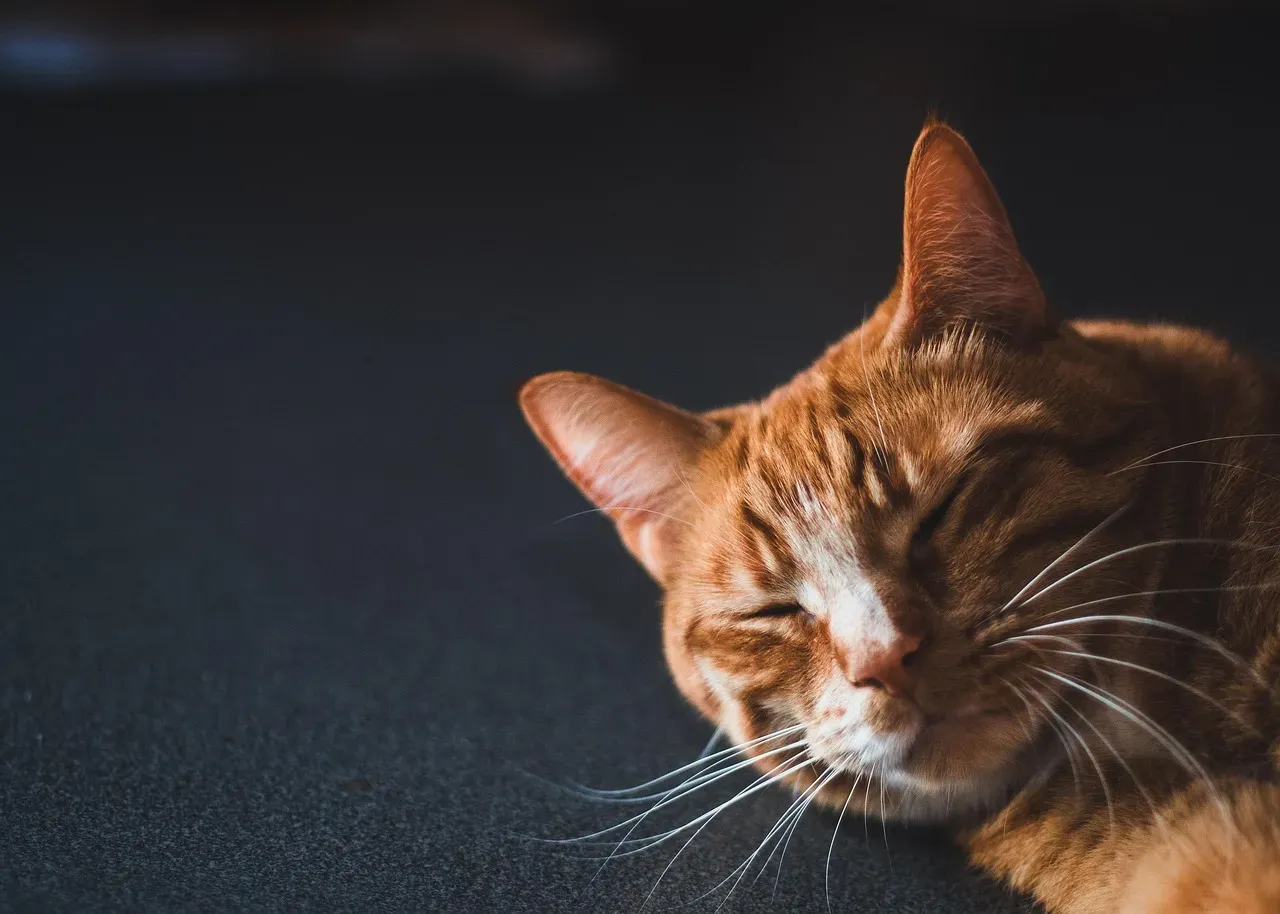
Here is where things get a little more emotionally loaded. While there is not definitive scientific evidence to confirm whether cats experience nightmares in the same way humans do, behavioral observations suggest that cats may indeed have disturbing dreams. Most cat owners who have witnessed a particularly intense sleeping episode would not find that hard to believe at all.
Your cat has a cushy life full of sunny spots on the floor and hand-delivered meals, but they still probably have nightmares. Bad dreams are usually triggered by strong emotions including stress, anxiety, and fear. Anecdotal evidence seems to suggest that cats can wake up and appear frightened, indicating a bad dream. Additionally, there have been other incidents where cats have been through traumatic events and would make stressed sounds whilst sleeping and would suddenly wake up and display noticeable signs of distress. Even pampered housecats carry echoes of old fears.
Should You Wake Your Cat From a Bad Dream?
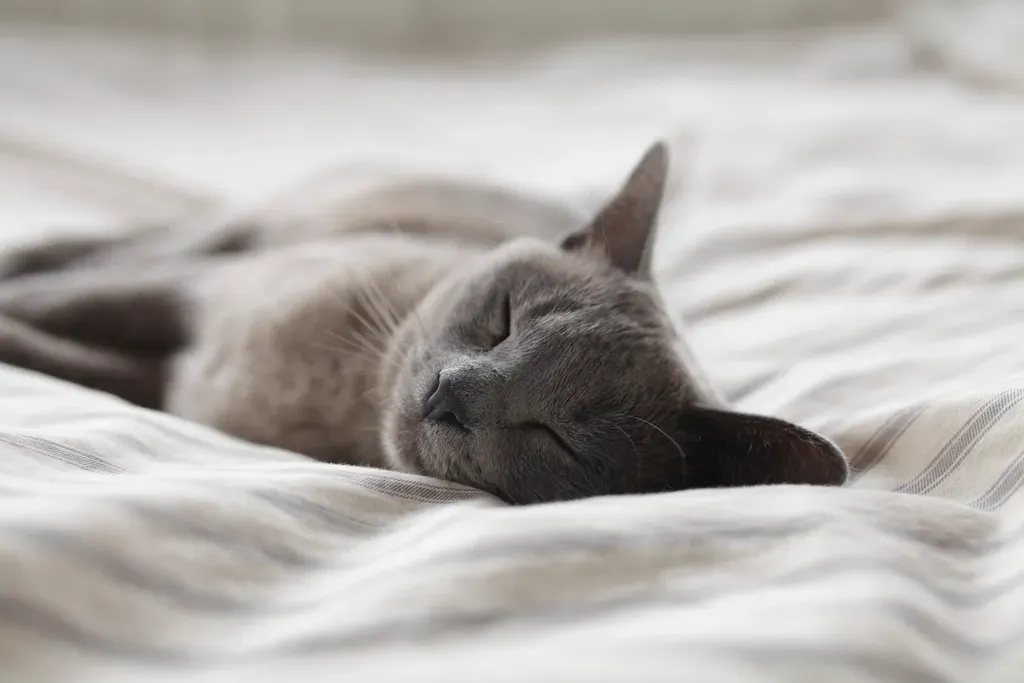
This is where most loving cat owners make a well-intentioned mistake. The instinct to rescue your cat from a nightmare is completely natural. The execution, however, can be problematic. Waking a cat in the middle of a nightmare could be dangerous. They might react with aggression before realizing they are awake. You could end up with a startled set of claws aimed directly at you.
It is hard to watch them feel distressed but remember that no real harm will come to them during a nightmare. The far better approach is simply to be present and calm when they do wake naturally. If you believe your cat has had a nightmare, the best thing to do is to remain calm and provide comfort once they wake up. You can gently stroke them or offer a reassuring word to help them feel safe. Ensure your cat has a cosy, quiet space to rest undisturbed.
Kittens vs. Adult Cats: Who Dreams More?
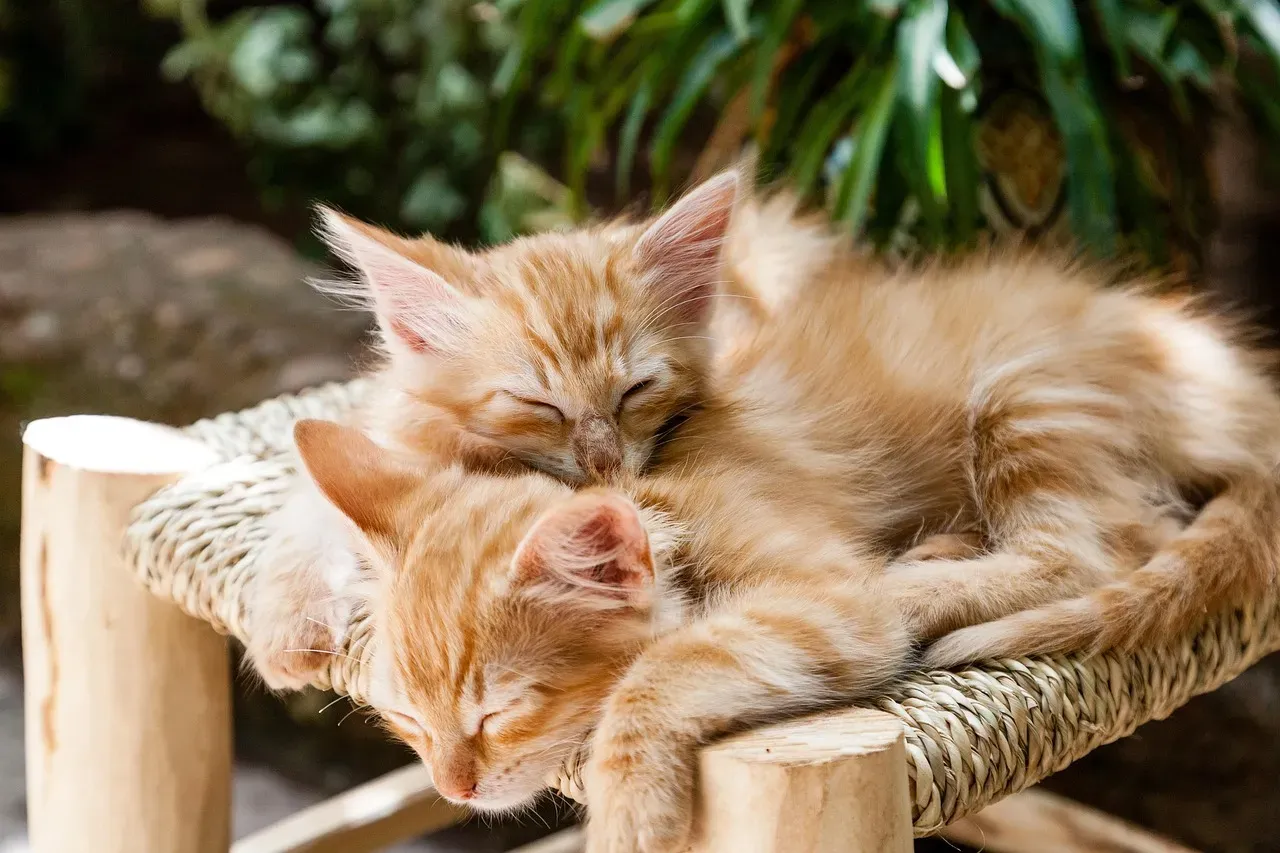
Age plays a surprisingly large role in how much and how intensely cats dream. The amount of REM sleep your cat experiences will decrease as they get older, therefore it is assumed that kittens are much more likely to dream than adult cats. This could also be due to the fact that kittens have a lot more to learn about the world around them, therefore they have a significant amount of information to process, and more signals will be sent to the brain. Think of a kitten’s brain as a brand-new sponge soaking up every single new experience and processing it all overnight.
It is also believed that kittens get more REM sleep than adult and senior cats. They need that extra time in deep sleep to help them process all the new things they learned that day. Your new kitten could be dreaming about something mundane, like their litter box, but those fast and frequent dreams will likely subside with age. Senior cats, on the other hand, tend to dream less frequently, though they still spend enormous portions of the day asleep.
What Science Still Does Not Know – and What Comes Next
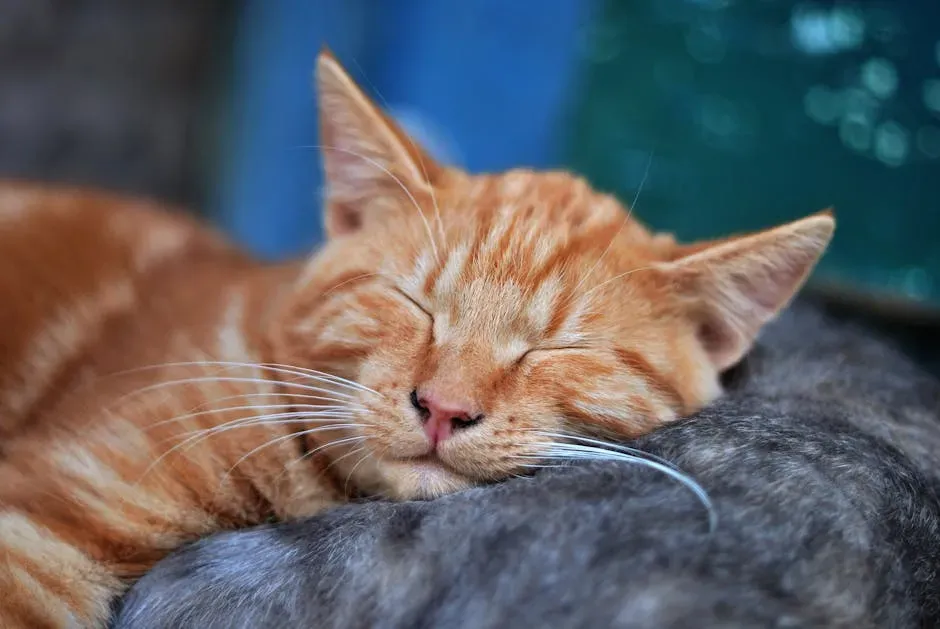
Here is the honest part: for all we have figured out, the core question remains unanswered. Human dream science is heavily reliant on verbal reports of dream experiences. Researchers question “whether dreaming in non-human animals is inaccessible to science because animals cannot provide verbal reports of dream experiencing.” Your cat will never describe that dream to you over morning coffee. That wall may never fully come down.
Still, the future of feline dream research is more exciting than ever. Advanced technology is opening new frontiers in understanding cat consciousness and dreaming. Researchers are developing less invasive ways to monitor brain activity during sleep, including wireless EEG systems that allow cats to sleep naturally. Virtual reality and brain imaging technologies might eventually allow scientists to better understand what cats actually experience during dreams. The dream of truly understanding your cat’s dreams may not be so far away after all.
Conclusion
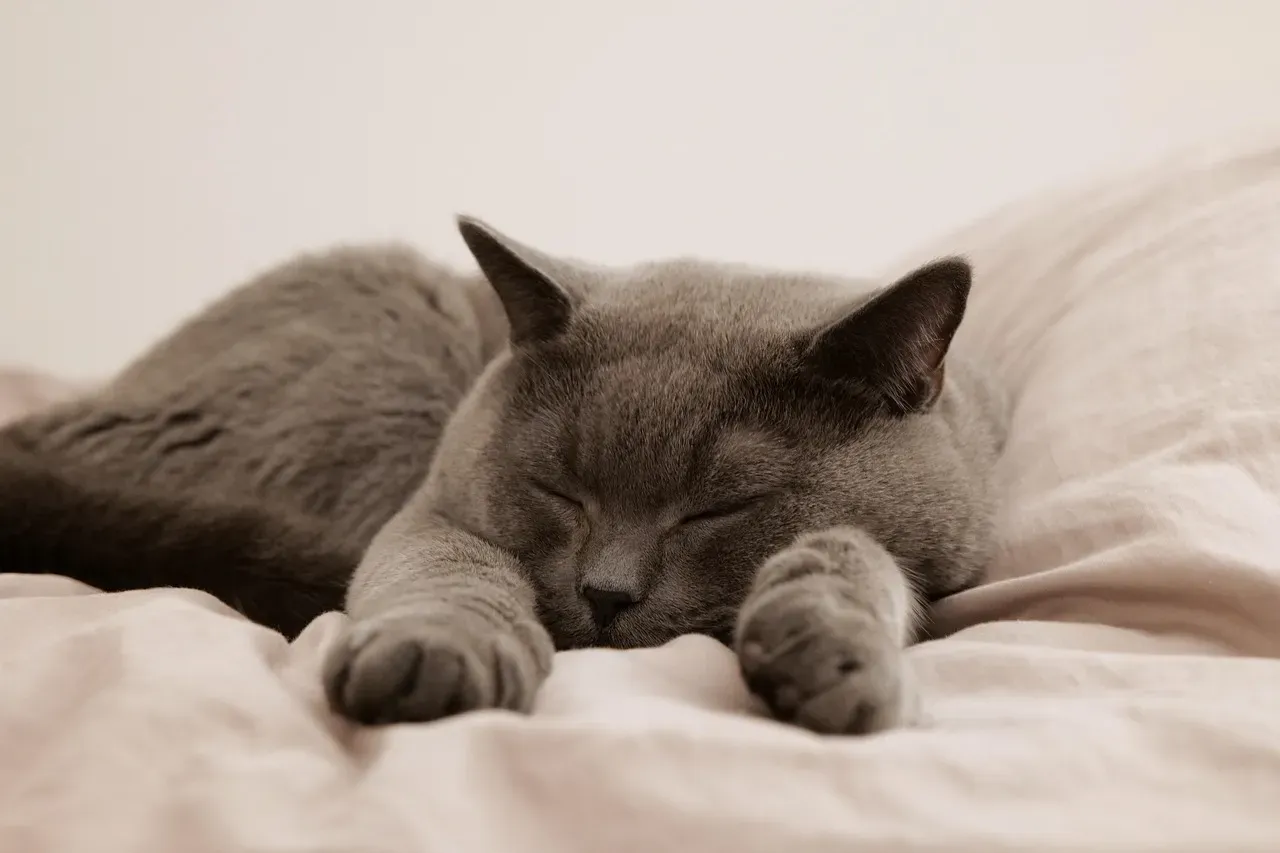
So, the next time you look over at your cat twitching softly in a patch of late afternoon light, you can see it differently. They are not just “resting.” They are living a whole other life – hunting imaginary prey through a world painted in muted blues and yellows, possibly dreaming of you, possibly re-living the thrilling chaos of chasing that feather wand you dangled at them an hour ago.
Their inner world is smaller in color, faster in rhythm, and entirely their own. Science gives us a beautiful glimpse at the edges of it, even if the full picture stays just out of reach. And honestly? There is something wonderful about that mystery remaining. The next time your cat twitches in their sleep, what do you think they are chasing? Tell us in the comments – we are genuinely curious.