There’s something profoundly symbolic about a mountain lion slipping through an urban landscape. These elusive predators once roamed California’s wild lands without boundaries, moving freely between mountain ranges and coastal corridors. Today, their world has shrunk dramatically. Hemmed in by sprawling highways, housing developments, and urban sprawl, certain populations of these magnificent animals are teetering on the brink of extinction.
California just made a move that wildlife conservationists have been pushing for nearly seven years. The California Fish and Game Commission voted unanimously on Thursday to list six groups of Central Coast and Southern California mountain lions as threatened under the California Endangered Species Act. This decision marks the first time the state has recognized these big cats with such protection. The vote wasn’t just a formality, it was the culmination of a lengthy battle waged by environmental advocates who’ve witnessed these animals struggling to survive in increasingly fractured habitats.
Six Isolated Populations Now Protected
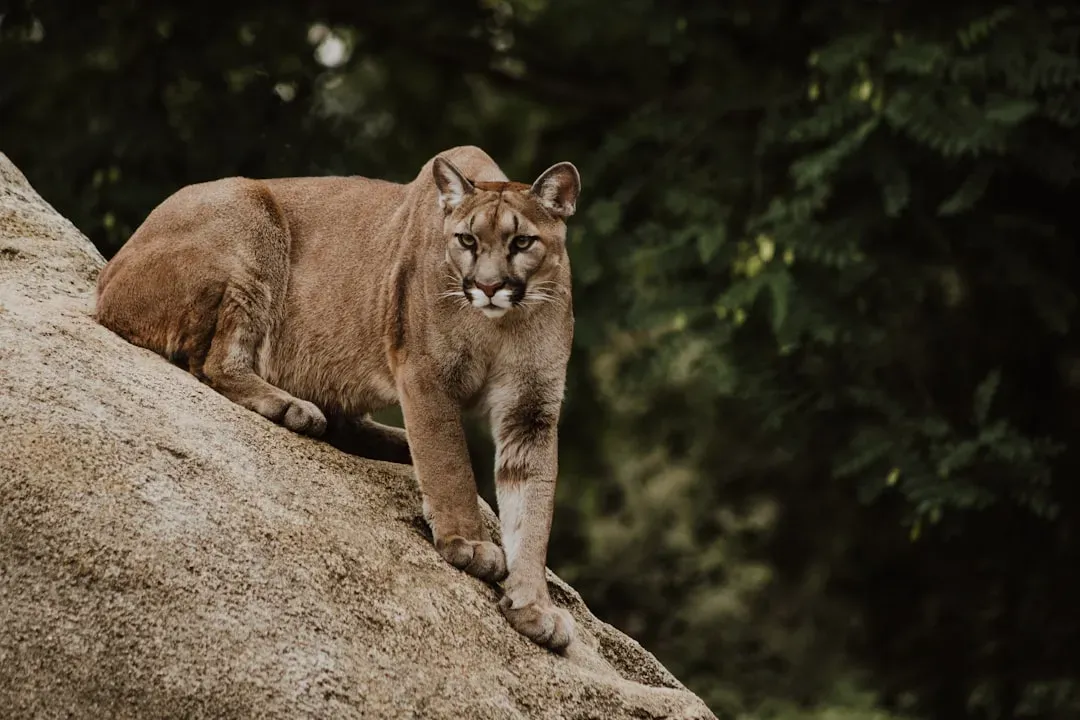
The protected cougars are located in the Santa Cruz Mountains, the Central Coast, Santa Monica Mountains, San Gabriel and San Bernardino Mountains, Santa Ana Mountains and Eastern Peninsular range in San Diego County. These mountain lions account for about one-third of the roughly 4,200 solitary, tawny cats thought to roam California. Each of these six populations faces its own distinct challenges, though they share common threats.
Think of it this way: imagine living on an island with no bridge to the mainland. That’s essentially the situation for many of these mountain lion groups, isolated from one another by massive concrete barriers in the form of freeways. Mountain lions need wide ranges to hunt, usually for deer, and for males to find unrelated females for breeding. These large felines are boxed in by freeways and when they dart across lanes of speeding traffic, they are usually killed, making vehicle strikes the leading cause of death.
A Nearly Seven-Year Journey to Protection
The Center for Biological Diversity and the Mountain Lion Foundation petitioned in 2019 to add Central Coast and Southern California Mountain Lions to the state’s endangered species list. The petition wasn’t just paperwork, it was backed by years of scientific research showing alarming trends in mountain lion health and survival rates. The path from petition to protection involved extensive studies, public hearings, and scientific reviews.
More than six years later, the California Department of Fish and Wildlife agreed. In December, a staff report recommended that, with some tweaks to the protected area, California list these mountain lions as threatened. The process required patience from conservationists who watched populations continue to decline while the bureaucratic wheels turned slowly.
What This Protection Actually Means
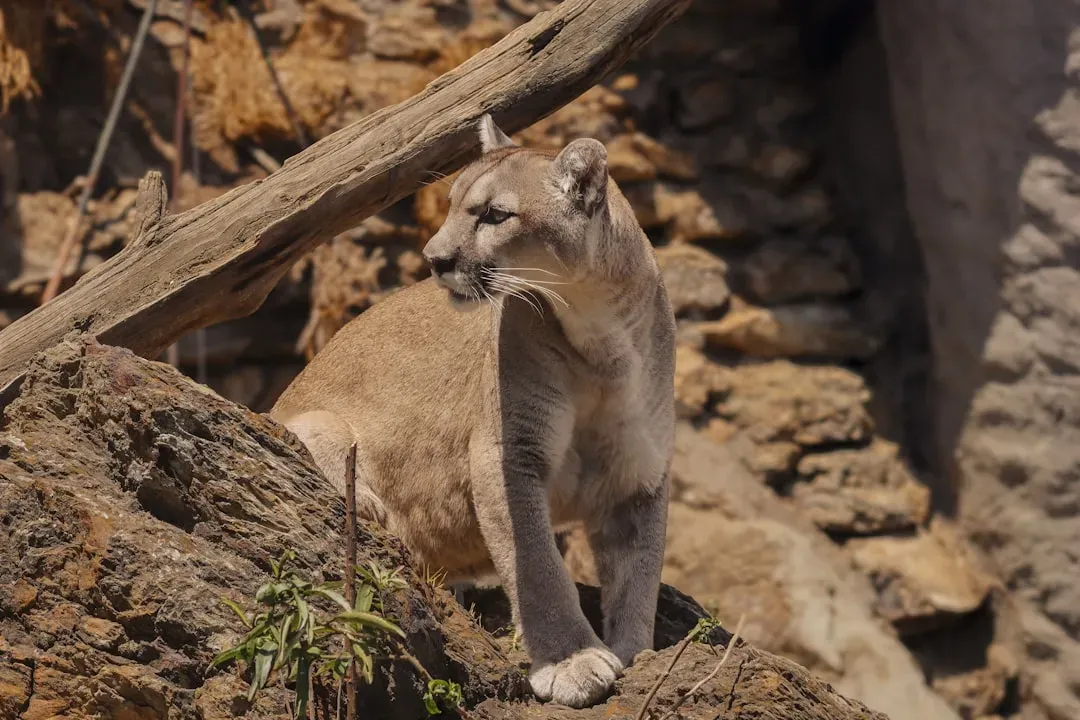
So what changes now that these mountain lions have threatened status? By deeming six populations of pumas as threatened under the California Endangered Species Act, it will mean any entity proposing new developments or roads near mountain lion habitat must formulate a plan to mitigate the harm to these big cats. Developers can no longer simply bulldoze through critical wildlife corridors without considering the impact on mountain lion movement and survival.
Listing the mountain lions aligns with the state’s existing ban on hunting mountain lions for sport and prohibits harming, or “taking”, them except with a permit under certain conditions. It could also increase their priority for limited conservation grants and other funds. More importantly, advocates say, it will trigger habitat protections, including under the landmark California Environmental Quality Act.
There’s a common misconception that needs clearing up. Listing mountain lions under the state’s endangered species act doesn’t prevent wildlife officials from intervening in conflicts, according to Stephen Gonzalez, a spokesperson for the California Department of Fish and Wildlife. The act still allows the department to issue permits for managing mountain lions that kill pets and livestock.
The Looming Threat of Genetic Collapse
Here’s where things get genuinely concerning. Scientists have been documenting physical signs that should set off alarm bells for anyone who cares about California’s wildlife. Physical signs of inbreeding, including kinked tails, testicular defects and malformed sperm, have already cropped up in cougars corralled by freeways in the mountains of Southern California. These aren’t just cosmetic issues, they’re red flags signaling a population sliding toward genetic collapse.
Without fresh gametes swimming in the gene pool, the iconic cougars of the Santa Ana and Santa Monica mountains risk dying out in the coming decades when inbreeding starts affecting reproduction and survival, scientists warn. Even populations further north are struggling to find mates that aren’t related to them. The situation has become so dire that conservationists have coined a chilling term for what these animals face.
Tiffany Yap, urban wildlands science director at the Center for Biological Diversity, described the situation, noting these populations are facing an extinction vortex. It’s a downward spiral where small populations lead to inbreeding, which reduces survival rates, which further shrinks the population, creating a deadly cycle that’s extraordinarily difficult to break.
Multiple Threats Stacking Against Survival
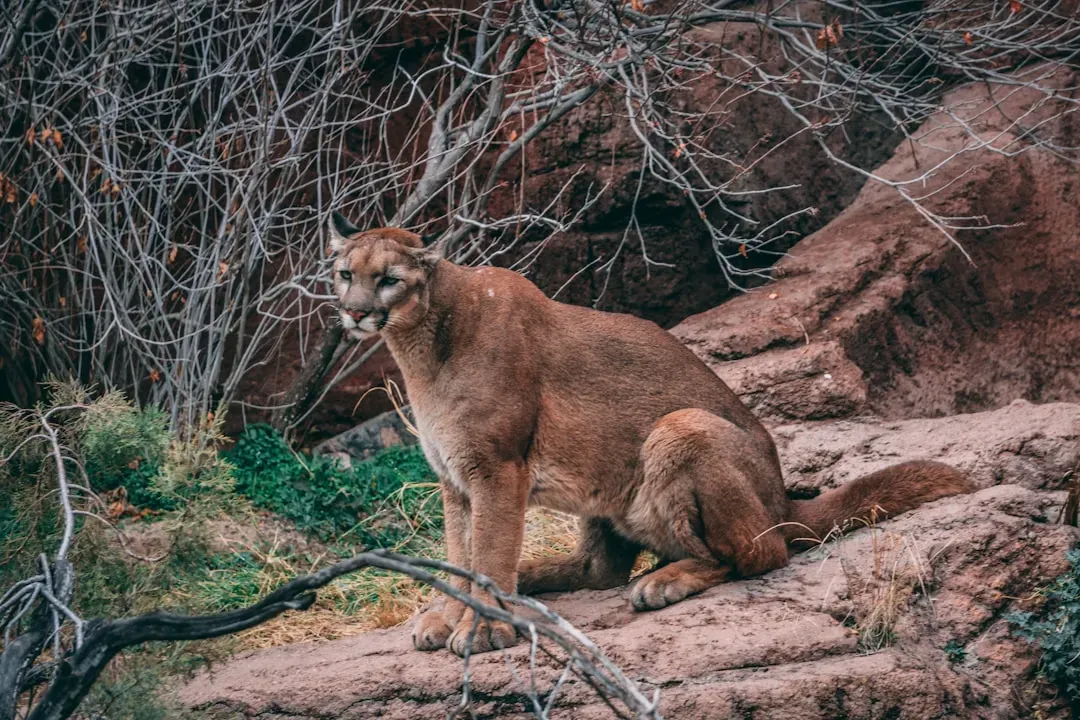
State wildlife officials say the big cats face mounting threats tied to habitat loss, as development and roadways cut through migration areas. Vehicle strikes and exposure to rat poison are also among the leading causes of death, according to wildlife experts. Each of these threats alone would be challenging, together they create a nearly insurmountable gauntlet for these animals to navigate.
Rat poison deserves special attention because it demonstrates how urban problems ripple out into wild spaces. They can get sick with weakened immune systems that can lead to death from eating small prey such as rats, mice and squirrels that have ingested rat poison left outside near wildlands, as the poison transfers into their systems. It’s a perfect example of how human activity in developed areas directly impacts wildlife trying to survive on the edges of civilization.
Mountain lions are one of the last big predators keeping ecosystems in balance. They feed on deer and other animals, leave scavengers, raptors and other wildlife the remains, and help maintain equilibrium among plants, prey and predator. The isolated mountain lions along California’s coast risk inbreeding themselves into extinction, scientists and state wildlife officials say.
Wildlife Crossings and Future Solutions
California isn’t just identifying the problem, the state is already investing heavily in solutions. The nearly one hundred million dollar Wallis Annenberg Wildlife Crossing being built over the 101 Freeway in Agoura Hills with mostly private dollars will enable penned-in mountain lions in the Santa Monica Mountains to cross safely into northern ranges. This massive structure represents the world’s largest wildlife crossing and could be a game changer for isolated populations.
Biologists are examining the possibility of building another crossing over the 5 Freeway in the area between Kern and northern Los Angeles County. Also, the status could generate dollars and support to help keep the wild cats off the toll roads in Orange County and off I-15, where many are struck and killed by vehicles every year. These infrastructure projects acknowledge a simple truth: if we’re going to carve up wildlife habitat with roads, we need to provide safe passage across those barriers.
This unanimous vote represents far more than a bureaucratic checkbox for California’s mountain lions. It’s a recognition that these apex predators, which have prowled these lands for millennia, deserve a fighting chance against the modern threats we’ve constructed around them. The protection comes not a moment too soon for populations already showing genetic warning signs.
Whether these protections arrive in time to pull mountain lions back from that extinction vortex remains to be seen. Success will require not just laws on paper but real action: more wildlife crossings, restrictions on toxic rodenticides, thoughtful development planning that preserves habitat connectivity. The mountain lions of California’s coast and central regions now have the legal protections they desperately needed. The question is whether we’ll build the physical infrastructure and provide the resources necessary to translate those protections into actual survival. What do you think it will take to ensure future generations still see mountain lions roaming California’s wild spaces?