Virunga National Park, Democratic Republic of Congo – Trackers in the lush forests of eastern Congo stumbled upon a heartening sight last weekend, as a female mountain gorilla cradled her newborn twins, marking a rare and promising event for one of the planet’s most endangered primates.
A Surprising Discovery in the Wild
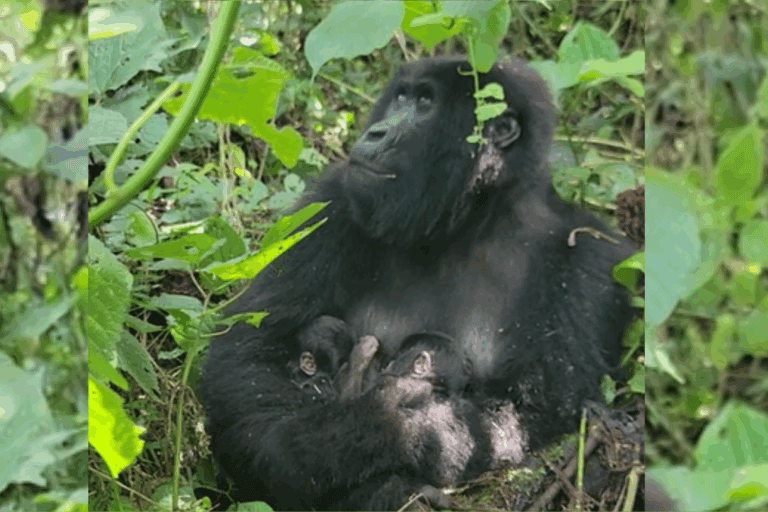
Community trackers patrolling the rugged terrain of Virunga National Park made the unexpected find on Saturday. The 22-year-old mother, named Mafuko, gently held her two tiny offspring close, a scene that quickly spread joy among conservationists. This birth stands out because twin deliveries occur in less than 1% of gorilla pregnancies, making it a remarkable occurrence for the subspecies.
Both infants appeared healthy during the initial observation, with Mafuko demonstrating attentive care. Park officials confirmed the news shortly after, emphasizing the positive implications for the local gorilla population. Such events provide a much-needed boost in an area long plagued by conflict and habitat loss.
Mafuko’s Resilient Journey
Mafuko herself has overcome significant hardships. Born in 2003, she lost her own mother to poaching violence early in life. After that tragedy, she integrated into a new family group, showcasing the adaptability that has helped her species endure.
Now, as a silverback’s mate in the park’s habituated groups, Mafuko’s successful motherhood highlights the stability some gorilla families have achieved through protection efforts. Her story underscores the importance of ongoing monitoring, which allows rangers to intervene when threats arise. Conservation teams will continue to watch the family closely in the coming months to ensure the twins’ survival.
Why This Birth Matters for Conservation
Mountain gorillas number fewer than 1,100 individuals worldwide, confined to the misty highlands of the Virunga Volcanoes and Bwindi Impenetrable Forest. The twins’ arrival represents a “major event,” as described by park authorities, potentially increasing genetic diversity and population growth. Experts view it as a sign that habitat protection measures are yielding results despite surrounding instability.
Katie Fawcett, science director with the DRC-based Gorilla Rehabilitation and Conservation Education Center, called the birth “a huge sign of hope and a great way to start the new year.” Her words capture the broader sentiment among those working to safeguard these gentle giants. Efforts like anti-poaching patrols and community engagement have stabilized numbers in recent years, but sustained funding remains crucial.
Persistent Challenges in Virunga
Despite the optimism, the region faces ongoing dangers. Armed groups have historically encroached on the park, leading to ranger casualties and wildlife threats. Habitat fragmentation from human expansion further complicates survival for gorillas, who require vast forested areas for foraging and social bonds.
Conservationists stress the need for international support to bolster security and restore ecosystems. Recent data shows a slight population uptick, but experts warn that without addressing root causes like poverty and conflict, gains could reverse. The twins’ birth serves as a reminder of what’s at stake, urging global attention to this biodiversity hotspot.
- Poaching and snares pose direct risks to gorilla families.
- Climate change alters food availability in high-altitude habitats.
- Human-wildlife conflict arises from resource competition in border areas.
- Medical interventions, like vaccinations, help combat diseases.
- Tourism revenue funds patrols but must be managed sustainably.
Key Takeaways
- The twin birth boosts the critically endangered mountain gorilla population, estimated at under 1,100.
- Virunga National Park’s monitoring efforts ensure early detection of threats to the new family.
- Global conservation funding is essential to protect this fragile ecosystem amid regional conflicts.
This rare twin birth in Virunga not only celebrates a small victory for nature but also calls for renewed commitment to preserving Congo’s irreplaceable wildlife heritage. What steps do you believe are most urgent for gorilla conservation? Share your thoughts in the comments.