You curl up on the couch, your cat hops right into your lap, and in that moment everything feels perfect. But then a tiny, nagging question creeps in: does your cat actually want to be there, or is it just making use of a warm surface?
It’s one of those questions that every cat owner has wrestled with at some point. Cats are famously hard to read. Unlike dogs, who wear their hearts on their furry sleeves, cats operate on an entirely different emotional frequency. Honestly, learning to decode them is a bit like learning a second language – one built on blinks, tail angles, and the placement of their ears. Let’s dive in.
The Science of Feline Attachment Is More Real Than You Think
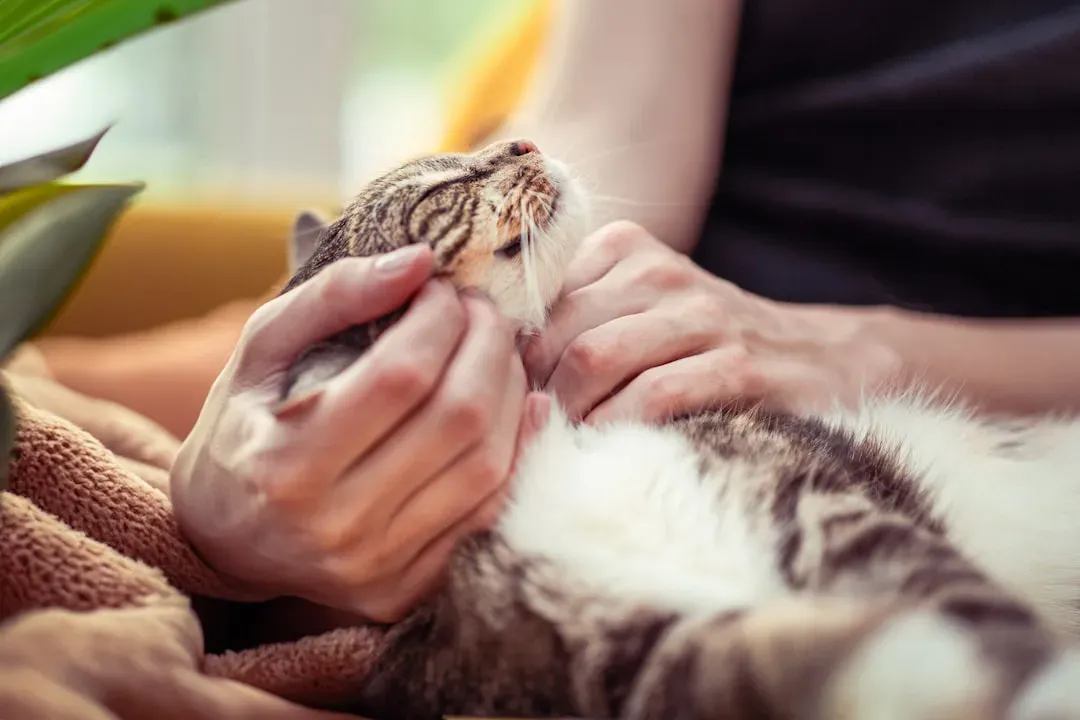
Many people assume cats are fundamentally independent creatures who simply tolerate their owners. That idea, it turns out, is outdated. A study published in Current Biology found that cats form attachment bonds to their human caretakers in very much the same way that dogs and human children do. So when your cat chooses to be near you, it is not random.
If your cat cuddles with you, this tends to be a sign that your cat trusts you deeply and feels secure, both physically and emotionally, with you. Think of it less like your cat tolerating you and more like your cat voting with their paws. They chose your lap. That means something.
Purring Is a Good Sign, But Context Matters
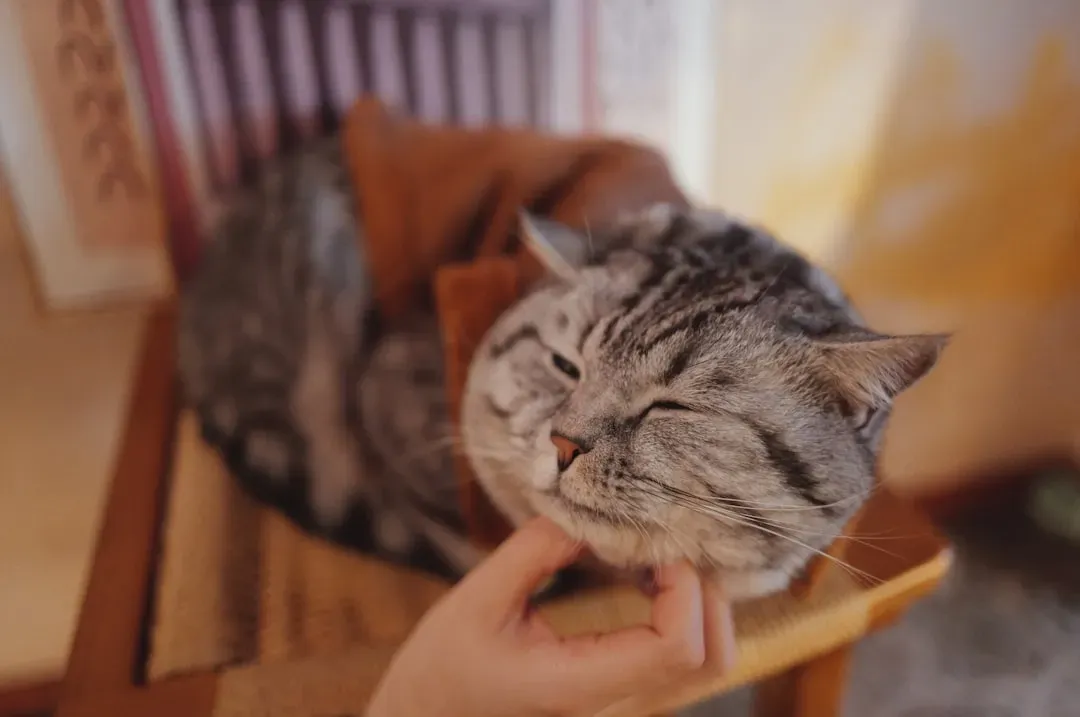
Cats often purr to show contentment when they are resting near you or when you’re petting them. They may also purr when they’re nervous, but this is often paired with different body language such as holding their ears back, putting their head down, fast tail-swishing, or hiding. So purring alone is not the whole story.
We often think that our cats are happy when they purr. This is only true if their body language is relaxed. They can also purr to get your attention and fuss. Think of purring less like a universal thumbs-up and more like a sentence that needs the rest of the body language around it to make sense. Watch the whole picture.
The Slow Blink Is Your Cat’s Version of “I Love You”
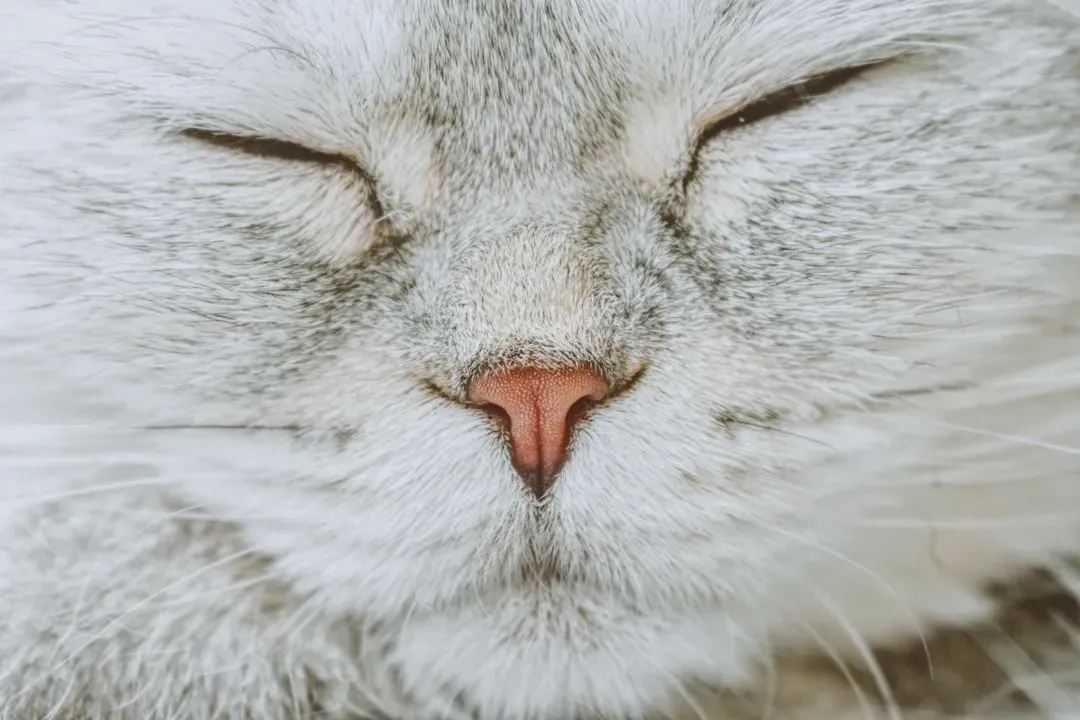
Cats will often make eye contact with lowered eyelids and steady, slow blinks. This is considered a feline version of a kiss, and you can even try slow blinking to show love back to cats. It’s one of the most beautiful little rituals in the animal kingdom, when you think about it.
Cats blink slowly to show affection and relaxation. If a cat blinks slowly at you, they are not threatened by you, in fact, they trust you. To bond with a cat that blinks slowly at you, you can return their gesture by blinking slowly back at them. So next time your cat locks eyes with you and gives that unhurried, half-lidded blink, blink right back. You’re having a conversation.
A Relaxed Body Tells the Whole Story
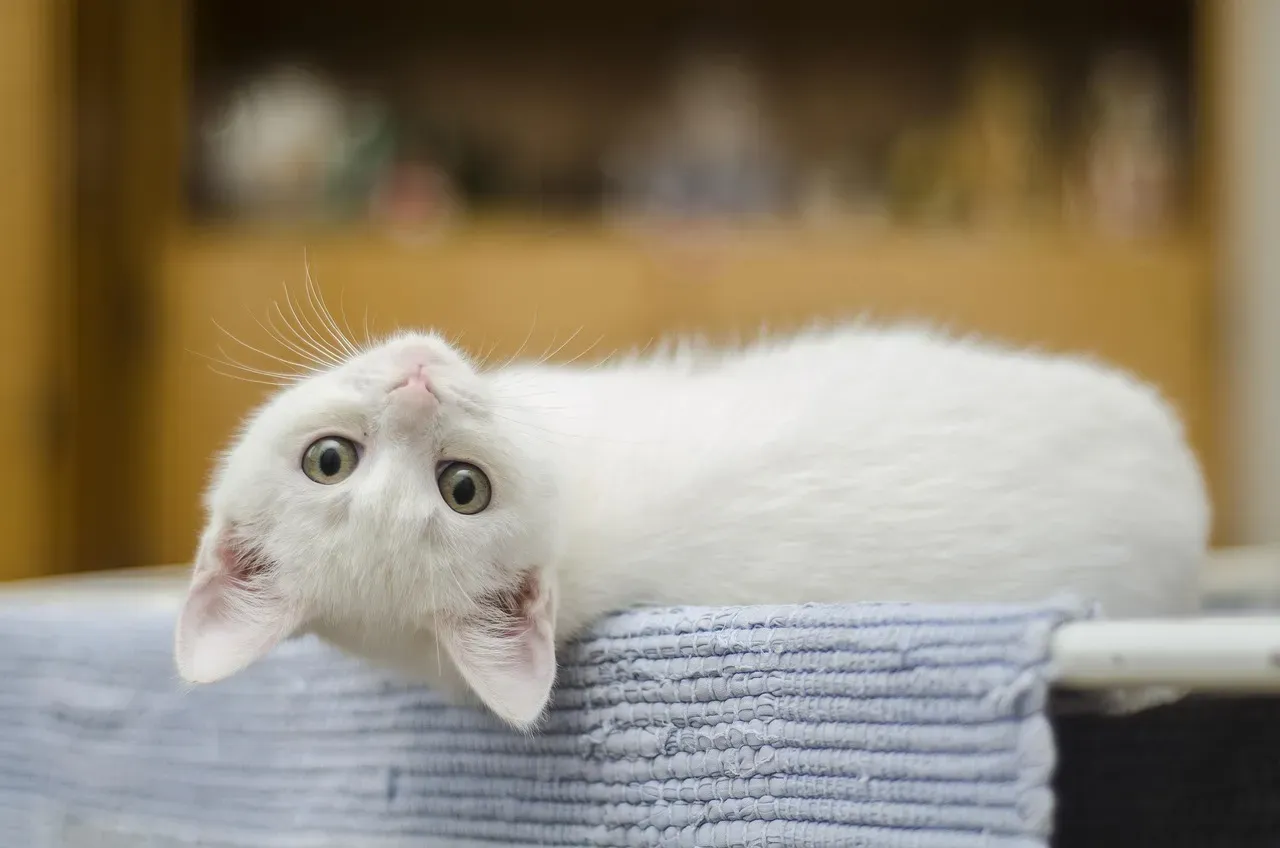
Cats who are relaxed will have loose, fluid body movements, and their breathing will be slow and steady. They might fold their feet in front of themselves, stretch their feet way out in front, or slouch over the side of a perch. Relaxed cats’ ears and whiskers will be at their neutral positions or maybe slightly forward. If your cat looks like a puddle of contentment in your arms, that’s a green light.
When a cat is genuinely enjoying your touch, you’ll feel the difference. They lean in and purr with normal human touch. They enjoy time on laps and often honor their person with kneading while purring. Leaning in is key. A cat that is merely tolerating you stays tense, upright, or slightly braced for escape. A happy cat melts.
Kneading on You Is Pure, Unfiltered Comfort
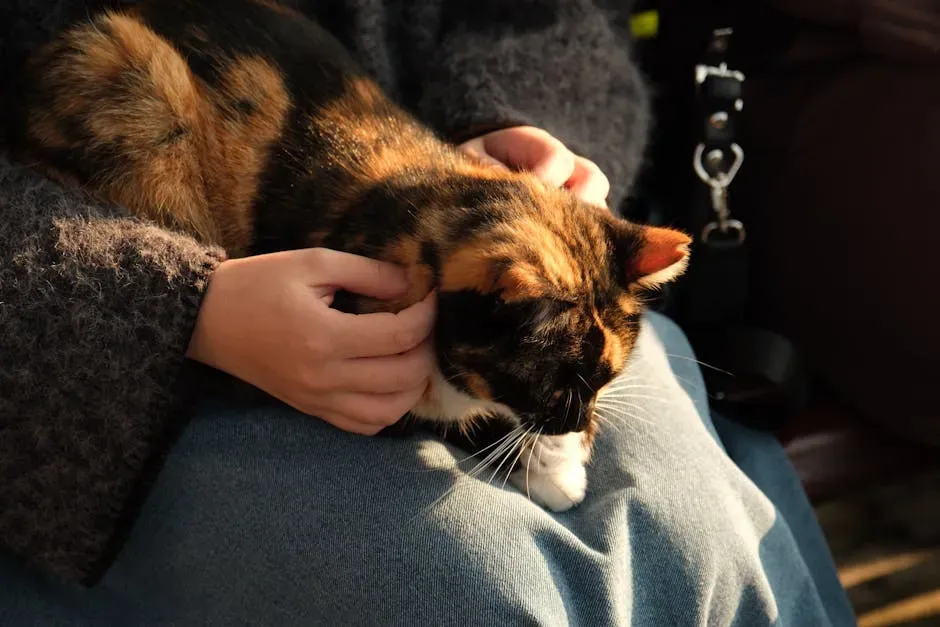
Here’s a sign that many people find confusing, or even a little painful when those claws come out. Kneading, also known as “making biscuits,” is a behavior kittens use to stimulate milk flow from their mothers. When your cat kneads on you, it’s a sign of deep contentment and a throwback to their kittenhood days. You are, in the most literal sense, your cat’s comfort person.
It is said that kneading is a memory from kittenhood. A suckling kitten stomps its paws on the mother cat’s teat area, so the milk is secreted better. When kneading, the cat feels good and safe. So yes, it might leave little claw marks on your thighs, but consider it a compliment of the highest order.
Watch What the Tail Is Doing During Your Cuddle Session
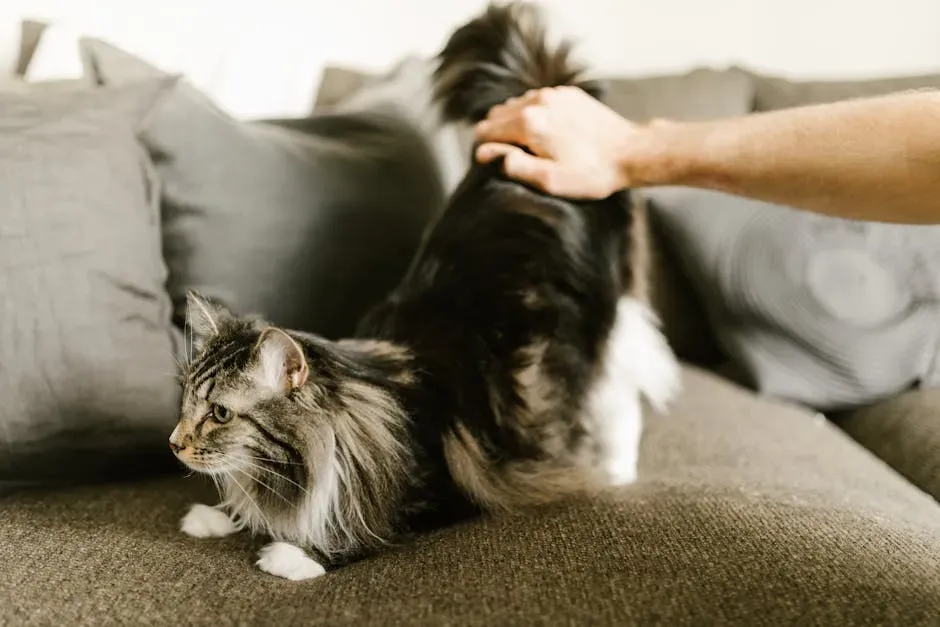
The tail is like a real-time mood barometer, and during cuddle time, it can reveal a lot. A cat’s tail acts like a mood barometer. Every twitch, flick, and curl adds context to what your cat is feeling. One of the most positive signs in cat body language is a tail held straight up. This upright position shows confidence, happiness, and approachability.
On the other end, if you notice rapid, forceful tail flicking while you’re petting your cat, that’s a signal worth paying attention to. Rapid tail flicking or strong swishes typically reveal frustration or agitation. Recognizing this shift in cat body language can help you avoid overstimulation or unwanted conflict. Slow down, pause, and let your cat reset before continuing.
Headbutting and Cheek Rubbing Are Marks of True Ownership
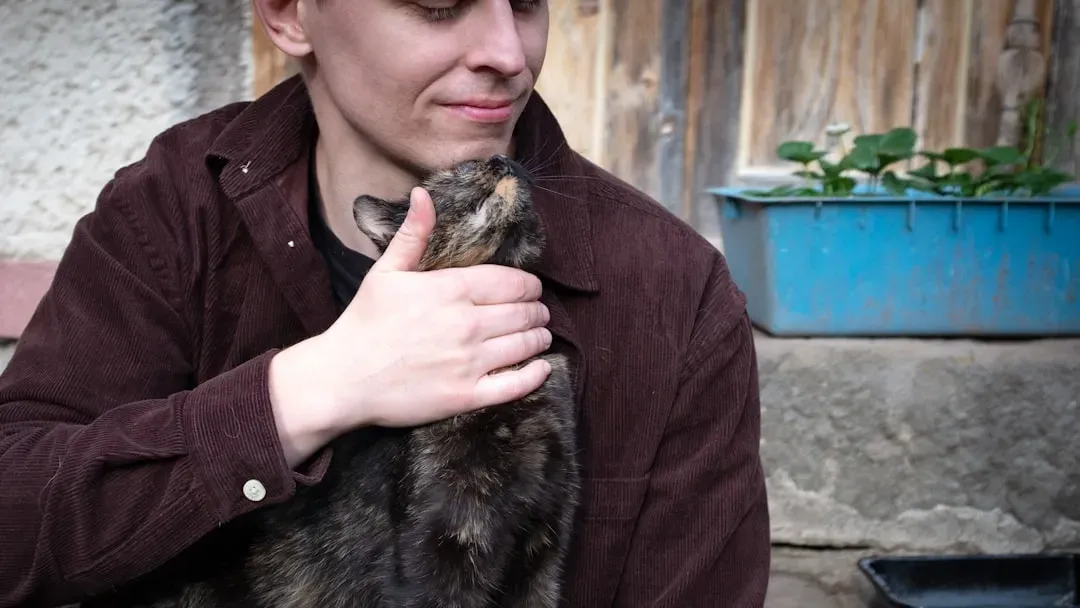
Let’s be real, getting headbutted by your cat is one of the most endearing things in the world. Your cat may bump their head against you or rub their cheeks against you to show affection. This is a social behavior formed in kittenhood through headbutting other kittens and their mother. Headbutting is often an attempt to mark you with their scent to claim you as one of their own. It helps cats bond and is offered to their humans to show love.
The cat often responds to petting by head bumping and kneading with its paws. The cat’s cheeks have glands that secrete pheromones, so head bumping is also for leaving scent marks. In other words, your cat is stamping you with a scent marker that says “this one is mine.” Honestly, it’s the most cat thing imaginable, and it’s wonderful.
How to Spot the Signs That Your Cat Is Just Tolerating It
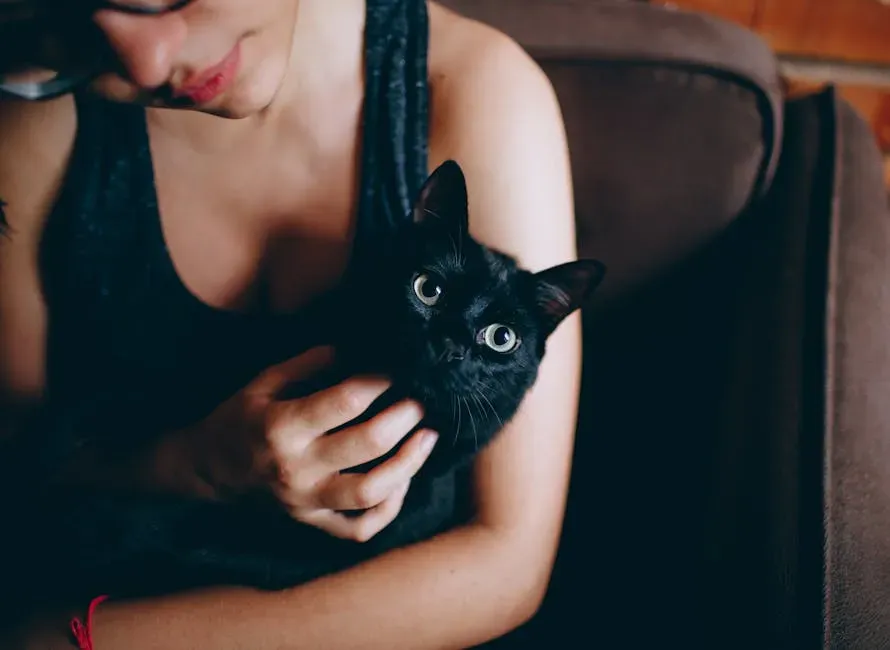
Here’s the less comfortable truth. Allow your cat to be the guide for how much physical affection and social interaction they want from you. Many cats will tolerate cuddling with their humans, but that does not mean they necessarily enjoy it. If you notice your cat staying still but with a stiff body, flat ears, or wide, watchful eyes, they may be enduring rather than enjoying.
If your cat doesn’t like being hugged, the stress can trigger their ‘fight, flight, or freeze’ response. They might hiss and scratch, or try to run away. If your cat freezes, you might mistakenly think they are happy to be hugged. Look out for signs of stress in their body language. Freezing, in particular, is easy to misread. A motionless cat during a hug is not always a relaxed cat.
Initiating the Cuddle Is the Clearest Sign of All
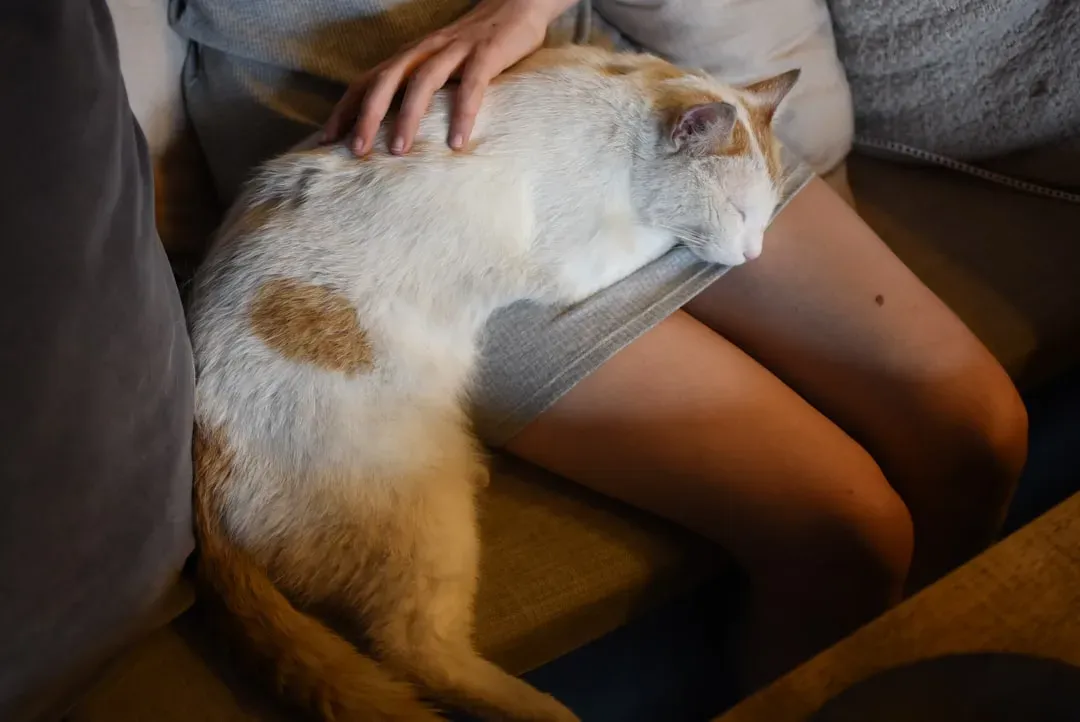
I think the single most telling signal is who starts it. Cats are selective about who they cuddle with. If your cat snuggles up to you, it’s a clear sign they trust and feel safe with you. A cat that walks over, climbs into your lap unprompted, and settles in is making a deliberate, voluntary choice. That’s not coincidence.
A cat needs to be in control of interaction with humans to feel safe. They enjoy human touch as long as they can indicate consent by movement toward their human first. When your cat initiates, respect it. When your cat walks away, let them go. That mutual respect is the foundation of genuinely good cuddle time, and it’s what keeps your cat coming back for more.
Conclusion
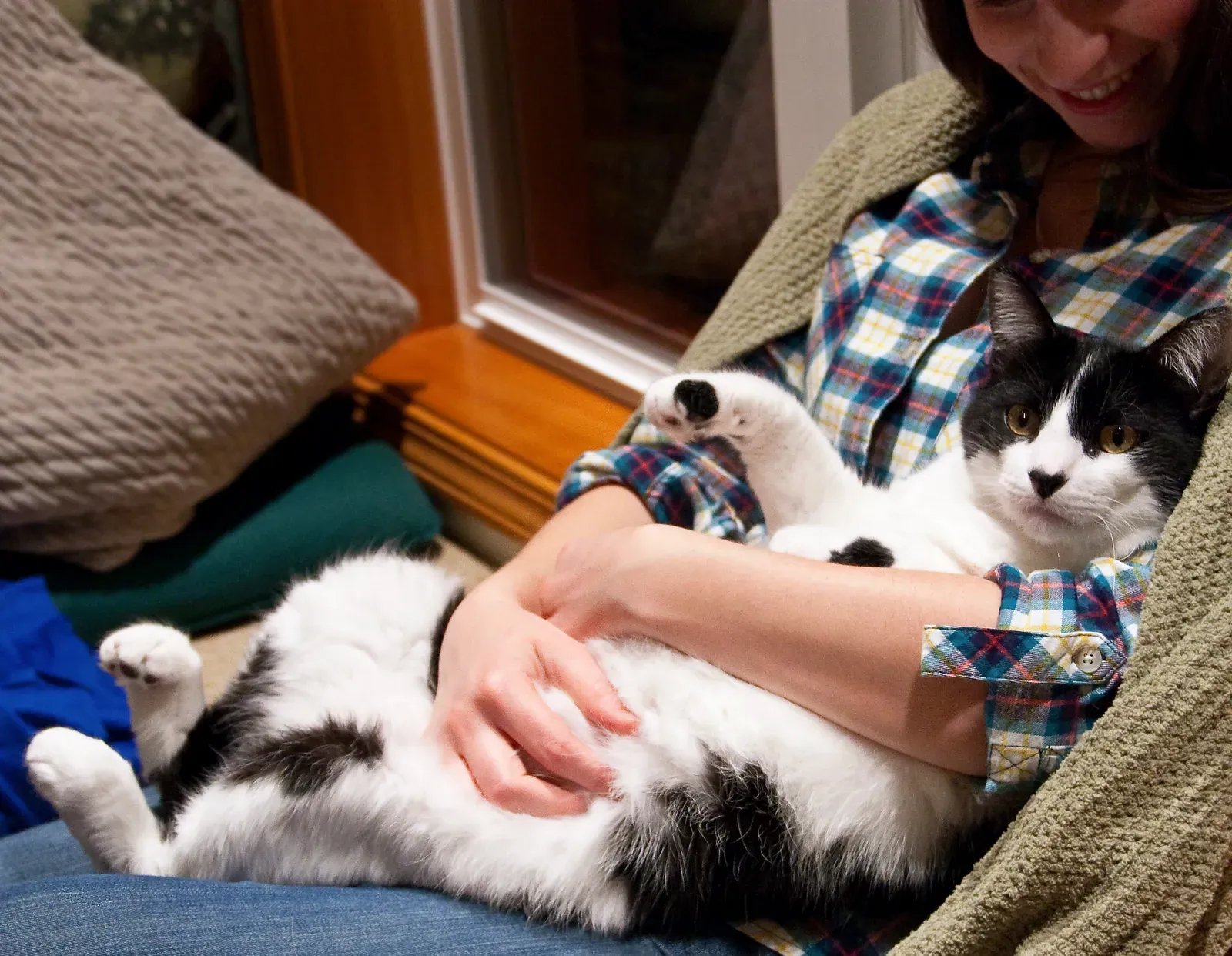
Reading your cat’s enjoyment during cuddle time is less about a single grand gesture and more about layering up the small signals. Slow blinks, melted posture, rhythmic kneading, a high soft tail, and the choice to come to you first – these are the quiet love letters your cat writes in body language every single day.
Cats are much more subtle in showing their love, though that doesn’t mean that the shared bond between cats and humans is any less than with dogs. It just means that you’ll need to work harder to understand your cat’s love language and boundaries to build trust. Once you learn it, you’ll start seeing affection everywhere you look.
The goal is not to force connection. It is to create the conditions where your cat genuinely wants to be close to you, and then recognize and appreciate it when they are. There is something deeply special about earning the trust of a creature who never had to give it. So the next time your cat settles into your lap and lets out a long, slow breath – do you think they’d be anywhere else in the world?