There is something almost magical about the relationship between a person and their cat. One moment your feline is completely ignoring your existence, and the next, they are draped across your keyboard demanding your full attention. Honestly, it is one of the most delightfully confusing relationships in the world, and that is precisely what makes it so special.
Most people assume that cats are naturally distant and self-sufficient, but science tells a very different story. The truth is that your cat forms a real, measurable attachment to you – one that is driven by biology, trust, and daily interaction. If you want to deepen that connection, the good news is you absolutely can, and the methods are more fascinating than you might think. Let’s dive in.
The Science Behind Your Cat’s Attachment to You
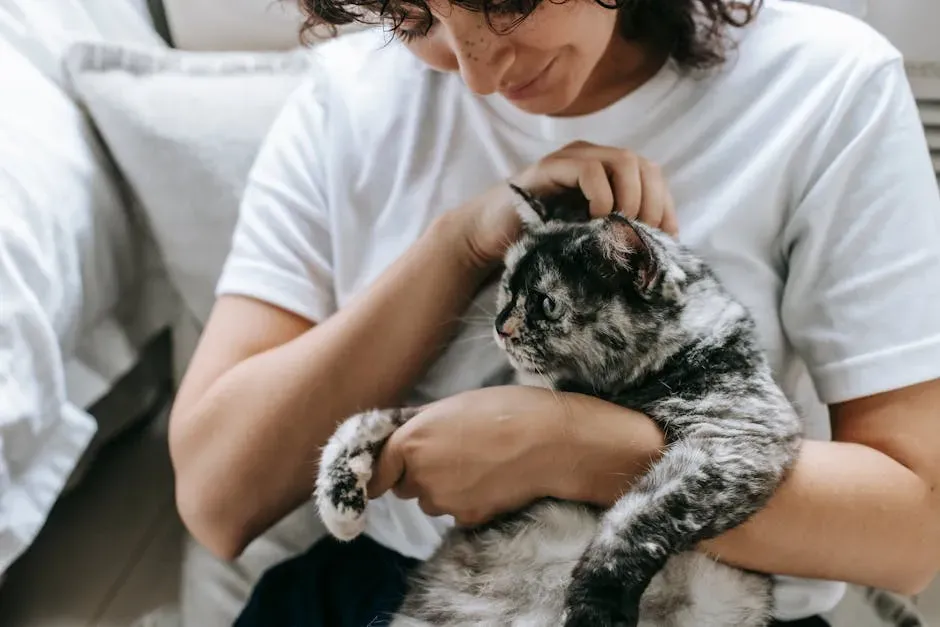
While it may sometimes seem like your cat couldn’t care less about you, cats actually form genuine bonds with their humans and become attached to them. These bonds are mutually beneficial, too. Think of it less like a one-sided devotion and more like a quiet, ongoing negotiation between two very different creatures who have chosen each other.
The main chemical involved in this bond is oxytocin, often called the love hormone. It is the same neurochemical that surges when a mother cradles her baby or when friends hug, fostering trust and affection. Studies are now showing that oxytocin is important for cat-human bonding too. So when your cat climbs into your lap at the end of a long day, something genuinely chemical is happening between you both.
A February 2025 study found that when owners engaged in relaxed petting, cuddling, or cradling of their cats, both the owners’ and the cats’ oxytocin tended to rise, as long as the interaction was not forced on the animal. The researchers monitored oxytocin in cats during fifteen minutes of play and cuddling at home with their owner. That is the kind of finding that changes how you think about your evening couch routine forever.
Learn to Read What Your Cat Is Telling You
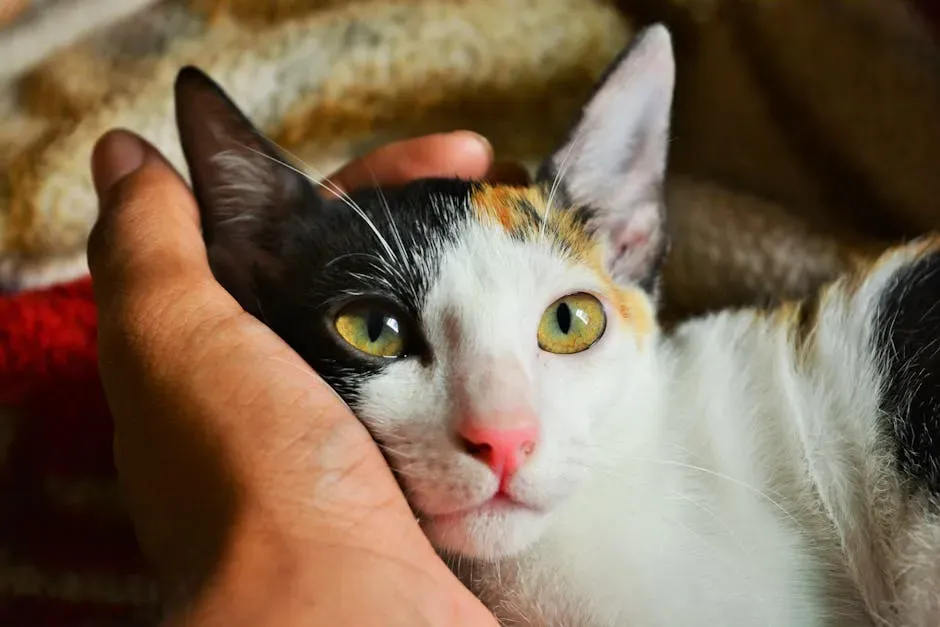
Successful bonding begins with learning to speak your cat’s language. Cats communicate through subtle signals – the slow blink of contentment, a raised tail greeting, or gentle head bumps. Recognizing and responding to these cues forms the foundation of trust-building interactions. When you acknowledge and respect their communication style, cats begin to view you as a reliable, understanding companion.
Look for signs of comfort like slow blinking, kneading, purring, or choosing to sit near you. On the other hand, tail swishing, pinned ears, or a tense body signal discomfort and a need for space. Learning the difference between those two categories is, I think, one of the most valuable things any cat owner can do. It sounds simple, but the number of people who miss these signals is genuinely surprising.
Master the Art of the Slow Blink
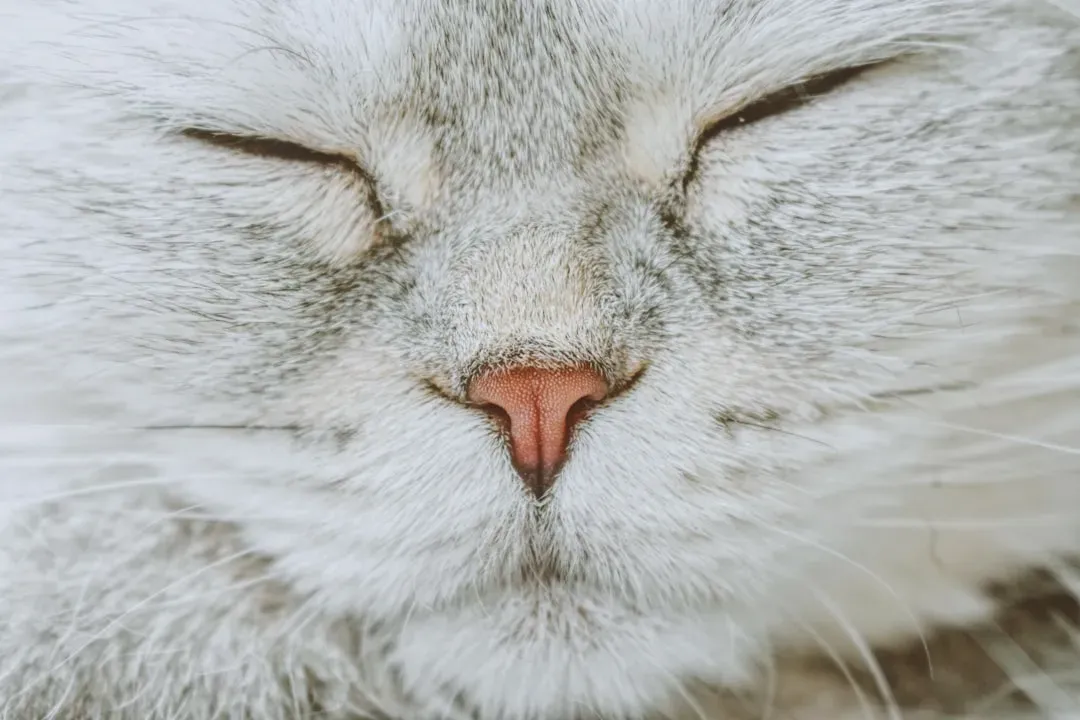
Cats look at your eyes to gauge your emotional state, and they view slow blinking as a form of positive communication. If you want to tell your cat that you love them, look into their eyes and perform a series of slow blinks, followed by keeping your eyes half-closed. It is one of the most low-effort, high-reward tricks in the entire world of cat ownership.
To perform the slow blink, simply look at your cat and slowly close your eyes, then reopen them in a relaxed, deliberate manner. You can repeat this a few times to signal to your kitty that you mean no harm. Cats often respond to slow blinking by reciprocating the gesture, which can strengthen your bond and foster a sense of calm between you. This subtle form of communication builds mutual understanding and lets your cat know you are not a threat, creating a more positive, trusting relationship over time. Think of it as a silent handshake – one that crosses the species barrier entirely.
Make Interactive Playtime a Non-Negotiable Daily Ritual
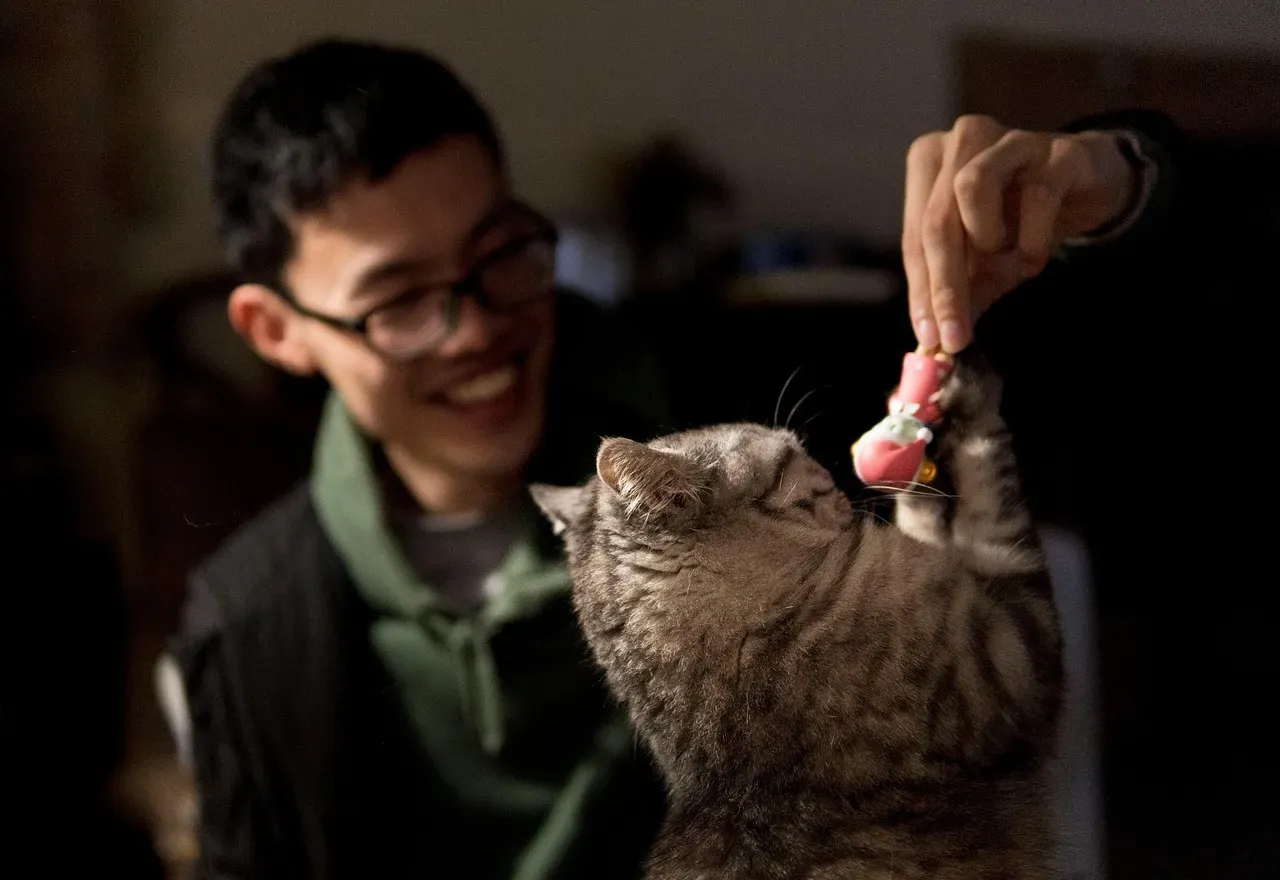
Play is one of the most effective ways to bond with your cat. It channels natural hunting instincts, provides beneficial mental stimulation, and helps release excess energy that can build up indoors. Here is the thing though – not all play is created equal. There is a big difference between tossing a toy across the floor and actively engaging your cat in a shared, interactive experience.
Spending time playing with your cat on a regular basis can really improve your bond. The more you play with your cat, the more they will associate fun and excitement with you and look forward to time together. Aim for a few short play sessions each day, choosing toys that mimic the hunting experience, like cat teasers and wand toys. Rotate the toys frequently so your cat does not become bored. Variety here truly is the spice of a cat’s life. A bored cat is a distant cat.
Build a Consistent Routine Your Cat Can Count On
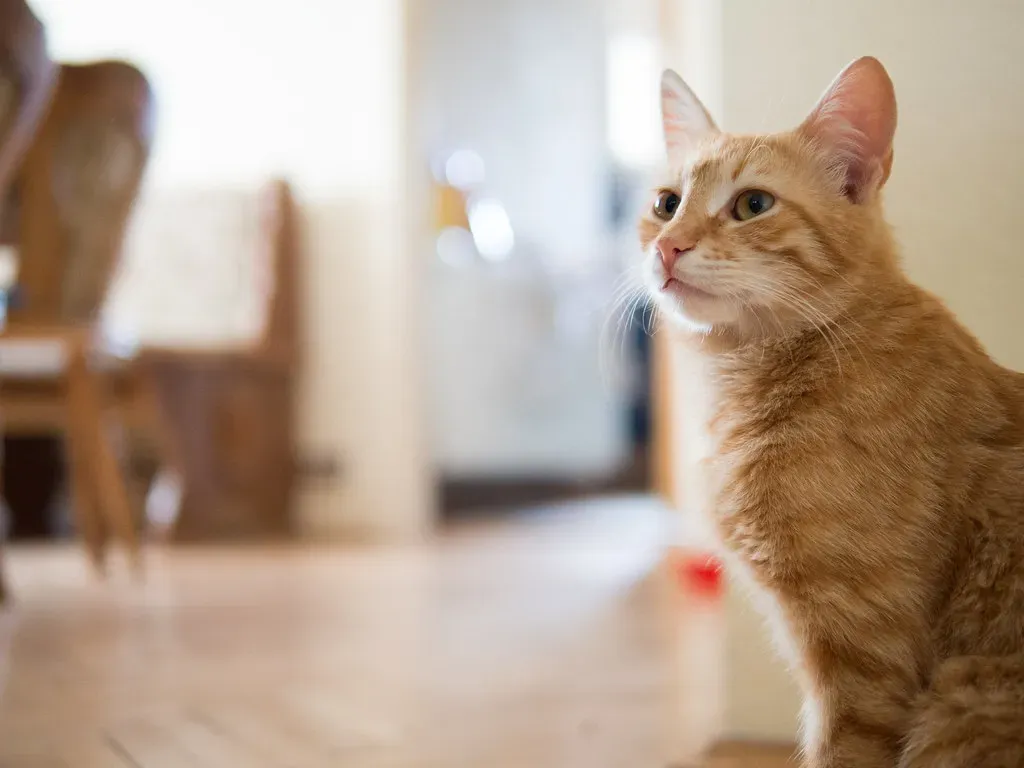
Cats thrive on consistency. Predictable feeding times, play sessions, and calm evening routines help your cat feel grounded and secure. Even small daily patterns, like greeting them in the morning or giving them a quiet place to relax at the end of the day, can strengthen your bond over time. This is almost like setting a contract with your cat, and cats, it turns out, take their contracts very seriously.
Effective bonding routines revolve around creating predictable moments of connection throughout the day. Morning greeting rituals, feeding time interactions, and evening relaxation periods provide natural opportunities for strengthening your bond. Feeding your cat at specific times during the day, as opposed to free-feeding them, can be an easy way to engage, interact, and spend more time with your cat. It also helps them associate you with one of their favorite things – eating.
Use Grooming as a Powerful Bonding Tool
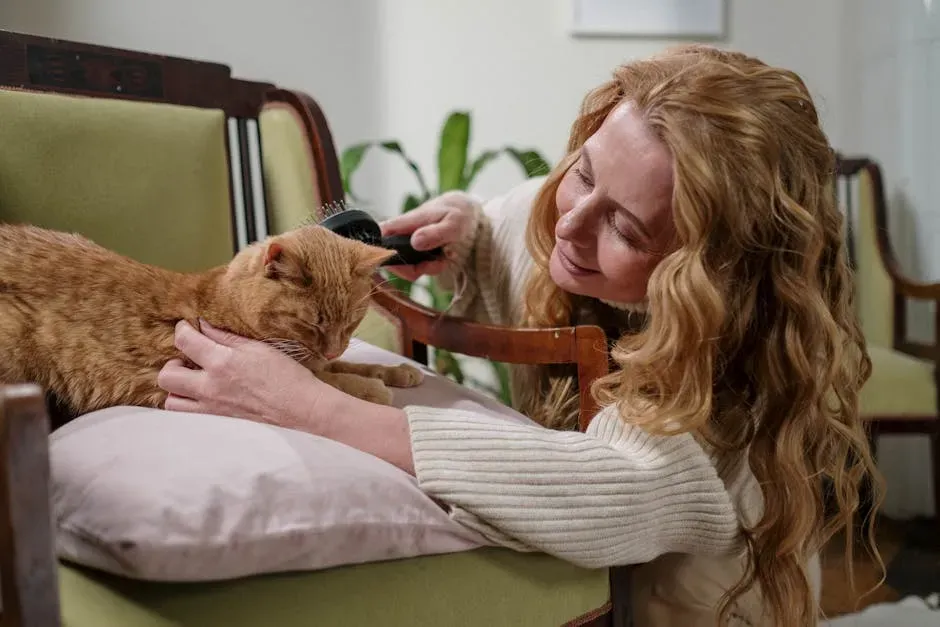
Mutual grooming represents a significant trust signal in feline social structures. Incorporating gentle brushing into your bonding routines helps recreate this natural behavior. Start with short sessions, paying attention to your cat’s comfort levels. Many cats come to view grooming time as a special bonding opportunity, particularly when combined with praise and gentle conversation.
Cats often demonstrate their affection toward one another through grooming, and sometimes grooming can be a way to bond with your cat as a pet parent too. You should not force grooming if your cat does not enjoy it, unless you have a longhaired cat that needs regular brushing to avoid matting and tangles. Regular brushing helps reduce shedding and prevents matting, and it is a calming activity that many cats enjoy. Use a brush that suits your cat’s fur type, and be gentle to make grooming a positive experience.
Respect Their Need for Space and Independence
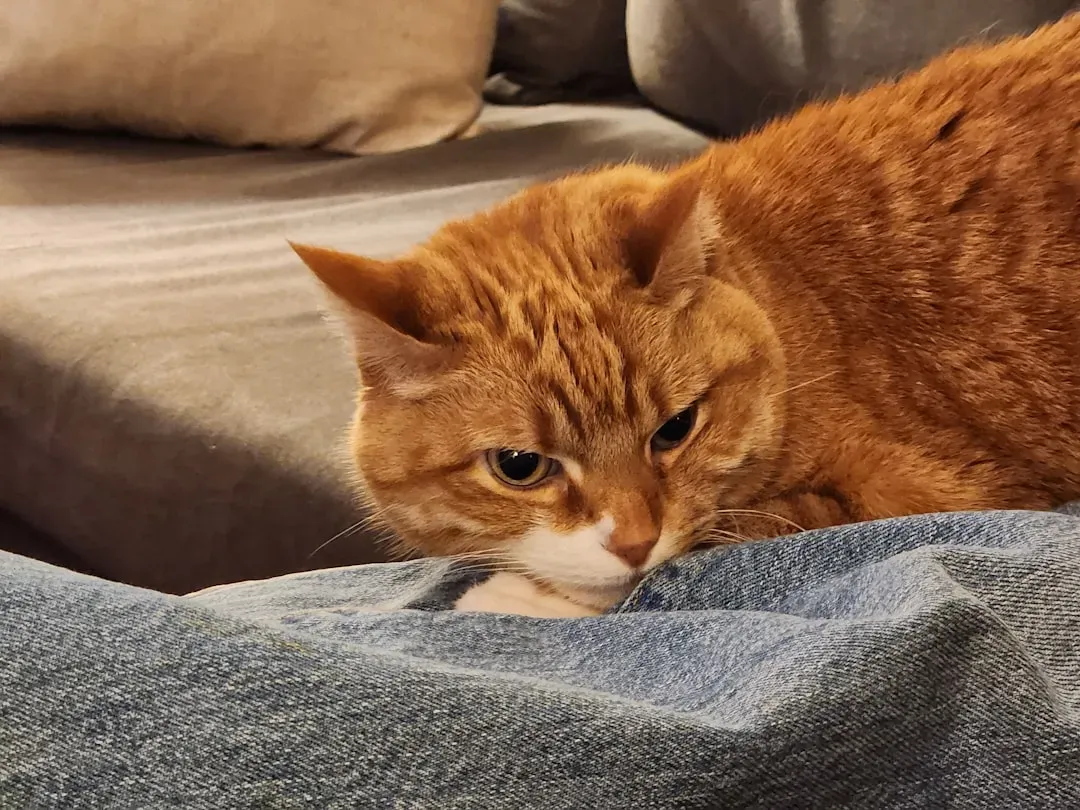
Cats need time to themselves, and that is perfectly natural. Letting your cat come to you on their terms shows that you understand and trust them – two key ingredients in a strong bond. This mutual respect builds a relationship based on comfort and choice, which is exactly how to bond with cat companions the right way.
The oxytocin levels of avoidant and anxious cats were found to drop after a forced cuddle. When interactions respect the cat’s comfort, the oxytocin flows – but when a cat feels cornered, the bonding hormone is elusive. You can think of it this way: pushing your cat into closeness is like sending a text message that says “please like me.” It never works, and it usually backfires spectacularly.
Try Clicker Training to Deepen Communication
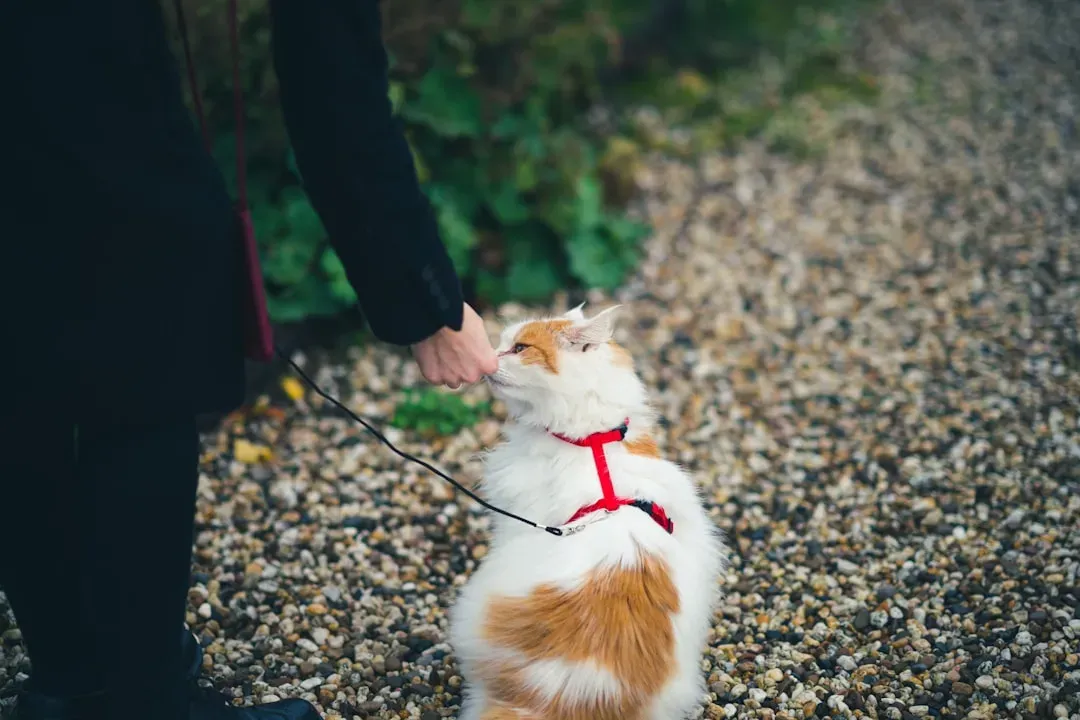
Clicker training uses a small clicker device to associate sound with a desired behavior, followed by a reward, usually a treat. The practice creates a form of associative language between cat and pet parent, giving you a way to communicate commands while rewarding good or brave behaviors. The intensive one-on-one time spent through this form of training can help strengthen the bond between cat and pet parent. It sounds like something reserved for dogs, but honestly, cats respond brilliantly to it.
Often, pet owners do not think of cats as trainable, but they are, though some breeds are more so than others. Training can be a fabulous way to bond with your cat as it strengthens your communication and is often fun for both of you. Since cats are very food-motivated, using treats is an excellent way to train them. If your cat is not big on treats, you can reward them with play or plenty of praise. The entire experience builds a shared language, and that is incredibly powerful for the relationship.
Create a Safe, Enriching Environment That Encourages Closeness
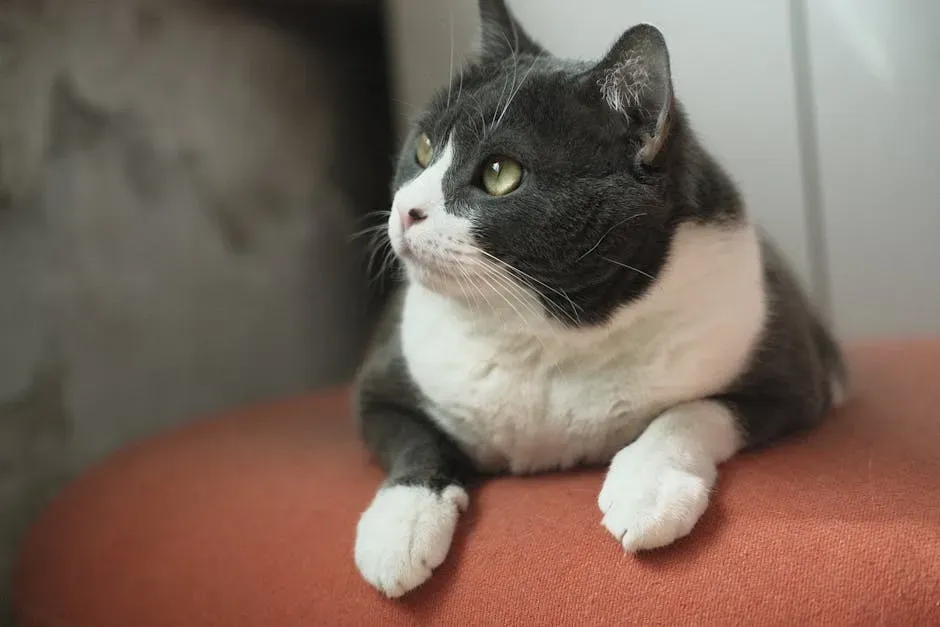
Your cat’s surroundings play a major role in how comfortable and bonded they feel. Providing a variety of safe spaces gives them confidence and encourages them to stay close to you without feeling pressured. A secure environment builds trust and gives your cat the freedom to express themselves in positive, healthy ways. A cat who feels unsafe in their space will rarely feel safe with a person either – the two things go hand in hand.
Cats are curious by nature, and introducing new experiences can be an exciting way to bond with them. New experiences for cats can be done from the comfort of home, whether in the form of catnip toys, a puzzle toy, or a safe outdoor enclosure known as a catio. Other new experiences may involve bringing a cat along to safely see the outside world, whether through a ventilated cat backpack or using a harness for leash-trained cats. Enrichment keeps your cat mentally alive, and a mentally stimulated cat is a socially engaged one.
Conclusion: Your Bond Is Built in the Quiet, Everyday Moments
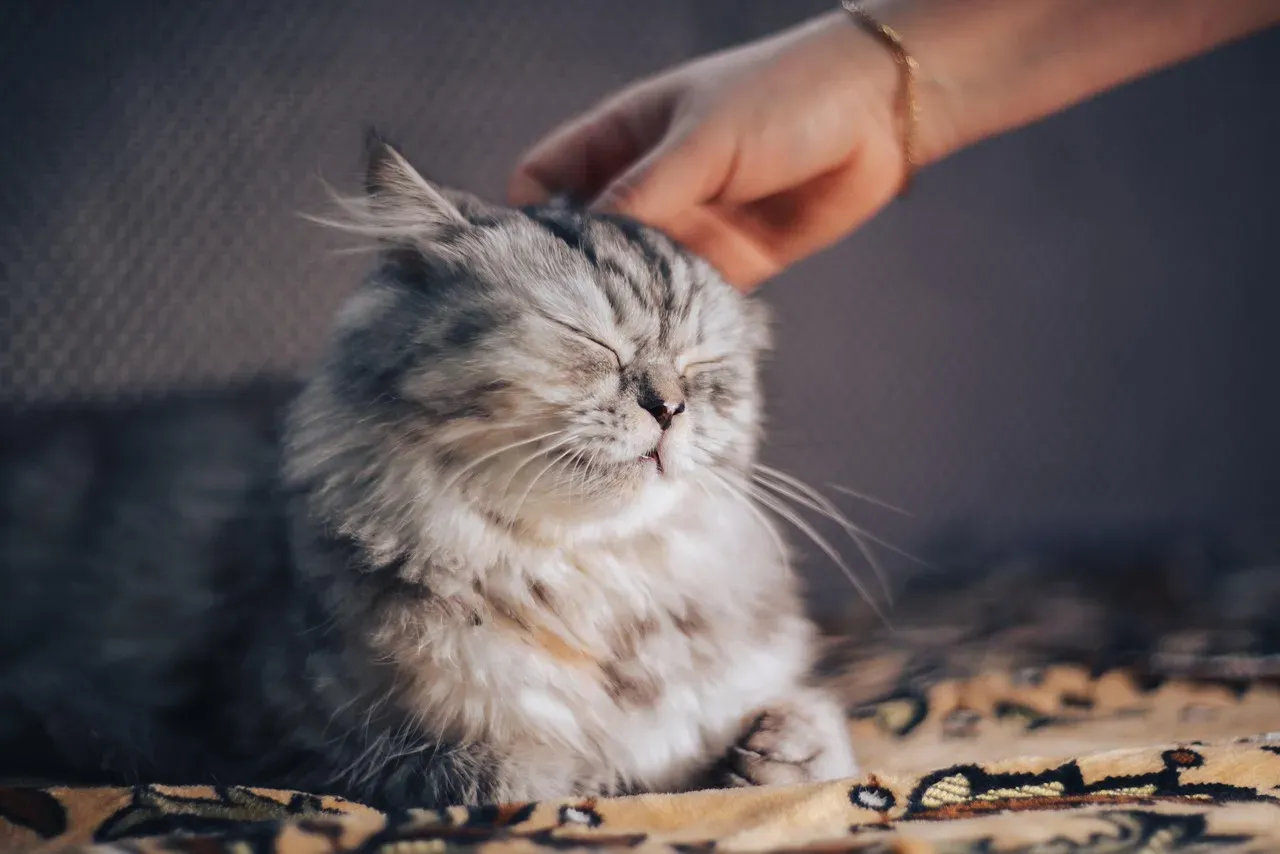
Building a strong relationship with your cat is a gradual process shaped by understanding, patience, and intentional routines. With consistent play, gentle communication, a secure environment, and calming support, you can create moments that help your cat feel more relaxed, confident, and connected to you. Over time, these small daily habits lead to a deeper bond and a happier life for your feline companion.
The most profound bonds are never built in grand gestures. With cats especially, it is the quiet accumulation of trust – one slow blink, one play session, one respectful retreat – that shapes something genuinely irreplaceable. Creating meaningful bonding routines takes time and patience, but the rewards of a trusting, affectionate relationship make every effort worthwhile.
Your cat may never love you the way a dog does – loudly, obviously, and with absolutely zero dignity. But their love is real, it is deep, and it is earned. Isn’t that somehow even better? What small thing will you try first to grow closer to your feline friend? Tell us in the comments.