Cats are wonderfully mysterious. One moment they’re melting into your lap like a warm stick of butter, and the next, they’ve vanished under the bed for two hours with zero explanation. If you’ve ever stared at your feline companion and thought, “Are you actually happy, or just tolerating me?” – well, you’re in very good company.
The truth is, most of us rely on the purr as our one-stop signal for feline happiness. That’s a bit like assuming someone is fine just because they’re not crying. There’s a whole language happening right in front of you, and once you learn to read it, you’ll never look at your cat the same way again. Let’s dive in.
The Tail Tells the Whole Story
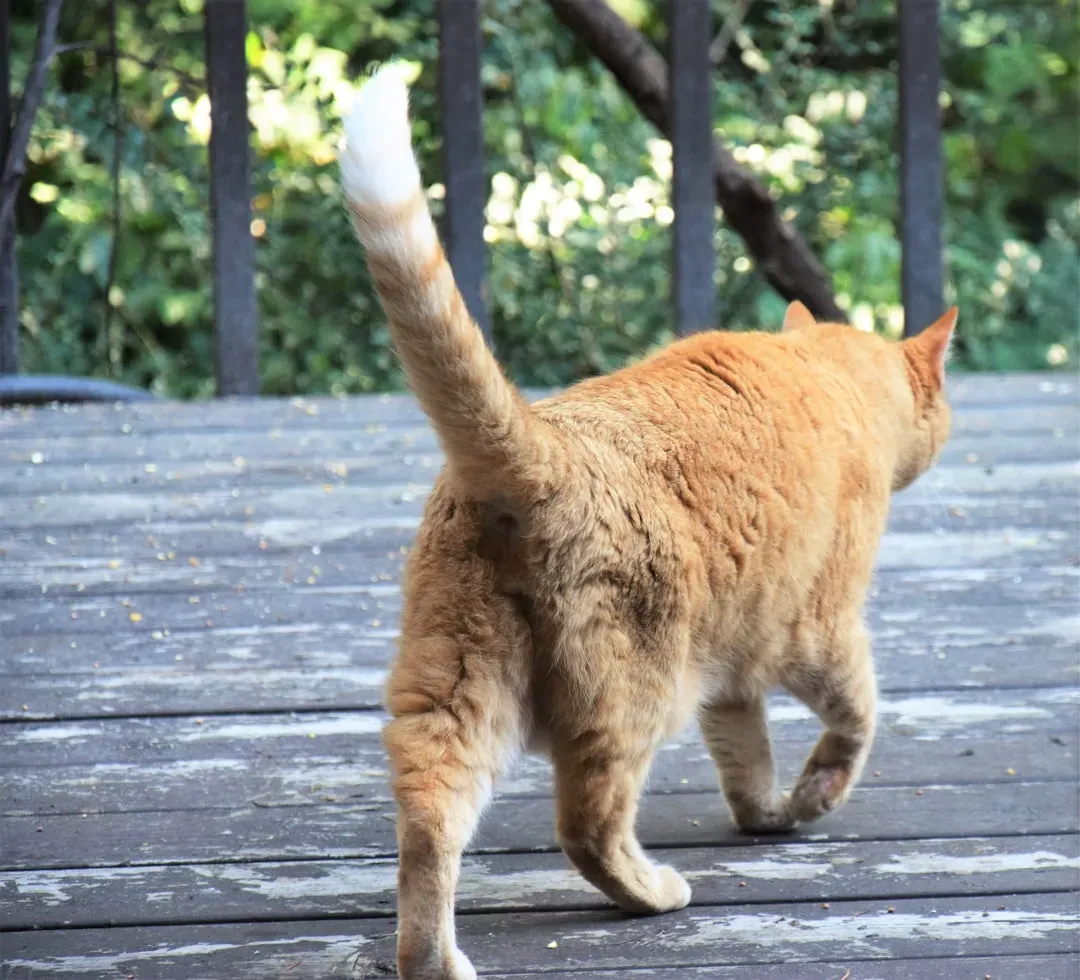
You might not think much of the way your cat carries their tail when strolling toward you, but it’s one of the most honest things about them. Your cat’s tail is a communication powerhouse. A tail held upright with a gentle curl at the tip signals confidence and friendliness, and if they approach you this way, it’s a clear “hello” from your kitty. Think of it like a waving hand – your cat is genuinely glad to see you.
Cats use their tails to express how they feel. Happy cat tail signs include an upright tail, which is basically a cat’s way of saying, “Hi! Nice to see you!” A quivering tail pointed up and held high is also usually a declaration of happiness and excitement, and this behavior is often paired with actions like rubbing against your legs, enthusiastic head butts, and purring. When you see all of those things happening at once, congratulate yourself. Your cat is genuinely thrilled by your presence.
The Eyes Don’t Lie – Slow Blinks Are the Real Love Language
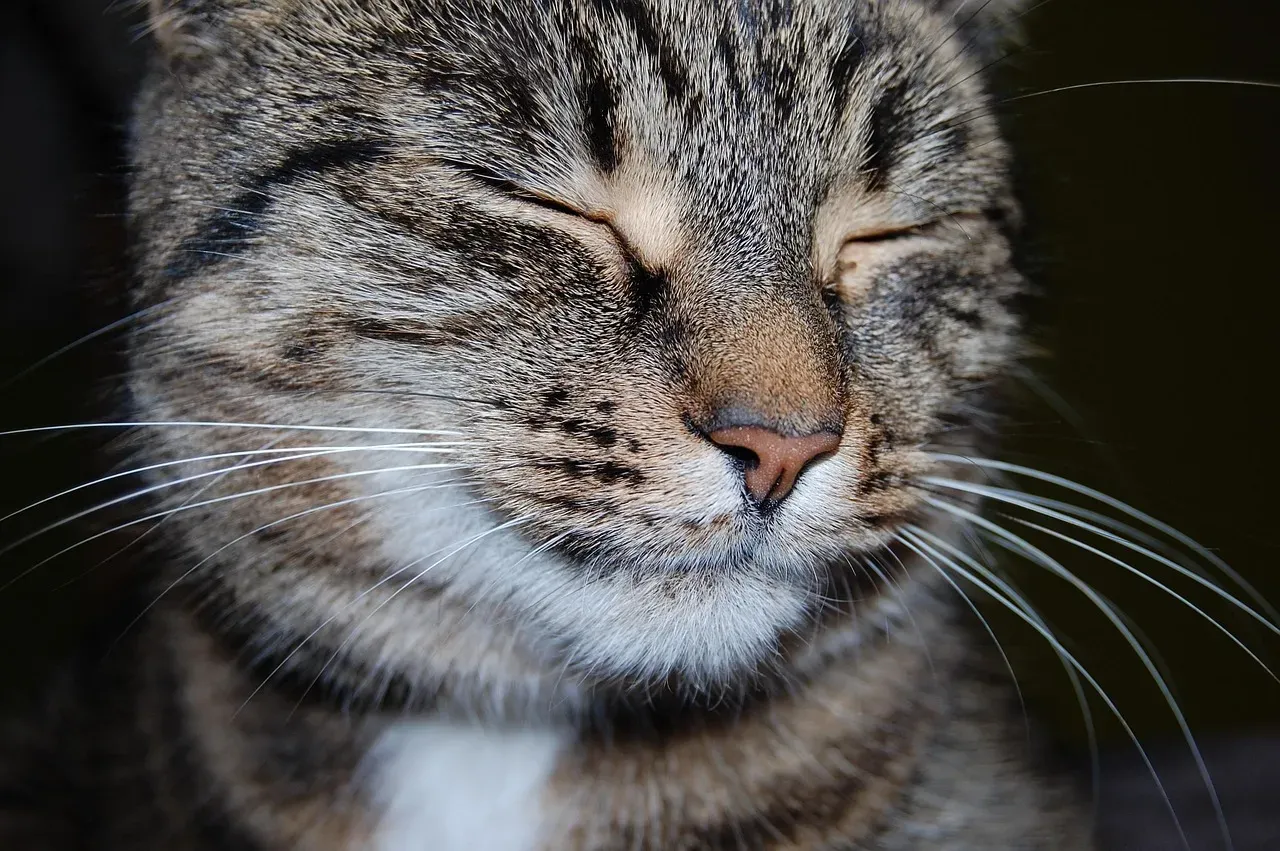
Of all cat expressions, the slow blink is considered to be the equivalent of a human smile. Cats give slow blinks when they are happy and have even been known to respond if you slow blink at them. I think this is one of the most beautiful things about cat communication – it’s completely silent, utterly intentional, and deeply meaningful.
One 2020 study dove into this body language, studying 21 cats and 14 cat parents at home. They discovered cats would half-blink in response to their person’s slow blinks and were more likely to approach their person when the person slow blinked first. So next time your cat is watching you from across the room, try slowly closing and opening your eyes. Their response might just surprise you.
Relaxed Posture – When Your Cat Looks Like They Own the Whole World
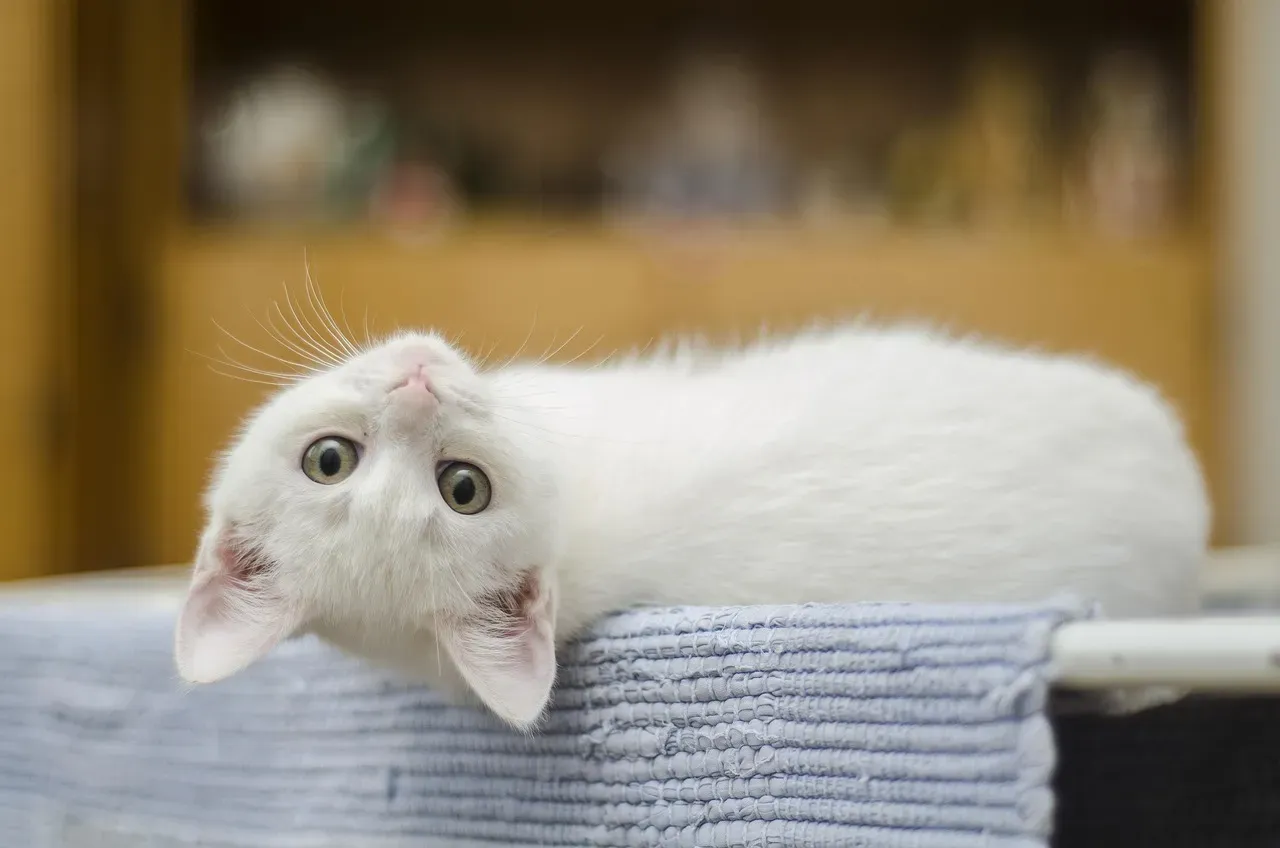
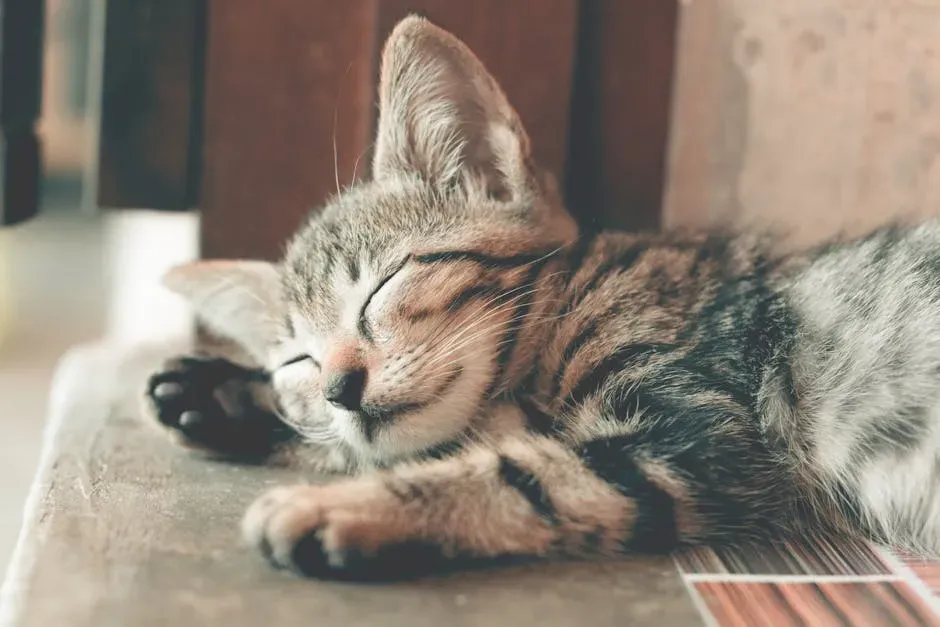
A happy cat looks completely at ease. They may stretch out on their side, flop onto their back, or sprawl across the sofa without a care. Their muscles are loose, not stiff, and they aren’t crouched or ready to bolt. It’s the feline equivalent of someone kicking their feet up on the coffee table. Pure, unfiltered comfort.
Essentially, the more open your cat’s body position, the less stressed they are. A cat who is lying on their side or their back with their legs stretched out, their tail loose and out, and their belly on show is relaxed. Rolling onto their back or stretching out is a sign of trust – exposing a vulnerable body part is the ultimate feline compliment. So if your cat is showing you their belly, don’t just see it as a belly-rub invitation. See it as trust.
Kneading – That Adorable “Making Biscuits” Habit
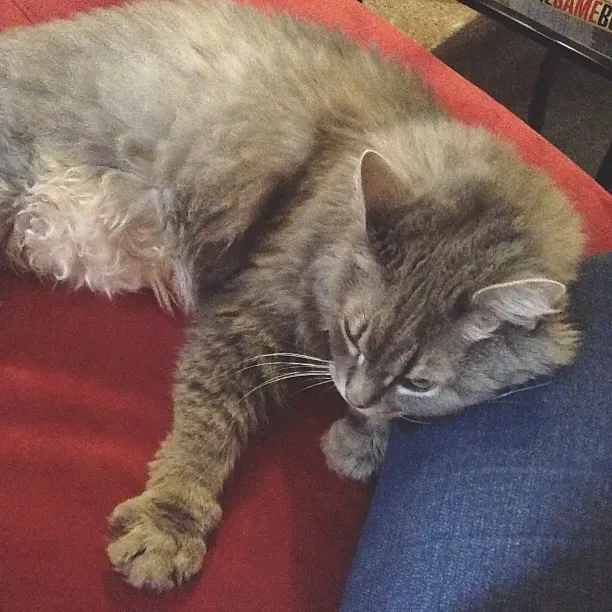
Kneading often accompanies purring. It’s known by a variety of names, including “making biscuits,” because cats make the same motion with their paws as if they were kneading some dough. Cats might knead a blanket or their favorite people or something soft, and it’s often the height of contentment. Thought to be a throwback to the security that kittens feel when kneading on their mother, kneading is a clear sign that a cat is extremely happy.
Kneading is an instinctive action that cats carry with them from birth. As kittens, kneading helps to stimulate milk production from mom. As adults, kneading is more of a pleasure-producing activity. Not only does it feel good physically, helping kitties to stretch muscles and ligaments in their lithe legs, but it signifies a kitty who is feeling good mentally. Honestly, if your cat is kneading on you at full force, consider it a five-star review of your lap.
Head Butting and Bunting – Your Cat Is Marking You as Safe
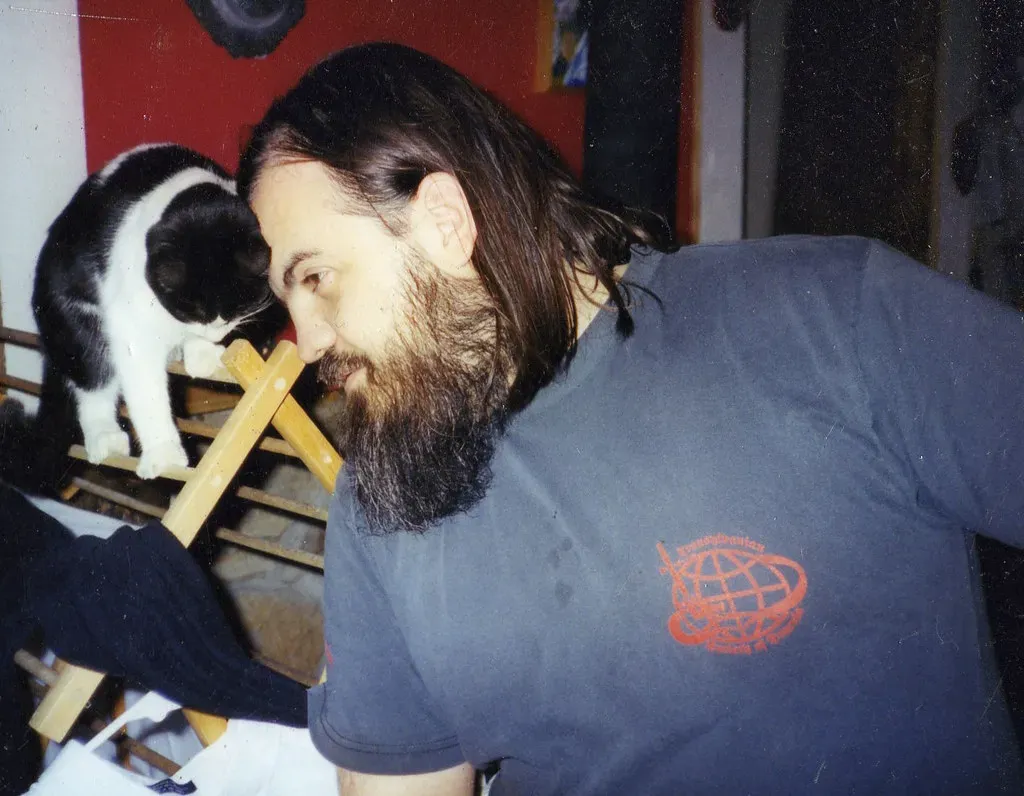
Cats have scent glands on their head and cheeks. When they rub against you, they’re marking you as part of their territory, signifying trust and affection. It sounds a little less romantic when you put it that way, but it really is a profound sign of how comfortable your cat feels around you.
Rolling onto their back, reaching out a paw, head-butting, cheek-rubbing (bunting), hopping up on their back legs or chirruping at you are all signs of a positive connection. Bunting deposits pheromones from glands in the cheeks, marking people and objects as safe and comforting. When your cat bunts your forehead before bed, they’re essentially whispering, “You’re mine, and I’m glad about it.”
Vocalizations Beyond the Purr – Chirps, Trills, and Tiny Conversations
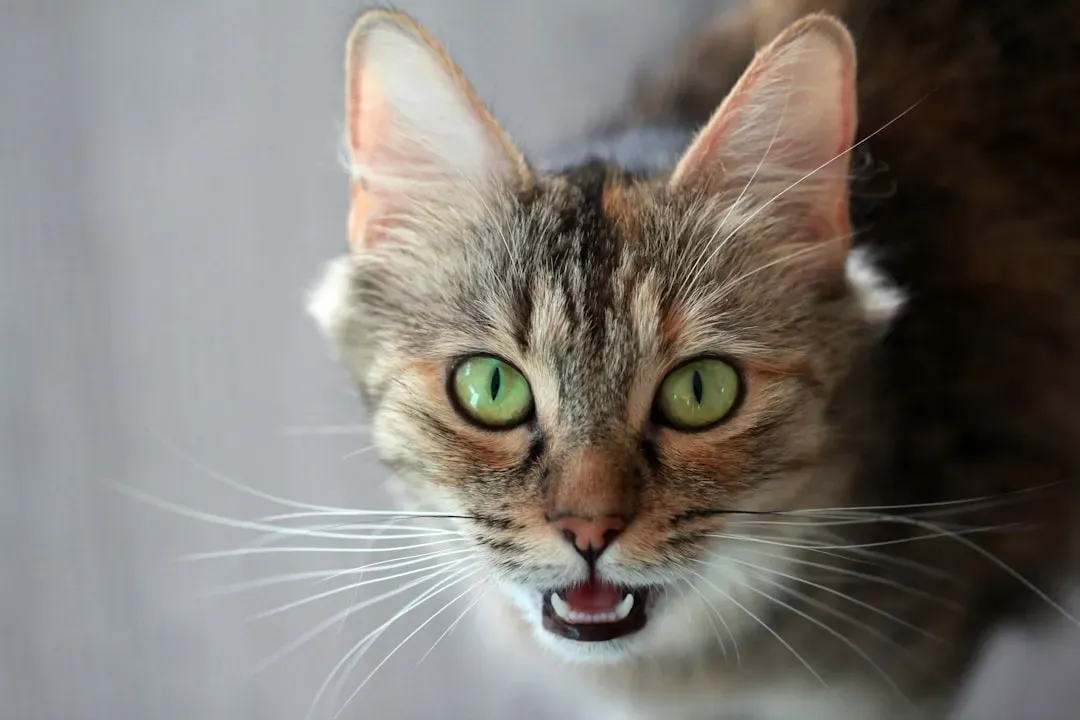
Not all cats chirrup, but when you hear this trilling sound, you’ll know your cat is happy. A chirrup is often an invitation to follow your cat somewhere or to ask for affection or play. Chirps and trills – these friendly, high-pitched sounds are signs your cat enjoys your company and may be inviting communication or attention. It’s like the feline version of a cheerful “Hey, come look at this!”
Vocal kitties may have long conversations with you, and the pitch of their meow will allude to how they are feeling. A high-pitched meow is a content cat, while a low-pitched meow may indicate an unhappy or annoyed kitty. Cats don’t meow to each other, but a happy cat will meow and talk to their humans. Let that sink in – your cat invented a whole language just to talk to you. That’s kind of incredible.
Grooming – A Glossy Coat Means a Happy Mind
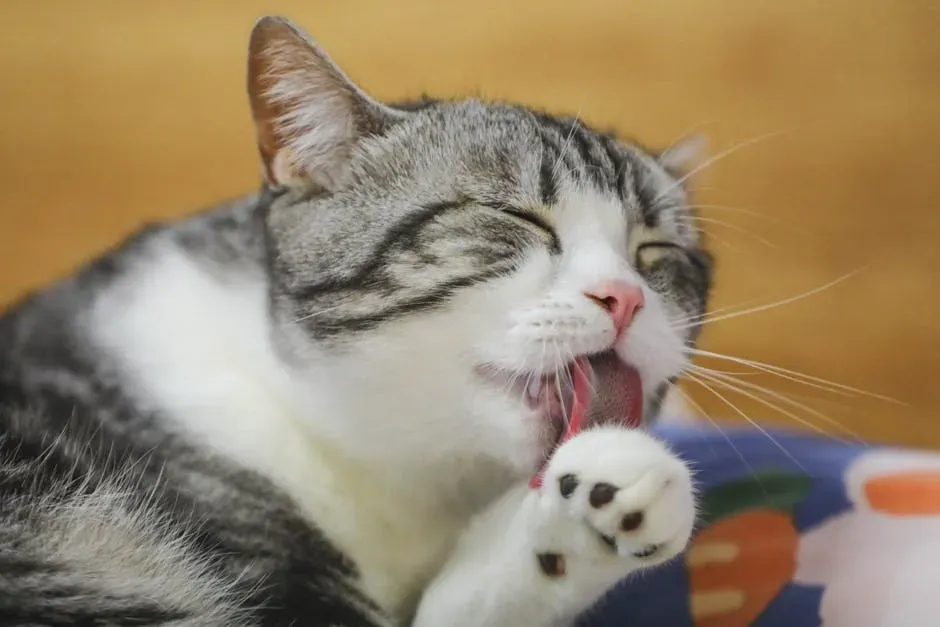
Cats take pride in their appearance. A glossy coat, regular grooming and even mutual grooming with other cats or gentle licks for you are all signs of happiness and trust. Scruffy or smelly fur may indicate stress or illness, so a well-kept kitty is usually a content kitty. Think of your cat’s coat as a daily mood report. Fluffy and sleek? All good. Dull and matted? Something’s off.
Healthy, happy cats do a great job of grooming themselves. And is there anything cuter than the way they wash their faces?! When cats groom themselves, it is a sign of contentment. If your cat grooms you, other pets, or even toys, it’s a strong signal of comfort and happiness. Being licked by a cat’s sandpaper tongue isn’t always the most comfortable experience – but knowing it means love? Suddenly, it’s worth every scratch.
Playfulness and Curiosity – The Surest Sign of an Engaged, Content Cat
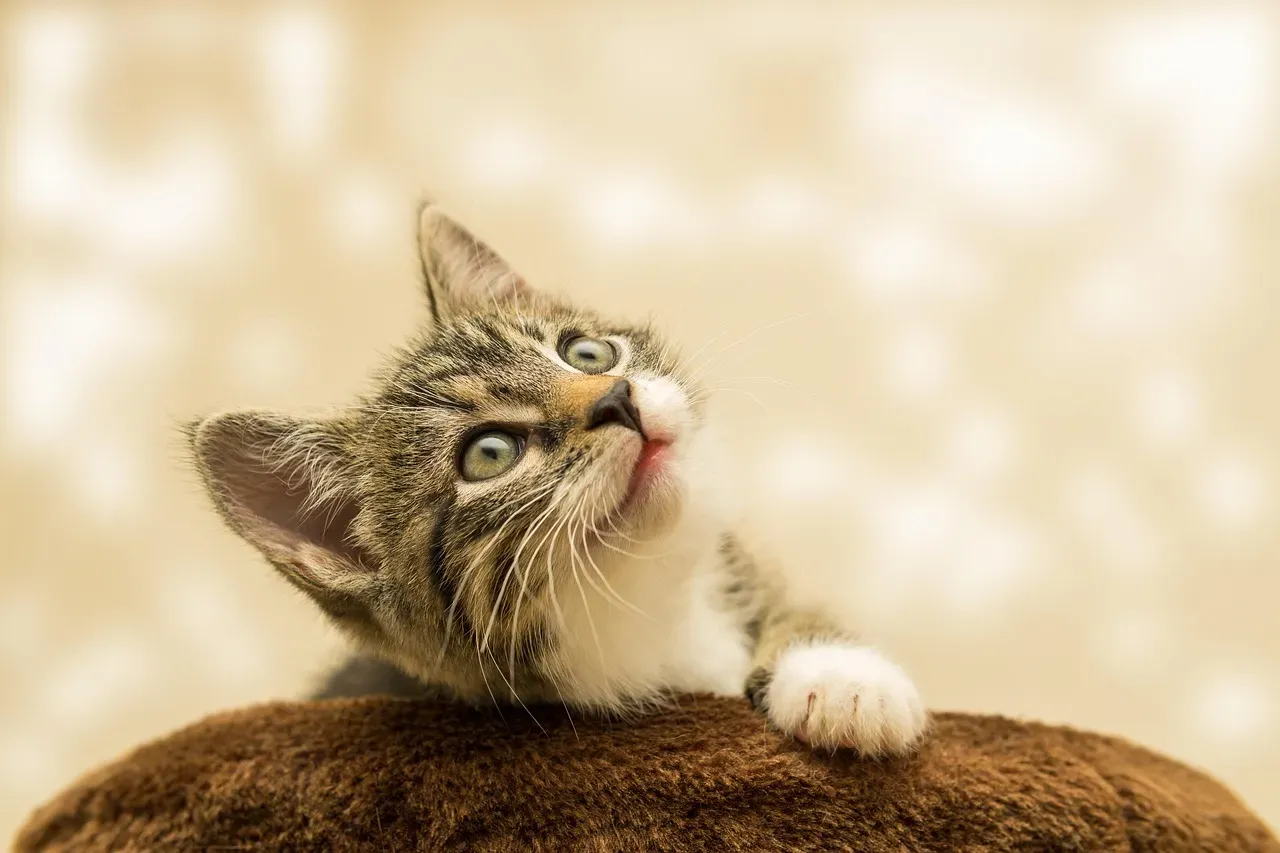
From spirited sprints and chasing toys to gentle pawing or wrestling with other pets, playful behaviour shows your cat is confident and engaged. Even calm, interactive games are a sign they enjoy their environment. Cats that feel stressed often withdraw, avoiding toys or social interaction. A cat that plays is a cat that trusts their world enough to have fun in it.
One of the best indicators of cat-isfaction is engaging in play. Older cats may not be as active as their younger counterparts, but they should still show a spark of interest when a favorite or new toy is offered for play. A happy cat is eager to have fun. Regular play sessions can help your cat stay happy and healthy. If your senior cat still occasionally launches into a zoomie session, honestly, that is the most joyful thing in the world.
Healthy Appetite and Comfortable Sleep – The Quiet Signs of Deep Contentment
A happy cat enjoys meals and treats, often showing you where their food is or rubbing against your legs as a polite reminder. Eating well signals comfort, trust and a sense of security. Fussiness can be normal for some cats, but sudden drops in appetite may point to stress or illness. Pay attention to the baseline – when you know what’s normal for your cat, any shift becomes meaningful.
Cats are independent, but when they choose to sleep near you or curl up with other pets, it’s a huge compliment. Social sleeping shows strong bonds, comfort and a sense of security. Pair this with slow blinking, gentle kneading or curling up on your lap, and you’ve got a cat who is truly happy and thriving. Happy cats often sleep in open, relaxed positions in areas where they feel safe. A cat who sleeps with abandon is a cat with nothing to worry about. That’s everything.
Conclusion: Your Cat Is Speaking – You Just Have to Learn the Language
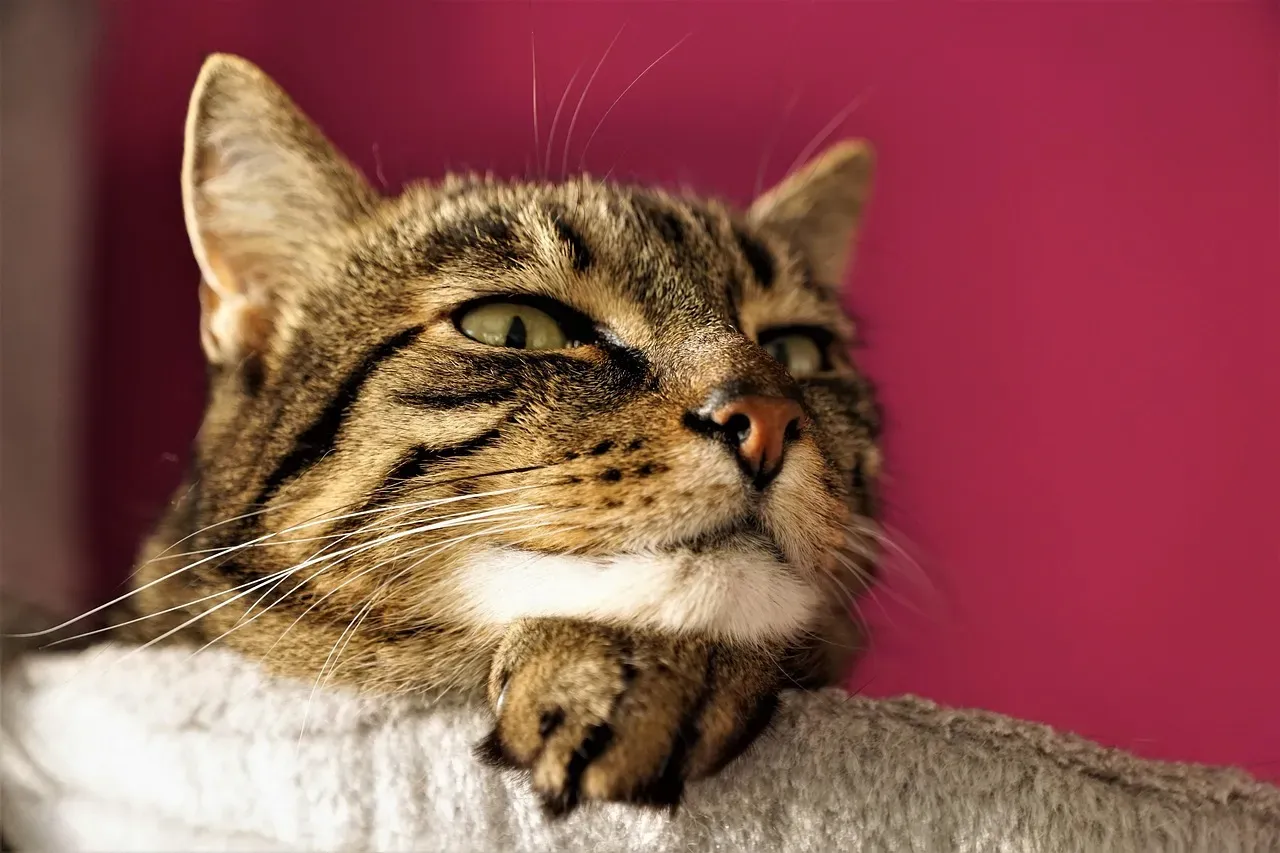
Here’s the thing – cats aren’t emotionally complicated so much as they’re emotionally subtle. Your cat is communicating with you constantly, through the position of their tail, the softness of their eyes, the way they carry their body through the room. You can better understand your furry friend by paying attention to their vocalizations, body postures and daily routines. In time, you may become so attuned to your kitty’s personality and habits that you’re able to detect subtle changes in their mood and even recognize health problems before physical signs of illness appear.
The purr is just the beginning. Beyond it lies a whole world of slow blinks, upright tails, chirping conversations, and biscuit-making sessions that tell the real story of how your cat feels. Understanding your cat’s emotional state requires time and observation. By recognizing the signs of happiness, like purring, playful behavior, kneading, and affectionate gestures, you can be more attuned to their needs and strengthen the human-feline bond. With consistent care, a safe environment, and plenty of love, your cat will not only be happy but thrive.
Now that you know what to look for, take a moment today and really observe your cat. You might find that they’ve been telling you they love you all along – you just didn’t know the words. What happy sign does your cat show most often? Tell us in the comments!