You think you know your cat’s mood. The rumbling purr when you scratch behind those furry ears. The gentle head bump against your shin. These are the classic signs everyone recognizes. Let’s be real, though, your feline companion is way more complex than that.
Here’s the thing: cats are masters at hiding their true feelings. They’re subtle communicators who speak a language that’s easy to miss if you’re not paying close attention. Sure, those purrs and nudges are sweet, but they’re only part of a much bigger picture. What if your kitty is feeling stressed, bored, or even unwell while still going through the motions of appearing content?
So let’s dive in and uncover the deeper, more nuanced signals that reveal whether your feline friend is genuinely thriving or just putting on a good show.
The Tail Tells A Story You Might Be Missing
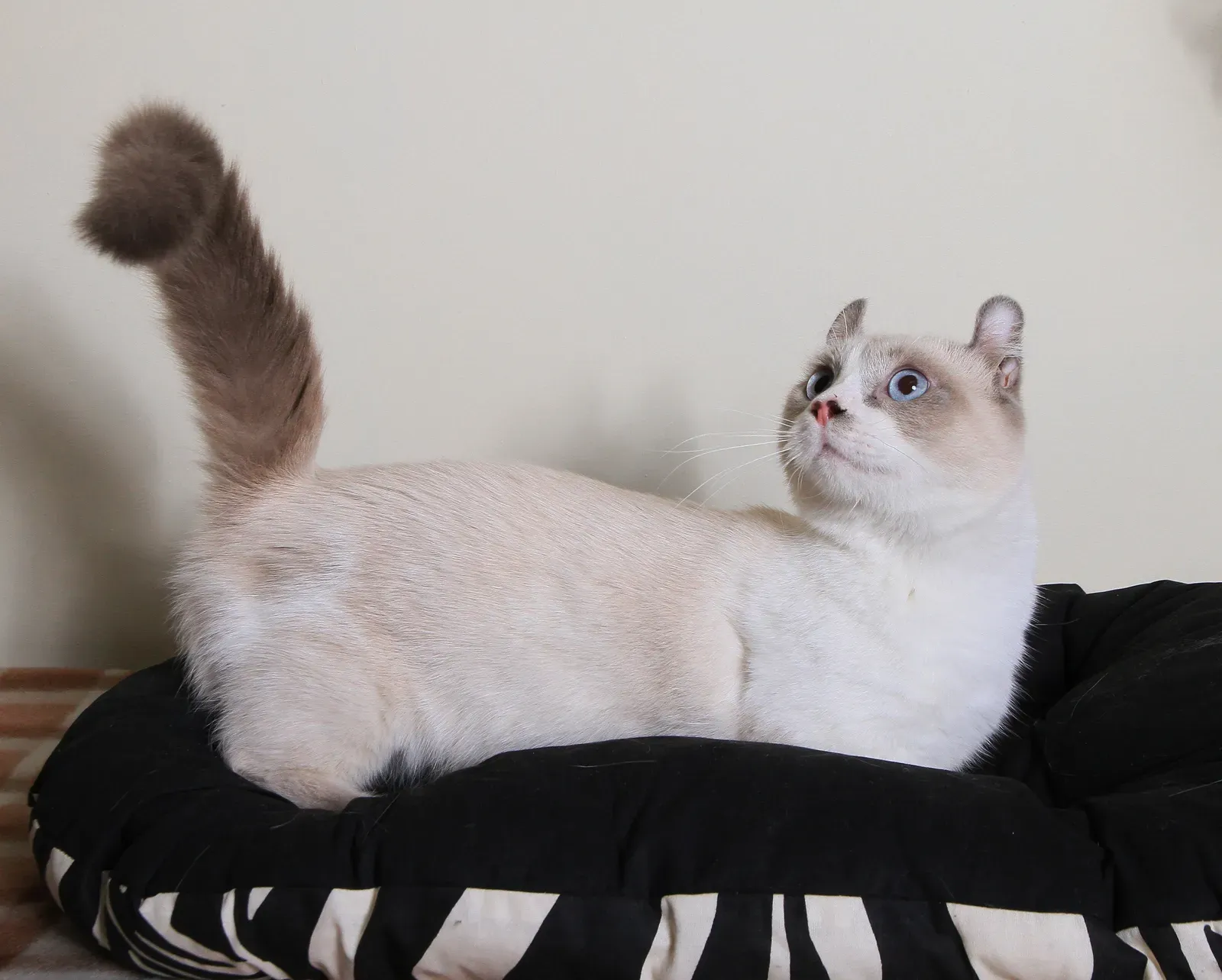
When your cat’s tail points straight up in the air, this is actually one of the happy indicators you shouldn’t overlook. You’ll notice that happy kitties often add a slight curve or hook at the tip, almost like a question mark. A truly content feline will have their tail straight up with a slight curve at the tip, and it may even sway side to side when they’re feeling particularly content.
Honestly, the tail is like a mood barometer that changes constantly throughout the day. Watch how your cat carries it when moving around the house. A confident, happy cat walks with that tail held high, signaling they feel secure in their territory. Conversely, a tucked or twitching tail suggests anxiety or irritation, even if your cat is purring at the same time.
Those Slow Blinks Are Actually Cat Kisses
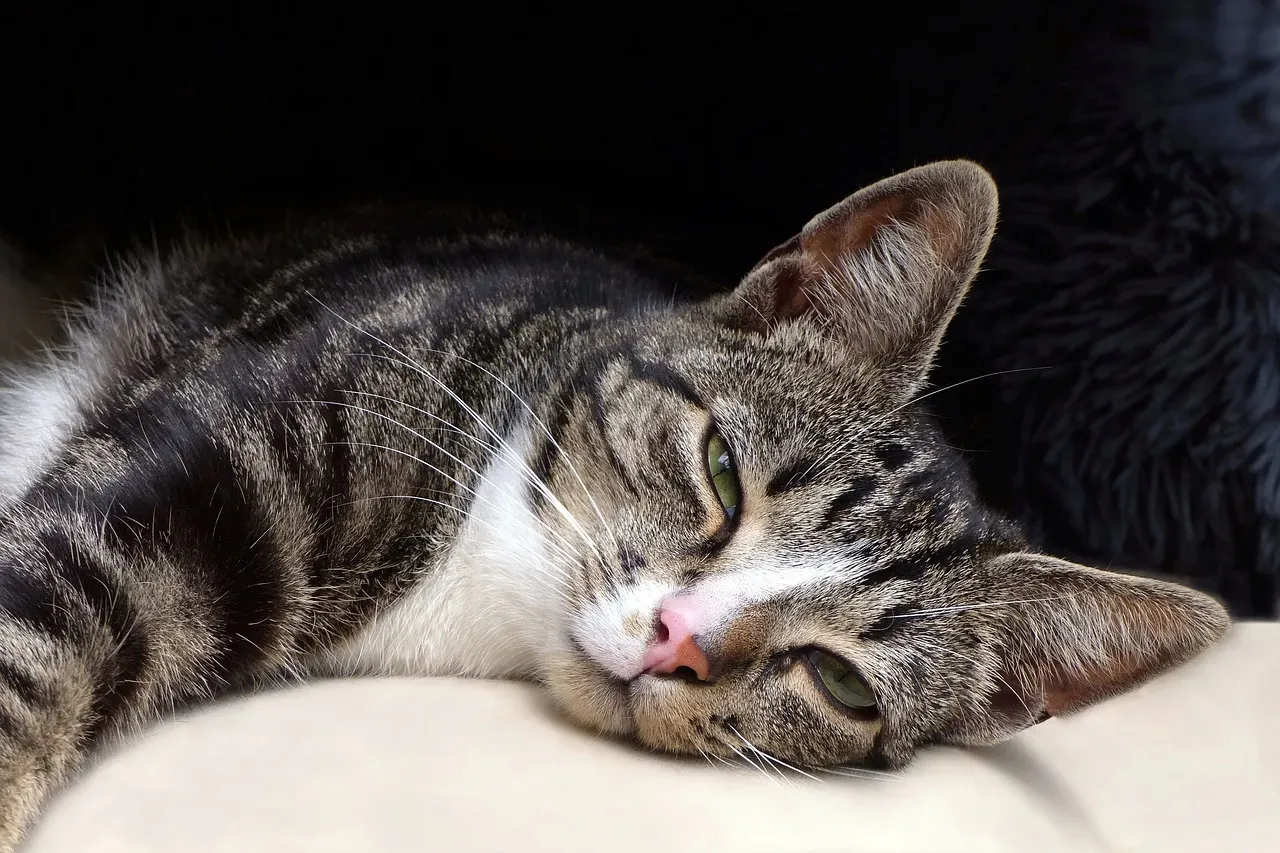
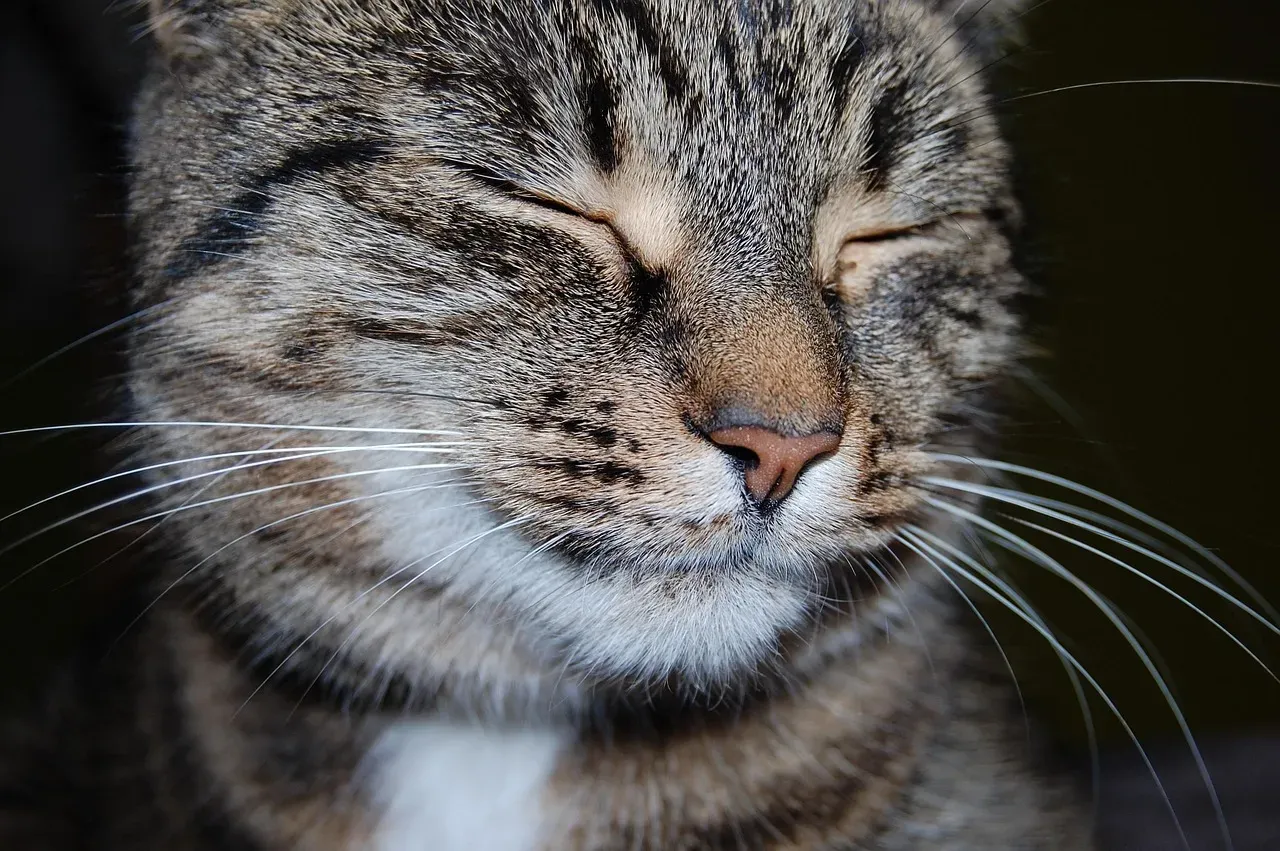
A slow blink happens when your cat looks at you and closes their eyes slowly while also opening them up at the same pace, and in cat language it means something along the lines of “I trust you.” Think about it: cats are always alert in nature, so by closing their eyes around you, they’re showing ultimate vulnerability.
These slow blinks are one of the most intimate signs of cat happiness and affection. I know it sounds crazy, but try returning the gesture. Look at your cat, then slowly close your eyes and open them again. You might just start a silent conversation that speaks volumes about your bond.
Watch How Your Cat Sleeps Around You
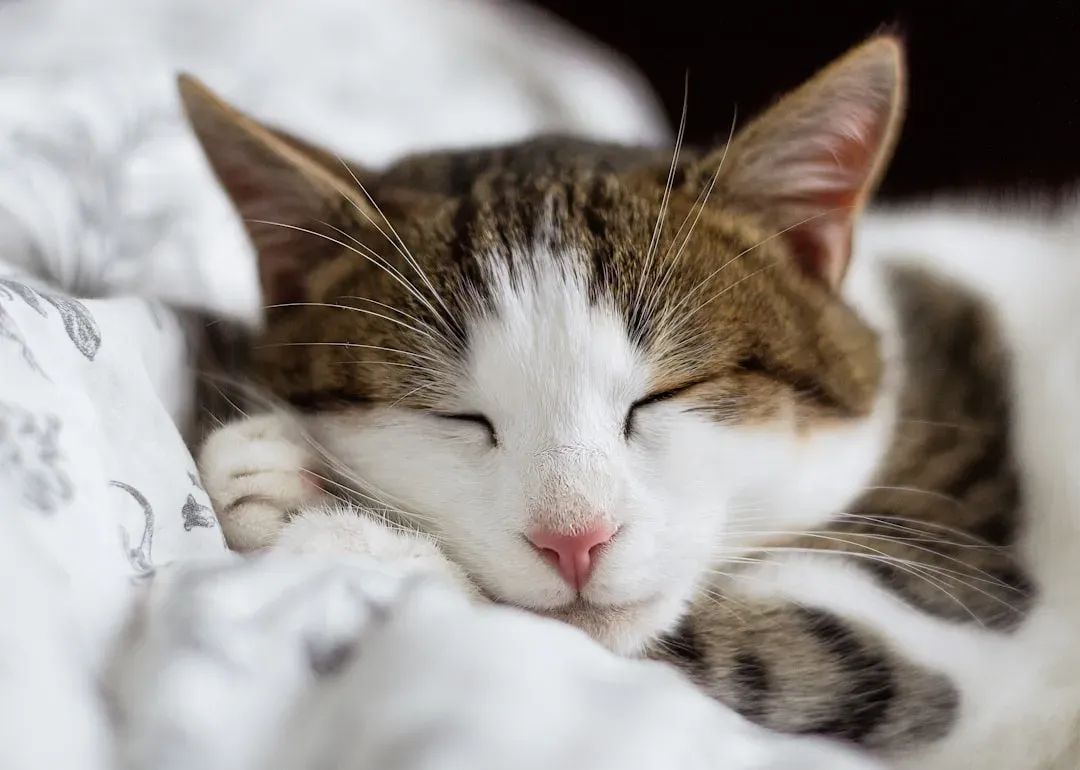
Slowly stretching or lying on their back to reveal their vulnerable tummy are a few indications your cat is relaxed and happy around you. Belly exposure is huge because it shows total trust. Your cat knows that position leaves them defenseless, yet they feel safe enough to sleep that way in your presence.
Pay attention to where your kitty chooses to nap, too. A happy cat shows it by being close to their human. Some cats prefer lounging right on your lap while others are content nearby on the couch. Either way, proximity matters more than you might think.
The Kneading Behavior Reveals Deep Contentment
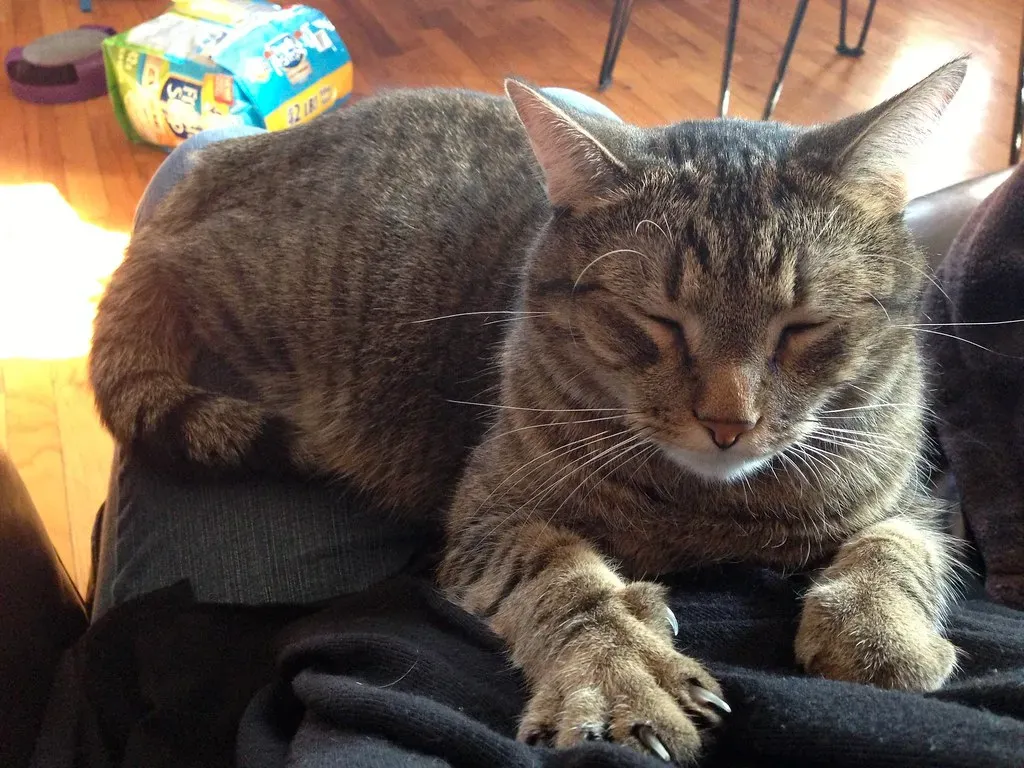
Cats might knead a blanket or their favorite people or something soft, and it’s often the height of contentment, thought to be a throwback to the security that kittens feel when kneading on their mother. You know your cat is truly happy when those paws start rhythmically pushing into your stomach or the cushion beside you. It might be uncomfortable when claws are involved, but this behavior signals serious comfort.
This “making biscuits” behavior often accompanies purring during cuddle sessions. When both happen together, you’re witnessing a cat in peak contentment mode. The memory of nursing as a kitten gets triggered, and your cat associates you with that same feeling of safety and nourishment.
A Playful Cat Is A Happy Cat
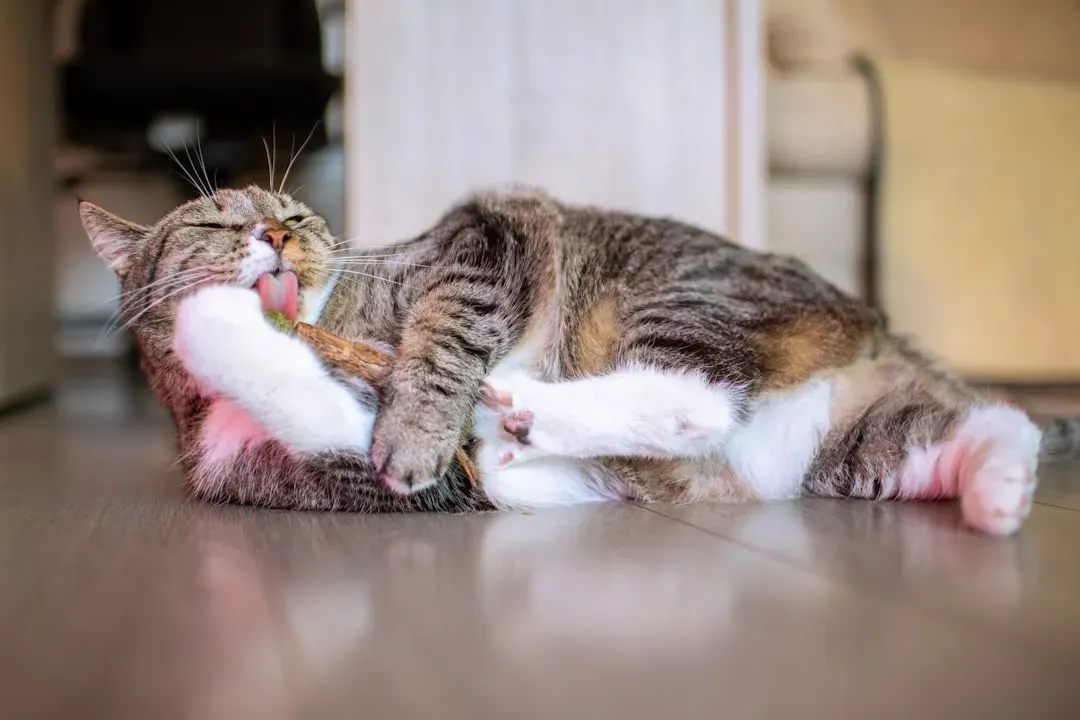
Happy cats will play with their toys and with other people and cats, while stressed cats tend to hide, avoid interaction, and ignore or refuse to play. Playfulness is a sign of a cat’s emotional well-being, and cats that feel safe and secure in their environment are more likely to exhibit playful behaviors.
Here’s what many people miss: play isn’t just about entertainment for cats. It’s deeply rooted in their hunting instincts and provides essential mental stimulation. If your cat regularly initiates play sessions, pouncing on toys or engaging in those hilarious midnight zoomies, that’s a clear sign of good emotional health. A sudden decrease in playfulness might actually indicate something’s wrong.
Relaxed Body Language Speaks Volumes
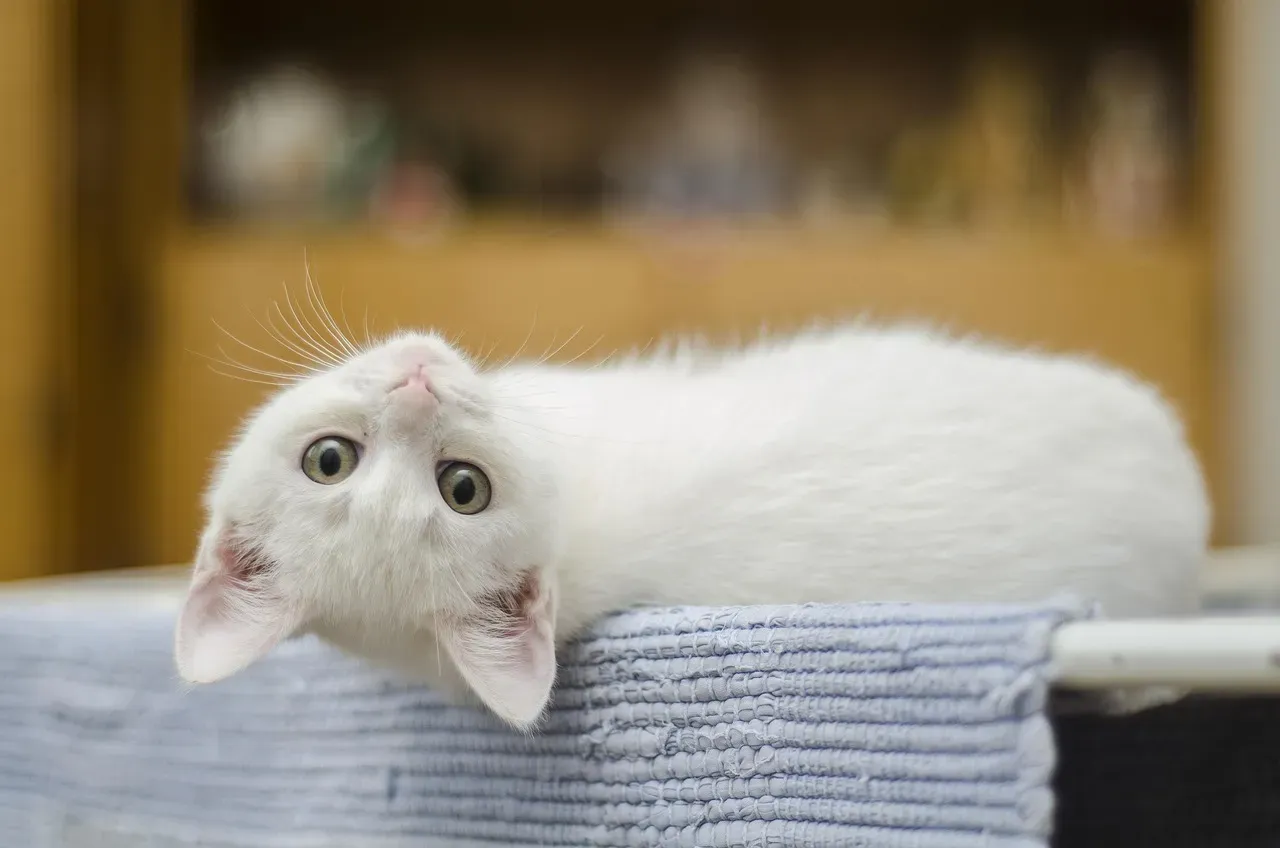
Cats who are relaxed will have loose, fluid body movements with slow and steady breathing, and they might fold their feet in front of themselves, stretch their feet way out in front, or slouch over the side of a perch. Notice how your cat positions themselves when lounging around. That comfortable sprawl across the windowsill? That’s happiness.
If a cat is happy they might stand with a relaxed posture or lie down and stretch out comfortably, their tail might be held upright with the tail tip curved, and their eyes might be gently closed with ears in a neutral position. Tense muscles and a rigid posture tell a completely different story, even if everything else seems fine.
Those Curious Ears Are Always Listening
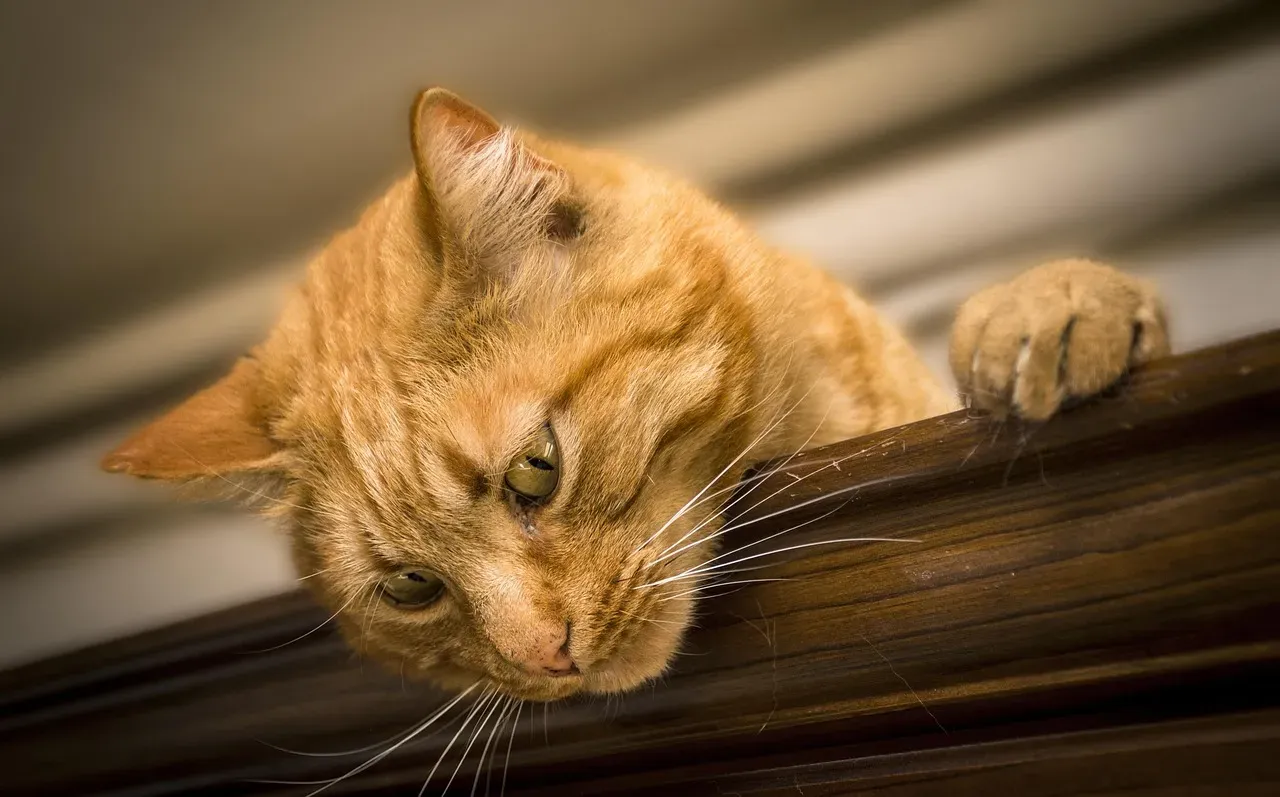
Ears pointed forward and relaxed show the cat feels relaxed, alert, confident and is paying close attention. Happy cats have ears that face forward or sit in a natural, neutral position. You’ll notice they swivel around to catch interesting sounds, but they don’t flatten back against the head.
When your cat’s ears are relaxed and positioned comfortably, that indicates they’re feeling secure in their environment. Ears that constantly rotate sideways or flatten might suggest anxiety, even when other happiness signals seem present. Context matters, so observe the whole picture rather than focusing on just one body part.
Consistent Eating Habits Reflect Emotional Wellbeing
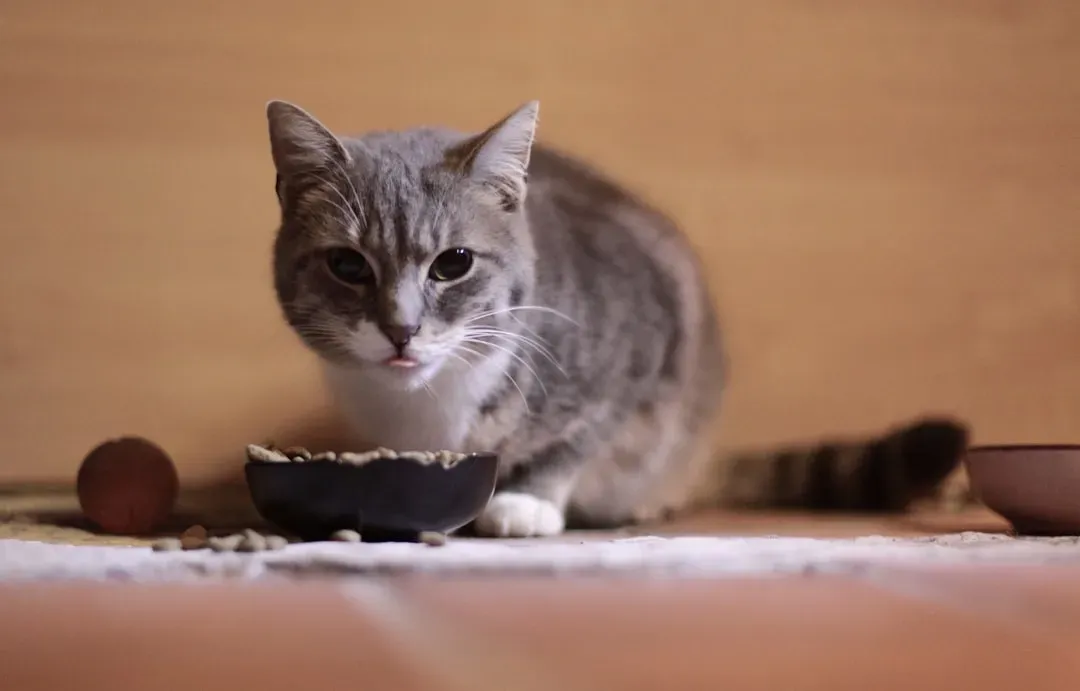
If your kitty is eating and drinking the same amounts as they always have, this is a really good sign they’re feeling content. When your cat looks forward to meals, eats with enthusiasm, or shows interest in treats or snacks, it’s a good sign of overall happiness.
Changes in appetite often signal stress or illness before other symptoms appear. A truly happy cat maintains regular eating patterns and shows excitement at mealtimes. They might even perform that adorable figure-eight dance around your ankles while you prepare their food. That enthusiasm matters because it demonstrates anticipation and positive emotional engagement.
Your Cat Seeks You Out For Interaction
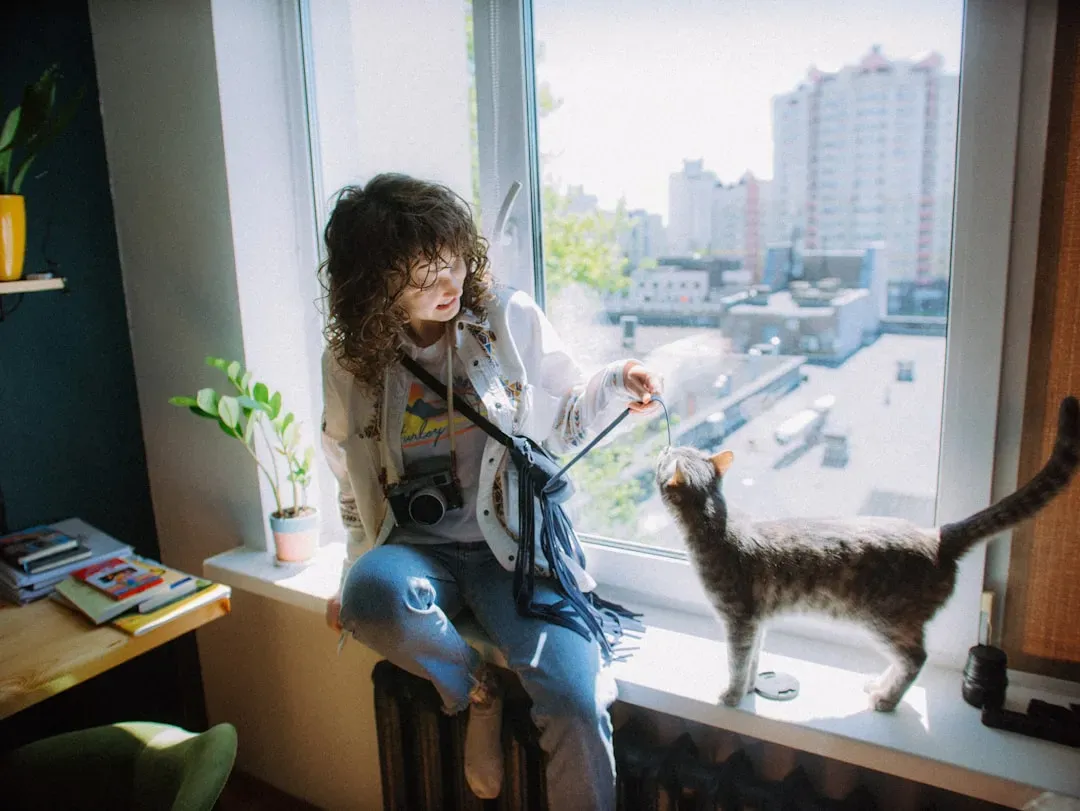
You’ll know your cat is happy if they show affection to you and want to interact with you, and a content kitty loves scritches, snuggles, head boops, and lap sits. If your cat comes to the door when you get home, lifts her head and meows, or gives you a chirrup to say hello, she is a happy kitty.
Some cats are naturally more independent than others, which is completely normal. Still, a happy cat will choose to be near you at least part of the time. They might not always want pets, but they’ll seek your company in their own way. That could mean sitting on the other end of the couch or following you from room to room just to see what you’re doing.
The Social Roll Is A Gift Of Trust
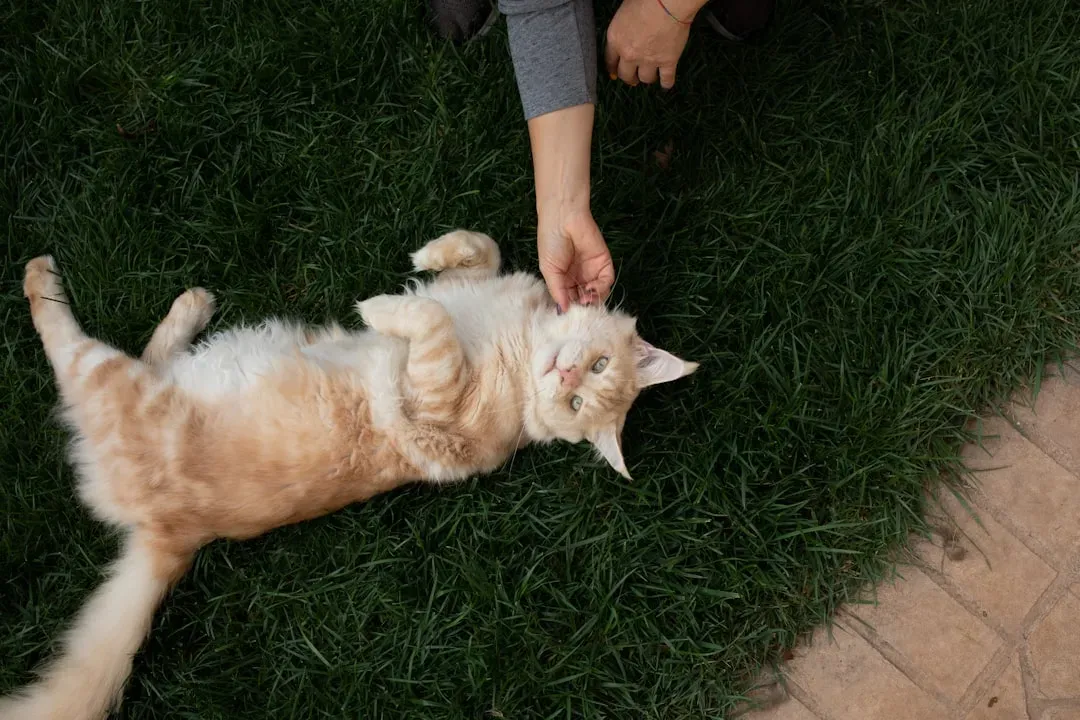
“The social roll” is when a cat gets in front of you, puts her head down, often on your feet or shoes, and rolls over exposing their stomach, and cats do this roll out of affection and happiness to see you. This behavior is absolutely precious and demonstrates supreme confidence in your relationship.
You might see this dramatic display when you first come home or during particularly affectionate moments. It’s hard to say for sure, but many experts believe this gesture combines greeting behavior with trust signaling. Your cat is basically saying they’re thrilled to see you and feel completely safe in your presence. Just be careful not to trip over them.
Regular Grooming And Litter Box Use Matter More Than You Think

A happy cat that has their basic needs met will have consistent lifestyle habits when it comes to eating, grooming, and toileting. A happy cat will use their litter box and is usually more forgiving if its maintenance isn’t quite up to snuff, while a cat that is anxious or unhappy may show it by peeing outside the box.
Grooming is another indicator worth watching. Cats typically spend around eight percent of their waking time grooming themselves, and this behavior serves multiple purposes beyond cleanliness. A well-groomed coat suggests your cat feels comfortable enough to engage in normal maintenance routines. Neglected grooming or excessive grooming can both indicate emotional distress. Similarly, consistent litter box habits reflect a cat who feels secure and unstressed in their environment.
Conclusion
Reading your cat’s happiness goes far beyond surface-level observations. Those purrs and head nudges are lovely, but they’re just the beginning of understanding your feline’s emotional landscape. By paying attention to tail positions, eye contact, sleep behaviors, playfulness, body language, ear positions, eating habits, social interactions, trust signals, and daily routines, you’ll develop a much deeper awareness of your cat’s true state of mind.
Remember that every cat is unique with their own personality quirks and communication style. What indicates happiness in one cat might look slightly different in another. The key is learning your specific cat’s language and watching for changes in their normal patterns. When you truly understand these subtle signals, you’re not just living with a cat anymore. You’re building a genuine relationship based on mutual understanding and trust.
What subtle signs have you noticed in your own feline companion? Sometimes the smallest gestures reveal the biggest truths about how our cats really feel.