You love your cat, that much is certain. Every evening when you settle into your favorite spot, they curl up beside you, purring like a tiny motor. They eat their meals reliably, groom themselves meticulously, and even tolerate your occasional attempts at cuddles. So your cat must be happy, right? Well, here’s the thing: contentment and genuine happiness in cats aren’t quite the same, even though they often look remarkably similar to the untrained eye. Learning to distinguish between a cat who’s simply going through the motions and one who’s genuinely thriving can transform your relationship and help you provide the enriched life your feline companion truly deserves.
Let’s be real, cats are mysterious creatures. Unlike dogs who wear their emotions on their sleeves (or tails), cats communicate through subtle cues that many of us miss entirely. So let’s dive into the fascinating world of feline emotions and discover what your cat is really telling you.
The Purring Paradox: When Rumbling Doesn’t Always Mean Joy
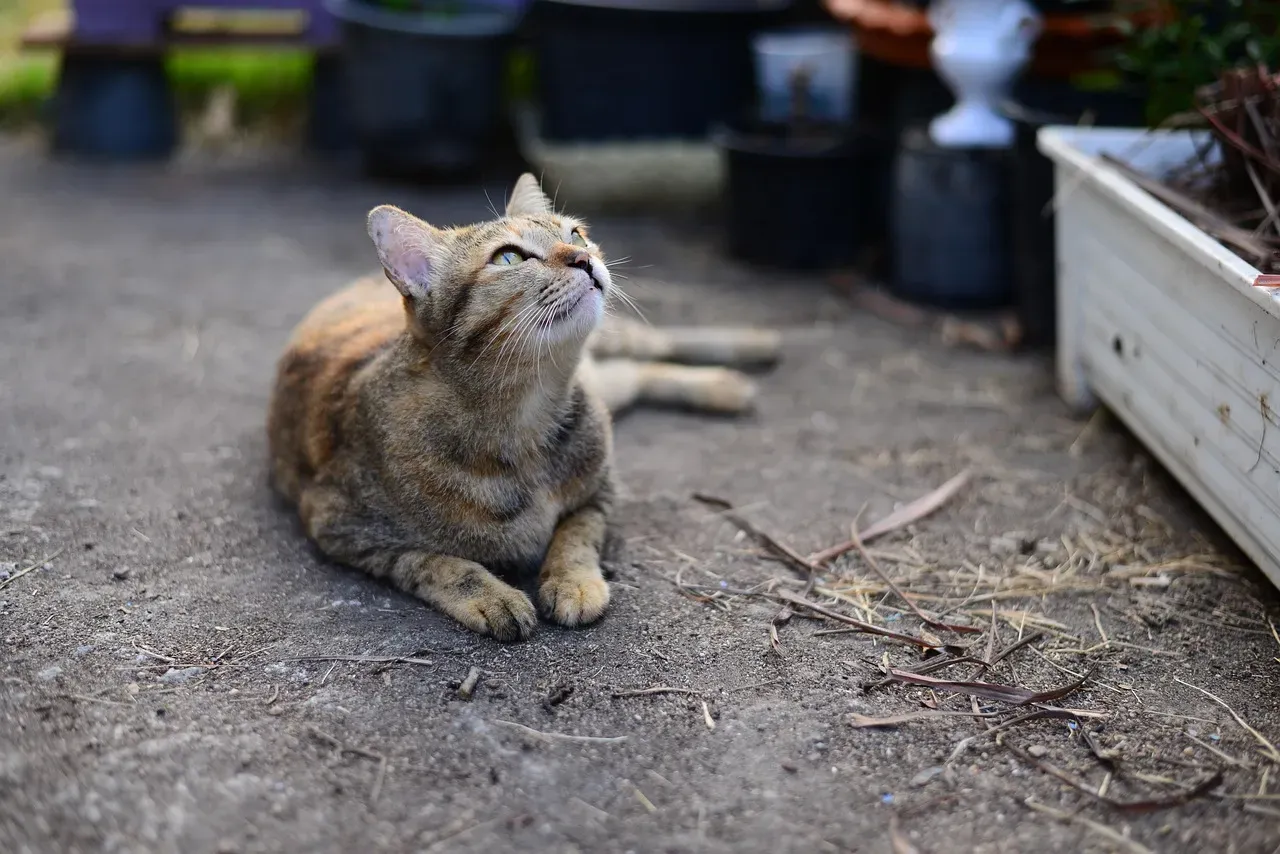
Purring is one of the signs that most people recognize as a sign of a happy cat, and for the most part, if a cat is purring, you can be assured that they are happy. Yet here’s where things get tricky. Cats may purr for a variety of reasons, including when they are hungry, happy, or anxious, and cats sometimes purr when they are ill, tense, or experiencing traumatic or painful moments. Think of purring as a multitool rather than a single message.
When your cat is nestled beside you on a lazy Sunday afternoon, eyes half closed, body completely loose and relaxed, that purring likely signals true contentment or even happiness. However, if you notice purring combined with tense body language, hiding, or changes in appetite, that’s potentially a self-soothing mechanism during stress or discomfort. Context is everything when you’re trying to decode whether your cat is genuinely joyful or just managing their emotions.
Tail Tales: Decoding the Language of the Upright Flag
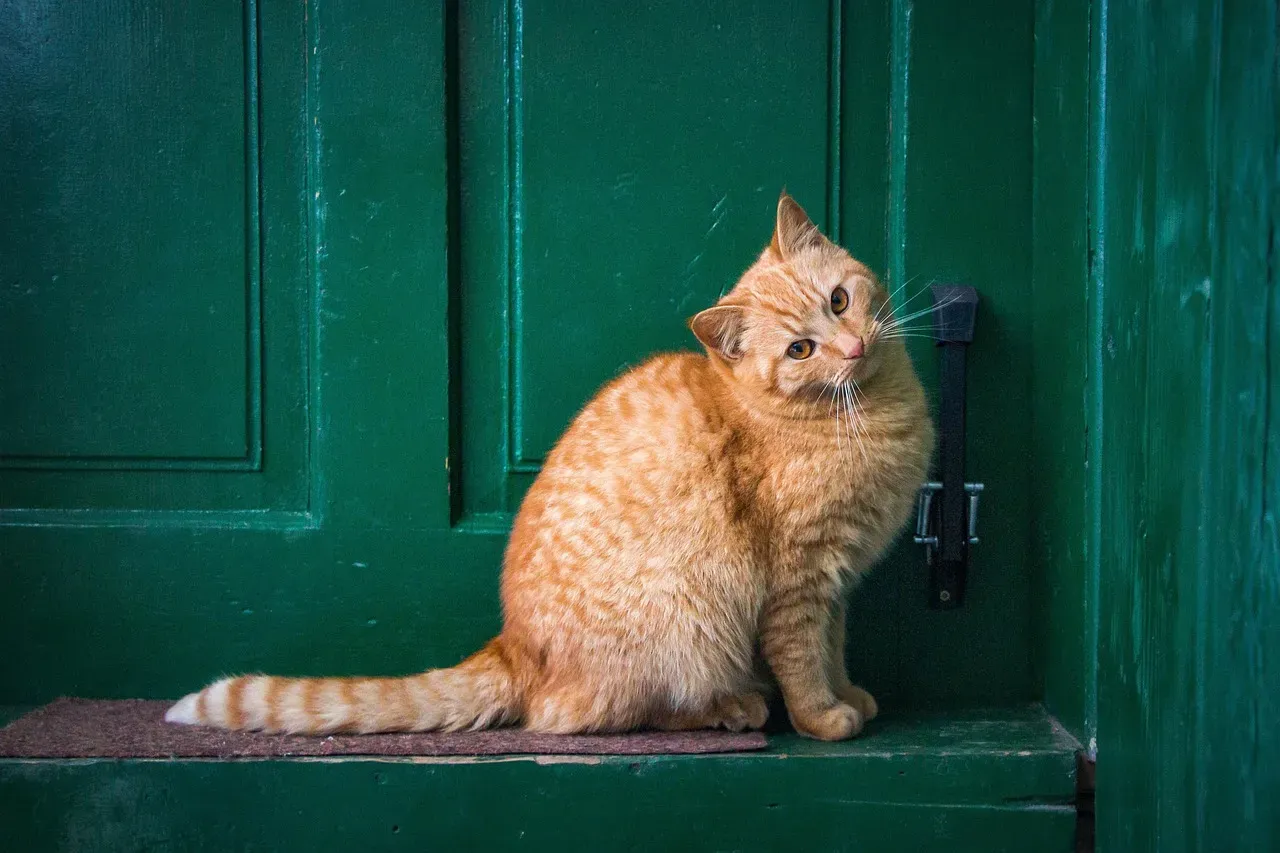
Cats use their tails to express how they feel, with happy cat tail signs including an upright tail, which is basically a cat’s way of saying “Hi! Nice to see you!” and a quivering tail pointed up and held high showing happiness and excitement. When you walk through the door and your cat approaches with their tail held high like a flag pole, possibly with a slight curve at the tip, you’re witnessing genuine feline joy.
A high, vertical tail indicates a cat that’s feeling confident, comfortable, happy, and friendly, while a low tail indicates a cat that’s feeling fearful or anxious. A content cat might keep their tail in neutral positions, wrapped around their body while resting. But a truly happy cat greets you enthusiastically, tail quivering with excitement, eager to engage. Pay attention to whether your cat merely tolerates your presence or actively seeks it out with that telltale upright tail.
The Slow Blink: Feline Love Letters Through Half-Closed Eyes
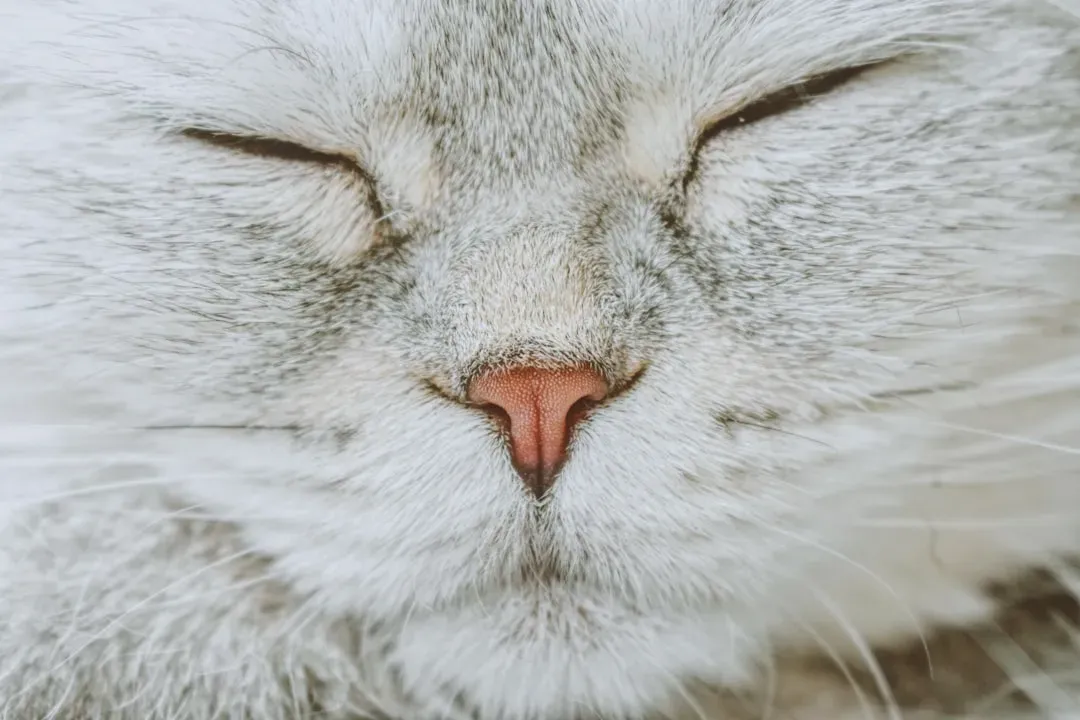
The slow blink, sometimes called a “cat kiss,” is a subtle but meaningful gesture that is a deliberate behavior that your cat makes to show they’re content and calm being with their loved ones. If you’ve ever caught your cat staring at you, then slowly closing their eyes and opening them again, congratulations. You’ve just received one of the highest compliments a cat can offer.
Slow blinking patterns represent one of the most reliable signs of feline contentment, often accompanied by half-closed eyes that signal complete relaxation and trust in their environment. This isn’t mere contentment where your cat tolerates you, this is active affection and happiness. Try slow blinking back at your cat to return the sentiment. It’s hard to say for sure, but cats who regularly exchange slow blinks with their humans seem to form deeper bonds than those who don’t engage in this eye conversation.
Playfulness: The Ultimate Happiness Barometer
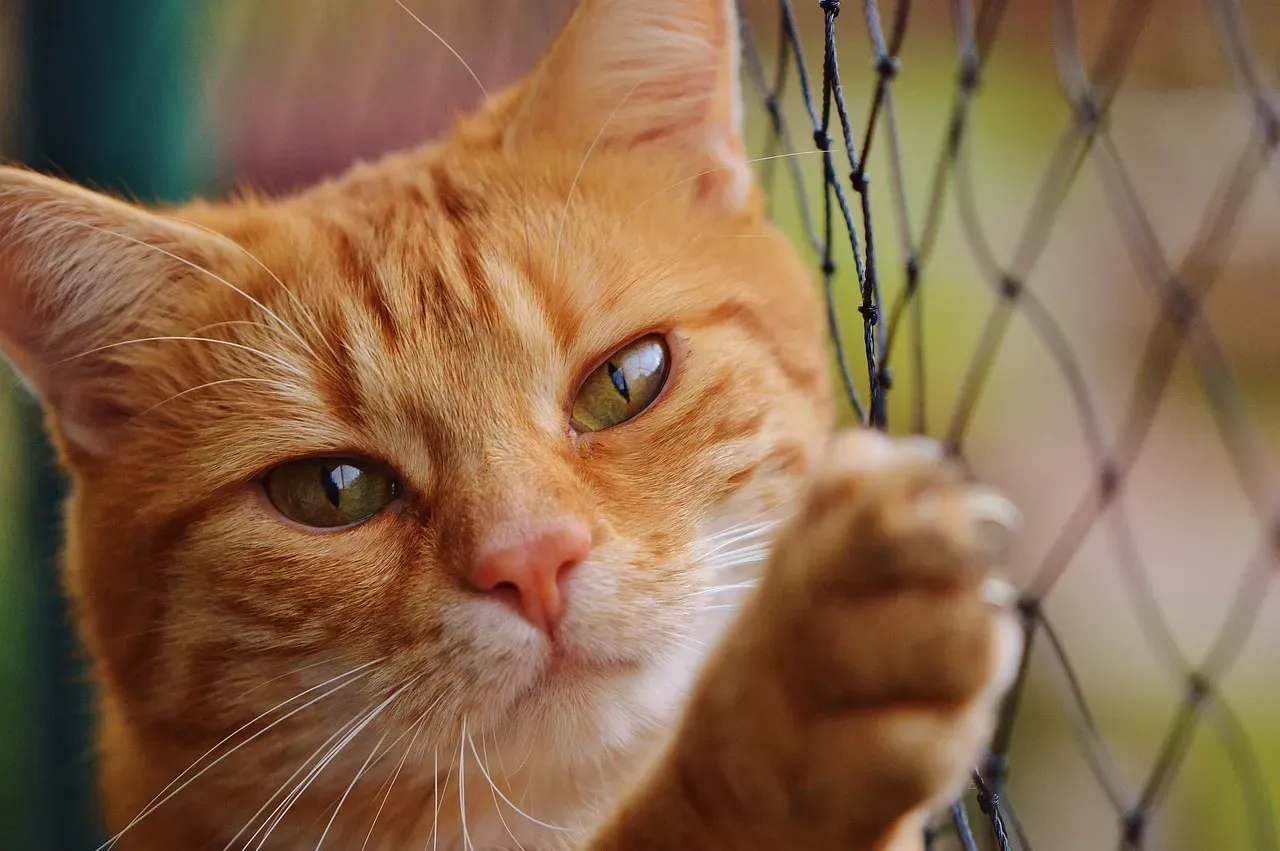
A happy cat is often a curious cat, and confident kitties driven by their curiosity will be more likely to engage in interactive play with their human, other cats, or toys. Content cats might occasionally bat at a toy if it lands directly in front of them, but truly happy cats initiate play themselves. They bring you toys, pounce on imaginary prey, and engage in those hilarious midnight zoomies that make you question your sanity.
Although play drive varies amongst individual cats, most happy cats enjoy playing at least a little, with a playful cat being a happy cat who might be content playing on their own, batting and pouncing on toys. Watch how your cat interacts with their environment. Do they explore with enthusiasm? Do they investigate new boxes with fearless curiosity? Active exploration and regular play sessions are hallmarks of genuine feline happiness rather than simple contentment.
The Kneading Ritual: When Biscuit-Making Signals Bliss
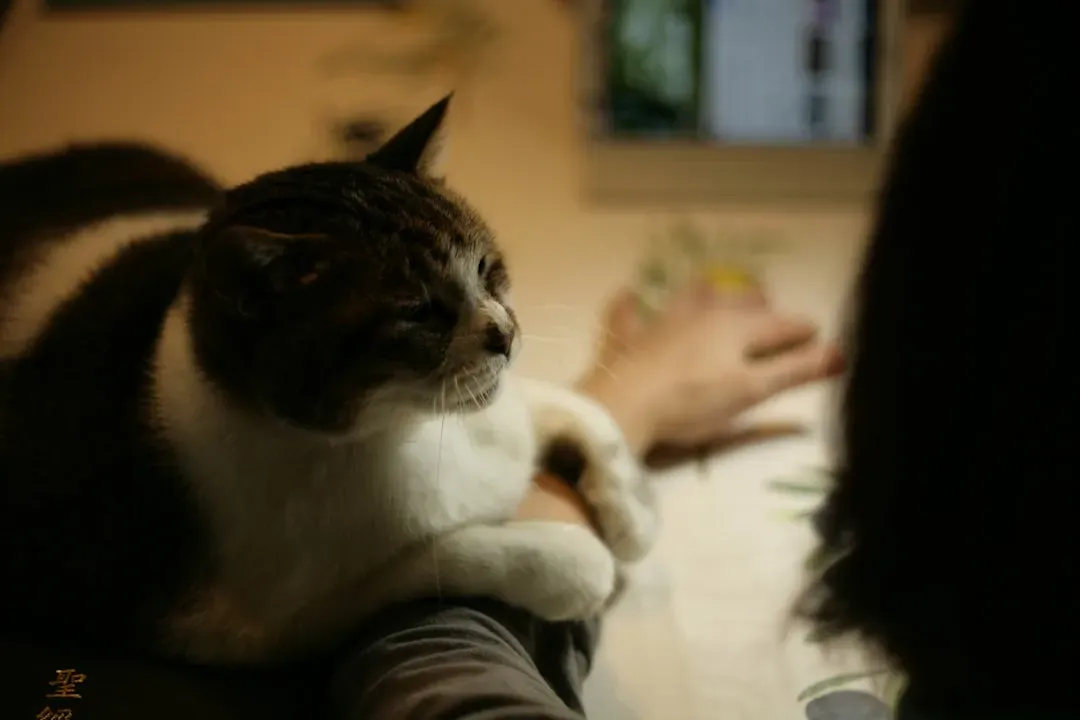
Kneading often accompanies purring and is known by names including “making biscuits,” with cats kneading a blanket or their favorite people or something soft in what’s often the height of contentment, thought to be a throwback to the security that kittens feel when kneading on their mother. When your cat rhythmically pushes their paws into your lap, alternating left and right while purring, they’re experiencing something beyond basic contentment.
This behavior reveals deep emotional satisfaction and security. A merely content cat might rest on you, but a genuinely happy cat makes biscuits on you, sometimes even drooling a little in their ecstasy (yes, it’s gross, but it’s also endearing). The kneading motion taps into their earliest memories of safety and nourishment, suggesting they associate you with those primal feelings of comfort and joy.
Vocalization Variations: Chirps, Trills, and Melodic Meows
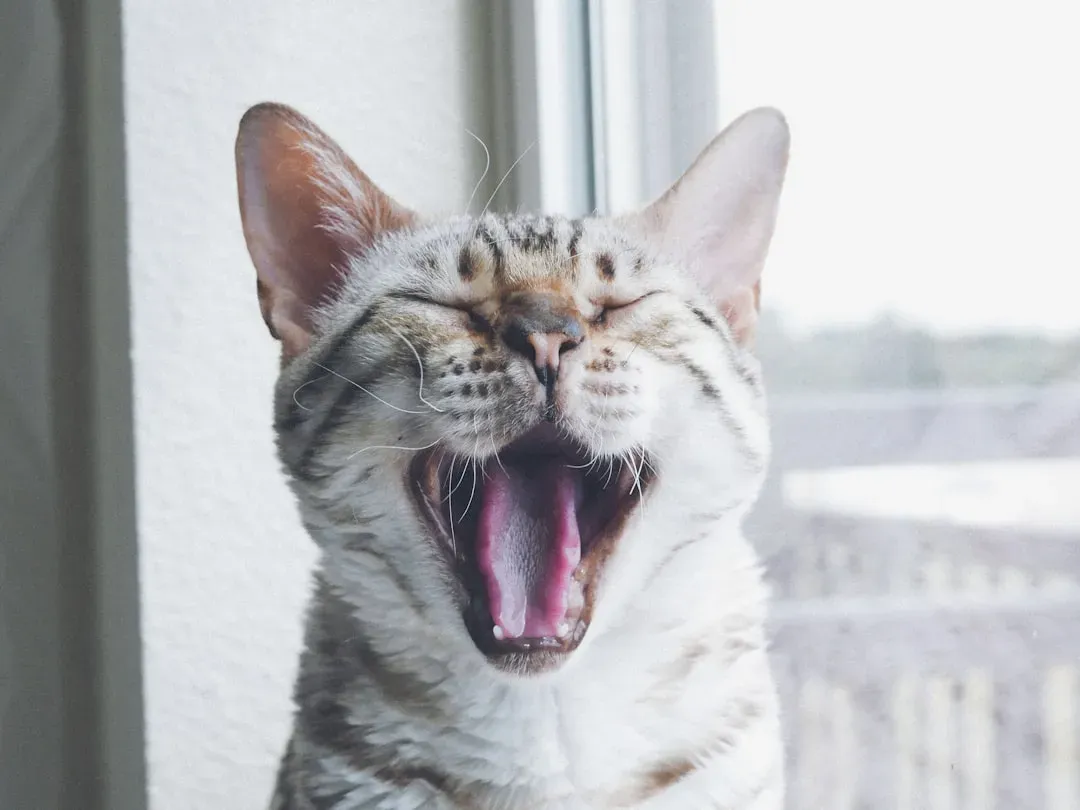
A high-pitched meow is a content cat, while a low-pitched meow may indicate an unhappy or annoyed kitty, and that “prrrrupttt!” sound many cats make is also a good indication of a happy cat. Listen carefully to your cat’s vocal repertoire. Happy cats tend to be more talkative, using a variety of sounds to communicate with you throughout the day.
Trilling and chirping are also signs that your cat is content, as cats aren’t just about purrs. That delightful chirping sound your cat makes when they spot you after you’ve been away, or when they’re anticipating dinner, signals active happiness and excitement. Content cats might meow occasionally for practical reasons like demanding food, but happy cats engage in genuine conversation, sharing their emotional state with cheerful vocalizations.
Social Seeking: The Difference Between Tolerance and Affection
Happy cats are usually relaxed around their human and cat families and freely solicit interactions from them, don’t run away when approached, and display the enjoyment they receive from interactions through purring and reciprocal behaviors like head butting. Does your cat simply allow you to pet them when you initiate contact, or do they actively seek you out for affection?
If your cat frequently headbutts you or gently rubs their head against you, it’s a sign of affection and a happy cat, with cats rubbing against us leaving their scent on us, kind of like saying “You’re part of my family.” A content cat coexists peacefully in your space. A happy cat chooses to be near you, follows you from room to room, greets you at the door, and initiates physical contact. That distinction matters enormously when assessing your cat’s emotional wellbeing.
Appetite and Eating Patterns: When Food Becomes Pure Joy
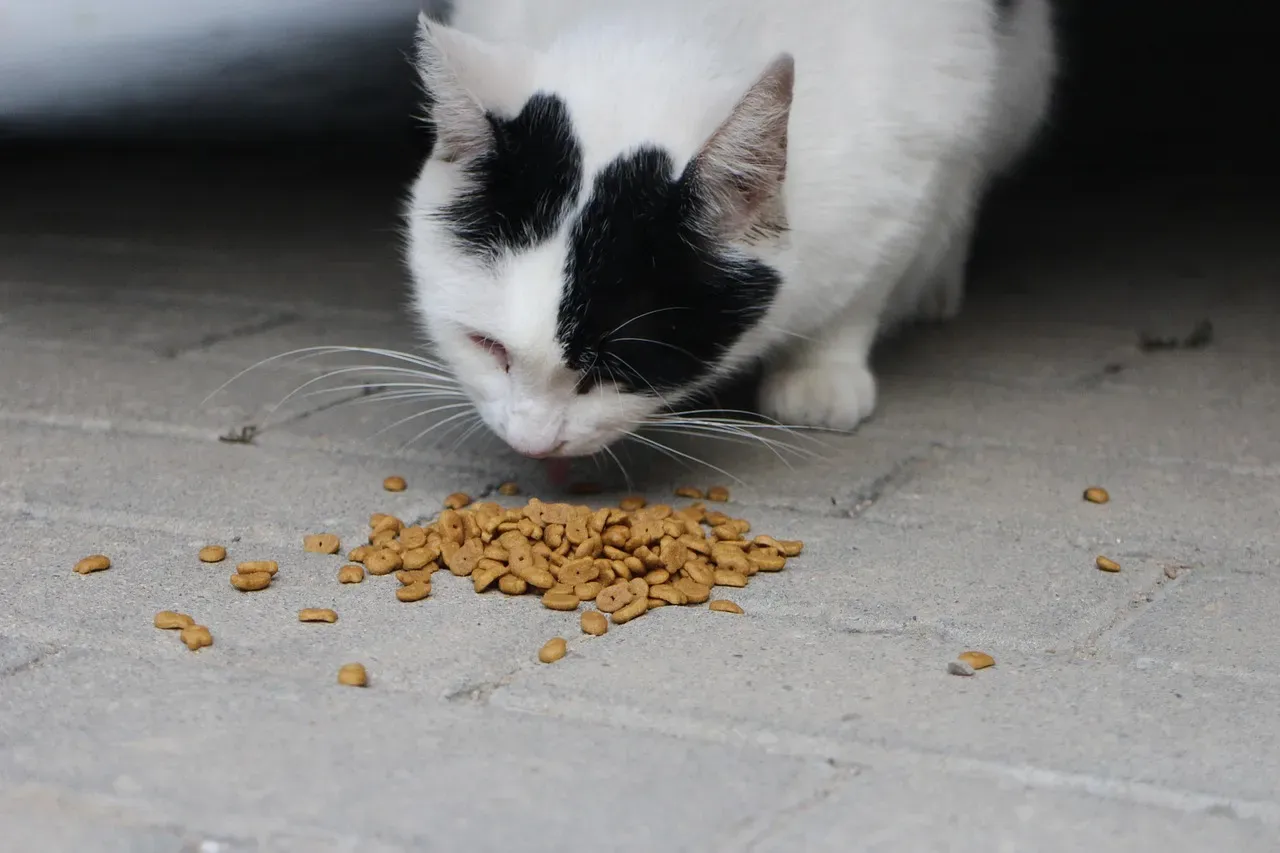
Happy and content cats have good appetites and enjoy their food, with many happy cats relishing their treats and having routines with their parents around mealtime. Both content and happy cats typically eat well, but there’s a qualitative difference in how they approach meals. A content cat eats because they’re hungry, fulfilling a biological need.
A truly happy cat celebrates mealtime with enthusiasm. They might perform little dance moves near their bowl, vocalize excitedly when they hear the food bag rustling, or engage in a consistent routine that shows genuine anticipation rather than mere hunger. If your kitty is eating and drinking the same amounts as they always have, this is a really good sign they’re feeling content, with a happy cat having a normal appetite and thirst. Consistent, enthusiastic eating patterns suggest your cat finds joy in their daily routine rather than just tolerating it.
Grooming Behaviors: Self-Care as an Emotional Indicator
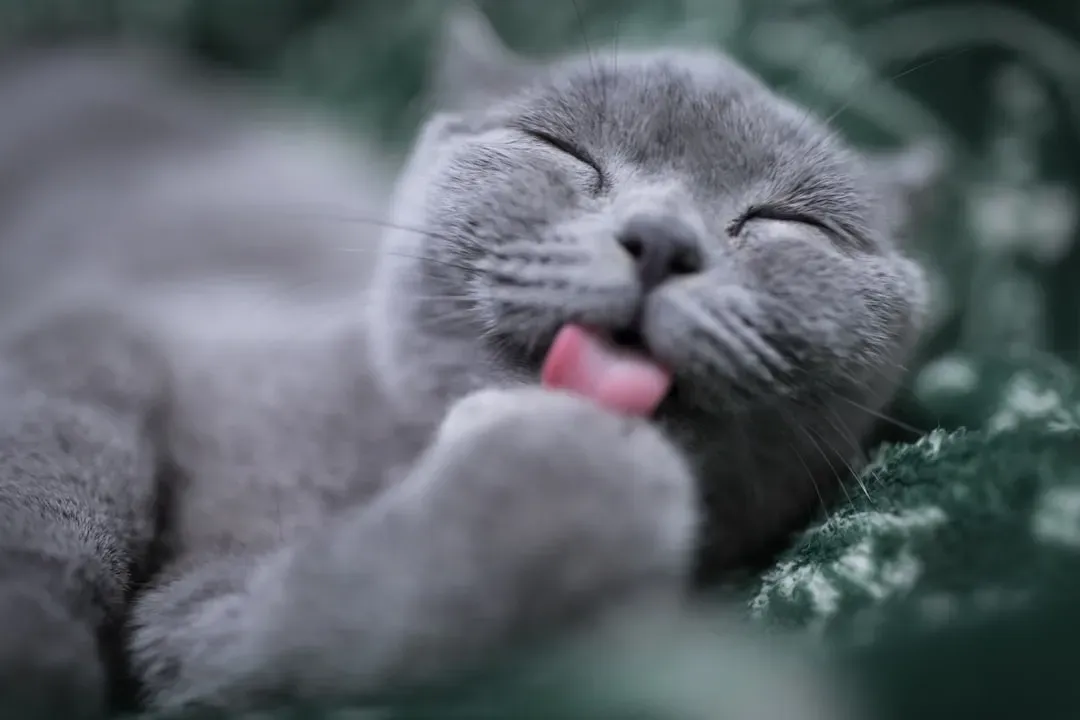
A cat who will come out into the middle of the room, throw up a leg, and begin grooming in front of you feels comfortable and at ease, with regular grooming being a sign of a happy, healthy feline friend. Where your cat chooses to groom themselves tells you volumes about their emotional state. Cats who only groom in hidden locations might be content but not entirely secure.
If cats feel good, they will keep themselves well groomed, and a cheerful kitty will also groom other cats or even bite and lick their owner, showing trust and a positive relationship. Happy cats groom openly in common areas, sometimes even grooming you as part of their routine. This demonstrates not just contentment with their environment but genuine happiness and social bonding. If your cat has ever licked your hand or hair, consider it a compliment of the highest order.
Body Language and Posture: Reading the Relaxation Factor
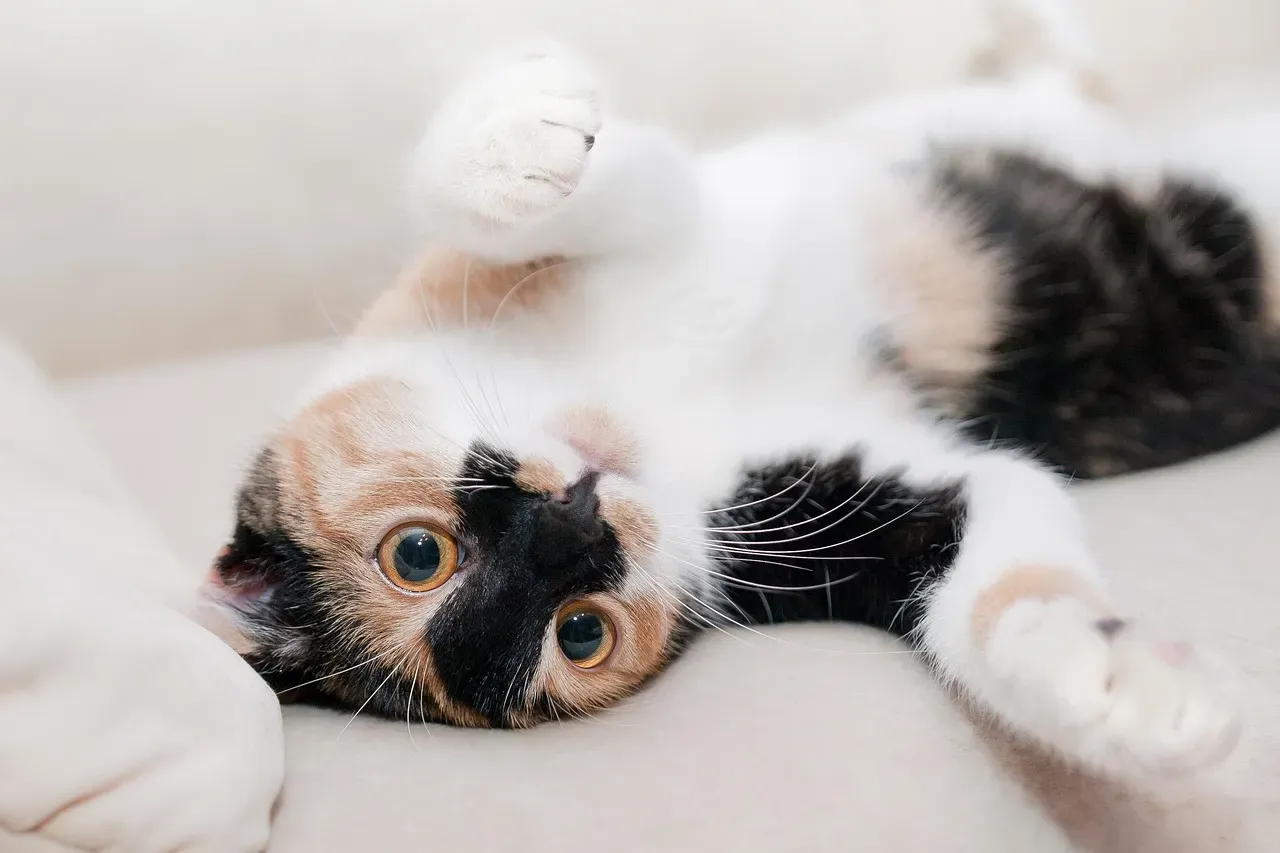
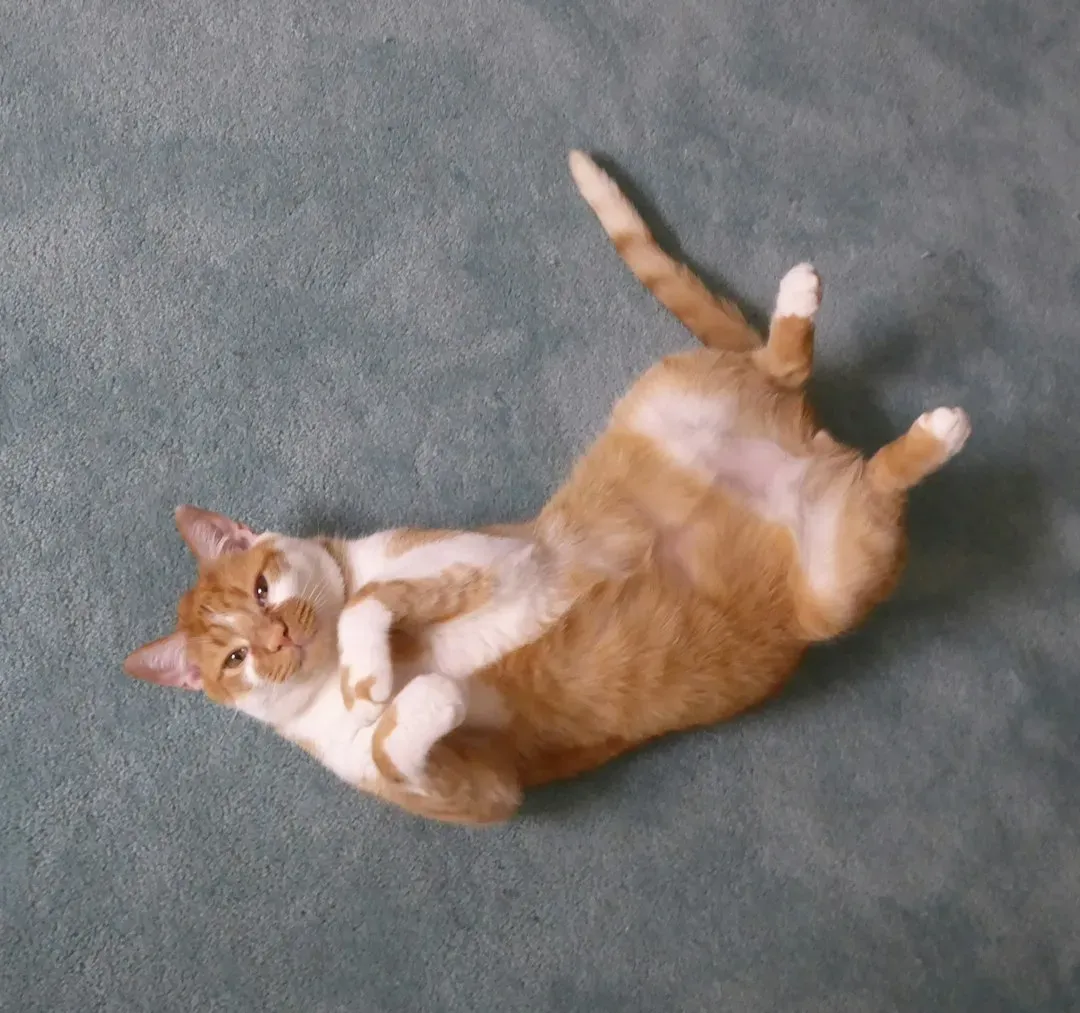
A content cat displays relaxed body language with loose limbs and a comfortable stance, and when your cat stretches out fully or lounges with their belly exposed, it’s a strong indication they feel safe and happy in their environment. The ultimate test of feline happiness might be the belly display. Cats instinctively protect their vulnerable undersides, so a cat who sprawls out belly-up in your presence demonstrates profound trust and security.
When a cat is happy, their posture is typically loose, with their limbs and tail stretched out away from their body when lying down. Content cats might curl into protective positions even while resting. Happy cats spread themselves out luxuriously, claiming space with confidence. Watch how your cat positions themselves when sleeping near you. Are they tightly curled in a defensive ball, or are they completely sprawled out in vulnerable positions that suggest total comfort and joy in your shared space?
Conclusion: Creating Happiness Beyond Simple Contentment
Understanding whether your cat is truly happy or just content requires careful observation of these multiple behavioral signals together, not in isolation. A content cat has their basic needs met: food, water, shelter, and safety. They coexist peacefully in your home without obvious stress. However, a genuinely happy cat goes beyond mere existence. They thrive. They engage. They form deep emotional bonds and express joy through playfulness, affection-seeking, enthusiastic vocalizations, and confident body language.
The beautiful thing about recognizing this difference is that you can actively cultivate happiness rather than settling for contentment. Provide environmental enrichment through toys, perches, and interactive play. Respect your cat’s communication and respond to their subtle emotional cues. Build trust through consistent positive interactions and slow blinks. Your cat might be content simply living in your home, but with attention and understanding, they can be truly happy living their life with you.
What subtle signs have you noticed that reveal your cat’s emotional state? Sometimes the smallest gestures speak the loudest truths about what our feline companions are really feeling.