Cats have a reputation. Cold, aloof, indifferent – the popular image of a house cat is one of elegant self-sufficiency, a creature who tolerates your presence but would just as easily carry on without you. Honestly, I used to believe that too, until I started paying closer attention. The truth is far more nuanced, and in many ways, far more rewarding.
Cats form strong bonds with their humans just like dogs do, but they show love differently, often expressing affection through subtle behaviors. Those signals are easy to miss if you don’t know what you’re looking for. So if you’ve ever wondered whether your cat actually enjoys having you around or is just tolerating the food delivery service you provide – get ready to be surprised.
The Slow Blink That Says More Than Words Ever Could
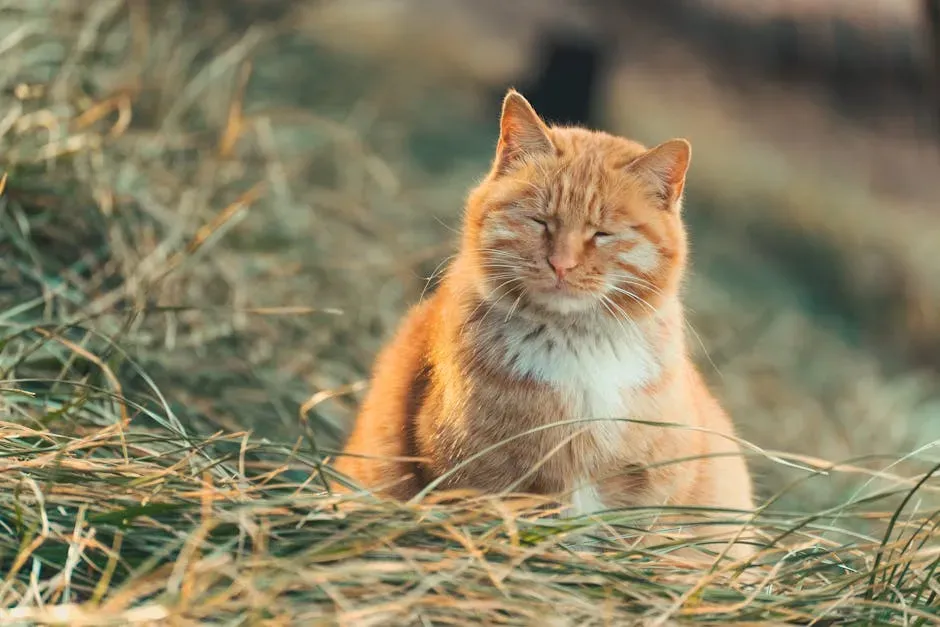
There’s a moment – quiet, unhurried – where your cat holds your gaze and then slowly, deliberately closes and reopens their eyes. It might seem like nothing. It’s actually everything. Holding eye contact with you is considered a sign of trust, and a slow blink in your direction is a solid sign of affection. If you spot your cat giving you a long, drawn-out blink while gazing at you, they are comfortable letting their guard down in your presence and are displaying trust and affection.
For cats and many other animals, eye contact can be something very threatening, so if your cat is looking at you with relaxed, soft, or almond eyes, this is a good indication that they feel comfortable in your company. Slow blinking is also a sign your cat is fond of you, and researchers have found that cats are more likely to approach a person who slow blinks at them. You can even try blinking slowly back at your cat – think of it as a secret handshake only the two of you share.
Your Cat Follows You Around the House for No Obvious Reason
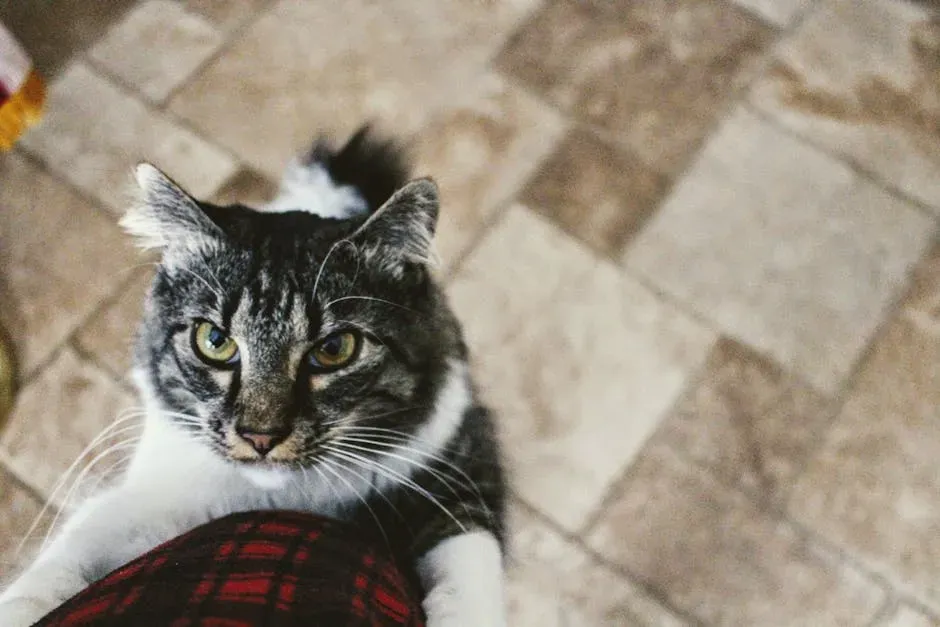
You get up to make a coffee and suddenly you have a small, furry shadow trailing three steps behind you. You go to the bathroom, and there’s that familiar scratch at the door. It might feel clingy or curious, but there’s real affection behind it. There can be many reasons for this, from wanting food to being anxious, but there are many cases in which your cat simply enjoys your company and wants to be with you. If it’s not close to feeding time and your cat isn’t acting like they want anything, chances are they are just trying to bask in your presence.
Think of it the way you’d think about a friend who always wants to hang out in the same room as you, not necessarily talking, just… present. That’s your cat. A cat won’t share space with someone it doesn’t like. They will share space with those they feel comfortable and safe with. They might lie down next to you on the couch when you’re watching TV, maybe reach out a paw every now and then to touch your arm, just to make sure you’re still there. Even just sitting in the same room as you is a sign that your cat enjoys your company as much as you enjoy theirs.
The Headbutt and the Cheek Rub: You’ve Been Claimed
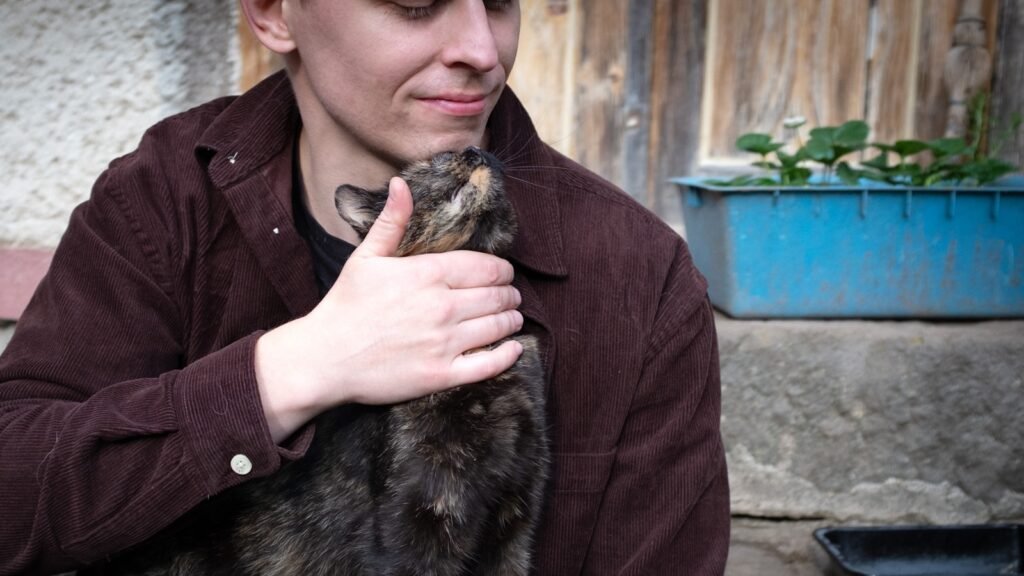
Your cat may bump their head against you or rub their cheeks against you to show affection. This is a social behavior formed in kittenhood through headbutting other kittens and their mother, and it is often an attempt to mark you with their scent to claim you as one of their own. So yes, your cat is essentially branding you as part of their territory – and in cat terms, that’s a profound compliment.
Cats use scent to identify members of their social group or family, by sharing a group scent profile. Cats have scent glands on their flanks, head and around their ears, and often rub their heads against people and objects that are familiar and comforting. Next time your cat shoves their forehead into your chin or drags their cheek across your arm, don’t brush it off. You’ve just been accepted into the inner circle.
Purring Is Their Love Language – But Listen Carefully
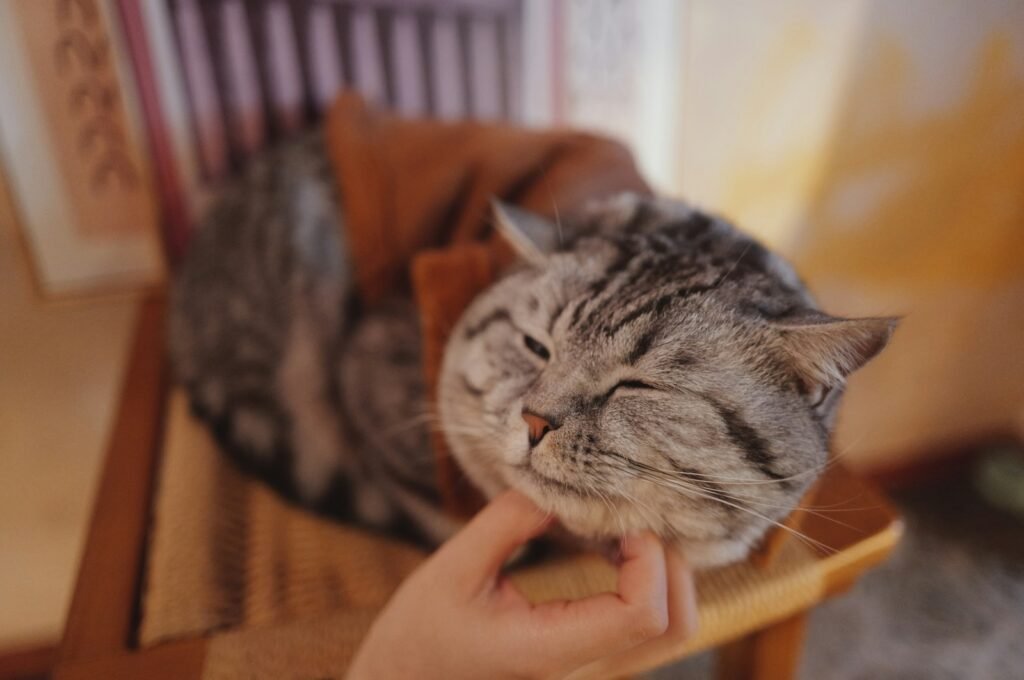
That rhythmic, rumbling sound is arguably the most recognizable signal in the entire cat vocabulary. Feline behaviorists have found that cats purr for a variety of reasons, but they believe that purring first starts as a form of communication and bonding mechanism between kittens and their mothers. It’s also a common indicator of comfort and ease. When your cat settles in next to you and the purring starts, it’s genuine contentment.
Cats often purr to show contentment when they are resting near you or when you’re petting them. They may also purr when they’re nervous, but this is often paired with different body language such as holding their ears back, putting their head down, fast tail-swishing, or hiding. So context matters hugely here. A soft, relaxed purr while they’re lying draped across your lap? That’s pure joy. A tight, tense purr while crouching? That’s a different story entirely.
Grooming You Is the Ultimate Trust Exercise
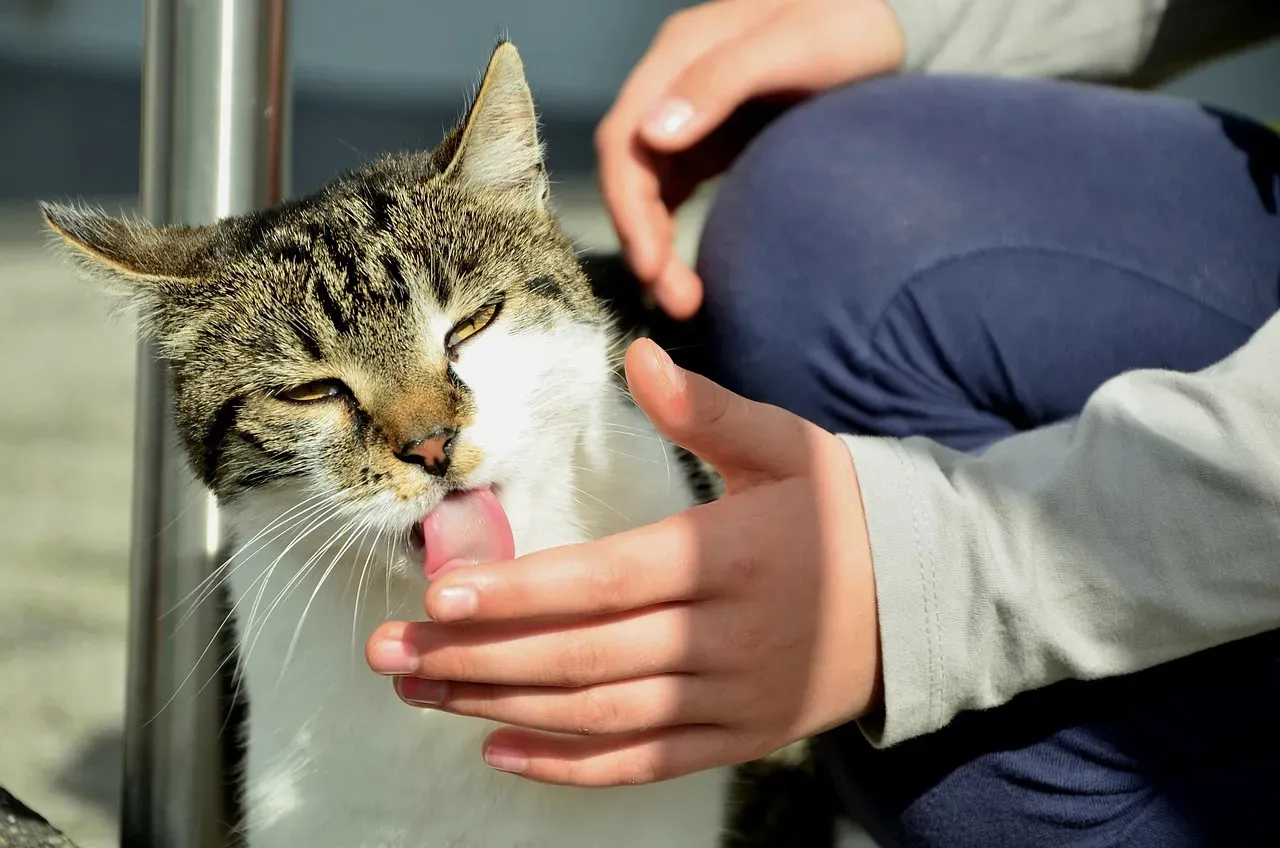
If your cat ever licks your hand, your hair, or even your face, you might have instinctively pulled away – those little sandpaper tongues aren’t exactly spa-quality. But here’s what you should know instead. Grooming only happens between cats with a warm relationship, so licking your hand or face can be a show of endearment, even though those barbed tongues may not feel all that gentle.
Cats groom other cats and humans to show their affection by mingling their scent with yours. This behaviour builds a community scent between you both and shows they trust and feel relaxed around you. Cats lick other cats in their social group, partly to bond, but also to create a group odour. The group smell helps both pet cats and feral cats tell who is in their social group. So, if your cat licks you, it’s probably because they know they’re a part of your family.
Sleeping Near You (or Right on Top of You) Is a Massive Statement
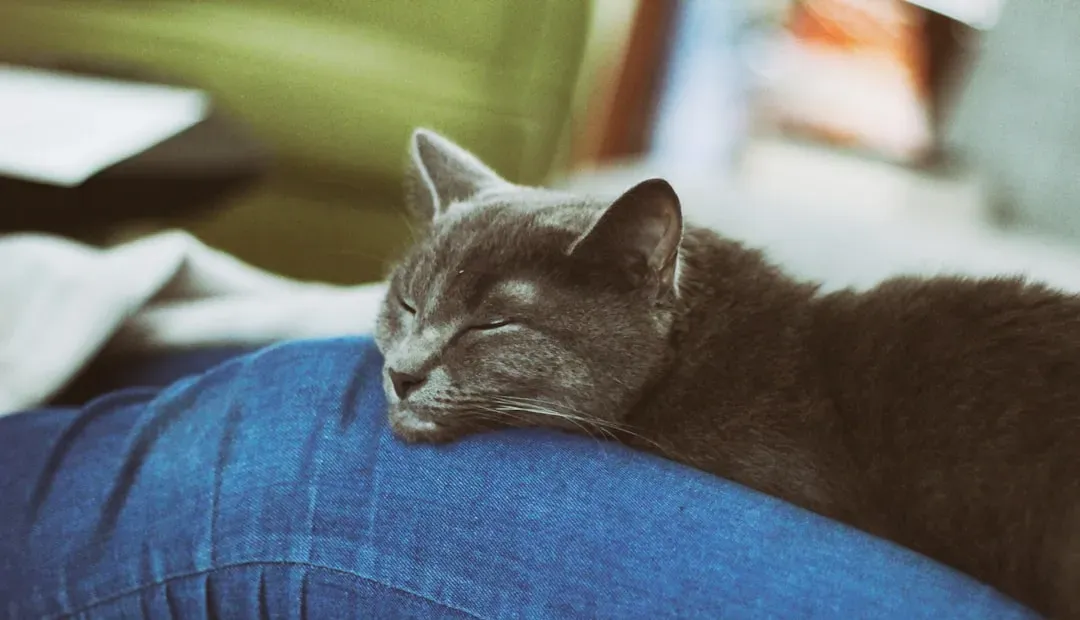
Cats sleep a lot – sometimes the vast majority of the day. Where they choose to do that sleeping, however, says a great deal. Cats sleep a lot, but like most animals, they are most vulnerable when snoozing. As a result, they are only going to sleep where they feel most comfortable and secure. If that’s with you – your cat definitely sees you in a positive light.
A sure sign that your cat likes and trusts you is if they climb onto your lap for a snooze. Cats choose to have their catnaps in safe places, like high up on a shelf, because they can feel vulnerable, so if they curl up on your lap for a snooze they obviously feel a strong trusting bond with you. It’s a bit like being chosen as someone’s emergency contact – it sounds small, but it carries enormous weight.
The Belly Exposure: Vulnerable, Not Always an Invitation

When your cat flops down in front of you, rolls onto their back, and reveals that fluffy tummy, it’s one of those moments that makes every cat owner reach out instinctively. Hold that thought for just a second. If you’re no stranger to your cat rolling over to expose their belly to you, you’re definitely someone important. This position puts cats in a vulnerable position, and so they’ll only do it around people they’re completely comfortable around.
Rolling over and exposing their vulnerable underbelly is another gesture that a cat has ultimate trust in you. However, cats prefer to be petted on the head and neck area, so this is not usually a request for a belly rub. So admire the display of trust, give a gentle head scratch instead, and resist the temptation to dive in for the belly rub unless your cat has specifically shown they enjoy it. Your hands will thank you.
Their Tail Position Speaks a Language You Should Learn
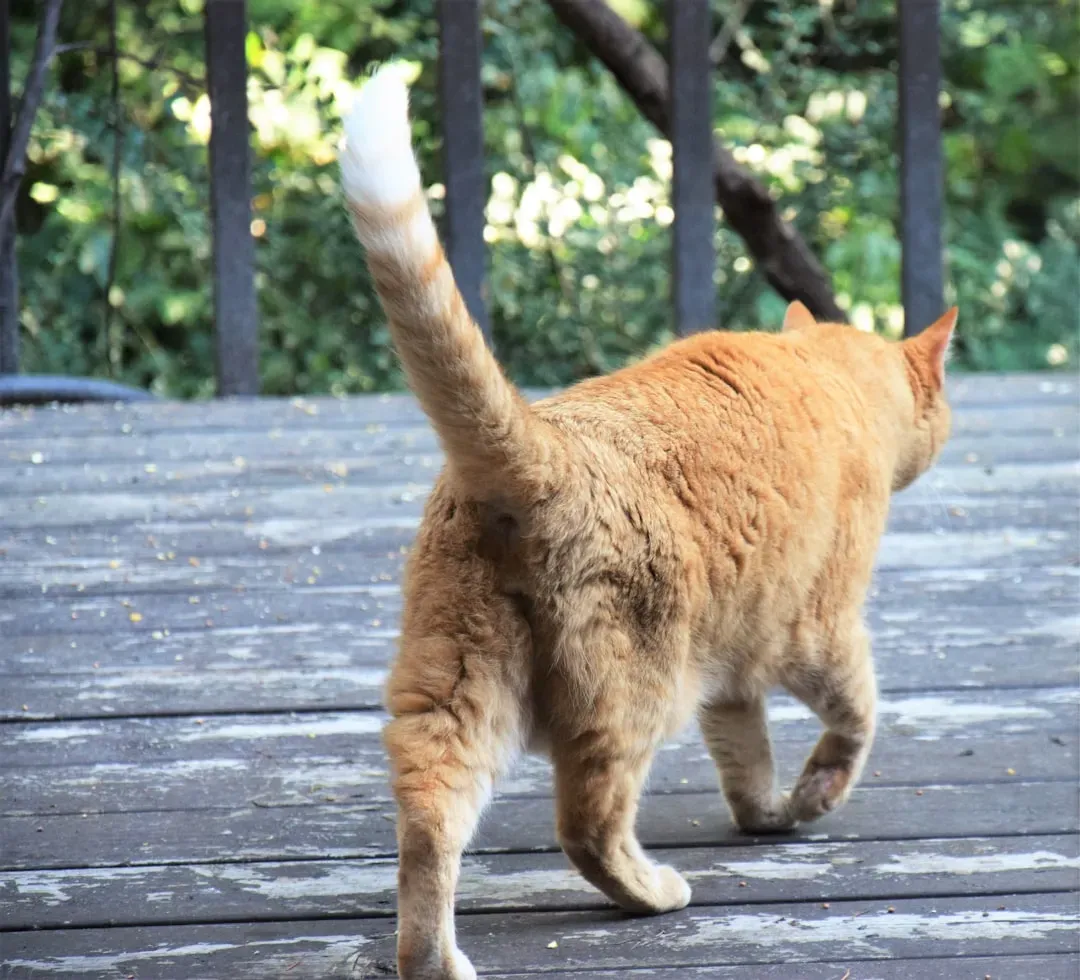
A cat’s tail is basically a mood barometer. Ignore it at your peril. A tail held in the upright flagpole position shows a friendly intention – the feline equivalent of a wave – indicating familiarity, trust, and affection. Some cats also use an upright question mark shaped tail to greet someone they like, or to signal that they want to play. That little hook at the top? That’s your cat saying “I’m happy to see you.”
Your cat is trying to show you that they missed you when they greet you at the door. This is often followed by walking in between your legs and curling their tail around your legs. Sometimes it’s also accompanied by meowing and “rattle-tail” behavior, where your cat will shake their tail quickly. This is your cat’s way of welcoming you home. Honestly, it’s one of the most underrated greetings in the animal kingdom.
Your Cat Talks to You – and That Matters More Than You Think
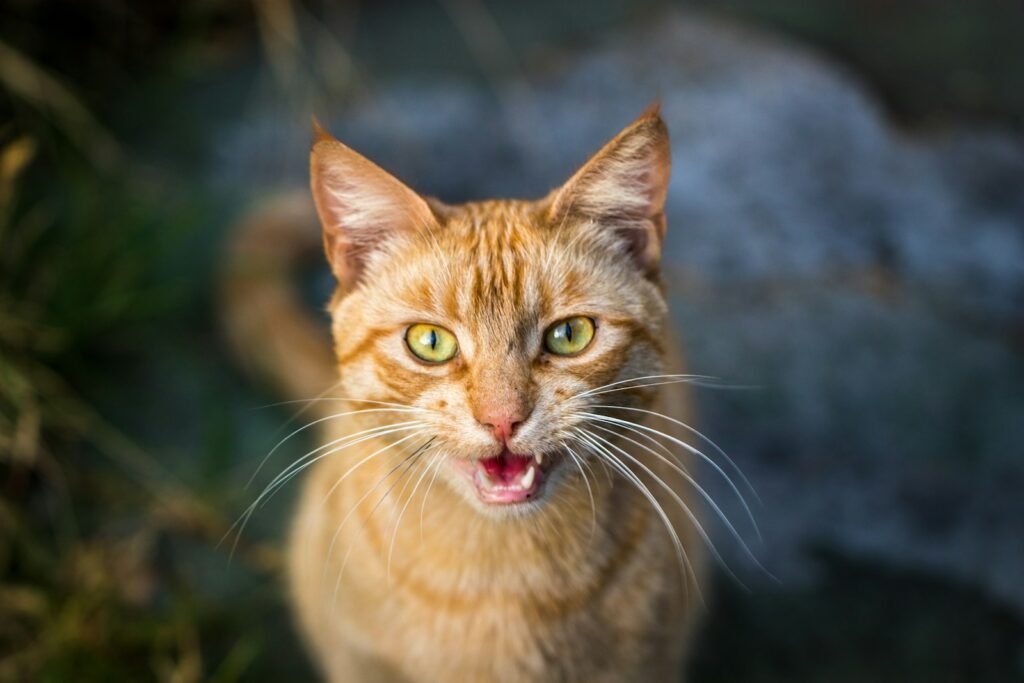
Here’s something that genuinely surprised me when I first learned it. Cats rarely meow at other cats – they primarily use this vocalization to communicate with humans. If your cat “talks” to you, it’s a sign they’re trying to connect. Those little chirps, trills, and drawn-out meows directed at you are a form of communication developed specifically for your relationship.
The visual and acoustic behavioral elements used to communicate and interact with other cats can be perceived by people and are also employed by the cats when interacting with them. The cat also changes its behavior in response to the emotional state of the human when close to that person, vocalizing more frequently and head and flank rubbing more often. In other words, your cat is actually paying attention to how you feel and adjusting their communication in response. That’s not indifference – that’s attentiveness.
Proximity Without Demand: The Quiet Sign You Might Be Missing
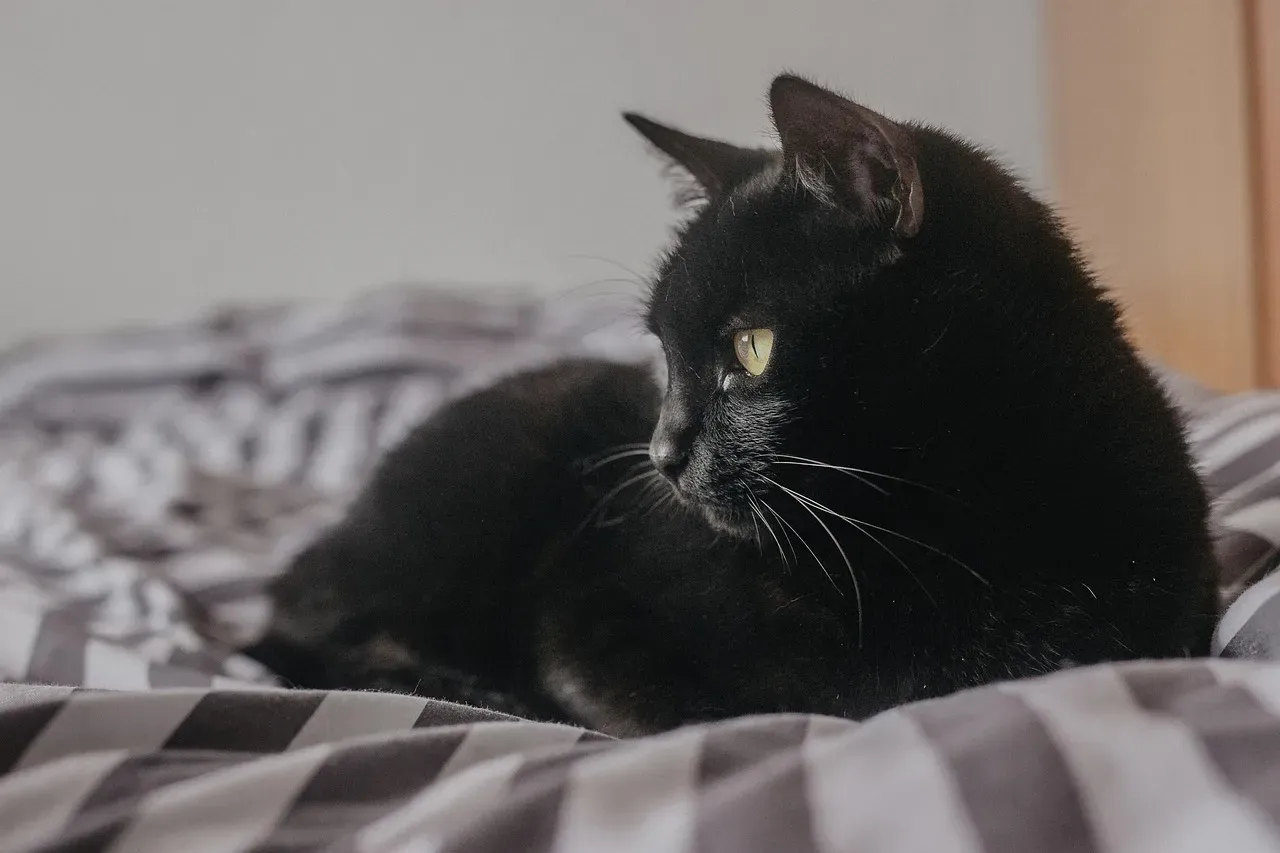
This one is subtle, and it’s probably the sign that gets overlooked most often. When your cat curls up next to you and purrs, it’s a good sign they feel relaxed and happy in your company. If your cat chooses to be near you – even if they’re not demanding attention – it’s a sign they enjoy your presence. They’re not asking for food, they’re not meowing for anything. They just want to be close.
Studies have found that pet cats can form secure and insecure bonds with their human caretakers. Securely attached cats exhibit more affectionate and playful behaviour, indicating a strong and positive relationship with their owners. Research has shown that cats are capable of forming strong bonds with their human owners, similar to those formed between dogs and their owners. This bond is built on trust, affection, and mutual respect, and is important for the well-being of both cats and humans. The quiet presence of a cat nearby isn’t neutral – it’s an active, deliberate choice they make because they feel genuinely safe with you.
Conclusion
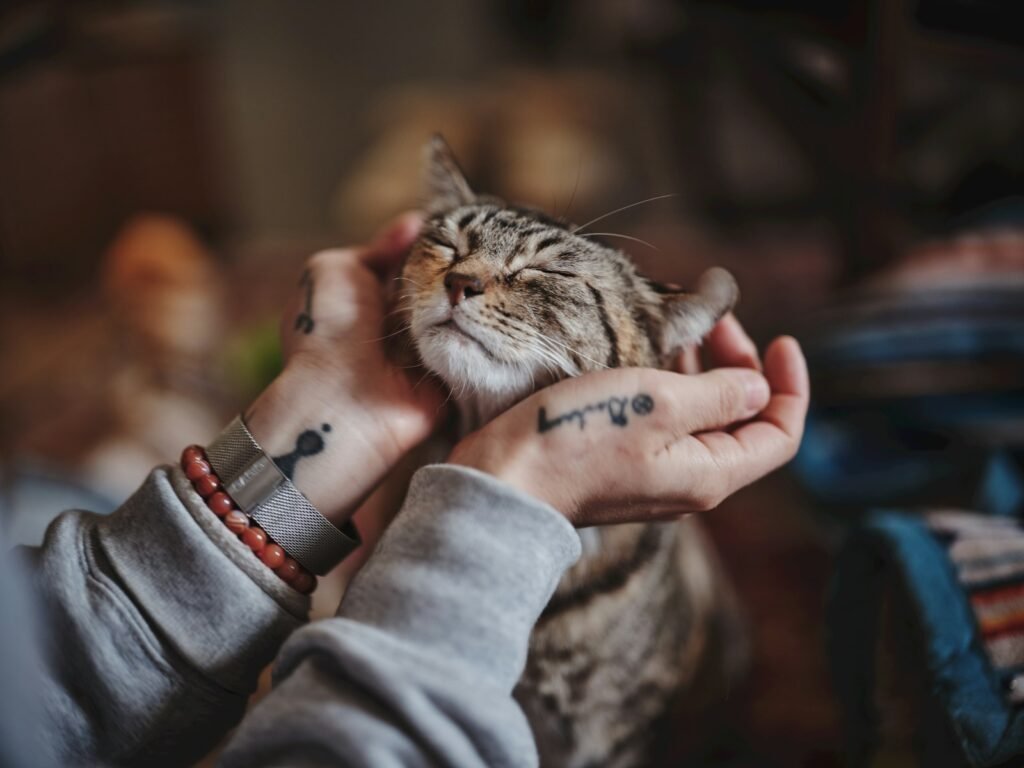
Cats aren’t complicated. They’re just fluent in a language most of us were never taught. The slow blink, the cheek rub, the deliberate nap on your lap – none of it is accidental. Every one of those gestures is your cat choosing you, repeatedly and purposefully, in the only way they know how.
Every cat expresses affection in their own way, so learning to read your cat’s body language cues is essential. Allow your cat to be the guide for how much physical affection and social interaction they want from you. Once you start seeing these signals, you realize that your cat hasn’t been indifferent at all. They’ve been saying it all along – you just needed to know where to look.
The next time your cat wanders into the room for no apparent reason and settles three inches from your leg, take a moment to appreciate it. That’s not nothing. That might just be everything. What signals has your cat been sending you that you never noticed before? Tell us in the comments!