You love your cat. You’d do anything to keep them happy and healthy. Yet here’s the truth: some of your everyday actions might be doing the exact opposite. It’s not your fault. Cats are masters of hiding their emotions, and many common behaviors we think are helpful can actually trigger stress in our feline friends. Let’s be real, most of us never got a manual on how to avoid accidentally turning our cats into anxious little furballs. The good news is once you know what to watch for, you can start making small changes that will transform your cat’s emotional wellbeing.
Moving Things Around Too Often
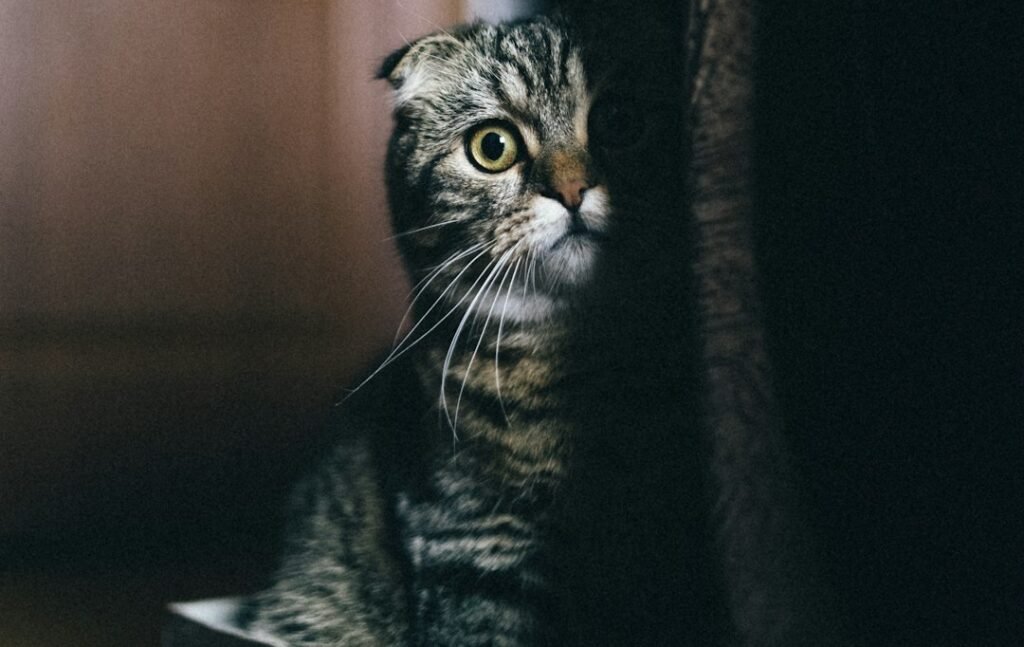
Even small adjustments, such as changing their daily feeding time or play schedule, can trigger cat anxiety. Sometimes, something as simple as rearranging the furniture can upset your cat. Cats are territorial creatures who thrive on predictability. That couch you just shifted three feet to the left? Your cat had that whole room mapped out in their head.
Changes to their environment or home, including losing access to a favourite hiding place like if you put boxes on the wardrobe they like to sit on, or close the door to the bedroom where they used to sleep, can cause stress. Think about it from their perspective. They’ve spent weeks establishing which corner is safest, where the best sunbeam hits at 2 p.m., and now you’ve disrupted their entire world. If you must make changes, do it gradually.
Forcing Affection When They’re Not in the Mood
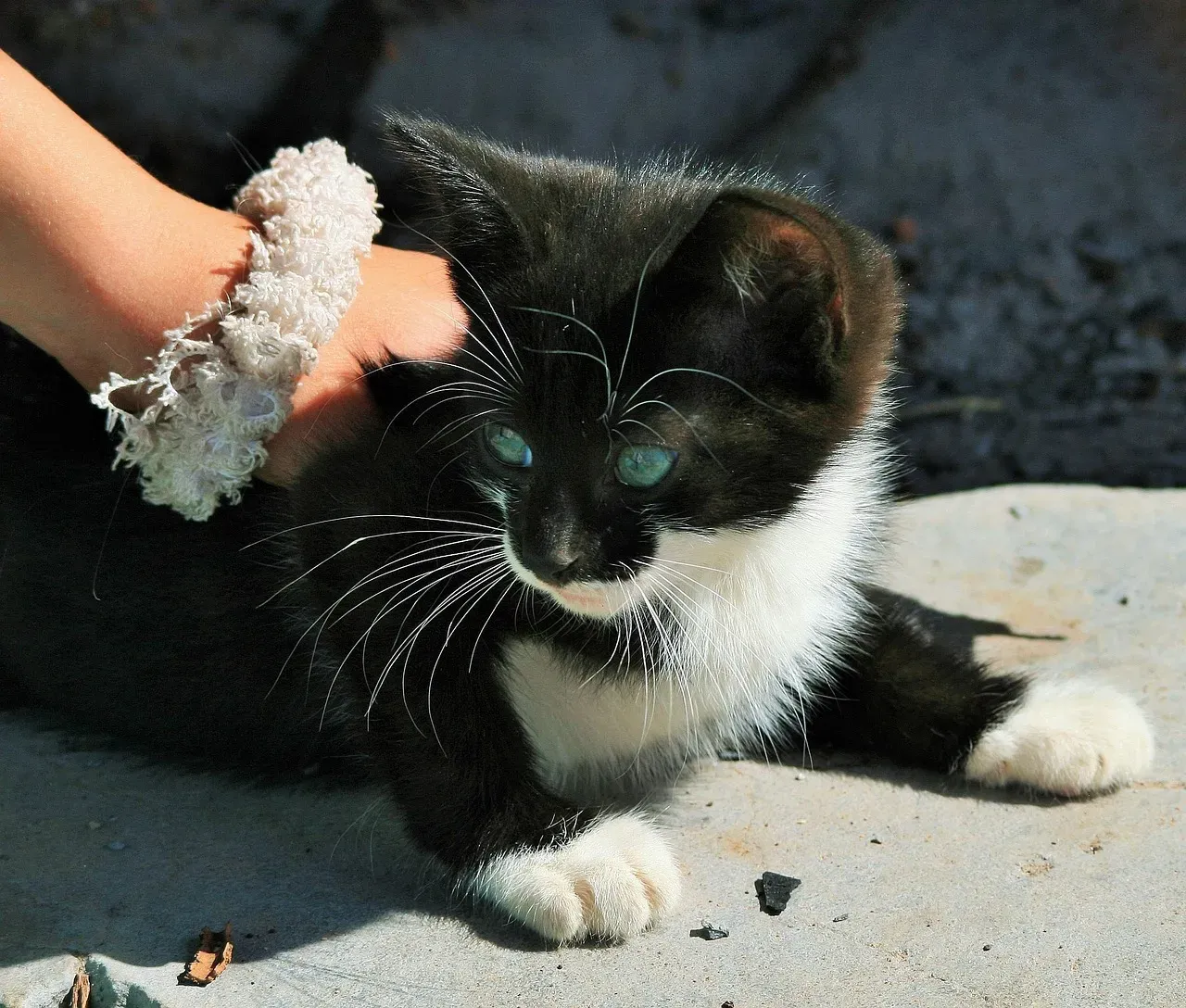
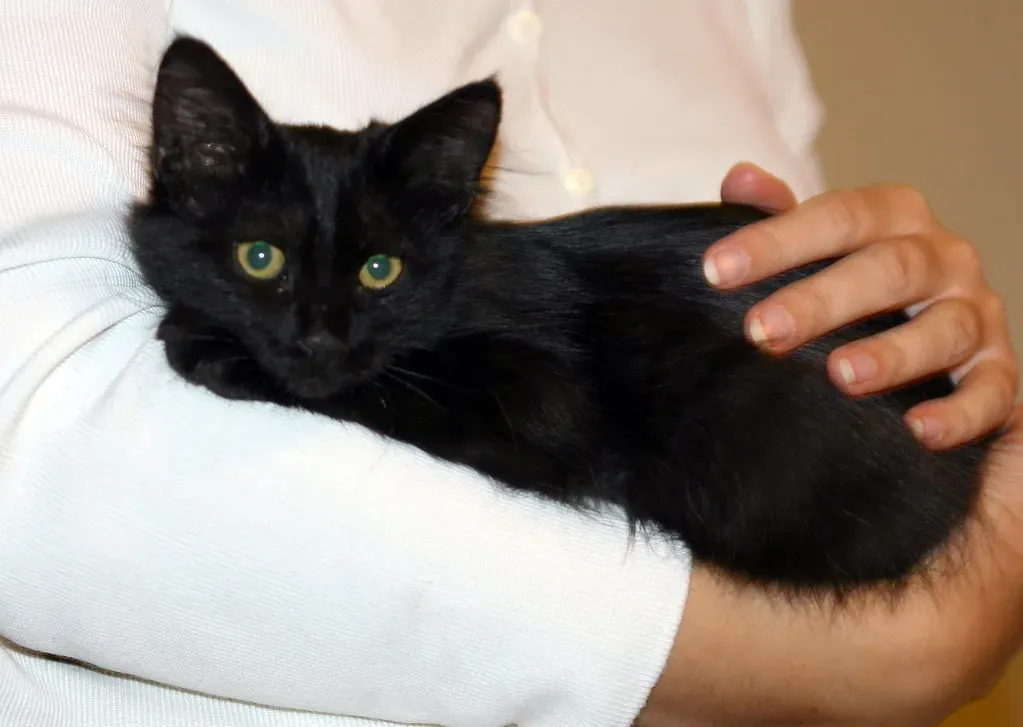
Being stroked or picked up when it’s not wanted or enjoyed is stressful for cats. You see your fluffy companion lounging on the floor and can’t resist scooping them up for a cuddle. Meanwhile, your cat is internally screaming.
This can be through wanting more contact than their cat is comfortable with, such as picking them up frequently, which can damage the relationship between a cat and their owner, as the cat may view their owner as unpredictable and choose to avoid them or even act defensively. Cats are not dogs. They don’t always want to be handled, and when you ignore their body language, you’re teaching them that you’re unpredictable. Never force attention on a shy kitty. You can call her, and tempt her with toys and treats, but let her approach on her own. Respect their space and let them come to you.
Creating an Atmosphere of Tension
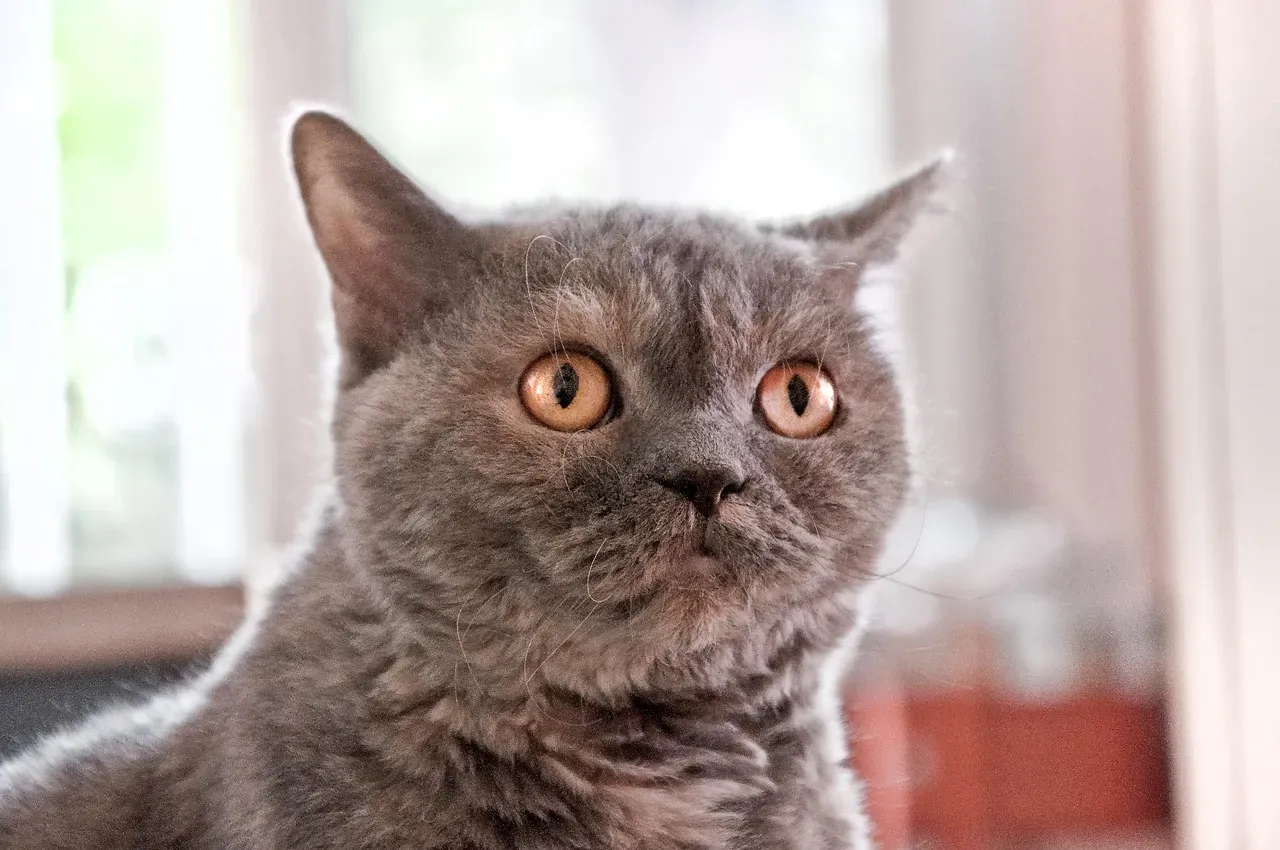
Here’s something many owners don’t realize. Owners often behave a certain way around anxious cats, moving quietly around the home and speaking in hushed voices to avoid scaring them. Unfortunately, the air of tension this creates may increase your cat’s anxiety. You might think you’re helping by tiptoeing around, but cats pick up on that nervous energy.
Cats also tend to mirror their pet parent’s emotions, meaning your stress or schedule shifts can directly impact their behavior and emotional well-being. If you’re anxious, your cat will sense it and become anxious too. Instead of walking on eggshells, try to maintain a calm, normal demeanor. Your cat needs to see that everything is fine, not that you’re worried something might go wrong.
Punishing Them for Stress-Related Behaviors
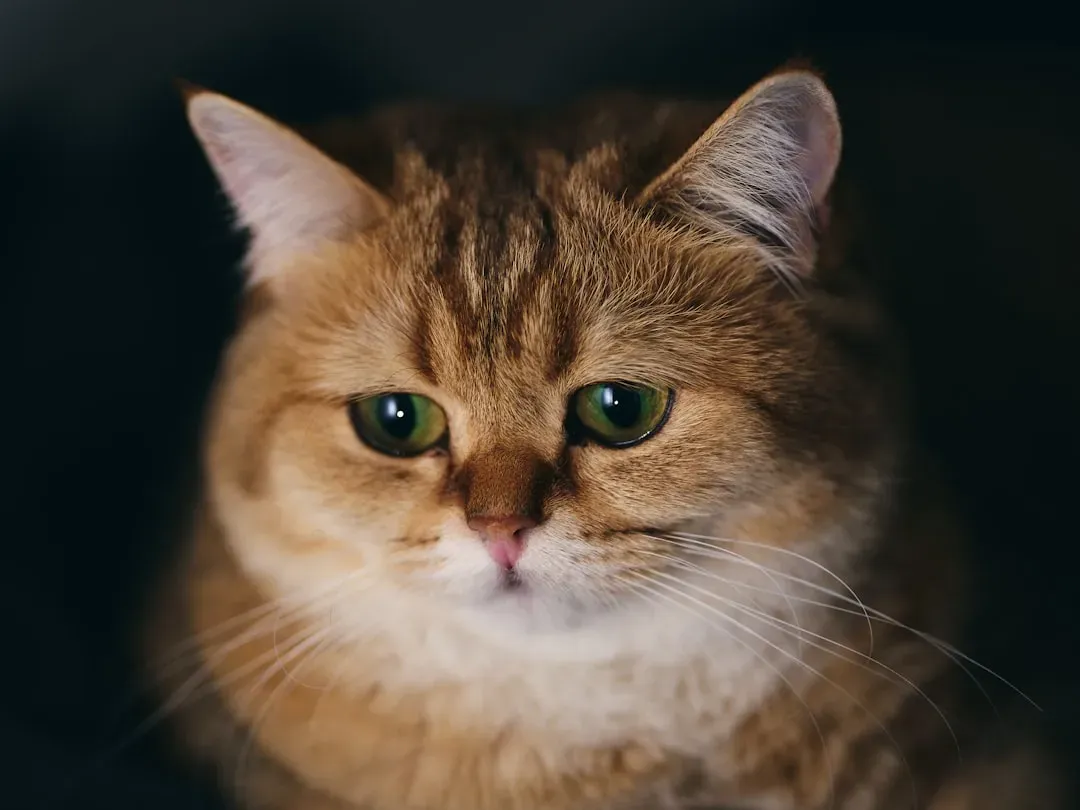
Positive punishment should be avoided, because it can cause fear and anxiety toward the owner or fear of being handled and petted and, at best, will stop the undesirable behavior only when the owner is present. Your cat peed outside the litter box, so you yell at them. Makes sense, right? Wrong. That accident was probably a sign of stress in the first place.
A kitty that is feeling anxious may urinate outside of their litterbox, which can be quite frustrating, but punishing them for her mishap may actually worsen her anxiety. She might start associating your angry reaction with the litterbox, which could make her avoid it even more. Never punish or scold your cat for unwanted behaviors. This only increases fear and makes things worse. When you punish anxiety-driven behavior, you’re not solving the problem. You’re just creating more fear.
Not Providing Enough Litter Boxes
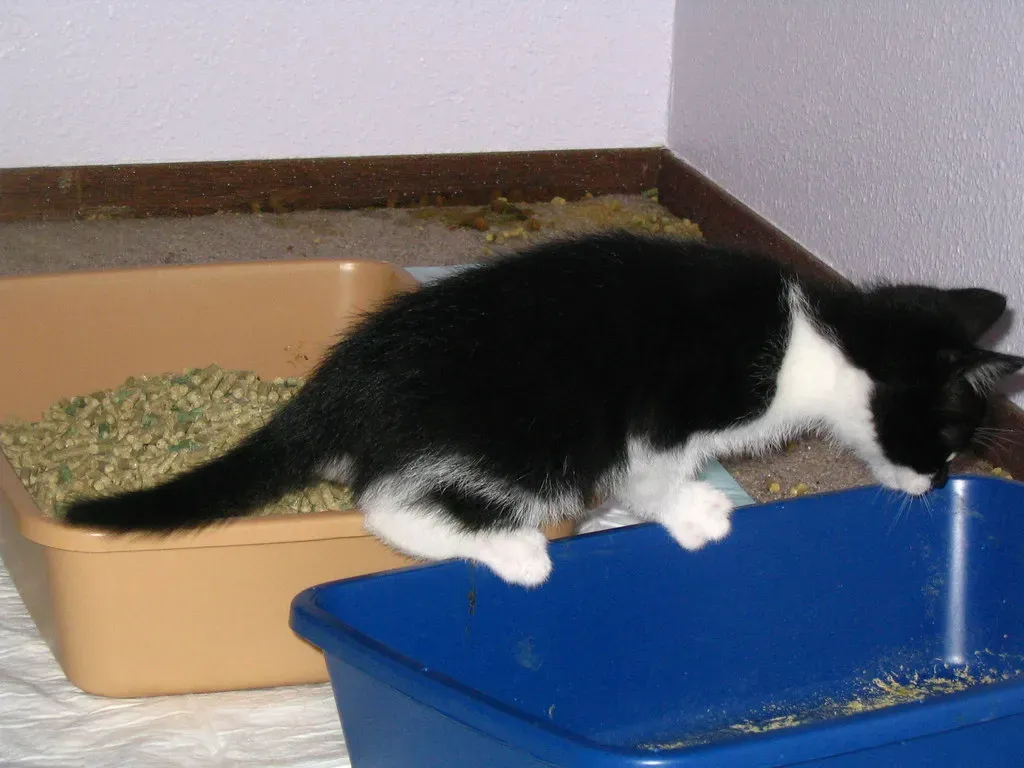
One common mistake cat owners make when it comes to litterboxes is not having enough of them in their household. The general rule for the number of boxes in the house is one box per cat, plus one. If you have two cats and two boxes, you’re one short. Cats are incredibly fussy about their bathroom situation.
Cats living in a multi-cat household are more likely to be stressed, especially if not enough resources like food and water bowls, scratching posts, litter boxes are available. Resource competition is a massive stressor, and litter boxes are at the top of that list. Litter boxes should be scooped at least once per day and thoroughly cleaned at least weekly to reduce odor, build-up of byproducts and maintain cleanliness. A dirty litter box is also a surefire way to stress out your cat.
Inconsistent Routines and Schedules
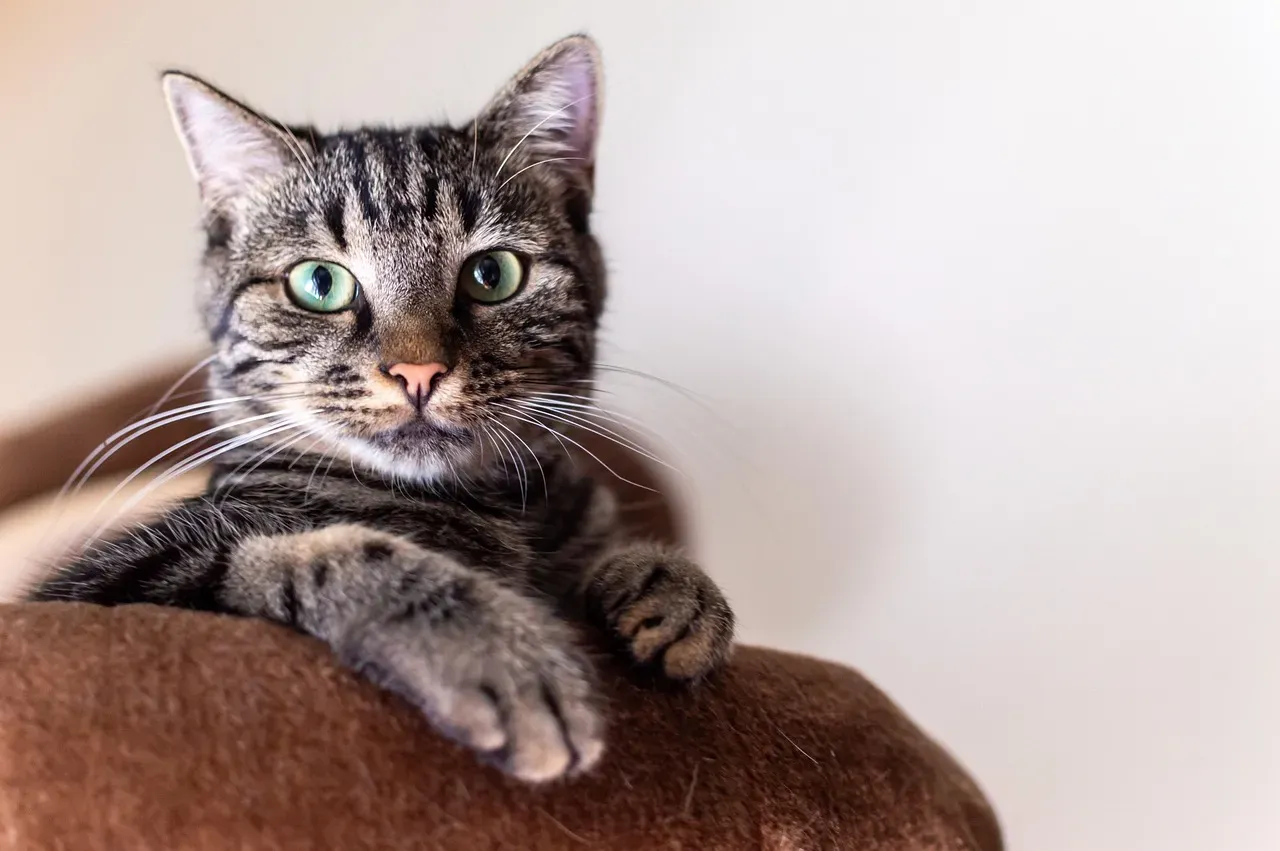
Changes in the husbandry routine and inconsistency in the owners’ reaction to the cat behaviour may cause chronic stress. You switch from feeding your cat at seven a.m. to ten a.m. without a second thought. Your cat, however, has been waiting by their bowl since six fifty-five.
Cats are creatures of habit, so maintaining a normal routine is very important for decreasing stress and anxiety. Creating a routine includes sticking to normal bedtime, wake time, and meal schedules. Predictability equals safety in a cat’s world. When you constantly change when you feed them, play with them, or even when you come home, you’re essentially telling them they can’t rely on anything. It’s exhausting for them. Stick to a schedule as much as possible, even on weekends.
Lacking Environmental Enrichment
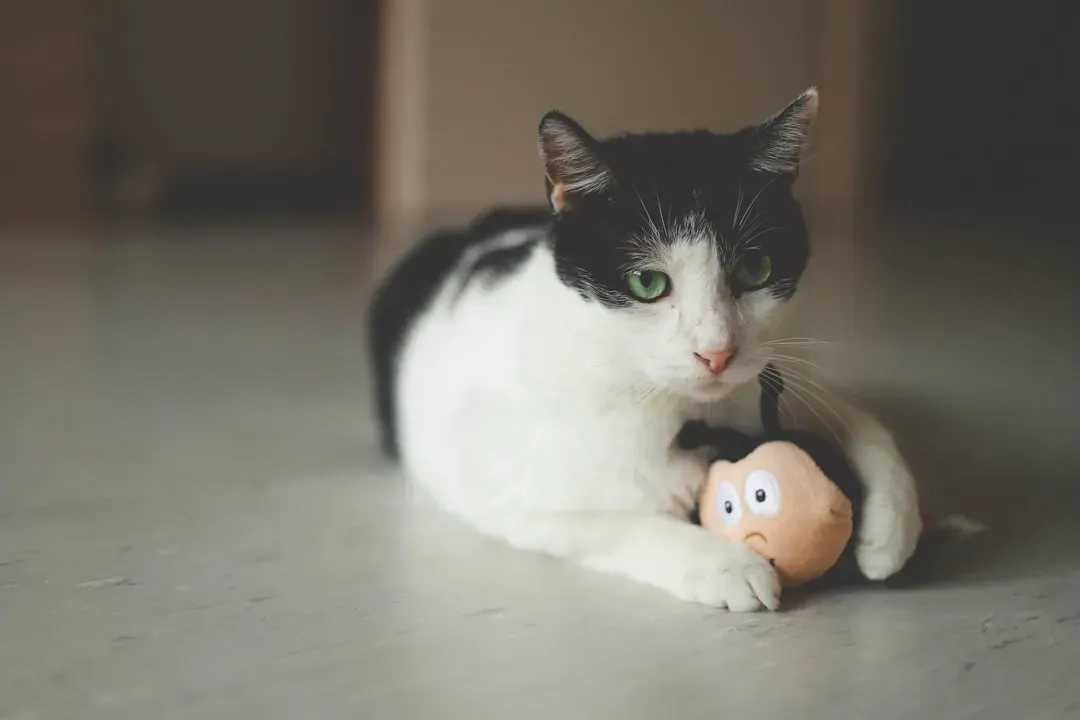
Although expert loungers, cats do require mental and physical stimulation; without it, they can experience anxiety and engage in destructive behavior. Your cat sleeps most of the day, so you figure they don’t need much entertainment. That’s a mistake. Boredom can quickly turn into stress.
Outdoor cats spend a high proportion of their active time hunting and exploring their territory, and the inability to engage in such behaviours when cats are kept indoors may result in stress-related problems. Think about what your indoor cat is missing out on. The hunt, the exploration, the mental challenge. Cuddles, cat toys and one-on-one time can help. Provide scratching posts, puzzle feeders, window perches, and daily play sessions. Your cat needs to express natural behaviors, even indoors.
Waiting Until Something Goes Wrong
The biggest mistake most cat parents make is this: They wait until something goes wrong to start learning about cat behavior. But by then, the problem has already escalated and their cat is anxious, confused, and suffering. You don’t read up on cat behavior until your cat starts peeing on your bed or hiding for days.
Most people are reactive, not proactive. The problem is that by the time you notice something is wrong, your cat has likely been stressed for a while. While some signs of cat anxiety are clear, others are more subtle. Cats tend to be sensitive creatures who are highly attuned to their surroundings. Anything that disrupts the status quo can trigger their anxiety. Educate yourself now, not later. Learn what normal cat behavior looks like so you can spot the early warning signs before they become full-blown anxiety disorders.
Conclusion
You’re not a bad cat owner if you’ve done some of these things. Honestly, most of us have. The difference between accidentally stressing out your cat and being a truly great pet parent is awareness. Once you understand how sensitive cats are to their environment, routines, and your behavior, you can start making intentional choices that support their emotional health. Small changes like maintaining consistent schedules, respecting their boundaries, and providing proper resources can make a world of difference.
Did you notice any of these behaviors in yourself? What changes are you going to make first?