Imagine coming home to complete silence, day after day, with only the ticking of a clock for company. For millions of elderly people living alone, this isn’t just an occasional experience but their daily reality. The surge in loneliness among older adults has reached alarming proportions, with recent research revealing that nearly one-third of seniors feel isolated and disconnected from the world around them.
Yet in this landscape of solitude, an unexpected solution has emerged from the most unlikely of places. Recent groundbreaking research is showing that our feline friends might hold the key to transforming the lives of lonely seniors in ways we never imagined. So let’s dive into how these whiskered companions are naturally becoming powerful allies in the fight against elderly isolation.
The Hidden Epidemic Ravaging Our Aging Population

The numbers paint a sobering picture of our aging society. Approximately one-quarter (24 percent) of community-dwelling Americans aged 65 and older are considered to be socially isolated, and a significant proportion of adults in the United States report feeling lonely (35 percent of adults aged 45 and older and 43 percent of adults aged 60 and older). This isn’t just about feeling a bit blue occasionally.
In fact, a 2023 report from US Surgeon General Vivek Murthy, MD, MBA, declared loneliness as deadly as smoking 15 cigarettes a day. The health consequences are staggering and far-reaching, affecting everything from cognitive function to cardiovascular health.
What makes this crisis particularly heartbreaking is that older adults are at increased risk for social isolation and loneliness because they are more likely to face predisposing factors such as living alone, the loss of family or friends, chronic illness, and sensory impairments. These aren’t choices they’re making; they’re circumstances life has thrust upon them.
Why Cats Make Perfect Companions for Older Adults
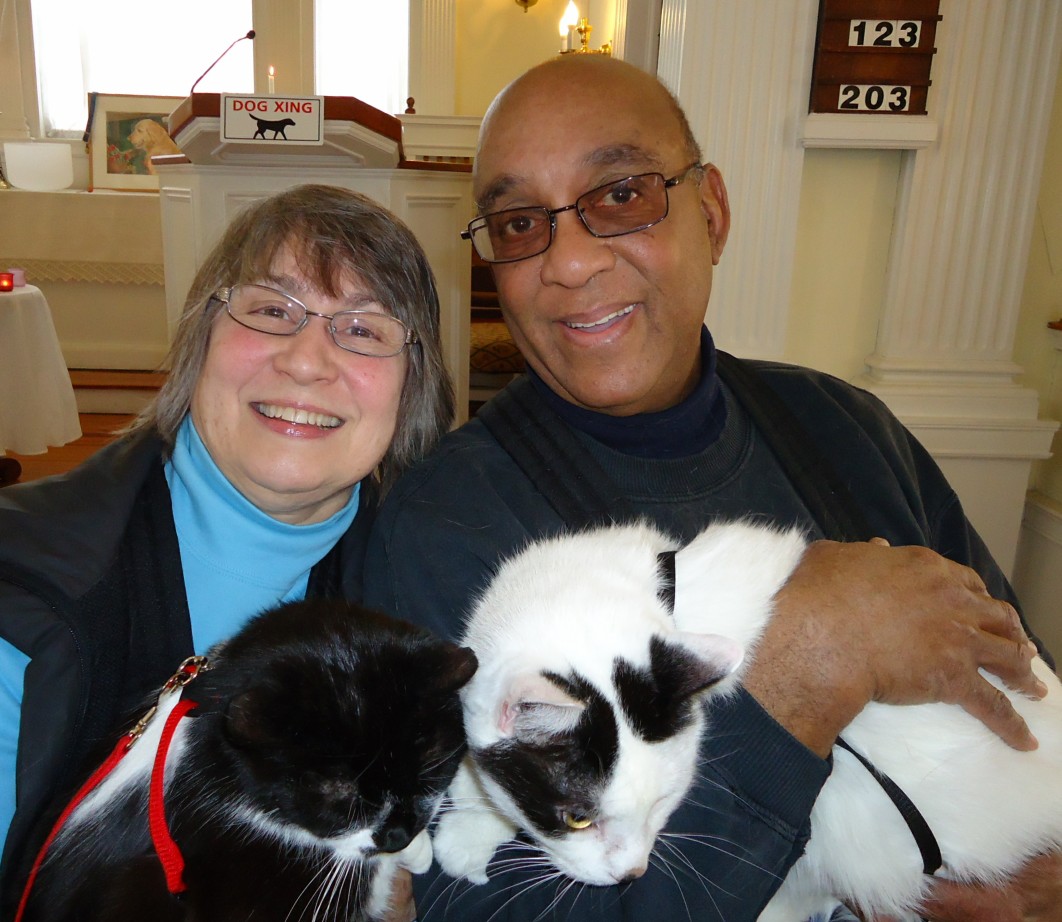
When most people think of therapy animals, dogs usually come to mind first. However, cats possess unique characteristics that make them especially suitable for elderly companions. Cats are a good option for older adults because they are more self-sufficient than dogs but still social enough to engage their owners in play and talk. Unlike dogs, they don’t require walks or intense physical exercise, which makes them good companions for owners with arthritis, heart disease and other health conditions.
This independence doesn’t mean cats are aloof or uncaring. A 2011 study published in the journal Behavioural Processes showed that far from being aloof, cats initiate contact with their owners much of the time. They offer the perfect balance of companionship without overwhelming demands.
Cats sleep an average of 12-16 hours a day, making them ideal for seniors who may have limited energy or mobility. Yet when they’re awake, a half hour of daily playtime is plenty for an adult cat, and an elderly person can even play sitting down by using a kitty fishing pole or a laser toy.
The Science Behind Feline Therapy
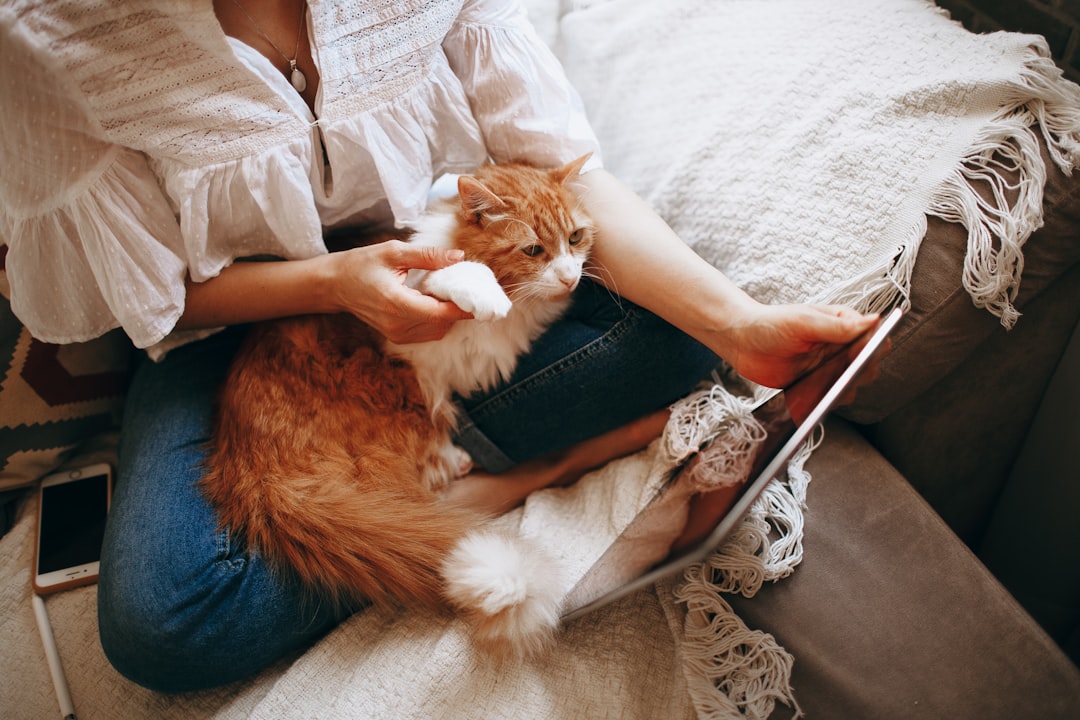
The therapeutic benefits of cat companionship aren’t just anecdotal feel-good stories. Research shows that within minutes of bonding with an animal, a chemical chain reaction in the brain lowers the stress hormone, cortisol, and increases the production of serotonin, the feel-good hormone. This biological response happens quickly and consistently.
One study even found that spending just 15 minutes with an animal initiates hormonal changes in the brain, dropping stress levels and increasing serotonin (the “feel-good” hormone) levels. For seniors struggling with depression or anxiety, this natural mood enhancement can be life-changing.
The purring itself has therapeutic properties. A cat’s purr has therapeutic benefits. The soothing sound of a purr can help reduce stress and anxiety, making it a natural stress reliever. Think of it as having a living, breathing meditation device that also happens to love you unconditionally.
Groundbreaking Research Proves Cats Combat Elderly Loneliness
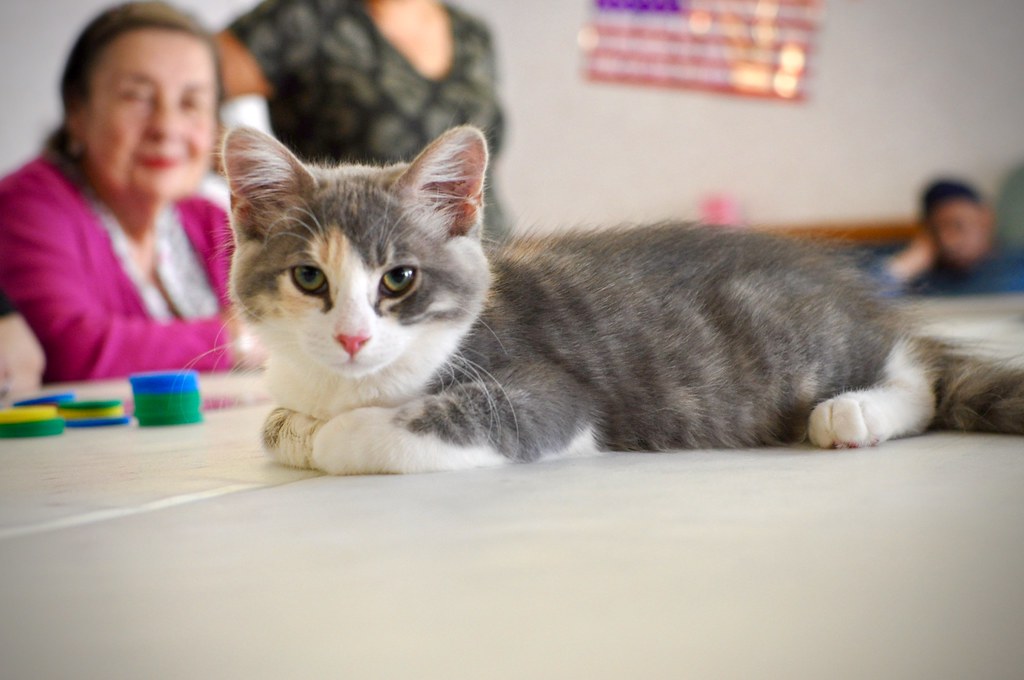
The University of Georgia and Brenau University have provided just that in a pilot study that proves fostering a cat can ease loneliness among older adults. This wasn’t just a small observational study either. The research involved rigorous methodology and measurable outcomes.
While a great deal of such research has focused on dogs, our study is the first to demonstrate that cat companions can decrease feelings of loneliness in older adults. This groundbreaking finding challenges preconceptions about which animals make the best therapeutic companions for seniors.
The study design was particularly thoughtful. Volunteers agreed to foster shelter kittens or cats for a minimum of four months with an option to adopt after the first month. Participants were asked to quantify the comfort they received from their cats and the perceived effect the cats had on their physical and mental well-being in surveys given in their first and fourth months enrolled in the study.
Physical Health Benefits Beyond Emotional Support
The advantages of cat companionship extend far beyond just feeling less lonely. Studies have shown that spending time with animals can lower blood pressure, decrease stress levels, and even boost immunity. Research indicates that interacting with animals can lower blood pressure, decrease the risk of heart disease, and even boost immunity in older individuals.
Even gentle activities associated with cat care provide meaningful physical engagement. Caring for a cat involves petting, brushing, scooping litter, feeding, and watering – all activities that provide routine and consistent mental stimulation a senior might not otherwise receive. These seemingly simple tasks help maintain dexterity and provide purpose-driven movement.
Studies have shown that cat ownership can lead to lower blood pressure and reduced cholesterol levels. The simple act of petting a cat can release endorphins, which are the body’s natural feel-good hormones. This creates a positive feedback loop of better mood leading to better physical health.
Mental Stimulation and Cognitive Benefits
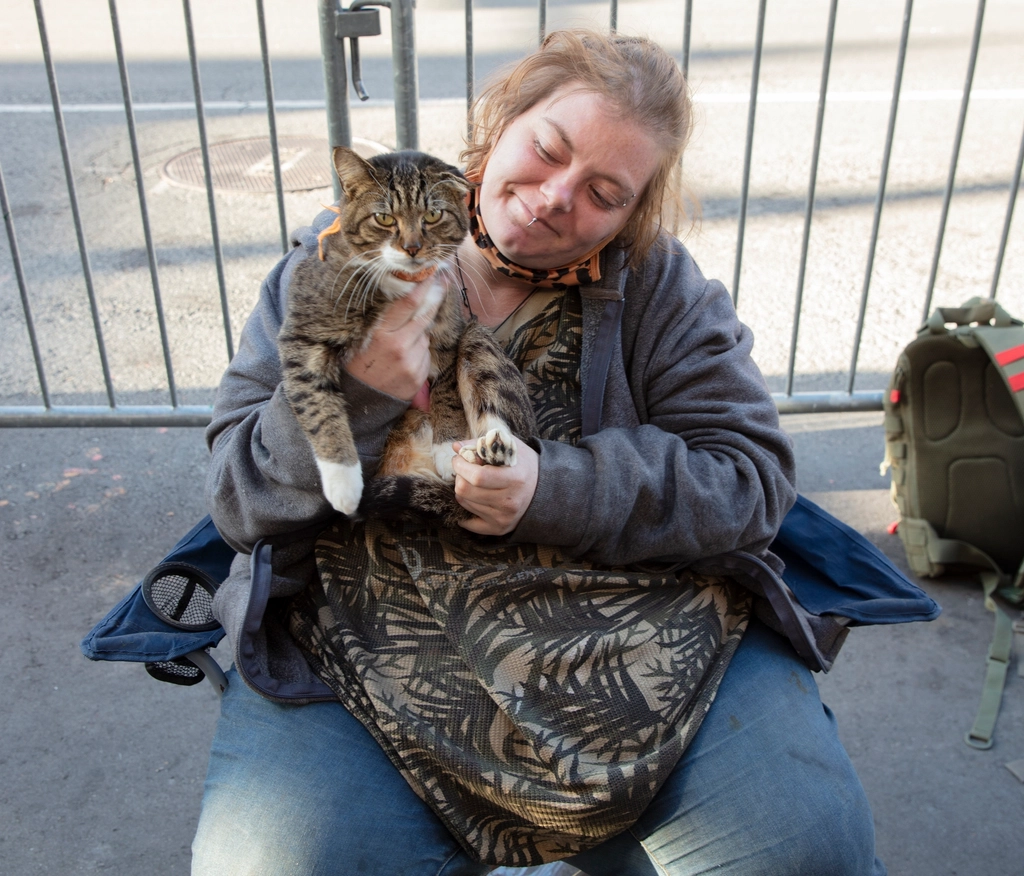
Maintaining sharp mental faculties becomes increasingly important as we age, and cats provide unexpected cognitive benefits. An elderly person could be inspired to learn more about their feline companion and dive into research or reading. This provides additional mental stimulation and ongoing learning so vital for keeping the brain sharp.
The daily responsibilities of cat care create structure and routine that many isolated seniors lack. The responsibility of caring for a pet fosters a sense of purpose and routine, promoting physical activity and social engagement. Through the responsibility of pet care, seniors establish daily routines that can help in structuring their days and reducing feelings of loneliness or isolation.
For seniors dealing with memory issues, cats can serve as anchors to positive memories. A pet may even help a senior with memory loss retrieve memories of past pets. These connections to happier times can provide comfort and continuity in otherwise confusing circumstances.
Fostering Programs Remove Barriers to Pet Ownership
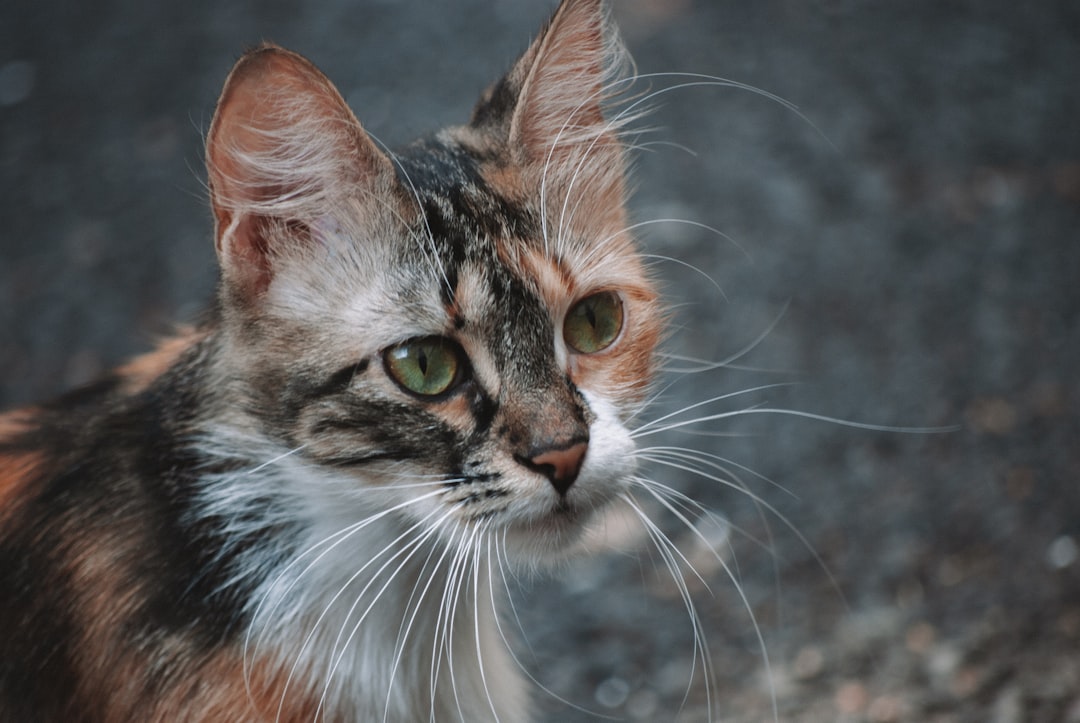
One of the biggest obstacles preventing seniors from adopting pets is concern about long-term care and financial responsibility. The University of Georgia study addressed these concerns head-on. Veterinary care and food were provided during the study, and adoption fees were paid for those who decided to keep their foster cats, removing the financial barriers that often discourage older adults from adopting shelter animals.
This model could revolutionize how we think about matching seniors with pets. Our hope is for this study to inspire support for similar programs across the country that pair foster cats with those experiencing loneliness and isolation. This study provides a roadmap for removing barriers to pet ownership so that more people and pets can access and benefit from the human-animal bond.
The approach benefits both cats and seniors simultaneously. We hope that the success of the Fostering Felines study will help bolster and launch more supportive fostering programs for the 16 million older adults living independently alone in the United States, helping find millions of loving homes for cats, reducing feline euthanasia, and reducing loneliness in older adults.
Creating Social Connections Through Cats
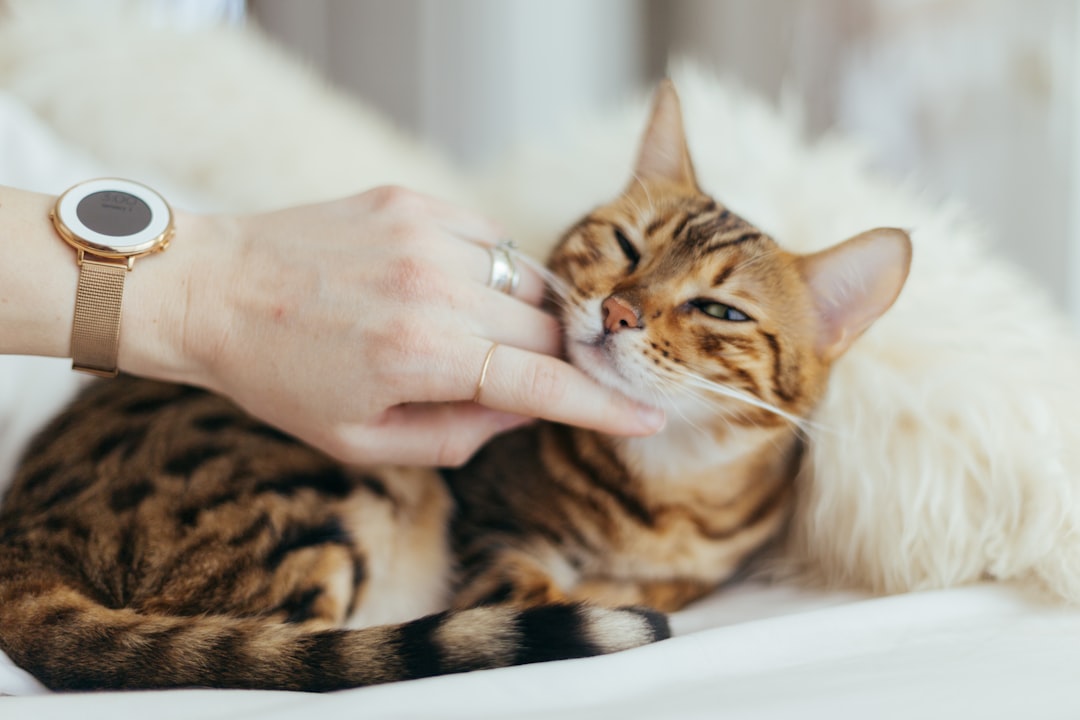
Cats don’t just provide direct companionship; they can serve as social bridges connecting seniors to wider communities. They offer companionship, reduce feelings of loneliness, and encourage social interaction, which can help prevent depression and apathy. They offer companionship, reduce feelings of loneliness, and encourage social interaction, which can help prevent depression and apathy.
Pet ownership naturally creates conversation starters and connections with veterinarians, pet store employees, and neighbors. Research published in the Journal of Personality and Social Psychology found that pets represented important social relationships and significant benefits to their owners. Elderly pet owners showed greater self-esteem, were more physically fit, less lonely, more conscientious and more socially outgoing.
Even within assisted living facilities, cats can transform the social atmosphere. Contact with therapy animals can bring some withdrawn seniors out of their shells, making them happier and more communicative. Studies show that seniors who are active and always around others, or who own a pet decline in health far less rapidly than isolated or depressed seniors.
Addressing Concerns and Potential Risks
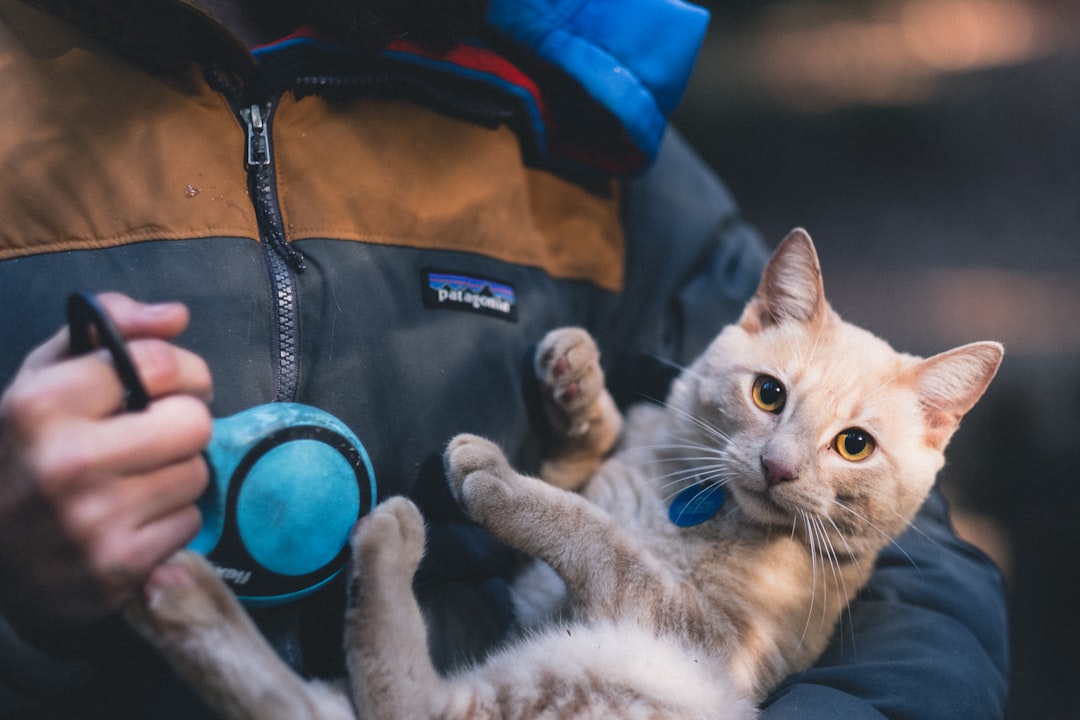
While the benefits of cat companionship are compelling, it’s important to acknowledge that pet ownership isn’t suitable for everyone. Not all older adults are able to meet the physical or cognitive demands of pet ownership, and there are potential risks, such as bites, scratches or falls. So, pet ownership must be carefully considered in the context of an older adult’s health status, both for the welfare of the human and the animal.
Healthcare professionals emphasize the need for careful screening. Even though having a pet can improve the well-being of a patient, it’s necessary to acknowledge that owning a pet is a huge responsibility. It is important to evaluate whether the senior will be able to take care of the animal.
For some seniors, visiting therapy programs might be more appropriate than pet ownership. Whether the senior should adopt a dog or rather just attend assisted pet therapy services without the added responsibility – this is a safer and more practical alternative for patients with significant mobility or cognitive impairments. Several home care providers offer assisted pet therapy, which has the benefits of pet ownership, but it doesn’t involve a long-term commitment and the responsibility that is brought on.
The Future of Feline-Assisted Senior Care
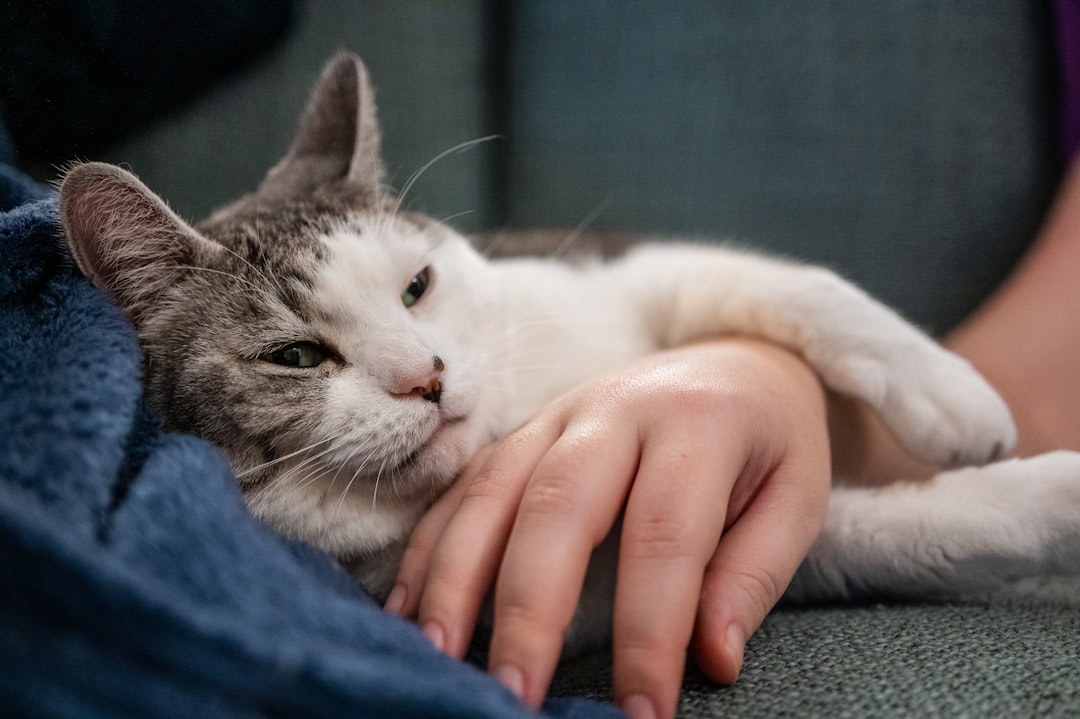
The potential for integrating cats into senior healthcare is enormous and largely untapped. She hopes to be involved in a larger-scale study, which is in the planning stages, according to lead investigator Sanderson. Perhaps once we do a larger-scale study, if a person is lonely, their doctor would prescribe them a cat essentially to help with that loneliness, knowing that it’s been shown to help reduce loneliness and improve mental health.
This vision isn’t as far-fetched as it might sound. Research has shown that pet owners are generally less likely to feel lonely, visit the doctor less often, take less medication, recover from illness faster, and cope better with stress. The companionship of a pet can be an invaluable tool bringing purpose and engagement for people of all ages, and especially for seniors.
The economic benefits could be substantial too. In fact, our pets are such positive influences on our lives that one study found that Australian ownership of cats and dogs saved approximately $3.86 billion in health expenditure over one year. When we consider the healthcare costs associated with loneliness and depression in seniors, investing in pet programs becomes not just humane but economically sensible.
Conclusion

The relationship between cats and elderly humans represents one of nature’s most beautiful partnerships. These remarkable animals offer something no medication can provide: unconditional love, constant companionship, and a reason to wake up each morning with purpose. The research is clear that cats don’t just make seniors feel better; they actually improve their physical health, mental acuity, and overall quality of life.
As our population ages and loneliness becomes an increasingly serious public health crisis, we must embrace innovative solutions that honor both human dignity and animal welfare. Cat companionship programs offer a pathway forward that benefits everyone involved, creating a world where no senior has to face their golden years alone.
What do you think about the potential for cats to transform elderly care? Could this be the natural solution we’ve been searching for all along?