
Music has a profound effect on humans, evoking emotions and influencing moods. But have you ever wondered how our feline friends respond to music? Unlike their human companions, cats perceive sound differently, and their reactions to various types of music are both intriguing and enlightening. This article delves into the science behind cats’ auditory preferences and reactions to different musical genres.
The Feline Auditory System
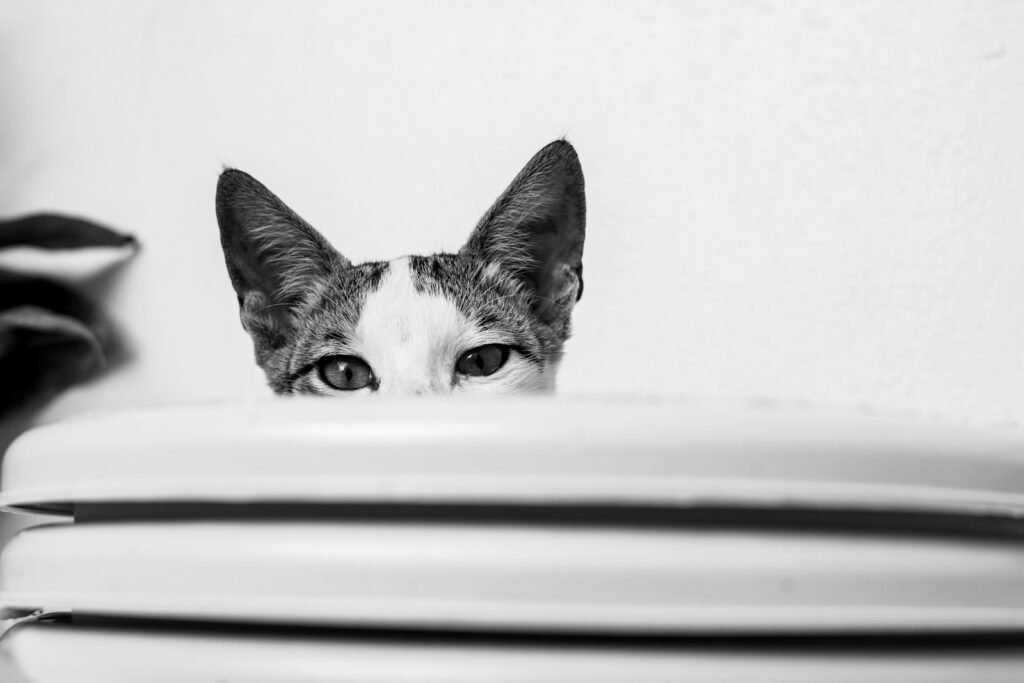
Cats possess a remarkable auditory system. They hear a slightly broader range of frequencies than both humans and dogs, with a capacity to detect sounds up to approximately 85,000 Hz. This sensitivity aids them in hunting and alerting them to dangers but also affects how they process music.
The Influence of Pitch and Frequency
Due to their sensitive ears, cats are more attuned to higher frequencies. Music with high-pitched tones can capture their attention or irritate them, depending on their mood and the context. Thus, a piece loaded with high frequencies might trigger curiosity or cause avoidance behaviors.
Classical Music: A Soothing Soundscape?

Many cat owners report that classical music seems to calm their pets. Melodic and often composed of frequencies that are not harsh on a cat’s ears, classical compositions can provide a calming effect similar to their influence on humans, potentially reducing stress and anxiety in cats.
Rock and Pop: A Hit or Miss?
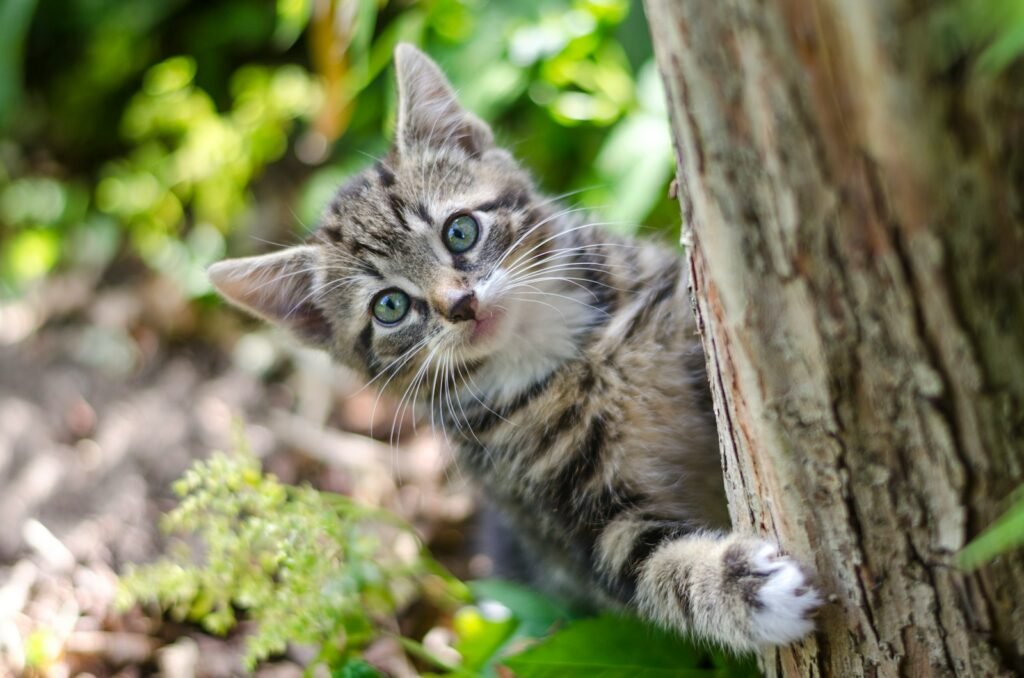
Rock and pop music, with their dynamic range and often unpredictable elements, can be hit or miss for cats. While some curious felines may enjoy the complexity, others might find it overwhelming or distressing, marked by head shaking or leaving the room.
Jazz and Blues: The Element of Surprise

Jazz and blues, known for their improvisational nature and soulful rhythms, might appeal to some cats. Their variable tempos and minimal sudden changes may be more tolerable, although individual cat reactions can vary widely, as cats, like humans, have personal preferences.
Electronic and Dance Music: High-Energy Reactions

Electronic and dance music, characterized by repetitive beats and synthesized sounds, might trigger excitement or stress in cats. The rhythmic beats may be stimulating, sometimes interpreted as potential ‘prey’ or an alert signal, rather than a source of relaxation.
Music Composed for Cats: Tailored Tunes
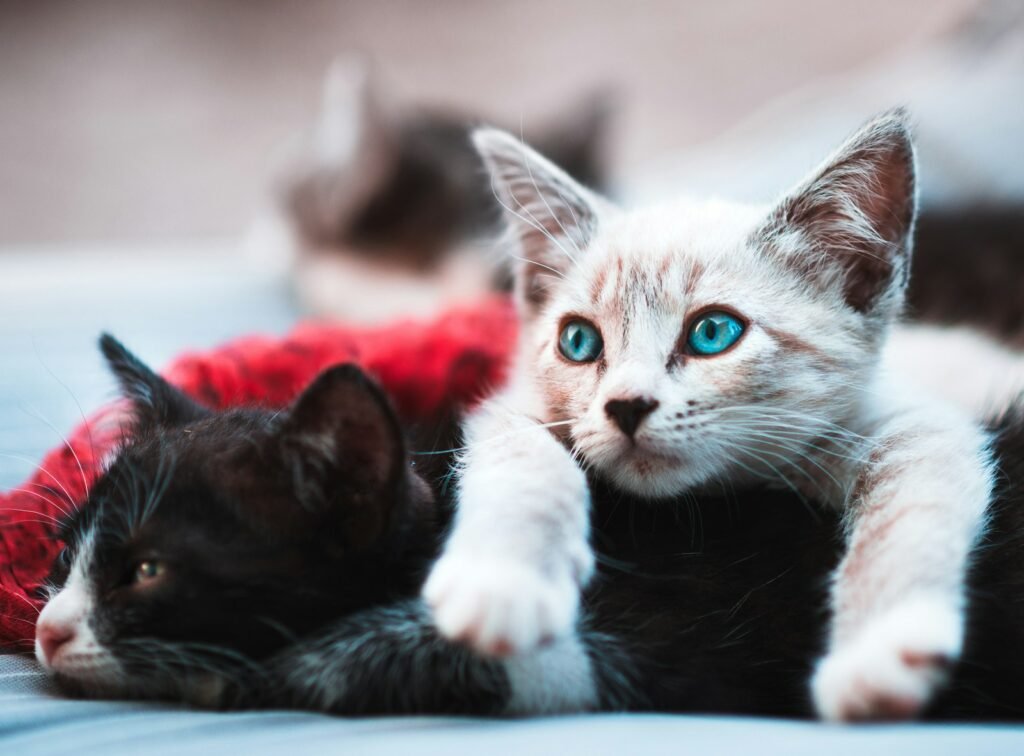
Recognizing that cats may not respond positively to human music, some composers have crafted music specifically for cats. This music integrates cat vocalizations and soothing sounds that mimic their natural environment, such as purring or bird chirps, designed to be calming and engaging.
Scientific Studies: Evidence-Based Insights
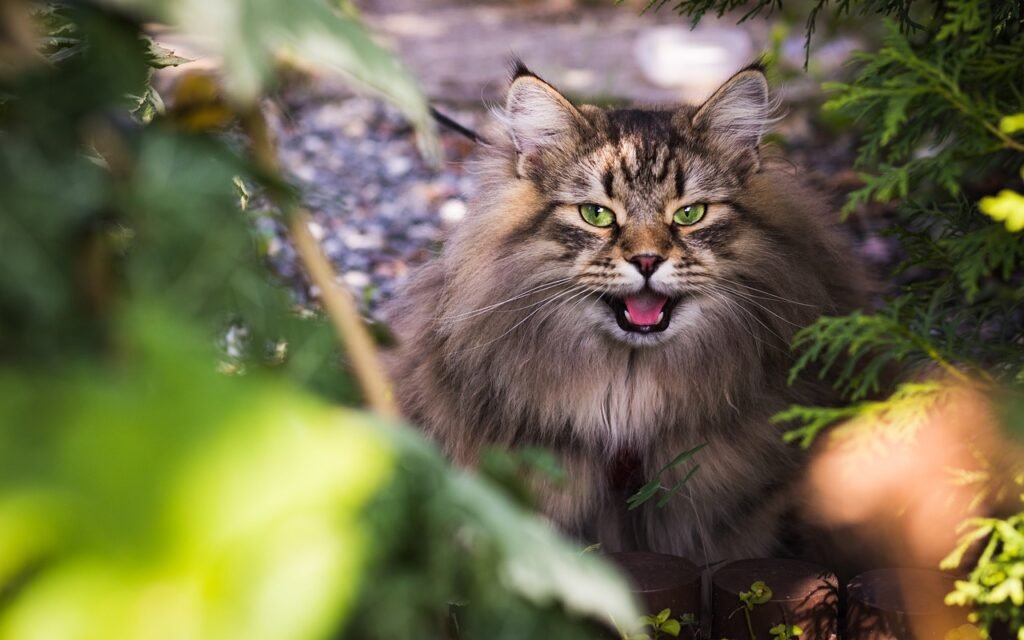
Research into cats and music is relatively recent. A 2015 study published by Snowdon et al. found that cats responded more favorably to species-specific music as opposed to human music, demonstrating more relaxed behaviors when exposed to music designed with feline preferences in mind.
Practical Tips for Playing Music for Your Cat

To gauge your cat’s response to music, observe their body language and behavior. Begin with soft, melodic tunes and tailor the genre based on their reactions. Not all music will be suitable, so a trial-and-error approach can help identify what your cat enjoys or finds calming.
Understanding Your Cat’s Musical Tastes
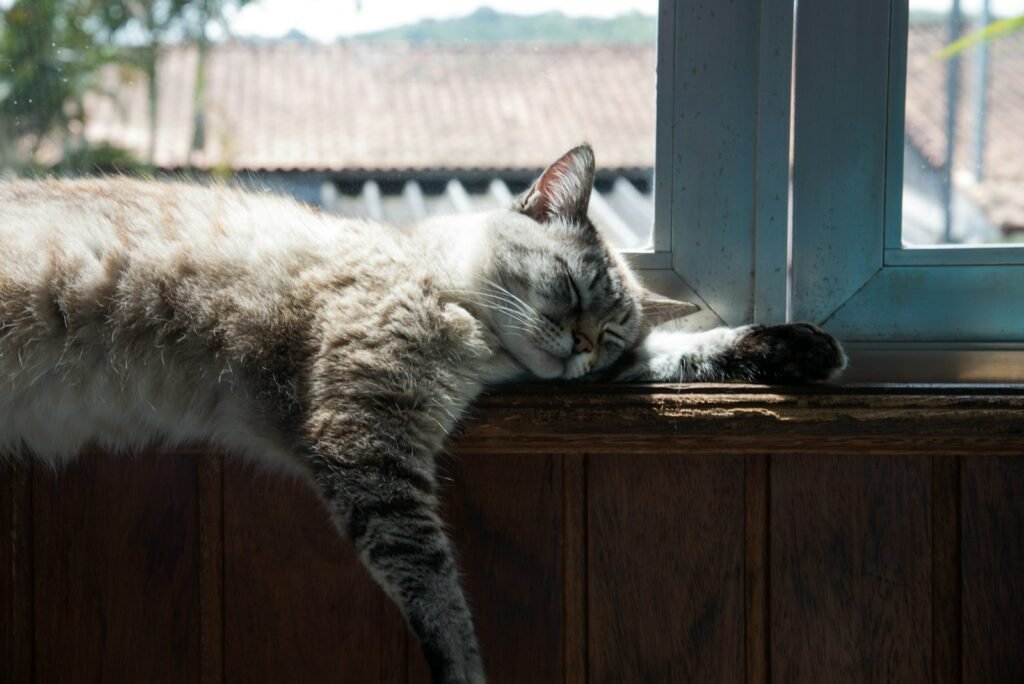
Ultimately, every cat is unique and will exhibit distinct preferences towards different kinds of music. By understanding the intricacies of their auditory system and experimenting with various genres, pet owners can create an environment enriched by music that aligns with their cat’s personal tastes and enhances their well-being.
Suhail Ahmed is a passionate digital professional and nature enthusiast with over 8 years of experience in content strategy, SEO, web development, and digital operations. Alongside his freelance journey, Suhail actively contributes to nature and wildlife platforms like Feline Fam, where he channels his curiosity for the Feline into engaging, educational storytelling.
With a strong background in managing digital ecosystems — from ecommerce stores and WordPress websites to social media and automation — Suhail merges technical precision with creative insight. His content reflects a rare balance: SEO-friendly yet deeply human, data-informed yet emotionally resonant.
Driven by a love for discovery and storytelling, Suhail believes in using digital platforms to amplify causes that matter — especially those protecting Earth’s biodiversity and inspiring sustainable living. Whether he’s managing online projects or crafting wildlife content, his goal remains the same: to inform, inspire, and leave a positive digital footprint.