Have you ever noticed your cat suddenly becoming extra clingy when you’re feeling under the weather? That uncanny behavior isn’t just coincidence. Science reveals that our feline companions possess remarkable abilities that allow them to detect human illness through sophisticated sensory mechanisms we’re only beginning to understand.
When people get ill and the decomposition of cells causes chemical changes in the body, it is well evidenced that cats can sense the hormonal changes using their olfactory pathway. Cats’ extraordinarily sensitive olfactory receptors allow them to pick up on so much more than humans can. They can actually detect olfactory changes that take place when a person is sick. This fascinating phenomenon combines evolutionary adaptations, advanced biology, and the deep emotional bonds cats form with their human families.
So let’s get started exploring the remarkable science behind how your cat knows you’re not feeling well.
The Extraordinary Feline Olfactory System
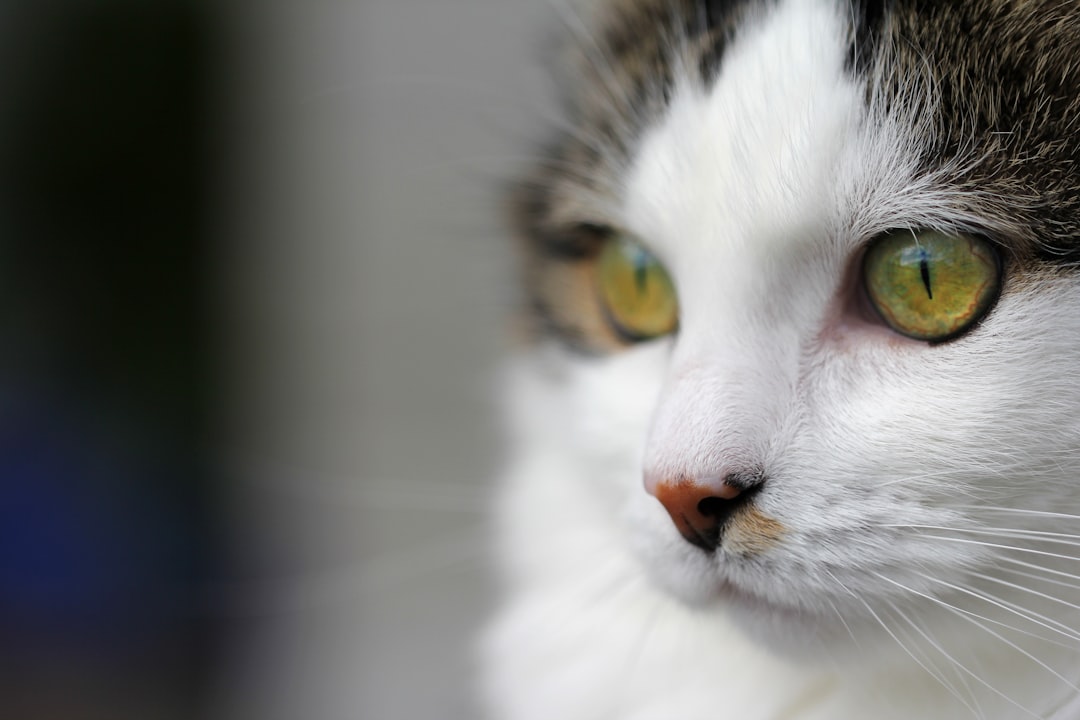
While humans have roughly 5-6 million olfactory receptors, cats boast an impressive 200 million, making their sense of smell approximately 14 times more powerful than ours. This remarkable difference gives cats access to a world of scents completely invisible to human perception. The average cat’s nose contains 40 times more odor-sensitive cells than our own noses and twice as many scent receptors as the average dog’s.
This enhanced olfactory system, combined with their specialized vomeronasal organ, enables cats to detect subtle chemical signals that humans might never notice. Like dogs, cats’ acute sense of smell gives them the ability to sniff out chemical changes in both humans and other animals caused by a disease.
The Secret Dual Scent Detection System
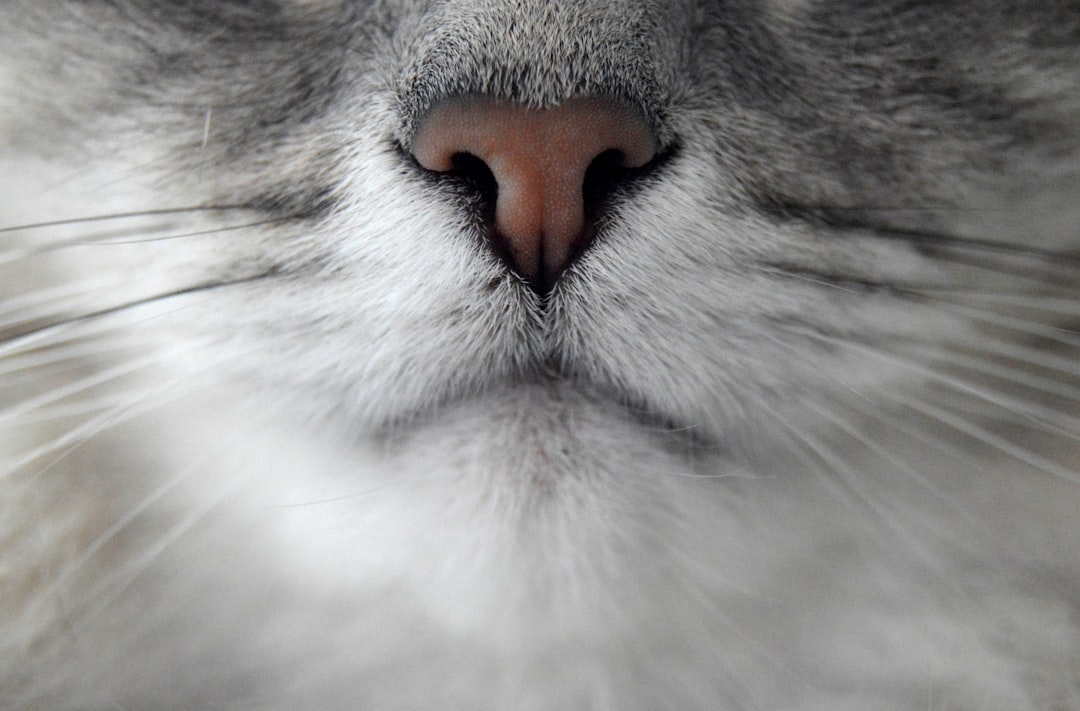
Cats possess something even more sophisticated than their powerful noses. Cats have a special organ called Jacobson’s organ (also known as the vomeronasal organ), which is located inside the nasal cavity and opens into the roof of the mouth, right behind the upper incisors. This amazing organ serves as a secondary olfactory system and detects specific chemicals by using nerves that lead directly to the brain.
This specialized organ, located in the roof of their mouth, allows cats to analyze chemical signals and pheromones with remarkable precision. When you see your cat making a peculiar grimace with their upper lip curled (the flehmen response), they’re actually directing scent molecules toward this organ for deeper analysis. Unlike olfactory cells in the nose, the odor receptors in Jacobson’s organ do not respond to ordinary smells.
Chemical Changes Your Cat Can Detect

When illness strikes our bodies, we undergo invisible chemical transformations that cats can easily detect. When people get ill and the decomposition of cells causes chemical changes in the body, it is well evidenced that cats can sense the hormonal changes using their olfactory pathway. This might vary depending on what sort of cancer and how developed it is, but tumors will certainly change the composition of affected cells and organs, and this can cause chemical changes in the body.
They can sense sickness in humans by picking up on chemical and hormonal changes within the body. These changes include alterations in hormone levels, metabolic byproducts, and even the composition of our sweat. This sensitivity extends to emotional states, with many cats showing responses to their owners’ stress, anxiety, or illness – possibly due to detecting changes in sweat composition or other chemical signals.
Reading Body Language and Behavioral Cues
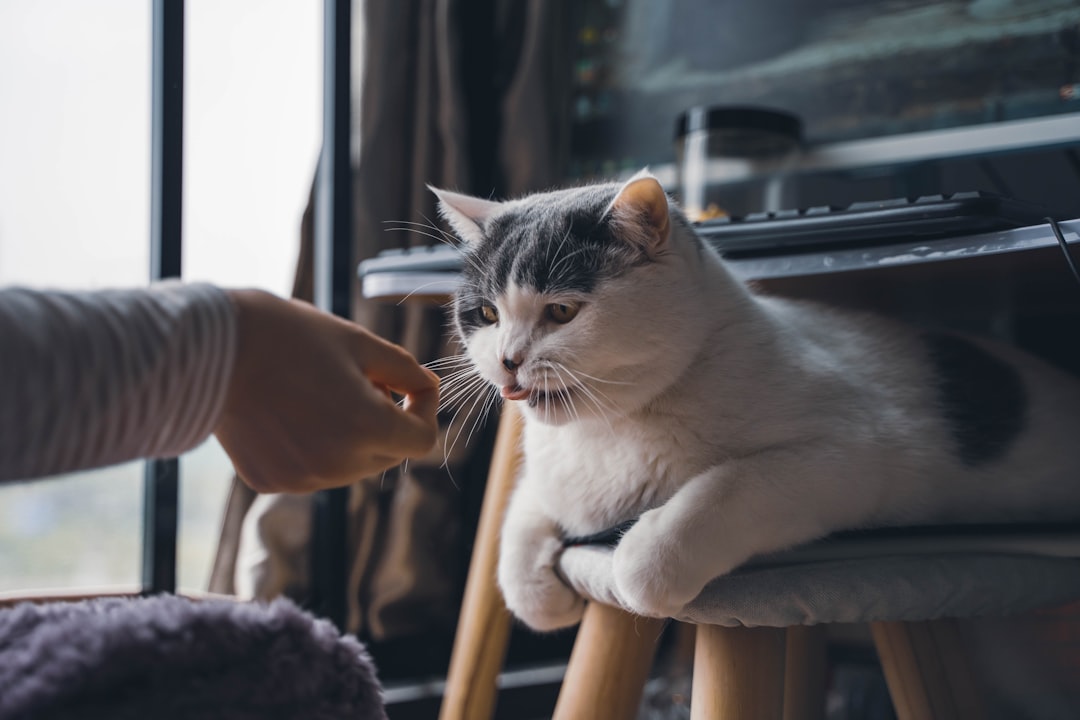
Beyond their incredible noses, cats are masterful observers of human behavior. Furthermore, cats can understand body cues and facial expressions. Any expressions of pain, such as wincing or a grimace, will not go unnoticed by your cat. Cats are extremely clever at picking up on changes in body language, facial expression, and mood. And there is scientific evidence to suggest that cats can recognize human emotions such as anger or happiness.
When humans fall ill, their behaviors often shift. Cats observe their owners keenly, detecting routines, movements, or variations in energy. They may notice if you’re less active, spending more time in bed, or displaying signs of discomfort. This combination of scent detection and behavioral observation creates a powerful system for recognizing illness.
The Evolutionary Connection

The bond between humans and cats runs deeper than many realize. The fact remains that humans and cats share a common ancestry that goes back approximately 95 million years. What that means is that cats and people are more alike than we may think. That supports our conclusion that cats can sense sickness in humans.
Cats’ ability to sense human illness stems from their innate instincts, refined through centuries of evolution. Their acute senses of smell, hearing, and observation have adapted to detect subtle environmental changes. This survival instinct helps explain why cats seem naturally attuned to changes in their human companions’ health status.
Detecting Stress and Emotional Changes

Mental health conditions don’t escape feline detection either. Increased cortisol levels accompany stress, and cats are astute stress detectors. When your cortisol levels rise due to illness or emotional distress, your cat senses it through their acute observational skills. Mental illness is accompanied by a hormonal change within the body. Cats can detect unfamiliar chemical scents using their highly-sensitive olfactory receptors.
The cat also changes its behavior in response to depressiveness of the human when close to the person (but not at a distance), vocalizing more frequently with the person and head- and flank-rubbing more often on that person. This suggests cats not only detect depression but actively respond to help their human companions.
The Heart Rate and Temperature Connection

Cats lying close to their owners can detect subtle physical changes that might precede serious health events. Cats that lay close to you or sit on your lap can detect an irregular or quickening heartbeat prior to a heart attack. Another explanation is that they’re more drawn to you than usual due to the additional heat you emit when you have a fever. You’re like a giant hot water bottle, and we know how alluring that can be to even the most aloof kitty cat!
This physical proximity allows cats to monitor changes in body temperature, heart rhythm, and breathing patterns that might indicate developing health issues. Their sensitive paws and bodies can feel vibrations and temperature fluctuations that signal physiological changes.
How Cats Respond to Sick Humans
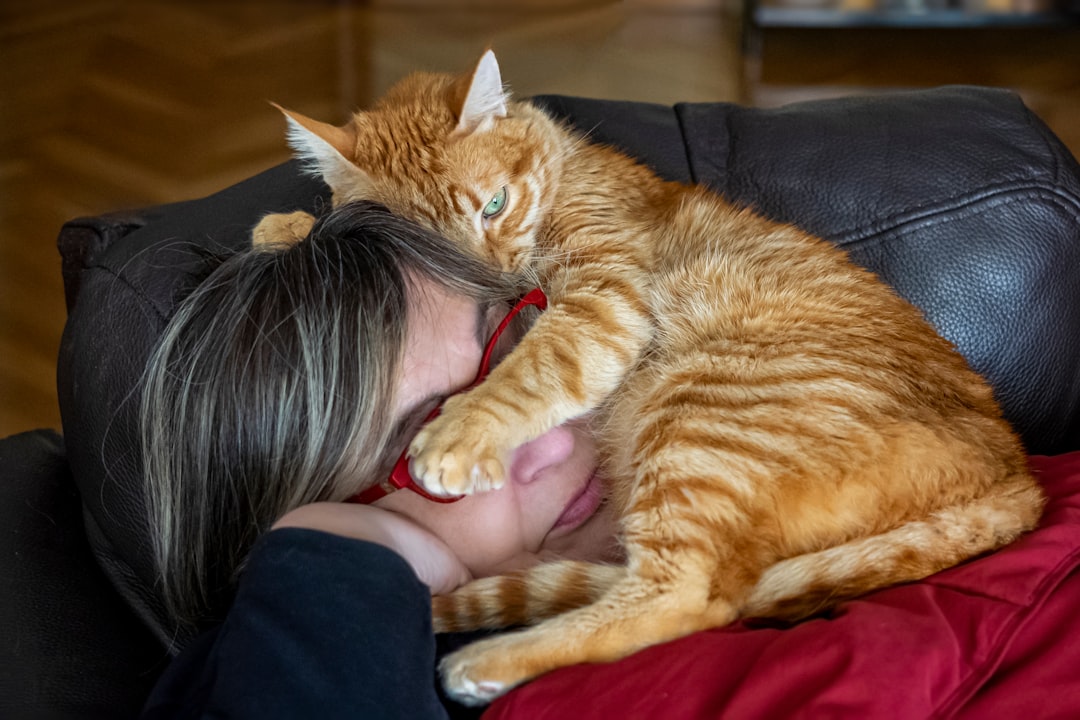
When cats sense illness in their humans, their behavior typically changes in predictable ways. Anecdotal evidence shows that cats often give people extra attention, become clingy, and started meowing, purring, and cuddling a lot more than they normally would. Often, cats respond to a sick individual by becoming more clingy and attentive.
When cats sense their human is unwell, they often exhibit unique behavioral responses. Many cats become more attentive, spending increased time near their sick owner. Meowing or crying: Some cats meow or cry more when their owner is ill, as if trying to alert others. Refusing to leave their side: Cats frequently follow sick owners from room to room, keeping a watchful eye.
Scientific Research and Future Possibilities
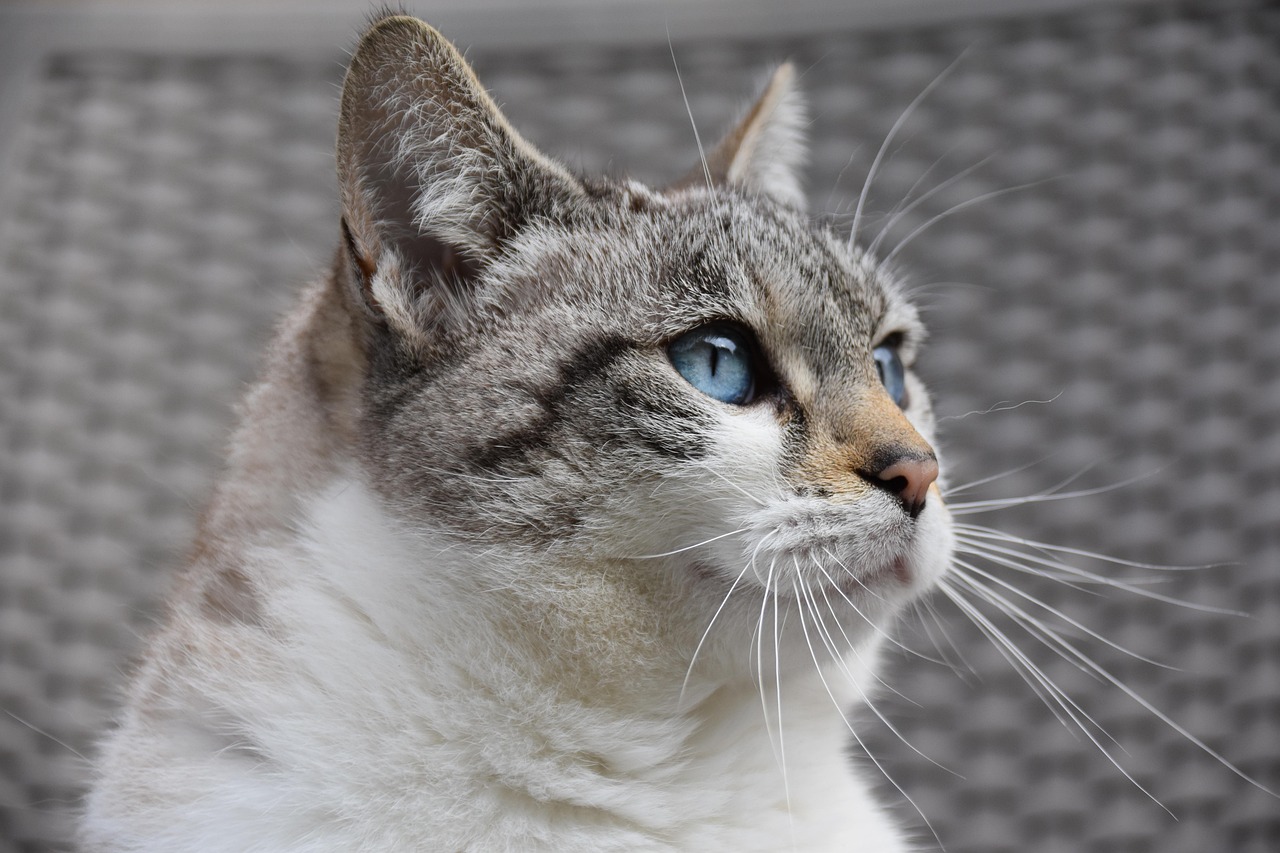
While much of the evidence remains anecdotal, research continues to explore cats’ remarkable abilities. While not scientifically proven, there are numerous accounts of cats detecting conditions like diabetes, seizures, and even certain types of cancer. These detections are often attributed to their ability to smell chemical changes in the body. There is growing interest in the potential of cats to detect human diseases, including serious illnesses such as cancer. While there is limited scientific research on this topic, there have been specific instances where cats have reportedly alerted their owners to health issues.
According to Applied Animal Behaviour Science, the ability of cats to detect chemical changes in their environment plays a role in stress reduction. This suggests that cats’ sensing abilities may serve therapeutic purposes as well as diagnostic ones.
Conclusion
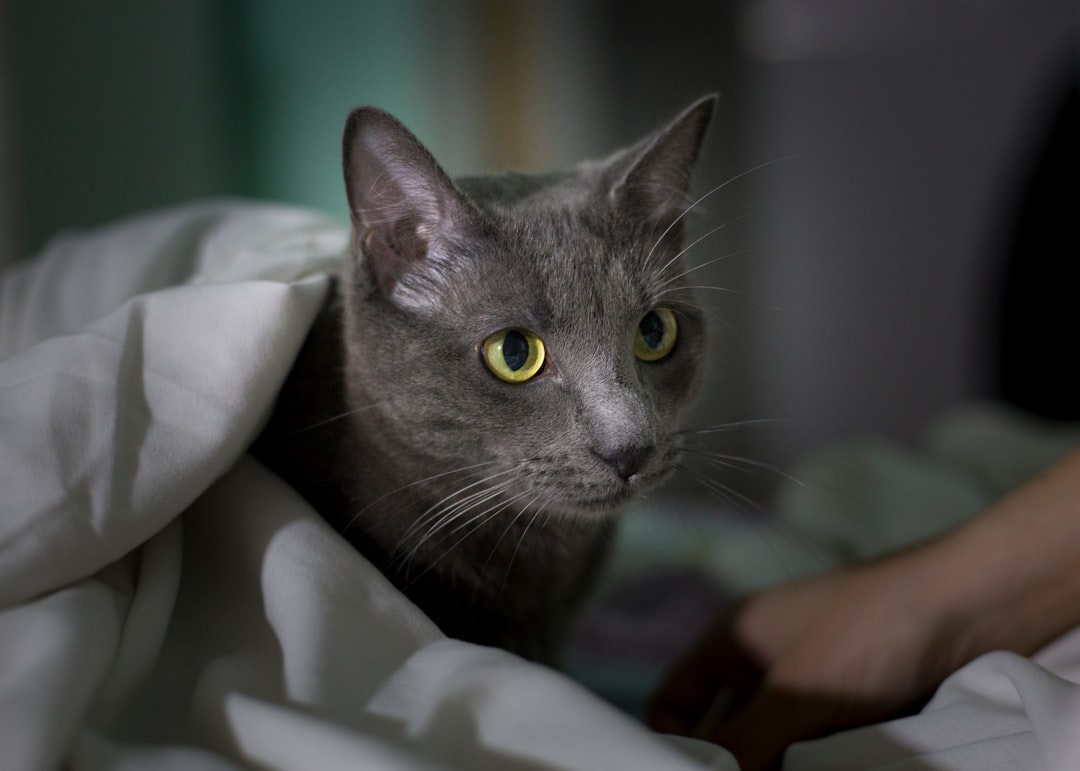
The science behind cats’ ability to sense human illness reveals a remarkable combination of evolutionary adaptation and sophisticated biology. Their extraordinary olfactory system, behavioral observation skills, and deep emotional connections with humans create a unique detection system that science is only beginning to fully understand.
Cats are extremely sensitive animals and their close bond with their owners probably allows them to detect very small changes very quickly in their family members and tell them about it by showing them extra attention or mimicking mood changes. While we may never fully comprehend the extent of their abilities, one thing remains clear: our feline companions are far more perceptive than we ever imagined. Next time your cat shows unusual attention when you’re not feeling well, remember there’s solid science behind their concern. What do you think about your cat’s mysterious abilities? Tell us in the comments.