You walk through the door after the worst day imaginable. Your shoulders are tight, your jaw is clenched, and you haven’t said a word. Within seconds, your cat materializes from wherever it was hiding, presses against your legs, and stares up at you with that slow, knowing blink. You didn’t say anything. You didn’t even reach for the treat bag. So how on earth did they know?
It turns out that cats are a lot more emotionally sophisticated than the internet’s endless stream of “I don’t care about you” memes would have you believe. The science behind how your cat reads your stress is genuinely fascinating, layered, and at times, a little eerie. Let’s dive in.
Your Cat Is Secretly Reading Your Body Language All Day
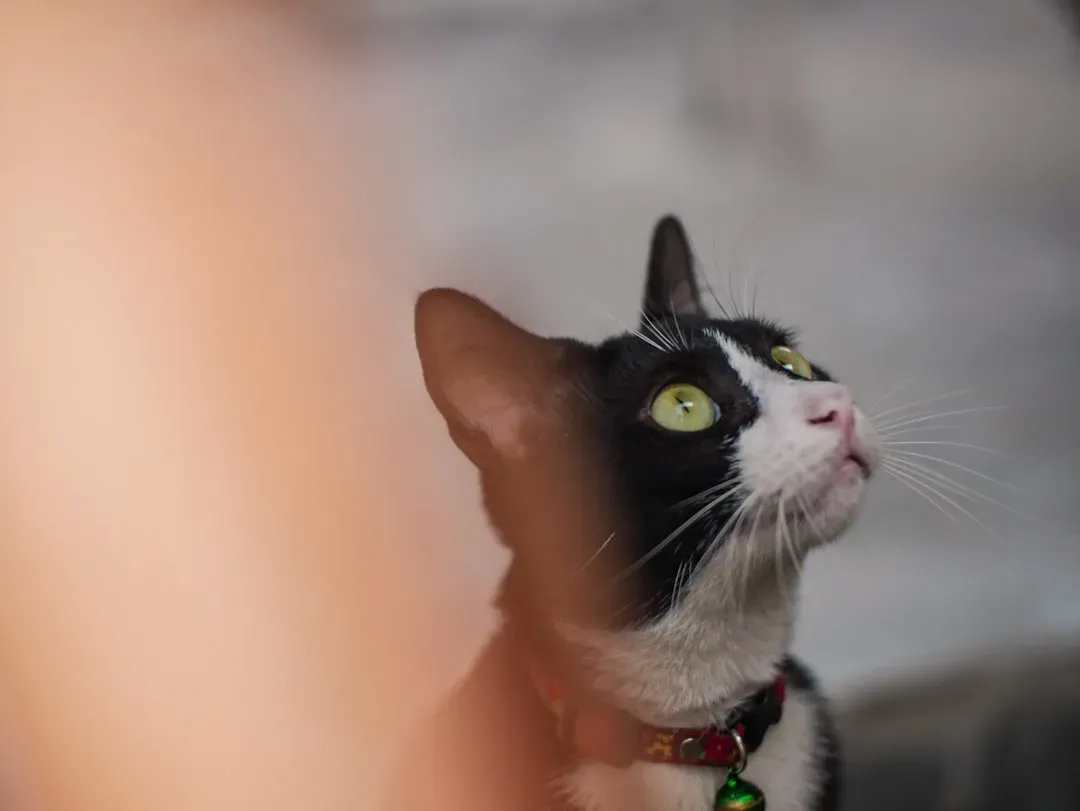
Most people assume their cat is just lounging and ignoring them. Honestly, the opposite is closer to the truth. Cats can detect changes in your facial expressions, your tone of voice, and your movements. Every shift in how you carry yourself, from hunched shoulders to tense, rapid footsteps, is data your cat is quietly processing.
Although cats may not specifically understand what you are feeling, they can recognize the body language and movement changes that happen when you become sad or stressed. They may not be able to pick up on certain nuances between negative moods, but they definitely know when you are in a low mood compared to when you are feeling happy. Think of it like this: your cat is a tiny, fur-covered behavioral analyst, and you are the subject of a lifelong study.
Cats observe how your eyes change and use information about your gaze, like where you are looking, to figure out your intentions and mood. That laser focus your cat directs at you when you’re having a meltdown? It’s not indifference. It’s research.
The Science of Smell: Your Cat Can Literally Sniff Out Your Fear
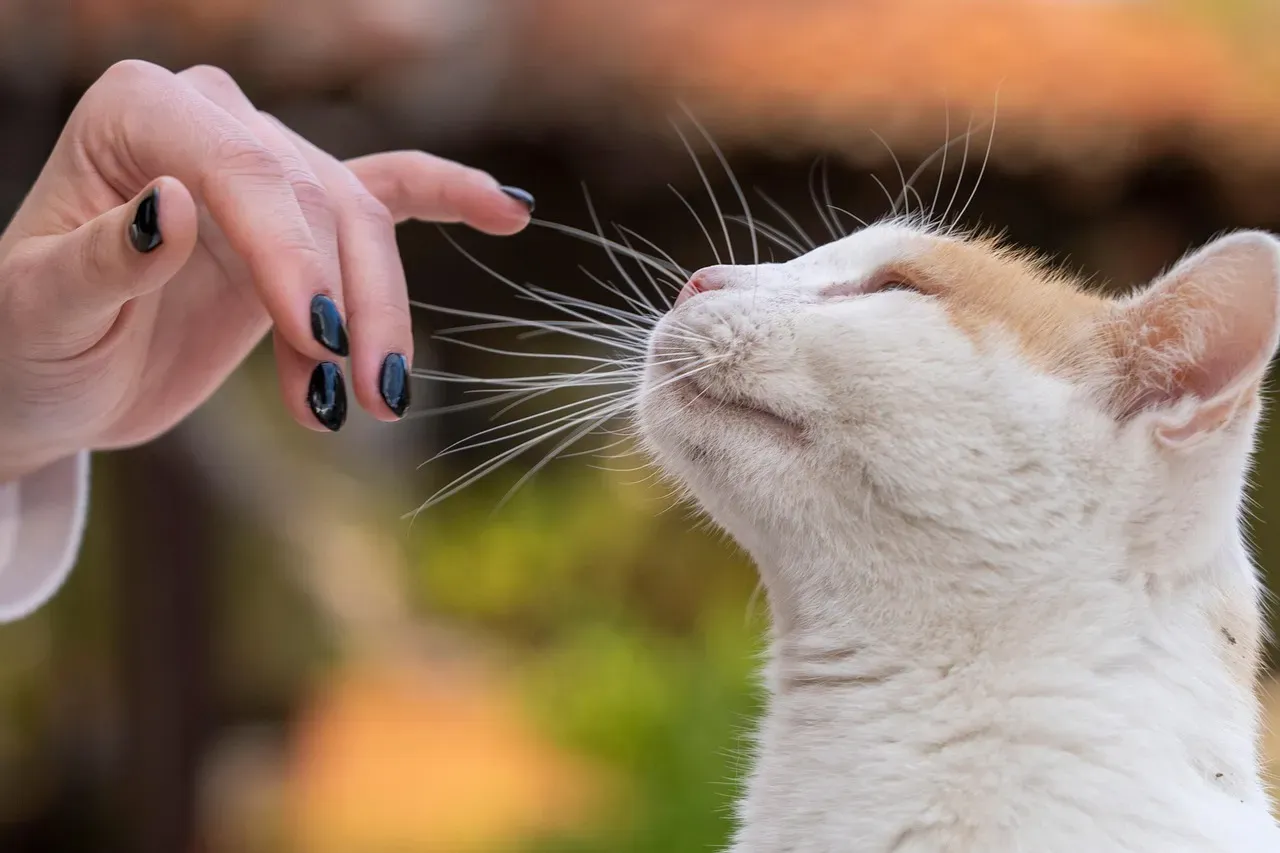
Here’s the thing that genuinely blew my mind. A recent study shows that cats can detect human emotions through scent, especially fear, suggesting they might understand you more than you ever realized. When your body kicks into stress mode, it produces biochemical changes that your nose can’t detect, but your cat’s vastly superior olfactory system absolutely can.
To investigate whether cats can smell human emotions, researchers conducted an experiment using odor samples from unfamiliar men exposed to different emotional states: fear, happiness, physical stress, and neutral. The results were eye-opening. Fear odors elicited higher stress levels in cats than physical stress and neutral odors, suggesting that cats perceived the valence of the information conveyed by fear olfactory signals and regulated their behavior accordingly.
When you sweat, particularly the cold sweat associated with fear, you release adrenaline. That is also when the “fight or flight” reaction sets in. Your cat picks up on that invisible chemical signal. It’s almost like your body broadcasts an emotional radio signal, and your cat is always tuned in.
A Supercharged Nose: How Cats Process Emotional Scents in the Brain
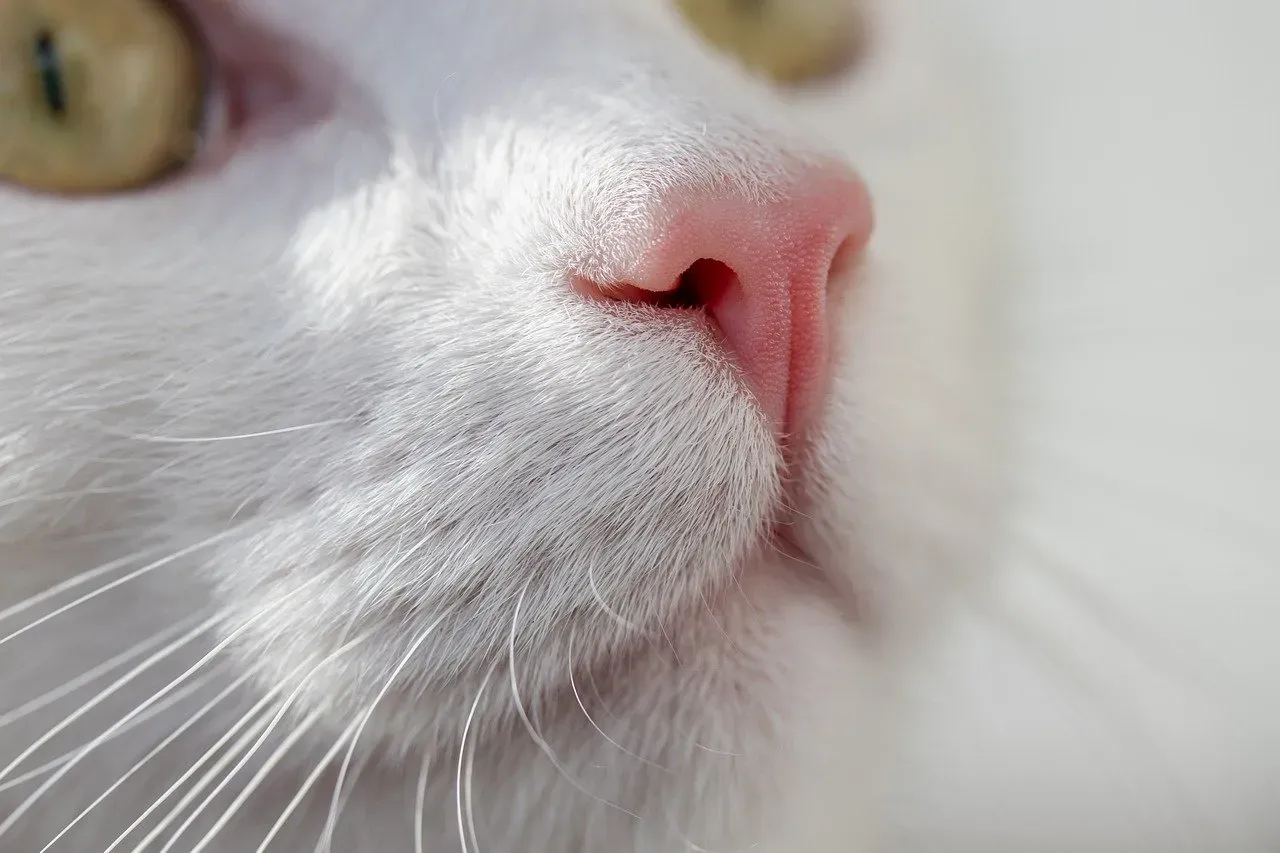
It gets even more interesting when you look at what’s happening inside a cat’s brain when it smells your stress. Cats used both nostrils equally often but relied on their right nostril more when displaying severe stress behaviors while smelling fear and physical stress odors. Since the right nostril connects to the right hemisphere of the brain, responsible for processing arousal and intense emotions, this suggests that those odors trigger a higher emotional response in cats.
Conversely, cats used their left nostril more frequently when displaying relaxed behaviors, activating the left hemisphere, which regulates positive and pro-social behaviors. So your cat’s brain is literally switching gears depending on what emotional signal it’s picking up from you. That’s not accidental. That’s a sophisticated neurological response built for emotional detection.
Hearing Your Stress: How Your Voice Gives Everything Away
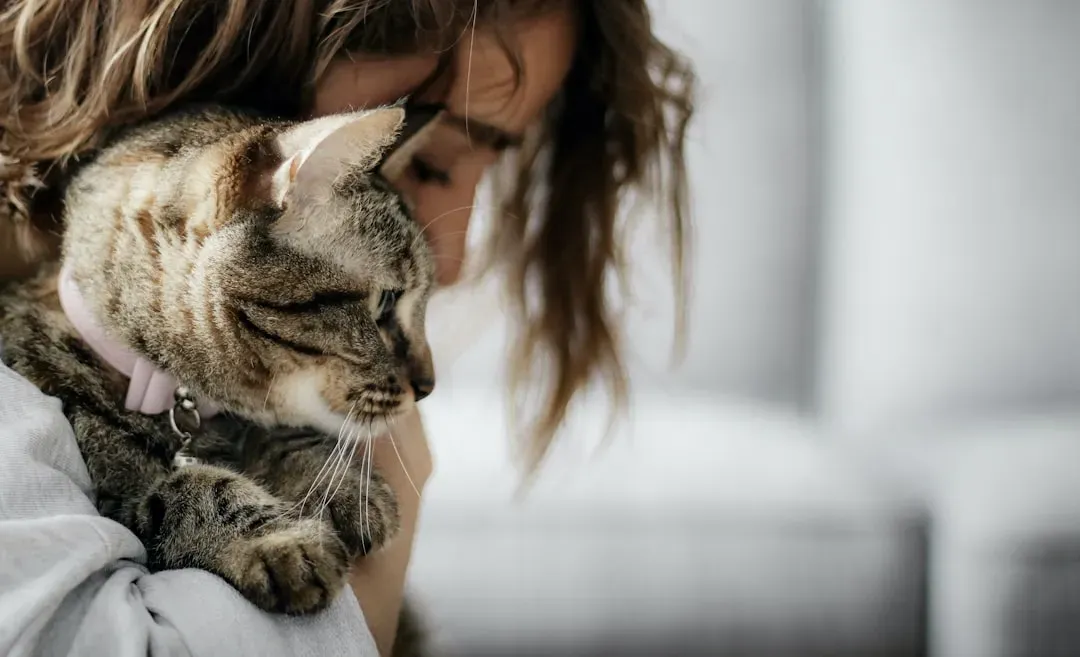
Based on a study regarding emotion recognition in cats, it was demonstrated that cats are able to recognize both feline and human emotions through auditory and visual observations. That strained, slightly higher-pitched voice you use when you’re pretending everything is fine? Your cat is not fooled. Not even a little bit.
A popular study titled Emotion Recognition in Cats found that cats were more likely to approach their human when they used a calm and gentle voice, versus an angry or neutral one. Higher-pitched excited voices, or lower tones when someone is angry, cue the cat into which emotion is present. Your vocal tone is essentially an emotional weather report your cat consults throughout the day.
Just like humans, cats will want to stay away from someone who is angry, suggesting that they really do read your emotions through your tone as well as your facial and body language. So the next time your cat vanishes right before an argument, know that they heard it coming before you did.
Social Referencing: Your Cat Looks to You to Decide How to Feel
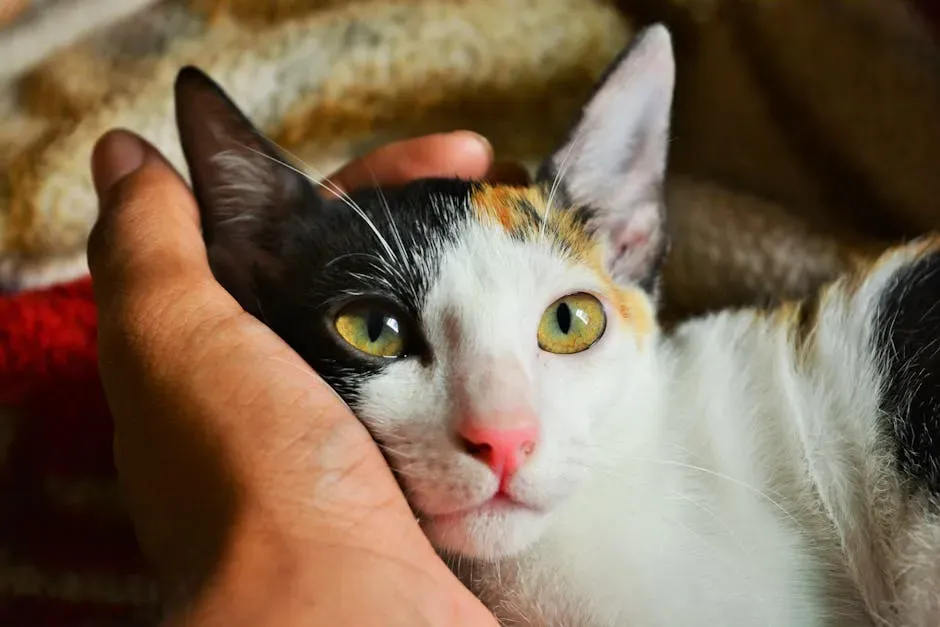
I know it sounds crazy, but your cat actually uses you as an emotional compass. This is called social referencing, and it has been well documented in feline research. With anxiety, your cat is doing what is known as social referencing. A study put cats and their owners into a room filled with fans that had attached streamers. Some people were told to act happy about the fans, while others were told to act as if they were afraid. The result was the cats looking at their owners to see their reaction to the fans before deciding how they themselves would react.
Most cats, around 79 percent, exhibited referential looking between the owner and the object, and also changed their behavior in line with the emotional message given by the owner. Think of the last time you walked into a dark basement. Your cat was probably watching your face, not the basement. With anxiety, your cat is still looking at how you are acting to figure out how you feel, but also often mirroring that anxiety right back.
Your Cat Can Actually Mirror Your Emotional State
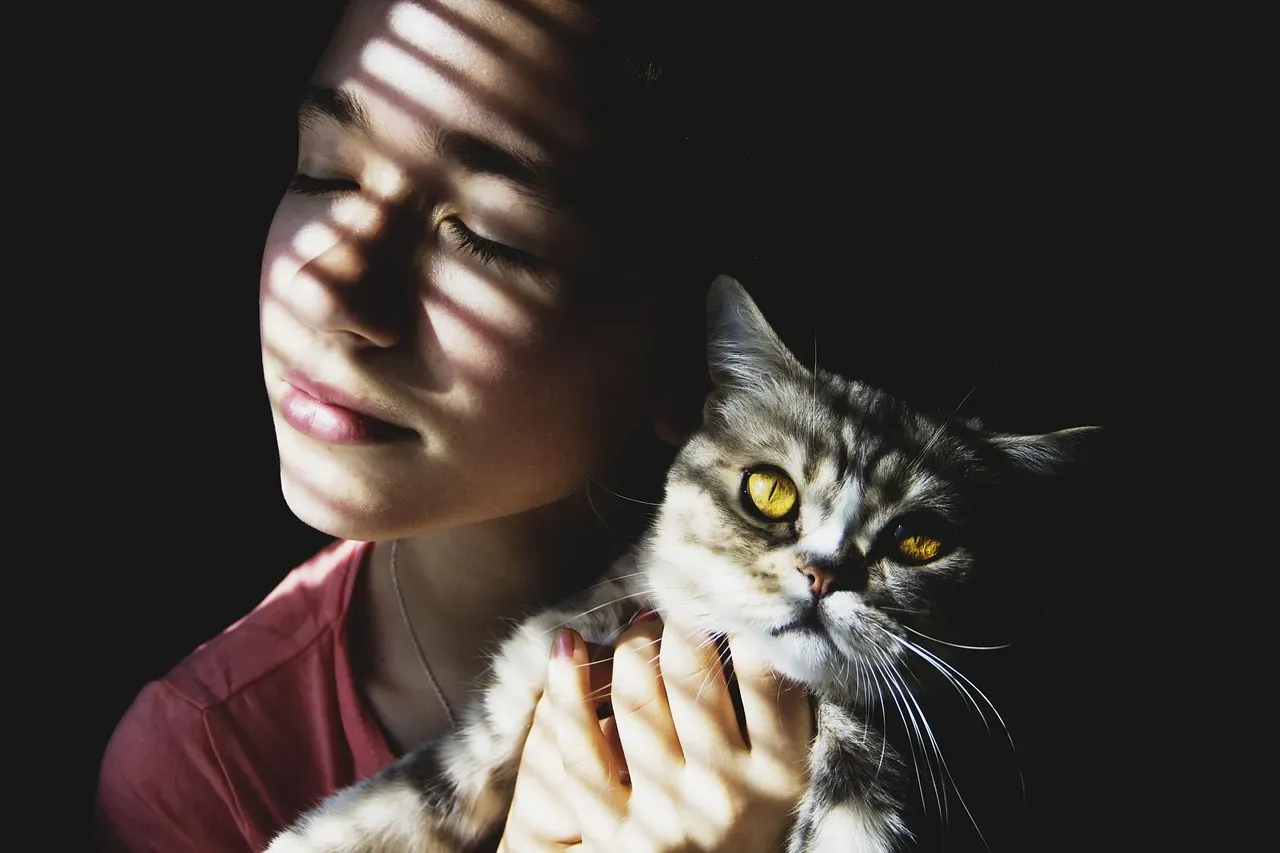
This is where the story takes a genuinely surprising turn. Research from Nottingham Trent University shows that cats are able to determine when their humans are anxious or stressed, and apart from this, they can also mirror their human’s emotions and well-being. Your mood is genuinely contagious to your cat, in both directions.
Humans with higher levels of neuroticism were more likely to have cats with anxious or fearful tendencies, stress-related illnesses, and even ongoing medical conditions. Meanwhile, cat owners who scored high in agreeableness tended to have healthier cats with more friendly and open personalities. The connection between your emotional world and your cat’s physical and mental health is startlingly real. One European study discovered cats can match their human’s pace, both physically and emotionally, mirroring behaviors and even mood patterns over time. That means if you are anxious, your cat might start acting more on edge too.
Routine Disruption: When Your Stress Changes Your Schedule, They Notice First
Cats are creatures of habit in a way that would impress even the most rigid human planner. Cats are also incredibly sensitive to their environments, so if your routine is all off, they will definitely notice. Any shifts in the schedule and they will wonder what is going on. You might not have said a word about your bad week, but if you forgot to eat lunch at your usual time, your cat already knows something is wrong.
Cats build patterns based on how their humans behave, and any deviation from this routine signals a change in emotional state. It’s a bit like how a partner notices you’re off before you’ve said anything, except your cat has been silently cataloguing your behavior for years without you realizing it. By creating a bond and spending more time with your cat, it allows them to become more in tune with your behaviors and feelings. Over time, your cat will understand your routine and be able to tell how you are feeling.
The Healing Purr: More Than Just a Comforting Sound
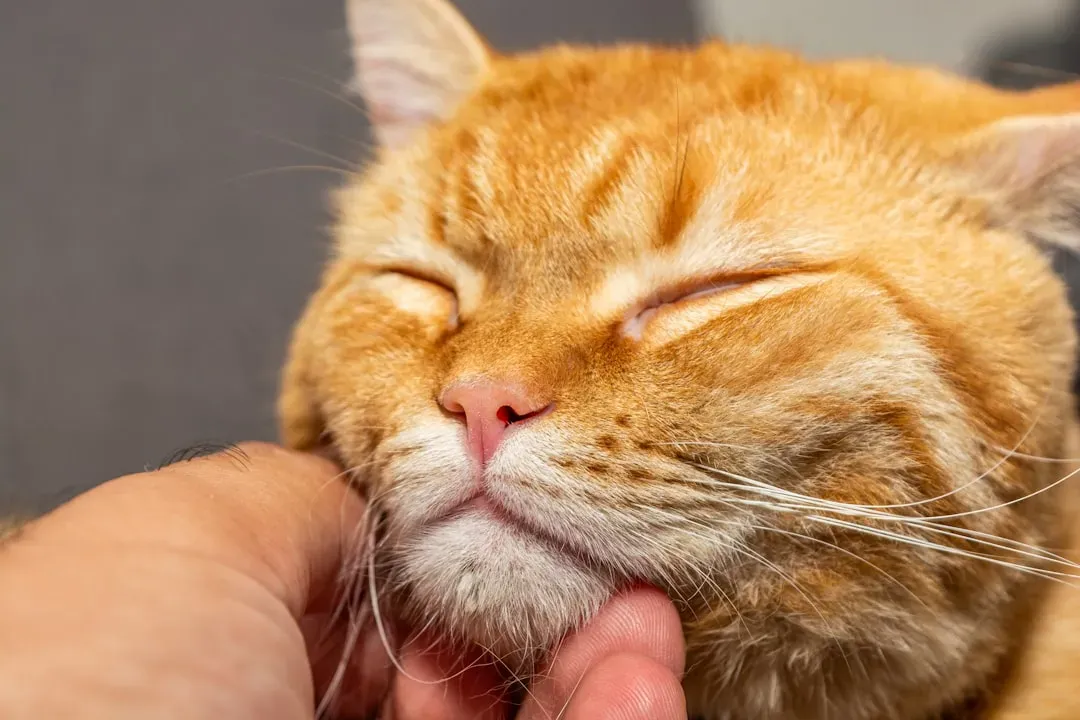
When your cat climbs onto your chest and starts purring on a bad day, that is not just adorable. It may actually be therapeutic. Frequencies in the 25 to 150 Hertz range are known to help promote the healing of bones, reduce inflammation, and improve joint mobility. A cat’s purr sits right in that same frequency range, which is a remarkable coincidence, or perhaps not a coincidence at all.
Cat purrs, with their rhythmic vibrations, have a natural calming effect. Studies suggest these sounds lower cortisol levels, the hormone linked to stress, helping individuals feel more relaxed. Interacting with your cat can shift both your cortisol levels and the cat’s. This means that when you are stressed, your cat can reduce your cortisol levels, and vice versa. That rhythmic rumble is basically a living, breathing stress-management device sitting right on your lap.
The Deeper Bond: Why Bonded Cats Sense You Better Than Strangers Do
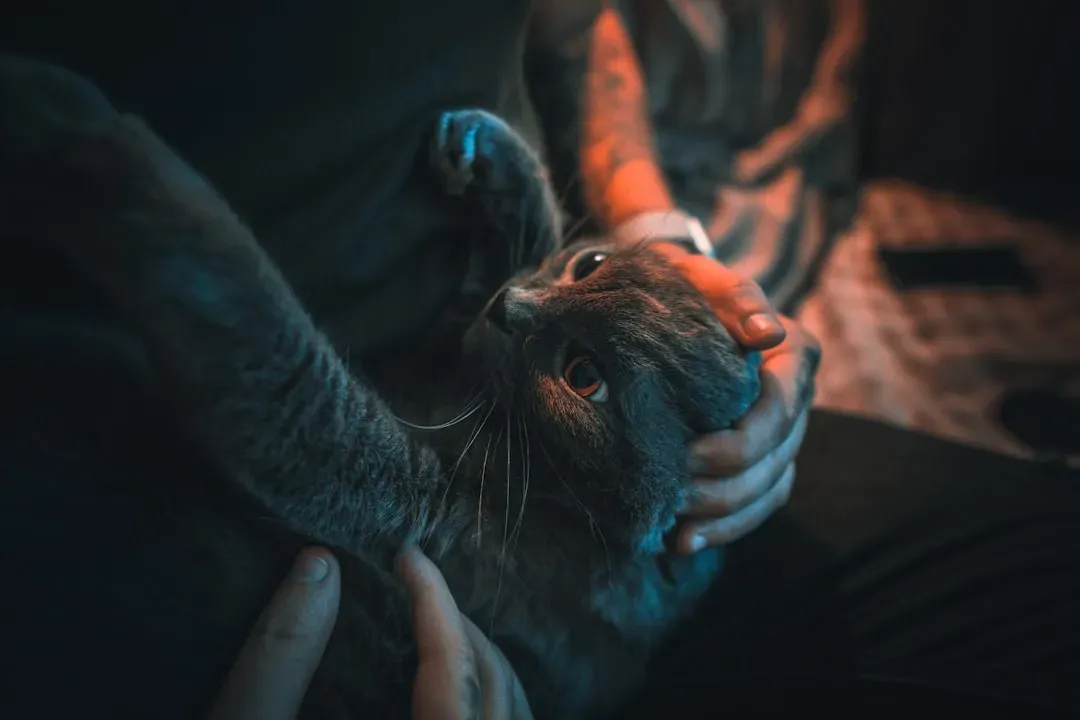
Let’s be real. Not every cat can read every person. The depth of the bond matters enormously. One study found that cats who spend time with their owners displayed more positive behaviors when their humans were happy compared to when they were angry. This difference did not occur when interacting with a person they were not familiar with. Essentially, your cat has to invest in you before they can truly read you.
A groundbreaking 2019 study revealed that cats form secure attachment bonds with their owners, similar to those observed in dogs and human infants. This emotional connection enhances their ability to recognize and respond to their owners’ emotional states. The longer you live with a cat, the more finely calibrated their emotional radar becomes toward you specifically. The closer your bond is with your cat, the more likely they are to be in sync with you and understand your different moods.
Conclusion: Your Cat Knows, and That Should Change How You See Them
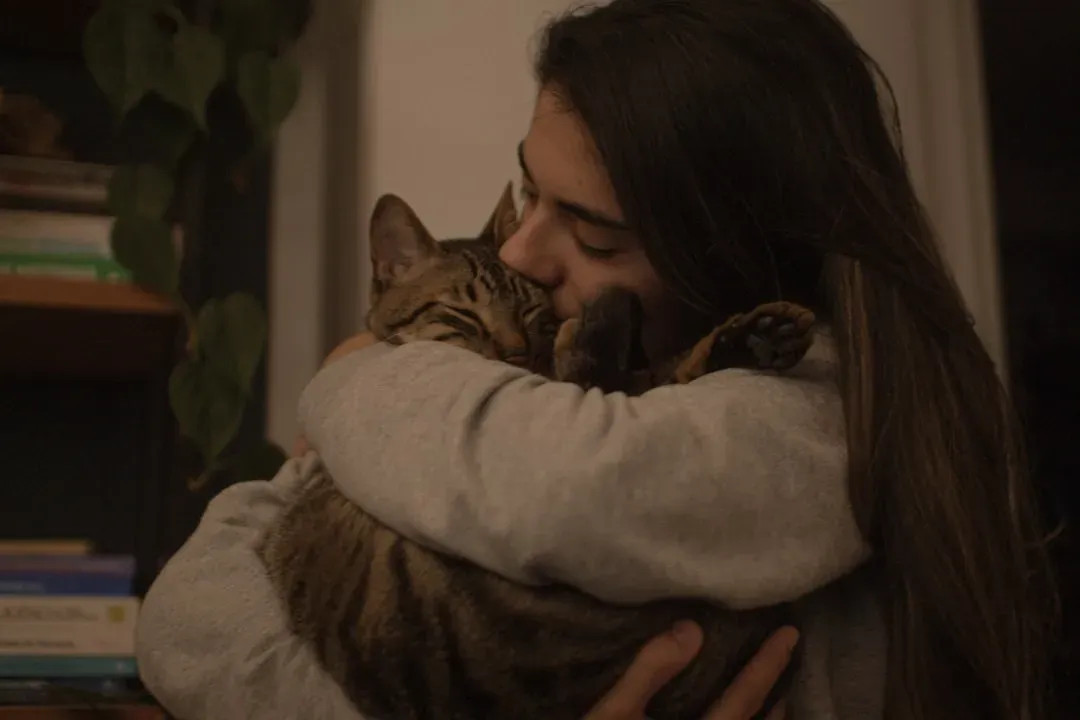
For too long, cats have been dismissed as cold, indifferent creatures who tolerate humans at best. The science tells a completely different story. As cats became domesticated, they developed cognitive and social skills in understanding humans’ emotions to be able to behave accordingly in response to human cues in communication and expressing emotions. That’s thousands of years of evolution, quietly shaping your cat into something remarkably perceptive.
Your cat is reading your scent, your voice, your posture, your routine, and your eyes, all at once, all the time. These findings challenge the stereotype of cats as indifferent to human emotions. While they may not express their attachment in the same overt ways as dogs, cats are clearly tuned into the emotional states of their humans. They don’t wear their concern on their sleeve the way dogs do. They show it in subtler, quieter ways. A nudge. A slow blink. A purr at exactly the right moment.
So the next time your cat appears out of nowhere right when you need them most, maybe stop and appreciate what that really means. It’s not magic. It’s a deep, evolved, scientifically supported form of interspecies empathy. Honestly, that’s even better than magic. What do you think: have you ever had a moment where your cat seemed to know exactly how you were feeling before you did? Drop it in the comments.