You’ve probably looked at your cat at some point and thought, “Where on earth did that come from?” Maybe they’re obsessed with sitting inside empty boxes, or they absolutely lose their minds over a specific toy while ignoring every other one you’ve bought them. Perhaps they’re the kind of cat who greets every guest at the door like a golden retriever, or the kind who vanishes the moment a stranger’s car pulls into the driveway.
The truth is, cat personality is a genuinely fascinating subject, and scientists have been quietly unraveling its mysteries for decades. What makes one cat bold and sociable while another is skittish and aloof? The answer goes far deeper than most people realize. Let’s dive in.
The Science Behind Feline Personality: More Real Than You Think
Here’s the thing – for a long time, people dismissed the idea of cat “personality” as owner projection. We were basically told we were imagining it. But science has caught up, and the evidence is hard to argue with. Researchers have shown that there are five key personality traits that can be reliably identified in cats, known as the “Feline Five,” which include Neuroticism, Extraversion, Dominance, Impulsiveness, and Agreeableness.
Scientists at the University of South Australia took a particularly thorough approach, using a questionnaire with 52 personality characteristics and analyzing over 2,800 cats, ultimately identifying a set of five major personality factors they called the “Feline Five,” including skittishness, outgoingness, dominance, spontaneity, and friendliness. So no, you’re not imagining your cat’s unique character. It’s measurable, repeatable, and very, very real.
The Critical Window: Why Those First Weeks Are Everything
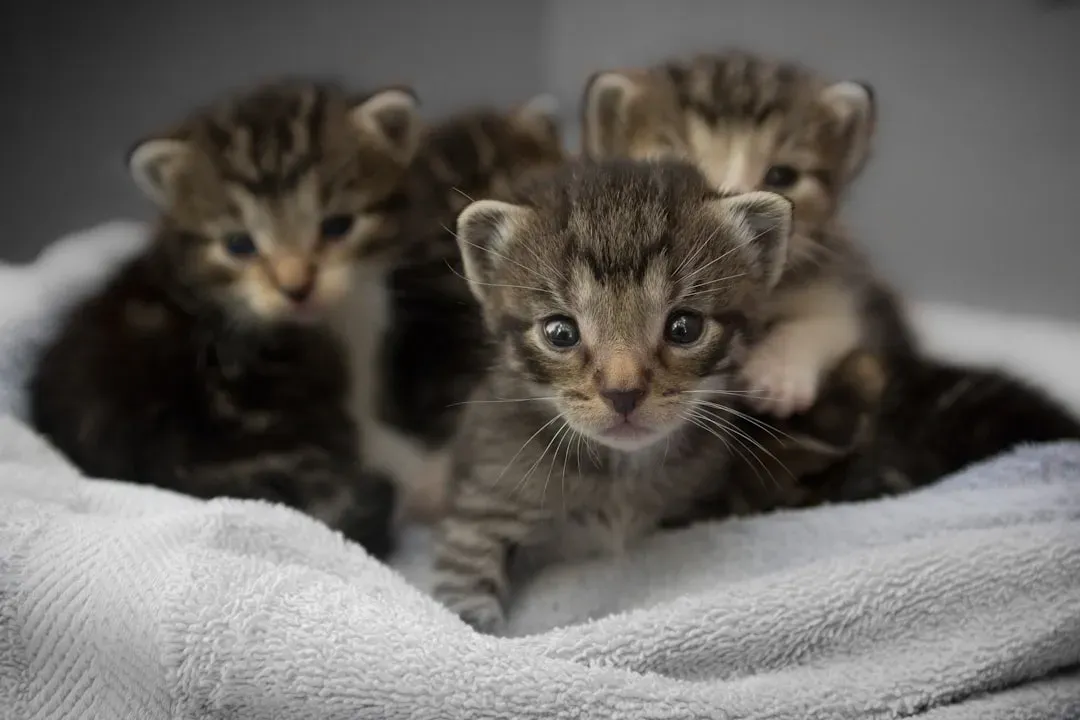
Honestly, if there’s one thing that surprises most cat owners, it’s just how early personality formation begins. The first 8 to 16 weeks of a kitten’s life can greatly influence their personality and demeanor. During this period, kittens tend to be fearless in exploring the world around them, and it is important to provide them with an enriching environment so they become comfortable with a variety of sights, smells, and sounds. The more they are exposed to something as a kitten, the less likely they are to develop a fear or aversion toward it later in life.
Cats that receive insufficient exposure and contact with people, other animals, and new environments during their first two months may develop irreversible fears, leading to timidity or aggression, which is why exposing your kitten to as many people, places, and things as possible in their first one to three months of life represents the most critical period in their social development. Think of it like wet cement – you have a narrow window to shape it, and once it dries, change becomes much harder.
It Runs in the Family: The Role of Genetics and Heredity
Overall, the heritability of temperament among cats ranges from 0.40 to 0.53, indicating that genes genuinely do play a role in a cat’s personality. That’s a significant genetic contribution, comparable in many ways to what we see in human personality research. Your cat isn’t just a blank slate shaped entirely by their environment.
A cat’s individuality is the sum of all characteristics, temperament, learned behaviors, and personality traits that make them unique, and these are influenced by a variety of nature and nurture factors including genetics, sex, neutering status, life stage, and past experiences. Think of genetics as the blueprint and the environment as the construction team. Both matter enormously, and neither works well without the other.
Dad Matters More Than You’d Expect: Paternal Inheritance in Cats
Here’s something that might surprise you. Most people assume the mother does the heavy personality lifting in cats. Studies have shown that kittens may inherit important traits primarily from their father, including boldness and stress levels. Kittens born to “friendly” fathers have been shown to display friendlier demeanors toward humans than those born to “unfriendly” fathers, regardless of their level of early life socialization, and some believe these traits are more strongly influenced by the father’s genes.
One particular study showed that the offspring of a friendly father was friendlier, less shy, and bolder than kittens from an unfriendly father, socialized or not. Kittens also learn a great deal from the first few weeks of living with their mother, and if she is fearful and skittish, the chances are high that some of the kittens will exhibit this behavior too. It’s a nature and nurture tag team, even within the family unit itself.
The Oxytocin Gene: Your Cat’s Social Wiring at the Molecular Level
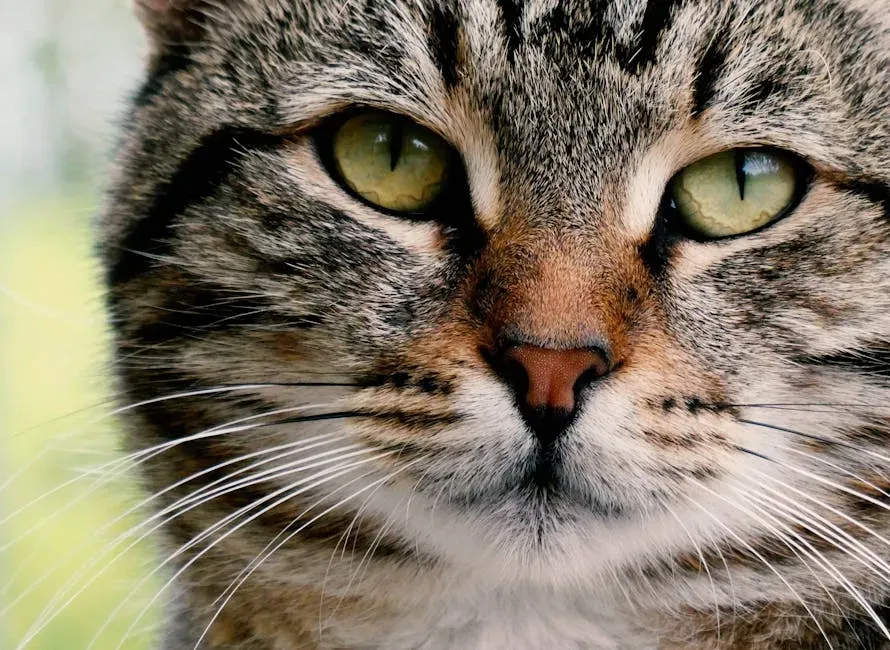
The oxytocin receptor gene, which predicts attachment in humans and dogs, may also predict the sociability of cats. This is genuinely mind-blowing when you think about it. The same bonding chemistry that drives human love and connection also quietly influences whether your cat is a lap cat or a loner who regards you with magnificent indifference.
The oxytocin receptor gene that predicts attachment may also predict the sociability of cats, and one particular polymorphism has been associated with the “roughness” of a cat, defined as being irritable, dominant, forceful, and moody. So if your cat has a bit of an attitude problem, you might have molecular genetics to blame. I think that’s both humbling and oddly comforting.
Breed Differences: How Much Does Breed Actually Predict Personality?
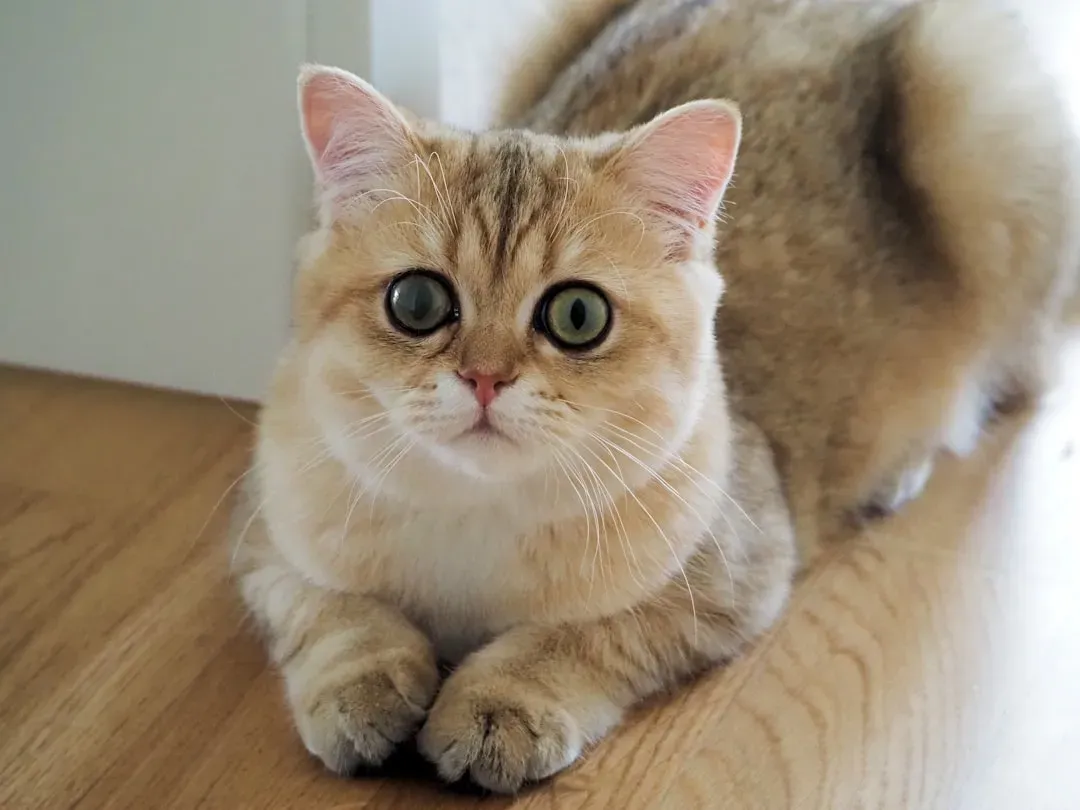
While phenotypic traits like coat color are interesting, breed may be a better predictor of variations in personality. In one study, breed actually accounted for most of the behavioral differences that were associated with coat color, and the heritability of temperament among cats indicates that genes genuinely shape personality. That said, breed is a guide, not a guarantee. Every individual cat operates on their own terms.
In a 2021 study involving over 4,000 cats across more than 20 breeds, researchers from the University of Helsinki found that Bengal cats proved to be the most active breed, with Russian Blue cats scoring highest in the fear personality category. Still, personality and behavioral traits actually vary greatly between individuals of the same breed, often more so than between breeds themselves, making it impossible to fully predict personality based on breed alone.
The Home Environment: How Your Living Space Shapes Their Character
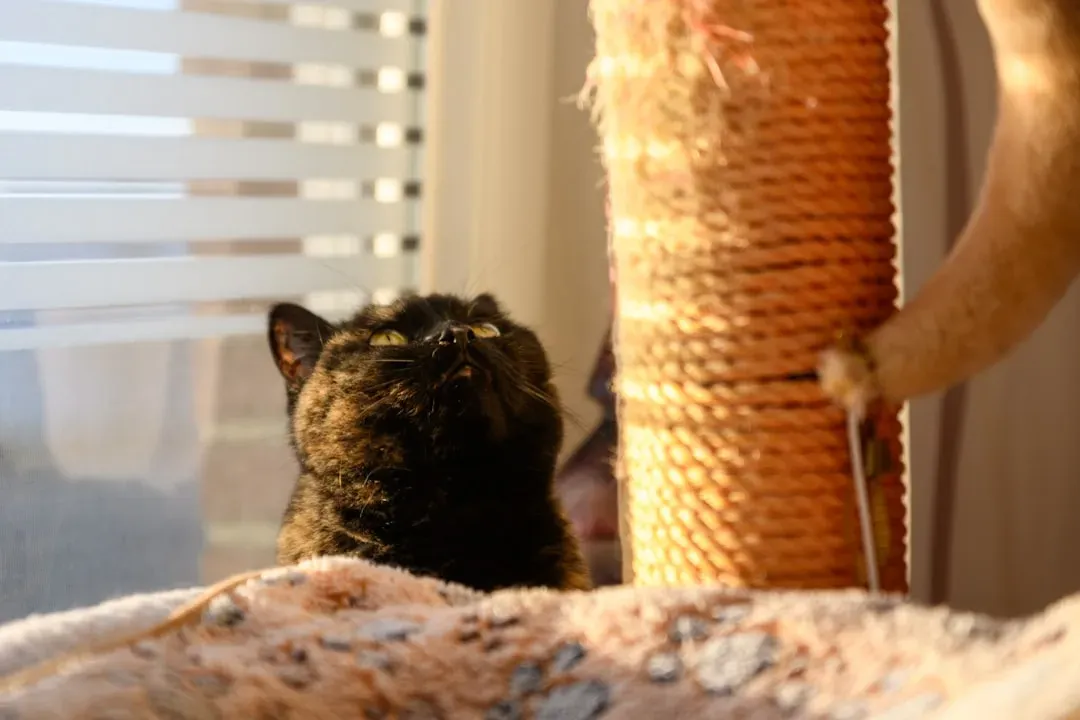
While early life socialization tends to have a strong impact on a cat’s personality, their experiences later in life will continue to shape their behavior and demeanor. For example, an outdoor cat left to fend for itself will tend to be more territorial and aggressive than their comfortably-housed counterparts, likely because outdoor-dwellers are typically less socialized and often live on high alert in case of threats, while a cat raised in a loving home environment is more able to feel safe and comfortable, which may lead to a more affectionate and social personality.
Housing type, total number of cats in the household, and owner animal preference all have significant effects on many personality trait scores. This is worth sitting with. Your home isn’t just a backdrop for your cat’s life. It’s actively molding who they become. A cramped, chaotic, or stressful environment can suppress even a naturally bold and outgoing cat over time.
Coat Color and Physical Traits: Quirky Correlations Worth Knowing
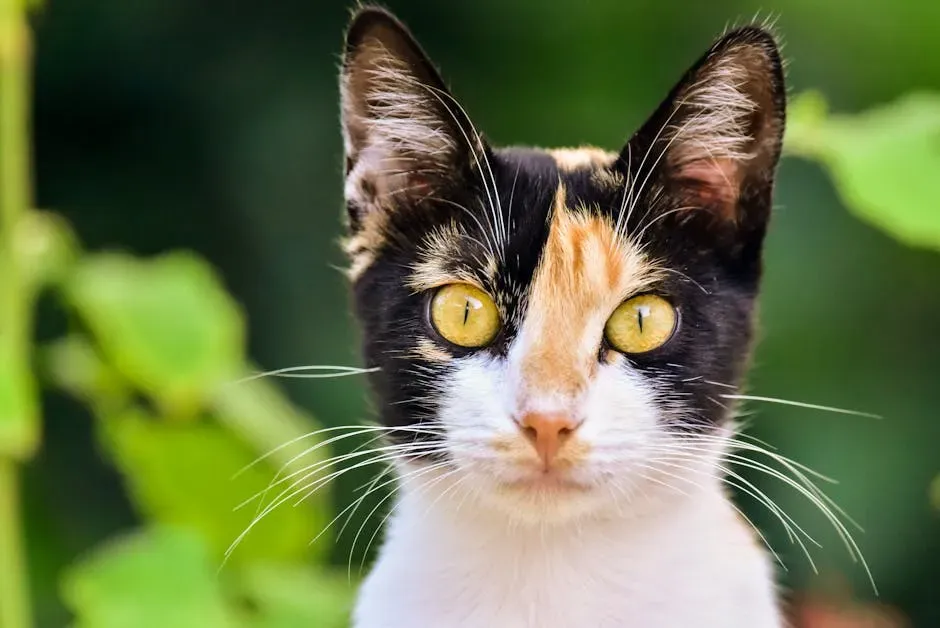
Among cats, body size, coat color, and coat length might be associated with personality. Orange male cats may be larger and more socially dominant, and based on owner reports, orange cats tend to be friendlier toward humans, whereas tortoiseshell and calico cats are often described as more aggressive toward humans. These findings are fascinating, though it’s important to note they’re based on owner perceptions and may carry some bias.
Research suggests that an association between a cat’s physical characteristics and personality is plausible, as the “domestication syndrome” has in fact been observed in several species, where physical changes occur as animals become tamer. It’s like nature quietly bundled certain temperaments with certain looks. Whether that’s truly the case for cats or just a compelling pattern is still being studied. The science is ongoing, and that’s part of what makes it so interesting.
How Your Personality Shapes Your Cat’s Personality
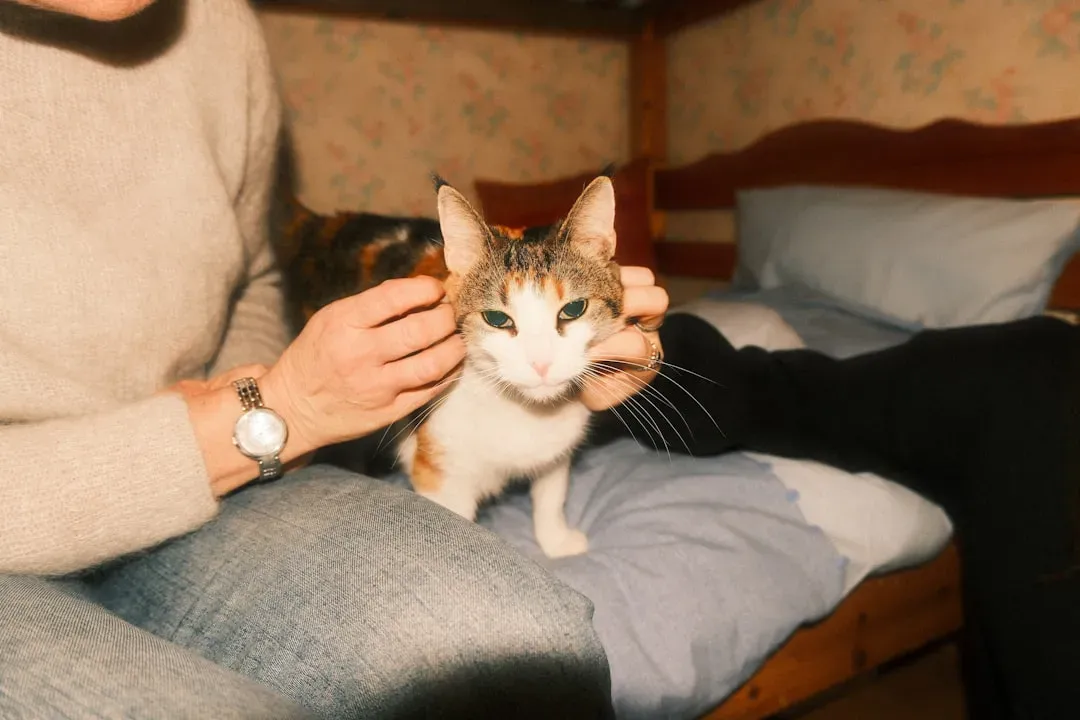
Let’s be real for a second – most people don’t expect this one. In domestic cats, many factors have been discovered to influence personality, including breed, coat color, gender, rearing experience, number of cats within a household, owner age, owner gender, and owner personality. Yes, you read that correctly. Your personality is on that list.
One study demonstrated that when owners were more willing to comply with their cat’s attempts at interaction, the more likely cats were to comply the next time the owner was the one to request interaction. Your cat is watching you. They’re learning from you. They’re also, in a very real sense, adapting to you. The relationship is genuinely a two-way street, more so than most people ever realize.
Personality, Health, and Wellbeing: The Surprising Connection
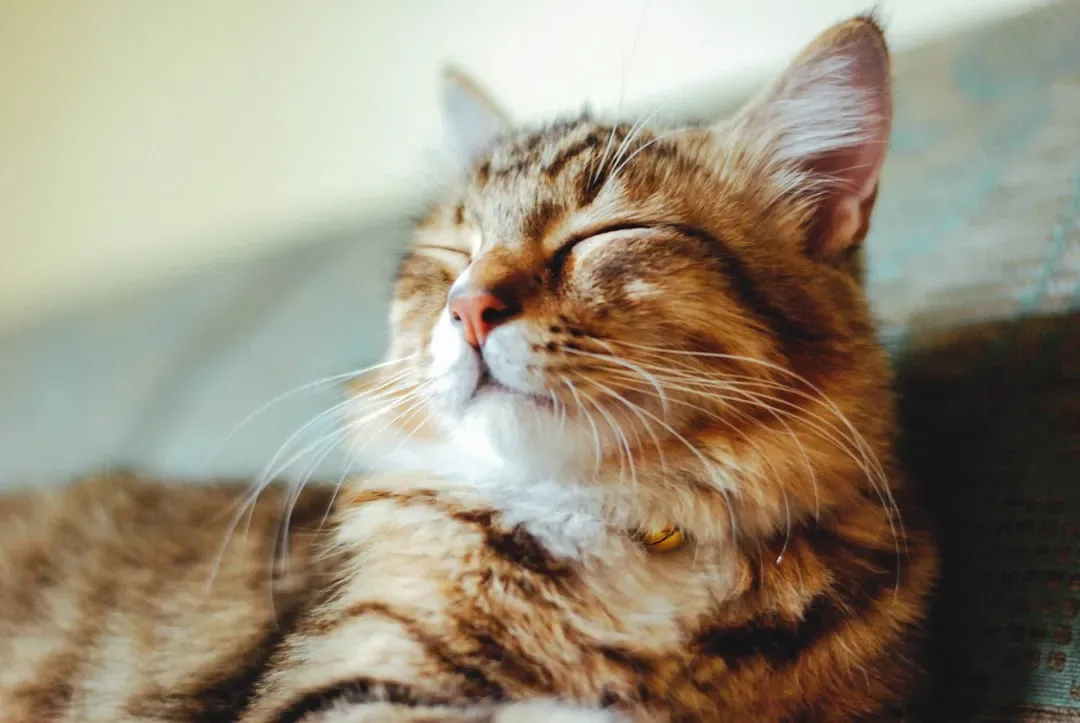
Studies have shown that personality can affect health too, as fearful or anxious cats may have lowered immune function, while overly friendly cats are susceptible to disease and illness from frequent interaction with other cats. This is not a small detail. Understanding your cat’s personality type isn’t just about bonding. It has real implications for how long and how well they live.
There is growing recognition within the scientific community that the identification of feline personalities is important for the effective management and welfare of your pet, and tailoring the care and environment to match the cat’s temperament improves their overall quality of life. Researchers believe that determining your cat’s primary motivations regarding their personality can help improve their lives, as owners can carefully manage and observe their preferences. For example, if your cat is naturally extraverted and bold, a sudden period of fear or nervousness quickly tells you something in the environment is bothering them. In naturally agreeable cats, any signs of agitation may indicate an underlying illness or injury.
Conclusion: Your Cat Is a Masterpiece of Nature and Experience
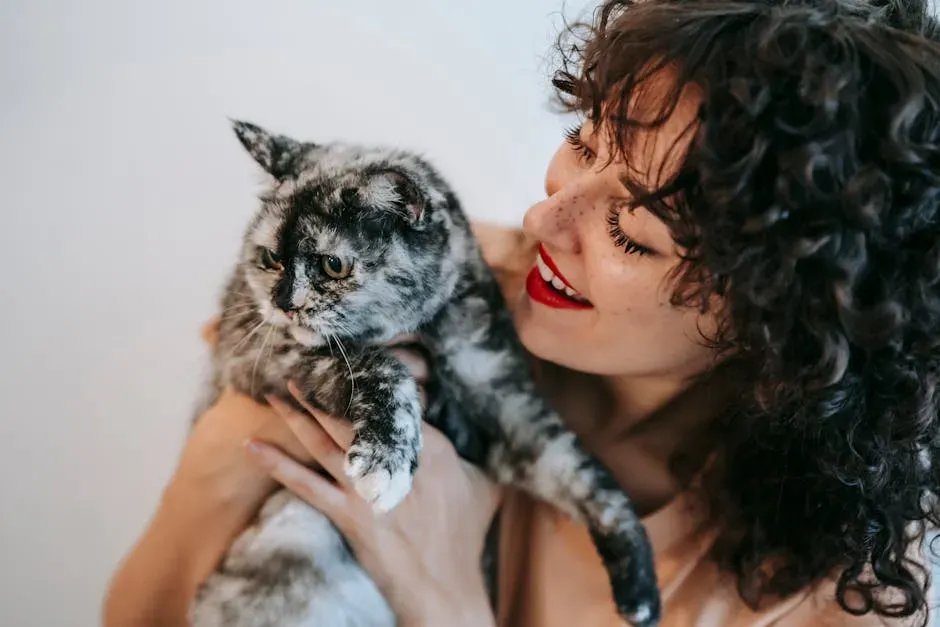
Every cat you have ever loved – every bizarre habit, every inexplicable fear, every moment of unexpected affection – has a story behind it. It seems that a cat’s personality is determined by a multitude of factors, in short, nature and nurture. There are certainly inherited genetic traits that can determine a cat’s temperament, but their upbringing, environment, and level of socialization appear to be equally, if not more, important in influencing their personality.
The more you understand the forces that shaped your cat, the better you can care for them and strengthen the bond between you. Understanding and nurturing your cat’s unique characteristics, temperament, learned behaviors, and personality traits, while giving them ways to express their individuality, will help them attain and maintain optimal emotional wellbeing. So next time your cat does something completely baffling, take a moment to appreciate the extraordinary, layered, scientifically rich creature sitting in front of you.
What’s the quirkiest thing your cat does that you’ve never quite been able to explain? We’d love to hear it in the comments.