You grab your keys, slip on your shoes, and glance over your shoulder. Sure enough, your cat is already sitting there, watching you with that particular look – the one that somehow blends judgment, concern, and quiet accusation all at once. It’s uncanny, almost eerie. How on earth does your cat always seem to know?
The truth is, your cat isn’t reading your mind. They’re doing something arguably more impressive. They’re reading you. Every little move you make, every scent you release, every tiny shift in your daily rhythm – your cat has clocked it, catalogued it, and filed it away. Let’s dive in and find out exactly what’s going on inside that fuzzy little head.
Your Cat Is an Expert at Reading Your Routine
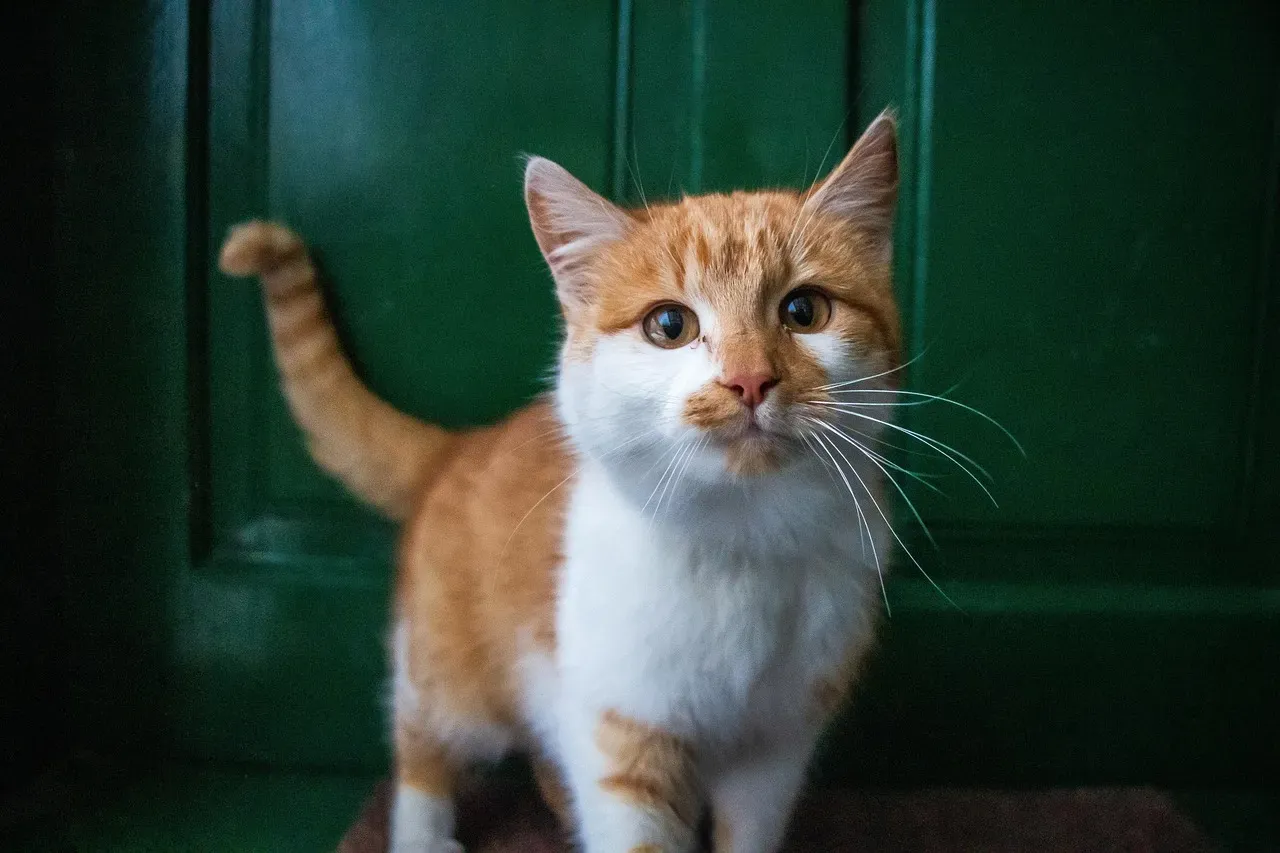
Here’s the thing about cats – they are creatures of habit who happen to live with creatures of habit. You probably don’t realize how predictable you actually are. You wake up at roughly the same time, follow a similar sequence of bathroom and kitchen rituals, and reach for your bag or keys in a very consistent pattern. Cats are very perceptive and may pick up on changes in routine or behavior that indicate you’re preparing to leave. Over time, your cat builds an internal “departure blueprint” of everything you do before walking out that door.
They learn your daily routine, including your work schedule, commute time, and pre-arrival cues. Your departure time becomes a signal for them to start anticipating your return approximately a set number of hours later. Even slight variations in your schedule can be picked up, but the general pattern remains. Think of it like how you don’t need to consciously think about your morning route to work anymore – your cat has built an equally automatic, unconscious recognition of your departure habits.
The Power of Their Extraordinary Nose
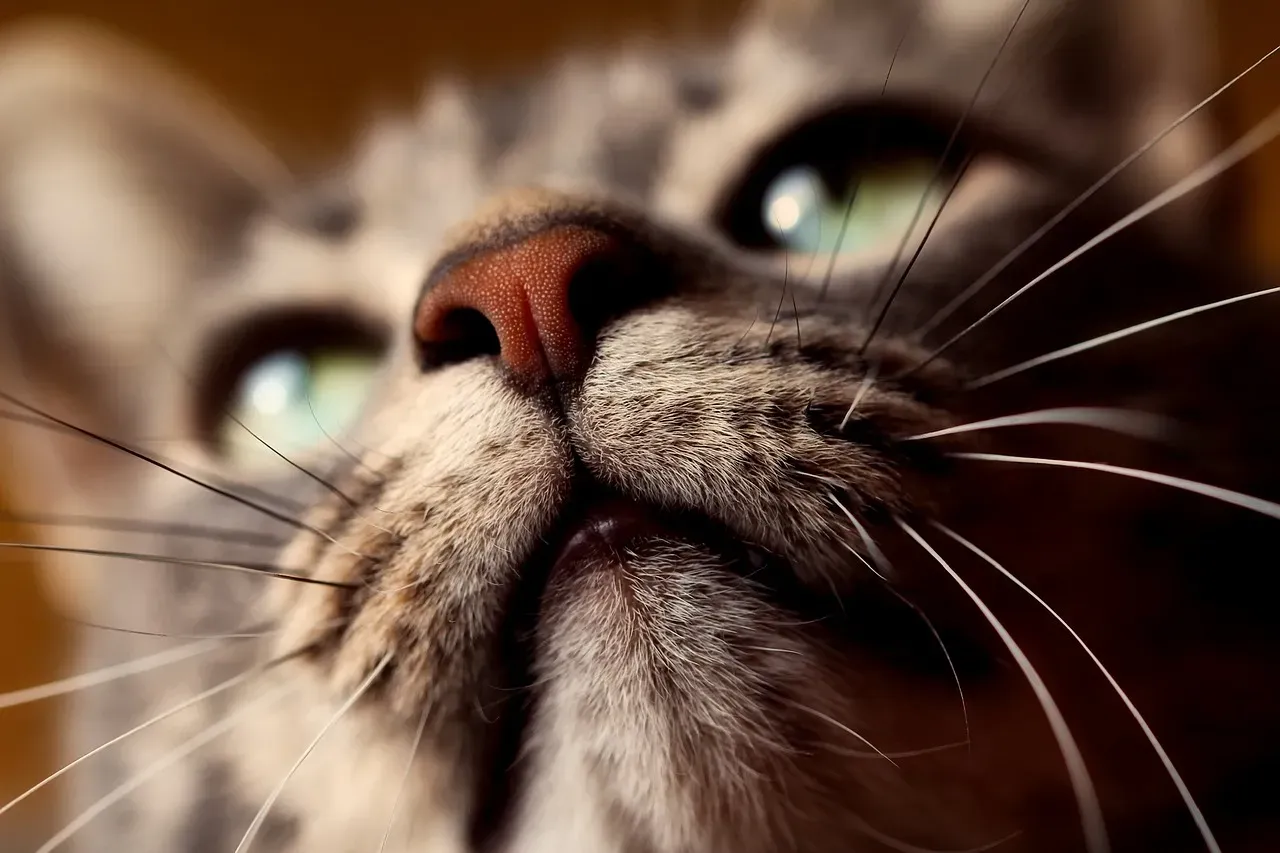
Your sense of smell is, honestly, laughably weak compared to your cat’s. A cat’s sense of smell is much better than ours. This can be attributed to the fact that cats are endowed with over 200 million odor receptors in their nose, allowing them to detect a wide range of human scents. That means when you spray your perfume or deodorant before leaving the house, your cat absolutely notices. Those pre-departure scent rituals become powerful signals.
A cat’s sense of smell is far better than a human’s, thanks largely to the fact they have many more olfactory receptors. In fact, they use scent to gather social information in the same way that we use faces and voices. Every one of us carries a unique mix of skin oils, sweat, breath and the scents of places we’ve been. Cats learn these complex signatures, using them to perceive humans and identify if we’re calm or stressed. So your cat isn’t just smelling your perfume – they’re reading your entire biochemical story.
They Can Actually Smell Your Stress
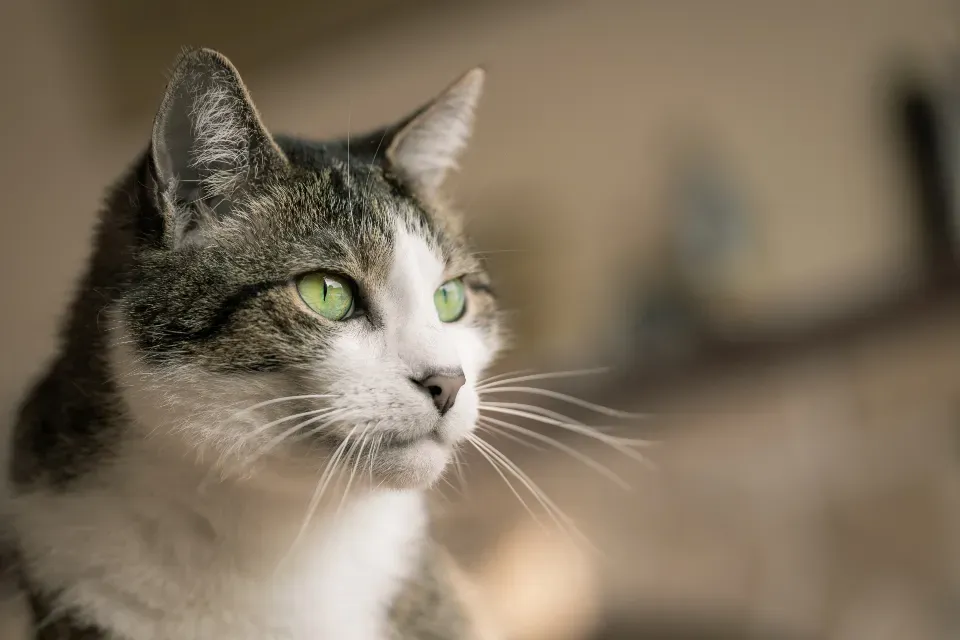
This one is genuinely fascinating to me. When you’re rushing around to get out the door, running late, mentally rehearsing your to-do list for the day, your body is physically changing in ways your cat can detect. It’s widely known that when we feel stressed, anxious or fearful, our bodies release different hormones, like cortisol or adrenaline. These hormones can shift the chemicals in our sweat and breath and subtly alert our cats to our shifting mood. Your internal emotional weather becomes something they can quite literally sniff out.
Cats may detect stress hormones like cortisol through their acute sense of smell. Their sense of smell is estimated to be 14 times more sensitive, with approximately 200 million scent receptors compared to our mere 5 million. This acute olfaction isn’t just for hunting; it plays a crucial role in their social interactions and environmental awareness. So even before you’ve picked up your car keys, your anxious energy may have already announced your departure plans. Remarkable, right?
Departure Cues: Keys, Shoes, and Bags
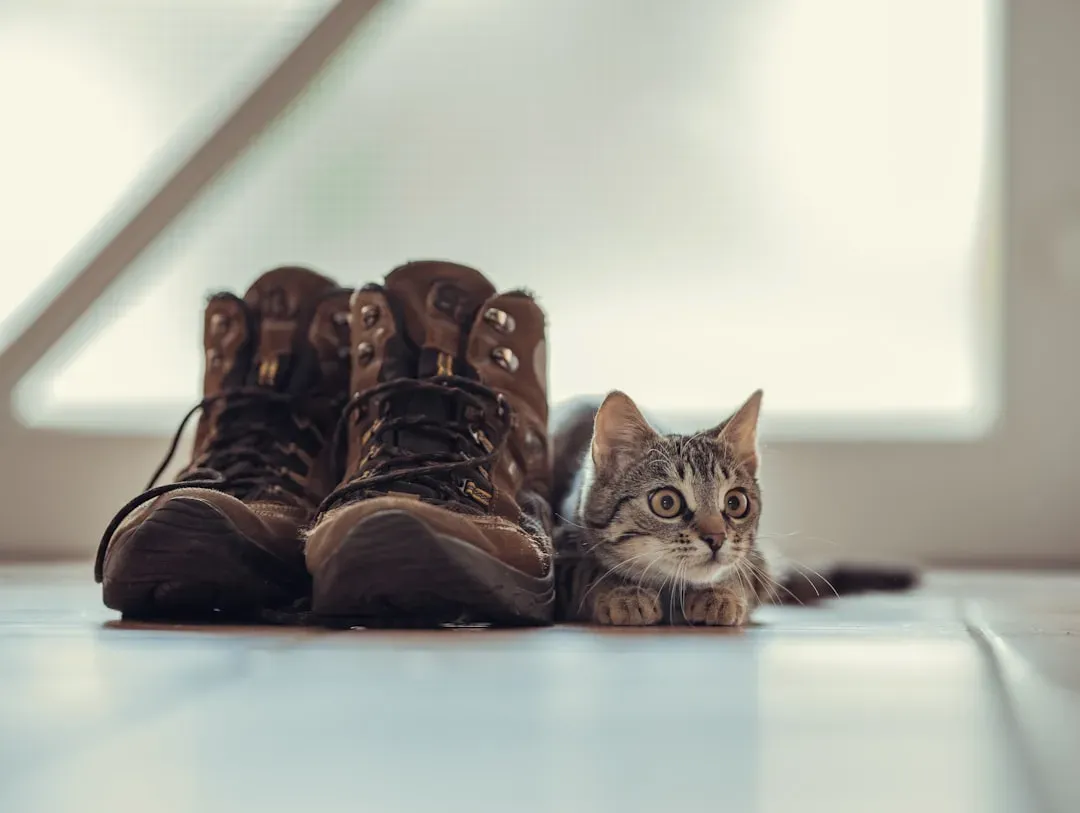
Let’s be real – your cat has made a very specific connection between certain everyday objects and your disappearance. Our feline friends are incredibly smart and can pick up on our behaviors and habits. Just from grabbing your wallet or putting on your shoes, your cat can know that that means you will be gone for an extended time. It’s almost like a Pavlovian response, except here your cat is the one doing the conditioning – and you didn’t even realize you were being studied.
They may not understand the concept of ‘leaving’ as humans do, but they can detect cues like packing a suitcase or grabbing keys. Signs may include clinginess, meowing more than usual, following you around the house, or trying to hide in your luggage. Honestly, the image of a cat dramatically stuffing themselves into your suitcase is less about being adorable and more about an animal responding to a very real and stressful signal. The suitcase means bad news, and they know it.
Their Built-In Internal Clock Is No Joke
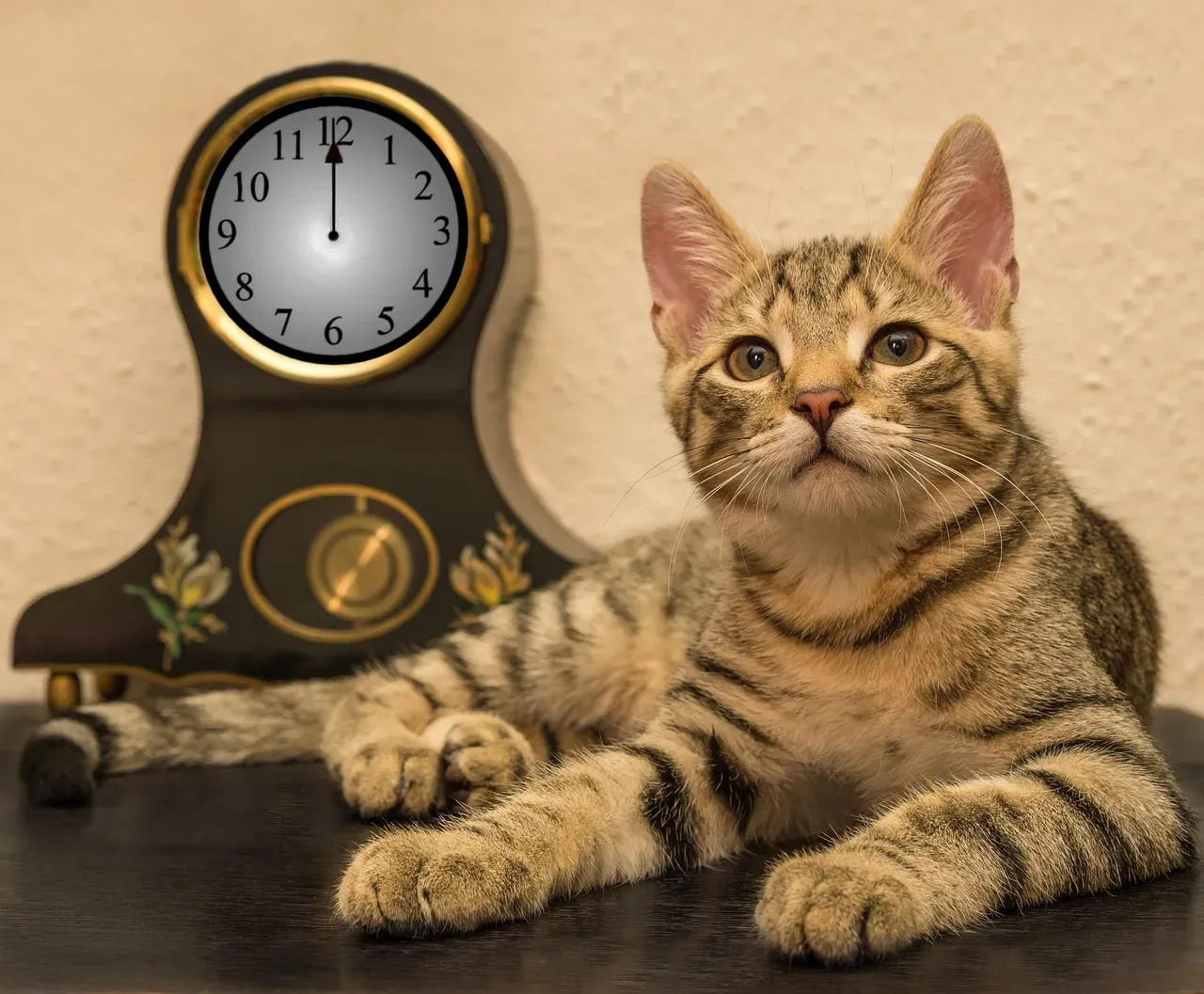
Cats don’t look at a watch, obviously. Yet somehow, your cat is often sitting by the door at a very predictable time each evening. One of the primary reasons cats seem to know when you’re coming and going is due to their internal clock, also known as their circadian rhythm. Cats are creatures of habit, and their bodies naturally operate on a roughly 24-hour cycle, governing their sleep-wake patterns, hunger cues, and activity levels. That biological timer is calibrated, precise, and deeply linked to your routine.
Many owners are familiar with the cyclical feeding schedule meows – your cat somehow knows that it is 5pm exactly, despite being illiterate. That’s not magic; that’s a finely tuned internal clock paired with environmental awareness. Cats can gauge the passage of time based on previous experiences when their owner was away. When the scent of the owner has diluted in the home due to absence, the pet can work out the time elapsed. Add that to habit and routine and cats can figure out when their human guardian is about to turn up – or leave.
They Recognize Your Voice and Emotional Tone
Your cat might act supremely indifferent to you half the time, but don’t be fooled – they are listening. Researchers studied 20 domestic cats to investigate whether they could recognize their owners by using voices that called out the subjects’ names, with a habituation-dishabituation method. While the owner was out of the cat’s sight, they played three different strangers’ voices serially, followed by the owner’s voice. The results were striking. Of the 20 cats, 15 demonstrated a lower response magnitude to the third voice than to the first voice. These habituated cats showed a significant rebound in response to the subsequent presentation of their owners’ voices.
More remarkably, cats appear sensitive to emotional tones in human speech. A 2019 study published in Scientific Reports demonstrated that cats behave differently when their owners spoke in an exaggerated, high-pitched “cat-directed speech” versus normal adult-directed speech. The cats showed stronger attention and response to the emotional, cat-directed speech, suggesting they not only recognize their owner’s voice but can also detect the emotional content carried within different speaking styles. So if your voice gets clipped and businesslike right before you leave, your cat has probably noticed that tone shift too.
How Routine Disruption Triggers Anxiety in Cats
Here’s something worth knowing if you work from home and recently returned to an office schedule. If a cat’s routine suddenly changes – for example, their owner starts leaving the house for long periods after having spent lots of time at home with them – they may experience separation-related frustration, similar to separation anxiety. The change itself isn’t just inconvenient; it’s deeply unsettling to an animal whose sense of security is rooted in predictability.
Experiencing a change in routine often prompts separation anxiety or causes it to get worse. This can include a change in ownership, moving to a new home, or changes in the caregiver’s schedule. A common scenario is a pet parent that has worked from home and then transitions to leaving the house for work each day. If your cat seems unusually clingy or unsettled lately, it may not be their personality – it may be your changed timetable throwing their whole world off balance.
What Cats Actually Do When You Walk Out the Door
The honest answer is – it depends. Not every cat collapses into grief the moment you leave, and that’s perfectly normal. It depends first and foremost on your cat’s personality. Some cats bemoan a disappeared owner, others delight in the rare glimmer of freedom. That’s a polite way of saying some cats throw a little internal party the second you’re gone, while others genuinely pine. Both are valid feline responses.
A cat’s sense of smell and hearing is significantly more acute than ours. They use these senses to build a detailed map of their environment. When you leave, the familiar scent of you fades, the sounds of your movements disappear, and the overall atmosphere of the home changes. These sensory changes accumulate over time, providing your cat with an understanding that you’ve been gone for an extended period. So even when your cat appears to be napping peacefully, they’re quietly tracking the slow fade of your presence from the room.
What You Can Do to Make Departures Easier
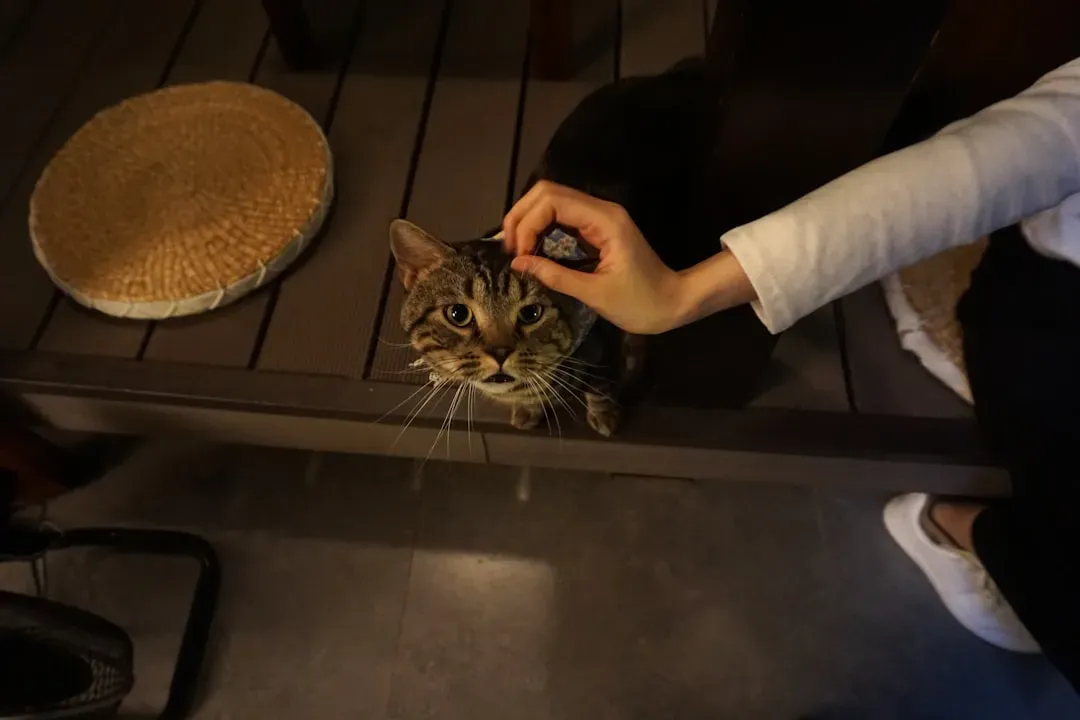
Now that you understand how sensitive your cat really is, it makes sense to put some thought into how you leave. Ironically, big emotional goodbyes can actually make things worse. It might make us feel better to shower our pet with hugs and kisses before we leave, but it can actually make them feel more stressed. Instead, making minimal fuss means your cat doesn’t feel too stressed about your leaving. Think of it as keeping your departure calm and unremarkable, like closing a book quietly rather than slamming it shut.
Rather than having an obvious leaving-the-house routine, switch things up so the signs are harder for your cat to identify. You can also try leaving behind a piece of worn clothing – leaving a T-shirt or something that you’ve worn and has your scent gives your cat something to remind them of you, something they can snuggle up to while you’re away. Small gestures like that can genuinely make a difference to a cat who finds your absence stressful. You might also consider pheromone diffusers, since pheromone diffusers or sprays for cats may help reduce separation anxiety in some cats, as these products release calming chemical signals that mimic natural feline scents, helping cats feel more secure in their environment.
Conclusion
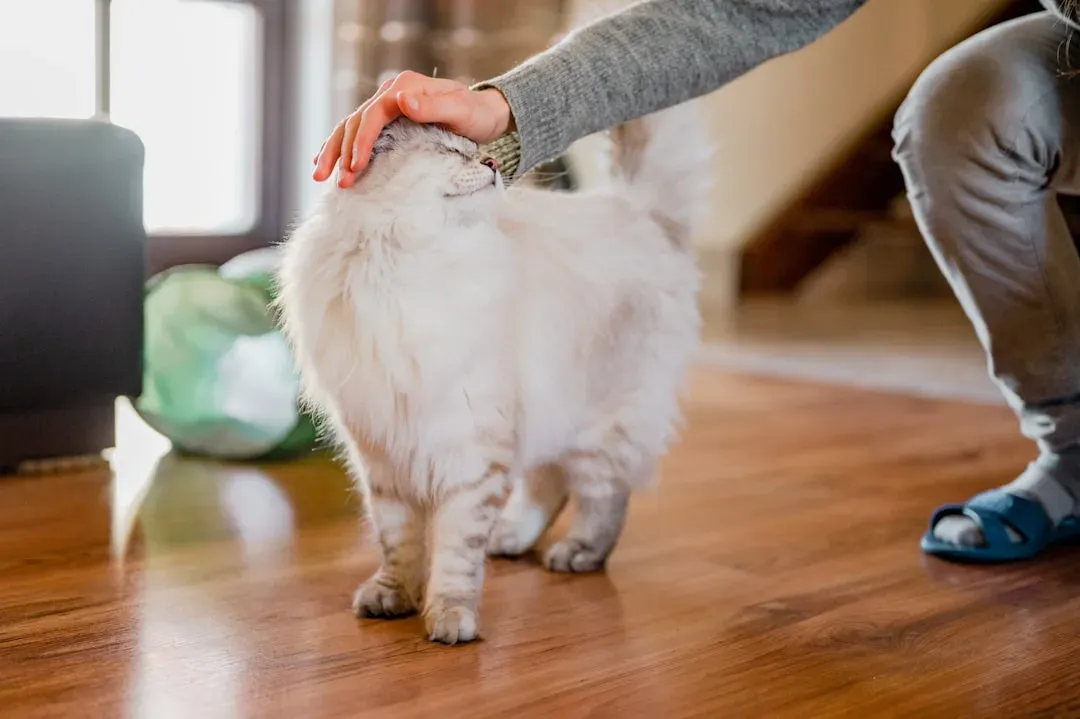
Your cat’s uncanny ability to know when you’re about to leave isn’t some mystical gift or quirky coincidence. It’s the result of extraordinary sensory capability – a nose that reads your chemistry, ears that decode your emotional tone, eyes that track every behavioral cue, and a brain that has quietly filed away months or years of your daily patterns. They are, in the most literal sense, deeply attentive to you.
In some ways, your cat may understand your daily rhythms better than you do yourself. That’s both humbling and oddly touching. So next time you catch your cat watching you from across the room as you put on your coat, take a moment to appreciate what’s actually happening. That’s not indifference. That’s devotion in disguise.
What do you think – does your cat always seem to know exactly when you’re leaving? Tell us in the comments!