Have you ever watched your cat stare blankly at a wall for twenty straight minutes and wondered, just for a second, what on earth is going on in that fuzzy little head? Or maybe you’ve noticed that your cat always starts meowing for dinner at precisely 5:47 PM, never a minute off, with no watch, no phone, and certainly no calendar. Honestly, it’s kind of eerie. Cats seem to exist in a completely different relationship with time than we do, and the more you dig into the science, the stranger and more fascinating it gets.
The truth is, feline time perception is one of those quietly profound mysteries that sits right at the intersection of biology, behavior, and animal cognition. You’d think we’d have all the answers by now, but researchers are still piecing this puzzle together. So let’s dive in and explore just how differently your cat is experiencing the ticking clock you so heavily rely on.
Your Cat Doesn’t Read a Clock, but That Doesn’t Mean They’re Clueless
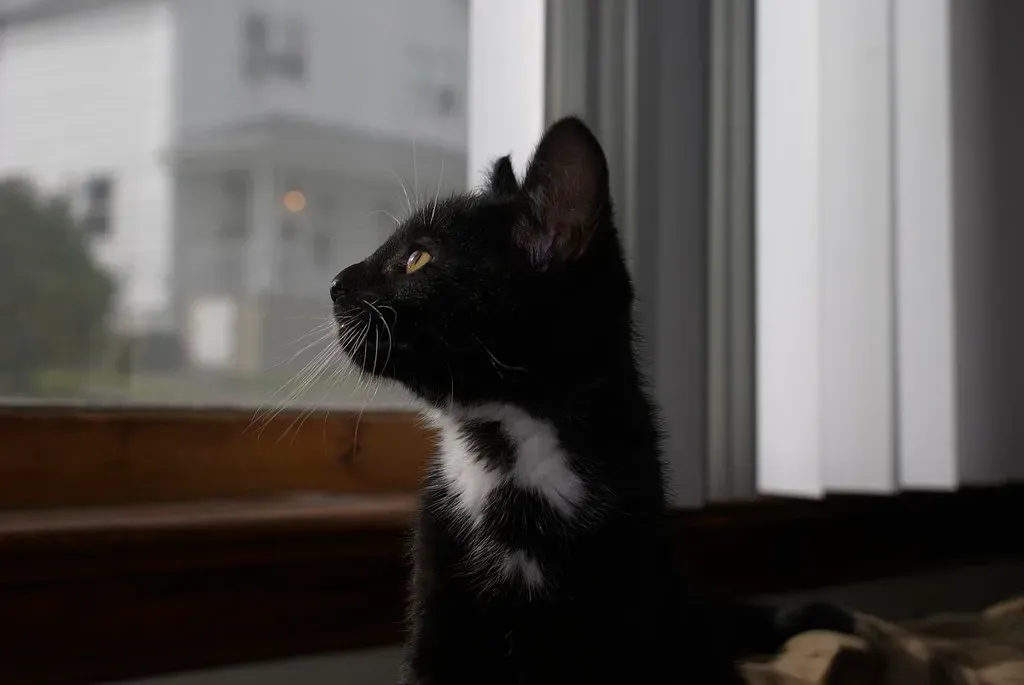
Let’s be real, the first instinct is to assume that because cats can’t read a clock, they have no idea what time it is. That’s actually far from the truth. Cats can’t read clocks, but they do have a sense of the general time of day, relying on an internal clock that tells them when it’s time to sleep and wake, as well as on changes in daylight and outdoor sounds.
Think of it like this: you probably know when you’re getting close to lunchtime based on the hunger in your stomach, not necessarily because you’ve checked your phone. Cats operate on something similar, only far more finely tuned. Instead of reading a clock, your cat relies on several senses, including visual cues, the routines of their owners, internal sensors, and even environmental factors like sunlight and darkness. It’s a completely different system, but it works remarkably well.
The Internal Biological Clock Running the Show
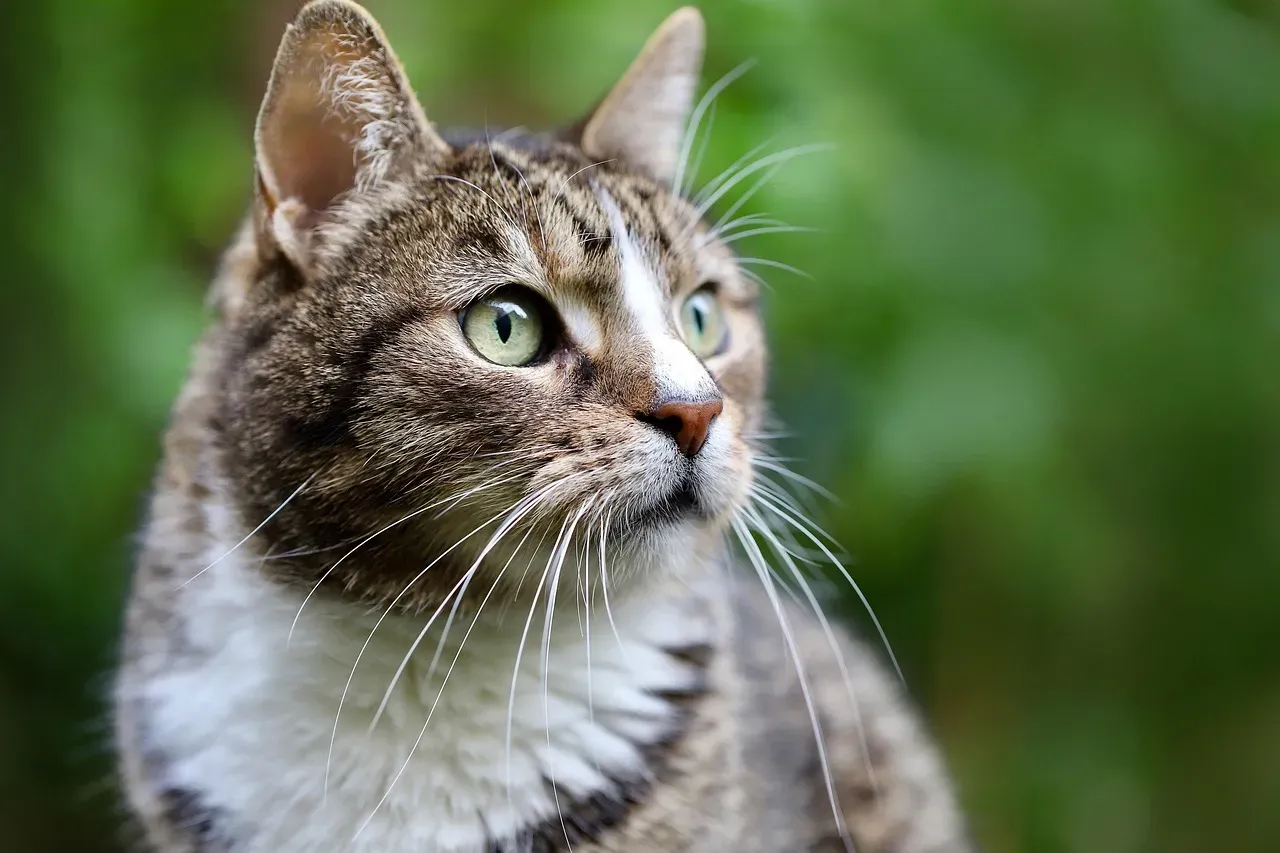
Here’s the thing that surprises most people. Cats have their own version of the circadian rhythm, and it runs on a roughly 24-hour cycle just like ours does. Another way cats keep track of time is through their internal clock, or circadian rhythm, which is always ticking inside their little, furry body, prompting them to get up around dusk and go to sleep often around dawn.
What’s fascinating is how this rhythm adapts. An indoor pet cat may easily adjust their timing to wake up and wind down at different hours, much like how we can adjust to night shifts if necessary, though the circadian rhythm does not tell time exactly but rather helps your cat sense the passage of time so they can live optimally. It’s less like a wristwatch and more like a deeply embedded biological compass. Rather elegant, when you think about it.
Cats Are Crepuscular, Not Nocturnal, and It Changes Everything
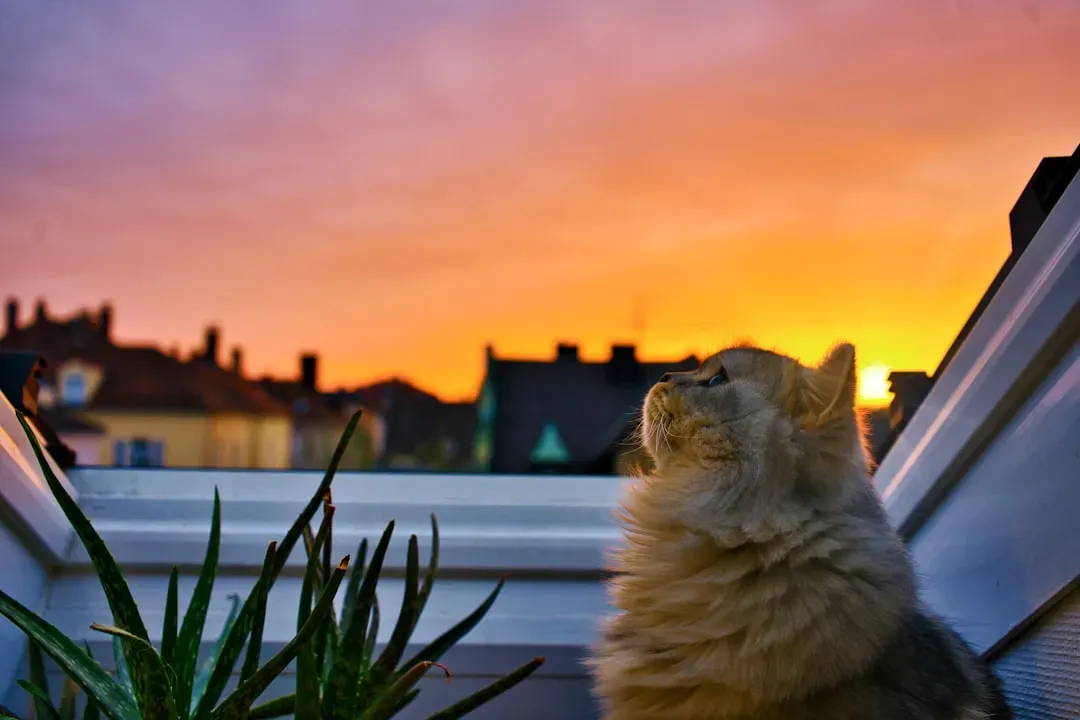
A lot of people assume their cats are nocturnal because of the infamous “3 AM zoomies.” Actually, that’s a misconception worth clearing up. Cats operate on crepuscular patterns, meaning they are most active at dawn and dusk, and understanding this is key to aligning care routines, play sessions, and feeding times to support their well-being.
This crepuscular nature is directly tied to their evolutionary history as hunters. Dawn and dusk were the optimal windows for catching prey, because light conditions at those hours favor a predator with their particular visual setup. Unlike human schedules governed by clocks and calendars, cat time is rooted in a feline’s innate tendencies to hunt, sleep, groom, and interact based on evolutionary instincts, which explains behaviors like early-morning wake-ups, bursts of nighttime activity, or sudden shifts in mood that seem unpredictable to humans but are consistent with a cat’s internal schedule. So no, your cat isn’t being dramatic at 4 AM. They’re just… on schedule.
Your Scent Is Basically Your Cat’s Clock
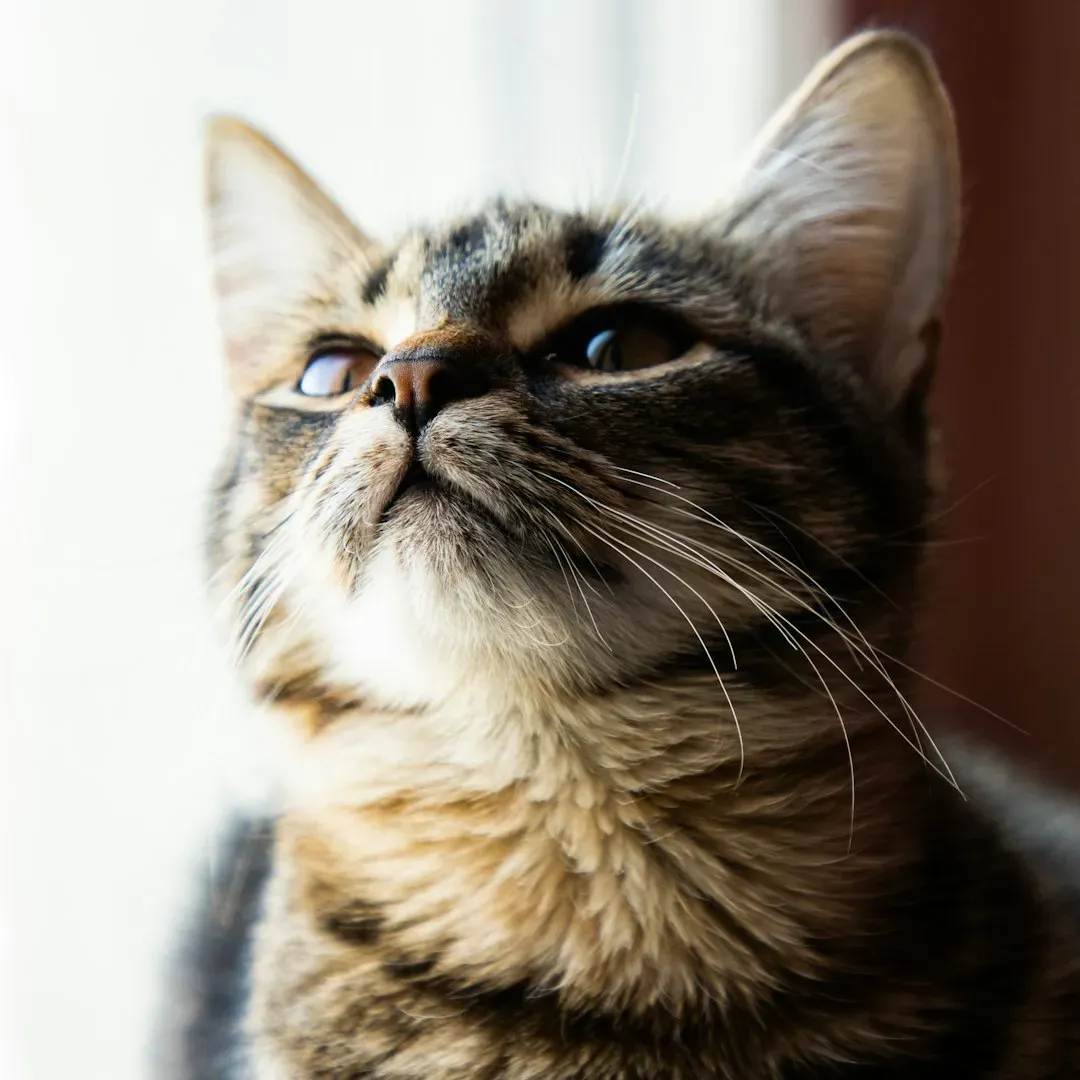
This one genuinely blew my mind when I first came across it. Cats don’t just track time visually or through hunger. They use smell. Cats are able to smell the passage of time, and your cat may be able to tell how long you’ve been away by noticing how weak your scent progressively gets while you’re gone, though they wouldn’t be able to quantify this in hours or minutes.
Imagine if your watch was replaced by the fading perfume of someone you love. As it grew fainter, you’d know more time had passed. That’s essentially how your cat tracks your absence. It’s possible that cats’ reactions to their owners’ absence are partly driven by the fading scent, causing them to become more anxious or restless as it dissipates, and upon the owner’s return, their scent is refreshed, providing reassurance and triggering a positive response. A poetic and entirely biological alarm system.
Cats Live in the Present Moment Far More Than You Do
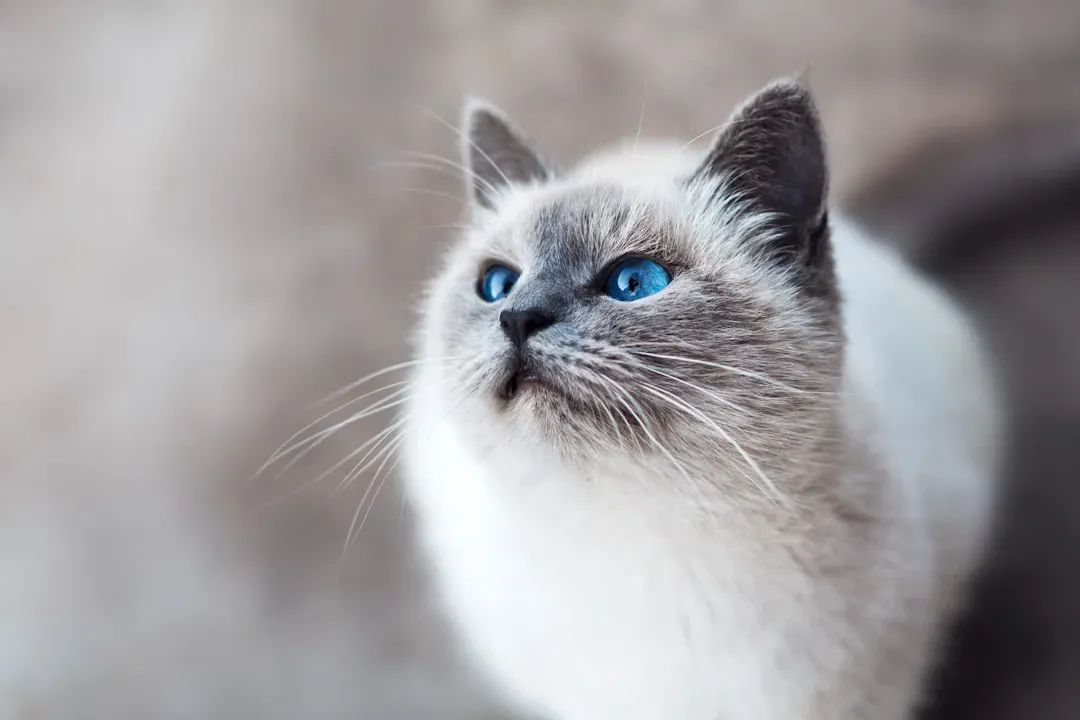
Humans are famous for dwelling on the past and fretting about the future. Your cat? Not so much. Cats may primarily live in the present moment, unlike humans who often dwell on the past or worry about the future, and this “present-moment” orientation could influence their perception of time, as a cat may not be able to conceptualize the abstract notion of time passing, but it can certainly perceive changes in its environment.
Researchers suggest this is deeply rooted in their solitary ancestry. Unlike pack animals, cats evolved to survive alone, relying on quick reactions rather than coordinated timing, and their perception of time could be more fragmented, a series of “nows” rather than a flowing narrative shared with others. It sounds almost meditative, honestly. Your cat might just be the best mindfulness practitioner in your household.
How Cats Visually Process Time Compared to Humans
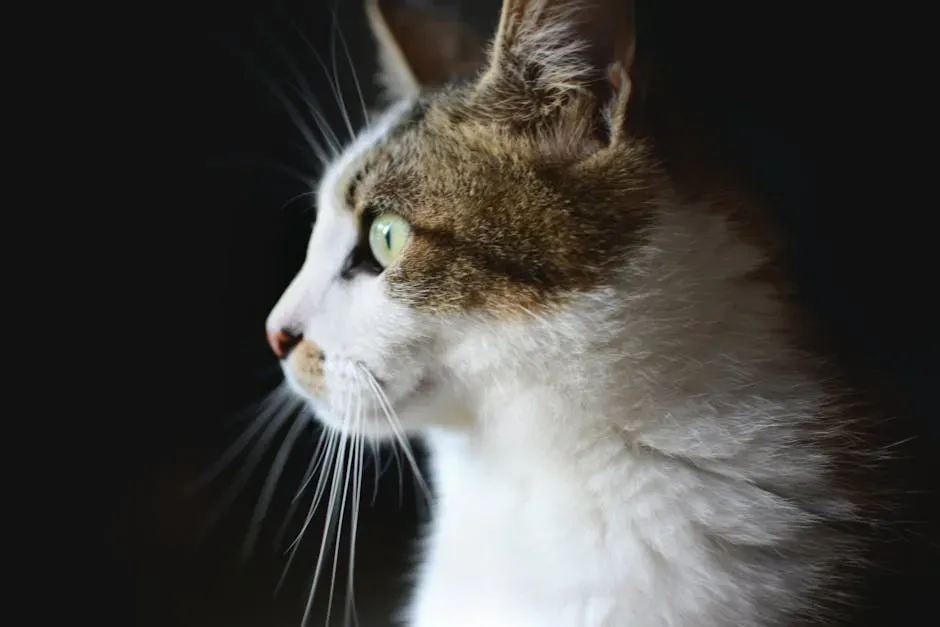
This is where things get genuinely surprising from a neurological standpoint. The speed at which a brain processes visual information directly affects how time feels. Time perception depends on how quickly the brain can process incoming information. Animals that process faster effectively experience the world as moving more slowly around them.
According to the results of an Animal Behaviour study, dogs perceive time roughly thirty percent slower than humans do, while cats perceive time just a tad faster than humans, based on critical flicker fusion response speeds. What this means practically is that your cat’s world is visually slightly more fast-paced than yours. Their finer temporal processing allows them to perceive sufficient differentiation even in short objective periods of time, meaning what looks like a single rapid impulse from the outside may consist of several clearly distinguishable phases internally. No wonder they can catch a fly mid-air while you barely see it move.
Routine Is Your Cat’s Most Reliable Time-Keeping Tool
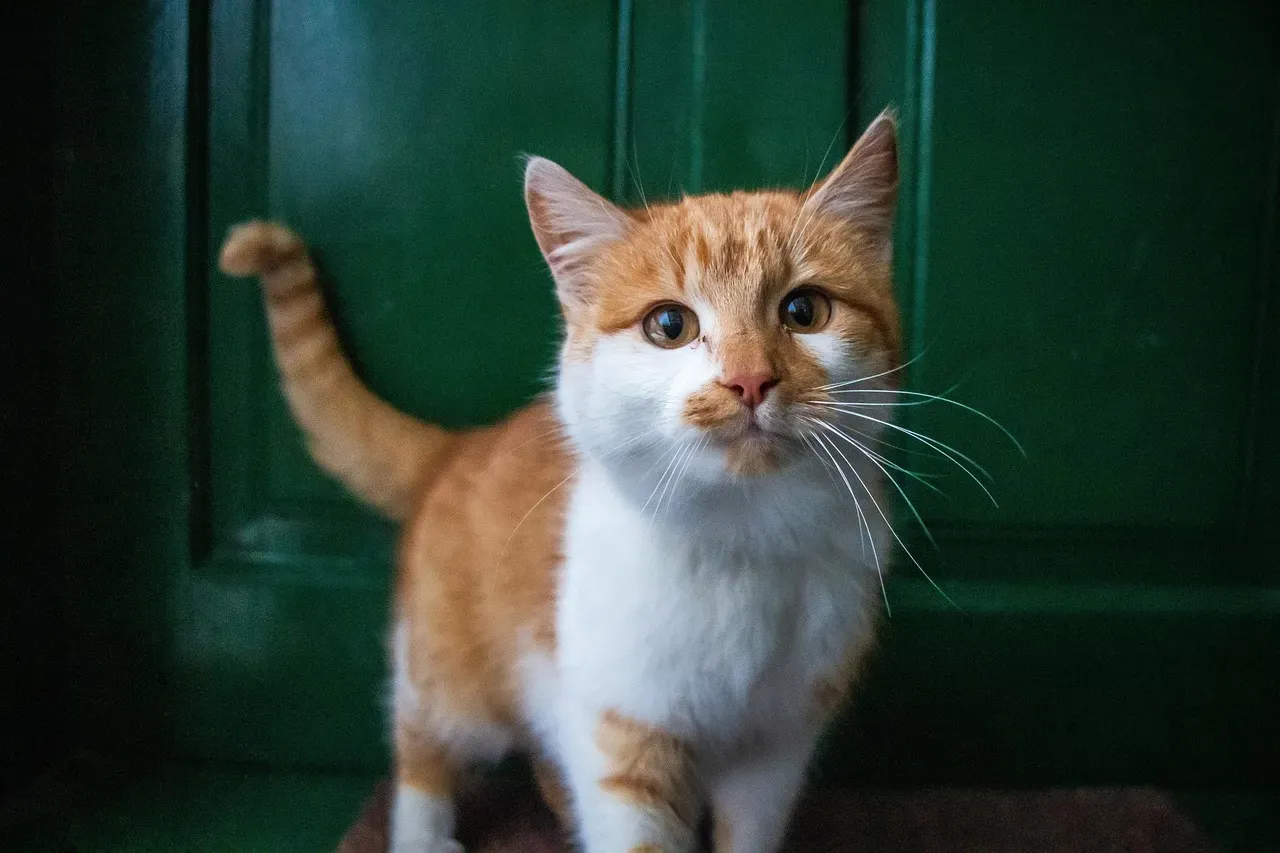
You might have noticed that your cat seems to know your schedule better than you do. That’s not an accident. Cats are creatures of habit and routine, learning to associate certain external or environmental cues with the time of day they occur, so when something disrupts that rhythm, they know you’re late.
This goes deeper than just dinner time. Cats are incredibly perceptive animals and often pick up on subtle cues that indicate an impending departure, learning to associate specific actions such as packing a bag, grabbing keys, or putting on shoes with their owner leaving. If you’ve ever had your cat start acting weird right before a trip, this is why. They’re reading you like a very predictable book, and your routine is their most reliable clock.
Do Cats Actually Remember the Past? The Episodic Memory Question
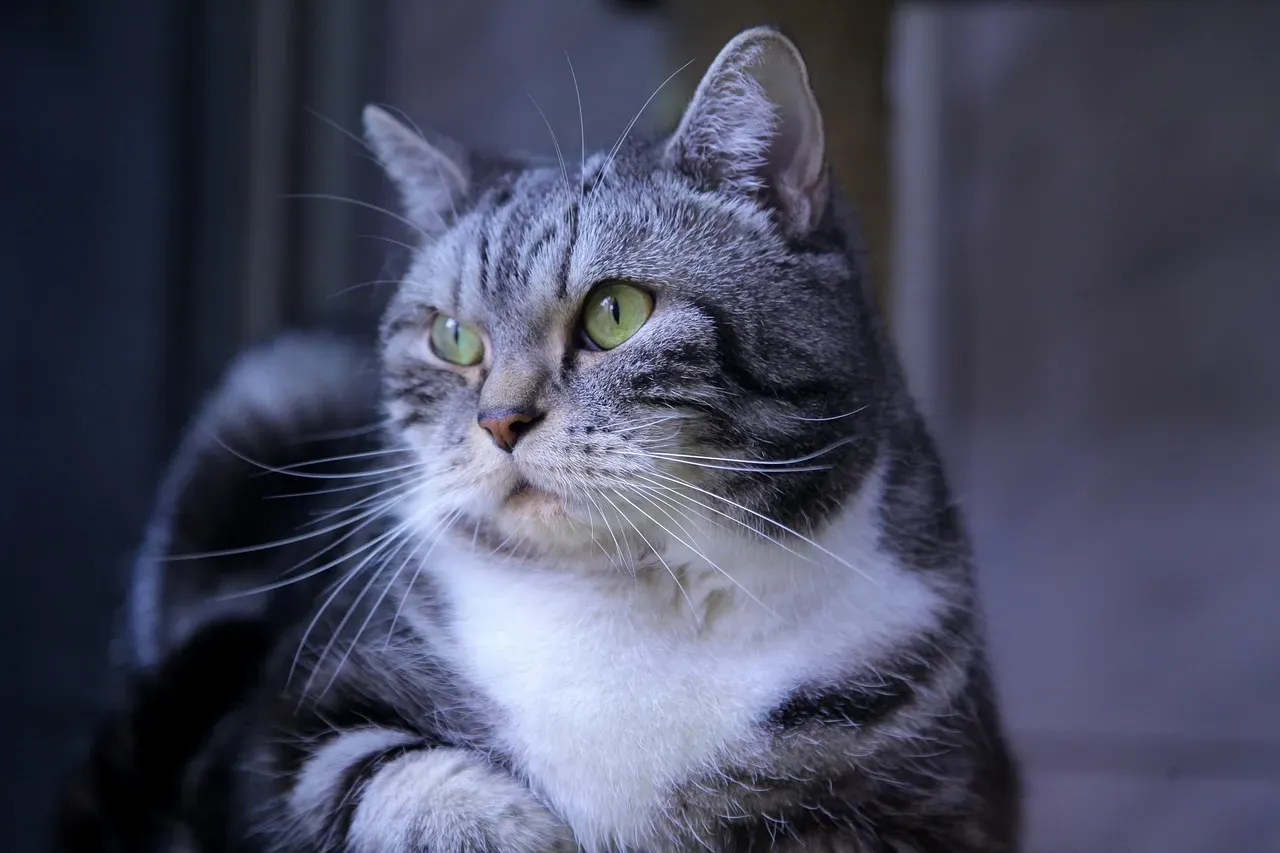
Here’s a question that science has only recently started tackling. Do cats remember specific past events the way humans do? The answer is complicated but genuinely fascinating. Human beings have what is known as episodic memory, the ability to connect autobiographical information with contextual details, and researchers wanted to know if cats have a similar ability to recall what happened and when.
In a study working with 49 cats, researchers found compelling evidence. A study from 2017 suggests that cats can form memories attached to specific moments in time, called “episodic memory,” and this ability is another indicator that cats have a sense of the passage of time and can distinguish between something that happened in the past and the present. However, it’s worth noting that this type of memory is likely different from human episodic memory, and cats may not “re-live” the experience in the same conscious way humans do. Their memories may feel more like instinctive knowledge than a movie playing in their mind.
What Happens When You Disrupt a Cat’s Sense of Time?
If you’ve ever traveled across time zones with your cat, you already know the answer to this. Cats don’t handle temporal disruption particularly gracefully. When a cat changes time zones, much like humans, their circadian rhythm can become disrupted and they can experience the effects of jet lag, though just like humans, they can eventually adapt to different time zones over a period of several days to a few weeks.
Disrupting their routine has real emotional consequences too. Separation anxiety is a recognized condition in cats, characterized by excessive vocalization, destructive behavior, inappropriate elimination, and excessive grooming when left alone. Sticking to consistent patterns is not just convenient for you. Cats thrive on routine and predictability, and a consistent daily schedule can help reduce stress and anxiety, making them feel more secure in their environment. Think of routine as a gift you give your cat every single day.
Conclusion: Time Is a Very Different Animal for Your Cat
When you zoom out and look at the full picture, it’s clear that your cat isn’t experiencing time the way you are. You’re anchored to calendars, deadlines, and minutes on a clock. Your cat is anchored to light, scent, hunger, and habit. Neither system is inferior, they’re just radically different evolutionary solutions to the same fundamental challenge of navigating a world that keeps moving forward.
Cats probably have some sense of time, but whether that’s the same as humans is up to scientific debate. What we can say with confidence is that your cat is not as oblivious to time as they might appear during one of their legendary napping sessions. They’re tracking the world in ways that are subtle, sensory, and surprisingly sophisticated.
So the next time your cat wakes you up at the exact same minute every morning, don’t be annoyed. Be a little impressed. They’ve built an entire timekeeping system out of sunlight, scent, and sheer biological brilliance. What would you have guessed was behind those sleepy, knowing eyes?