There is something both humbling and quietly mind-blowing about realising that the creature curled up on your couch exists in a completely different sensory universe than you do. Your cat is not just a smaller, fluffier version of yourself. It is a finely tuned sensory machine shaped by millions of years of evolution, built for hunting, stalking, and surviving in a world that you can barely imagine.
Every time your cat freezes, stares at what seems to be absolutely nothing, or suddenly bolts across the room at two in the morning, there is real science behind it. You are just not equipped to perceive what they are perceiving. So let’s pull back the curtain and explore exactly what the world looks and feels and smells like through feline senses. You might be genuinely surprised by what you find.
A Vision Built for Twilight, Not Daylight
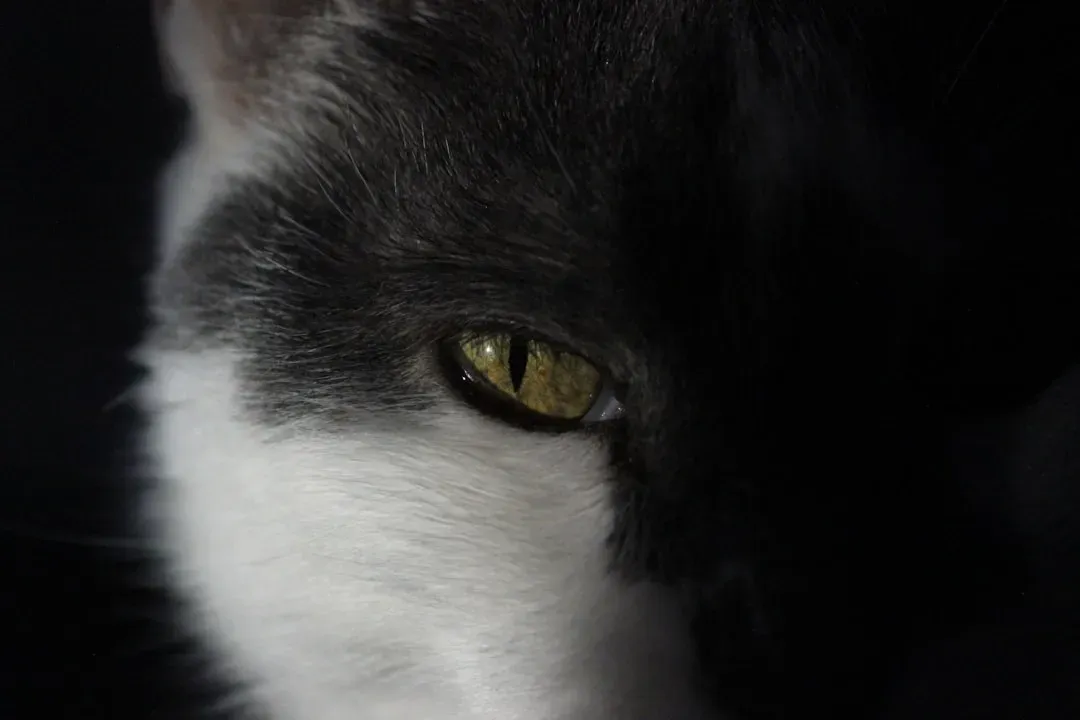
Here’s something that might catch you off guard: your cat’s eyes are not designed for your world at all. Feline vision represents millions of years of evolutionary refinement built for crepuscular activity. While cats require minimal light to function, complete darkness still limits their abilities, and their visual systems truly excel during dawn and dusk periods when prey animals remain most active. Think of it like a camera permanently set for low-light mode.
A cat’s eyes contain more rod cells than cone cells. Rods help detect motion and light, while cones help with color. So while you see rich color in bright daylight, cats excel in dim environments. What they trade away in color brilliance, they more than make up for in the dark. It is a trade-off evolution decided was well worth making for a predator that hunts at dusk.
The Secret Behind That Eerie Eye Glow
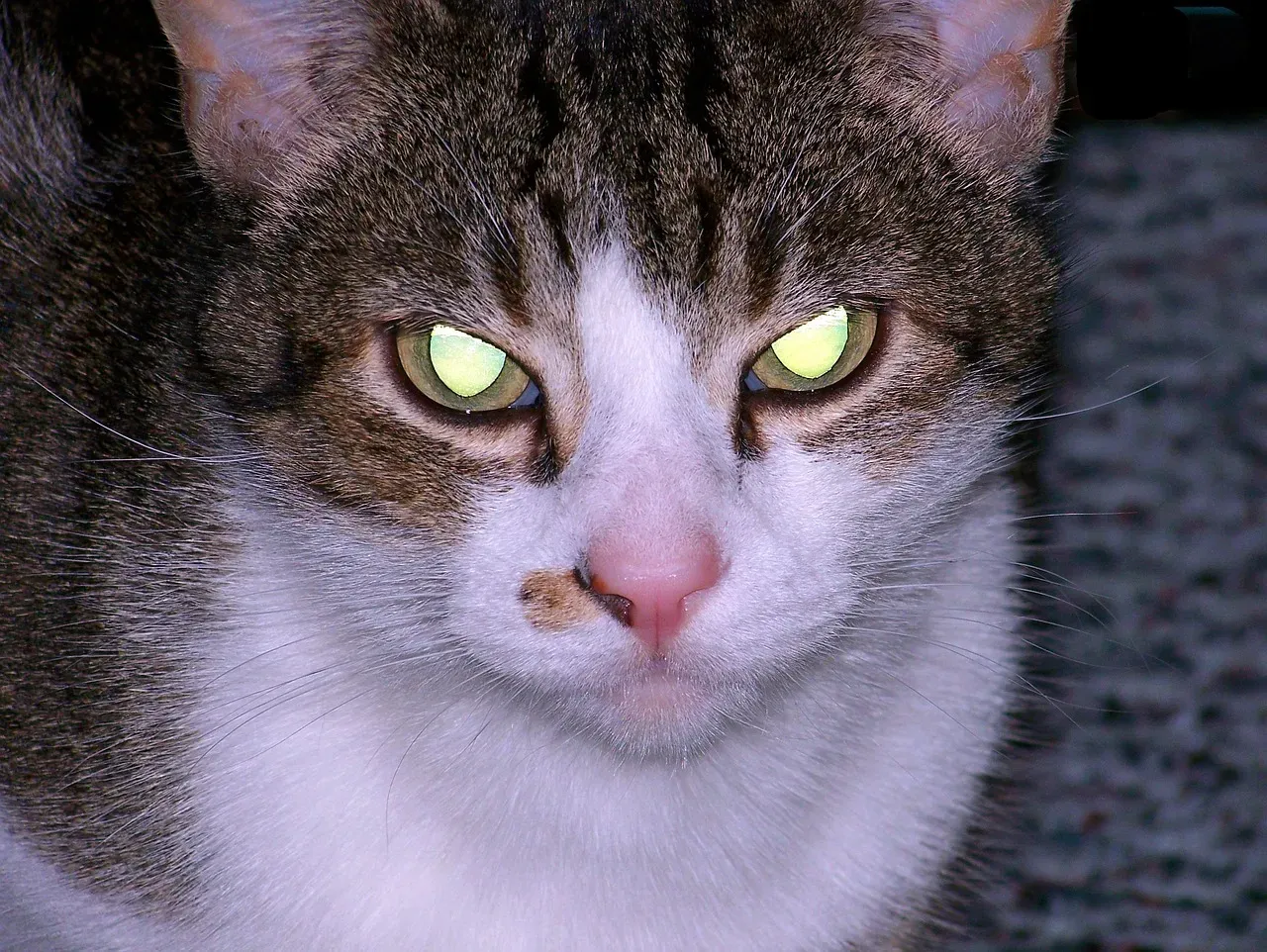
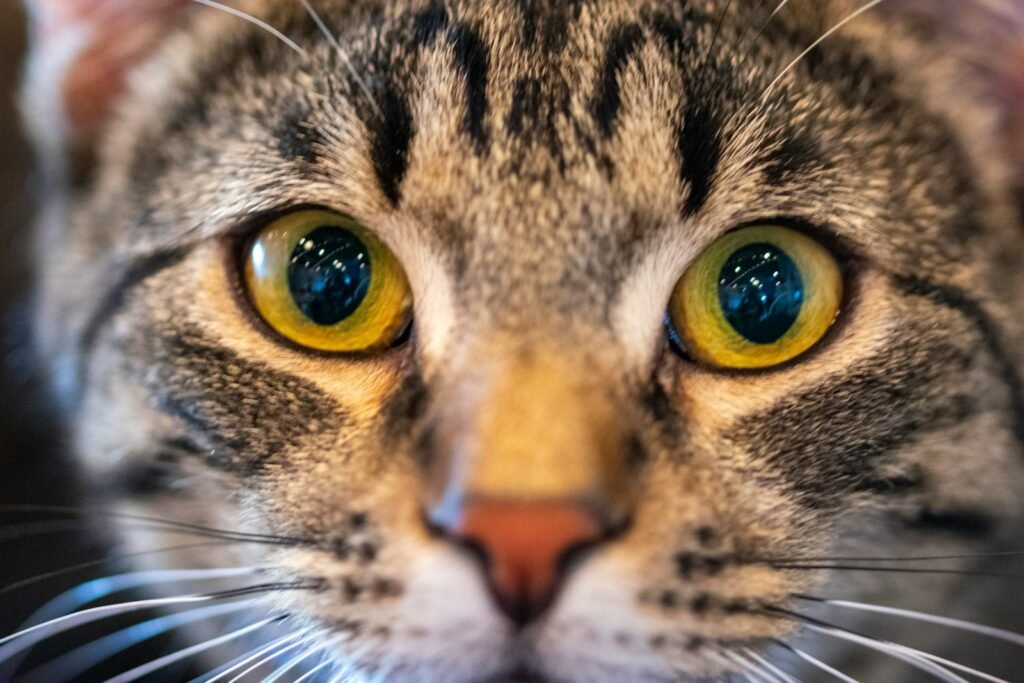
You have probably noticed it in photographs: those strange, glowing eyes staring back at you from the dark. That is not creepy. It is actually a stunning piece of biological engineering. One of the most fascinating features of a cat’s eyes is the tapetum lucidum, a reflective layer behind the retina. This structure acts like a mirror, bouncing light back through the retina and giving the photoreceptor cells a second chance to detect it, which is what causes the eerie glow in a cat’s eyes when light shines on them at night. The tapetum lucidum enhances their ability to see in dim conditions, allowing them to hunt and move efficiently even when lighting is minimal.
Cats require only about one-sixth of the amount of light that humans need to see. This means that in low-light environments, such as during twilight or under moonlight, cats can navigate with ease. Honestly, it is the kind of biological superpower that makes you quietly jealous. Imagine being able to glide through a pitch-dark hallway without bumping into a single thing.
Color Vision: Not Black and White, But Not Exactly Vivid Either
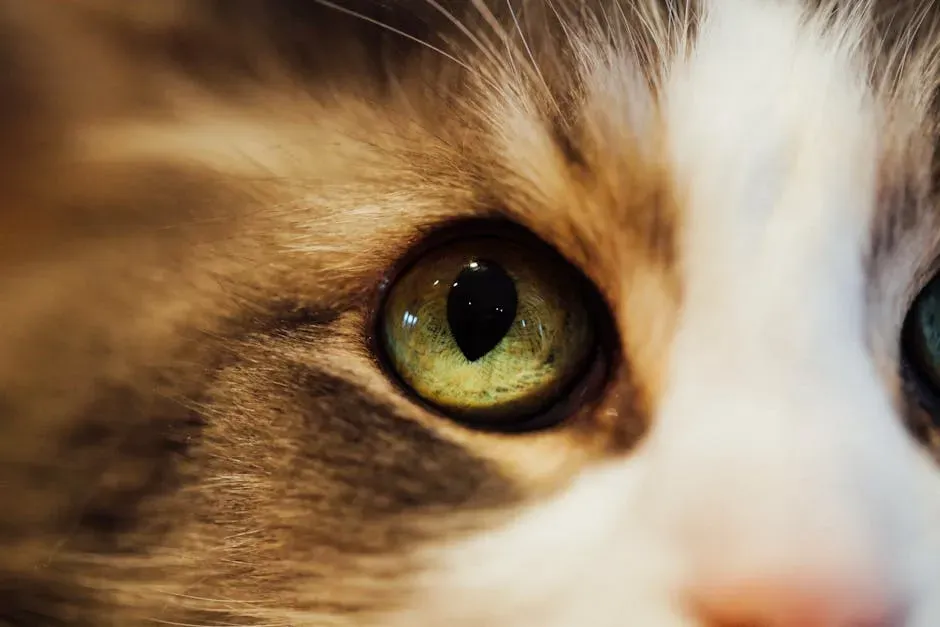
A lot of people assume cats see the world in black and white. That is simply not true. While cats cannot appreciate all the colors that humans do, their world is not entirely black and white. In fact, cats live in a colorful world. It is just a considerably more muted one than the version you experience every day.
Cats have fewer cones than most humans. Because of this, they see fewer colors than we can. They also have two types of cones, enabling dichromatic color vision, which allows them to identify yellows and blues. In contrast, most humans have three cones, facilitating trichromatic color vision, which recognises red, blue, and green color combinations. Cats have a difficult time distinguishing red and green from each other, making them red-green color blind. So yes, that bright red toy you bought your cat? It probably looks like a dull, brownish blob to them.
Superior Hearing That Puts Your Ears to Shame
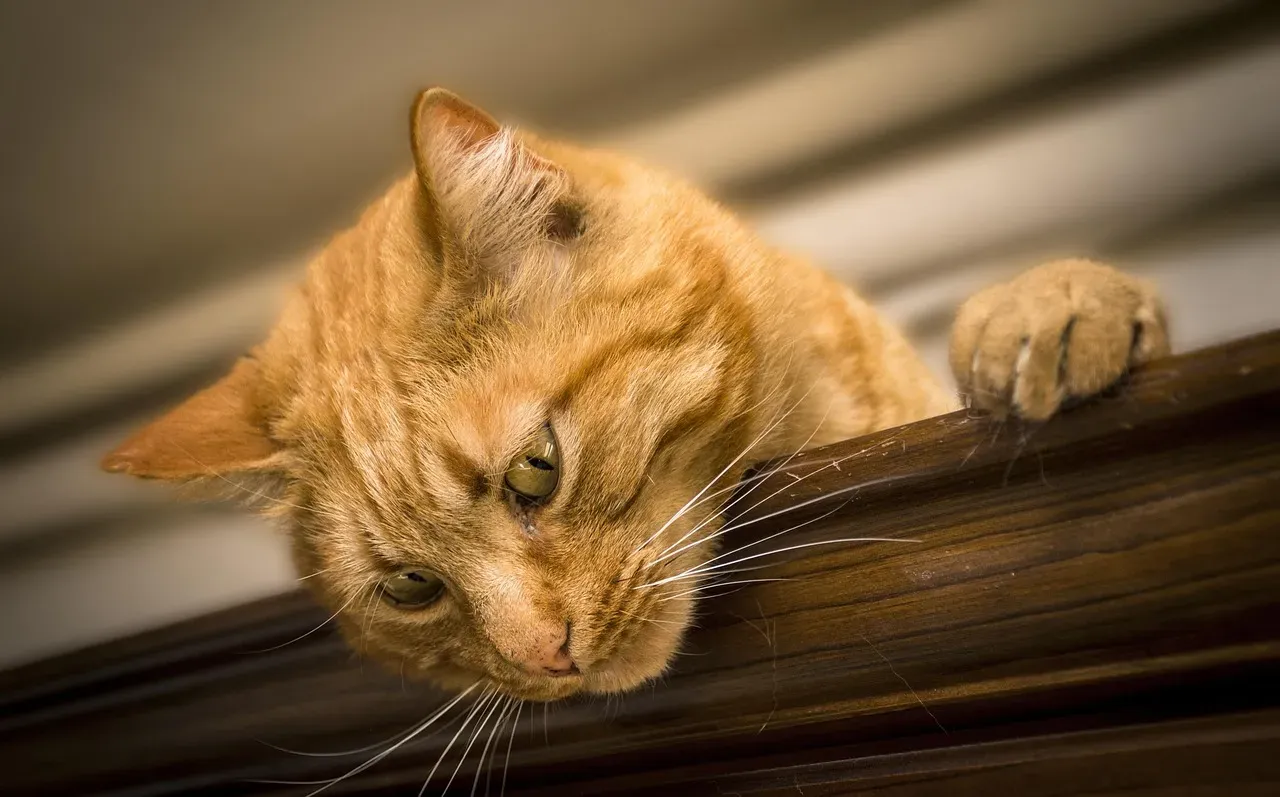
If you have ever been startled by how quickly your cat snaps its head in the direction of a sound you barely noticed, now you know why. Humans and cats have a similar range of hearing on the low end of the scale, but cats can hear much higher-pitched sounds, up to 64 kHz, which is 1.6 octaves above the range of a human, and 1 octave above the range of a dog. That is an extraordinary auditory advantage that makes your ears feel almost decorative by comparison.
Your cat’s large, triangle-shaped ears serve as sophisticated sound-detection instruments, capable of hearing frequencies far beyond human capabilities. These remarkable organs can detect sounds up to 64,000 Hz, while human hearing typically stops at around 20,000 Hz. This enhanced hearing ability even surpasses that of dogs, making cats among the most acoustically gifted creatures in our homes. On top of that, when listening for something, a cat’s ears can independently point backwards as well as forwards and sideways to pinpoint the source of the sound, and cats can judge within eight centimetres the location of a sound being made one metre away. That kind of precision would make a military sonar operator envious.
A Nose That Knows Far More Than Yours Ever Could
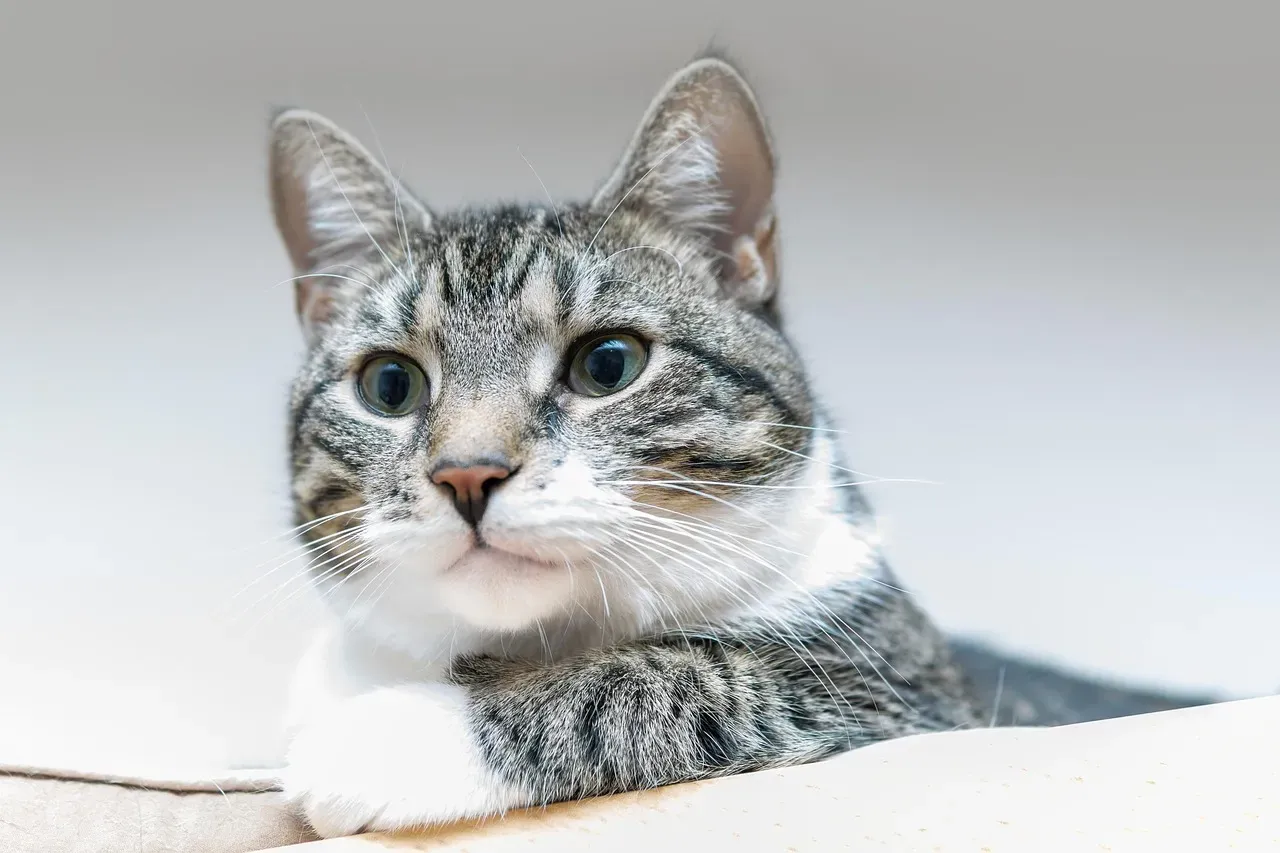
Let’s be real: compared to a cat’s nose, your sense of smell is practically useless. Experts believe that a cat’s sense of smell is about 14 times better than ours. A domestic cat’s olfactory epithelium, the specialised tissue in the nose containing the receptors that detect odours, is five to ten times larger than a human’s. As a result, cats have up to 200 million specialised cells that detect smells, compared with our mere five million. Put it this way: if your sense of smell were a single lightbulb, theirs would be a stadium floodlight.
Cats rely heavily on their sense of smell to understand their environment. This sense allows them to mark their territory, identify other animals, and even recognise familiar people and places. Cats use their sophisticated sense of smell to mark territory, recognise family and friends, and navigate their environment. In other words, your cat already knows whether you visited someone else’s pet the moment you walk through the door. There is no hiding that from them.
The Jacobson’s Organ: A Second Nose Hidden in Plain Sight
Here is where things get genuinely fascinating. Cats do not just have one olfactory system. They effectively have two. Our feline friends have another tool at their disposal: the Jacobson’s organ. Tucked above the mouth, receptor cells in the Jacobson’s organ connect to the part of the brain associated with sexual, feeding, and social behaviours. Think of it as a specialised secondary processor running alongside the main system.
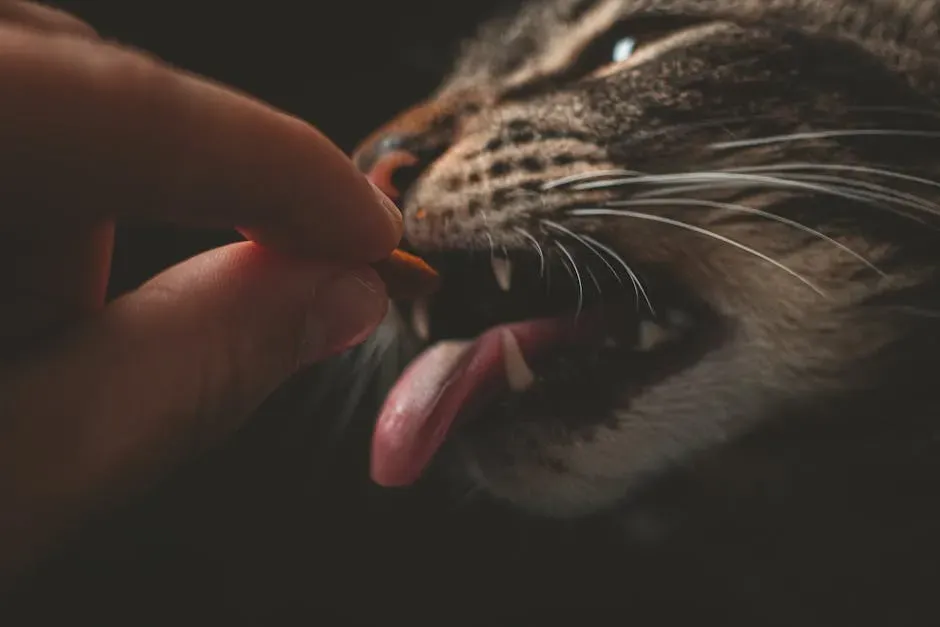
If cats smell something interesting, they will partially open their mouths and curl their upper lips, an expression called the Flehmen response. This shunts air molecules to the Jacobson’s organ, where the inhaled air is trapped on the olfactory epithelium, giving them an extra chance to detect scent molecules. You have probably seen your cat do this and wondered if they were having some sort of strange facial episode. Not at all. They were simply running a deep chemical analysis of their surroundings in a way you cannot even begin to replicate.
Whiskers: A Sensory System So Impressive, Engineers Are Trying to Copy It
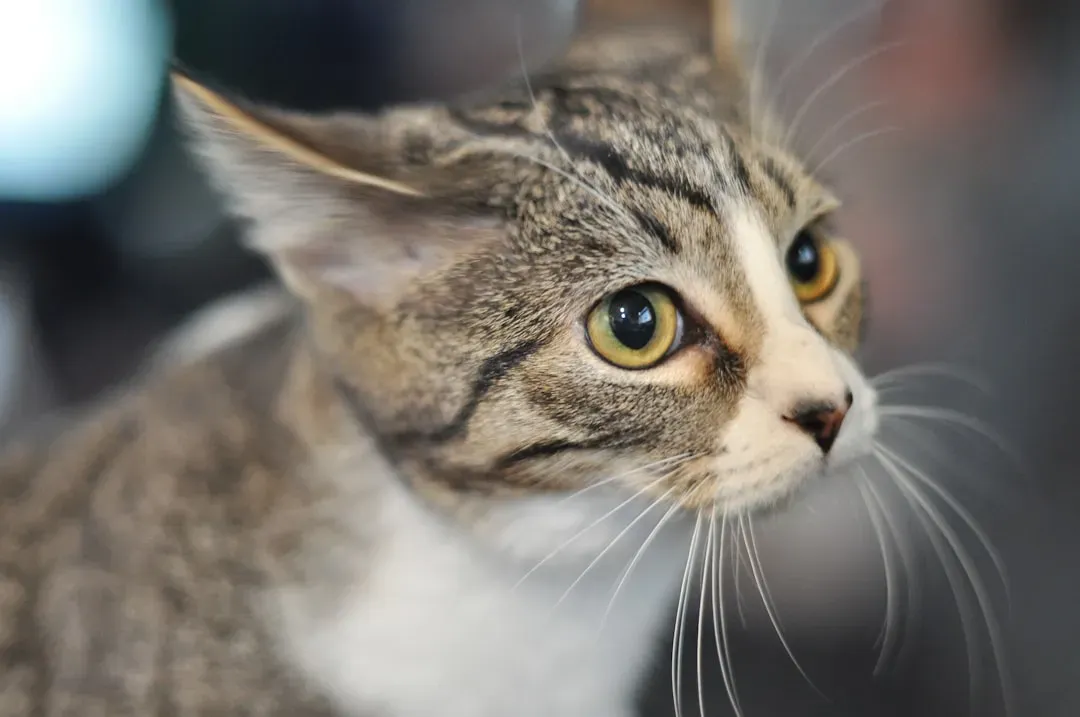
I think whiskers are one of the most underappreciated pieces of biology on the planet. Most people see them as cute facial accessories. In reality, they are a highly sophisticated sensory network. Vibrissae are special hairs that grow in very specific areas, primarily around a cat’s upper lip, above the eyes, on the chin, and even on the back of the legs. Unlike ordinary fur, vibrissae are highly sensitive tactile sensors anchored three times deeper into the skin than ordinary fur. They are surrounded by hair follicles loaded with touch-sensitive nerves and tiny blood-filled capsules called sinus complexes. When the whisker moves, even slightly, it sends a signal through this nerve-dense hub to the brain, specifically to regions responsible for tactile perception and spatial awareness.
A cat’s whiskers tell them whether they can fit into a space or not. Their muzzle whiskers are as long as they are wide, so whether the whiskers bend when a cat puts its head into a space tells it whether the rest of its body will fit. Your cat’s whiskers can sense vibrations in the air, making them incredibly useful when measuring distances or chasing prey. Additionally, they can detect changes in air currents, enabling them to sense approaching dangers, making them sort of like their very own built-in radar. It is so impressive, in fact, that researchers have begun building robots modelled after feline whisker systems to help machines navigate and identify objects in dark environments.
The Taste Sense: Surprisingly Limited for Such a Picky Eater
Here is a delicious irony. Your cat, who can detect an open tin of food from three rooms away and turns up their nose at anything slightly past room temperature, actually has one of the weakest senses of taste among common pets. Compared to humans, the cat’s sense of taste is weak. We have 9,000 taste buds, while they have only 473. They make up for this deficiency with a superior sense of smell. It is a bit like having an incredible nose for wine while barely being able to taste the glass.
Cats only have about 480 taste buds which distinguish everything but sweet. There are two genes that work together to identify sweetness, and cats lack one of these genes altogether, with the other not being well-developed. This makes sense, as cats are true carnivores and do not need to eat any plant-based sugars. Cats do have taste buds for things we don’t, including water and the energy compound adenosine triphosphate, or ATP. ATP supplies energy in living cells, and it is thought that a cat’s ability to taste it signals the presence of meat to them, which is important since cats are obligate carnivores and must eat meat to survive. That is extraordinarily specific evolutionary fine-tuning.
How Cats Perceive Space, Balance, and Their Own Body
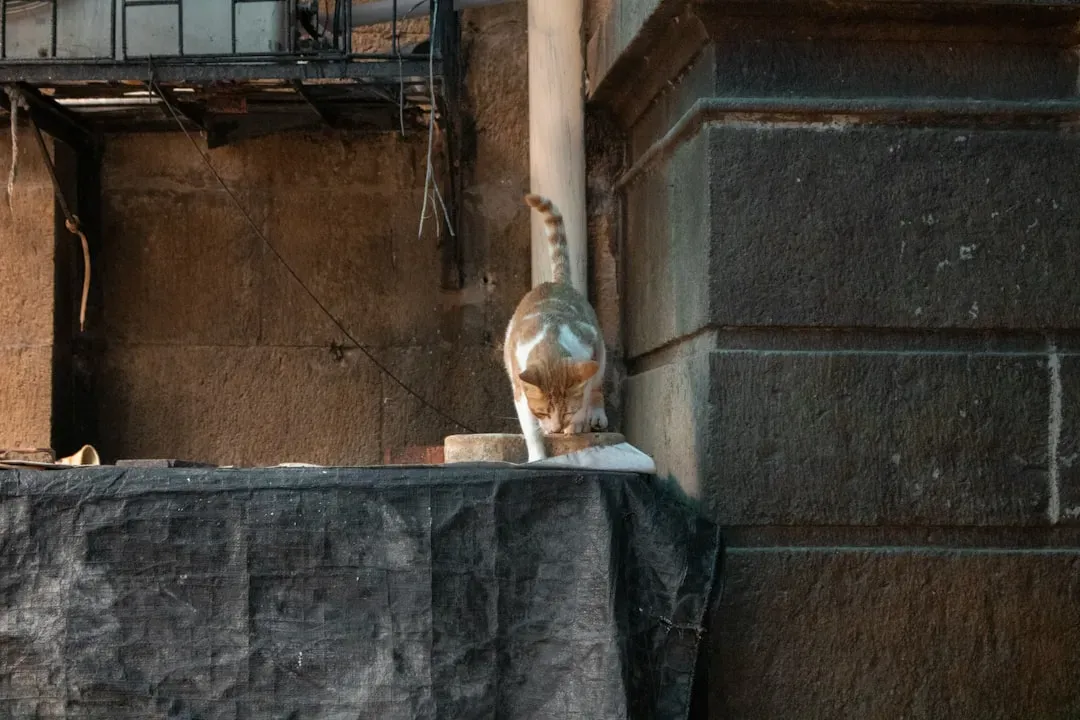
Your cat’s sense of spatial awareness is something that borders on the athletic. Deep within the inner ear lies a crucial component of feline sensory perception: the semicircular canals. These fluid-filled structures contribute significantly to cats’ legendary balance and agility. This intricate system allows cats to maintain precise awareness of their body position at all times, enabling their remarkable ability to right themselves when falling. That famous “righting reflex” that lets a cat almost always land on its feet? It is rooted right here.
As predators, cats have binocular vision, with eyes that are large for the size of their face. This allows for exceptional detection of movement and ambush accuracy. Despite their binocular vision, cats have difficulty seeing objects in very close-up range. To compensate for this, they depend on their sense of touch. Cats have a wider field of view than humans, approximately 200 degrees compared to 180 degrees, allowing them to see more of their surroundings, and they possess excellent depth perception thanks to the positioning of their eyes, which allows for binocular vision. It is a whole-body sensory system, not just five separate channels of information.
How Cats Experience Sound Emotionally and How It Affects Their Daily Lives

It is easy to forget that your cat’s powerful hearing does not just make them a better hunter. It also shapes their daily emotional experience in ways that might genuinely surprise you. Cats’ sensitive hearing means they experience our modern world in ways we might never imagine. Common household items, like LCD computer screens or electronic devices, can emit high-pitched frequencies that may prove stressful to our feline companions. What humans perceive as mere background noise might actually register as significant sound to a cat’s sensitive ears.
In 2015, a research team from two American universities tested tunes incorporating feline-centric sounds that included purring and a pulse reminiscent of suckling. The results showed that cats preferred the cat-specific songs to music composed for people. So when you blast your favourite playlist at home, your cat is not just unimpressed. They might actively prefer something else entirely. Though cats use the same five senses as humans, sight, sound, smell, taste, and touch, some of theirs are more specialised and more precise, allowing them to live more easily in a twilight world. Understanding this can genuinely help you create a calmer, more comfortable environment for them.
Conclusion

When you step back and look at everything, it becomes clear that your cat is not experiencing a dimmer or simpler version of your world. They are experiencing a radically different one, built around scent trails, ultrasonic frequencies, whisker vibrations, and low-light precision. Every flicker of movement you cannot see, every sound you cannot hear, every chemical signal drifting invisibly through the air: your cat is processing all of it, all the time.
Understanding how cats really perceive the world around them does more than satisfy curiosity. It changes how you see them. That midnight sprint is not random chaos. The slow blink is not boredom. The sudden freeze in the middle of the hallway is not a glitch. It is simply your cat being exactly what millions of years of evolution shaped them to be: a sensory marvel wearing a tiny fur coat.
So next time your cat stares intensely at what appears to be an empty corner, ask yourself: what if they are picking up on something you simply are not built to detect? What would you do if you discovered they were right all along?