If you share your home with a cat and more than one person, you have almost certainly noticed it. The cat settles on one specific lap. It follows one specific person from room to room. It sleeps curled at one person’s feet and essentially treats everyone else like mildly tolerable furniture. Sound familiar? It is one of the most quietly fascinating social puzzles in the animal world, and honestly, it is a little humbling.
The truth is, cats are far more deliberate and emotionally nuanced than they are given credit for. Their reputation as cold, indifferent creatures could not be further from reality. There is genuine science behind why your cat chooses who it chooses, and the answer might surprise you, challenge your assumptions, or even make you feel a little guilty. Let’s dive in.
Cats Really Do Pick a Favorite, and It Is Not Random
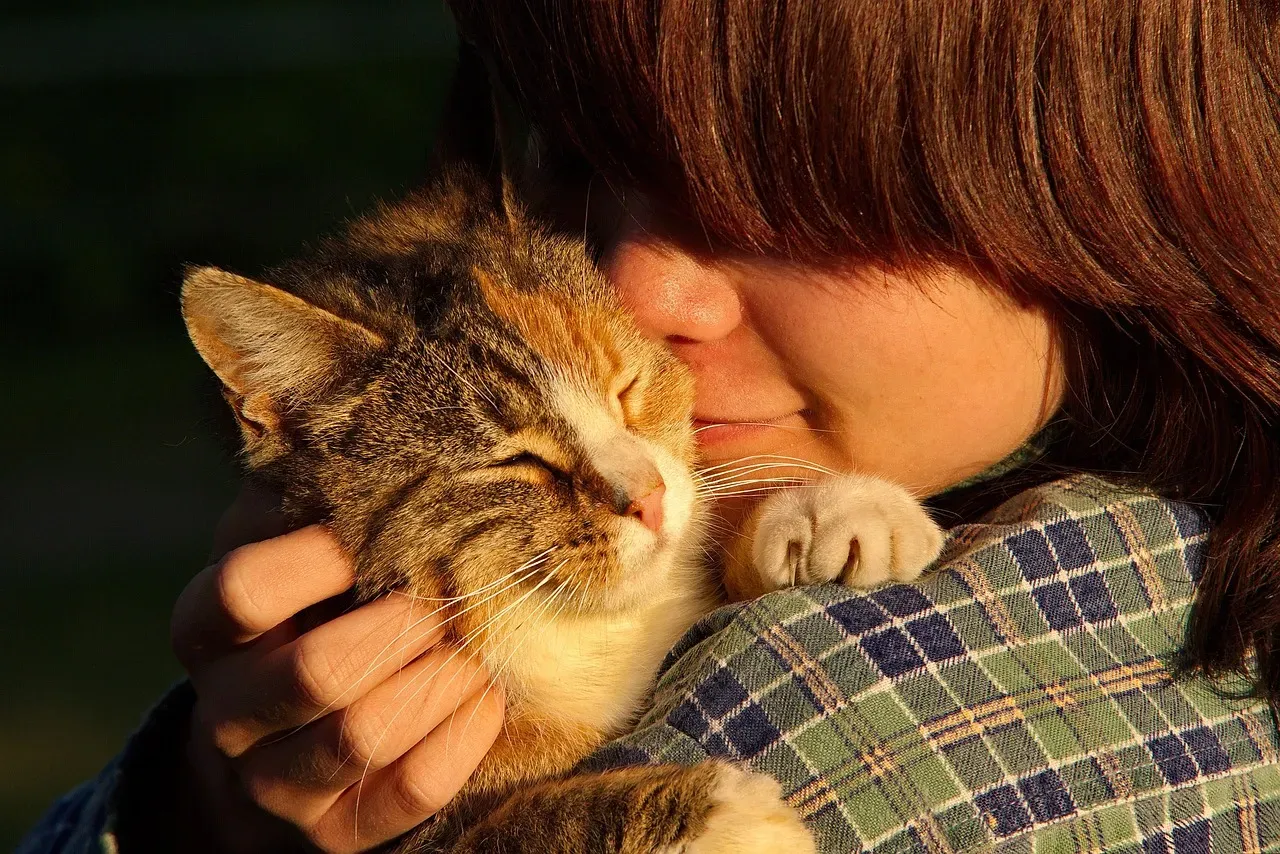
In a multi-human household, cats will choose one family member they want to spend more of their time with. This is not a coincidence or a matter of proximity. It is a deliberate, instinct-driven social decision that your cat makes based on a whole set of internal calculations you probably never even noticed happening.
The reason cats love and choose a favorite human stems from a combination of personality, human-cat communication, routine, and environment. Think of it like a job interview that runs 24 hours a day, and you did not even know you were being evaluated. Your cat has been watching, assessing, and scoring you for longer than you think.
The Effort Factor: Who Works Hardest Wins the Crown
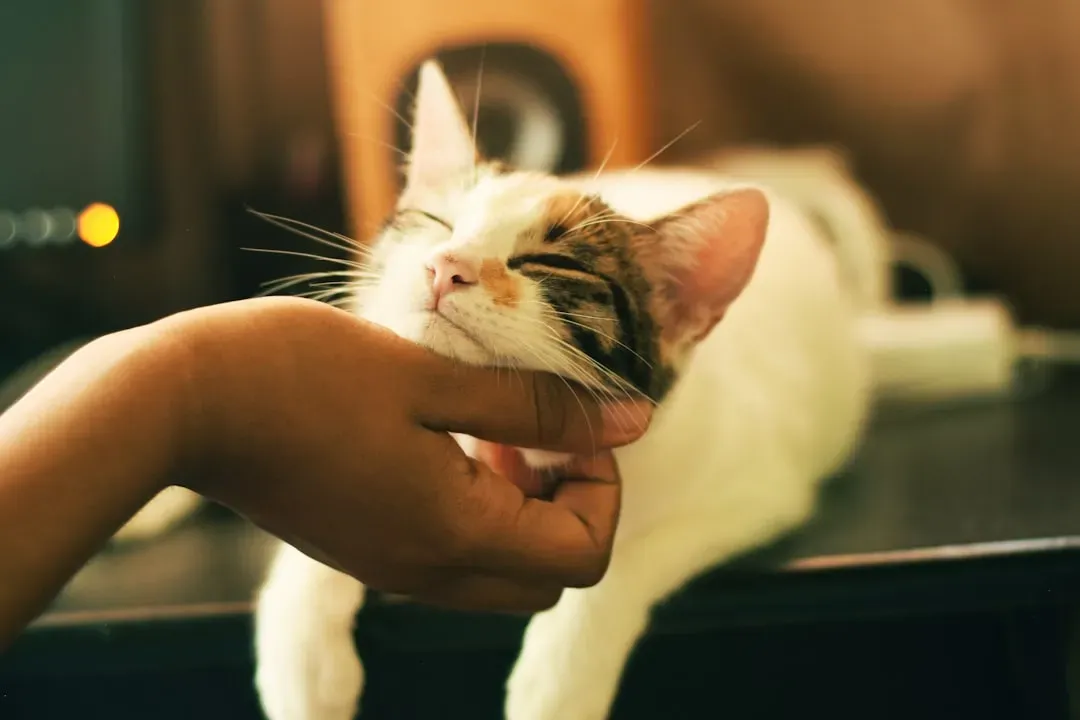
Here is something that might sting a little. According to a study done by the nutrition company Canadae, they discovered that the person who makes the most effort is the favorite. Not the person who loves the cat the most in their heart, not the one who paid for the vet bills, and not the one who picked the cat out at the shelter. The one who puts in consistent, observable effort.
People who communicate with their cat by getting to know their cues and motives are more attractive to their cat companions. This is a detail worth sitting with. Your cat is not looking for grand gestures. It is looking for someone who notices, responds, and actually pays attention. It is a lot like any healthy relationship, honestly.
The Science of Attachment: Cats Bond More Like Humans Than You Think
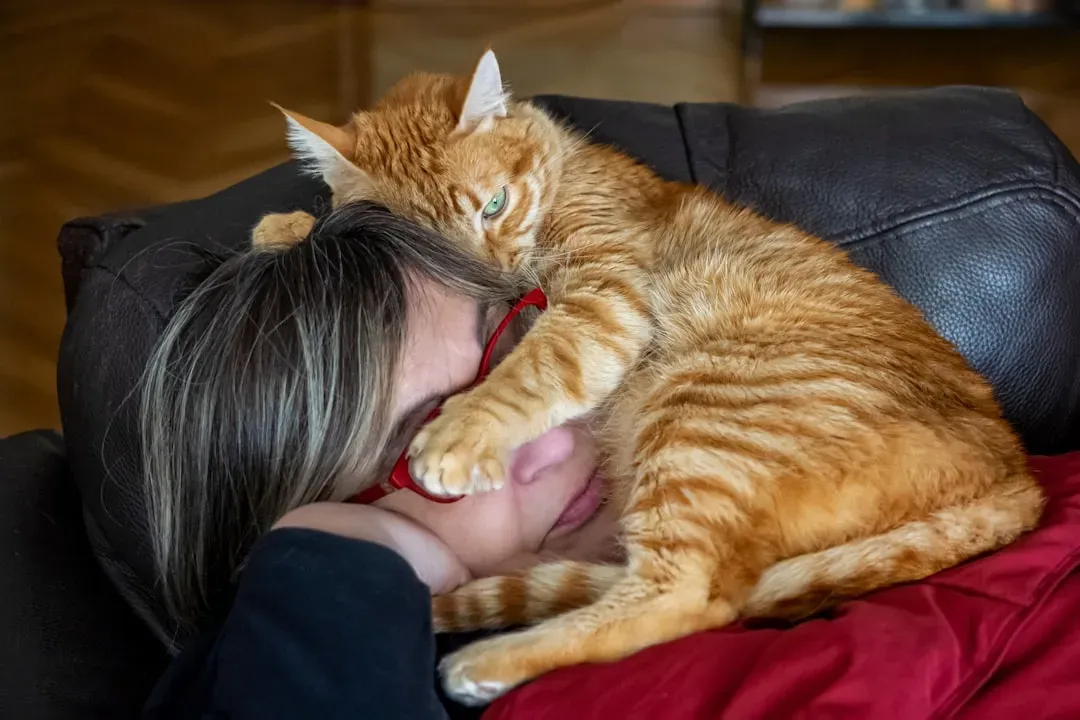
Much like children and dogs, pet cats form secure and insecure bonds with their human caretakers. That is a finding published in the journal Current Biology, and it genuinely changed how scientists think about feline behavior. For decades, cats were dismissed as too independent to form real attachments. Science has now caught up with what cat owners already knew in their gut.
Kristyn Vitale of Oregon State University said that cats display social flexibility in regard to their attachments with humans, and that the majority of cats are securely attached to their owner and use them as a source of security in a novel environment. That word, “security,” is crucial. Your cat is not just tolerating you. In many cases, you are genuinely their safe base in an uncertain world.
Routine and Predictability: The Secret Weapon You Probably Already Have
Cats like predictability, so they are likely to be drawn to members of the household who wake up at the same time every day and make them breakfast immediately. I know it sounds almost too simple. But for a cat, a person who behaves consistently is a person worth trusting. Unpredictability is the enemy of feline comfort, full stop.
Keeping a regular schedule is one of the simplest ways to help you bond with your cat and become their favorite person, and an established feeding schedule can help your cat build trust. Think of routine as a love language your cat actually speaks. The more you show up reliably, the higher you climb in your cat’s internal ranking system.
Body Language Matters More Than You Ever Imagined
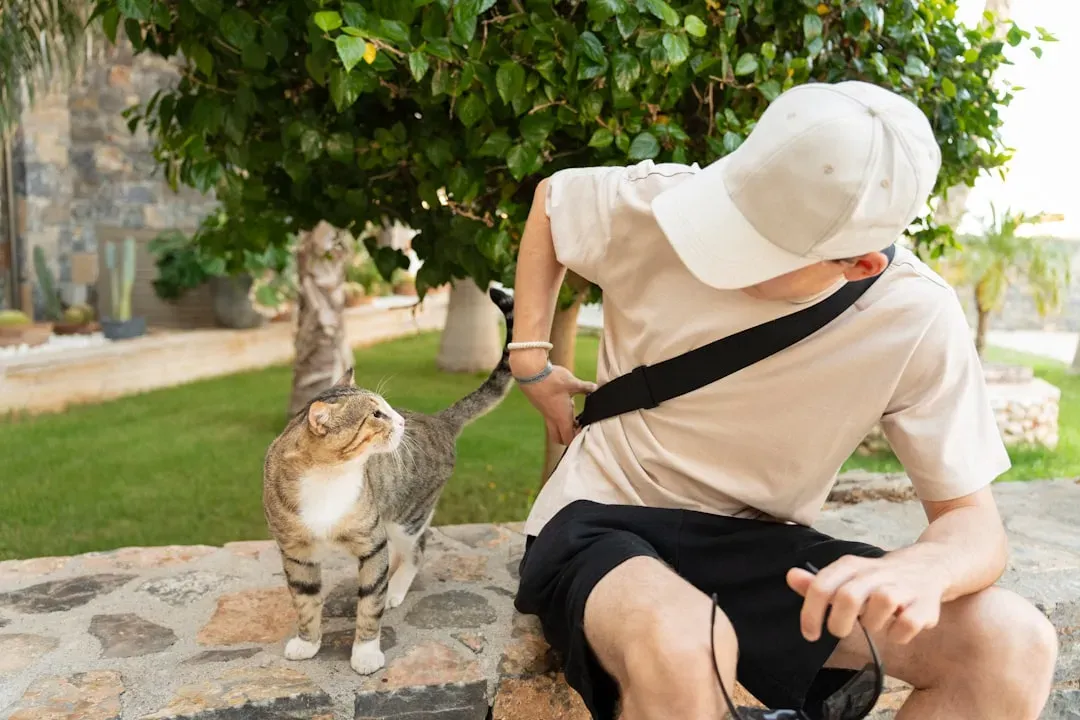
Cats are masters of reading body language and can easily identify if another animal is a threat, merely annoying, or willing to share food. They are also capable of developing more nuanced ways of communicating with individuals they regularly interact with. Your posture, your tone, the way you move through the room, all of it registers. You might not realize you are broadcasting anxiety or aggression, but your cat absolutely does.
Cats prefer when you have a calming presence, consistent patterns, and predictable movements, and exhibit cat-friendly, welcoming body language. This is worth remembering the next time you loom over your cat or try to force a hug. Slow blinks, crouching down to their level, and giving them space all send the exact right signals. Let’s be real, most cats are not fans of being scooped up without warning.
Early Life Experiences Shape Who Your Cat Trusts
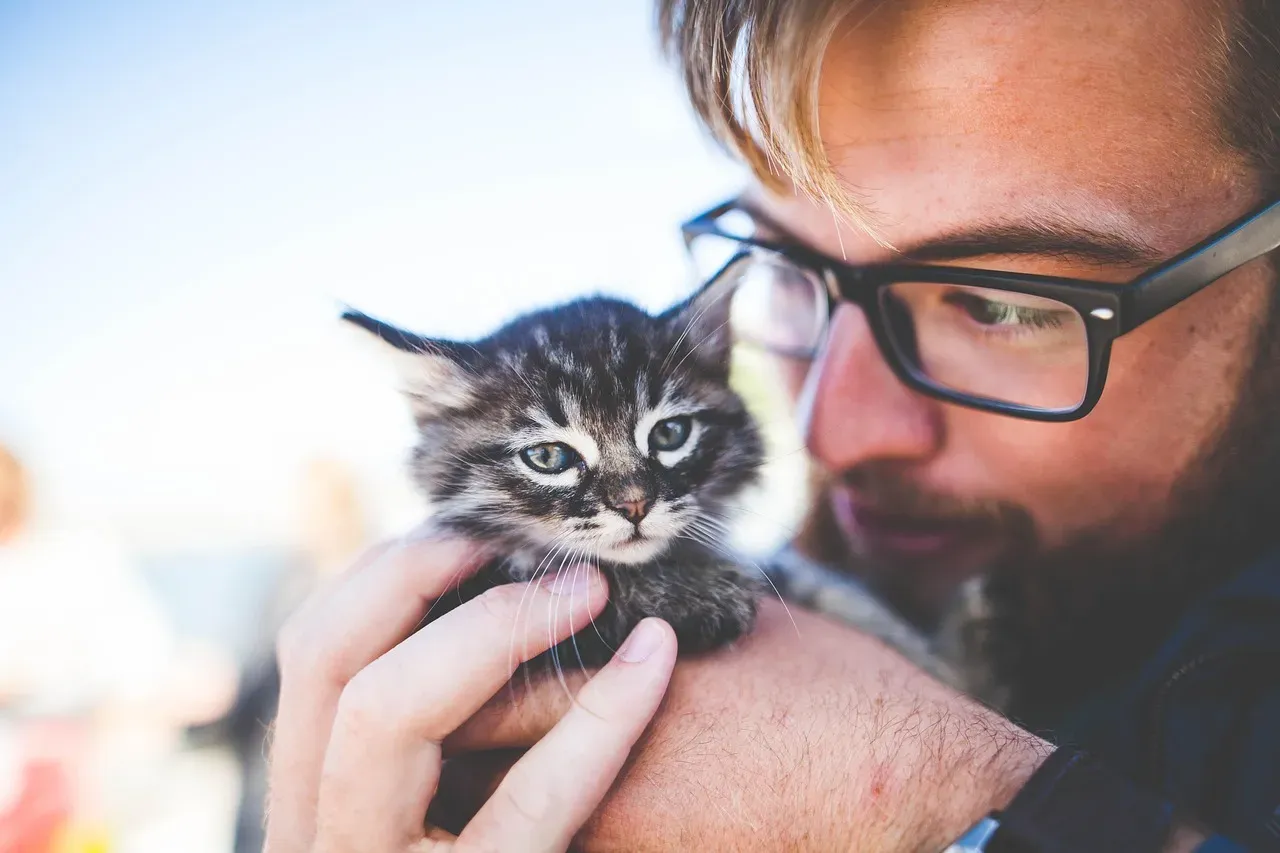
There is a critical window in a kitten’s early social development, and the first three to seven weeks of their life play a significant role in how kittens respond to people. Regular handling and exposure to different sounds and smells can help kittens grow into well-adjusted, human-bonded cats. It is a narrow window, and what happens in those weeks follows a cat for life.
Trauma also shapes a cat’s ability to attach to specific people. If a cat or kitten was in an abusive or neglectful situation with a certain demographic, they are more likely to feel uncomfortable and unsafe around some types of people. This is why some rescue cats take longer to bond and why patience truly is everything. Their hesitation is not personal. It is history.
Personality Compatibility: Your Cat Is Looking for a Match
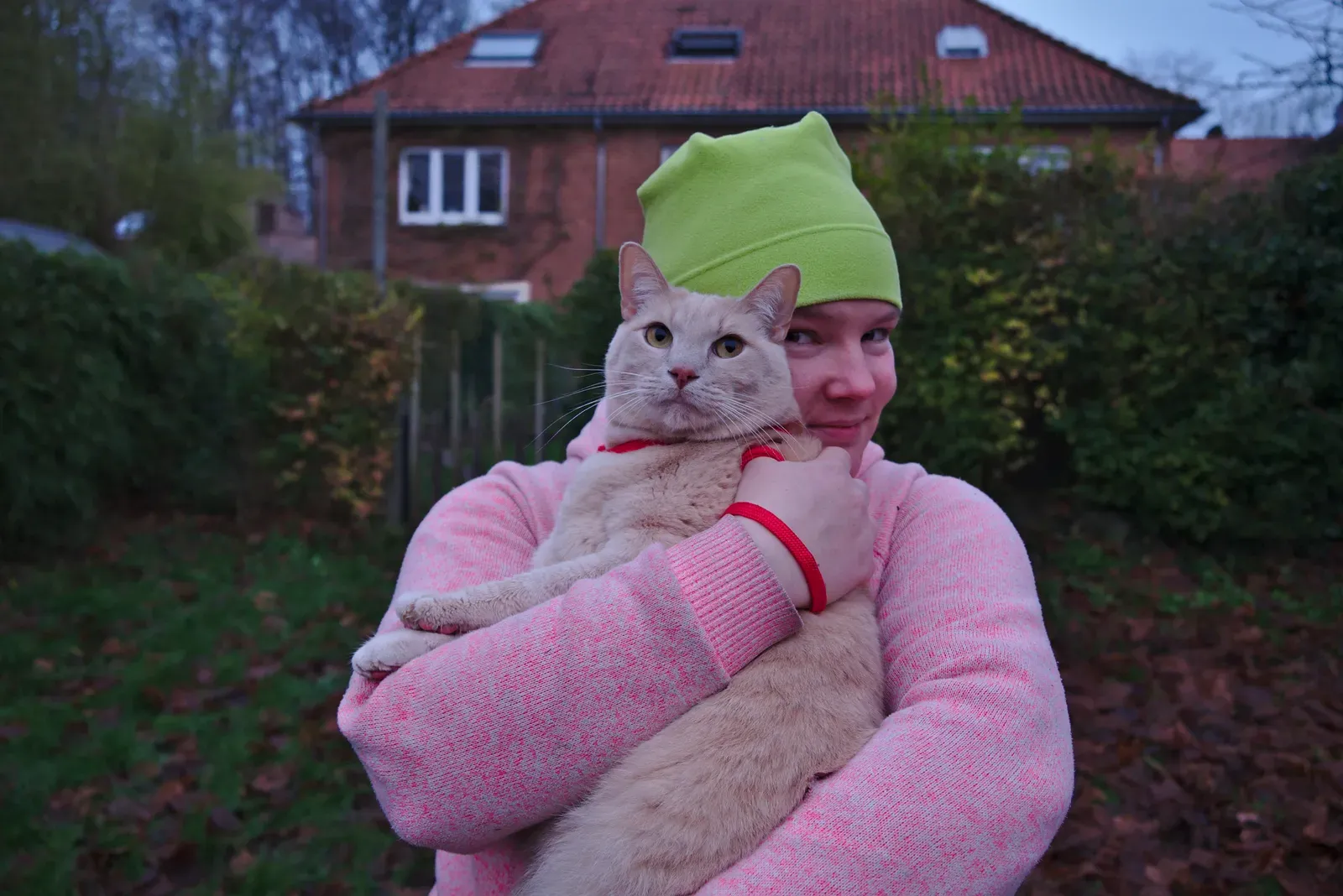
If your cat is the sort who just wants to be chill and relax, they will probably gravitate toward the family member who is calm and quiet. Playful, energetic cats who love to stay active will likely choose a friend who gives them exercise and attention. It is not unlike how humans gravitate toward friends who match their energy. Your cat is essentially finding its person based on vibe compatibility.
Cats may also choose their favorite person based on their life stage. For example, a kitten might favor the person who hand-reared them, while an older cat may bond more closely with someone who provides them with a peaceful retirement. So even if you were not the favorite five years ago, circumstances change. Cats are not entirely inflexible in their loyalties, which is oddly reassuring.
The Telltale Signs Your Cat Has Chosen You
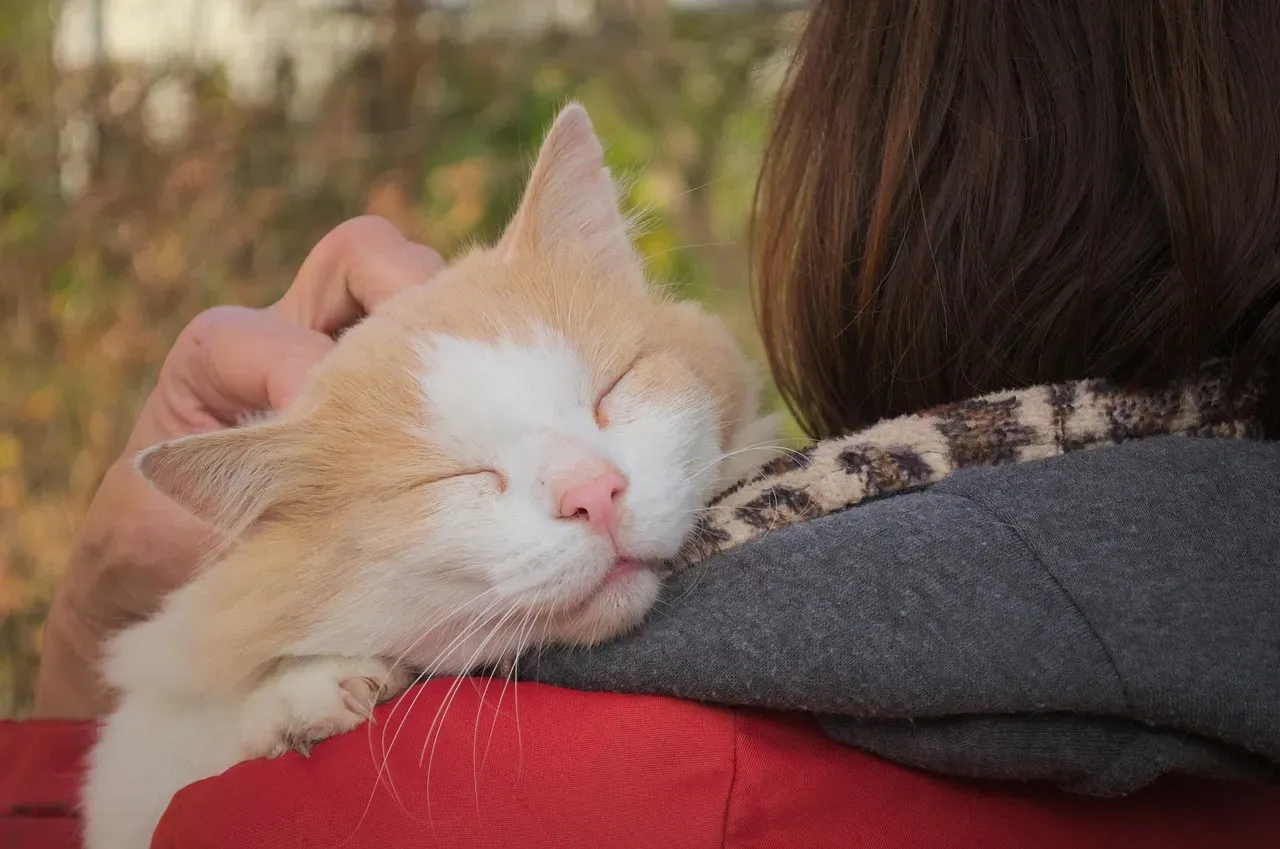
According to feline behavior specialist Molly DeVoss, if a cat is keen on you being their number one human, they will do things like headbutt your hands, legs, and even forehead, bring you their toys, rub their scent on you, rub their teeth or mouth on you, and groom you by licking your hair. These behaviors are not random quirks. Each one is a deliberate communication of trust and affection.
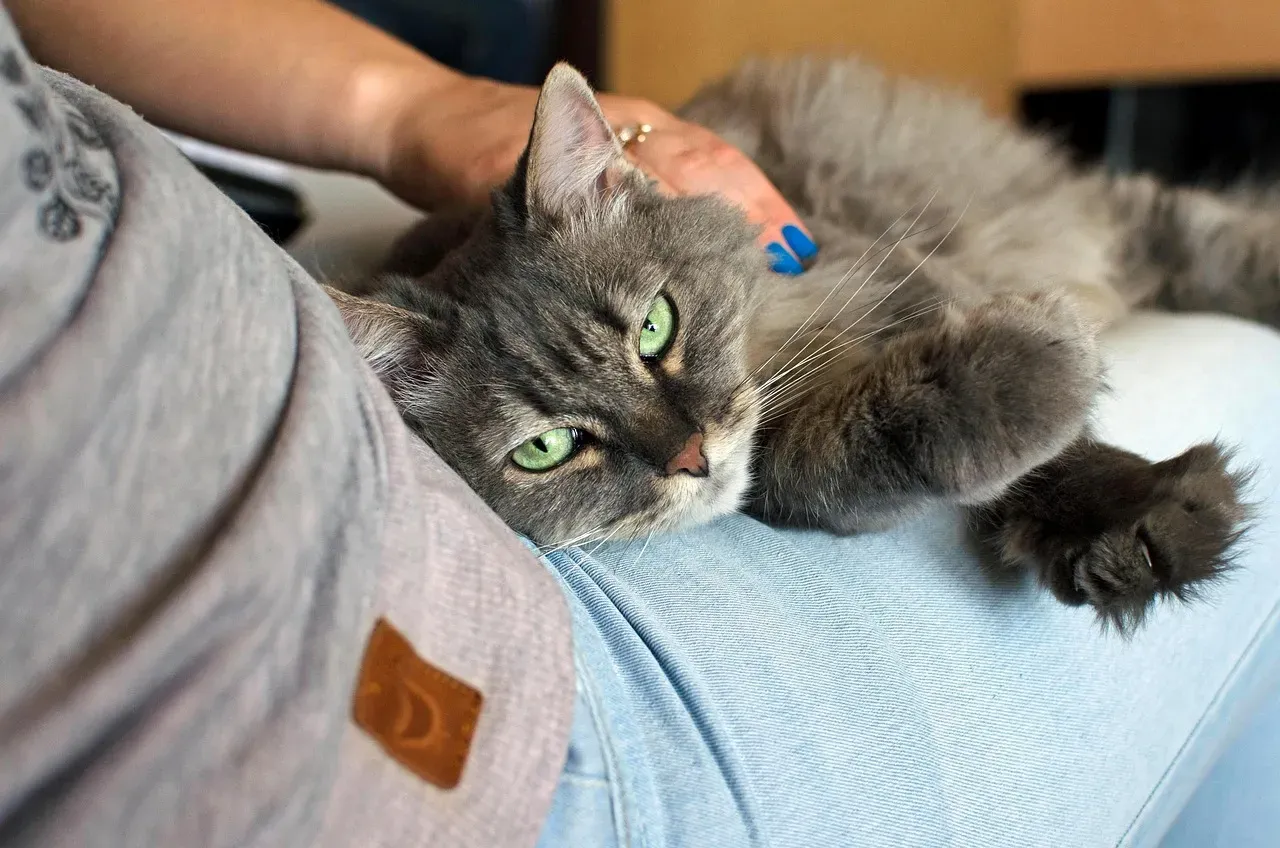
Cats often show their affection for their favorite people by following them around the house, sleeping between their legs, running to them when they return home, and spending their time snuggled up nearby. When a cat exposes their belly or flops around briefly, it displays a deep level of trust. That belly, the most vulnerable part of any animal, is not shown to just anyone. If your cat rolls over for you, you have genuinely earned something rare.
Conclusion
Your cat’s choice of favorite human is anything but random. It is a layered, instinct-driven process built on trust, routine, communication, personality, and deep emotional safety. We matter to cats even more than we think, and our assumptions about their character can easily become self-fulfilling prophecies. Treat your cat like an aloof stranger and that is exactly what you will get back.
The good news is that your position in the ranking is not fixed forever. With cats, trust and love are not guaranteed right away. Instead, the relationship needs careful but worthwhile nurturing, and if you take meaningful steps to develop a trusting, loving relationship, you will become your cat’s favorite person in no time. So, the real question is not whether your cat has a favorite. It is whether you are putting in the work to deserve that title. What do you think? Have you ever felt quietly judged by your own cat? Tell us in the comments.