You’ve probably heard a lot about on dogs, but here’s something that might surprise you. These tiny parasites are just as dangerous for your feline friends. Maybe even more concerning is that many cat owners don’t realize their indoor kitty can still be at risk.
aren’t picky eaters when it comes to choosing a host. While your cat’s grooming habits may give them some natural protection, it’s hard to say for sure whether that’s enough. Let’s explore what these little bloodsuckers can do to your beloved companion and why you should take them seriously.
What Makes Ticks a Threat to Felines

Ticks are parasites that feed on the blood of their host, which can include pets and people. Think of them like tiny vampires with eight legs. Although ticks are commonly thought of as insects, they are actually arachnids similar to scorpions, spiders, and mites.
Ticks are efficient carriers of disease because they attach firmly when sucking blood, feed slowly, and may go unnoticed for a considerable time while feeding. What makes them particularly sneaky is that your cat might not even notice one attached for days. Ticks cannot fly or jump, but rather crawl onto their hosts. They wait patiently on vegetation and climb aboard when your cat brushes past them.
Because are fastidious groomers, it is rare to see more than one or two ticks on a cat. If you observe numerous ticks, this could be a sign of illness in your cat. Honestly, finding multiple ticks should ring alarm bells.
How Your Cat Gets Exposed to Ticks

Living primarily in areas of parkland, forestation or even just long grasses, ticks lie in wait ready to attach to your feline furbaby when she passes by. Your outdoor explorer is particularly vulnerable during walks through wooded areas or tall grass. Generally speaking, ticks prefer to inhabit transition zones between lawns or open fields and woodlands. They like shady, moist leaf litter surrounded by taller trees and shrubs.
Here’s the thing. Even indoor aren’t completely safe. Even strictly indoor are at some risk for acquiring ticks. Ticks can hitch a ride on your clothing, other pets, or even squeeze through small openings.
The tick will then migrate across her body to an area that is less exposed, and tuck in to an all-you-can-eat blood buffet which provides it with the nutrients it needs to grow and survive. Your cat’s natural grooming may remove some ticks, but others can find hidden spots like behind the ears or between the toes.
Common Physical Symptoms From Tick Bites

The most common symptoms associated with tick bites include redness and itching at the bite site along with diseases that cause lameness, joint pain, fever, and decreased appetite. You might notice your cat scratching more than usual at a particular spot. Stiff and swollen joints, lethargy, diminished appetite, and fever are among the salient clinical signs of countless feline health disorders. In the warmer months of the year, these signs may indicate that a cat has been bitten by a tick and is in the throes of a serious illness calling for prompt veterinary treatment.
Let’s be real, are masters at hiding discomfort. If your cat experiences a large tick infestation, they could develop anemia (too few red blood cells). Tick bites on can also become infected, causing swelling, pain and complications related to bacterial infection.
Symptoms associated with extreme itching such as sore, broken skin, infection and hair loss may also occur in serious cases. Pay attention if your normally playful cat suddenly becomes withdrawn or tired.
Dangerous Diseases Transmitted by Ticks
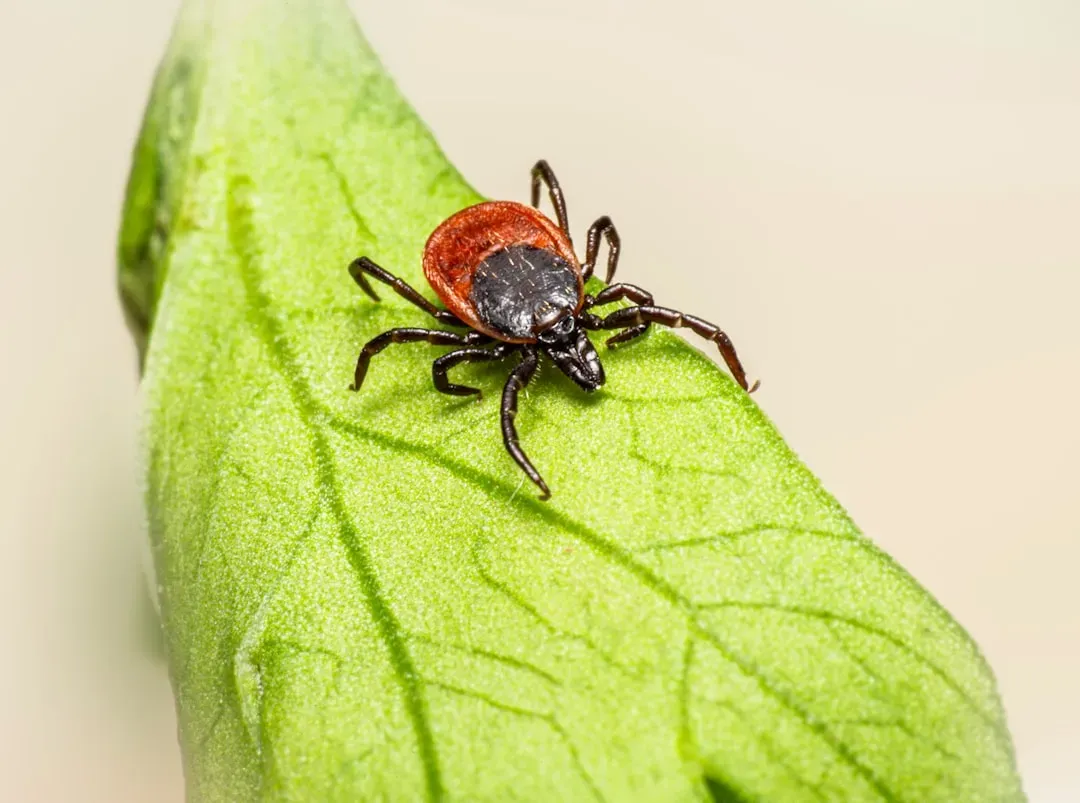
Well over 800 species of ticks have been identified worldwide, although only a dozen or so are associated with significant feline disease. The bad news is that those dozen can cause real problems. Ticks can be found anywhere in the United States and their bite can cause skin infections, anemia, and tick paralysis, which is a serious and life-threatening condition to .
But just one bite from the wrong tick could infect your cat with a fatal disease called cytauxzoonosis, or bobcat fever. Mainly transmitted by the Lone Star tick, bobcat fever is a cat-specific infection that affects the cat’s blood cells and circulatory system. It is considered the most serious tick disease for by far. This disease doesn’t mess around.
Hemobartonellosis is caused by a bacterial parasite that invades a cat’s red blood cells and fosters development of severe, life-threatening anemia, signs of which are pale gums, lethargy, inappetance and rapid or open mouth breathing. Tularemia, a comparatively uncommon but deadly bacterial infection results in fever, lymph node enlargement and abscess formation.
Understanding Lyme Disease in

Most notorious among tick-borne disorders is Lyme disease, a bacterial infection that, if treatment for it is delayed, can lead to extensive joint damage, cardiac complications, kidney failure, and neurologic dysfunction. You’ve probably heard about Lyme disease affecting dogs and humans, but can get it too. Fortunately, are highly resistant to the bacteria causing Lyme disease and rarely show signs of the disease.
Still, that doesn’t mean you should ignore the possibility. , particularly those in Lyme-endemic areas, may demonstrate serologic evidence of infection, . The risk depends heavily on where you live.
Perhaps the most well-known tick-borne disease, Lyme disease is a bacterial infection more common in people and dogs, though can be affected. may not show any symptoms of Lyme disease, but keep an eye out for painful joints and stiffness and an arched back when walking.
The Life-Threatening Risk of Tick Paralysis

Neurotoxins secreted in the saliva of affected ticks, then transferred to a cat’s bloodstream through a bite, cause rapidly progressing neurologic signs that start with weakness in the cat’s hind limbs and ascend to cause weakness in the forelimbs. Paralysis of all four legs can follow. This is where things get really serious. In even more serious cases, respiratory distress can develop due to paralysis of respiratory muscles, possibly causing respiratory failure.
I know it sounds crazy, but a single tick can cause this nightmare scenario. Tick paralysis is contracted through a bite from an affected tick, and clinical signs are seen anywhere from 8 hours to 5 days after the bite occurs. The symptoms can appear frighteningly fast.
For suffering from tick paralysis, the prognosis is uncertain, as problems with swallowing and breathing can develop. Once the tick has been removed, symptoms can improve within hours. Sometimes, however, muscle weakness can persist for weeks. The good news is that removal of the tick often brings rapid improvement.
Spotting Ticks on Your Cat’s Body

After feeding, ticks are big enough to spot and feel like a small bump on your pet’s skin. Run your fingers through your cat’s fur like you’re giving them a massage. Though ticks can be anywhere on your cat, their favorite places seem to be the head, neck and ears especially within the ear folds.
Most ticks, approximately the size of a pinhead prior to feeding, are not spotted until they become engorged with your cat’s blood. Before feeding, they’re incredibly small and easy to miss. After they’ve had their blood meal, they swell up and become much more noticeable.
Ticks are visible to the naked eye, and they may appear as small oval-shaped bugs. They are typically brown or gray. They may be surrounded by tiny black dots, or tick droppings. Check your cat daily if they go outdoors, especially during warmer months.
Proper Tick Removal Techniques

Hook the tool under the tick, close to your cat’s skin. Rotate the tool until the tick separates from your cat’s skin. Lift the tick and put it into the isopropyl alcohol. Using the right technique matters more than you might think. You need to be careful not to squeeze the tick’s body, or allow its head to get stuck inside your cat. Squeezing a tick’s body can cause it to expel blood back into your pet, increasing the risk of infection.
Never try to burn the tick off or smother it with petroleum jelly. Ticks can transmit diseases to humans, so be sure to wear gloves, avoid touching the tick with bare skin, and wash your hands after disposing of the tick.
If the tick’s head gets stuck in your cat’s skin, it should be treated in the same way as a splinter that is difficult to remove. Don’t keep trying to remove the tick head, or you’re more likely to delay healing and create an infection. If you’re uncomfortable doing this yourself, there’s no shame in calling your vet for help.
Prevention Methods That Actually Work

Prevention truly is the best medicine when it comes to ticks. Year-round tick control options for include dips, sprays, topicals, tablets, and even collars. The market is flooded with prevention products, which can make choosing overwhelming. Partner with your vet to determine the one that is the most beneficial for you and your cat.
Dog products can’t be used on and will lead to severe often fatal reactions. These insecticides are toxic to , potentially causing tremors, seizures, and death. This is absolutely critical to remember. What’s safe for Fido can kill Fluffy.
If you live in an area with ticks, keeping your cat indoors is the best way of preventing ticks. You should also check her coat thoroughly every day and remove any ticks immediately and safely, disposing of them before they can cause further risk of infection. It’s a simple habit that can save your cat’s life.
When to Seek Veterinary Care

If any of these clinical signs are observed, they should be brought to the attention of a veterinarian without delay. Don’t wait and see if things get better on their own. Some diseases such as tularemia and cytauxzoonosis are relatively uncommon but are fatal if left untreated.
Clinical signs usually develop about 10 days after a tick bite. The initial signs of this disease are vague and non-specific, making diagnosis difficult. They include lack of energy, lack of appetite, difficulty breathing, and pale gums. Trust your instincts as a pet parent.
Treatment of a tick-borne disease in often entails two to four weeks of antibiotics such as doxycycline. Supportive care such as pain medications, blood transfusions, anti-inflammatories, IV fluids, and appetite stimulants may also be necessary depending on the severity of symptoms. Early treatment dramatically improves your cat’s chances of recovery. Many tick-disease symptoms could indicate other health issues, so it’s always a good idea to consult your veterinarian when your cat’s health is in question.
Living with a Tick-Aware Mindset

Above all, don’t panic if you find a tick on your cat. The vast majority of ticks don’t carry diseases and only rarely are affected by tick-borne illnesses. That said, being prepared and vigilant is your best defense. Check your cat regularly, especially after they’ve been outdoors or in areas where ticks are common.
Always keep all pets on year-round prevention, regardless of the season, the weather, and your location in the United States. Climate change has expanded the geographic range where ticks thrive, meaning areas that were once tick-free may now have populations.
Many that survive treatment can go on to live a relatively normal life, though they may be carriers of the disease and may need to be monitored frequently for possible sub-conditions that can develop such as Lyme nephritis. Recovery is possible with prompt attention and proper care.
The reality is that ticks pose a genuine threat to your cat’s health, but you’re not powerless against them. Regular checks, appropriate preventatives, and quick action when you spot a tick can protect your feline companion from these dangerous parasites. Your cat depends on you to keep them safe, and now you know exactly what to watch for. Have you checked your cat for ticks recently?