You haven’t touched your keys yet. Your coat is still on the hook. You’re just sitting there, scrolling on your phone – and yet your cat is already giving you that look. The slow blink of mild betrayal. The sudden, intense need to sit directly on your lap. It’s uncanny, honestly, and if you’ve ever lived with a cat, you know exactly the moment I’m talking about.
There’s something almost supernatural about it. Your cat seems to know you’re about to leave before you’ve done a single thing to announce it. No suitcase. No shoes. No jingle of car keys. So what’s actually going on? Is this feline intuition, keen intelligence, or just a remarkable web of sensory superpowers at work? Let’s dive in.
Your Cat Is Reading Your Routine Like a Book
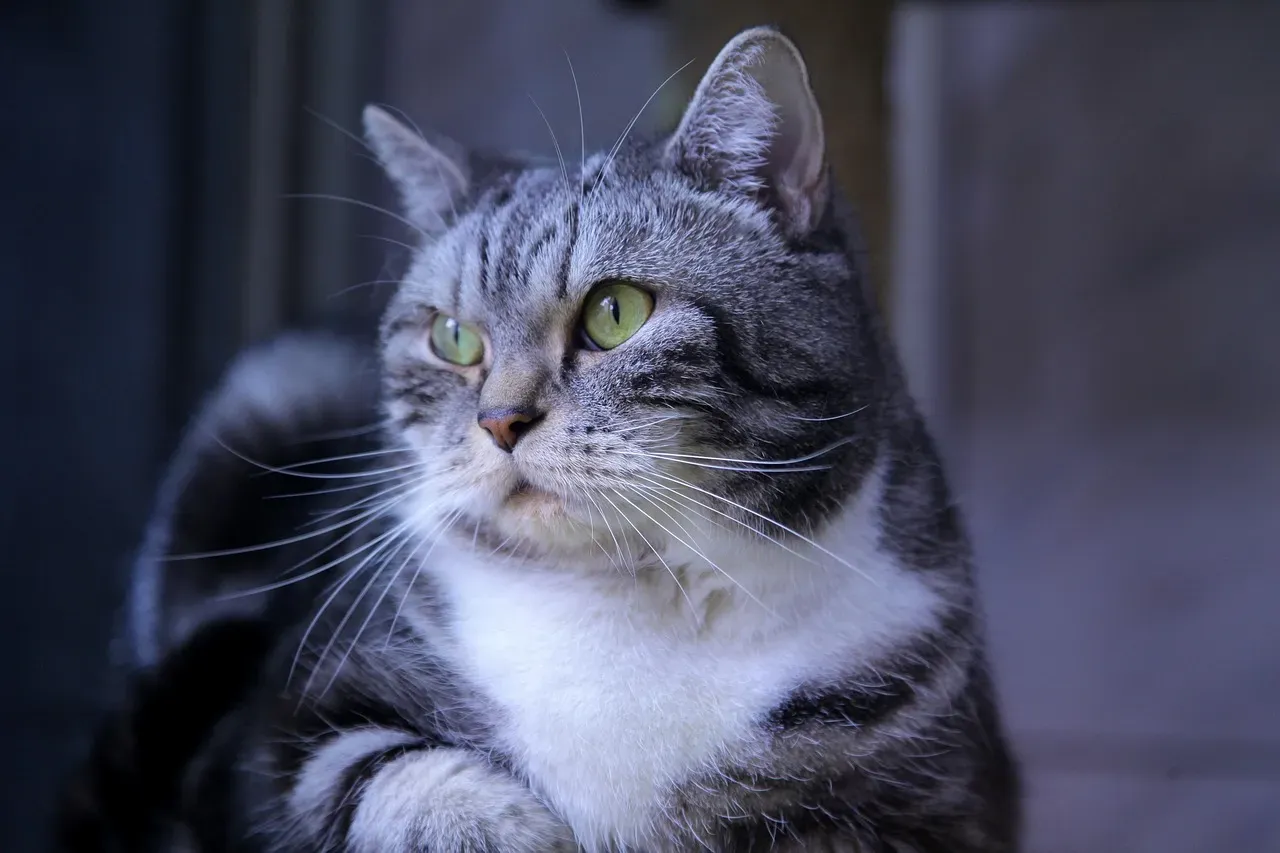
Here’s the thing about cats – they are far more attentive than most people give them credit for. Cats are creatures of habit, and they pick up on the slightest changes in routine. Think about that for a moment. Every morning you follow the same sequence: alarm, shower, coffee, dressed, keys, door. Your cat has filed every single step of that ritual deep into memory.
Cats are highly perceptive creatures, so their routines will develop around their humans’ schedule and household routines. If a cat observes their human engaging in certain activities at specific times of the day, they will associate those actions with the passing of time. It’s less like a sixth sense and more like your cat has been quietly taking notes on you for years.
Cats are creatures of habit and thrive on routine. If you leave for work and return at the same time every day, your cat will eventually memorize this schedule and anticipate your return. The same logic works in reverse too. Your departure rituals become a kind of signal, a personal countdown clock that your cat reads before you’ve even registered it yourself.
The Power of That Extraordinary Nose
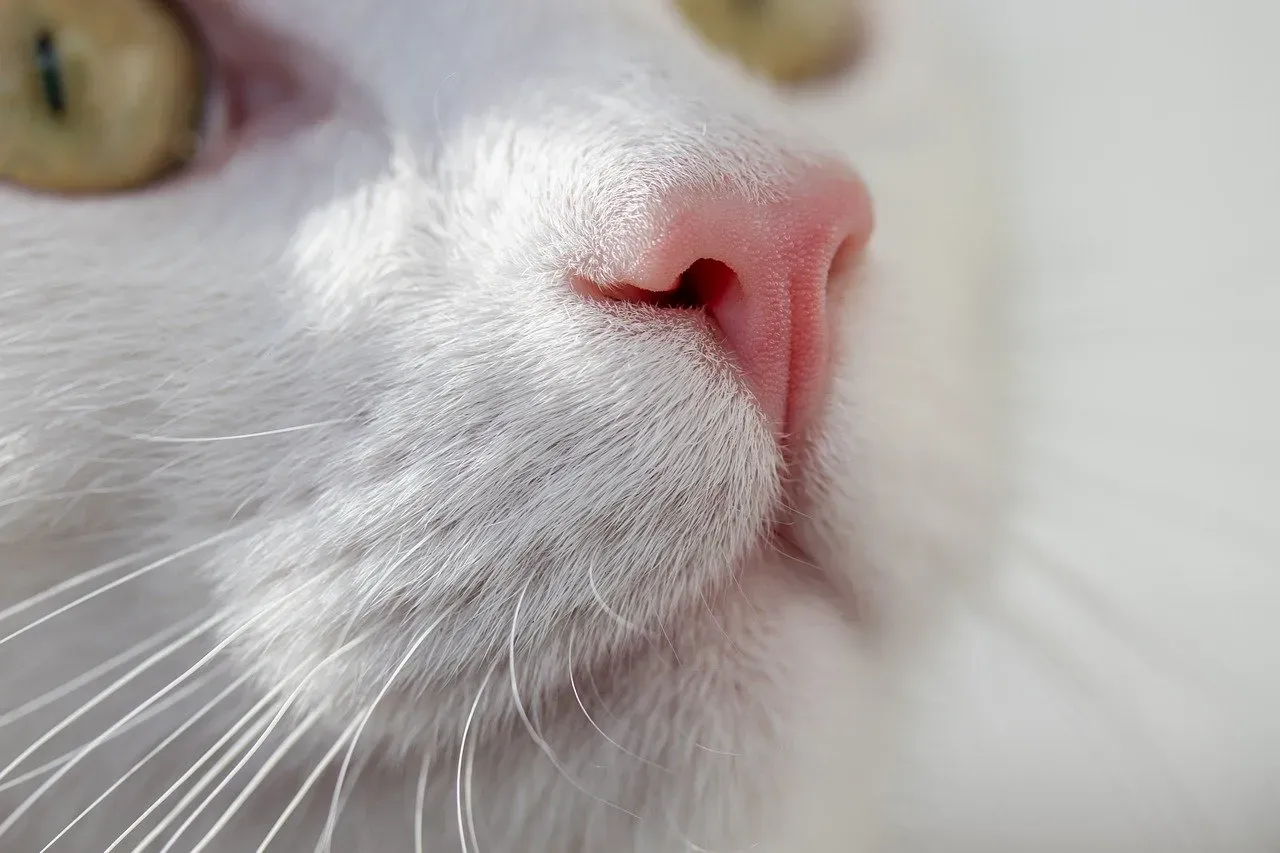
Honestly, the more you learn about a cat’s sense of smell, the more you realize humans are essentially walking scent billboards. Pheromones, such as those released in sweat or tears, carry emotional information that cats, with their highly sensitive olfactory systems, can potentially interpret. Studies suggest that humans release specific stress-related pheromones when feeling anxious or sad, which cats may detect through their vomeronasal organ, a specialized structure for processing chemical cues.
When you’re getting ready to leave – especially if it’s a big trip or a stressful day – your body chemistry literally shifts. Stress hormones like cortisol can subtly change your scent, which cats can detect through their sensitive noses. Your cat isn’t guessing. They’re smelling the truth of your emotional state long before your behavior gives anything away.
It was observed that cats spent a substantially longer time sniffing the odor of an unknown person than that of a known person, indicating the use of their sense of smell to distinguish between individual humans. This level of olfactory precision means your cat doesn’t just know you’re planning to leave – they can likely detect whether this particular departure is a quick trip to the store or a week-long vacation.
They’re Watching Your Body Language Non-Stop
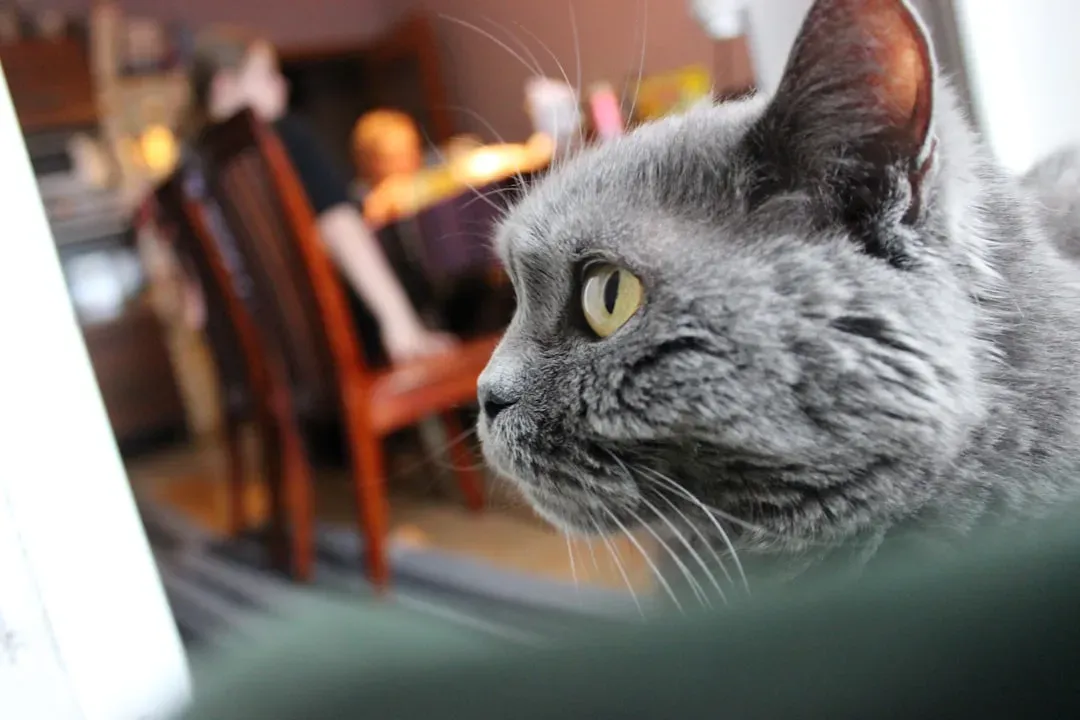
You might be completely unaware of the small physical shifts happening in your body before a departure. Your posture changes slightly. Your movements become a little more purposeful and deliberate. You walk to certain parts of the house in a particular order. Cats can sense human emotions through body language, tone, and routine changes. They are, in a sense, expert lip-readers of the human body.
A slumped posture, slower movements, or a tense voice can all alert your cat that something isn’t right. Cats, while more independent, also observe body language closely. Think of it this way: if your cat were a detective, they’d be the kind who notices when you’ve moved a painting two inches to the left. Nothing escapes them.
Because they’re so tuned into the rhythms of their humans’ days, cats may be able to pick up changes in your routines and possibly elevated stress as you’re starting to pack, from little things like doing extra laundry to get ready, or spending more time than usual in front of the computer making last-minute arrangements. Subtle, yes. But to your cat? Those are loud signals.
Their Internal Clock Is Surprisingly Precise
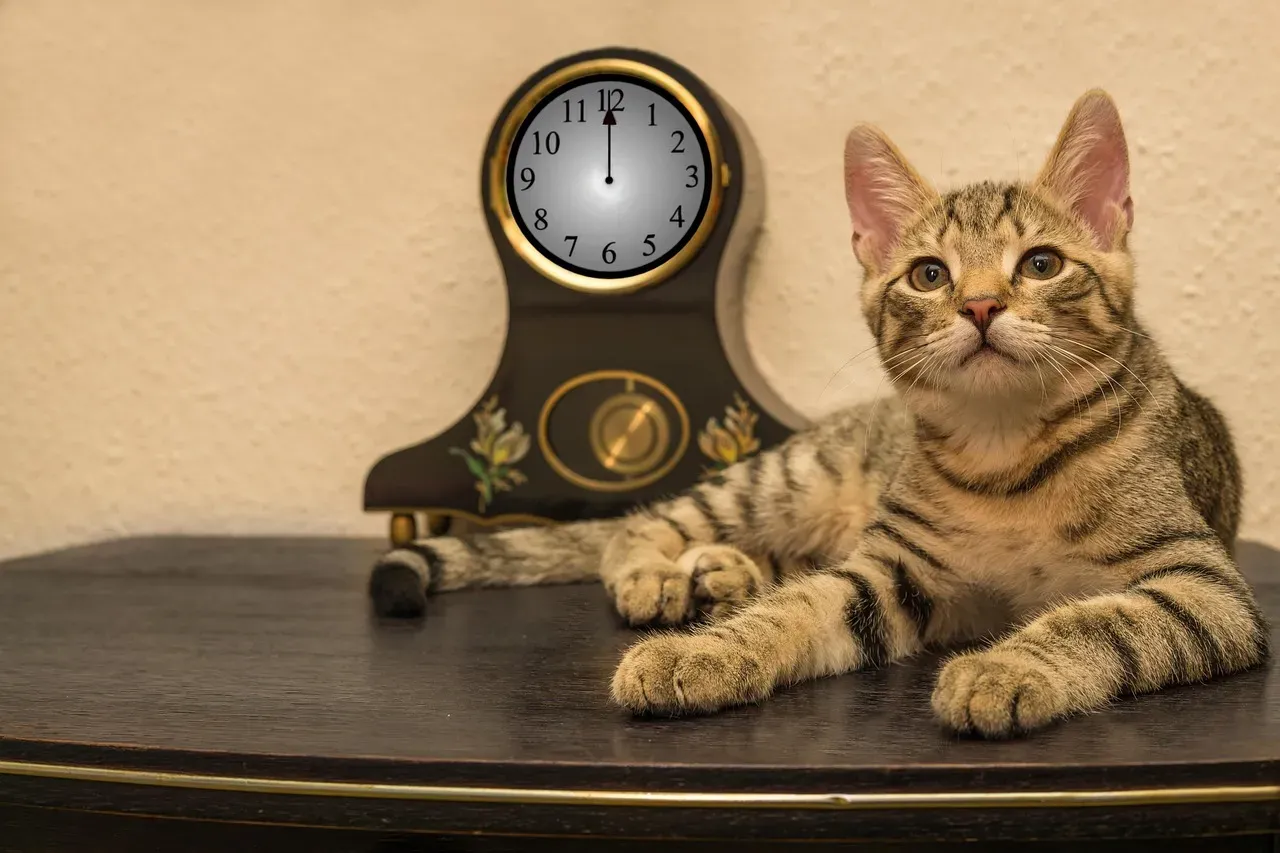
Both dogs and cats have what’s known as a circadian rhythm – an internal body clock that follows a 24-hour cycle. This rhythm helps regulate their sleep, appetite, energy levels, and yes, even their expectations around mealtimes and walks. It sounds simple on the surface. In practice, it’s genuinely astonishing.
Researchers have found that cats perceive the passing of time, but they do so somewhat differently than humans. The average cat doesn’t perceive time as you do but instead relies on several of their senses, including visual cues, the routine of their owners, internal sensors, and even the environment, such as sunlight and darkness. Think of it as a biological GPS system locked in on your schedule.
Anyone who’s had a cat can probably attest to the fact that their pet knows precisely when they should be fed. Felines will often wake their owners at the same time every day, accurate to the minute. This further reinforces the concept that cats can sense time passing and can learn when to expect certain things on a daily basis. So when your usual departure time rolls around, your cat’s inner clock has already been ticking toward that moment.
Your Voice Is a Dead Giveaway
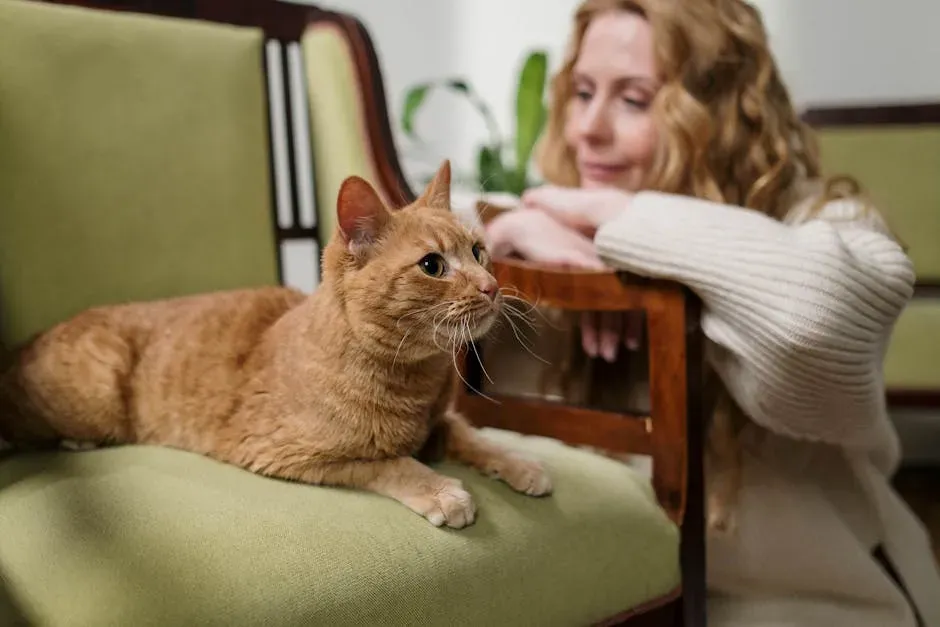
I know it sounds crazy, but even if you haven’t moved from the couch yet, your voice might betray you. Habituated cats showed a significant rebound in response to the subsequent presentation of their owners’ voices. This result indicates that cats are able to use vocal cues alone to distinguish between humans. Your cat doesn’t just recognize that it’s you speaking – they’re decoding tone, pace, and pitch with remarkable accuracy.
Tonal changes in your voice are an indication of how you’re feeling. Soft tones are comforting to cats, whereas louder, sharper tones will often cause them to run and hide. When you pick up the phone to confirm a taxi, or when your voice takes on the brisk, task-oriented quality of someone preparing to head out the door, your cat registers that shift immediately.
Cats learn specifically how their owners react when they make particular noises. So if the cat thinks, ‘I want to get my owner from the other room,’ it works to vocalize. They use straightforward learning. The relationship is mutual and deeply sophisticated – your cat is constantly building and updating its understanding of what your sounds mean.
Scent Trails and the Memory of Your Absence
Your home is essentially a living scent map, and your cat navigates it constantly. When their owners leave their homes, they unwittingly leave behind a lingering scent on their belongings and in the environment. Over time, cats can associate these scents with their owner’s absence and use them to anticipate their return based on previous experiences. This is deeply clever behavior – almost like reading breadcrumbs.
Cats remain more relaxed near their caretakers or in places where the caretaker’s scent is more prominent. That’s why your cat sits on your jacket before you’ve even put it on, or circles your bag the moment you pull it from the closet. These objects carry your scent – and they also carry the memory of previous departures.
In applied settings, cat owners are often encouraged to leave behind items holding their scent when leaving their cat in a novel location, such as a boarding facility, so that these items can be provided to the cat if they show signs of separation distress. The power of your personal scent is so strong, it can literally calm your cat down even when you’re not there. That’s a bond worth appreciating.
Cats Form Real Emotional Attachments
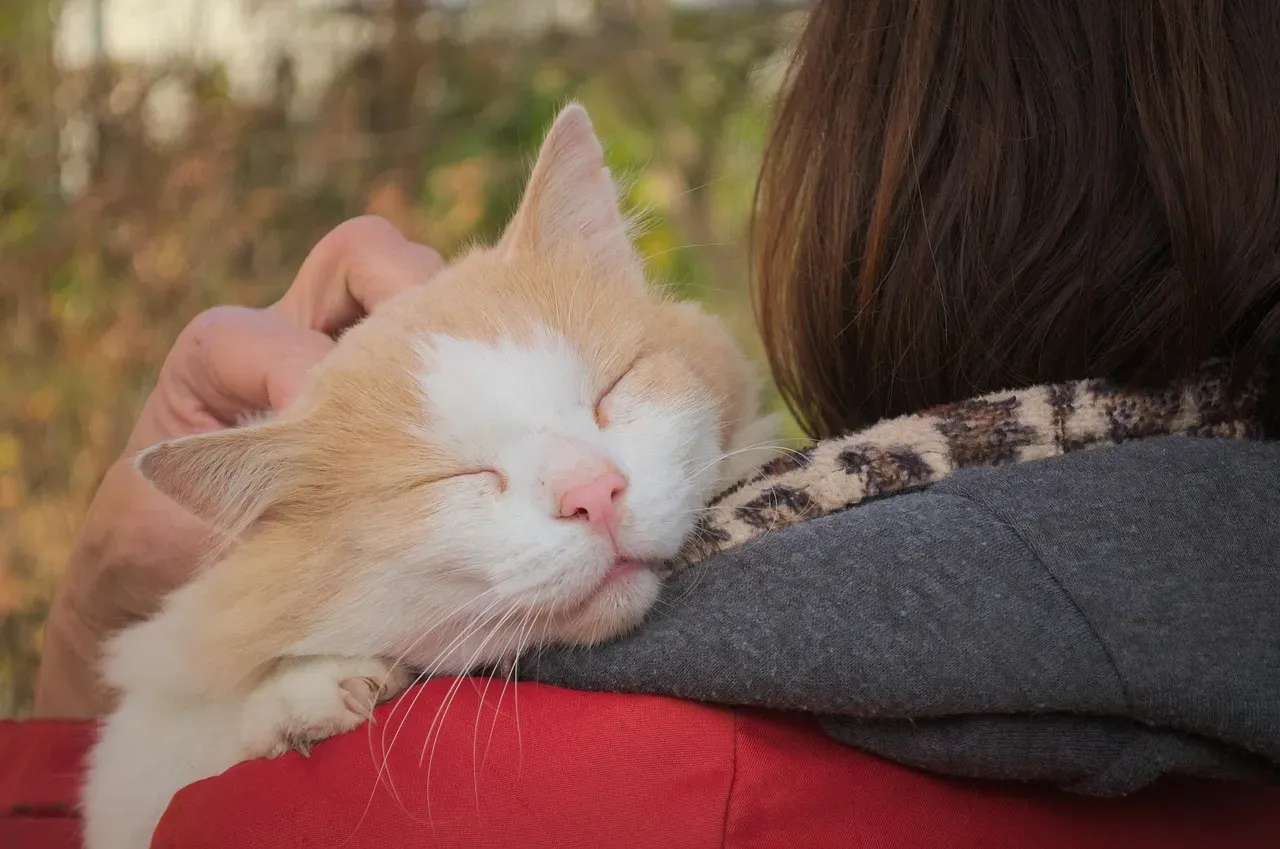
Let’s be real – the old narrative of cats as cold, indifferent loners has taken quite a beating from modern science. Recent research indicates that cats form attachment styles with their caregivers similar to those seen in dogs and human children. In fact, studies show that about nearly two-thirds of cats establish a secure attachment to their human caretakers. That’s a huge number, and it completely reframes the idea of a “detached” cat.
Research has shown that many cats display increased social behaviors – such as seeking more attention, vocalizing, or rubbing against their owners – after a period of separation. So the clinginess you notice before you leave? It’s real. Your cat senses the impending gap in their world and responds accordingly.
Allorubbing is an important reunion behavior, with the vast majority of cats rubbing their owner following a separation. The Secure Base Effect refers to a human or non-human animal’s ability to use the presence of a bonded caretaker as a source of comfort that facilitates stress reduction and exploration in novel or stressful contexts. In short, you are your cat’s emotional anchor, and they feel the tug of that anchor long before you walk out the door.
Behavioral Signs Your Cat Has Already Figured It Out
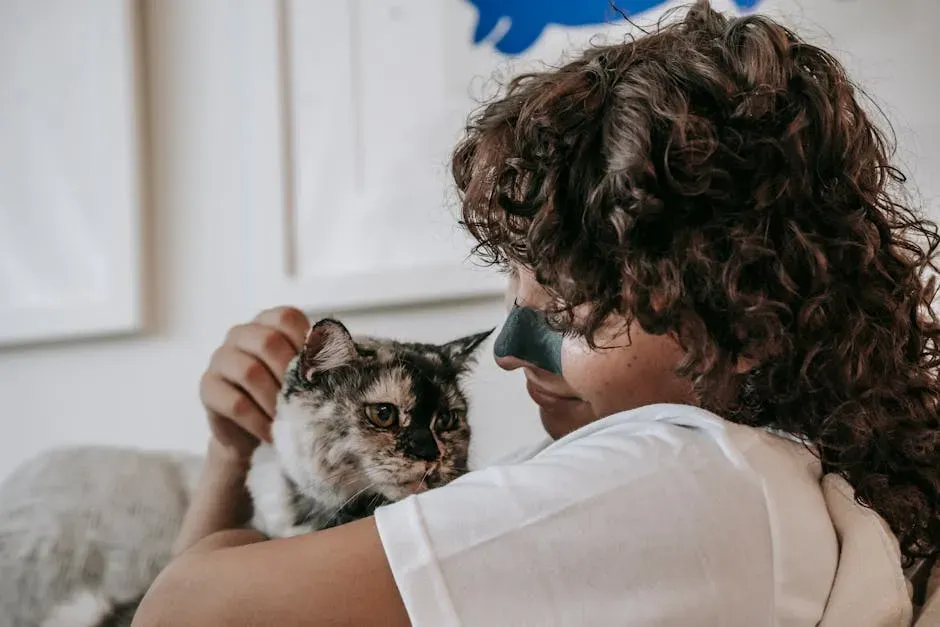
So what does it actually look like when your cat reads the signals correctly? Cats may exhibit specific behaviors, such as increased clinginess or hiding, as indicators that they sense their owners’ impending departure. Some cats suddenly need to be your shadow. Others vanish entirely, as if preemptively removing themselves from the goodbye.
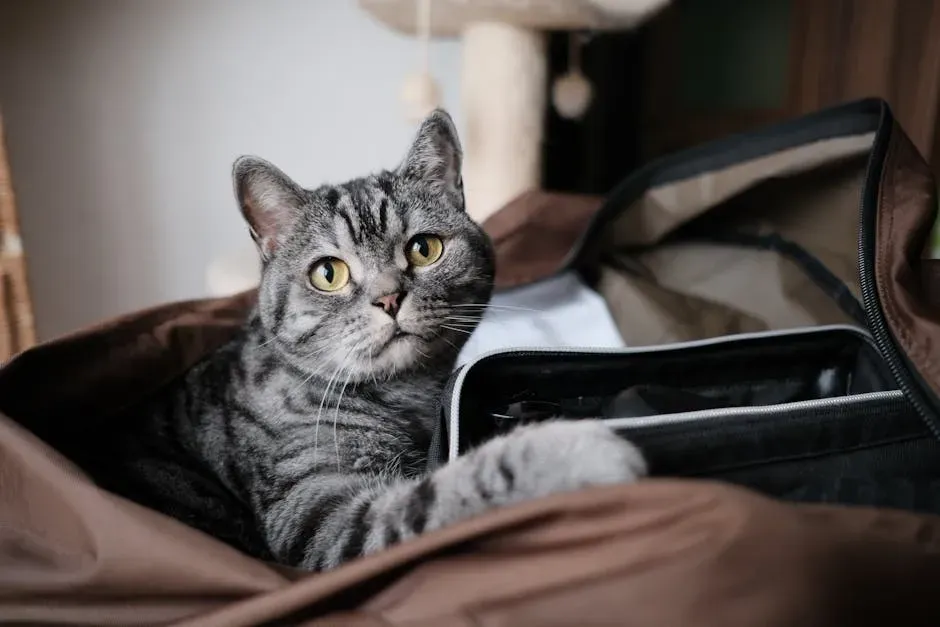
Signs may include clinginess, meowing more than usual, following you around the house, or trying to hide in your luggage. Each cat may display different behaviors based on their personality and attachment to their owner. There’s even the classic “suitcase sit-in” – that defiant act of parking themselves directly on top of your packed bag, daring you to move them.
Cats can become anxious or stressed when their routine is disrupted, such as when an owner leaves. Some may show signs of loneliness or boredom, especially if they are left alone for extended periods. It’s hard to say for sure whether every behavior is conscious or instinctive – but either way, the emotional reality of it is undeniably touching.
What You Can Do to Help Your Cat Cope
Understanding why your cat knows you’re leaving is one thing. Helping them feel secure about it is another matter entirely. Practicing the actions that trigger your cat’s anxiety – like picking up keys or putting on shoes – without actually leaving, and giving them a reward, can help eliminate the negative association between these cues and separation. This process, known as counter-conditioning, is genuinely effective.
Leaving your cat with bird feeders to watch, a sun spot to snooze in, and a food puzzle to play with while you’re gone – and providing them with a structured routine including exercise and affection when you’re home – is a great way to head off any separation distress. Small gestures, real impact. Your cat doesn’t need a grand gesture. They need predictability and sensory comfort.
Avoid making a big announcement when you leave. When you return home, wait until your cat has calmed down before giving them attention. I know it’s tempting to turn every goodbye into a dramatic farewell – but keeping departures calm and low-key is one of the kindest things you can do for an anxious feline.
Conclusion
Your cat isn’t psychic. They’re something arguably more impressive – a highly evolved, deeply attentive, emotionally bonded companion who has been studying you since the day you first shared a home. They track your scent, memorize your movements, tune into your voice, and run an internal biological clock that rivals your own calendar app. By the time you reach for your keys, they’ve already known for a while.
There’s something quietly wonderful about that. In a world where we often worry whether our cats even care that we’re around, science keeps nudging us toward the same comforting conclusion: they notice. They feel it. They just show it in their own feline way – a slow blink here, a strategic sit-on-your-bag there, or a sudden need to follow you from room to room one last time before you go.
The next time your cat gives you that knowing look before you’ve even stood up from the couch, take a moment to appreciate just how remarkable that really is. What’s your cat’s most telling pre-departure behavior? We’d love to hear it in the comments.