Have you ever wondered why simply sitting with your cat as it purrs seems to melt away the tension of a chaotic day? There’s something almost magical about that gentle rumble, isn’t there? It turns out this isn’t just your imagination running wild.
Your feline friend’s purr is actually a sophisticated stress-busting tool backed by genuine science. Researchers have uncovered fascinating connections between those soothing vibrations and measurable changes in your body and brain. From the moment you settle in with your purring companion, invisible processes are already at work reshaping your stress levels in ways that might genuinely surprise you.
The Science Behind That Soothing Rumble
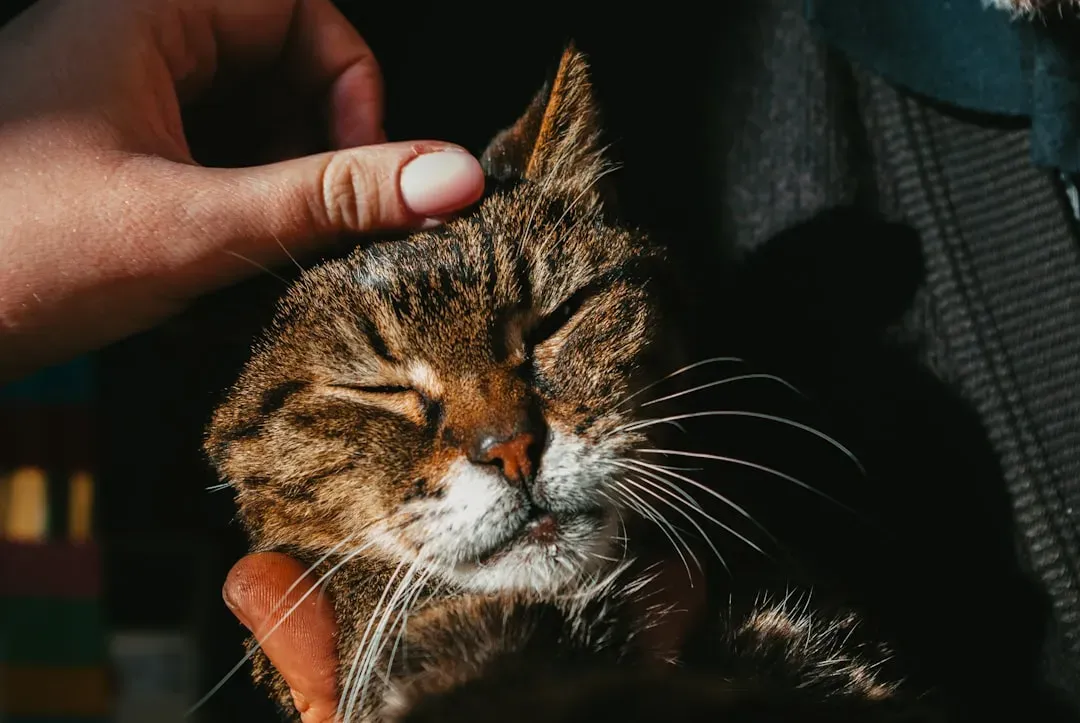
Let’s get into what makes a purr actually happen. Purring starts in your cat’s brain, where a specialized signal tells muscles in the voice box to tighten and relax rapidly as the cat breathes in and out, creating a steady vibration rather than a single sound. It’s a bit like your cat has a built-in sound machine that operates on a continuous loop.
What really catches the attention of researchers is the specific frequency range. Research suggests that the frequency of a cat’s purring – typically between 25-150 hertz – could have therapeutic effects on the body and mind. These frequencies aren’t random. Think of them as nature’s own perfectly tuned relaxation channel, operating at wavelengths that seem almost designed to interact with human biology.
Your Brain on Purring: The Chemistry of Calm
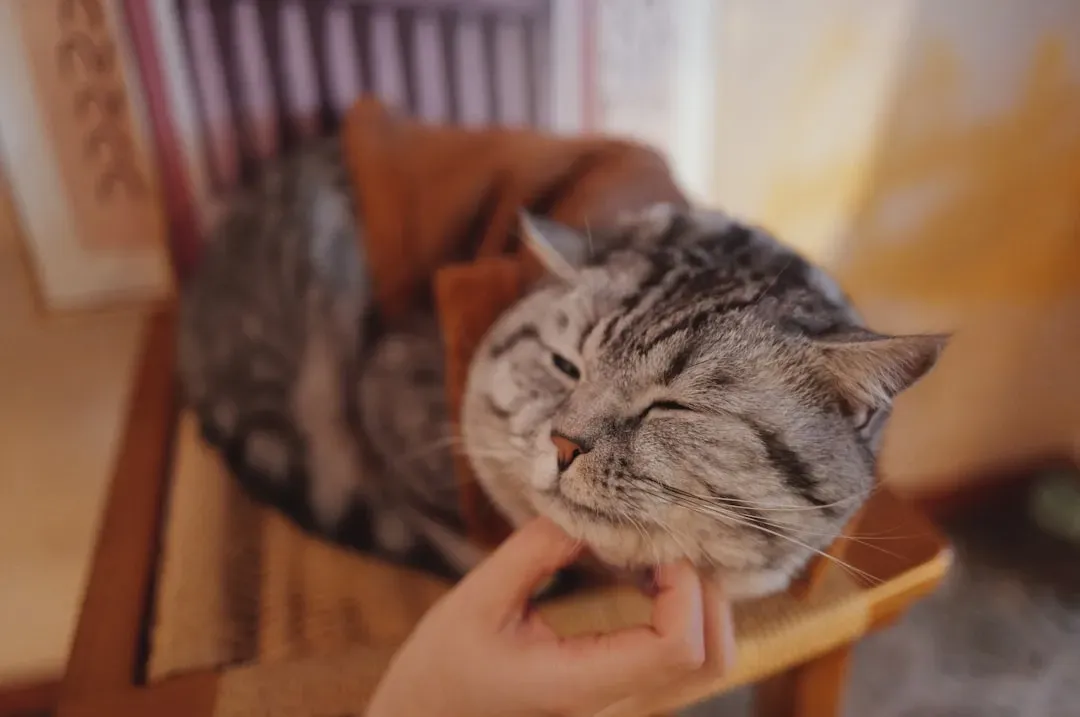
Here’s where things get fascinating. When you pet your purring cat or even just listen to that rhythmic sound, the love hormone oxytocin is rising in both your brains. This is the same chemical that bonds mothers to babies and creates trust between friends. Your cat isn’t just being cute – it’s actually triggering a biochemical reaction.
This calming effect lowers cortisol levels – the stress hormone associated with high blood pressure – and can help alleviate pain, easing chronic discomfort. So when you feel like your cat is draining the stress right out of your body, that’s essentially what’s happening. Your stress hormone drops while your happiness hormone rises. It’s hard to stay anxious when your body chemistry is working against the tension.
The Meditative Quality You Never Knew You Needed
One of the most immediate effects of cat purring on humans is its ability to reduce stress and anxiety, with the soothing sound and vibration of a purr being compared to the calming effects of meditation. Honestly, this makes perfect sense when you think about it. That repetitive, rhythmic sound creates a focal point for your mind.
The repetitive sound of a cat’s purring has a calming, meditative quality that can reduce anxiety and promote mindfulness. You’re not trying to meditate, yet you find yourself naturally drawn into the present moment. The world narrows down to just you, your cat, and that gentle vibration. Suddenly, tomorrow’s deadline or yesterday’s argument feels a bit less overwhelming.
Physical Healing Through Vibrations
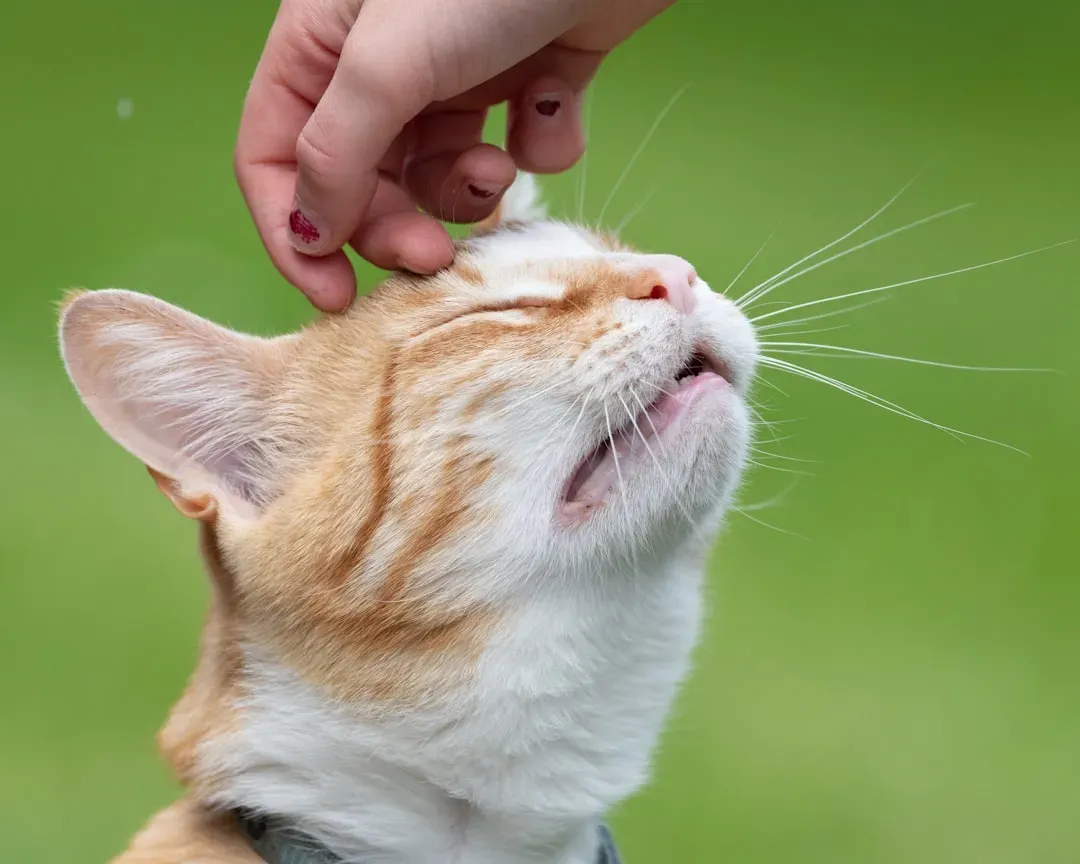
This next part sounds like something out of science fiction. The low-frequency vibrations of a cat’s purring are often used in sound therapy, a form of vibrational healing that applies specific frequencies to the body, and these vibrations can help reduce inflammation, improve circulation and stimulate the healing of damaged tissues. Those same frequencies have been shown to promote bone regeneration and increase bone density.
Frequencies in the 25 to 150 Hertz range are known to help promote the healing of bones, reduce inflammation, and improve joint mobility. The vibrations your cat produces while lounging on your lap might actually be supporting your physical recovery from injuries or chronic pain. Nature’s own physical therapy session, if you will.
Your Heart Actually Benefits From Cat Time

Let’s talk about something pretty remarkable for your cardiovascular system. Studies have shown that cat owners are less likely to suffer from heart disease compared to those without cats, and the soothing effects of purring help reduce blood pressure, which can lower the risk of heart attacks and strokes. That’s not a small benefit we’re talking about.
Many people who spend time with cats experience a decrease in heart rate and blood pressure, which reduces strain on the cardiovascular system and supports overall health. Your cat might be annoying when it knocks things off your desk, but it’s also quietly working as your personal heart health assistant. The trade-off seems worth it.
Breaking the Cycle of Anxiety
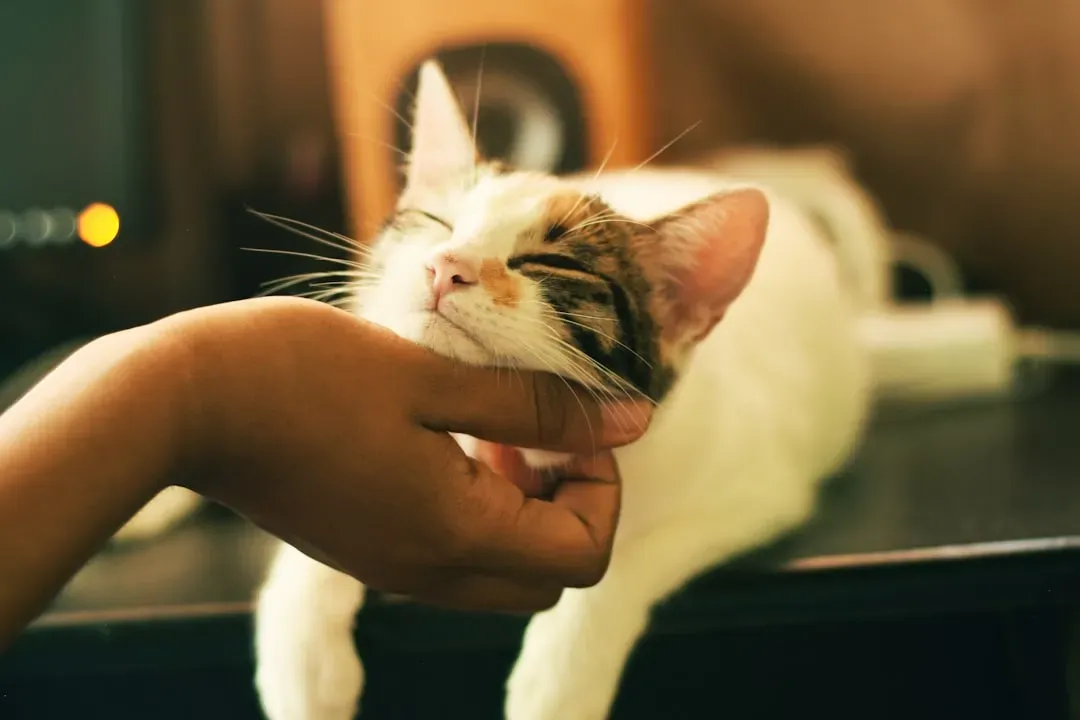
Anxiety has a way of feeding itself, creating loops in your mind that are hard to break. Your purring cat offers an unexpected intervention. Studies have shown that if a person suffering with anxiety listens to the sound of a cat’s purr it may help to distract from the source of their anxiety and will be calmed by the purring sound.
What makes this particularly effective is the non-judgmental presence your cat provides. Emotional support animals, like cats, offer vital relief to those experiencing anxiety, depression or other mental health conditions, and their presence fosters trust, security and companionship, helping people cope with stress and emotional challenges. Your cat doesn’t care if you had a bad day or made mistakes. It just purrs, offering acceptance without conditions.
Better Sleep With a Purring Companion
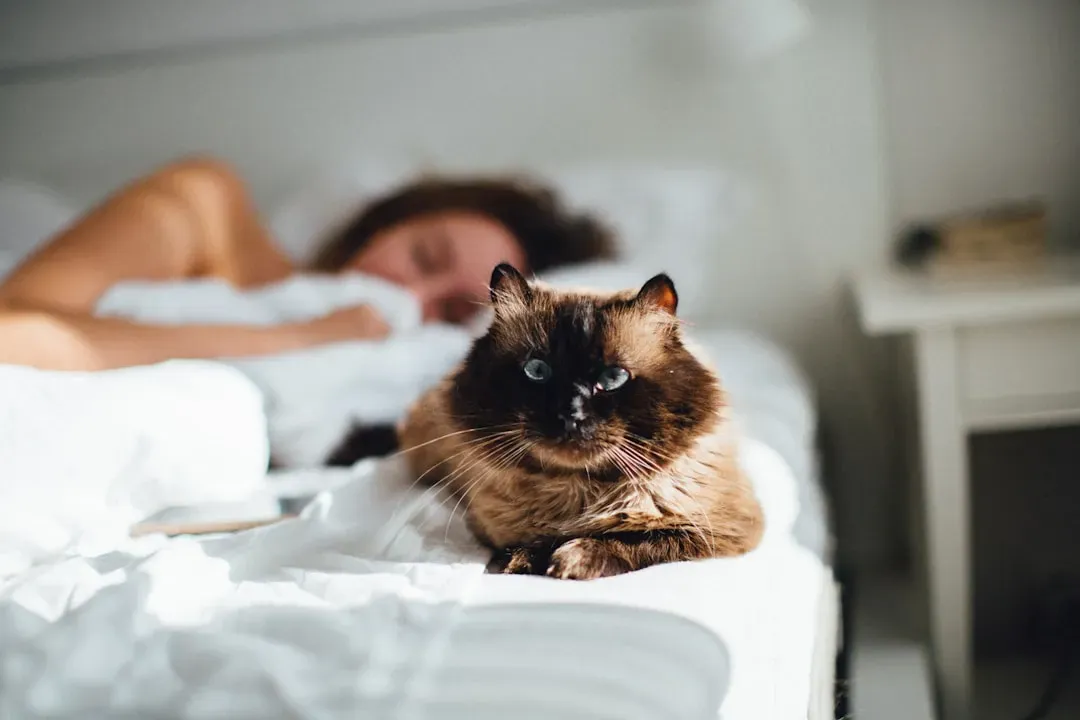
Many cat owners find that sleeping near a purring cat improves their sleep quality, as the soft, rhythmic sound acts as a form of white noise, blocking out disruptive sounds and helping the brain enter a state of relaxation. If you’ve ever wondered why you sleep better when your cat curls up next to you, there’s your answer.
People who suffer from insomnia or frequent nighttime awakenings may experience better sleep when accompanied by a purring feline companion. It’s like having a living, breathing sound machine that also happens to love you. The combination of the auditory rhythm and the physical warmth creates an environment that practically invites restful sleep.
The Companion Effect on Mental Health
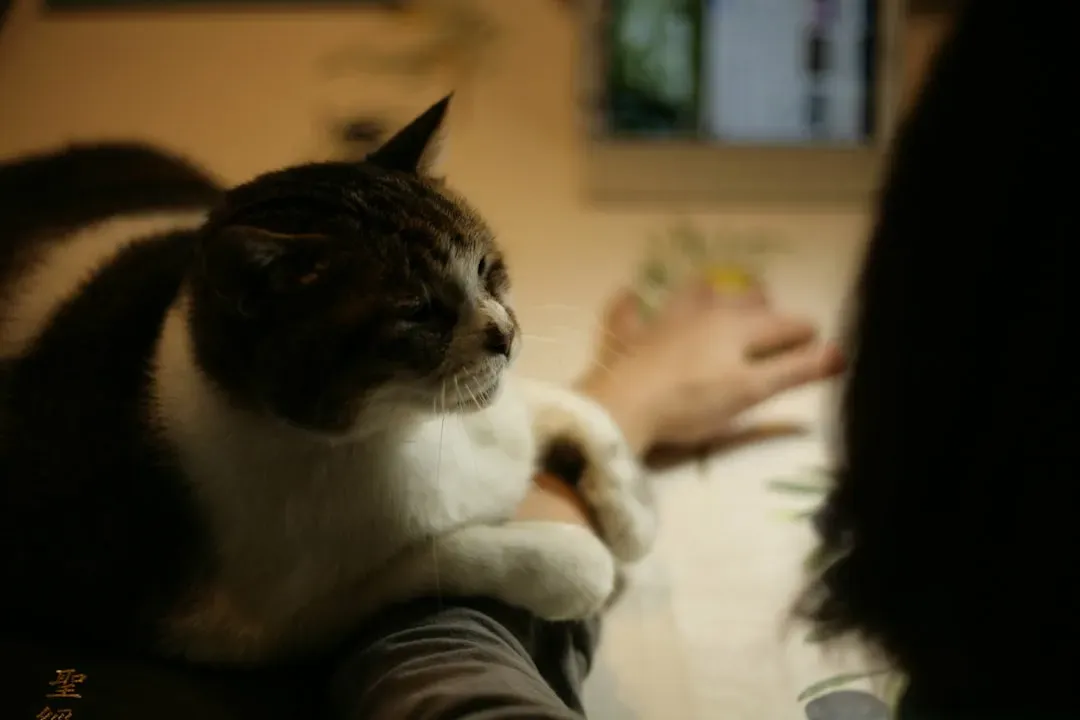
The bond between humans and their pets is a powerful force in emotional wellness, and a purring cat provides companionship, which can help combat feelings of loneliness and depression. Living alone or going through difficult times becomes slightly more bearable when you have a purring presence in your life.
Studies have shown that petting a cat while listening to its purr can boost oxytocin levels, a hormone associated with trust and emotional bonding, and for individuals who live alone or struggle with mental health challenges, a cat’s presence can offer consistent comfort. The reliability matters here. Your cat will be there, purring away, whether you’ve had a fantastic day or the worst day imaginable.
Therapy Settings Are Taking Notice
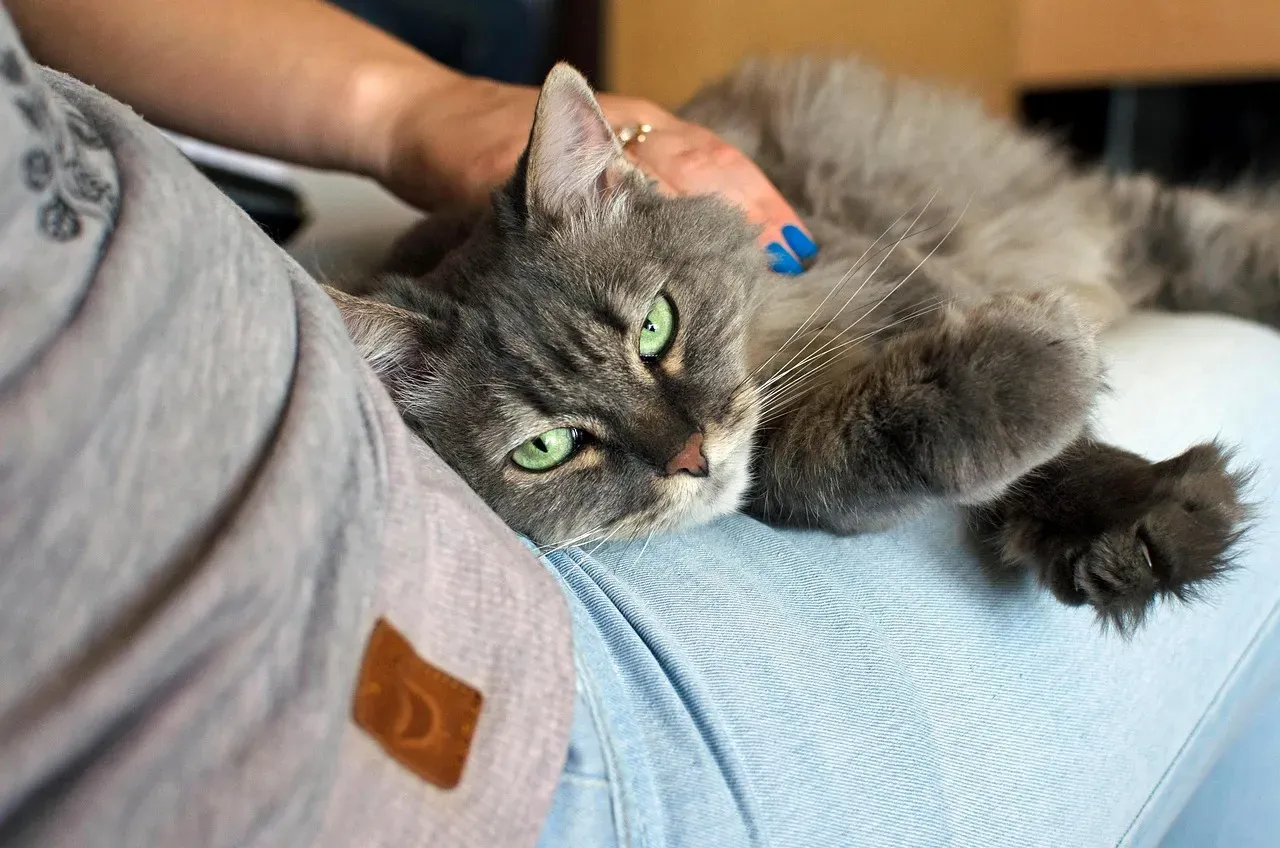
Therapy with pets, especially dogs and cats, led to significant reductions in anxiety levels and improved individuals’ overall mental health, with many of the participants feeling calmer, less stressed and having higher levels of satisfaction with the therapy. Professional therapeutic settings are increasingly incorporating cats into treatment plans.
Interactions with therapy cats were reported to decrease negative emotional states like depression, anxiety, and loneliness while supporting positive states such as willingness to engage and interact. There’s something about the non-demanding nature of cats that makes them particularly effective in therapeutic contexts. They’re present without being overwhelming, offering connection without pressure.
Making the Most of Your Cat’s Stress-Relieving Powers
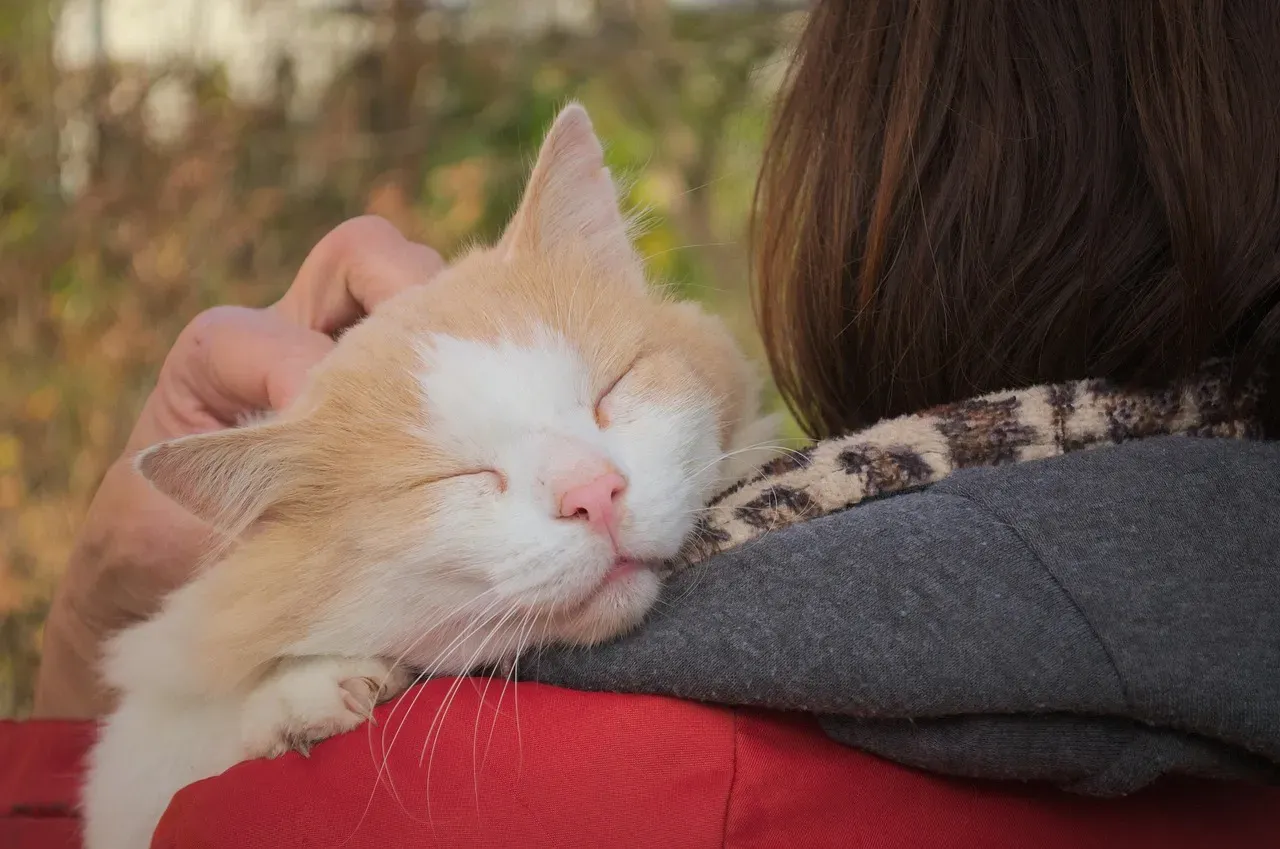
You don’t need to overthink this to benefit from what your cat naturally provides. Simply spending time near your purring cat already activates these positive effects. Petting a cat or simply spending time with them often triggers the body’s relaxation response, helping people feel more grounded and at ease.
Even if you don’t own a cat, you’re not entirely out of luck. You can visit animal shelters, pet cafes or friends and family with cats to experience their calming presence, and spending time with a cat in a soothing environment can help you access the same relaxation and emotional relief. The benefits are there for the taking, whether the cat belongs to you or not. Sometimes just a brief encounter with a purring feline can shift your entire mood.
Conclusion
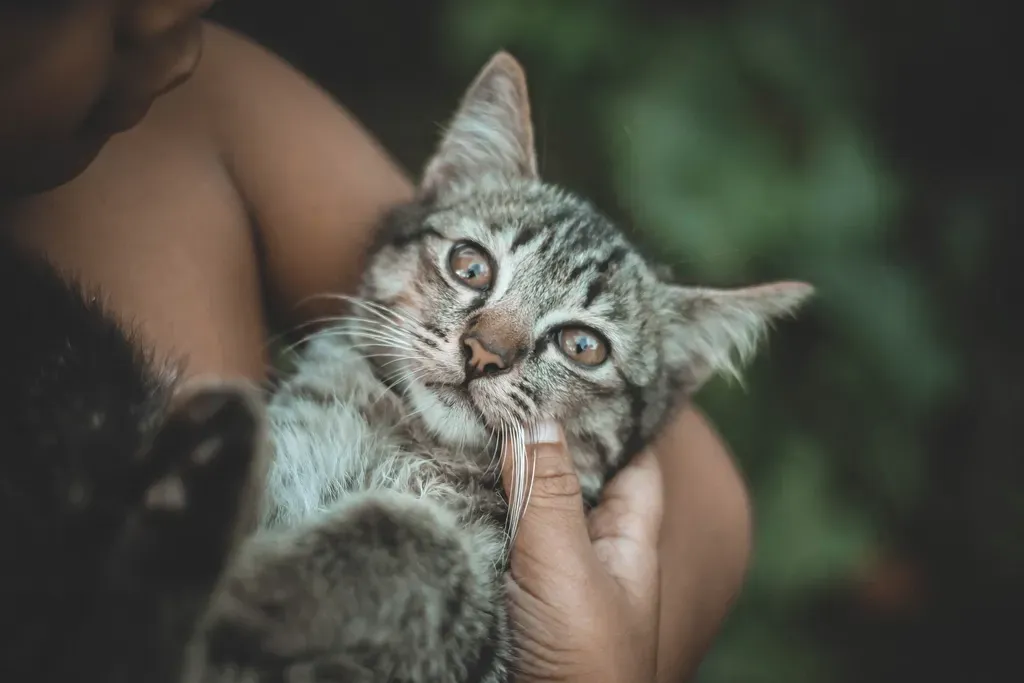
Your cat’s purr is far more than a charming quirk of nature. It’s a sophisticated biological mechanism that interfaces with your own physiology in surprisingly beneficial ways. From lowering stress hormones to promoting physical healing, from improving sleep quality to providing genuine emotional support, that gentle rumble carries considerable power.
The next time your cat settles into your lap and begins that familiar vibration, remember you’re not just enjoying a pleasant moment. You’re engaging in a mutually beneficial exchange that evolution has refined over thousands of years of human-feline partnership. Your stress dissolves, your blood pressure drops, and your mood lifts – all from something as simple as a purring cat. Have you given your feline companion enough appreciation for all this hard work they’re doing? Maybe it’s time for an extra treat or two.