
Social hierarchies are common in the animal kingdom, serving as a framework for organizing relationships within a group. Among big cats, such hierarchies can dictate access to food, mating opportunities, and territorial rights. However, not all big cats are social creatures. Understanding these differences is essential to appreciating how hierarchies function among these apex predators.
The Uniqueness of Lion Prides
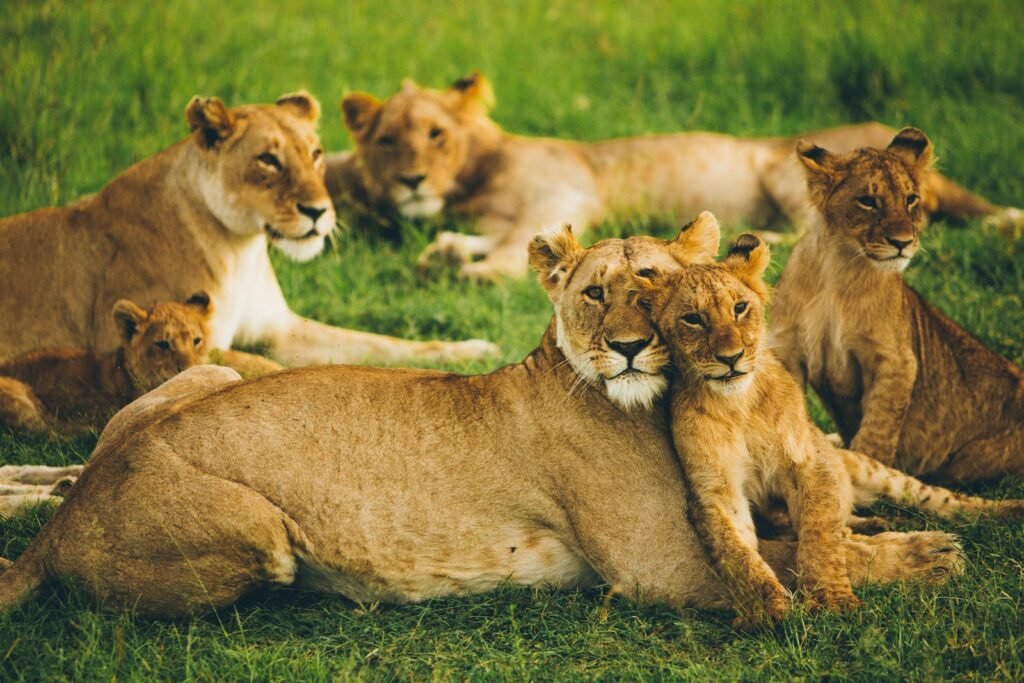
Lions are distinctly social among big cats, living in structured groups known as prides. A typical pride consists of related females, their offspring, and a small number of males. The social structure of a pride is primarily matriarchal, with female lions maintaining lifelong bonds and playing critical roles in hunting and cub-rearing. Male lions often hold a position of power thanks to their roles as protectors and defenders of the pride’s territory.
Male Lions and Their Coalitions
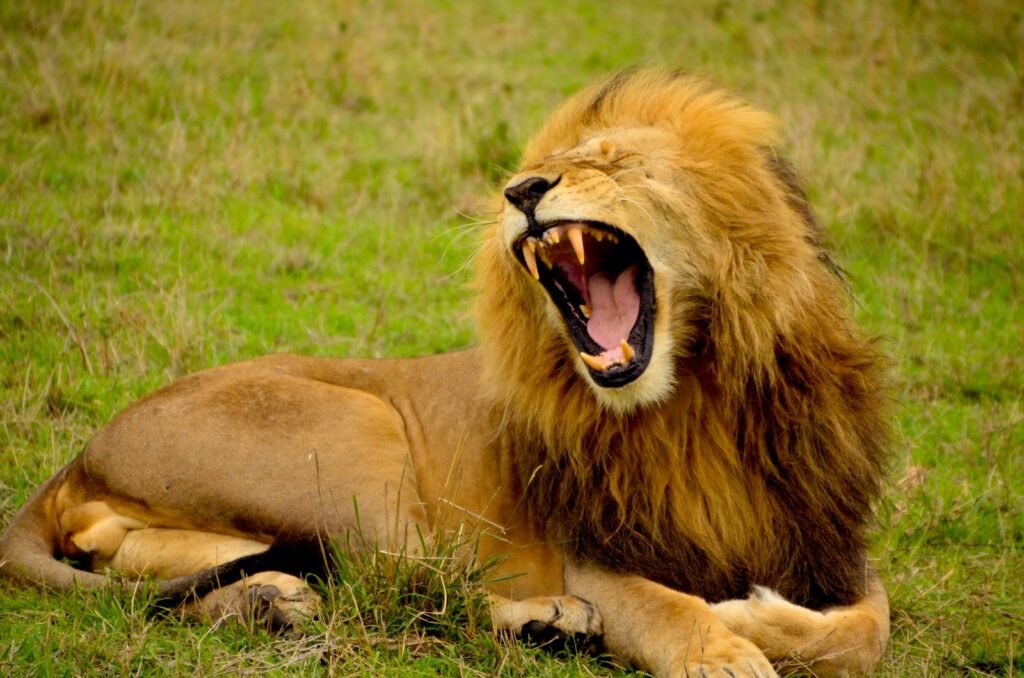
Male lions often form coalitions, which are groups of related or unrelated males that work together to protect a pride from rivals. These coalitions can range from two to seven individuals. Within coalitions, hierarchies depend on age, size, and experience. The dominant male usually has the rights to mate with the females and is pivotal in pride defense, but this dominance is often challenged by other coalition members.
Female Lion Hierarchies
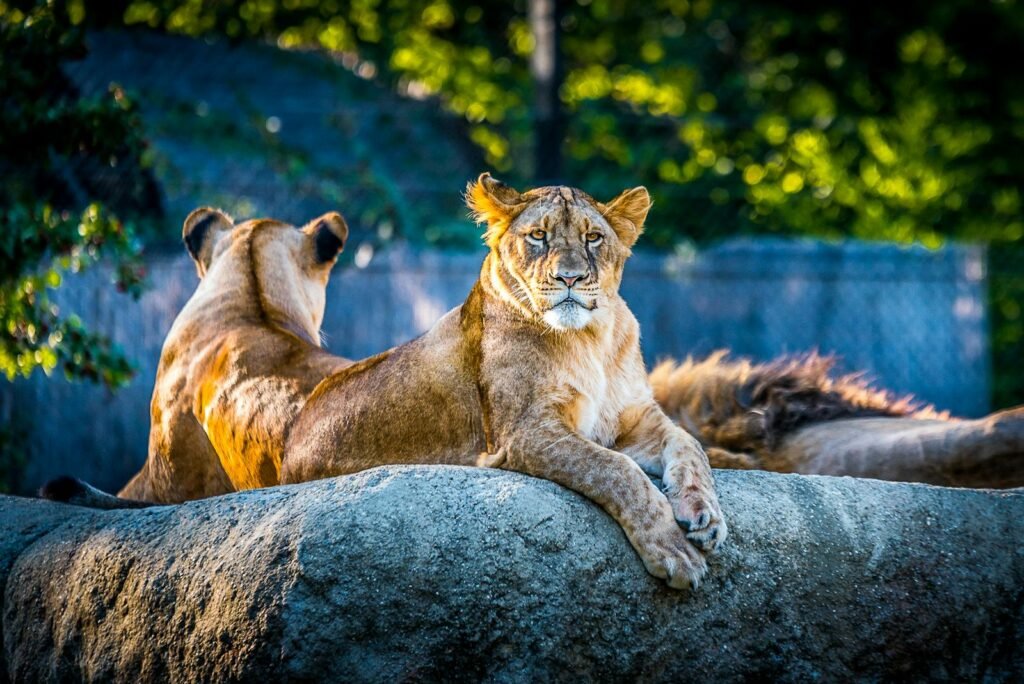
In contrast to the power dynamics among males, female lions generally exhibit less overt competition thanks to their lifelong familial bonds. Their hierarchies are often less rigid and based on cooperation rather than dominance. They collaborate for hunting and caring for cubs, working as cohesive units to ensure the pride’s survival.
Leopards: Solitary Yet Territorial
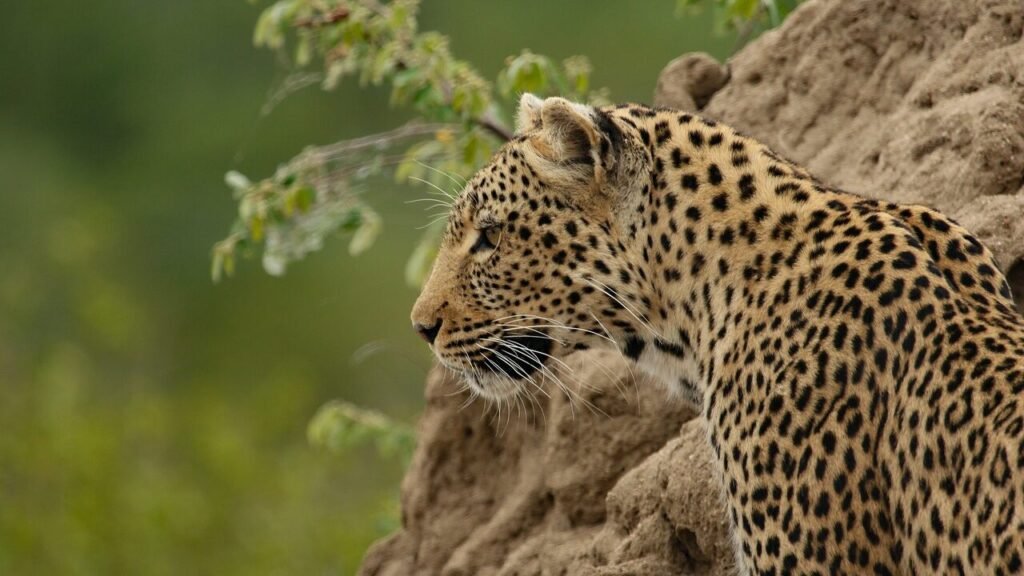
Unlike lions, leopards are typically solitary creatures, marking distinct territories to limit interactions with others of their species. Males maintain larger territories that often overlap with those of several females. The size and location of a leopard’s territory can influence its hierarchical status, with larger territories indicating higher fitness and status.
The Elusive Social Structures of Tigers
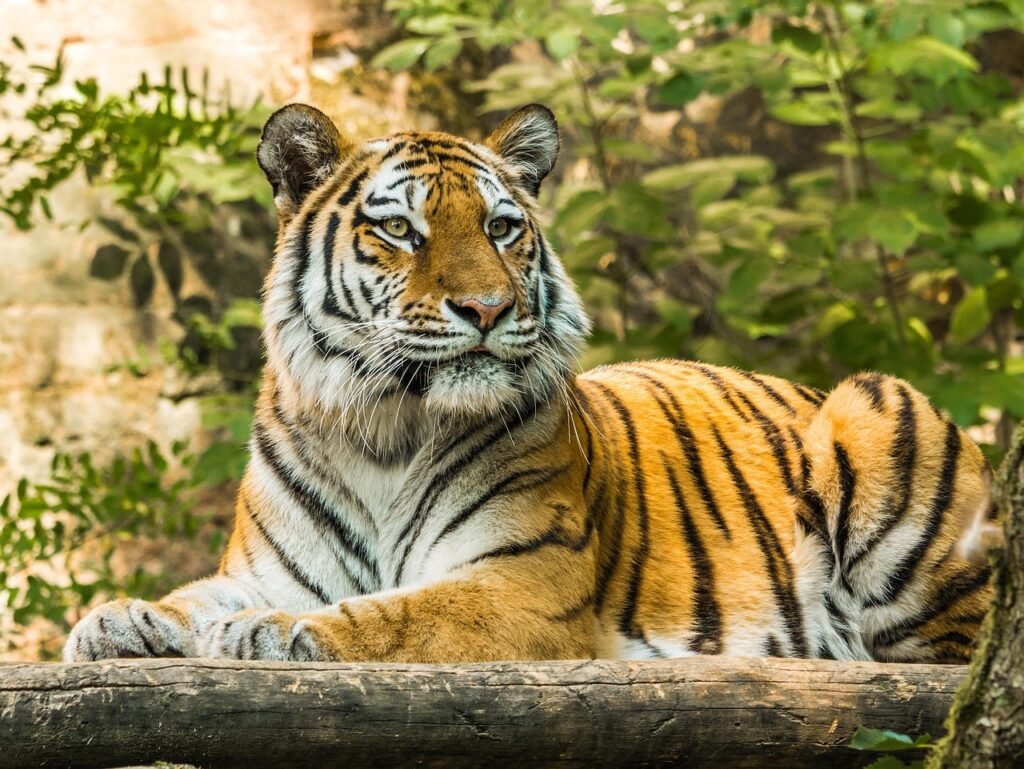
Tigers also prefer solitary lives but exhibit some fascinating social behaviors. Territorial dominance is primarily determined through vocalizations, scent markings, and displays of power. Larger male tigers control extensive territories that encompass the territories of multiple females. Tigers also display a form of social tolerance, especially when resources are abundant, allowing for occasional gatherings without violence.
Cheetahs: Exceptions to Big Cat Solitude
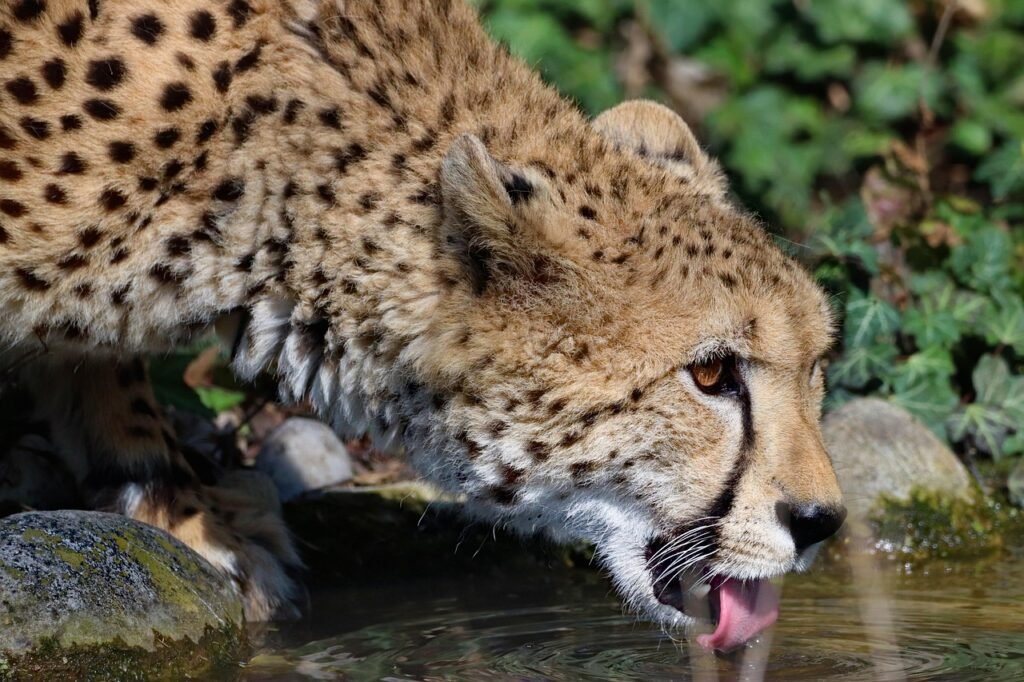
Cheetahs are unique among big cats for their somewhat social behavior, particularly among males, who form small groups called “coalitions.” These coalitions often consist of related males and help in securing and defending territories. Female cheetahs, however, remain solitary, except when raising cubs. Despite their social coalitions, cheetahs tend to avoid hierarchical aggression, focusing instead on cooperative defense and hunting.
Jaguar Social Territories and Hierarchies

Jaguars lead solitary lives, where social hierarchies are generally absent. They maintain territories through scent markings and vocal calls. Like other solitary big cats, male jaguars control larger territories that include access to females, yet explicit dominance battles are rare. Their solitary nature ensures that hierarchies, when they do exist, are subtle and based primarily on territorial control.
The Role of Communication in Hierarchy Establishment
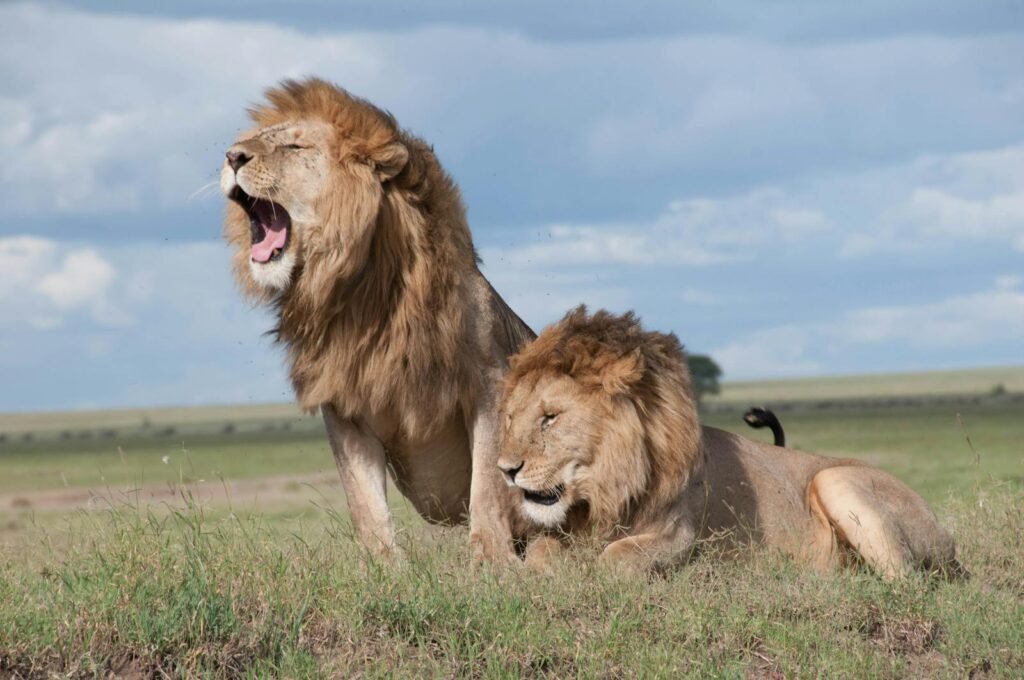
Communication, through vocalizations, scent markings, and body language, plays a vital role in establishing and maintaining social hierarchies among big cats. Roars, growls, and scent markings serve as indicators of territory and dominance. For example, a lion’s roar can be heard miles away, warding off potential rivals and asserting authority.
Adaptations and Challenges in Changing Environments
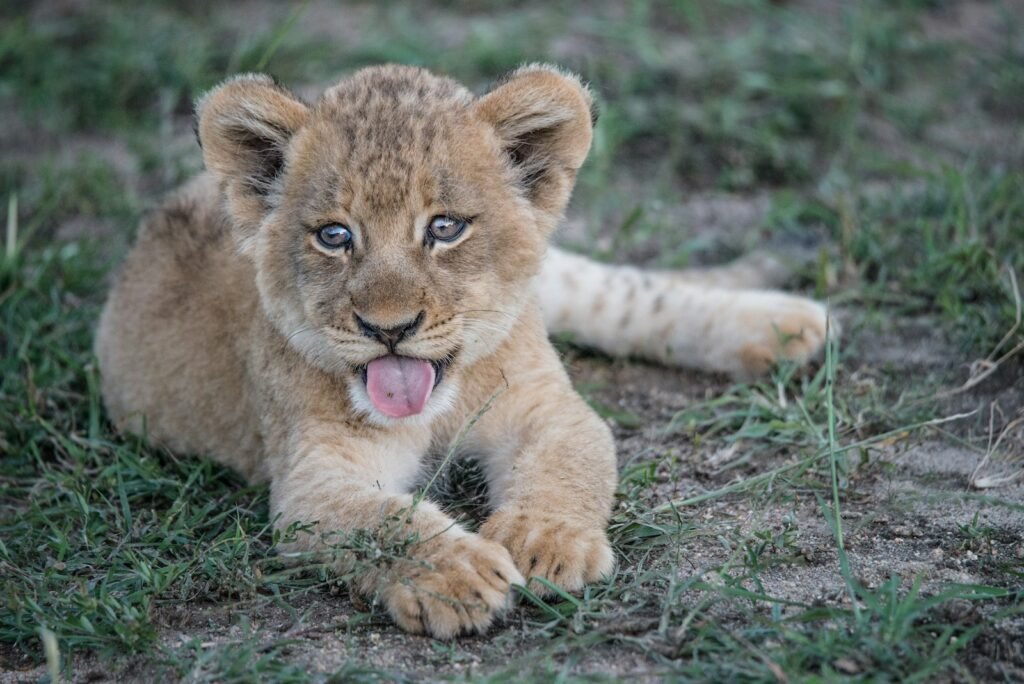
As habitats and environmental conditions change, so do the social hierarchies of big cats. Habitat loss and human encroachment challenge traditional territories and force these animals to adapt. In some cases, this leads to altered hierarchies and social structures as big cats navigate shrinking spaces and increased competition for resources.
Understanding the social hierarchies of big cats offers insights into their behaviors, survival strategies, and the intricate balance they maintain in their ecosystems. As apex predators, their social structures are critical to preserving the natural order and contributing to biodiversity.
Suhail Ahmed is a passionate digital professional and nature enthusiast with over 8 years of experience in content strategy, SEO, web development, and digital operations. Alongside his freelance journey, Suhail actively contributes to nature and wildlife platforms like Feline Fam, where he channels his curiosity for the Feline into engaging, educational storytelling.
With a strong background in managing digital ecosystems — from ecommerce stores and WordPress websites to social media and automation — Suhail merges technical precision with creative insight. His content reflects a rare balance: SEO-friendly yet deeply human, data-informed yet emotionally resonant.
Driven by a love for discovery and storytelling, Suhail believes in using digital platforms to amplify causes that matter — especially those protecting Earth’s biodiversity and inspiring sustainable living. Whether he’s managing online projects or crafting wildlife content, his goal remains the same: to inform, inspire, and leave a positive digital footprint.