Cat owners often balance demanding schedules with the need to ensure their pets remain content and secure during absences.
Kittens Require Constant Vigilance from Owners
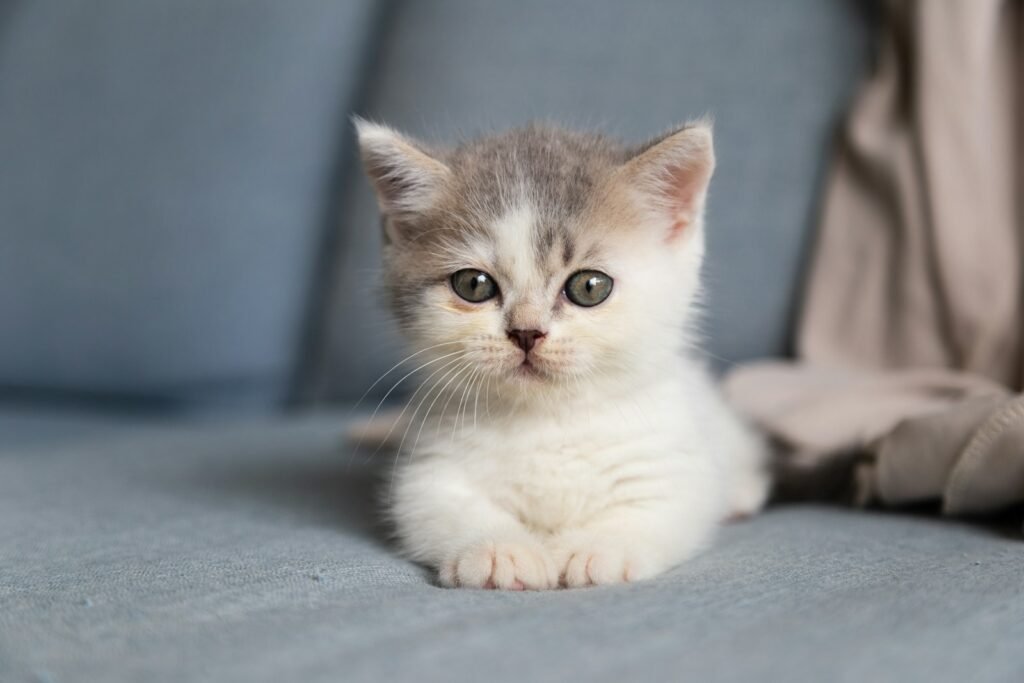
Veterinarians emphasize that very young kittens tolerate minimal alone time. Those still on milk replacement formula need attention every two to three hours for feedings. Kittens under four months should never exceed four hours unsupervised, as their playful curiosity invites accidents like tangling in cords or sampling hazardous plants.
Owners gradually build tolerance by starting with short separations of five to ten minutes. By five to six months, healthy kittens manage up to six hours alone with proper setup. This phase demands kitten-proofing homes rigorously.
Adult Cats Thrive with Moderate Independence
Healthy adult cats handle eight to twelve hours alone comfortably during typical workdays. Experts note that up to twenty-four hours proves feasible occasionally, provided essentials stay accessible.
However, exceeding forty-eight hours risks undetected health issues or escalating boredom. Cats Protection advises capping routine absences at twelve hours to prevent frustration. Personalities vary; social cats fare better with companions or check-ins.
| Age Group | Recommended Max Alone Time |
|---|---|
| Under 4 months | 2-4 hours |
| 4-6 months | 4-8 hours |
| Healthy adults | 8-24 hours (12 ideal) |
| Seniors/ill | Under 8 hours; frequent checks |
Seniors and Special Needs Cats Need Extra Care
Older cats over seven years sleep more but face heightened vulnerability to ailments. Shorter absences, ideally under eight hours, allow timely intervention for issues like mobility problems.
Any cat with medical conditions demands even stricter limits. Medications, dietary needs, or chronic pains necessitate daily visits from sitters. Veterinary consultation clarifies individualized thresholds.
Key Preparations Ensure Worry-Free Absences
Stock multiple litter boxes with clean, clumping litter scooped daily. Automatic feeders dispense measured portions of dry food, while fountains keep water fresh.
Enrichment combats boredom through puzzle toys, scratching posts, and window perches. Pheromone diffusers like Feliway reduce stress, and pet cameras enable remote monitoring.
- Secure hazards: cords, toxins, small objects.
- Provide hiding spots and elevated perches.
- Test auto devices beforehand.
- Leave familiar scents on bedding.
- Arrange sitters for over twenty-four hours.
Spotting Distress Early Prevents Bigger Problems
Prolonged solitude triggers anxiety, shown through excessive meowing or furniture destruction. House soiling outside the litter box signals discomfort.
Overgrooming or appetite changes warrant immediate vet checks. Regular interaction maintains emotional health.
Key Takeaways
- Match alone time to age and health – never exceed vetted limits.
- Prioritize enrichment and safety setups for peace of mind.
- Opt for professional sitters on longer trips to avert risks.
Responsible cat care hinges on recognizing solitude’s boundaries, blending independence with attentive provision. Healthy, happy cats emerge from well-planned absences. How do you manage your cat’s alone time? Share in the comments below.