Have you ever stood in your kitchen, maybe at three in the morning, with your cat staring at you and meowing persistently until you caved and gave in? You’re not alone. Millions of cat owners find themselves asking the exact same question every single day. The truth is, your cat has trained you far better than you might realize.
Cats communicate with humans to get what they need or want, such as food, water, attention, or play. That relentless meowing isn’t random noise. It’s calculated, purposeful, and honestly, it’s probably working. Let’s dive into the fascinating world of feline vocalizations and uncover what’s really happening when your furry friend demands their next snack.
The Science Behind Your Cat’s Vocal Strategy
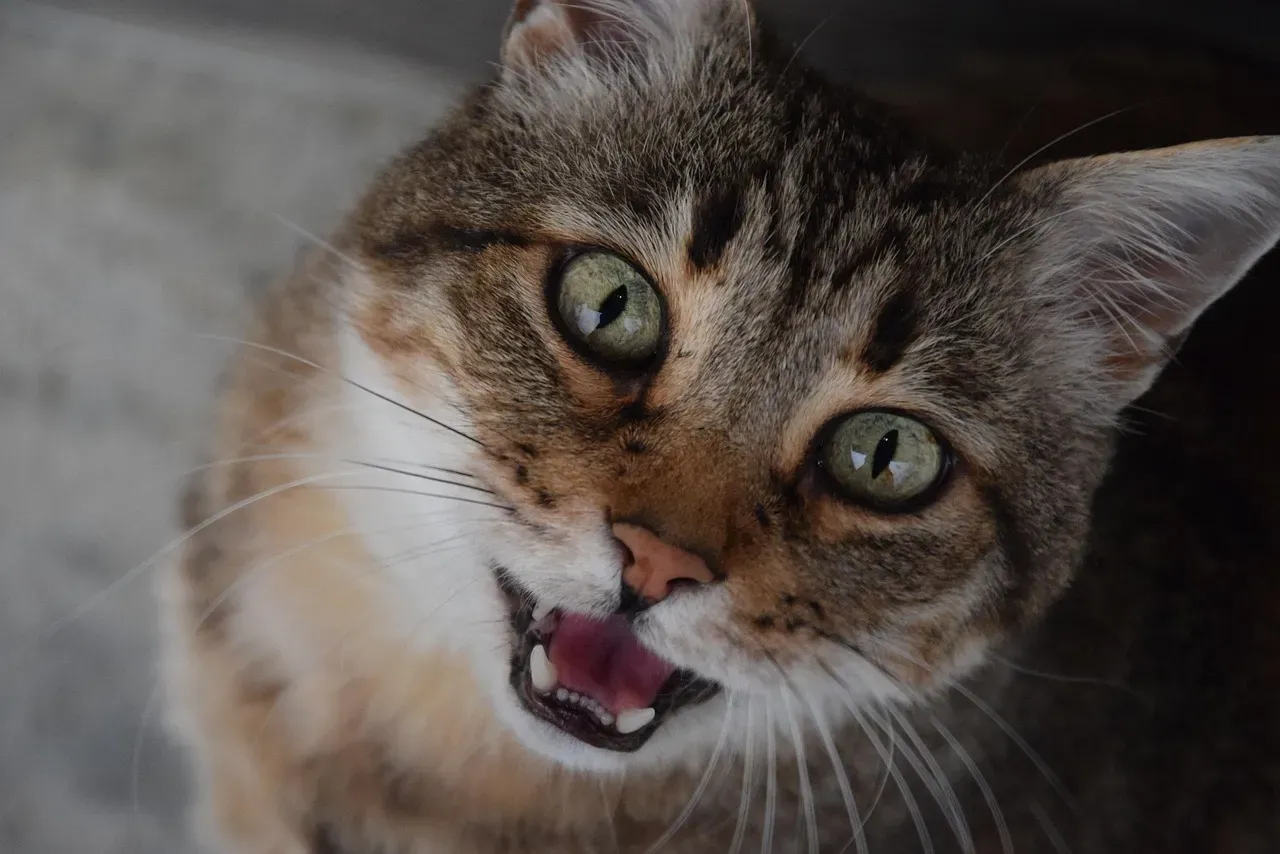
Adult cats rarely meow to each other, and adult meowing to human beings is likely to be a post-domestication extension of mewing by kittens. Think about that for a second. Your grown cat has essentially decided to keep using baby language because it works on you. Pretty clever, right?
Cats have learned what levers to push, what sounds to make to manage human emotions, and when we respond, we too are domesticated animals. Over thousands of years of living alongside humans, cats figured out that vocalizing gets results. With over 10,000 years of domestication, cats have learned to fine-tune their vocalizations to their individual household to best get what they want. Your cat doesn’t just meow randomly; they’re speaking a language specifically designed for you.
Different Meows Mean Different Things
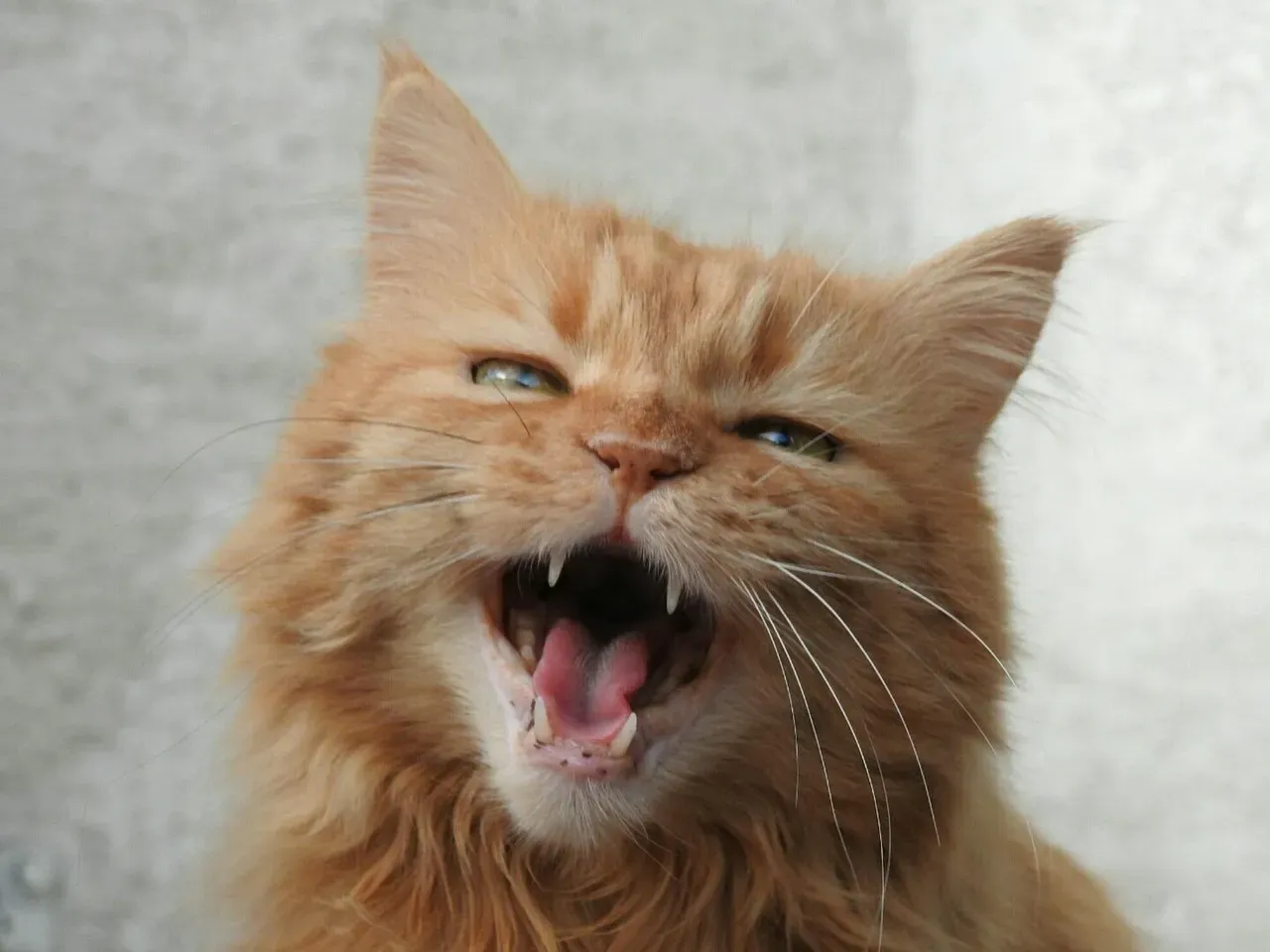
A meow can be assertive, plaintive, friendly, bold, welcoming, attention-soliciting, demanding, or complaining. Not all meows are created equal. You’ve probably noticed your cat uses different sounds in different situations.
Short meows typically mean hello, while longer meows often indicate requests or demands, and high-pitched meows might signal distress, while low-pitched meows can indicate displeasure or anger. A quick, chirpy meow when you walk through the door? That’s a greeting. The long, drawn-out wail at dinnertime? That’s a demand. The sounds rated as more urgent or less pleasant were longer. Your cat knows exactly how to modify their vocalizations to convey urgency.
Why Treats Make Your Cat So Vocal
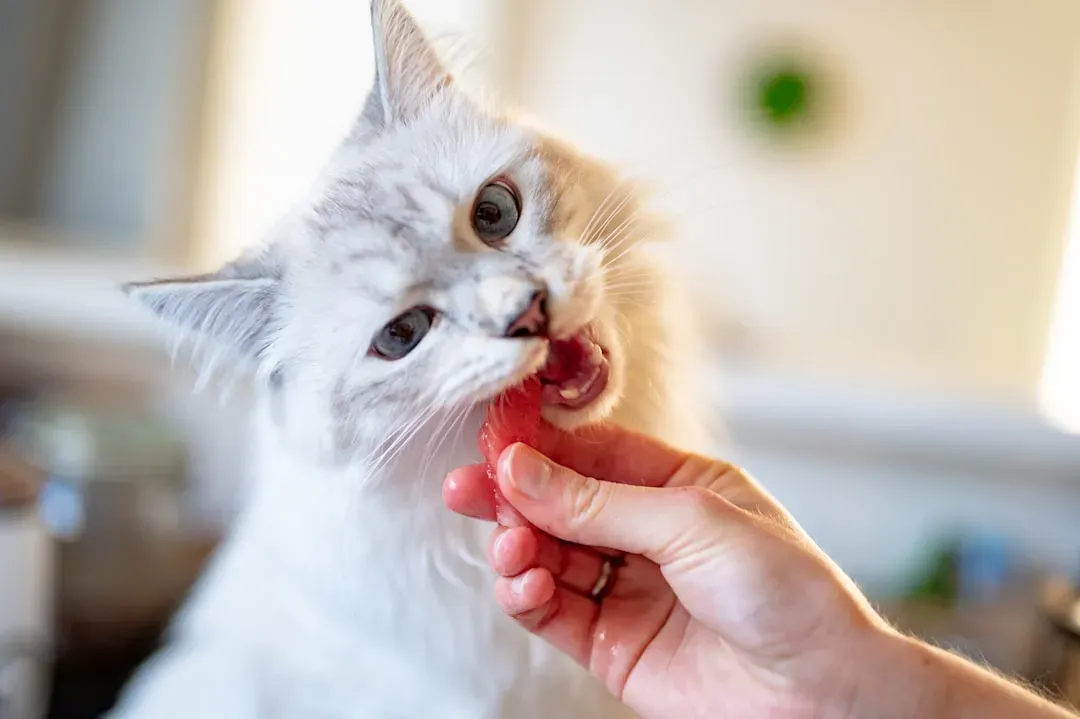
Here’s the thing: you probably trained your cat to meow for treats without even realizing it. When you consistently reward meowing with treats, attention, or even scolding, you teach your cat that vocalizing works, and that behavior can escalate. Every time you gave in to those big eyes and persistent cries, you reinforced the behavior.
Cats are intelligent creatures, and they quickly learn that meowing often results in a response from their owners, and if you’ve given in to their demands by offering treats or playtime, your cat may associate meowing with getting what they want. It’s like you’re operating a vending machine, and your cat has figured out which buttons to press. The more it works, the more they’ll do it. Learning plays a huge role in this behavior, and chances are your cat was meowing and you thought they were hungry, so your cat made the association between food and meowing.
The Attention-Seeking Meow Explained
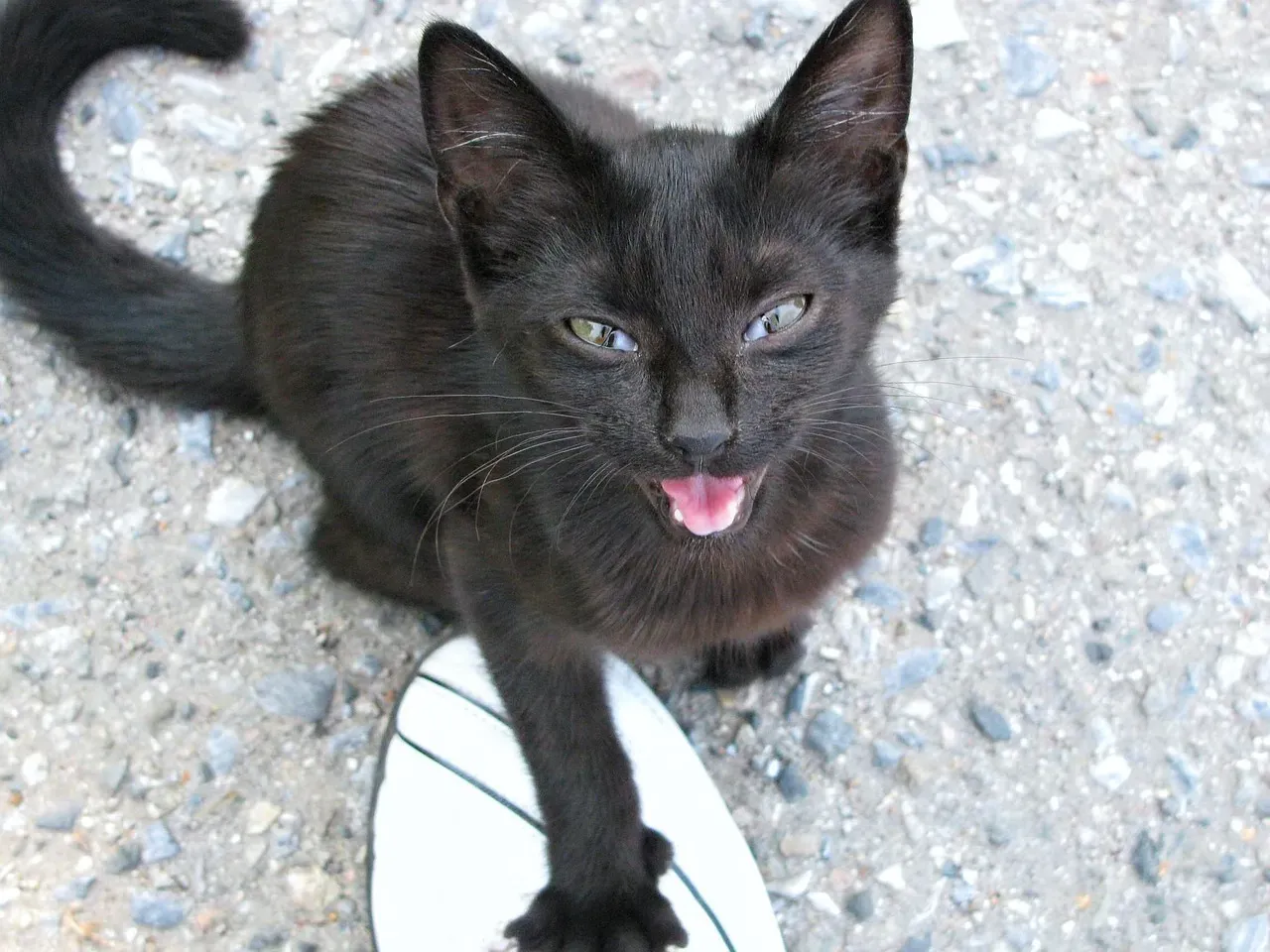
Cats enjoy social contact with people, and some will be quite vocal in their requests for attention, wanting to be stroked, played with or simply talked to. Sometimes it’s not even about the treat itself. Your cat might just want you to pay attention.
If a cat discovers that the behavior brings them what they want, they’ll increase it to get more attention. Think about it this way: maybe your cat is bored, lonely, or just craving interaction. They could be seeking attention, affection, or even expressing boredom. That meow for a treat might actually be code for “play with me” or “I’m lonely.”
How Many Meows Actually Works?
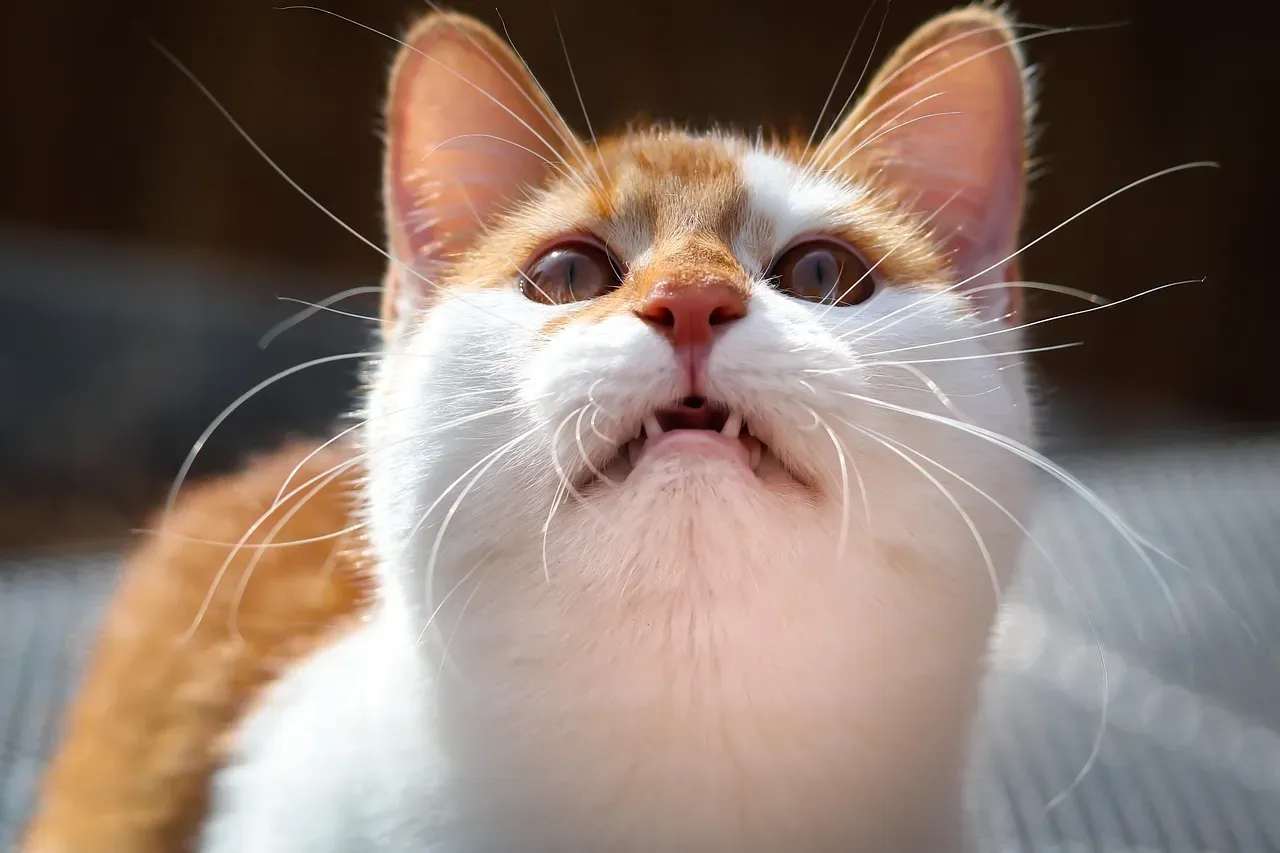
There’s no magic number, honestly. At first, rewarding a cat for just one to two seconds of silence can help them learn to be quiet for longer periods of time. Some cats give up after a few meows if they don’t get what they want. Others? They’ll serenade you for an hour straight.
It really depends on how well you’ve trained each other. If you usually cave after five meows, your cat learns that five is the magic number. If you ignore the first twenty but give in on number twenty-one, congratulations, you’ve just taught persistence. The answer isn’t about how many meows it takes; it’s about what you’ve taught your cat to expect.
Breaking the Meow-for-Treat Cycle
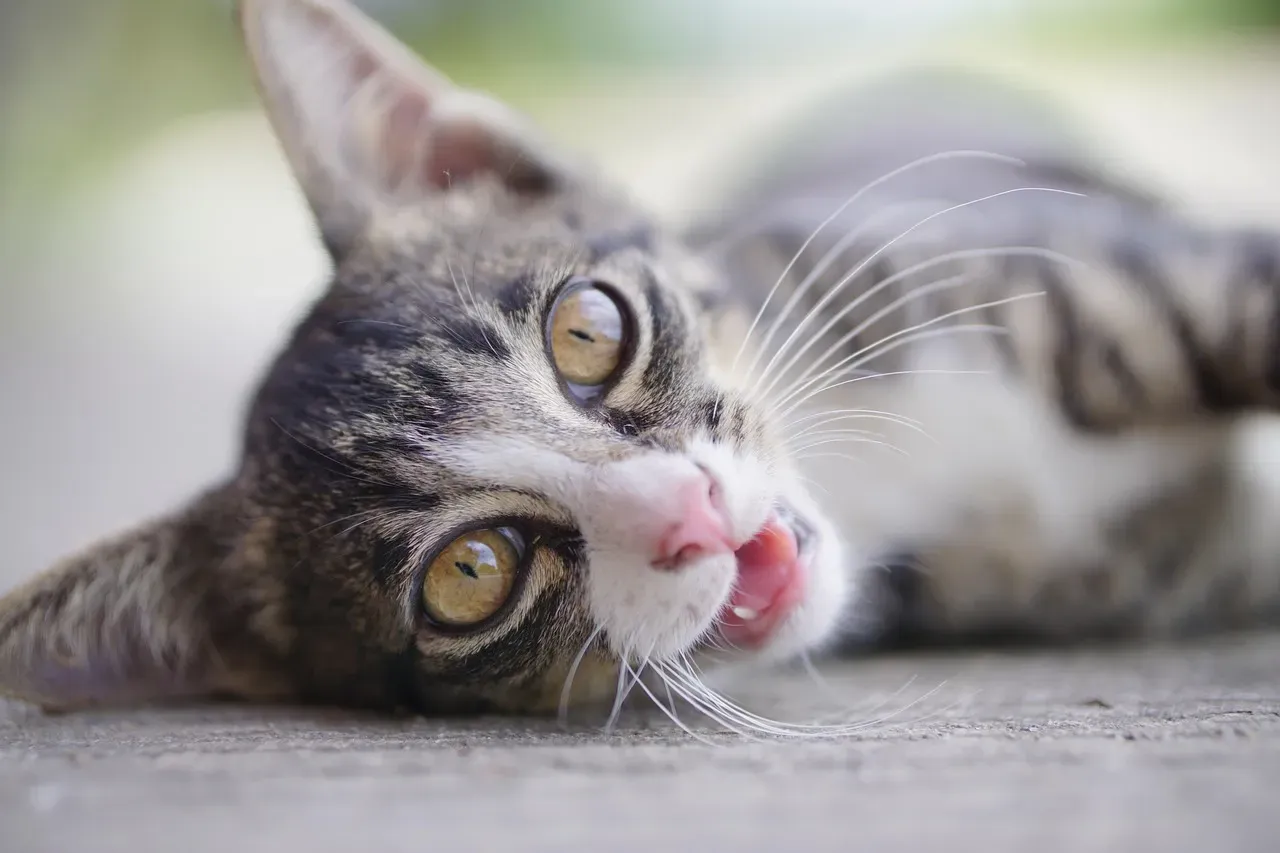
If your cat is meowing for attention, teach them that you’ll only pay attention when they’re quiet by resisting the urge to respond, being patient, waiting for a brief moment of silence, and immediately giving them the attention they crave. It sounds simple, yet it requires serious willpower.
Feed your cat at set times so they know not to meow for food at other times, don’t give them treats when they meow, and if your cat wakes you up for breakfast, use an automatic feeder that drops food at set times, so they’ll eventually stop meowing at you for food. Automated feeders can be game changers. Using automatic feeders means meowing at you no longer makes food appear. You’re removing yourself from the equation, which breaks the association.
Rewarding Quiet Behavior Instead
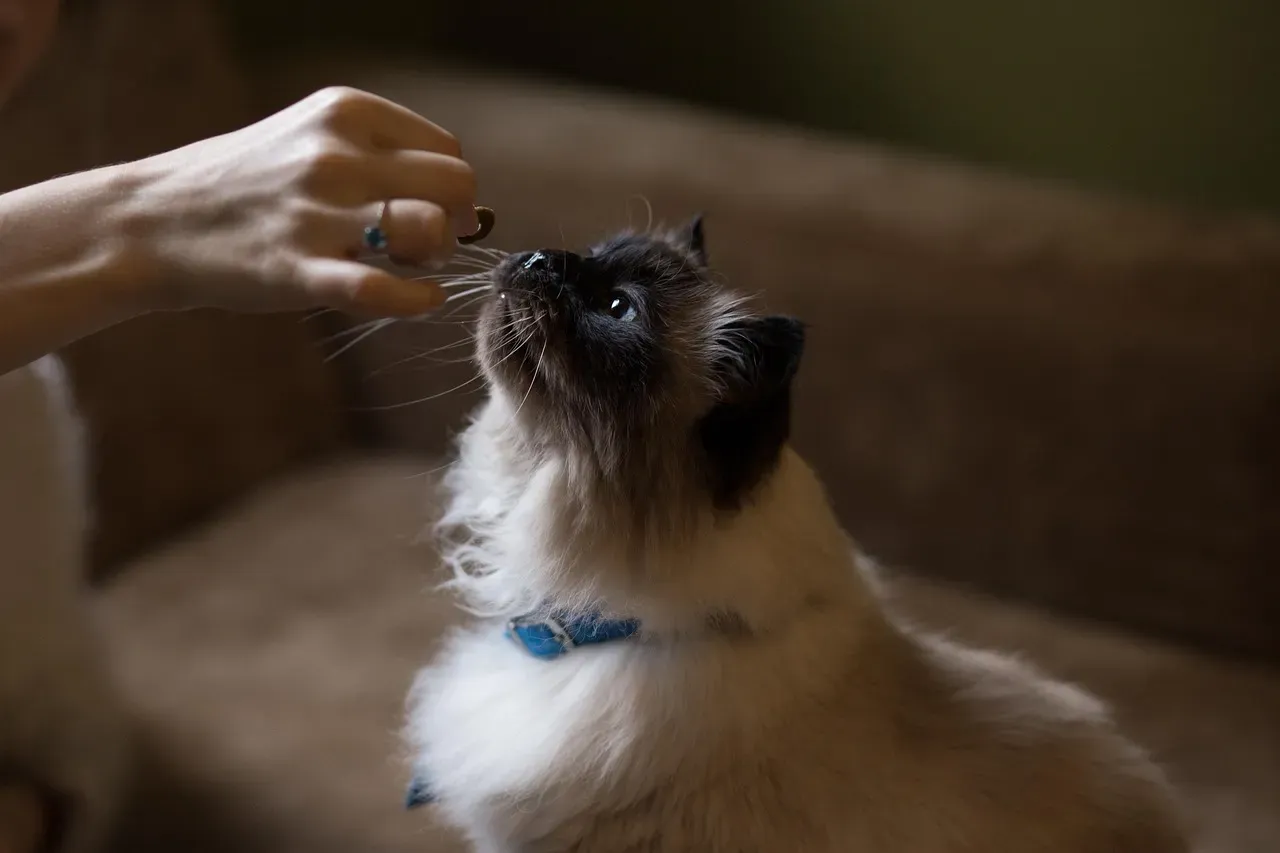
The most effective approach is to reward quiet behavior while ignoring excessive meowing by offering praise, treats, or attention when your cat is calm and quiet, and this positive reinforcement helps them associate being quiet with receiving rewards. Flip the script entirely. Instead of responding to noise, respond to silence.
Before your cat has a chance to start vocalizing during predictable times, reward them with treats, praise, playtime or affection in moments when they’re quieter, and conversely, if they begin meowing at an inappropriate time, do not respond. Catch them being good. The simplest way is to ignore excessive meowing and reward the cat for being quiet by ignoring the cat while meowing and giving treats as rewards when it stops being vocal. It takes consistency, patience, and sometimes earplugs.
Understanding the Urgency Factor
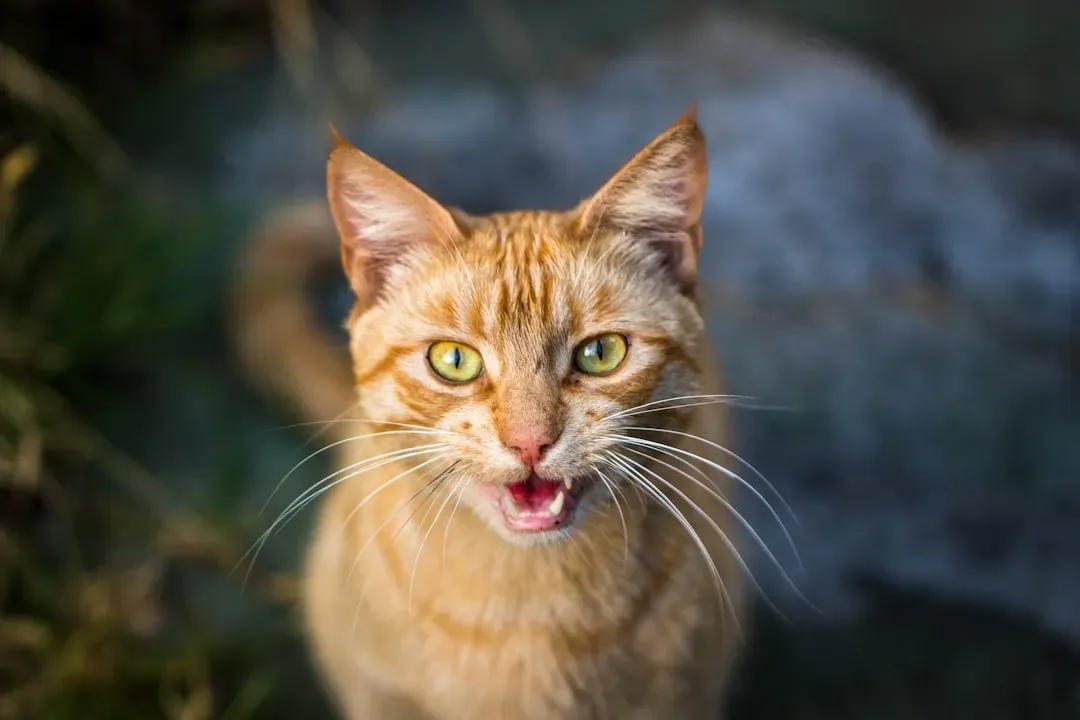
There’s a clear negative relationship between pleasantness and urgency, rooted in how the calls sound. Your cat is manipulating acoustics. The more urgent they want you to feel, the less pleasant the meow becomes.
Cats may meow at mealtime to express their hunger, excitement for a meal, or simply because they have learned that this behavior results in attention and feeding. Sometimes your cat genuinely is excited about food. Other times, they’ve just learned that making noise equals getting stuff. While cat parents know they’re about to put food bowls down, cats may not be so sure. From their perspective, vocalizing ensures you remember.
When Meowing Signals Something More Serious
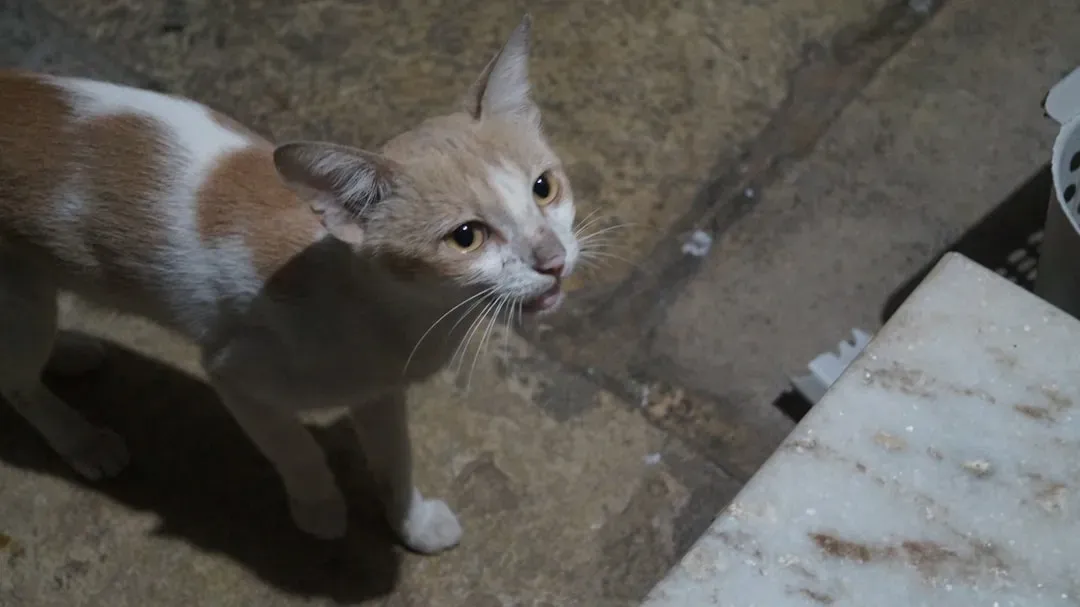
A cat who meows a lot should be checked by a veterinarian to ensure a medical condition is not the cause, as numerous diseases can cause cats to feel unusually hungry, thirsty, restless or irritable. Sometimes excessive meowing isn’t about treats at all. It could indicate pain, illness, or discomfort.
As cats age, they’re prone to developing an overactive thyroid and kidney disease, and either one may result in excessive meowing. If your previously quiet cat suddenly becomes extremely vocal, or if the meowing sounds different than usual, don’t ignore it. Cats often meow more when experiencing pain from conditions like arthritis, dental disease, or urinary tract infections, and hyperthyroidism, common in older cats, frequently manifests as increased vocalization. Better safe than sorry with a vet visit.
Breed Differences in Vocalization
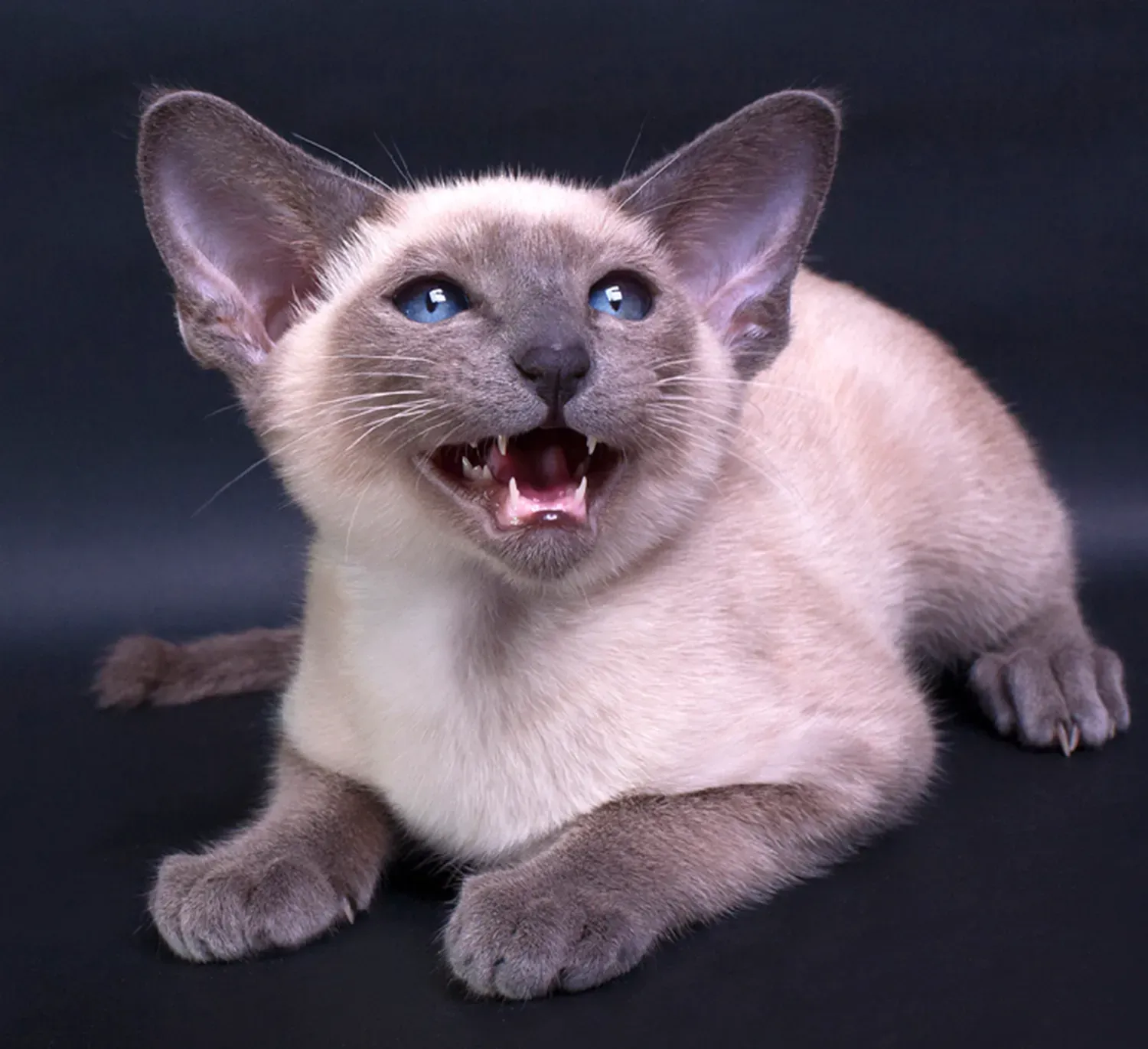
Some breeds, such as the Siamese and Tonkinese, are predisposed to being talkative, and this can be modified somewhat by not giving attention during meowing. If you have a naturally chatty breed, you’re basically living with a tiny, furry opera singer.
Many cats enjoy a good chat now and again, whether their talkative tendencies come from genetics or they’ve learned through their interactions with us, and cats can produce over 100 different types of sounds. Some cats are just born performers. They love hearing their own voice and enjoy the back-and-forth with you. That’s personality, not necessarily demand.
The Real Answer: You Decide the Number
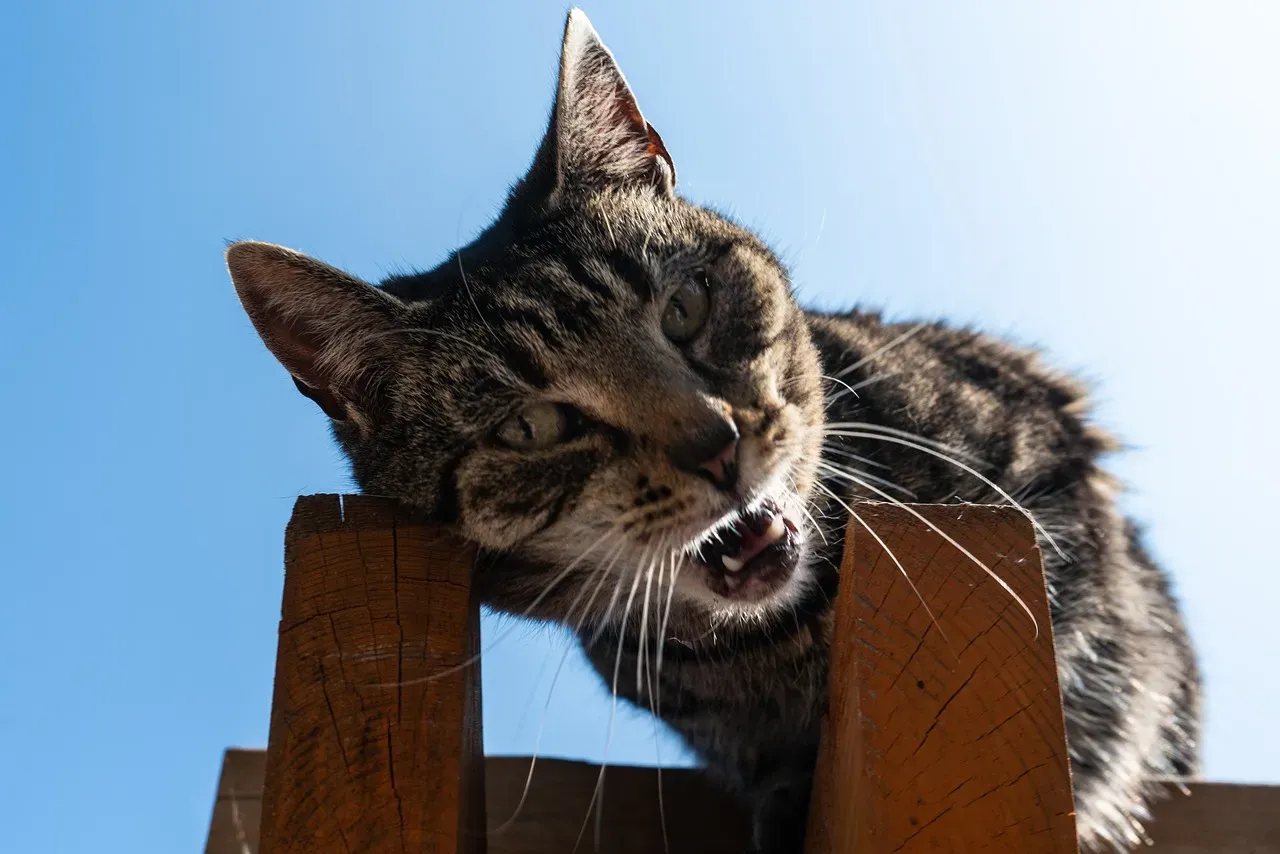
So how many meows does it actually take to get a treat? The uncomfortable truth is that you’re the one who sets that number. You may have taught your cat to meow at the food bowl by accident, because their human has reinforced meowing at the food bowl. Every interaction is training.
Rewarding your cat with any kind of attention will reinforce this behavior, and many times people will get up to feed their cat, play with them, or chase them out of the room if they’re up meowing, thus teaching them that disturbing you works. Even negative attention counts as attention. If you yell at your cat to stop meowing, you’ve still responded, which means the meowing worked. The solution? Consistency. Decide on your boundaries and stick to them, even when those big eyes are pleading at four in the morning.
Conclusion: You’re Both Speaking the Same Language Now
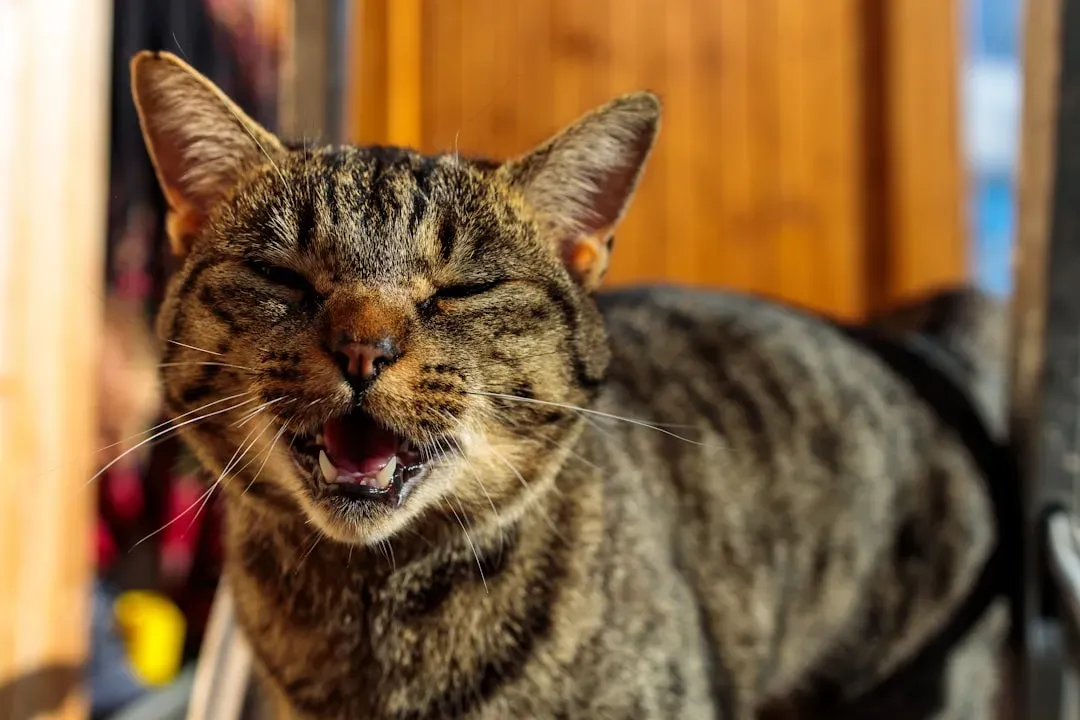
Understanding your cat’s meowing behavior transforms your relationship. You’re not helpless against those vocal demands. Where feline vocalization excels is cat-to-human communications, and many of their vocalizations are reserved for humans and specialized to get what they want when they want it. Your cat is speaking directly to you, and now you know what they’re really saying.
The number of meows it takes to get a treat is entirely up to you. Set boundaries, reward silence, stay consistent, and remember that sometimes a meow isn’t about treats at all. It’s about connection, attention, or even health concerns. Pay attention to the patterns, trust your instincts, and don’t be afraid to consult your vet if something feels off. What’s your cat’s most effective meow strategy? Share your stories in the comments below.