You probably fill your own water glass multiple times throughout the day without a second thought. Yet when it comes to your cat, you might wonder whether that nearly empty water bowl is something to worry about or just typical feline behavior. Cats have unique hydration needs that differ significantly from other pets, and understanding these needs is more important than you might imagine.
Here’s the thing. Many cats simply don’t drink enough water on their own, and that seemingly minor detail can snowball into serious health problems over time. From kidney disease to painful urinary tract issues, dehydration poses real risks for your feline companion. So let’s dive into everything you need to know about keeping your cat properly hydrated.
The Basic Water Requirements for Your Cat
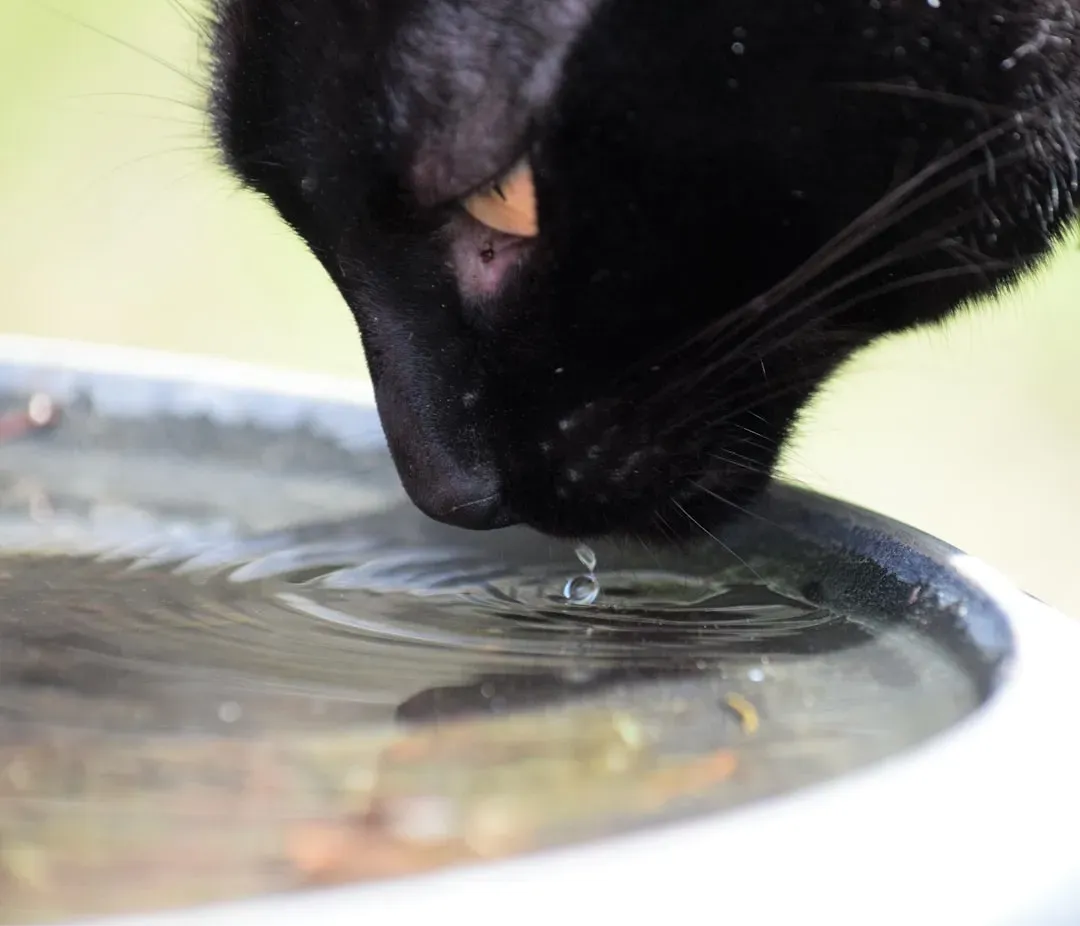
Generally, your cat needs about 50 to 60 ml of water per kilogram of body weight per day. For instance, a healthy 4 kg cat should drink around 200 to 240 ml of water daily. Think of it like this. That’s roughly the amount you’d find in a small juice glass.
The average 10-pound cat should drink about one cup of water per day. However, this isn’t a one-size-fits-all situation. Larger cats or those more active may require more hydration. Likewise, cats in warm environments often drink more to compensate for fluid loss. Your cat’s individual needs will vary based on several factors we’ll explore shortly.
Why Your Cat’s Diet Drastically Changes Water Needs
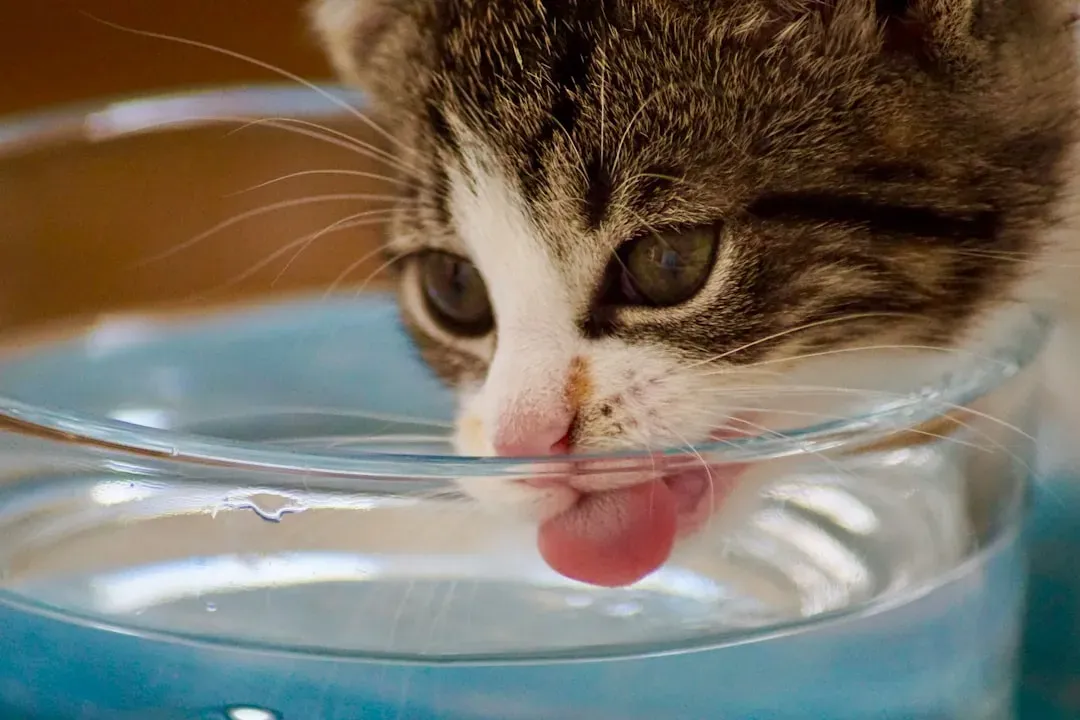
One of the biggest factors affecting how much your cat drinks is the type of food sitting in their bowl. Dry cat food contains approximately 10% of water, and the other 90% consists of dry matter such as carbohydrates, fats and vitamins. Meanwhile, wet food tells a completely different story.
Wet cat food or canned diets contain a higher moisture level, typically ranging from 70 to 80%. This difference significantly impacts how much hydration your cat gets in their diet. Let’s be real. If you’re feeding exclusively dry kibble, your cat needs to compensate by drinking significantly more water from their bowl. Cats on a 100% wet diet have to drink a lot less water than those on a 100% dry diet, since wet food contains about 10x more water than dry food.
Key Factors That Influence Daily Water Consumption
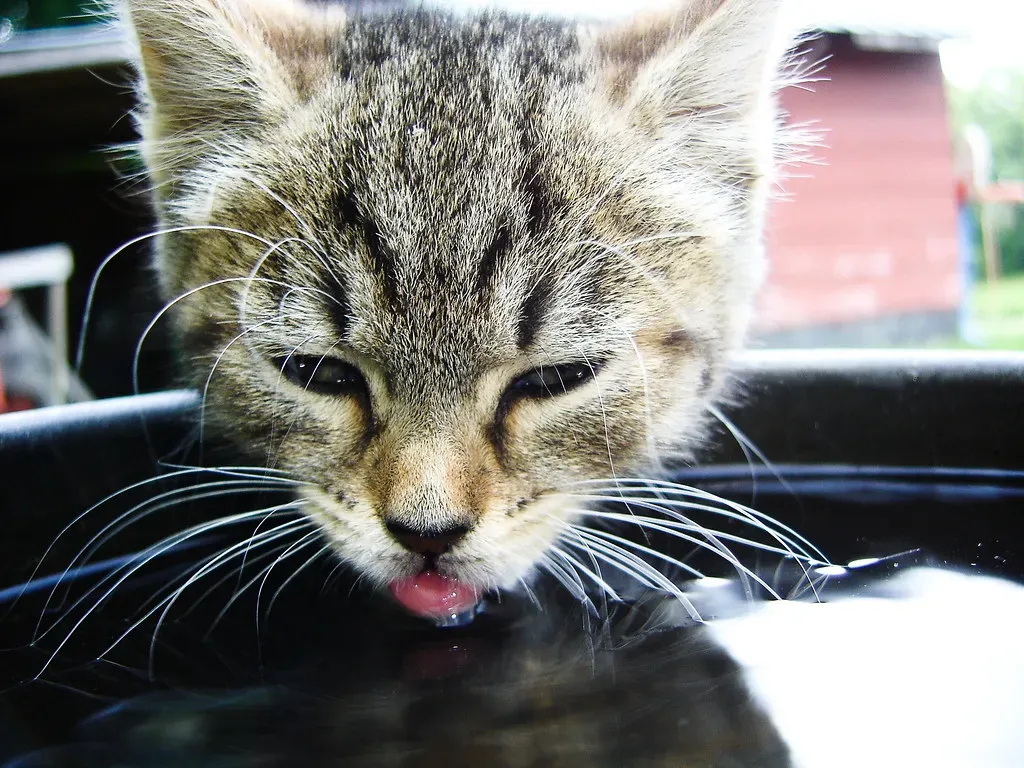
Your cat’s water needs aren’t static. The water requirement depends on a number of factors in addition to the type of food. The ambient temperature plays an important role because your cat’s fluid requirement is higher in summer. During hot weather, cats lose moisture through panting and even through their paw pads.
Many factors like diet, age, activity level, and even the weather can influence how much water your cat actually needs. Activity level matters too. An indoor cat lounging on the couch all day has different needs than one who spends hours chasing toys or exploring outdoors. Kittens and senior cats are more vulnerable to dehydration. Older cats, especially those with kidney issues, may need extra water support.
Understanding Dehydration Warning Signs in Cats
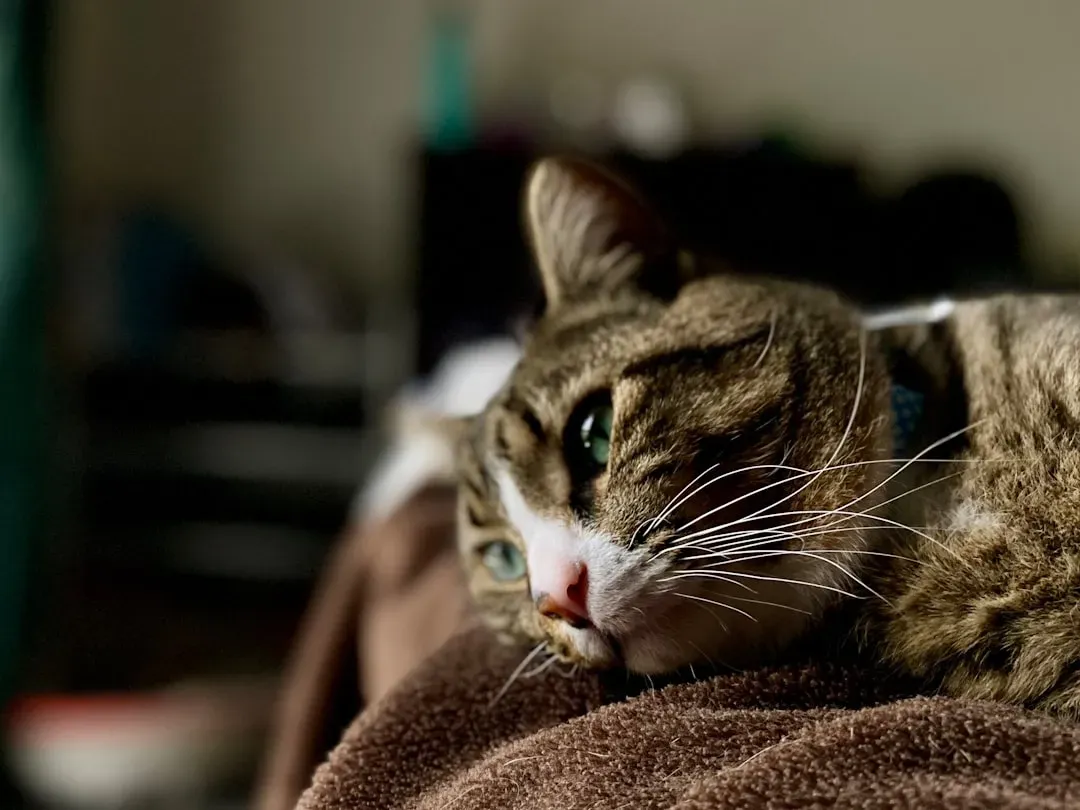
Spotting dehydration early can make all the difference for your cat’s health. Signs of dehydration include lethargy, weakness, poor appetite, dry mucous membranes, and, in more severe cases, eyes that are sunken into their sockets. Yet honestly, cats are masters at hiding discomfort.
You can test this by gently pinching the skin on the back of your cat’s neck and releasing it. In a well-hydrated cat, the skin should quickly snap back into place. If the skin takes longer to return to its normal position, your cat may be dehydrated. This simple test, called the skin tent test, gives you valuable insight. Tacky gums or gums that have a sticky feeling when you touch them may indicate dehydration in cats. If your cat’s saliva is very thick and sticky, this may also be a related symptom that can let you know they are dehydrated.
The Critical Role of Water in Cat Health
Water isn’t just about quenching thirst. Water is essential for regulating body temperature, lubricating joints and tissues, removing waste through the kidneys and stools, delivering nutrients and oxygen, and aiding brain function. Without adequate hydration, your cat’s entire body system struggles to function properly.
Decreased water intake resulting in more concentrated urine is also a risk factor for bladder stones and idiopathic cystitis in cats. I know it sounds scary, but these conditions are genuinely painful and can become chronic if left unaddressed. Dehydration can cause a number of health problems, including decreased circulation leading to multi-organ dysfunction, an inability to control body temperature, cardiac arrhythmias, and neurologic dysfunction, to name a few.
How to Calculate Total Water Intake Including Food
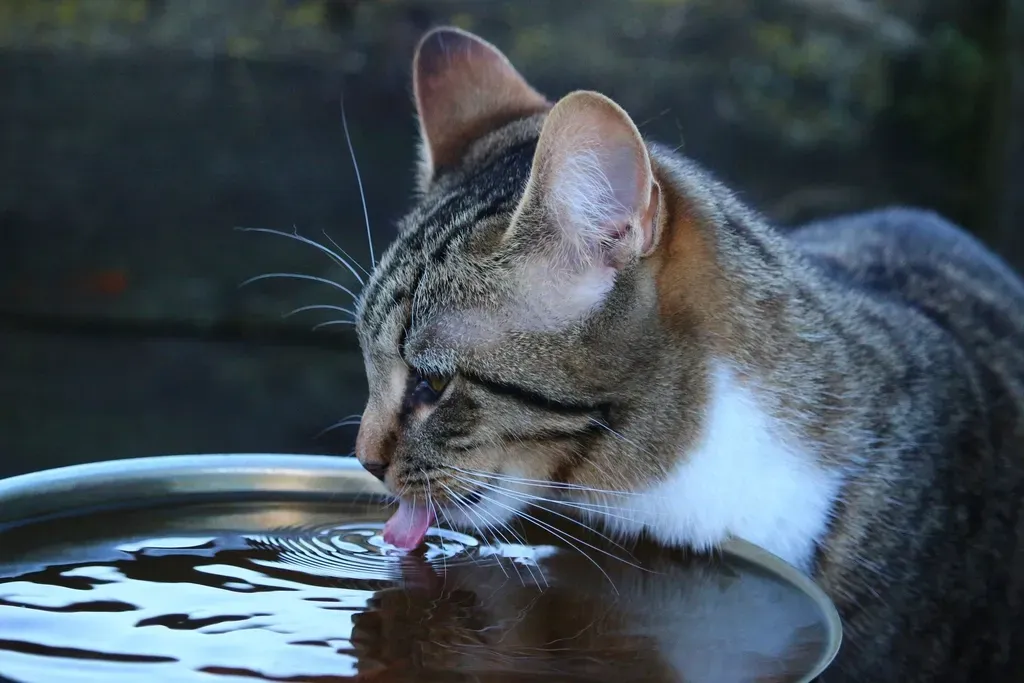
This water intake includes the moisture content found in their food. Cats eating mostly wet food consume a significant portion of their hydration from their meals, reducing the amount they drink from a bowl. So when you’re assessing whether your cat drinks enough, you need to factor in what they’re eating.
The water your cat receives from their food is subtracted from their required daily water intake to estimate the additional amount of water they should be drinking. Here’s a practical example. Wet foods such as tins or pouches usually contain 60 to 80% moisture, which provides a substantial part of a cat’s daily water needs. Feeding a 100g portion of wet food can supply about 60 to 80 ml of water, enough to meet the hydration needs of approximately 1 kg of body weight.
When Your Cat Drinks Too Much Water
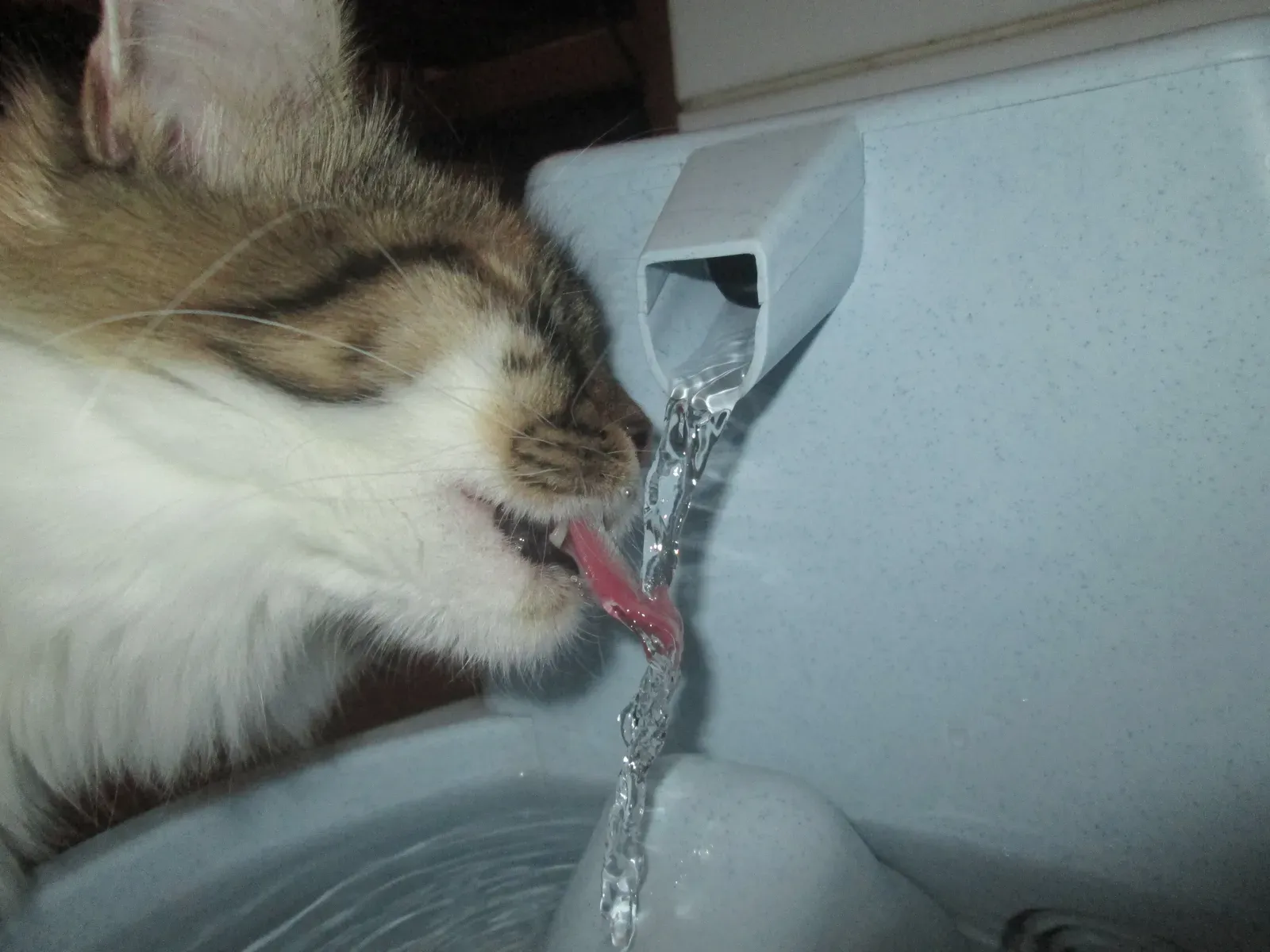
While we often worry about cats not drinking enough, excessive water consumption is equally concerning. A cat may start drinking more water, such as frequent trips to their water bowl or prolonged drinking sessions, for the following reasons: … Polydipsia (excessive thirst) due to a medical condition is defined as a cat drinking more than 100 ml of water per kg of body weight daily, or more than 50 ml per kg if on a wet diet
Diabetes is one of the most common conditions that cause excessive thirst in cats. This condition affects how the body regulates blood sugar, leading to increased water consumption and urination. Chronic kidney disease is another leading cause of increased thirst in cats, especially in older felines. The kidneys help regulate hydration, but when they are not functioning properly, they can cause excessive urination, leading to increased water intake.
Smart Strategies to Encourage Better Hydration
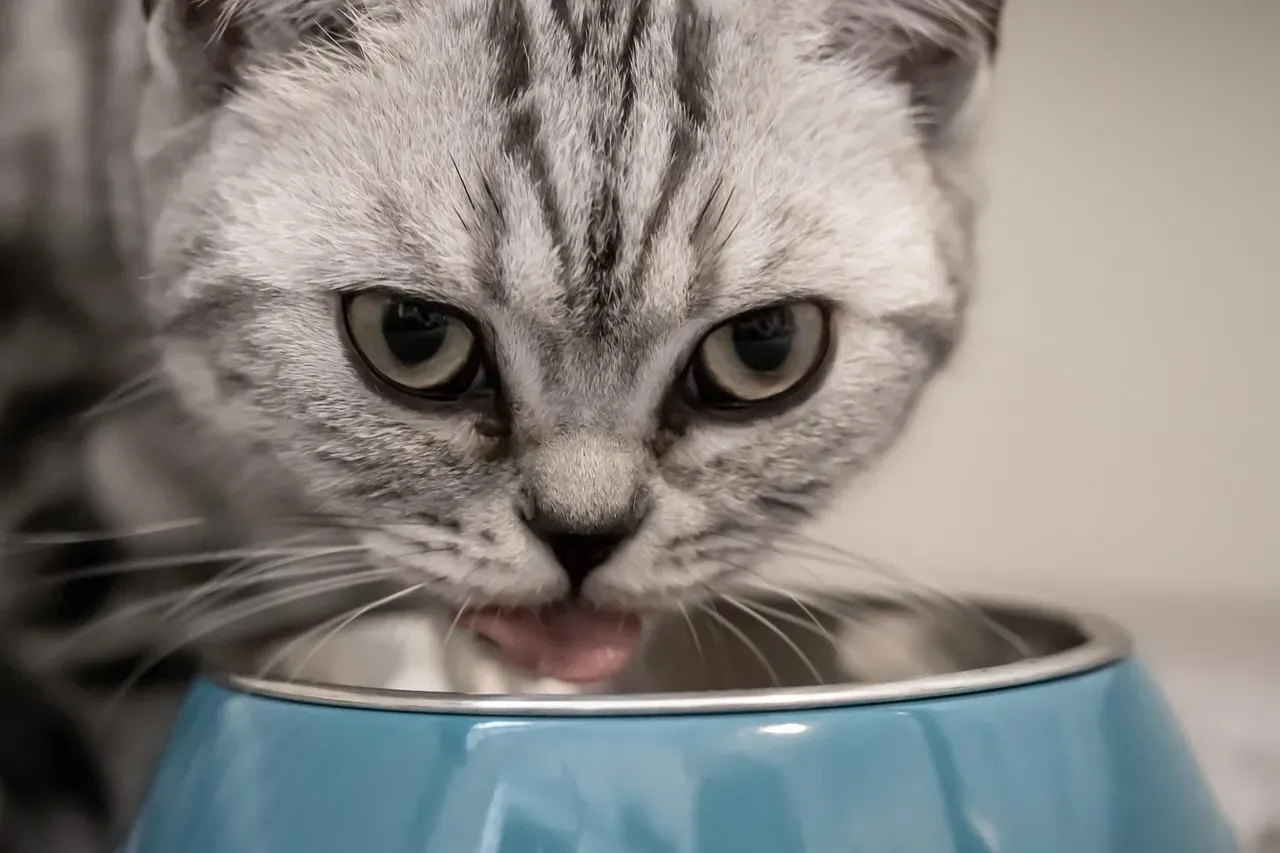
Getting your cat to drink more water can feel like an uphill battle. Always make sure your cat has access to fresh, clean water, so they can drink whenever they want to. Place bowls of water in various locations around the home, so water is always within easy reach. Also, cats prefer it when their water is kept at a distance from their food bowl and litter tray, to avoid cross-contamination.
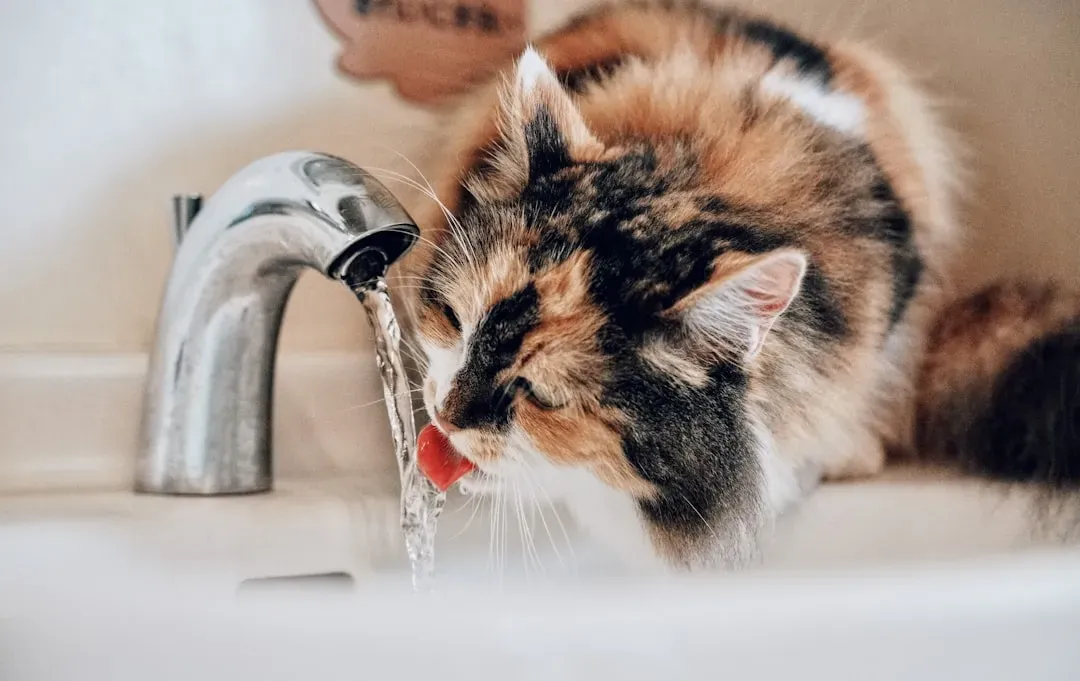
Cats tend to find water in a bowl boring, but water from the tap exciting. This is because running water appeals to cats’ playful instincts. When they play with the water with their paws and then lick them, they ingest fluid. It also tastes better than stale water. Some cats genuinely prefer flowing water over still water in a bowl. Feeding wet food and adding water to food is another good way to increase water intake; and, in some cases, flavoring the water with a small amount of either water from a can of tuna or low sodium chicken broth can prompt a cat to drink more.
Are Water Fountains Worth the Investment
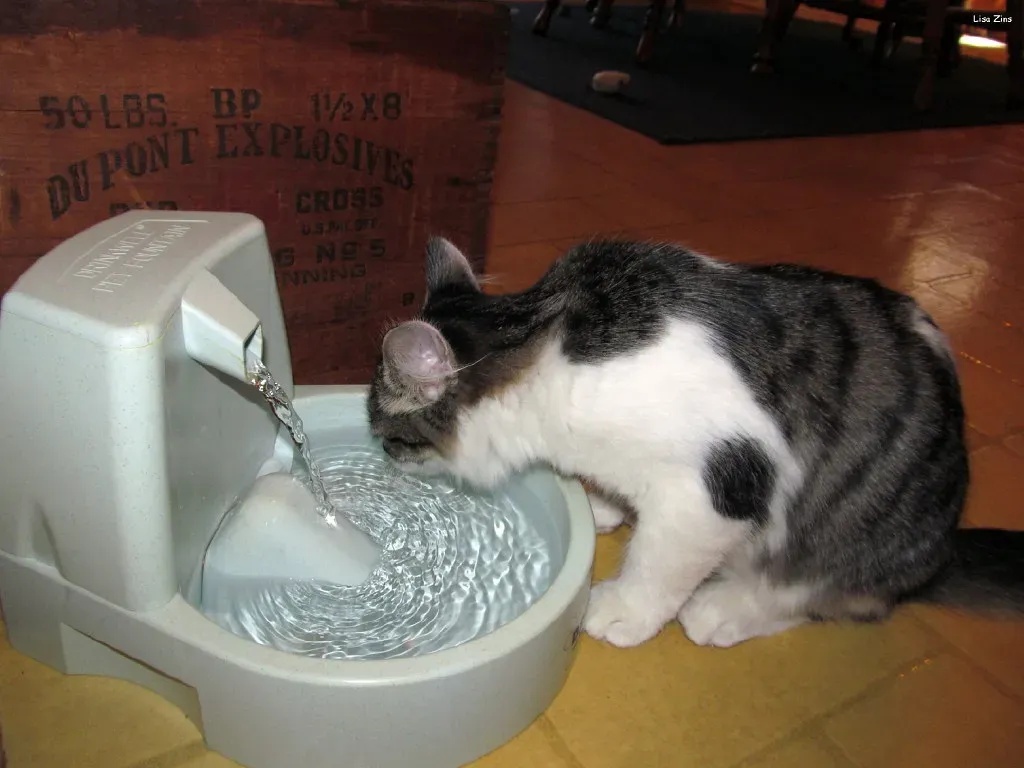
Cat water fountains have become incredibly popular, and for good reason. The motion of the flowing water and the noise of the fountain are supposed to attract the cat’s attention and encourage them to drink. Some have hypothesized that this speaks to an instinctual preference for running water, which would have been safer for a cat’s wild ancestors than stagnant pools, which could harbor dangerous bacteria. There’s also the fact that the filter keeps debris out of the water, making it easier for fussy cats who will avoid a water bowl that has fellow pets’ fur or plant matter tracked in from outside.
Still, fountains aren’t perfect for every situation. It needs cleaning less often than a water bowl, thanks to the replaceable charcoal filters that remove cat hairs, bits of food, and particles of dirt and litter from the drinking water. However, let’s be honest about maintenance. While a fountain needs cleaning less often than an unfiltered water bowl, it does need regular and thorough cleaning to prevent biofilms from growing on the surfaces, and the process can be more intensive than the milder cleanings a standard bowl requires.
Making the Right Choice for Your Individual Cat
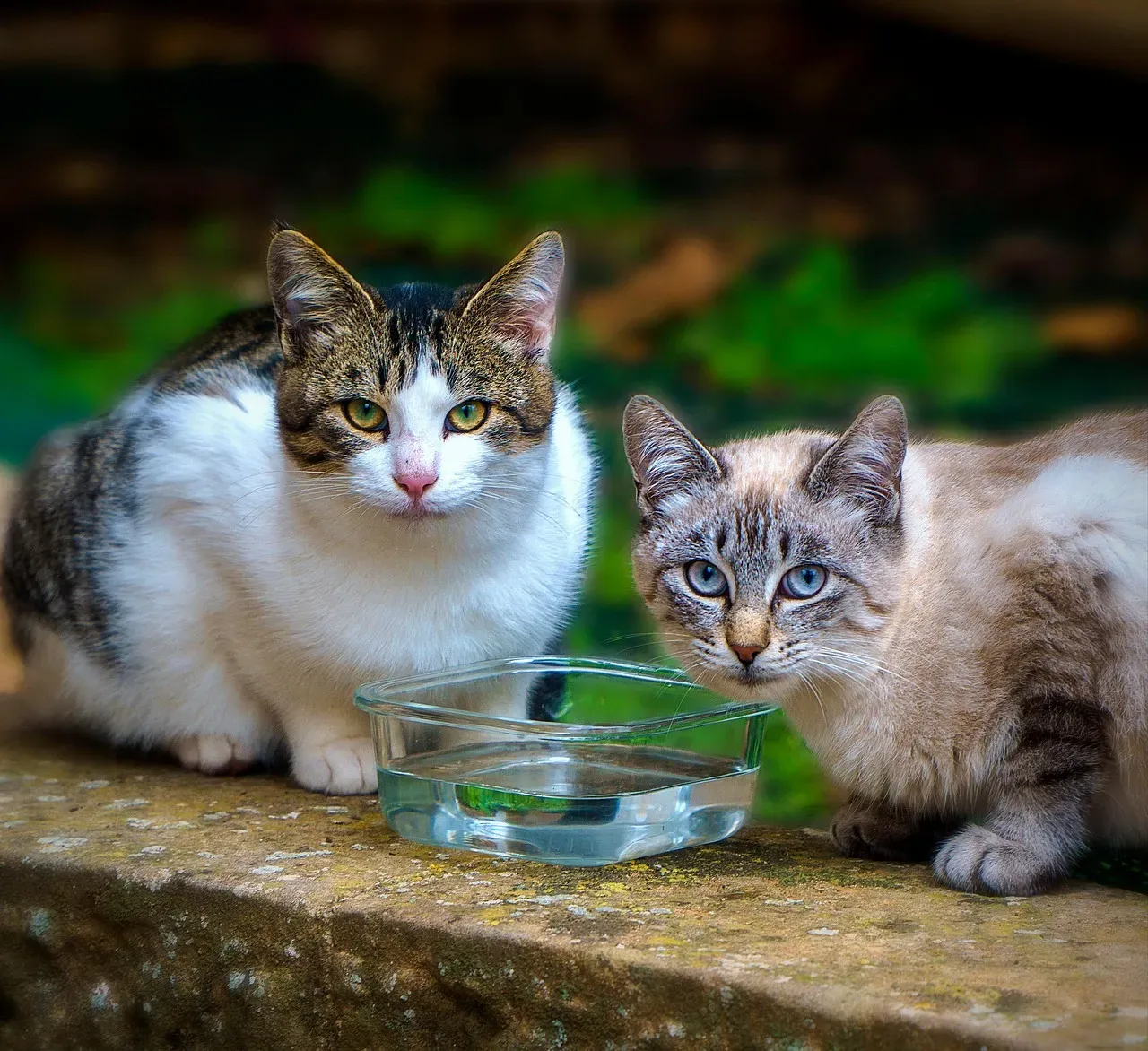
Every cat is different, and what works brilliantly for one might not appeal to another. The amount of water required and consumed will vary depending on activity levels, ambient temperature, health status, metabolic rate, food batch, nutrient composition, and metabolic water production. You know your cat better than anyone else.
Owners should be encouraged to consider that their cat may have preferences or dislikes when it comes to drinking water, and should also be aware that a cat’s natural curiosity may lead it to source water that is potentially unsafe. Some cats prefer ceramic bowls, others like stainless steel. Some won’t touch water near their food, while others don’t mind. Experiment with different setups until you find what clicks with your particular feline.
Keeping your cat properly hydrated is one of the simplest yet most important things you can do for their long-term health. Whether it’s about 200 ml for a smaller cat or closer to a full cup for a larger one, those daily ounces matter more than most people realize. Pay attention to your cat’s drinking habits, adjust their setup based on their preferences, and don’t hesitate to consult your veterinarian if something seems off. After all, a well-hydrated cat is a healthier, happier companion. What have you noticed about your own cat’s drinking habits?