You know that feeling when you walk into your home and immediately sense something’s off? Maybe it’s that distinctive odor wafting from the corner where your cat’s litter box sits. Or perhaps it’s your feline friend giving you the cold shoulder, pointedly avoiding their usual bathroom spot. Here’s the thing: your cat’s litter box isn’t just a necessary evil of pet ownership. It’s actually a window into your cat’s health, happiness, and yes, even their feelings about you.
Most cat owners wonder if they’re cleaning enough, too much, or hitting that sweet spot where their kitty stays content. The truth is, there’s more to this daily chore than you might think. Your approach to litter box maintenance can actually strengthen the bond between you and your cat in surprising ways. Let’s dive into what really matters when it comes to keeping that box fresh.
The Daily Scoop: Your Non-Negotiable Routine
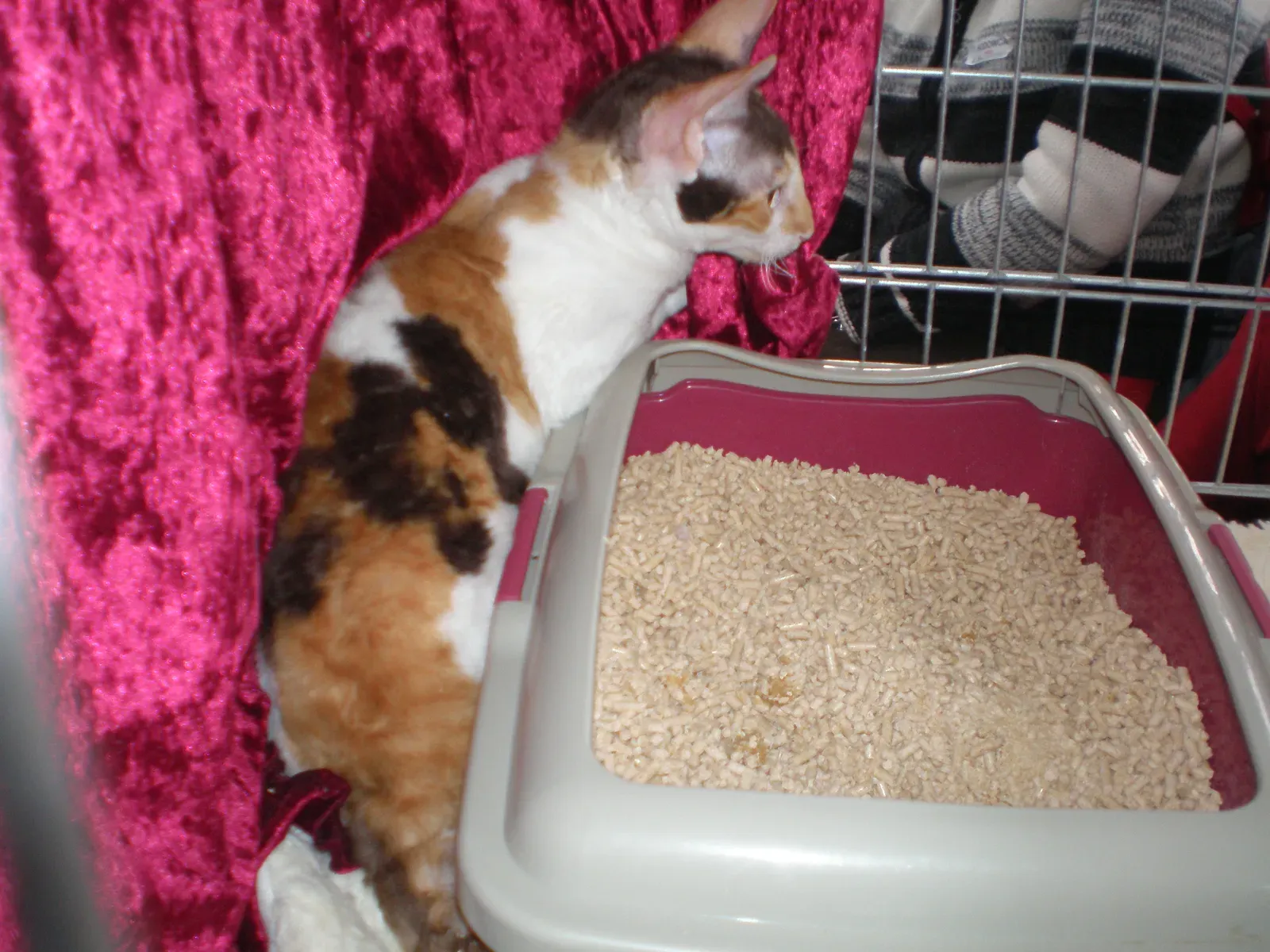
You should scoop your cat’s litter box at least once a day, though honestly, twice daily is even better if you can manage it. Think of it this way: would you want to use a bathroom that hasn’t been flushed all day? A cat’s litter box shouldn’t go more than one day without cleaning.
If daily scooping feels like too much, litter boxes should be scooped out at least every other day. The more cats you have, the more critical this becomes. Your cat is watching how you handle this responsibility, and believe it or not, it affects how much they trust you.
Deep Cleaning: When to Go All In
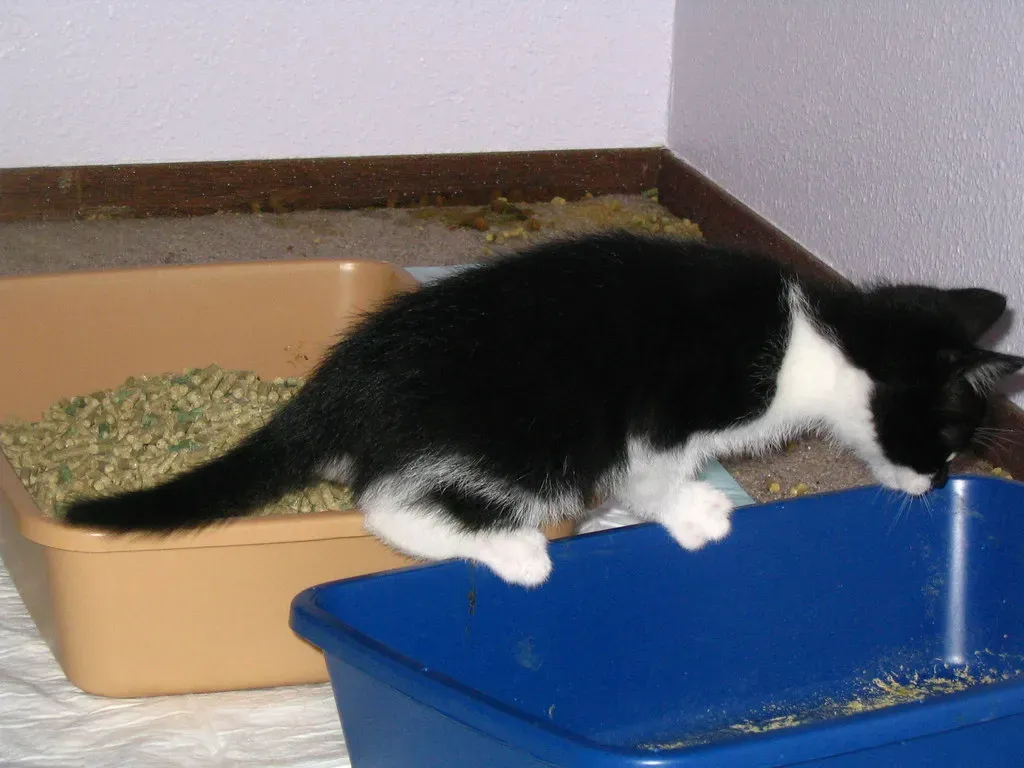
Beyond daily scooping, there’s the matter of completely emptying and washing the entire box. Deep clean the litter box once every one to four weeks, depending on the type of litter you’re using and how many cats you have. If you’re using clumping litter, you might stretch this to monthly. Non-clumping varieties? You’ll need to change it twice weekly.
Some experts advise washing the litter box once a week, but this can depend on the number of pets using that box, their health status, and cleanliness habits. When you do wash it, stick with hot water and unscented soap. Skip the harsh chemicals and anything with ammonia or strong fragrances, as these can actually drive your cat away from their box.
Why Your Cat’s Trust Depends on Cleanliness
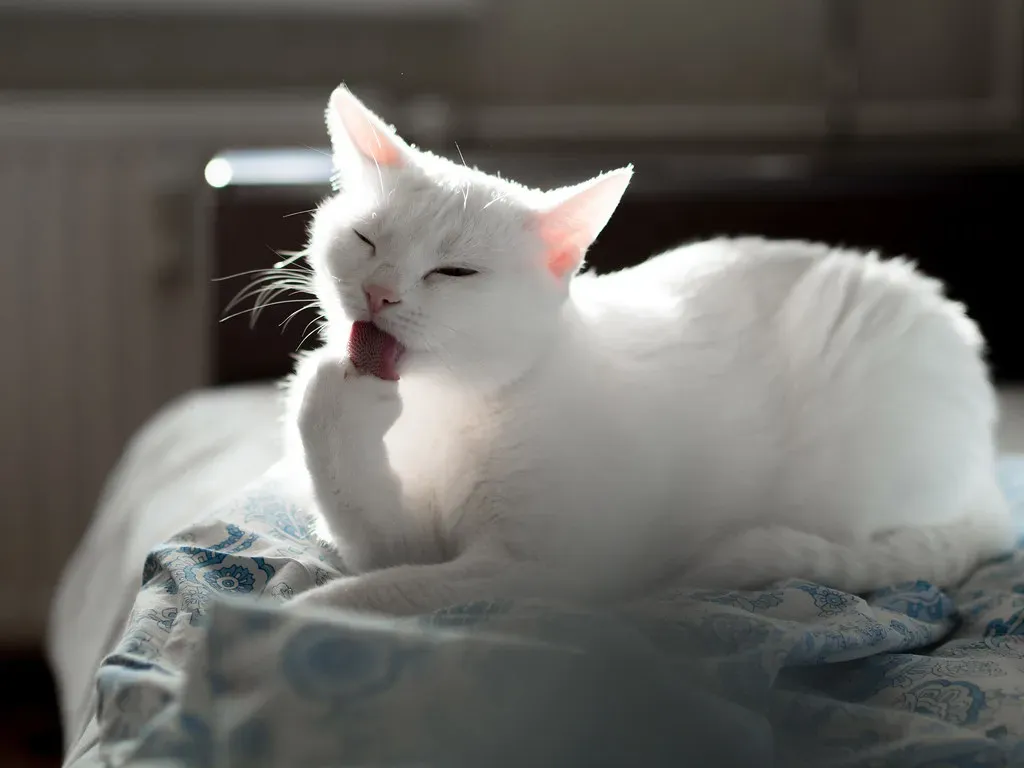
Let’s be real: cats are fastidious creatures. Cats are clean creatures who make sure to keep their fur in tip-top shape by grooming themselves, and they expect their litter boxes to be just as clean. A dirty litter box is the most common reason cats don’t use their litter box, leading to accidents around your home that nobody wants to deal with.
When your cat sees you maintaining their bathroom space, something deeper happens. If your cat is constantly giving you head butts, they are indicating that they trust you. That trust extends to knowing you’ll keep their environment clean and safe. It’s one of those subtle ways cats measure whether you’re truly their person.
The Slow Blink: Reading Your Cat’s Gratitude
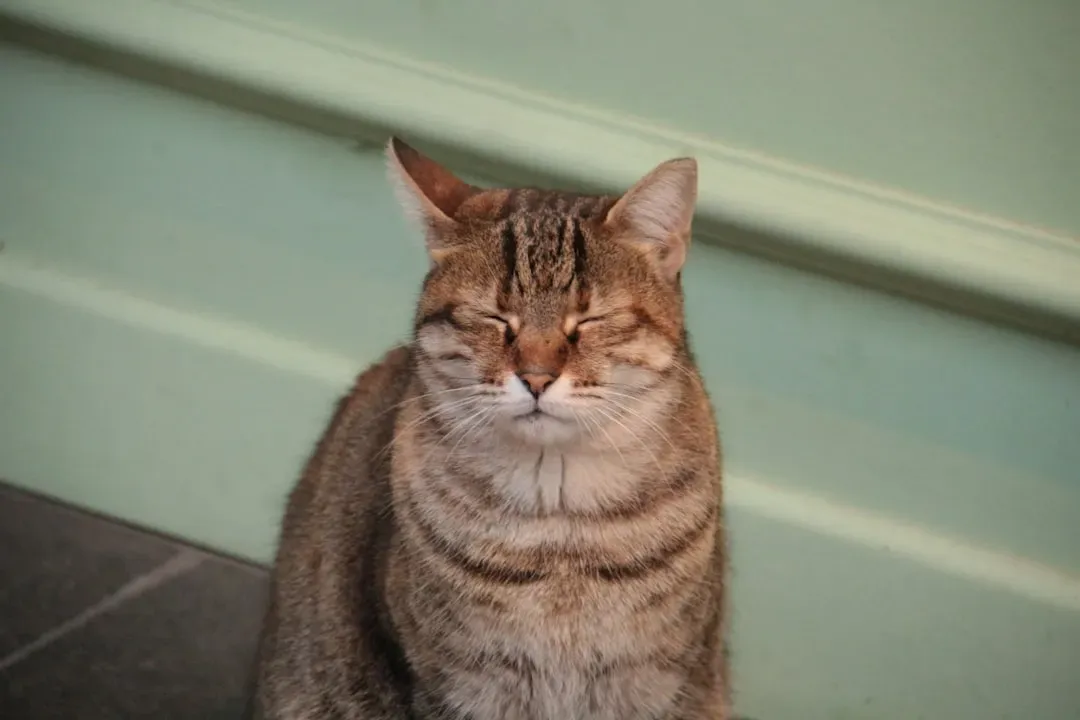
Here’s something beautiful that might surprise you. Cats use slow blinking to demonstrate affection and trust. After you’ve cleaned their litter box and your cat gives you one of those slow, languid blinks? Cats will often make eye contact with lowered eyelids and steady, slow blinks, which is considered a feline version of a kiss.
This isn’t just random behavior. Your cat is literally telling you they feel safe and appreciated. You can even slow blink back at them to return the sentiment. It’s a small moment of connection that transcends species barriers.
Following You Around: The Ultimate Compliment
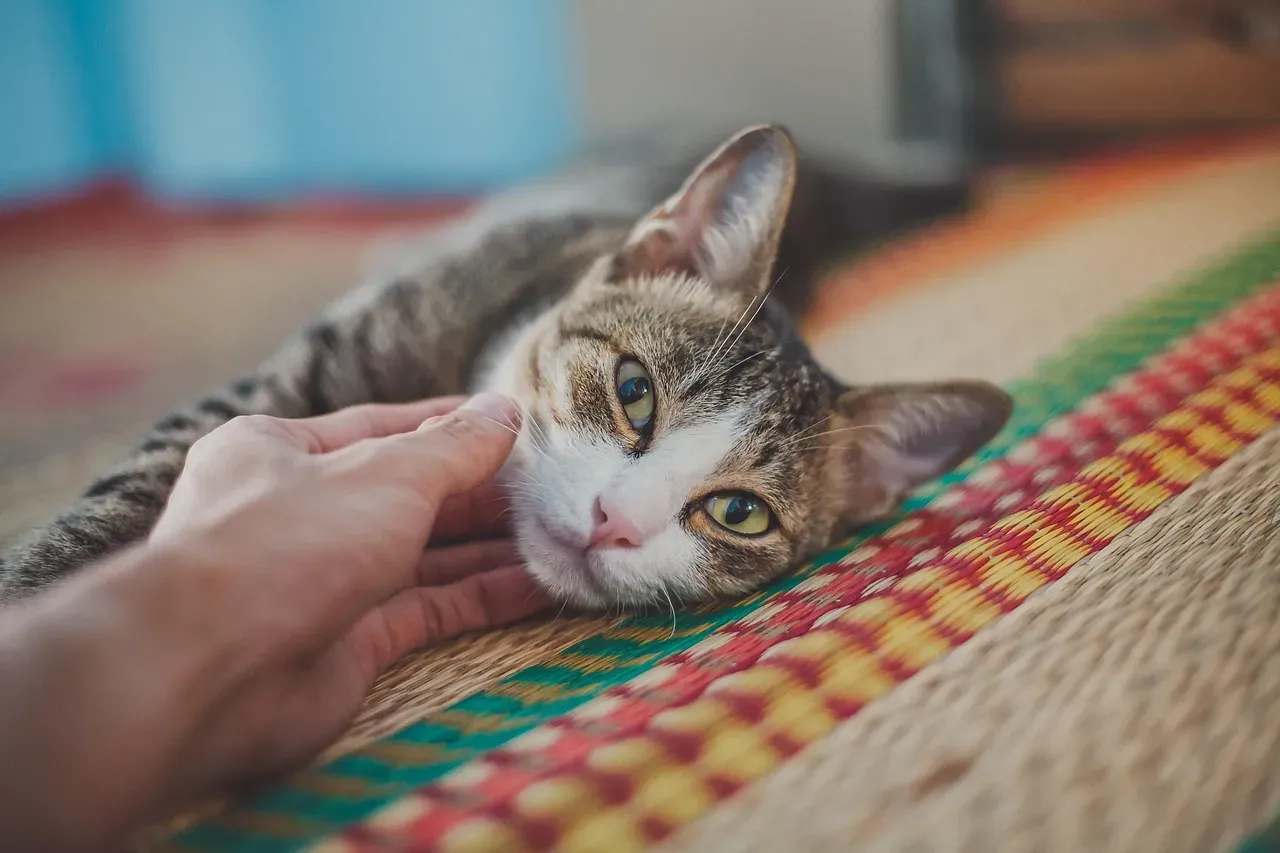
Ever notice your cat shadowing you from room to room, especially after you’ve tended to their litter box? When cats follow you around the house, it means they genuinely enjoy your company and want to be near you, seeing you as a source of safety and comfort.
Cats who are attached to their humans will solicit attention by approaching them, often with a tail held straight up, meowing or pawing at them. They might even follow you at a distance. This behavior intensifies when you’re consistently meeting their needs, like maintaining a clean litter environment.
Kneading and Grooming: Signs You’ve Earned Their Love
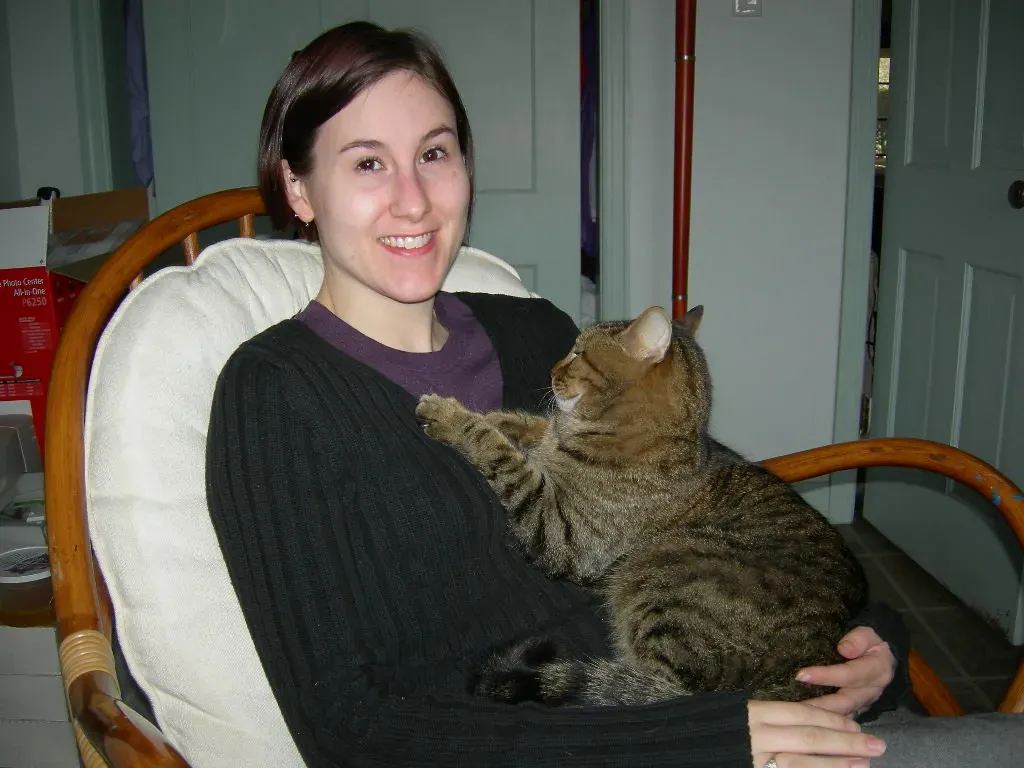
Cats usually knead with their front paws, a behavior that begins in kittenhood and is associated with nursing on their mother, believed to bring comfort by releasing endorphins. When your cat kneads on you after you’ve cleaned their space, they’re associating you with that same maternal comfort and safety.
Cats groom each other as a display of affection, and this behavior extends to humans when trust is built, allowing them to mark each other and build their bond. If your cat licks your hand or sits nearby grooming themselves while you’re around, these are profound statements of trust.
The Belly Display: Ultimate Vulnerability
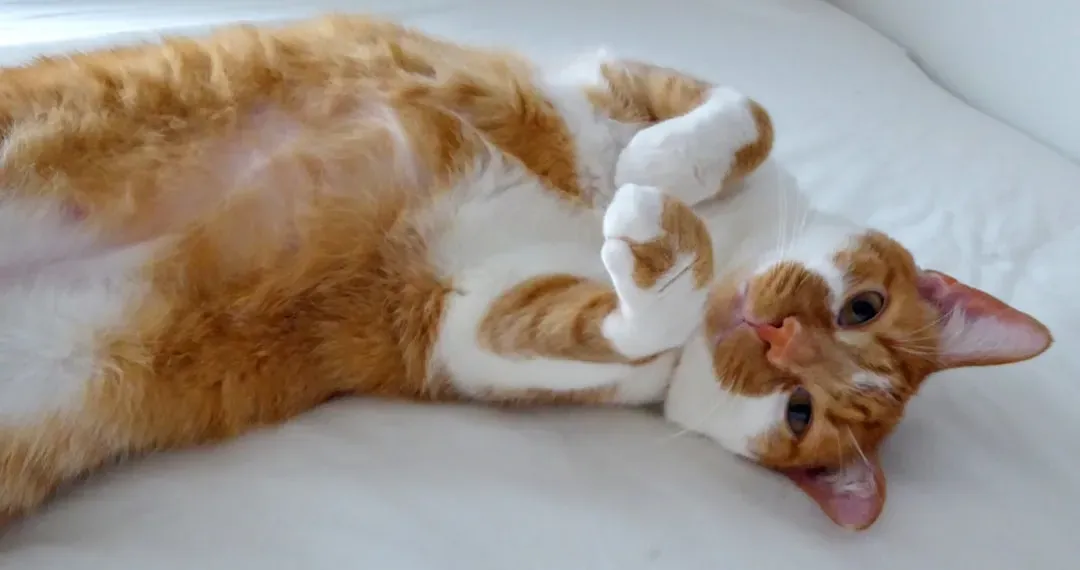
Your cat’s belly is a particularly tender spot, and if she rolls onto her back and exposes her belly, she’s telling you she’s comfortable being around you, since being on her back is a defenseless position. This doesn’t necessarily mean they want belly rubs, though. Most cats actually don’t enjoy that.
When your cat rolls on their back to show their belly, that’s a wonderful sign of cultivating trust. This vulnerability is their way of saying you’ve created a safe, clean environment where they can truly relax. It’s directly connected to how secure they feel in their home, including their bathroom habits.
Health Monitoring Through Litter Box Care
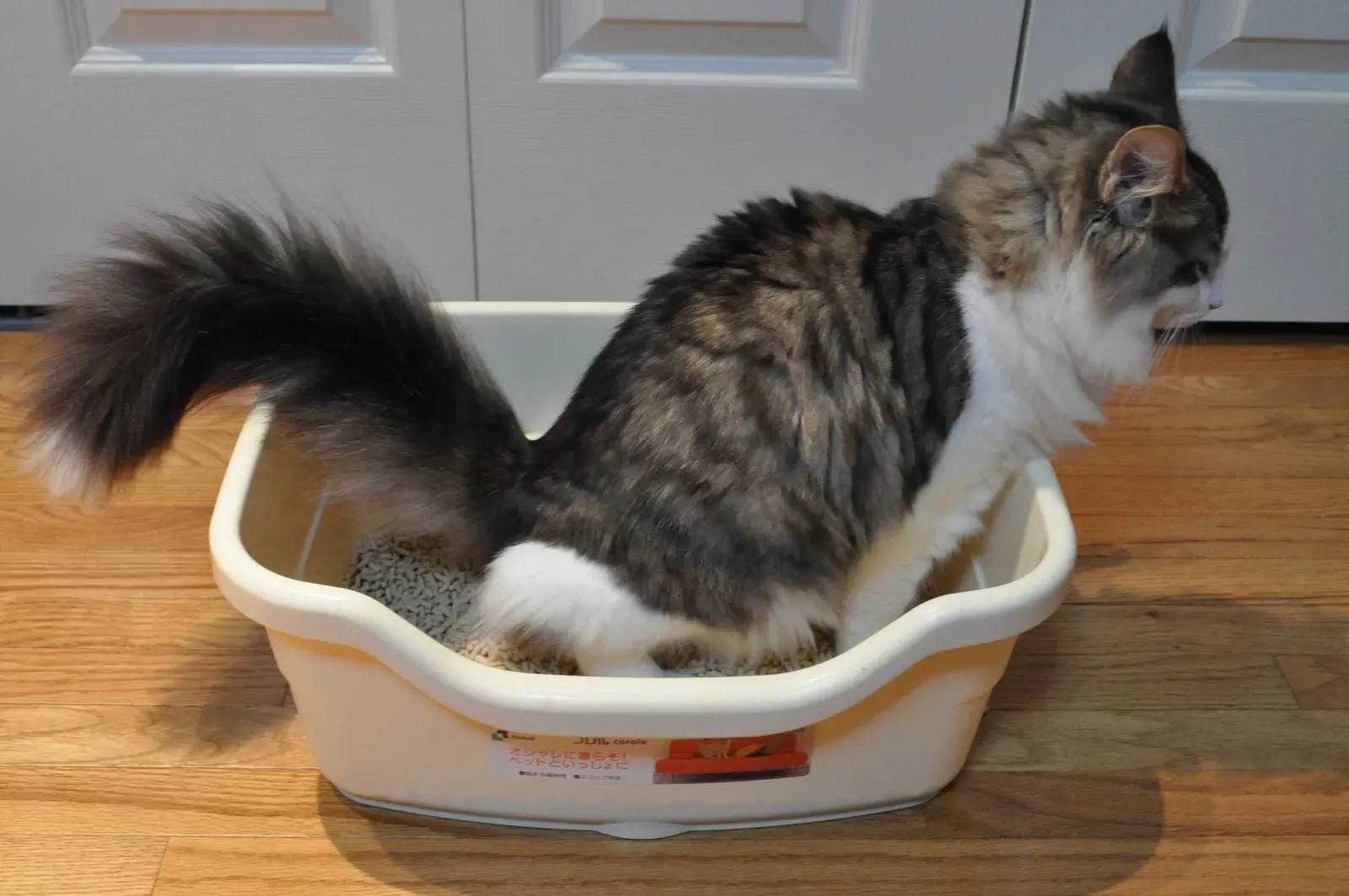
The added benefit of scooping frequently is that it helps you detect medical problems earlier, like noticing when there’s no urine in the litter box. Some cats will hold their urine and go as infrequently as possible to avoid stepping into a dirty litter box, which makes their urine more concentrated and could cause life-threatening urinary blockages.
Regular cleaning isn’t just about odor control or tidiness. It’s literally a health intervention. You’ll notice changes in frequency, color, or consistency that could signal problems early on. Your cat can’t tell you when something’s wrong, so their litter box becomes their voice.
Creating Your Perfect Cleaning Schedule
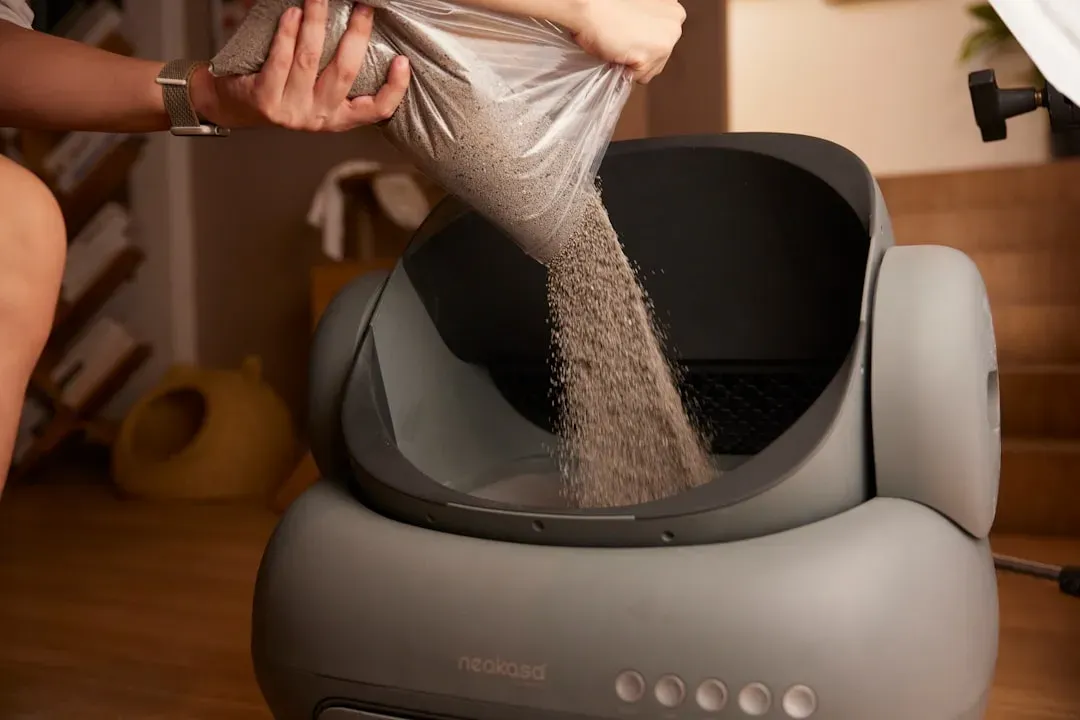
Scoop waste daily, ideally at the same time every day, whether in the morning or before bed, to help ensure it regularly happens. Consistency matters more than you might think. Cats thrive on routine, and when you establish a predictable pattern, they feel more secure.
Ideally, you should clean your cat’s litter box daily, especially if you have multiple cats. Some particularly finicky cats might even prefer you scoop after each use. It sounds excessive, yet for certain cats, this level of attention communicates volumes about your commitment to their comfort. Pay attention to your individual cat’s preferences and adjust accordingly.
Your cat may not throw a party when you finish scooping their litter box, yet they’re definitely keeping score in their own subtle way. From those slow blinks to the gentle head bonks, from following you around to exposing their vulnerable belly, your feline friend has countless ways of saying thank you. Maintaining a clean litter box isn’t just about hygiene or avoiding unpleasant smells. It’s about building trust, showing respect, and strengthening the unique bond you share with your cat. So next time you’re reaching for that scoop, remember: you’re not just cleaning. You’re communicating love in a language your cat truly understands. What small signs has your cat shown you lately that made you feel like their favorite human?