
Snow leopards are truly remarkable creatures, seamlessly adapting to some of the harshest climates on Earth. Found predominantly in the rugged mountains of Central Asia, these elusive big cats are expertly equipped to navigate unforgiving terrains and survive extreme weather conditions. This article delves into the unique adaptations and survival strategies that allow snow leopards to thrive in such challenging environments.
Adaptations to Cold Climates
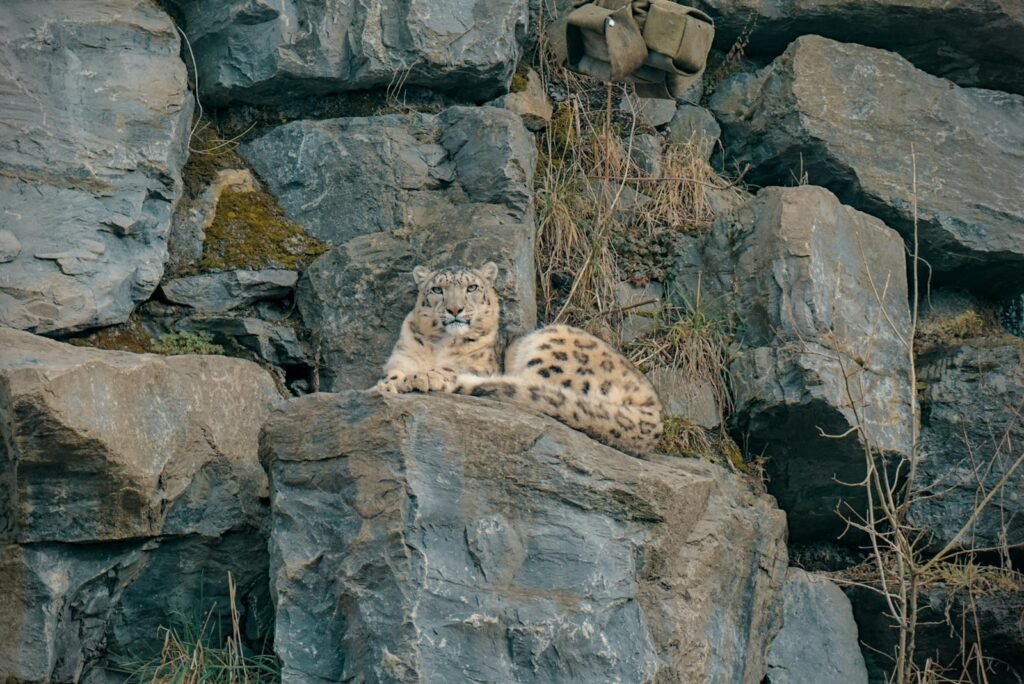
One of the most striking features of snow leopards is their luxurious fur. This thick, woolly coat is specially designed to insulate them against freezing temperatures. The dense guard hairs trap warm air close to the skin, while a softer undercoat offers additional warmth. In harsh blizzards, snow leopards rely on their fur as a natural shield, enabling them to endure conditions that would be unbearable for other animals.
Cloak of Camouflage
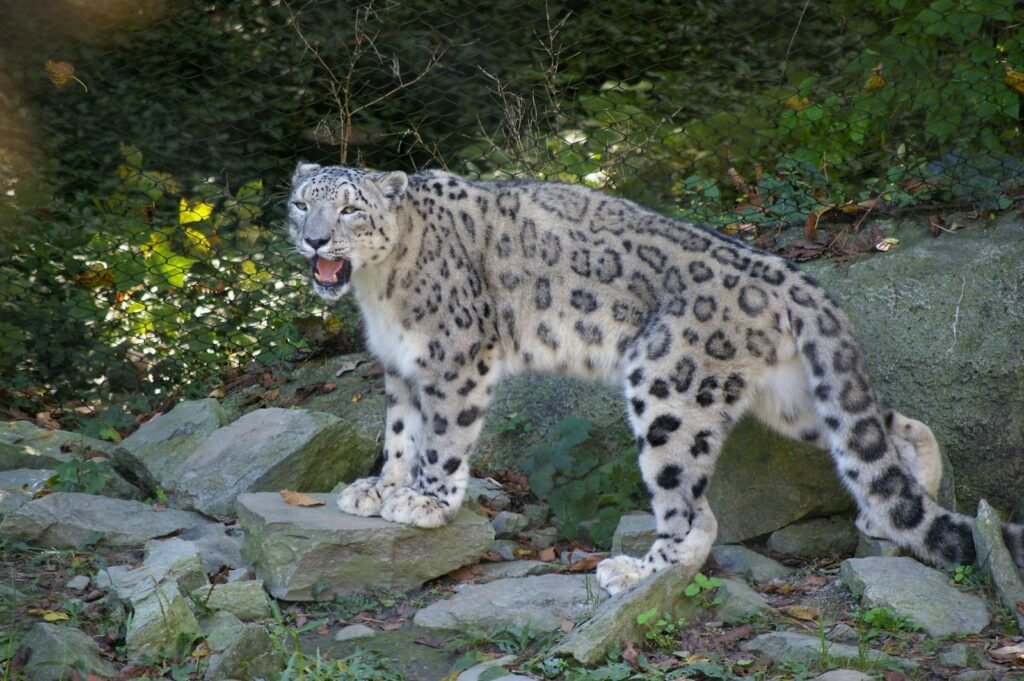
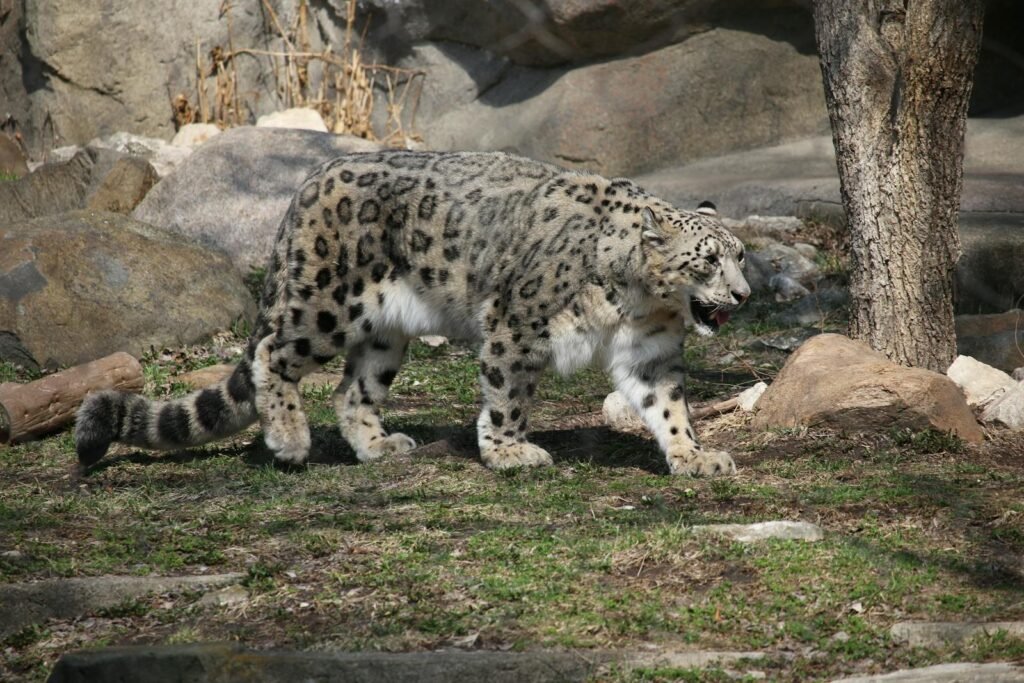
The snow leopard’s spotted coat is not just about beauty; it’s a crucial survival tool. This mottled fur pattern provides superb camouflage against rocky mountain terrains. Blending seamlessly with the shadows and snow, this adaptation aids the leopard in remaining undetected by both prey and potential predators.
Agility and Strength
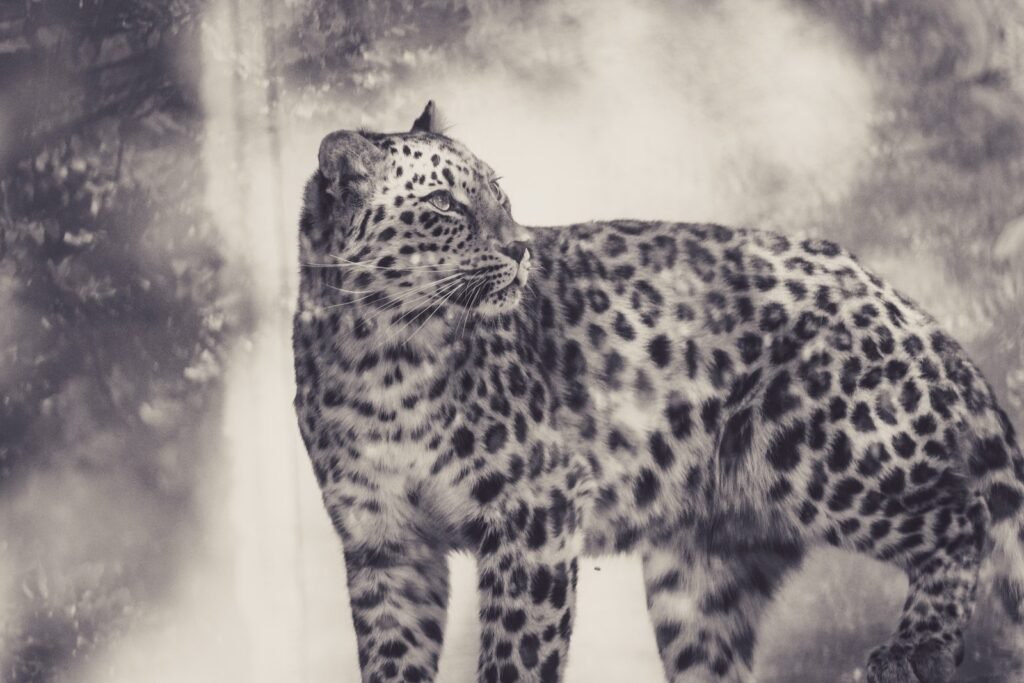
Snow leopards are built for mountainous landscapes. Their powerful hind legs afford them extraordinary leaping abilities, allowing them to jump up to six times their body length. This ability is crucial for navigating steep cliffs and chasing prey across challenging terrains. Additionally, their long tail provides balance, acting as a rudder during swift maneuvers.
Solitary Nomads
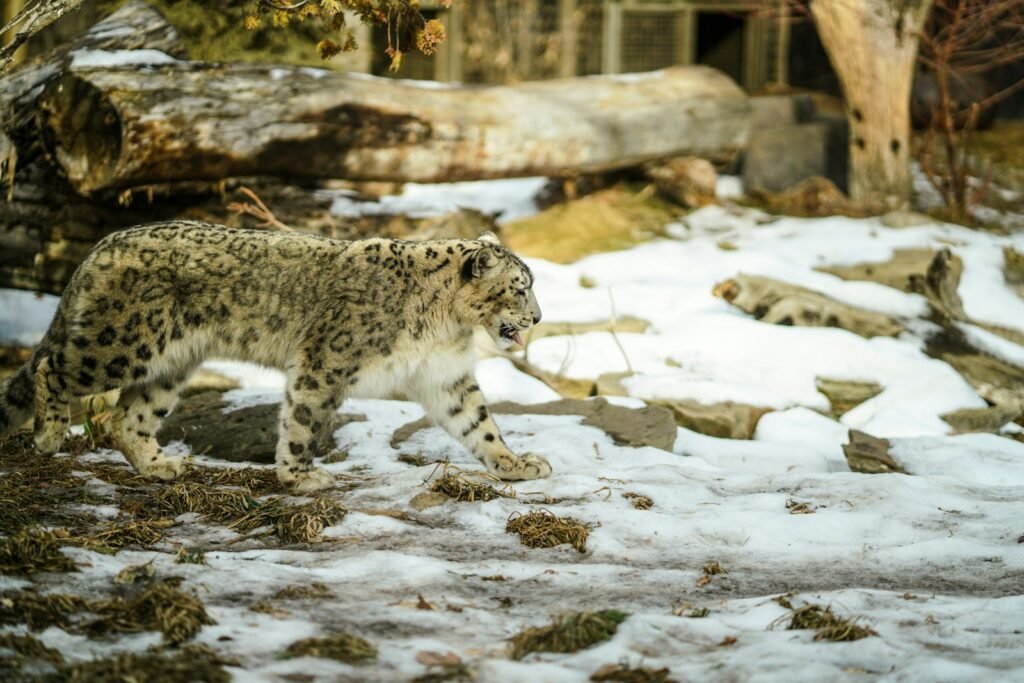
Unlike other big cats that may form prides or groups, snow leopards are solitary creatures. This lifestyle is a crucial strategy for survival in regions where resources are scarce. By maintaining large territories – sometimes spanning over several hundred square kilometers – they reduce competition for the limited prey available.
Dietary Adaptations
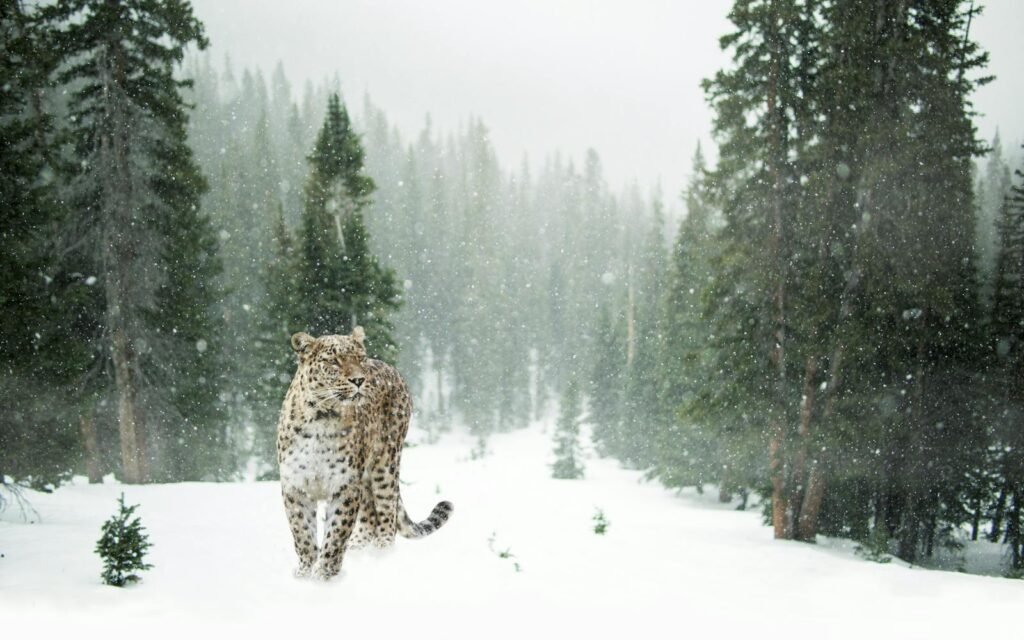
Snow leopards have a diverse diet, which is key to their survival in barren landscapes. They primarily hunt ungulates like blue sheep and ibex, but they also consume smaller animals such as hares, birds, and marmots. This dietary flexibility ensures they can capitalize on whatever food source is accessible.
Metabolic Efficiency
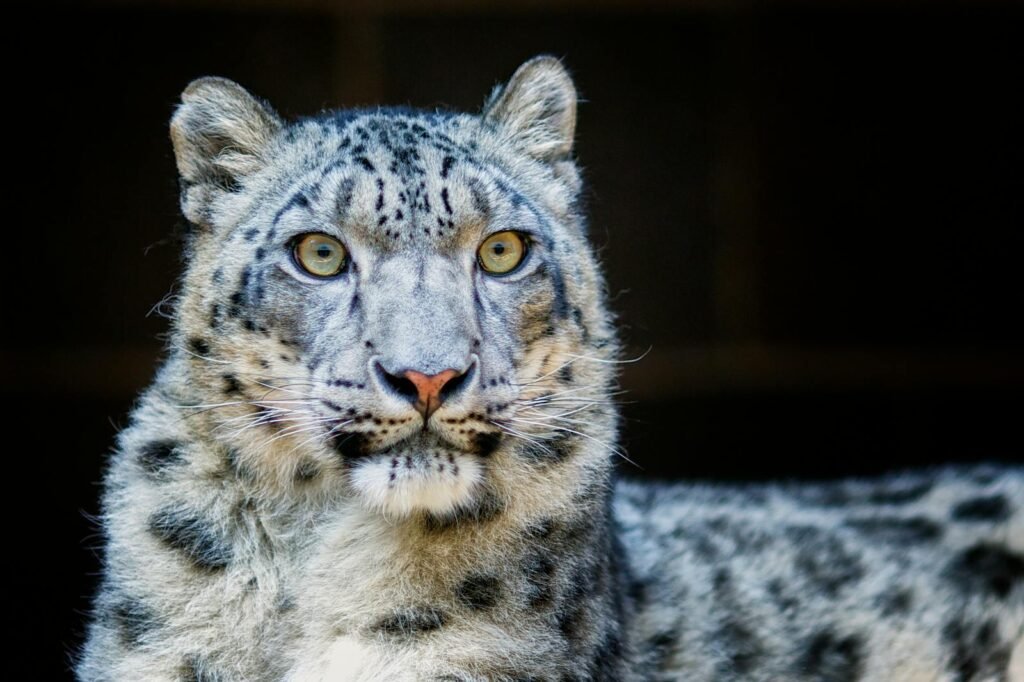
These felines have evolved to be energy-efficient hunters. Their slow metabolism allows them to survive on less food, which is vital during lean periods when prey is scarce. This adaptation enables snow leopards to endure long intervals between successful hunts.
Senses Sharpened for Survival
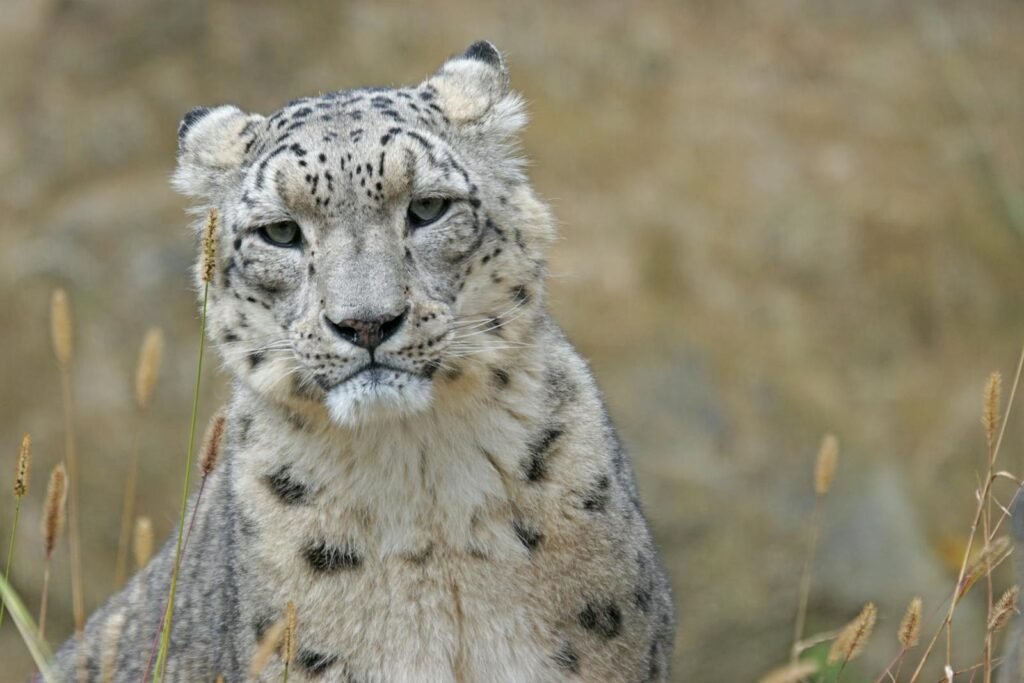
With acute hearing and a keen sense of sight, snow leopards are adept hunters. Their excellent vision allows them to spot prey from great distances, even in dim light. Equally, their sensitive hearing helps detect movements of prey hidden by the terrain.
Thermoregulation Techniques
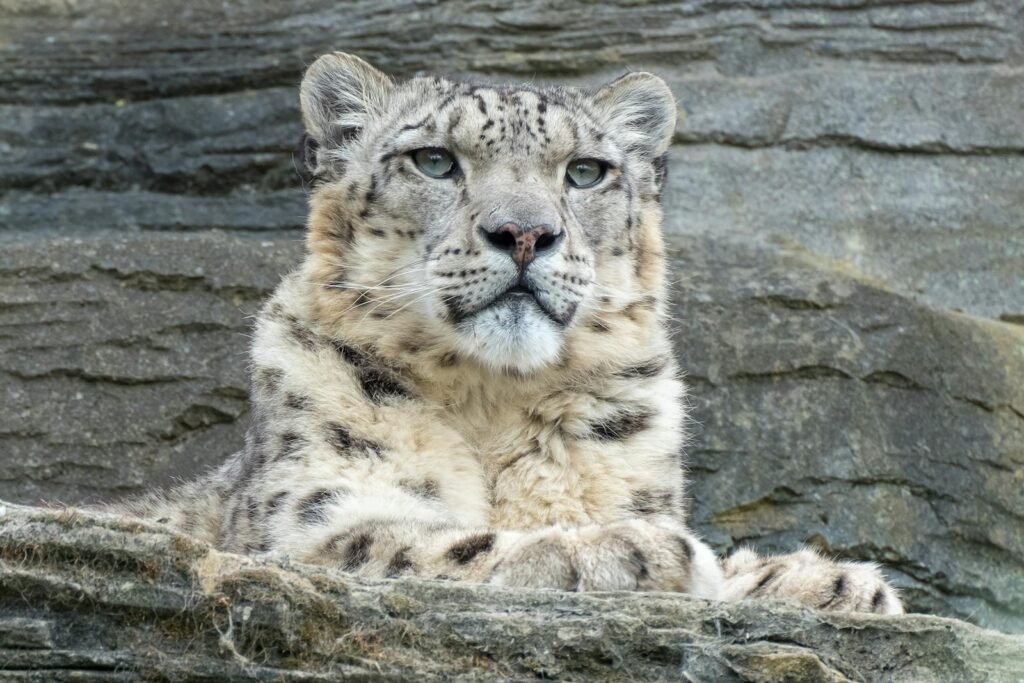
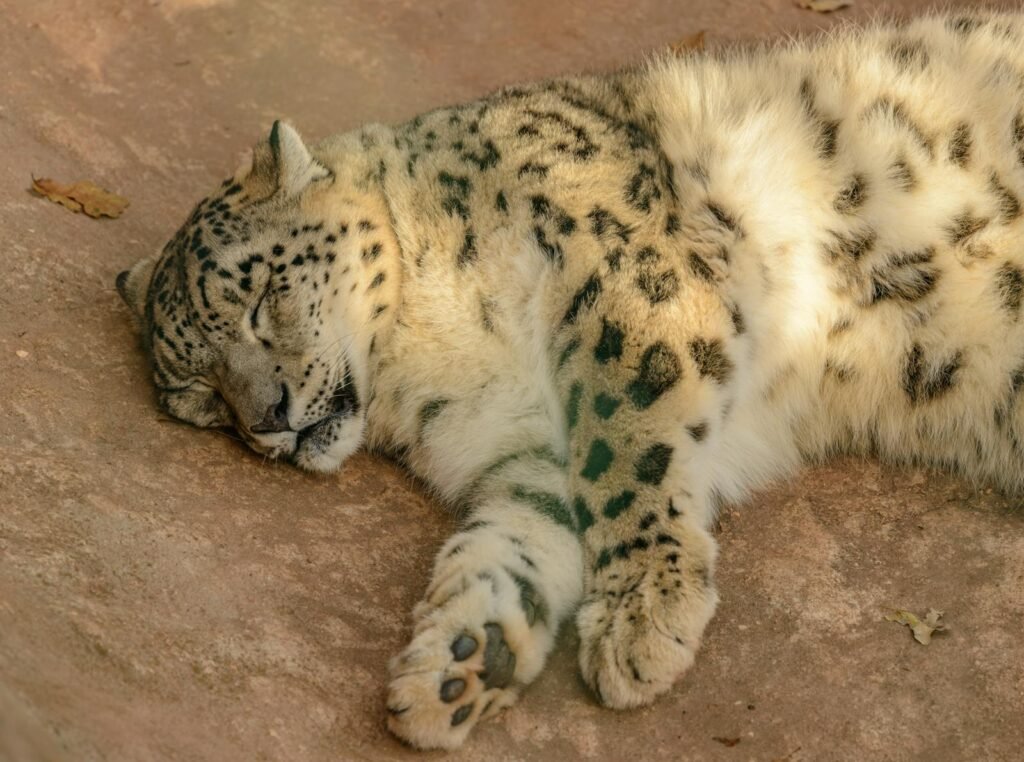
Snow leopards employ various behavioral strategies to regulate body temperature. During the coldest days, they often find shelter in caves or beneath overhangs where temperatures are more stable. When resting, they curl into a tight ball, minimizing exposed surface area and conserving heat.
Long-distance Travelers
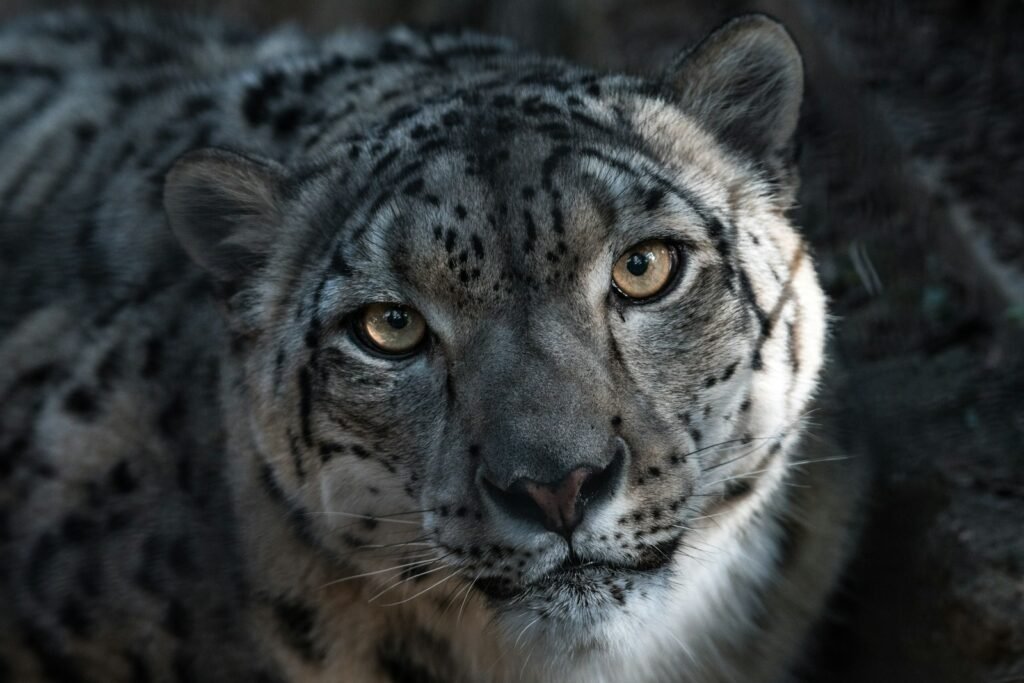
To track food and avoid competition, snow leopards cover vast distances. They utilize ancient migration paths through valleys and across ridges, remarkably adaptable to shifts in prey movement and environmental changes. This nomadic life is integral to their survival.
Reproductive Strategy
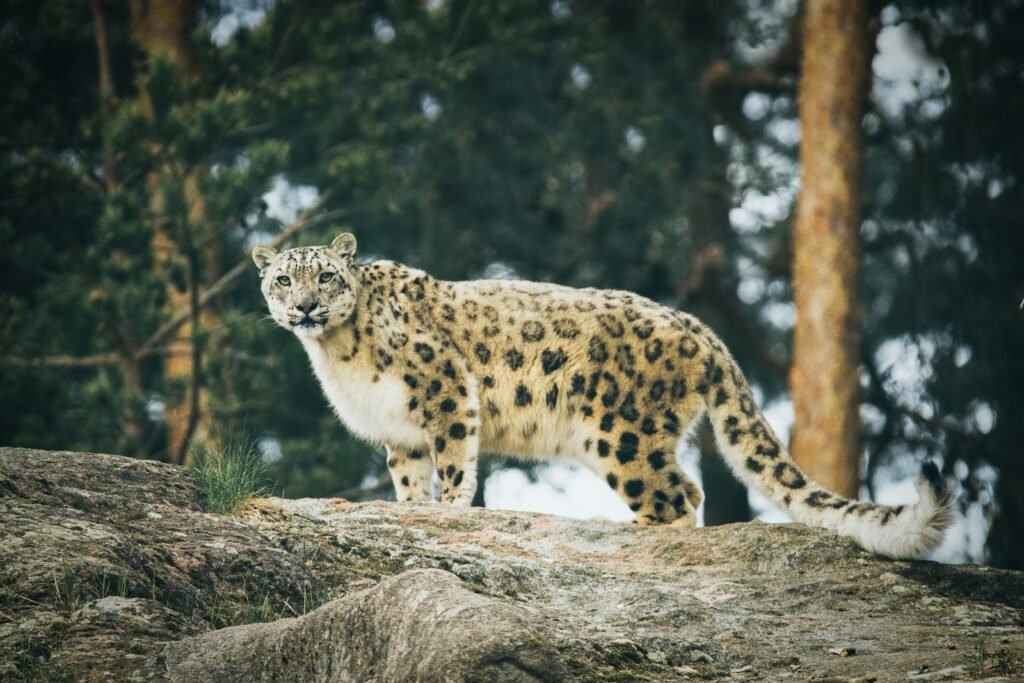
Snow leopards typically give birth in the spring or early summer, after a gestation period of around three months. This timing ensures that cubs are born when food is more plentiful. Females select secluded dens to protect their young from harsh weather and predators.
Environmental Impact Awareness
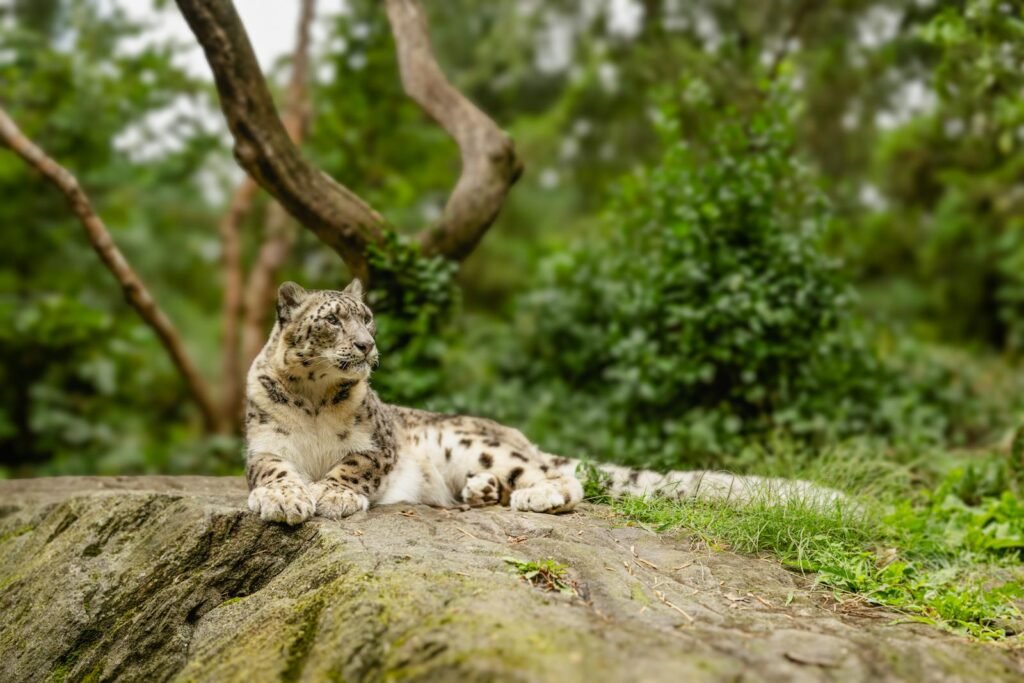
As apex predators, snow leopards play a crucial role in maintaining the ecological balance. By regulating prey populations, they prevent overgrazing, which would otherwise harm plant communities and the overall health of their mountain ecosystems.
Conservation Efforts
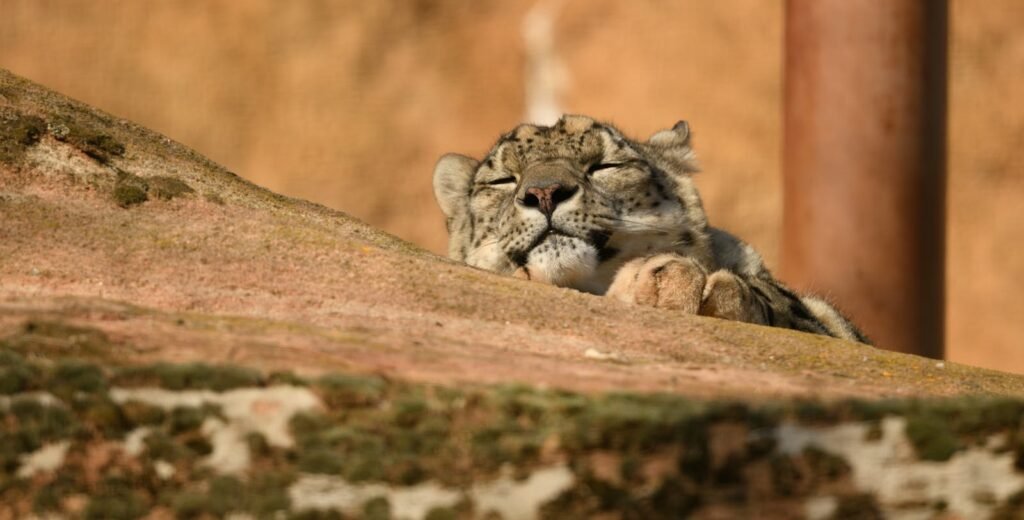
Unfortunately, snow leopards face numerous threats, including habitat loss and poaching. Conservation organizations are actively working to protect these magnificent cats through anti-poaching initiatives, habitat restoration, and community education programs aimed at fostering coexistence between humans and wildlife.
Human-Wildlife Conflict

In certain areas, snow leopards come into conflict with local herders who view them as a threat to livestock. Addressing this, some conservation groups are introducing measures such as livestock insurance programs to reduce the economic impact on herders and promote snow leopard preservation.
Ecotourism as a Conservation Tool
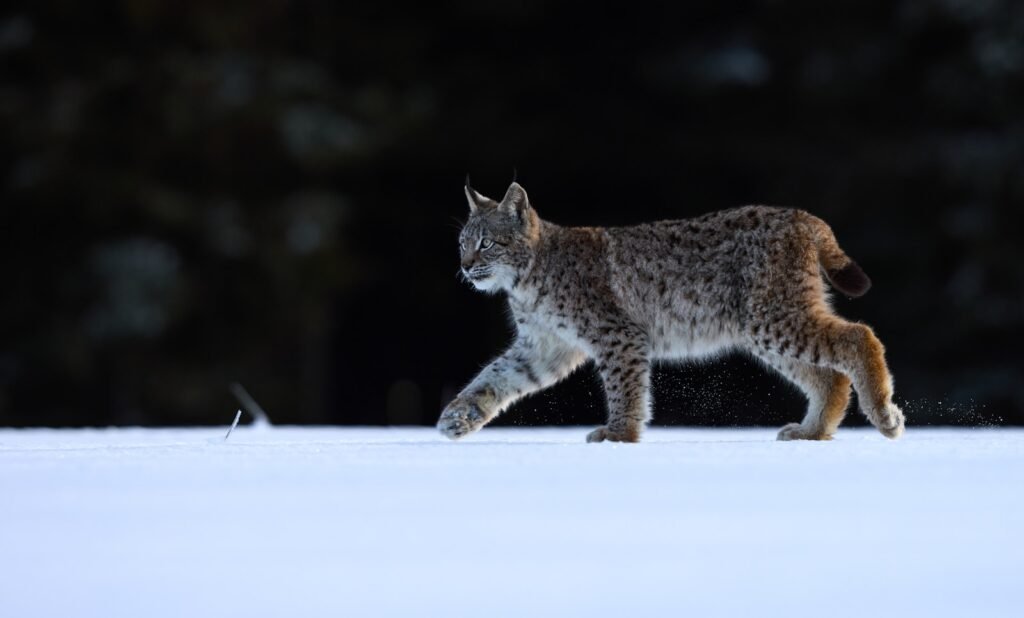
Sustainable eco-tourism is emerging as a valuable conservation tool, providing local communities with economic incentives to protect snow leopards. By promoting environmental awareness and generating income through tourism, communities are becoming active partners in conservation efforts.
Advances in Research and Technology
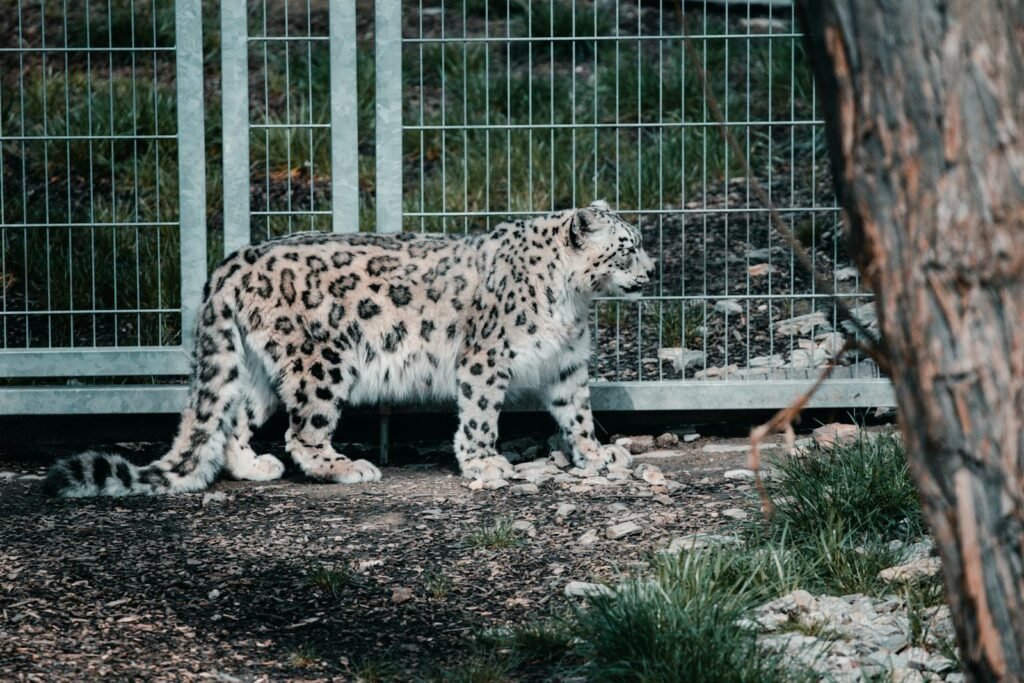
Trail cameras, GPS collars, and other technological advancements are enhancing our understanding of snow leopard behavior and ecology. These tools are vital for tracking population trends, studying habitat use, and devising effective conservation strategies.
Legal Protections
Snow leopards are currently listed as vulnerable on the IUCN Red List. International agreements like CITES help regulate the trade of snow leopard parts and ensure legal protections are in place to safeguard their future.
Community Engagement
Local communities are key allies in snow leopard conservation efforts. Engaging with people living near snow leopard habitats through environmental education and sustainable development projects is crucial to fostering a harmonious relationship with these majestic animals.
Innovative Scientific Projects
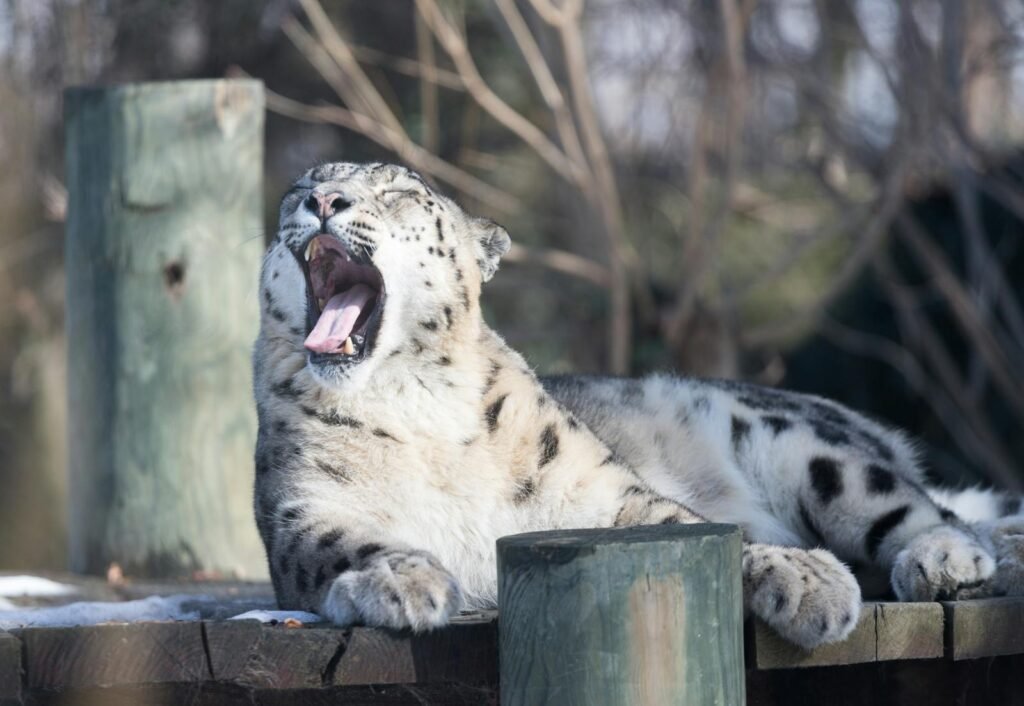
Researchers are undertaking innovative projects, including genetic studies and non-invasive monitoring, to gather critical data on snow leopard populations. These projects help identify genetic diversity and inform breeding and relocation programs.
Call to Action for Conservation
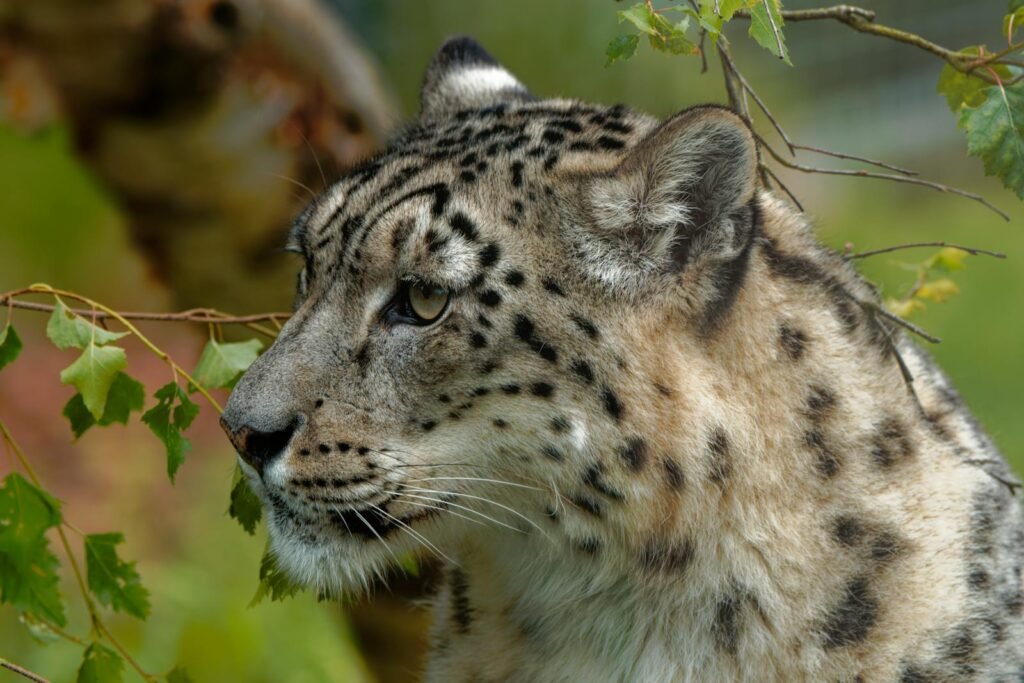
Today, we have the knowledge and tools necessary to protect snow leopards, but global support is essential. Through awareness campaigns and responsible environmental stewardship, we can ensure that future generations will also marvel at these mesmerizing guardians of the mountains.
Conclusion
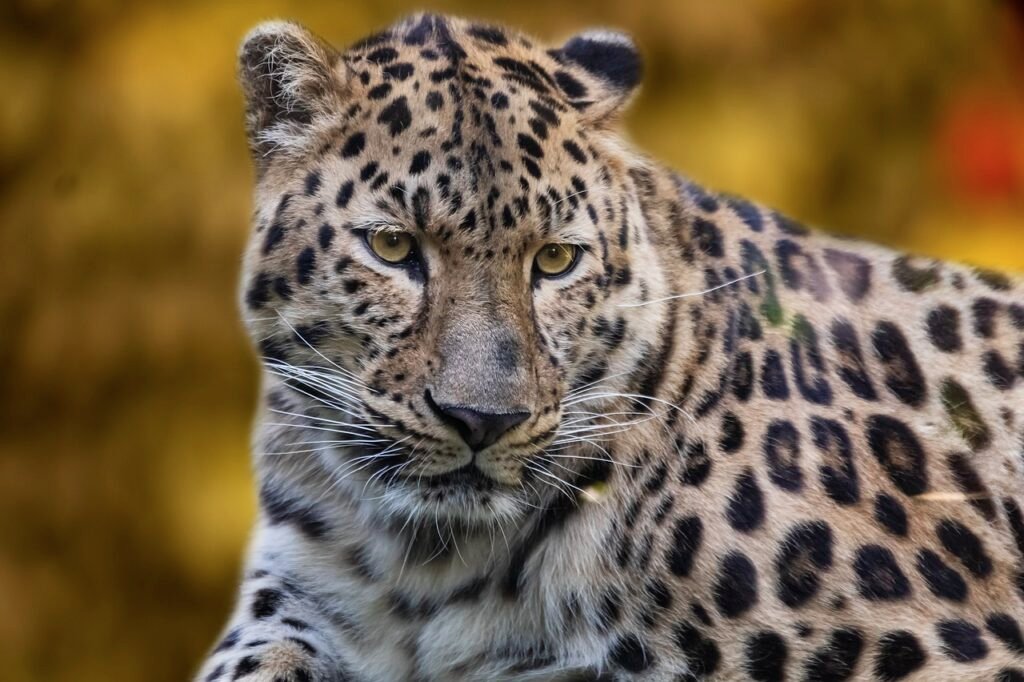
Snow leopards, sometimes known as mountain ghosts due to their elusive nature, demonstrate the wonders of evolutionary adaptation. Their survival in harsh environments showcases not only extraordinary resilience but also the delicate balance of their ecosystems. Protecting them is not just about conserving a species but preserving the diversity and health of the natural world. By continuing our conservation efforts and committing to sustainable coexistence, we can help secure a future where snow leopards continue to roam freely across their icy domain.
Suhail Ahmed is a passionate digital professional and nature enthusiast with over 8 years of experience in content strategy, SEO, web development, and digital operations. Alongside his freelance journey, Suhail actively contributes to nature and wildlife platforms like Feline Fam, where he channels his curiosity for the Feline into engaging, educational storytelling.
With a strong background in managing digital ecosystems — from ecommerce stores and WordPress websites to social media and automation — Suhail merges technical precision with creative insight. His content reflects a rare balance: SEO-friendly yet deeply human, data-informed yet emotionally resonant.
Driven by a love for discovery and storytelling, Suhail believes in using digital platforms to amplify causes that matter — especially those protecting Earth’s biodiversity and inspiring sustainable living. Whether he’s managing online projects or crafting wildlife content, his goal remains the same: to inform, inspire, and leave a positive digital footprint.