So you’ve fallen under the spell of those fluffy Russian beauties with their forest-cat charm and surprisingly dog-like devotion. Smart choice, honestly. s are affectionate felines known for their thick, water-resistant coats, and while they might look like they’d need a personal grooming assistant, they’re way more low-maintenance than you’d think. Their playful antics will keep you entertained for years (literally, since Siberians can live between 10 and 18 years, with some even reaching their 20s), but getting it right from day one matters. From that triple-layered coat to their surprisingly chatty personality, these cats have some quirky needs that differ from your average house cat. Let’s be real, the way you feed, groom, and play with your Siberian will make all the difference between a happy fluffball and a bored troublemaker who opens every cabinet in your house just to see what’s inside.
Understanding That Magnificent Triple Coat
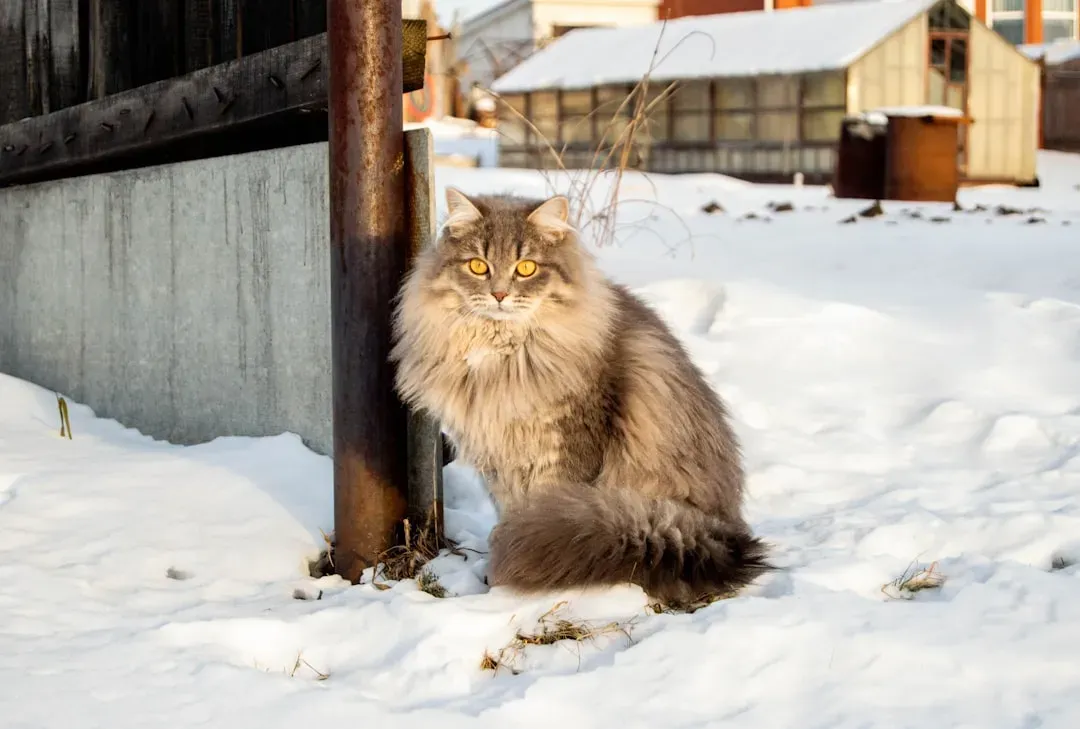
Here’s the thing about Siberian cats that surprises nearly everyone: despite looking like they walked straight out of a snowy fairytale, their grooming requirements are surprisingly reasonable. These cats have three-layered fur, which includes a thick undercoat, guard hairs that offer protection, and a water-resistant top layer. That natural oil distribution in their coat actually helps prevent matting, which is kind of a miracle when you think about it.
Generally, a weekly combing will do the trick, though during their spring and fall shedding seasons you’ll want to brush more frequently. I know it sounds crazy, but twice a year your Siberian basically decides to shed what feels like an entire cat’s worth of fur. During these shedding periods, which happen just before and after winter, they lose large clumps of their coat and will need daily brushing. The good news? Bathing a Siberian cat isn’t typically necessary, and there are no special skin-care requirements for this breed.
Get yourself a proper metal comb and a slicker brush designed for longhaired cats. Your fingers alone won’t cut through that dense undercoat. Even when you’re not actively grooming, pet your cat often so you can feel if any mats are forming, especially around the belly and back legs where tangles love to hide.
Feeding Your Forest Athlete Properly
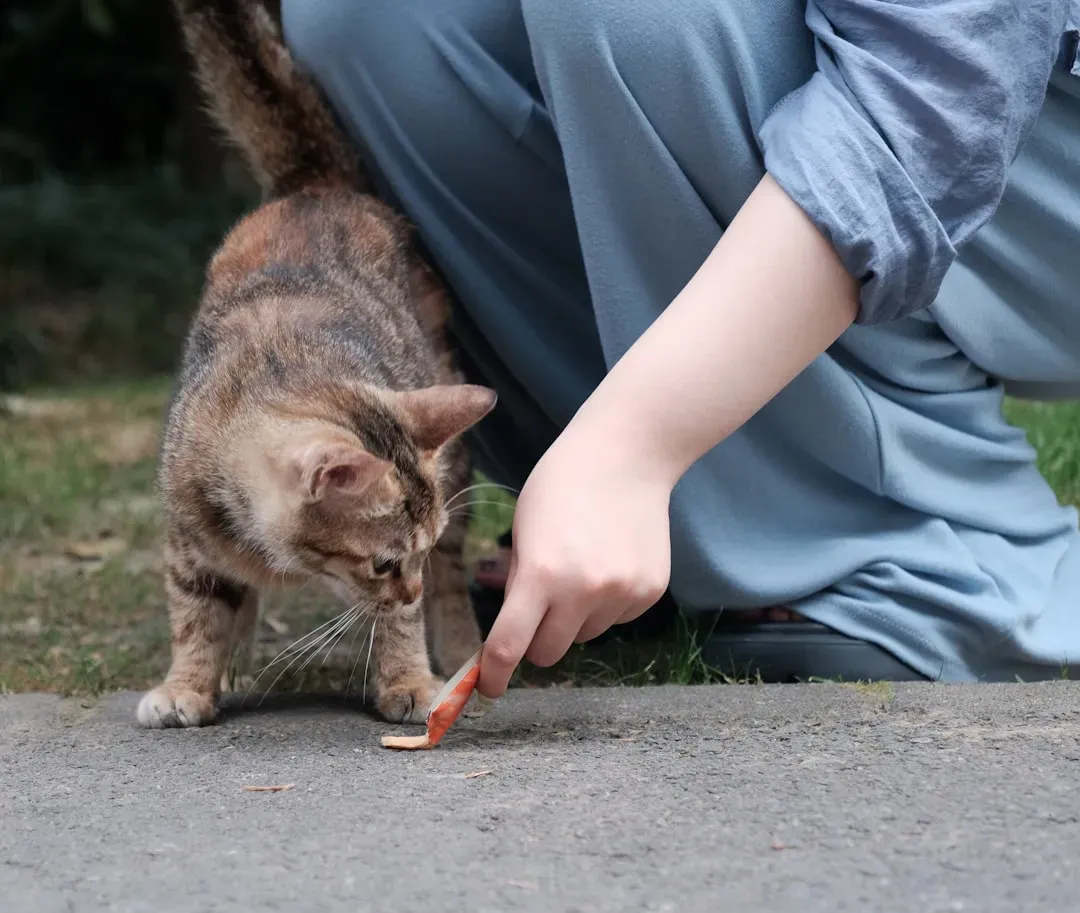
Because the Siberian cat is larger than your average cat, use the label on your cat’s food as a starting point for serving sizes. Don’t just eyeball it and hope for the best. These are muscular, sturdy cats, and while Siberians are supposed to have a broad chest and barrel-shaped body, there’s a fine line between naturally robust and overweight.
High-quality, protein-rich food is crucial for maintaining their energy levels, strong muscles, and luxurious coat, with adult Siberians requiring around 250 to 400 calories per day. Split this into two or three meals throughout the day rather than leaving food out constantly. Treats shouldn’t comprise more than 10 percent of a cat’s total caloric intake per day, even though those round eyes will try to convince you otherwise.
Food rich in Omega-3 and Omega-6 can help promote the health and shine of the Siberian thick winter coat. Look for AAFCO-approved cat food formulated for larger breeds if possible. Fresh water should always be available, and here’s a fun fact: unlike most cats, many Siberians actually like water, so don’t be shocked if yours plays in their water bowl.
Creating an Environment for Their Adventurous Spirit
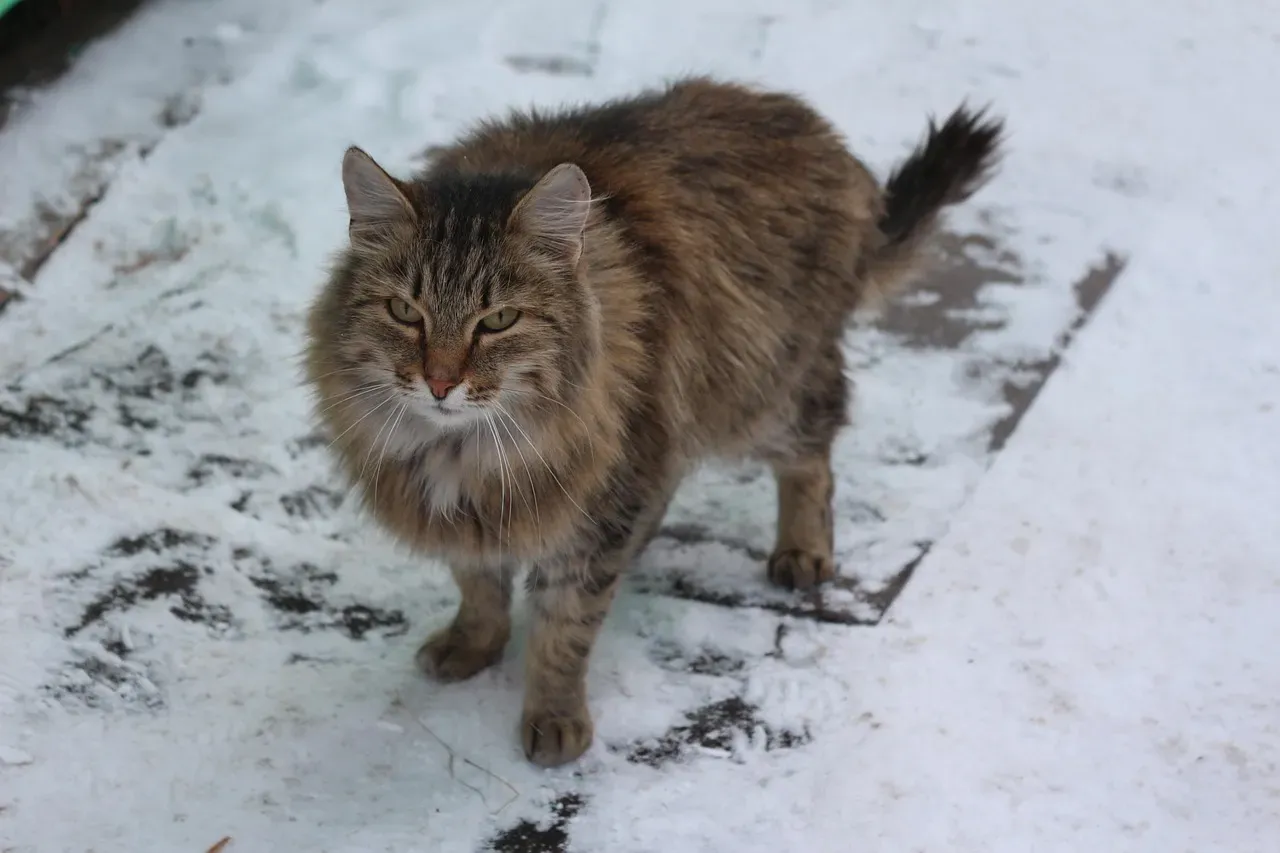
With their bold, adventurous nature and a love for climbing high, Siberian cats tend to be more injury-prone than other purebred cats, so it’s important to secure shelves and furniture their cats may want to jump or climb on. Seriously, these cats see your bookshelf as a personal jungle gym. Providing your Siberian with a cat tree and other pet-friendly climbing toys can reduce the risk of injuring themselves in your home.
Think vertical spaces everywhere. Cat trees, wall-mounted perches, secure climbing posts – your Siberian needs options. Siberian cats thrive on mental and physical stimulation, with interactive toys and puzzle feeders helping keep their minds sharp and bodies healthy. Rotate toys regularly so they don’t get bored, because a bored Siberian becomes a destructive Siberian who’ll find creative ways to entertain themselves.
Siberians often settle into their new home very quickly, though it’s best to set up a small safe room initially so they can familiarize themselves with each room gradually. Give them time and space to adjust on their terms.
Managing Their Social and Emotional Needs
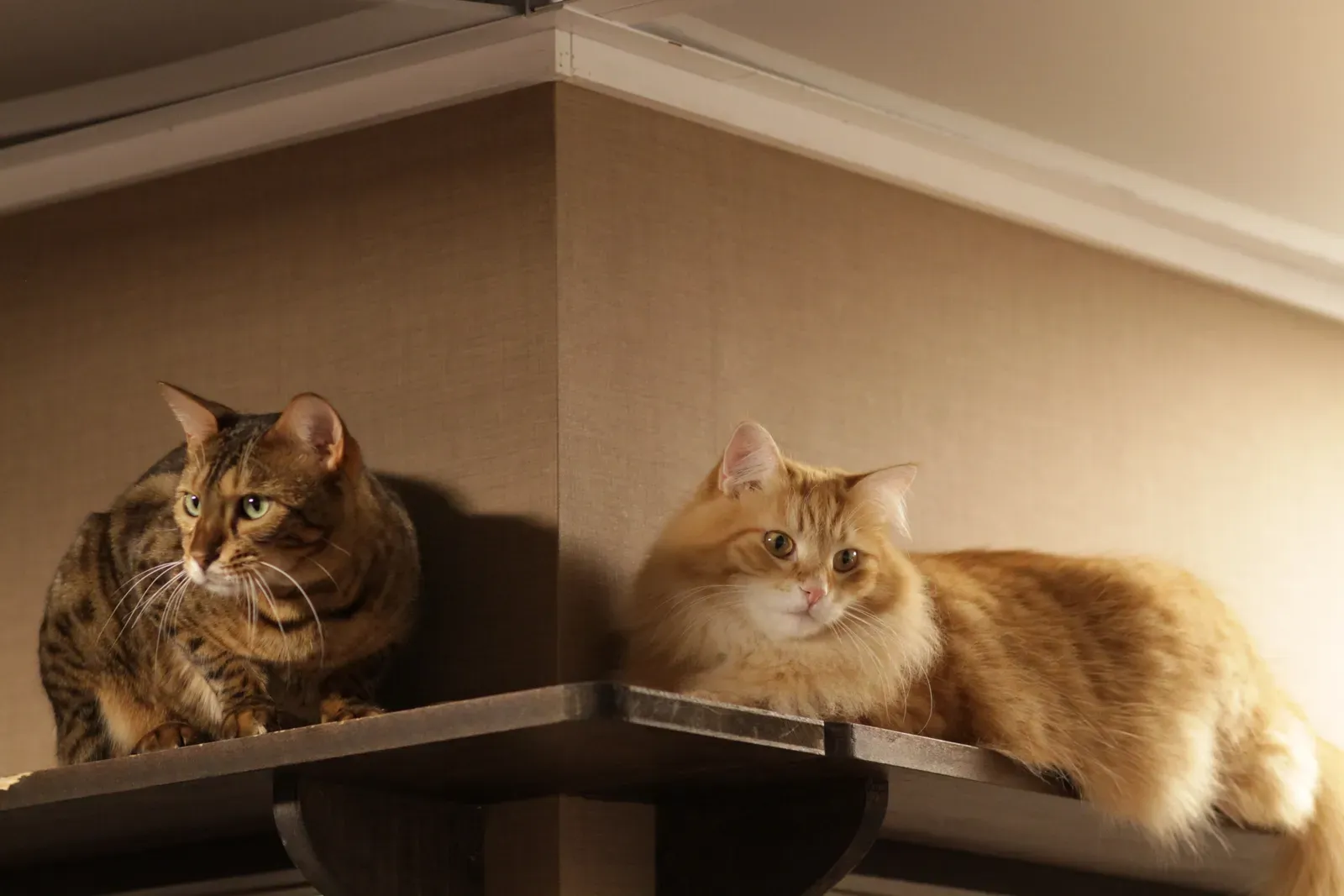
Let’s be honest: Siberians are basically dogs in cat bodies. Warm, playful, and affectionate, Siberians are often referred to as dogs of the cat world, and the concept of personal space doesn’t exist in a Siberian’s mind – wherever you go, you can be sure these faithful furballs are only two steps behind. They’ll follow you room to room, supervise your every activity, and generally want to be involved in everything.
Siberians are attached to people much more than any environment, and they don’t do well without human interaction. If you’re someone who travels constantly or works crazy hours, this might not be your ideal breed. While they are social creatures who enjoy their human’s company, most Siberian cats are also comfortable being left alone all day, though they’ll definitely expect quality time when you get home.
Many Siberians like water and may join you in the shower or tub, and unlike many other cats, Siberians like to be around other animals and get along well with children. They’re surprisingly adaptable to multi-pet households and families with kids.
Keeping Up with Dental Health
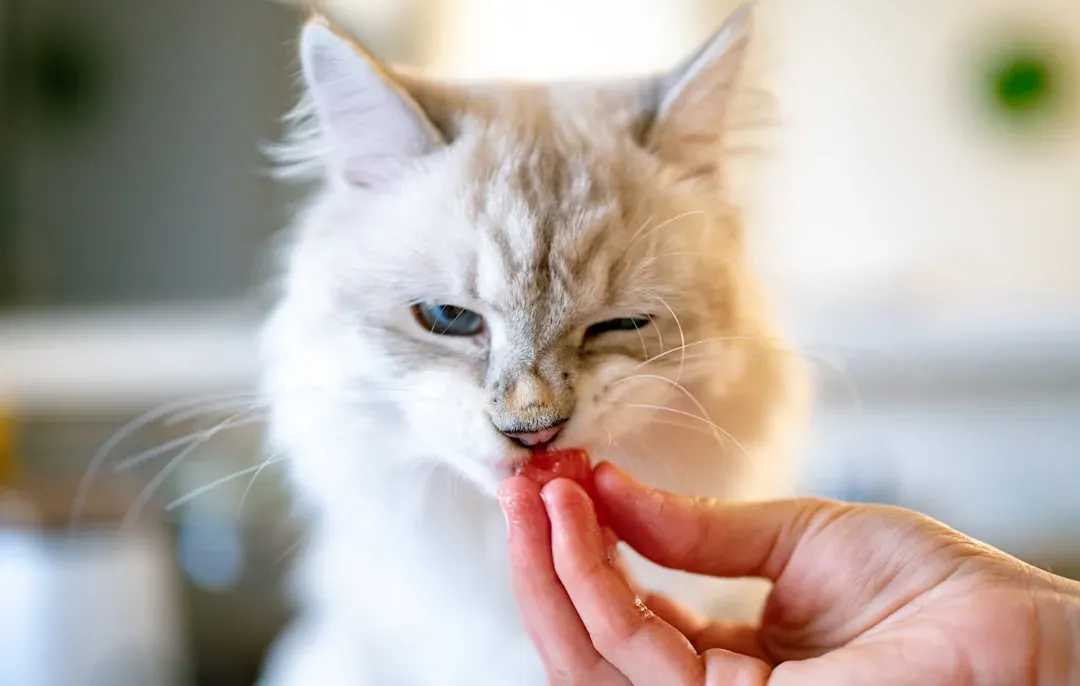
Dental health is an issue for all cats, including Siberians, and it’s recommended to brush their cat’s teeth regularly using a toothpaste specifically approved for felines. Human toothpaste is toxic to cats, so don’t even think about using your minty gel on them. Siberian cats are prone to gum disease, so take care to look after their dental hygiene.
Start this habit early if possible. Kittens are more accepting of tooth brushing than adult cats who’ve never experienced it. Work up to it gradually – let them taste the cat toothpaste first, then gently touch their gums, then progress to actual brushing. Treats and dry kibble can help with tartar, but the best thing you can do is follow a regular tooth-brushing routine and have your cat’s teeth cleaned once a year by a veterinarian.
Ignoring dental care can lead to serious problems beyond bad breath. The bacteria from infected gums can spread around the body and damage the liver and kidneys. That’s not something you want to deal with, trust me.
Training Your Intelligent Problem Solver
As intelligent and energetic felines, Siberian cats love puzzle toys, are easy to train, and they generally take to litter tray training well as they’re such quick learners. These cats are smart – sometimes too smart for their own good. The Siberian is extremely attentive and intelligent, studying and learning how to open cabinet doors and even bi-fold sliding closet doors.
Use positive reinforcement techniques like clicker training if you want to teach tricks. Many Siberians learn to play fetch, come when called, and even walk on a leash. The breed is known for its dog-like behaviour, due to its affectionate and highly loyal personality, and this intelligent breed learns easily and is even known for its ability to learn the dog game fetch.
Set boundaries early and be consistent. They’ll test you, especially as kittens, but firmness combined with love works wonders. Remember, Siberian cats experience an extended adolescence and still exhibit playful kitten behavior until they’re around 5 years old. Patience is key.
Monitoring Common Health Concerns
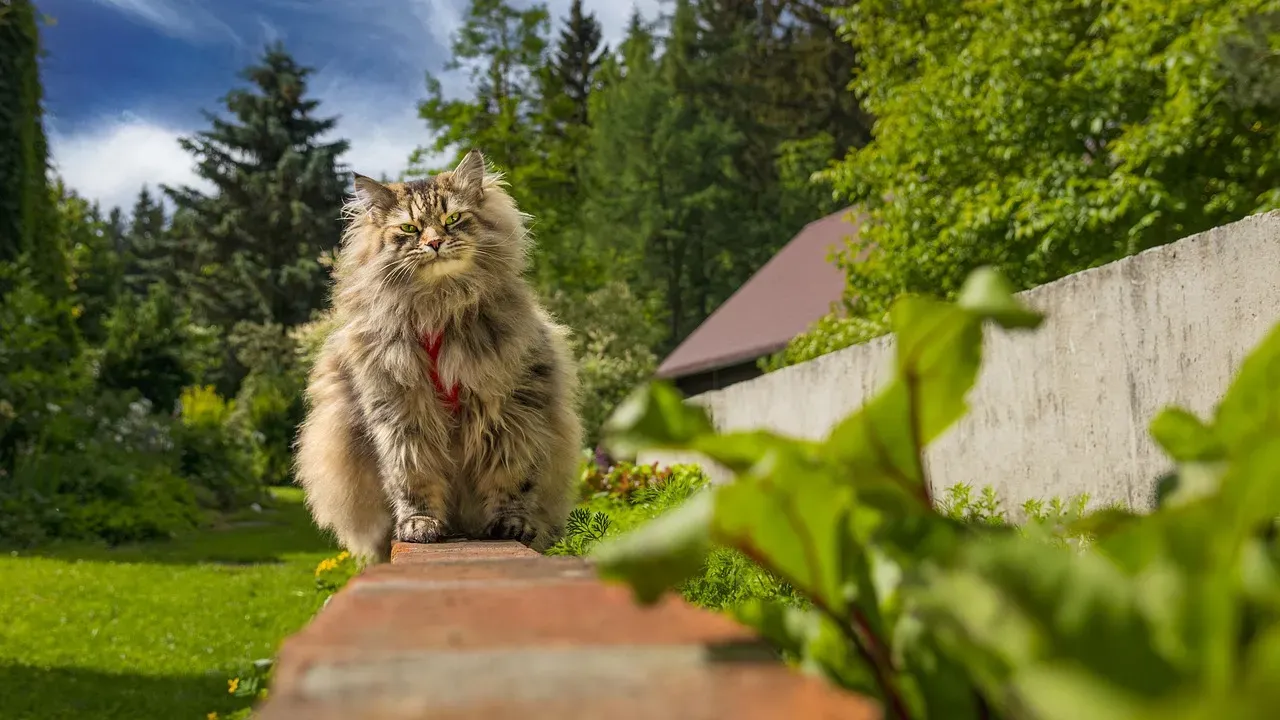
Siberian cats are generally healthy thanks to their natural evolution, but the most important condition to be aware of is Hypertrophic Cardiomyopathy, a heart disease that has been identified in the breed. It’s serious stuff, though responsible breeders now test for it regularly. Regular veterinary checkups are essential for catching any issues early.
Feline lower urinary tract disease is a generalized term for a series of conditions affecting a cat’s urinary tract, and Siberians can be susceptible to this as well. Watch for signs like frequent litter box trips, straining to urinate, or blood in the urine. It’s important to keep up with routine veterinary care visits and agree to health screenings as recommended.
Pet insurance might be worth considering for this breed. Given their climbing adventures and potential for injury, plus the genetic health concerns, having that safety net can save you from tough financial decisions later.
Understanding the Hypoallergenic Reality
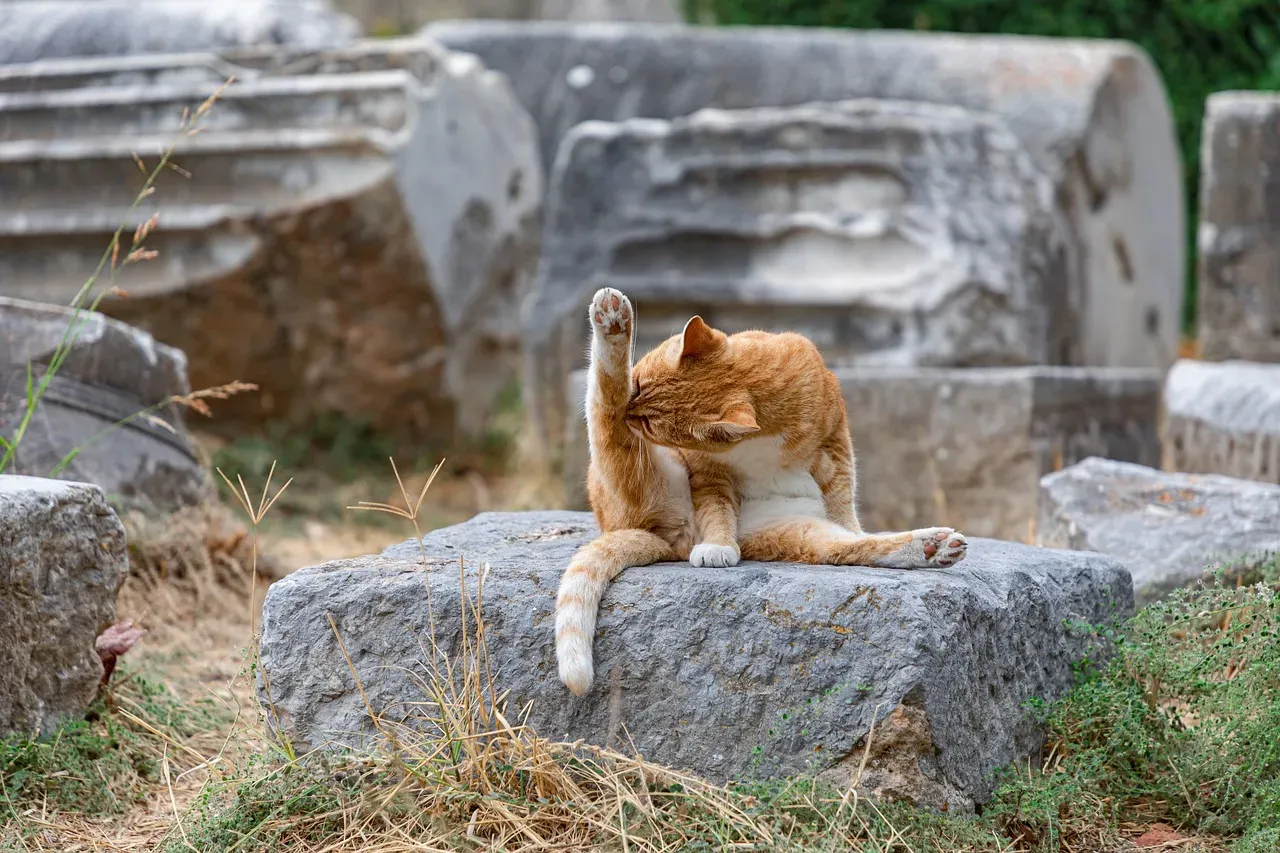
Here’s where things get interesting. Many Siberians produce lower levels of the allergen protein Fel d 1, making them one of the most popular hypoallergenic cat breeds. Notice I said “lower levels,” not “none.” No cat is truly hypoallergenic, as all cats produce Fel d 1 in their urine and saliva.
Some people with mild cat allergies report doing fine with Siberians, while others still react. It’s hard to say for sure how you’ll do. If allergies are a concern, spend time with Siberian cats before committing. Visit breeders, hang out with the cats for a few hours, and see how your body responds.
Regular grooming can lower allergen levels by removing loose fur that would otherwise become allergen-loaded dander dispersed throughout your home. So even if you’re not allergic, regular brushing benefits everyone in the household.
Preparing for Their Slow Maturation
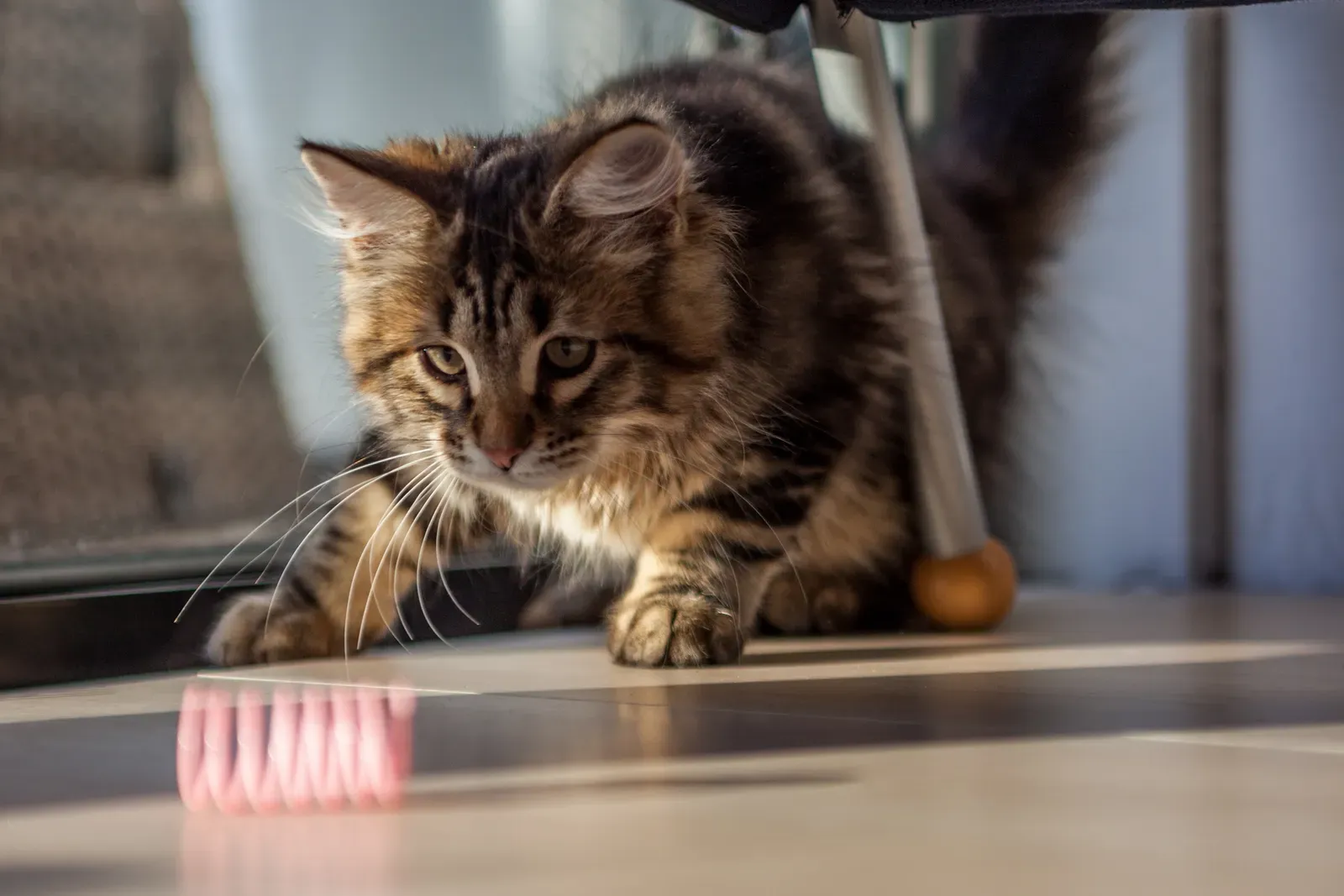
The friendly Siberian is a naturally occurring cat breed that’s slow to mature, not reaching his full-grown size of 12 to 15 pounds or more until around his fifth birthday. That’s an incredibly long adolescence compared to most cats, who reach full size by age two or three. Siberian cats mature more slowly than others and often don’t reach their full size until they’re 5 years old.
What does this mean for you? Extended kittenhood, basically. Their youthful antics can prove challenging for first-time pet parents but are usually manageable if they’re provided with mentally stimulating cat toys or scratching posts to keep them occupied. You’re signing up for years of playful energy and mischief, not just a few months.
Because of this slow development, You may be able to extend the length of time you keep them on kitten food, but watch their weight as kitten food is high in calories. Work with your vet to transition to adult food at the right time.
Recognizing Their Vocal Communication Style
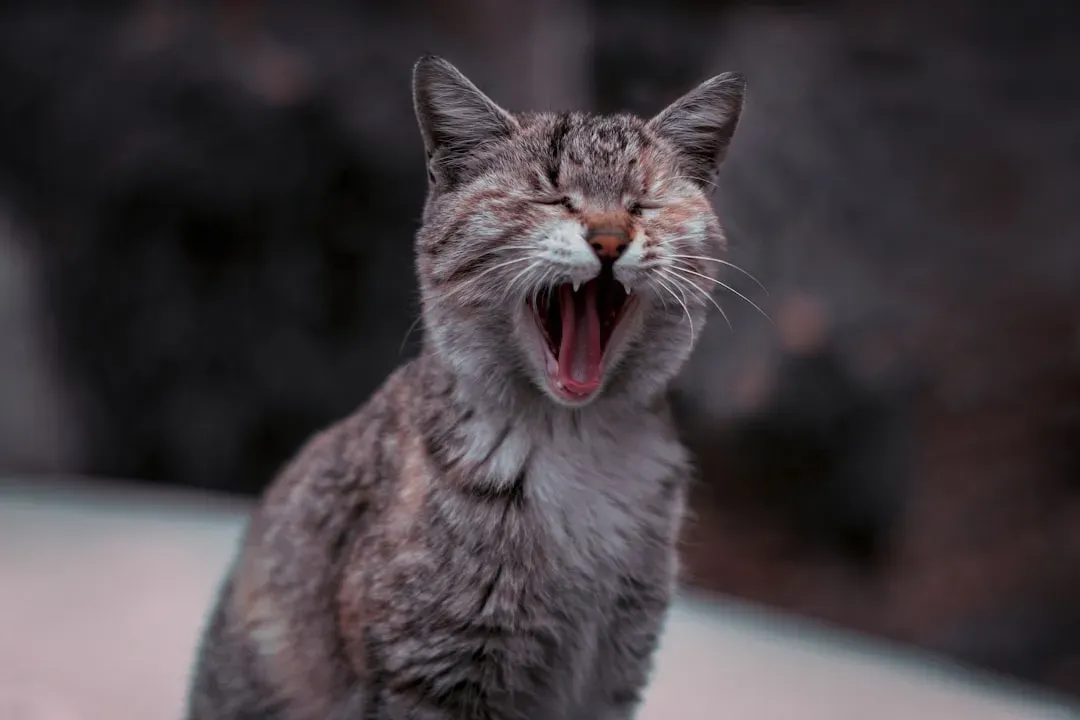
The Siberian is a vocal cat, although not in loudness but in frequency, and is known to produce a wide range of different sounds including its melodious chirping voice and a deep, resonant purr. They’re chatty without being obnoxiously loud like some breeds. With all of the different noises Siberians communicate with, including mew, chirp, and trill sounds beyond normal meows and purrs, you may feel like you’re having a real conversation.
Pay attention to what they’re telling you. Different sounds mean different things – a chirp when they see you might be a greeting, while a particular meow could signal they want food or playtime. While not as vocal as Siamese or orange tabby cats, Siberian cats still like to hold conversations with their pet parents.
This communication style is part of what makes them such engaging companions. They’re not silent observers; they’re active participants in household life who want to share their opinions about everything from dinner time to the delivery person at the door.
Conclusion: Committing to Your Forest Companion
Caring isn’t rocket science, but it does require commitment and consistency. The Siberian cat lifespan depends on daily choices, starting with solid genetics, then layering smart nutrition, preventive veterinary care, exercise, and a calm home, with each habit stacking more healthy days onto the calendar. These aren’t low-maintenance apartment ornaments – they’re intelligent, social, athletic cats who need your time and attention.
The payoff? A devoted companion who’ll follow you around, entertain you with acrobatic climbing displays, possibly join you in the shower, and definitely try to “help” with whatever you’re doing. With proper care, your Siberian can lead a long, healthy life, becoming a cherished family member. Feed them well, groom them regularly, keep their minds stimulated, and give them the affection they crave.
Did you realize just how dog-like these forest cats really are? What surprised you most about Siberian cat care?