Bringing a cat into your home is one of those decisions that feels right in your heart long before you start thinking about the logistics. Yet, choosing the perfect feline friend requires more than just falling for a pair of adorable eyes at the shelter. Your lifestyle, daily routine, and living situation play massive roles in determining which breed will thrive alongside you.
Think about it. Are you constantly on the move, working long hours, or do you have a quiet home where you can dedicate time to a more social companion? The truth is, not all cats are created equal when it comes to personality, grooming needs, and energy levels. Some breeds crave constant attention and interaction, while others are perfectly content lounging by the window all day. So let’s dive in and discover how to match your life with the right furry companion.
Understanding Your Daily Routine and Time Availability
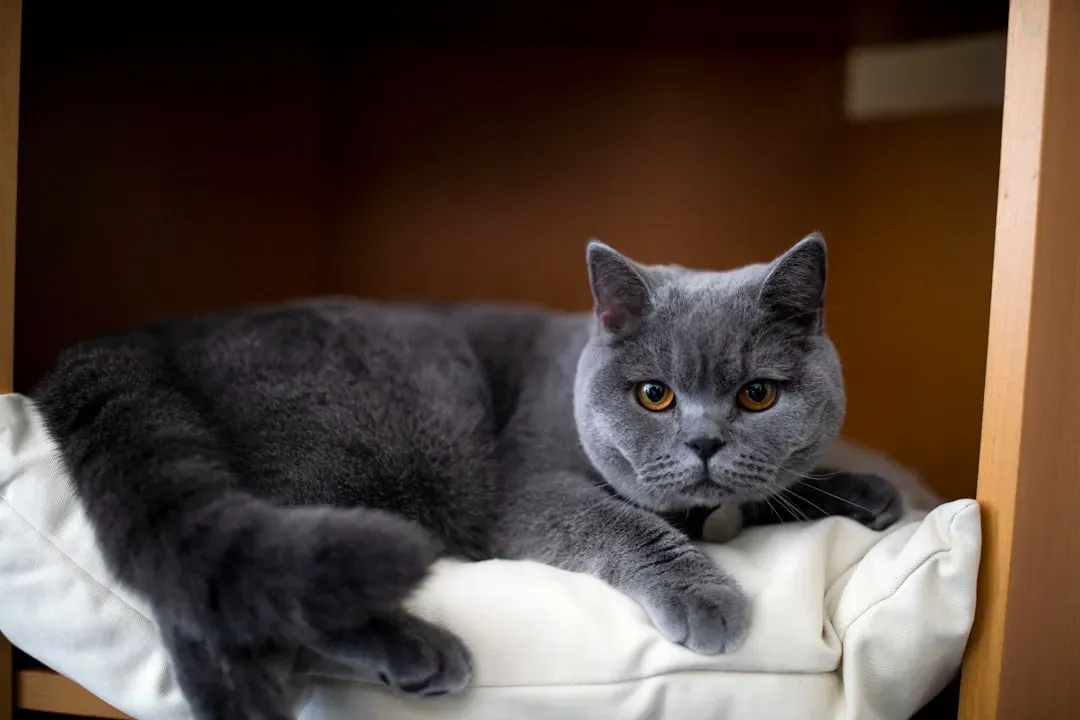
Your schedule matters more than you might think. If you’re juggling a busy schedule, a low-maintenance breed like the British Shorthair might be your match, while someone working from home could enjoy the company of a more interactive feline.
Some breeds need more physical activity and mental stimulation than others, and if you lead an active lifestyle, a breed that enjoys playtime and exercise might be a good fit. Conversely, if your days are packed with meetings and errands, you need a cat that can entertain itself without turning your apartment into chaos. Honestly, it’s all about being realistic with yourself about how much time you can genuinely dedicate to play, grooming, and companionship.
Evaluating Your Living Space
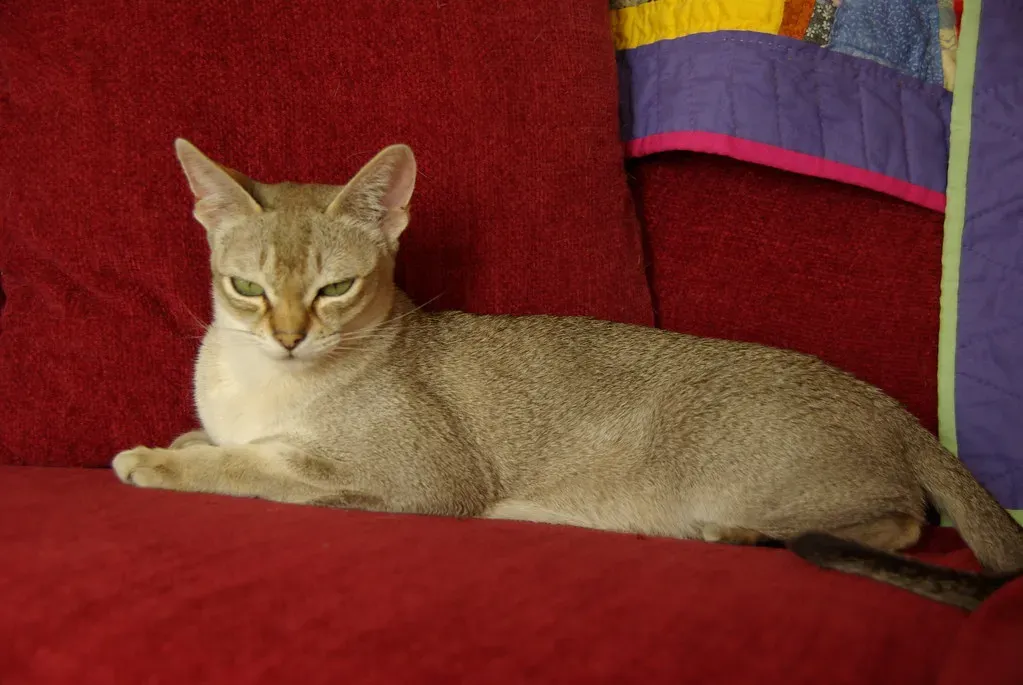
Where you live shapes your options – tiny apartments suit compact cats like the Singapura, who don’t mind cozy quarters, while a house with a big backyard might allow a Maine Coon to love the extra territory. Space isn’t just about square footage, though. It’s also about vertical territory. Cats love climbing and perching up high, so even a small apartment can work if you provide cat trees and shelves.
Some cats may be fine living in smaller spaces, while others might thrive with extra room. Think about noise levels too. If you live in a bustling household with kids running around, you need a breed that can handle the commotion. Quieter, more reserved cats might get stressed in that environment, while others will join right in on the fun.
Considering Your Family Dynamics and Other Pets

Do you have children or other animals at home? Maine Coons, Ragdolls, and American Shorthairs handle chaos with patience and warmth, making them great if your home is always buzzing. These breeds are known for their gentle, tolerant nature, which is crucial when little hands want to pet and play.
If you have children or other pets, it’s important to choose a breed known for being friendly and tolerant, while some breeds are more social and enjoy interaction. On the flip side, if you live alone or with just one other adult, you might prefer a more independent cat that doesn’t demand constant interaction. Let’s be real – not every cat wants to be the center of attention at a family gathering.
Assessing Grooming Requirements and Maintenance

Here’s the thing: grooming can be a dealbreaker. Low-maintenance breeds – think the sleek Exotic Shorthair – are winning over busy professionals who want love without the grooming hassle. Long-haired beauties like Persians require daily brushing to prevent mats and tangles, which can be time-consuming if you’re already stretched thin.
If you don’t want to spend much time grooming, stick with low-maintenance breeds like Burmese, Russian Blue, or British Shorthair – they keep themselves pretty tidy. Weekly brushing is usually sufficient for short-haired breeds, making them perfect for people who appreciate simplicity. Consider whether you’re willing to invest in regular grooming sessions or if you’d rather have a cat that practically takes care of itself.
Matching Personality and Temperament
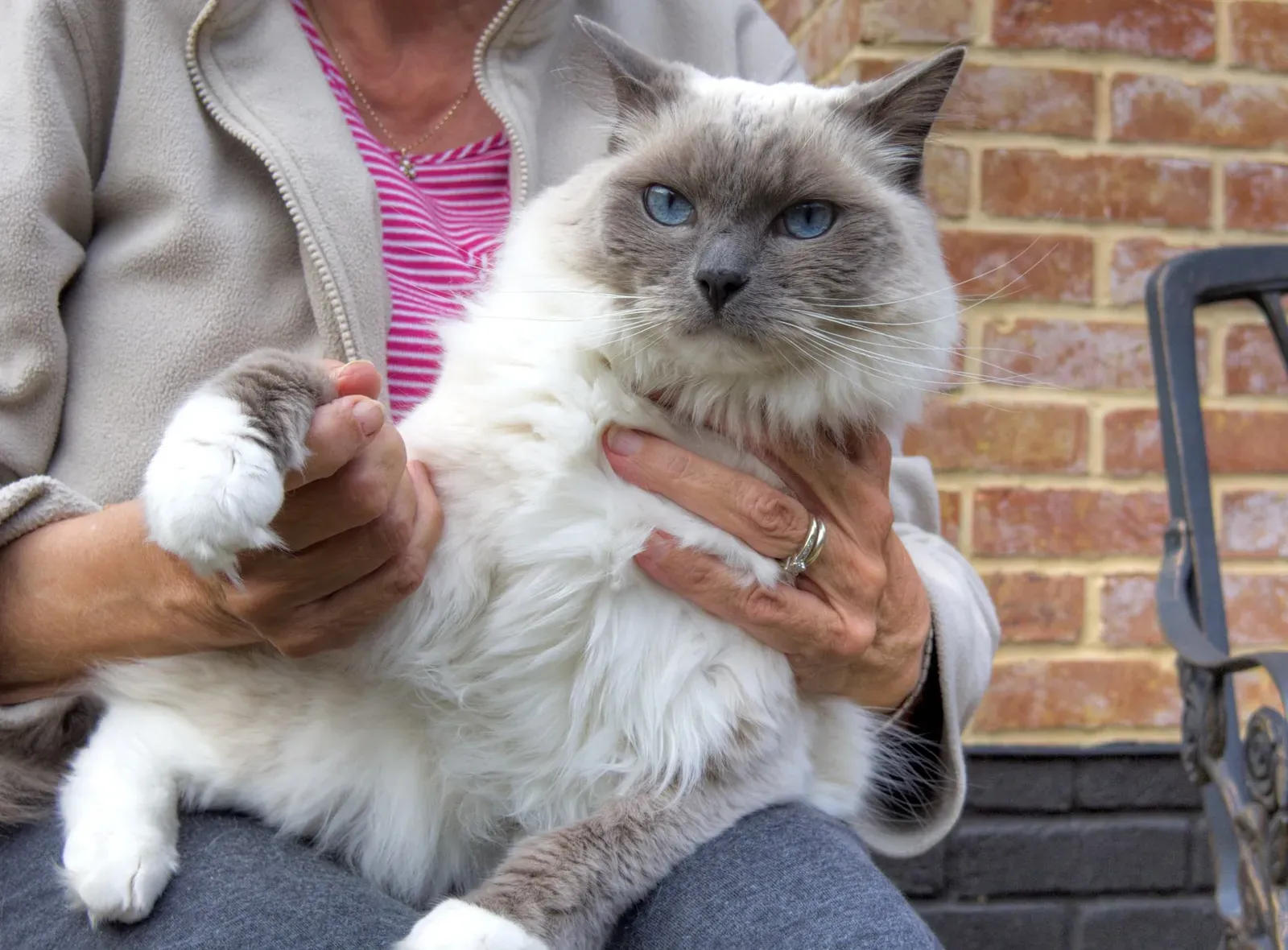
Cats aren’t one-size-fits-all when it comes to personality – some breeds, like the Ragdoll, are social butterflies who crave your attention, while others, like the Russian Blue, prefer their independence. This is where knowing yourself becomes essential. Are you the type who wants a lap cat to curl up with during movie marathons, or would you prefer a more aloof companion who does their own thing?
When choosing a cat, temperament and appearance were the deciding factors, while cuddlyness is the most desired personality trait. Some cats are chatty and will follow you from room to room, demanding conversation. Others are quieter observers, content to watch the world from their favorite perch. Your personality should complement your cat’s temperament for the best relationship.
Understanding Energy Levels and Activity Needs
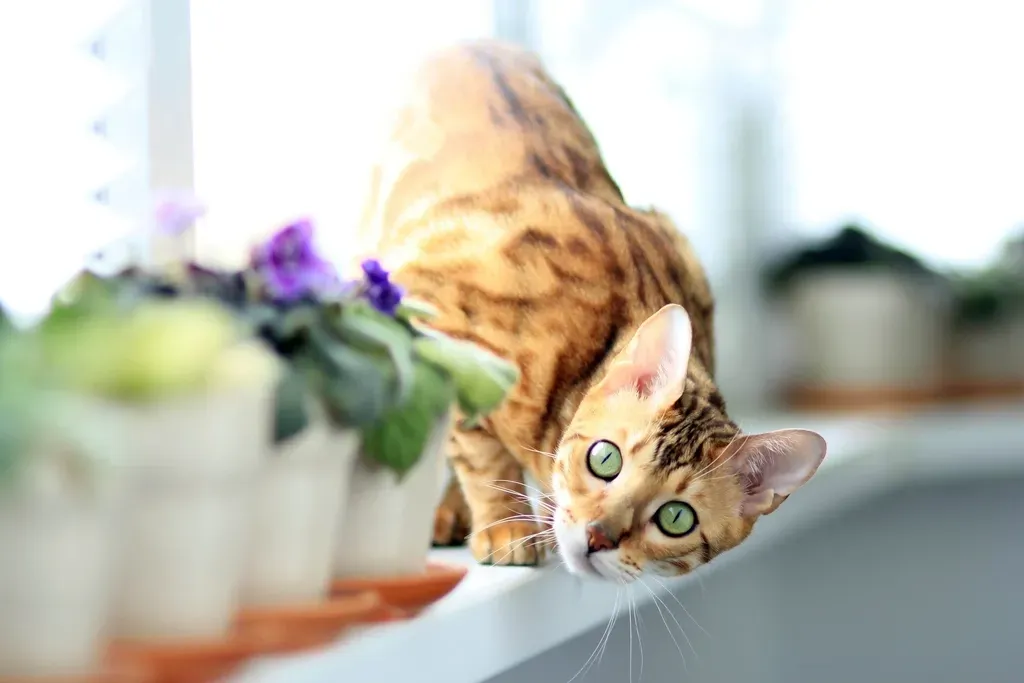
Energy levels vary dramatically across breeds. Active cat breeds can be incredible matches for on-the-go and even outdoorsy families – some can learn leash walks, some love interactive games, and a few are famous for quirky talents. Bengals and Abyssinians, for instance, are bundles of energy that need daily stimulation and play.
Because their energy runs high, Bengals do best with daily activity plus steady mental challenges – think wand-toy workouts, puzzle feeders, and lots of vertical space. Meanwhile, breeds like the British Shorthair or Persian are more laid-back, preferring leisurely afternoons and gentle play. If you’re someone who enjoys hiking or outdoor adventures, consider a breed that can keep up with your active lifestyle.
Recognizing Health Considerations and Special Needs

Persians might face breathing issues, while Siamese cats are prone to dental woes, and while advances in vet care are boosting feline lifespans, breed-specific health concerns still linger. This is something you absolutely need to research before committing. Some breeds are predisposed to certain genetic conditions that can result in expensive veterinary bills and heartache.
Allergies don’t have to stop you from cat ownership – hypoallergenic cats in 2026, like the Balinese or Siberian, are gaining fans for their lower allergen levels, while special needs also vary by breed. Knowing what health challenges might arise helps you prepare financially and emotionally. It’s hard to say for sure, but being informed can make all the difference in providing the best care possible.
Best Breeds for Busy Professionals
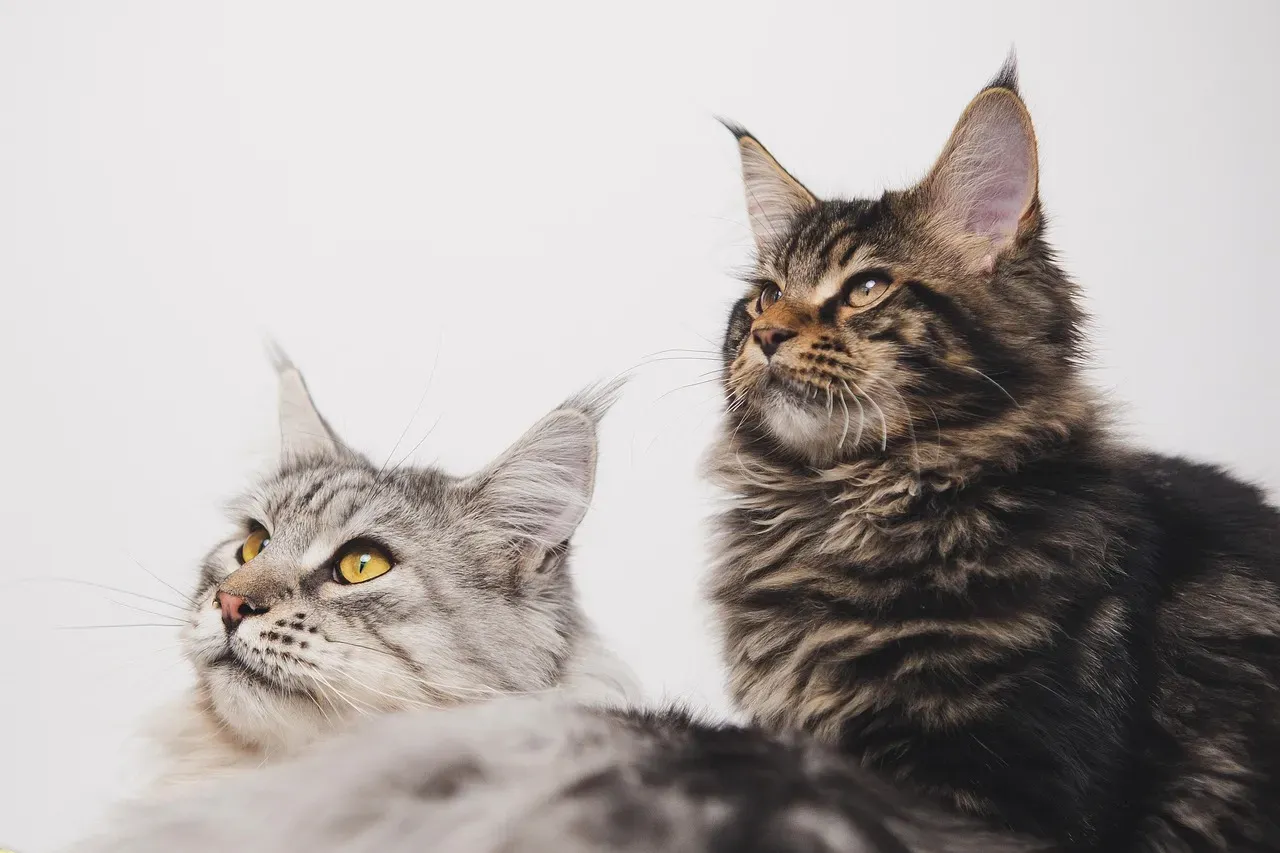
Maine Coons are gentle giants who are independent and not overly demanding of attention, making them suitable for busy owners. These cats offer companionship without constantly demanding your presence, which is ideal when work keeps you away for long stretches.
Breeds like the Russian Blue and Maine Coon are independent, capable of keeping themselves occupied when their owners are away, and easily adjust to sporadic companionship without becoming anxious or acting out destructively. The American Shorthair also fits this category beautifully, being adaptable and easy-going. They won’t guilt-trip you for working late, and they’re happy to greet you when you finally walk through the door.
Ideal Breeds for Families with Children
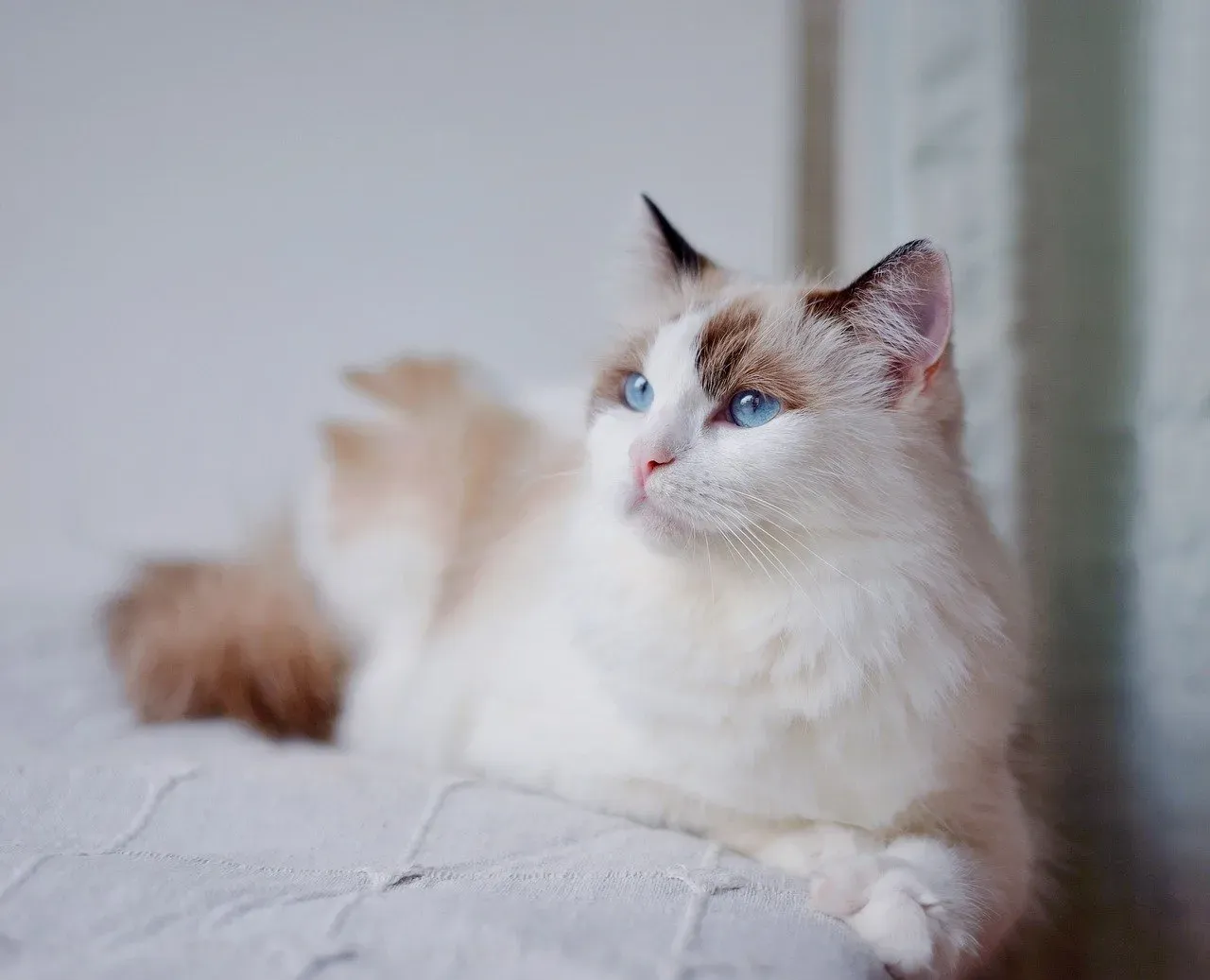
Breeds known for patience and gentleness rank highly with families – Ragdolls and Maine Coons are renowned for loving kids. These cats can handle the noise, excitement, and occasional rough play that comes with having children around. Their tolerance levels are impressive, making them wonderful family pets.
American Shorthairs are gentle with kids, making them a great pet for a family, and they’re popular for their protection against rats and other pests. Birmans are another excellent choice, combining affection with a calm demeanor that works well in family settings. The key is finding a breed that won’t get stressed by constant activity and that genuinely enjoys being part of the household chaos.
Perfect Cats for Apartment Living
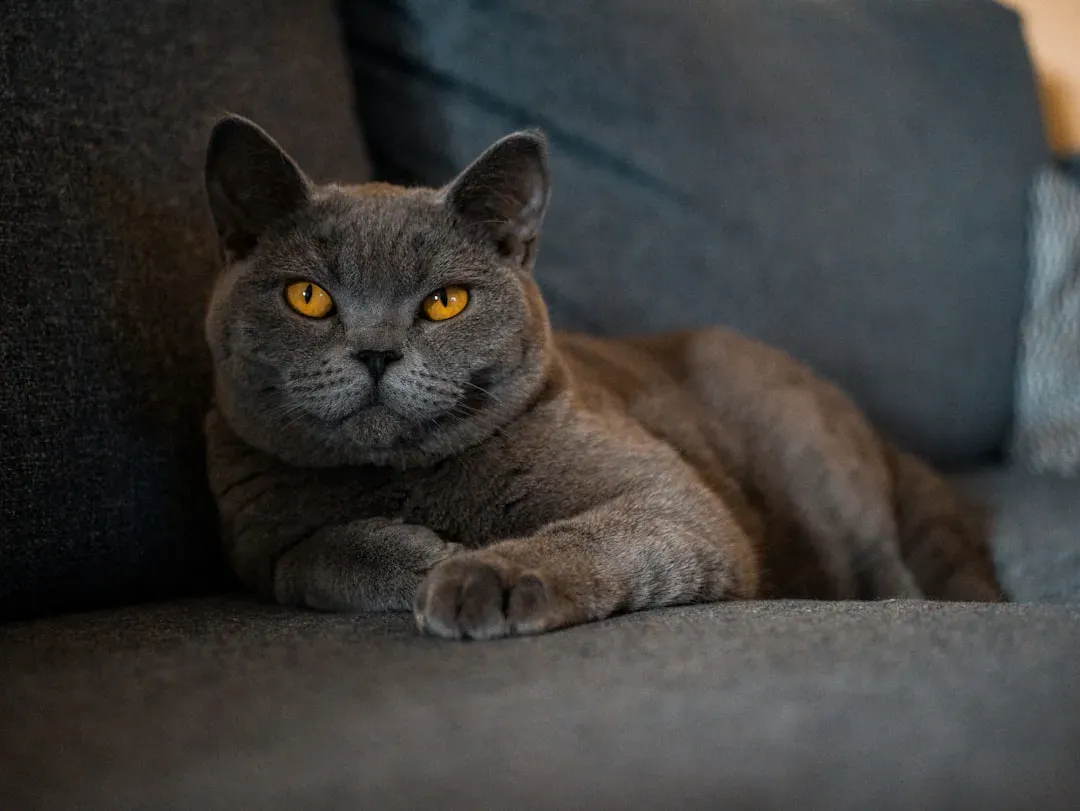
Urban living, with its cozy apartments and limited space, plays a big role – smaller, adaptable breeds are stealing the spotlight for city dwellers. Apartment living doesn’t mean you have to sacrifice having a feline companion. In fact, many breeds thrive in smaller spaces.
The dignified yet affectionate British Shorthair is perfectly adaptable to apartment life – these cats are pretty inactive, so you won’t need to worry about providing a large space, though they experience occasional bursts of energy. Ragdolls, Persians, and Russian Blues are also excellent apartment dwellers. They’re content to lounge around and don’t require vast territories to roam. What matters most is providing enrichment activities like toys, scratching posts, and cozy spots where they can relax.
Making the Final Decision

Choosing the right cat breed is ultimately about honest self-reflection. Finding the right cat breed in 2026 isn’t about guesswork – it’s about aligning their needs with your life. Consider your work schedule, your living situation, your family dynamics, and your personal preferences.
Don’t rush the decision. Spend time at shelters, talk to breeders, and do your research. Each breed has unique qualities that can either complement or clash with your lifestyle. Remember, this is a commitment that can last upwards of fifteen years or more. When you find that perfect match, you’ll know it. Your home will feel complete, and your new feline friend will settle in like they’ve always belonged there. What would you have guessed about your ideal cat breed? Sometimes the answer surprises you when you truly think about what fits your life best.