Have you ever watched your cat stare out the window for hours, tail flicking, eyes wide with wonder? Or maybe you’ve seen them bolt under the bed at the slightest sound, heart pounding like a little drum? The quest to keep our feline friends happy and emotionally fulfilled is a dance—a delicate balance between joy and overwhelm. You want their world to be filled with excitement, comfort, and confidence, but not chaos. It’s a tricky line to walk, and every cat lover knows that one wrong move can tip the scales. Today, let’s unlock the secrets to enriching your cat’s life without sending them into sensory overload. This is your guide to creating a sanctuary of stimulation—without the meltdown.
Understanding Emotional Enrichment for Cats
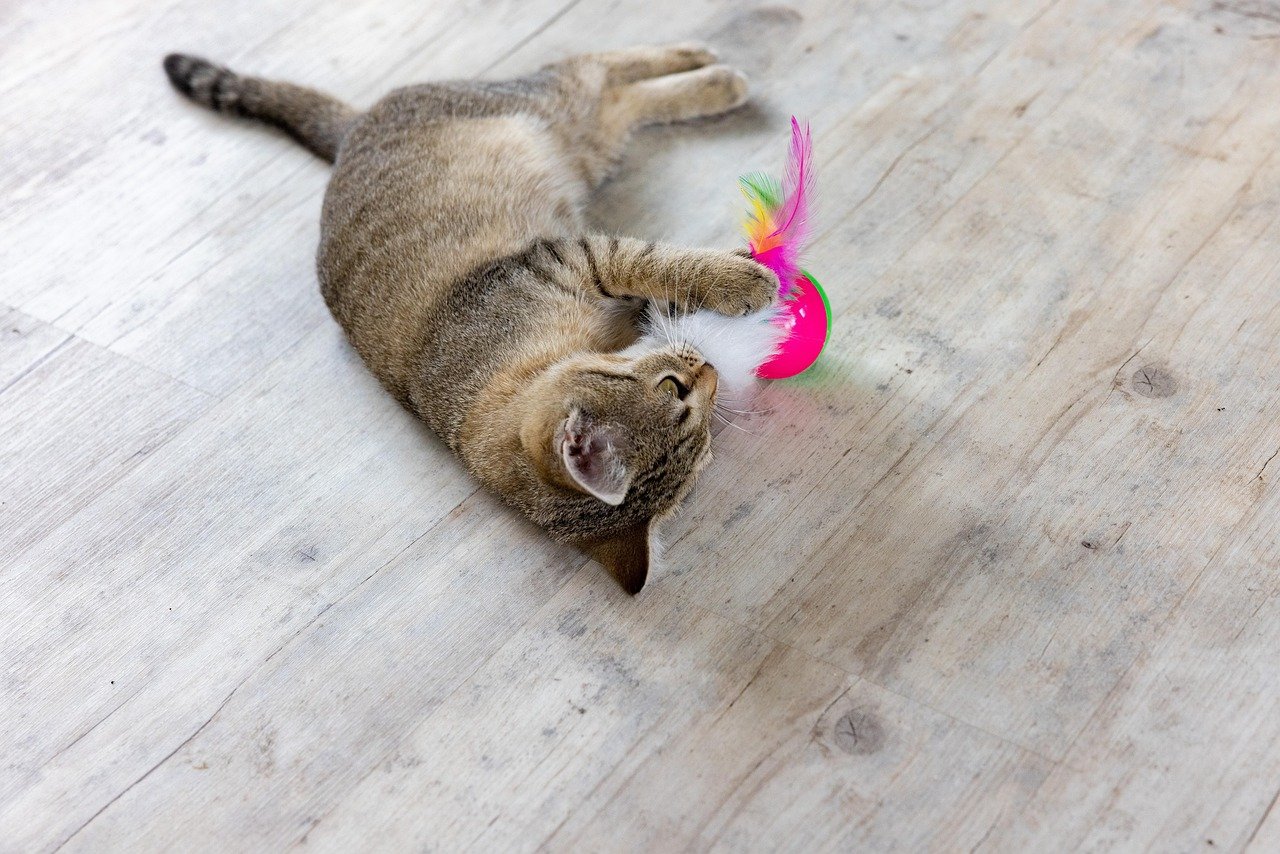
Emotional enrichment is all about giving your cat what they crave deep down—fun, challenge, security, and love. Think of it as the emotional vitamins for their well-being. Cats are natural hunters, curious explorers, and sensitive souls, so they need more than just food and a fluffy bed. Providing enrichment keeps their minds sharp and their hearts happy. But it’s not just about tossing a new toy in their direction. True enrichment means understanding what makes your cat tick—what sparks their curiosity and what soothes their spirit. When you get it right, you’ll see a cat that’s confident, affectionate, and full of life. Get it wrong, and you might notice anxiety, hiding, or even aggression. The goal is to sprinkle just enough excitement into their days without overwhelming their senses.
Recognizing Signs of Overstimulation

Have you ever noticed your cat suddenly biting or scratching in the middle of a playful petting session? That’s not random—it’s a classic sign of overstimulation. Other clues include flattened ears, twitching tails, dilated pupils, or sudden dashes across the room. Some cats will even vocalize with sharp, anxious meows or retreat to their favorite hiding spots. Understanding these signals is crucial. It’s like reading the dashboard lights in your car; if you ignore them, you risk a breakdown. Pay close attention to your cat’s body language and behavior, especially when introducing new activities or toys. Learning to recognize when your cat has had enough will help you adjust your approach and keep their enrichment positive, not stressful.
The Importance of Routine for Emotional Stability

Cats are creatures of habit, and a predictable routine can be a powerful anchor for their emotional health. Just like us, cats feel safer when they know what to expect from their day. Set meal times, regular play sessions, and consistent quiet hours can work wonders. If you suddenly change their routine, they might feel anxious or even act out. Think of your cat’s daily schedule like the rhythm of a favorite song—familiar, comforting, and easy to follow. Sticking to a routine gives your cat confidence to explore new things without fear. It’s the foundation upon which you can build all kinds of fun and enrichment, knowing your cat always has a safe rhythm to return to.
Choosing the Right Types of Toys
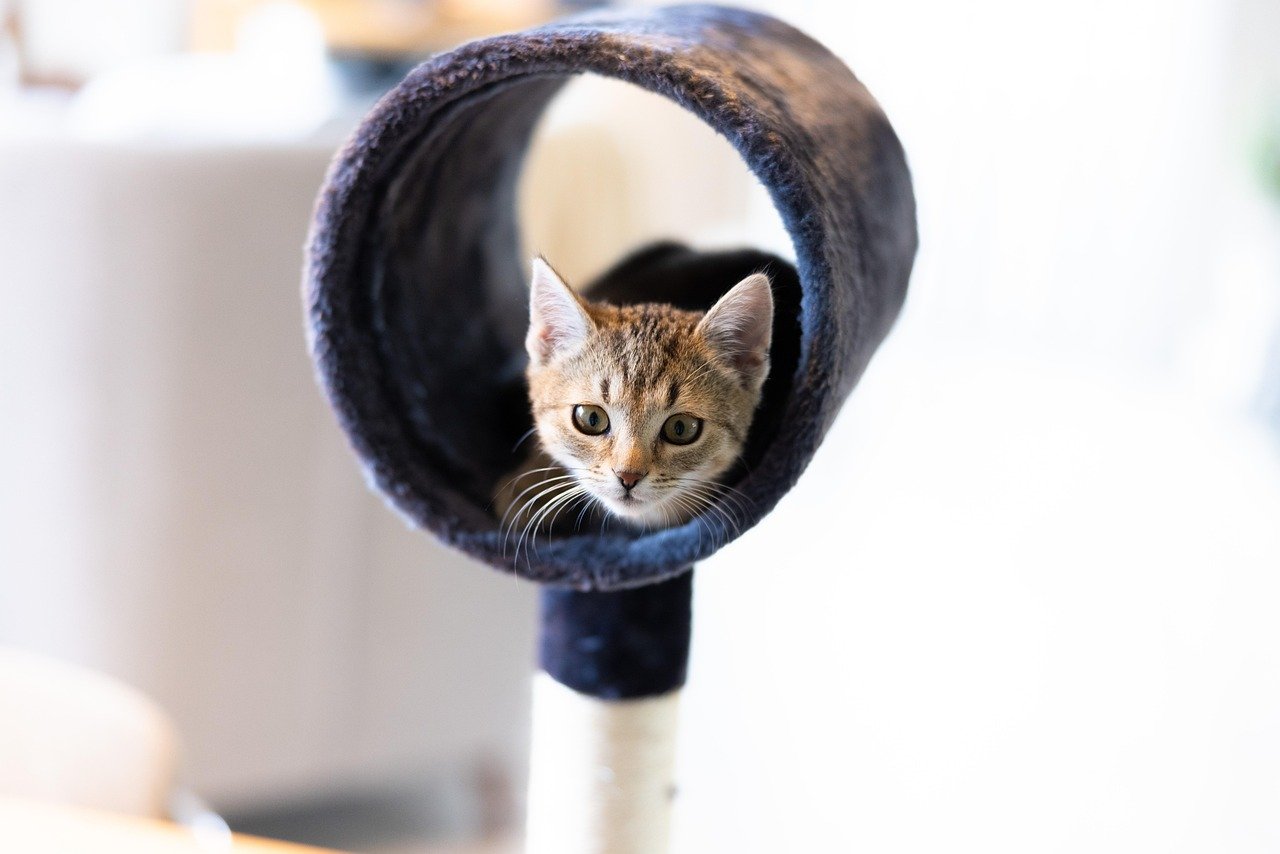
Not all toys are created equal, and what delights one cat might bore or frighten another. The key is to offer a variety without overwhelming your feline friend’s senses. Start with simple toys, like a basic feather wand or a crinkly ball. Avoid toys that make loud, unpredictable noises if your cat is easily startled. For shy cats, soft plush toys or puzzle feeders might be best, while bold adventurers may love interactive laser pointers or climbing trees. Rotate toys every few days to keep things fresh, but don’t dump the whole toy box at once. Think of toy selection like curating a playlist—some days call for upbeat tunes, others for soothing melodies. Watch your cat’s reactions, and you’ll soon discover their favorites.
Creating Safe Spaces for Retreat
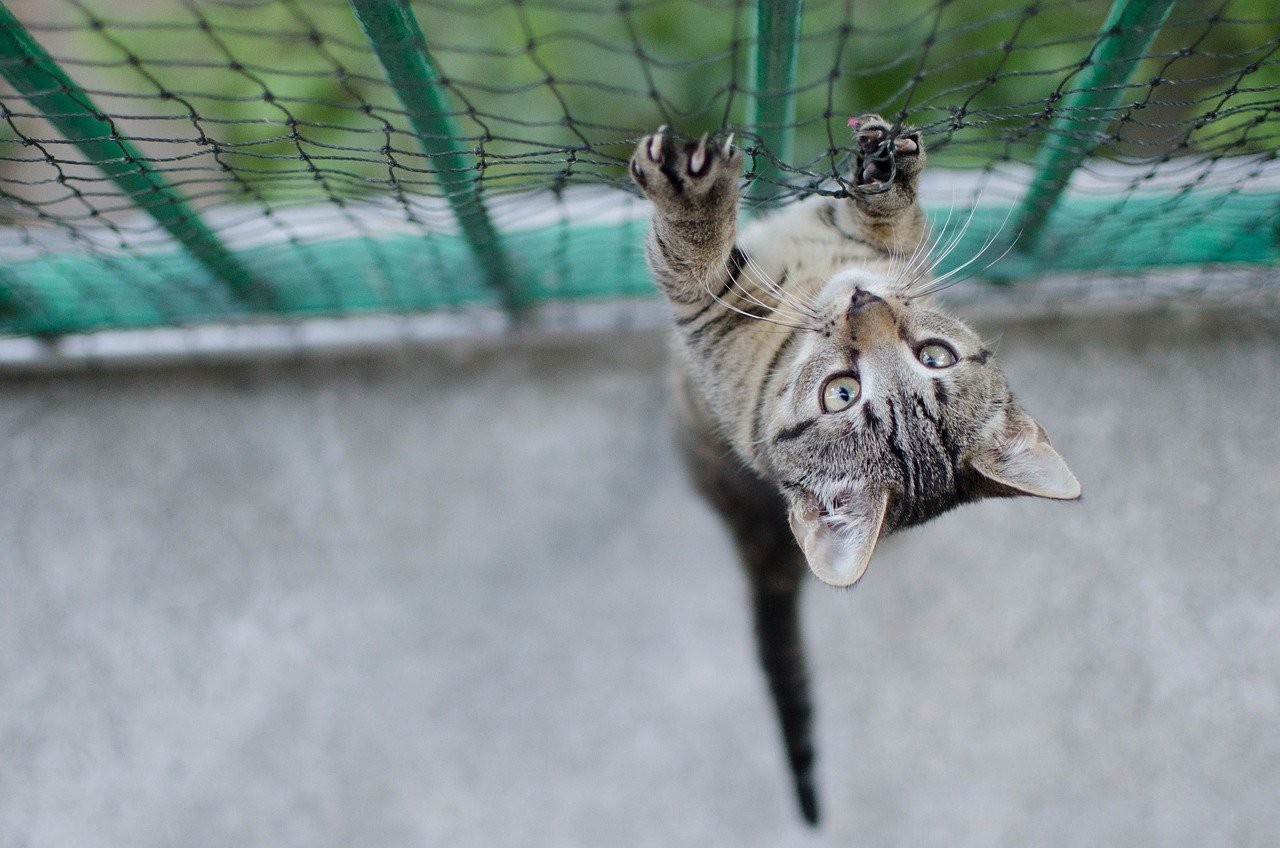
Every cat needs a refuge—a quiet place to escape when life gets too loud. This could be a cozy bed, a high perch, or even a cardboard box tucked in a quiet corner. Safe spaces are vital for emotional balance. They give your cat control over their environment, letting them decide when to engage and when to retreat. If you live in a busy home or have kids and other pets, these retreats become even more important. Make sure your cat’s safe space is always accessible and free from sudden disturbances. Add soft blankets, a favorite toy, or a sprinkle of catnip to make it extra inviting. These sanctuaries are like a warm cup of tea after a long day—a simple comfort that makes all the difference.
Interactive Play Without Overdoing It

Playtime is essential, but it’s easy to get carried away. Too much chasing, pouncing, or roughhousing can leave your cat frazzled instead of fulfilled. Aim for short, focused play sessions—about 10 to 15 minutes, once or twice a day, is plenty for most cats. Let your cat set the pace, and watch for signs that they’re losing interest or getting overstimulated. Vary the type of play to keep things interesting—sometimes a gentle feather, sometimes a fast-moving laser. End each session with a chance for your cat to “catch” the toy, mimicking a successful hunt. This gives them a sense of accomplishment and signals that playtime is over, helping them wind down naturally.
Using Food Puzzles for Gentle Mental Stimulation
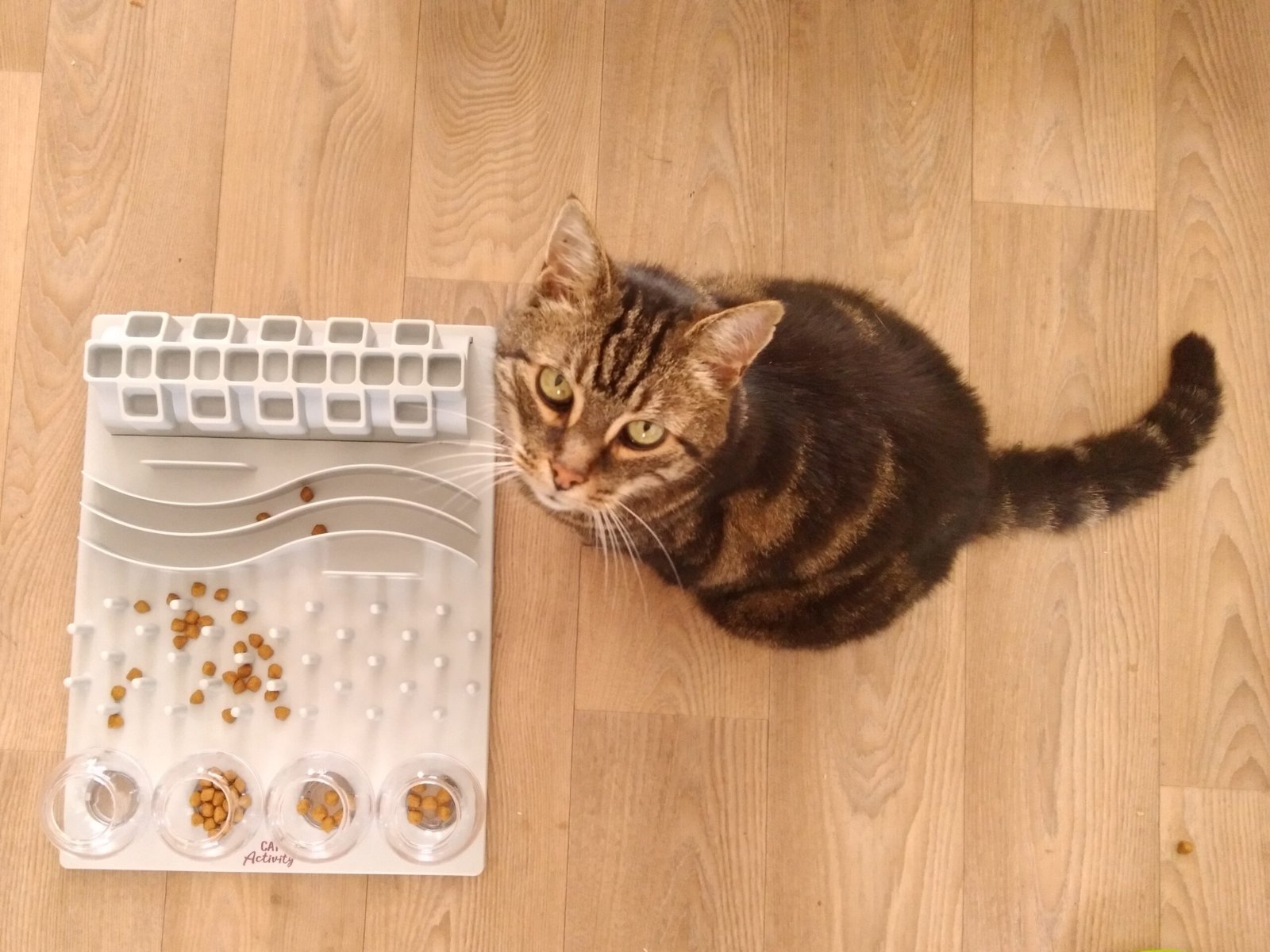
Food puzzles are a fantastic way to engage your cat’s brain without overwhelming them. These toys challenge your cat to work for treats or kibble, tapping into their natural hunting instincts. Start with simple puzzles and gradually increase the difficulty as your cat gets the hang of it. Avoid puzzles that are too complex, as frustration can quickly turn enrichment into stress. If your cat seems confused or gives up, step in and show them how it works. Food puzzles are like brain teasers—they keep your cat mentally sharp and entertained, but only if they’re at the right level of challenge.
Incorporating Vertical Spaces
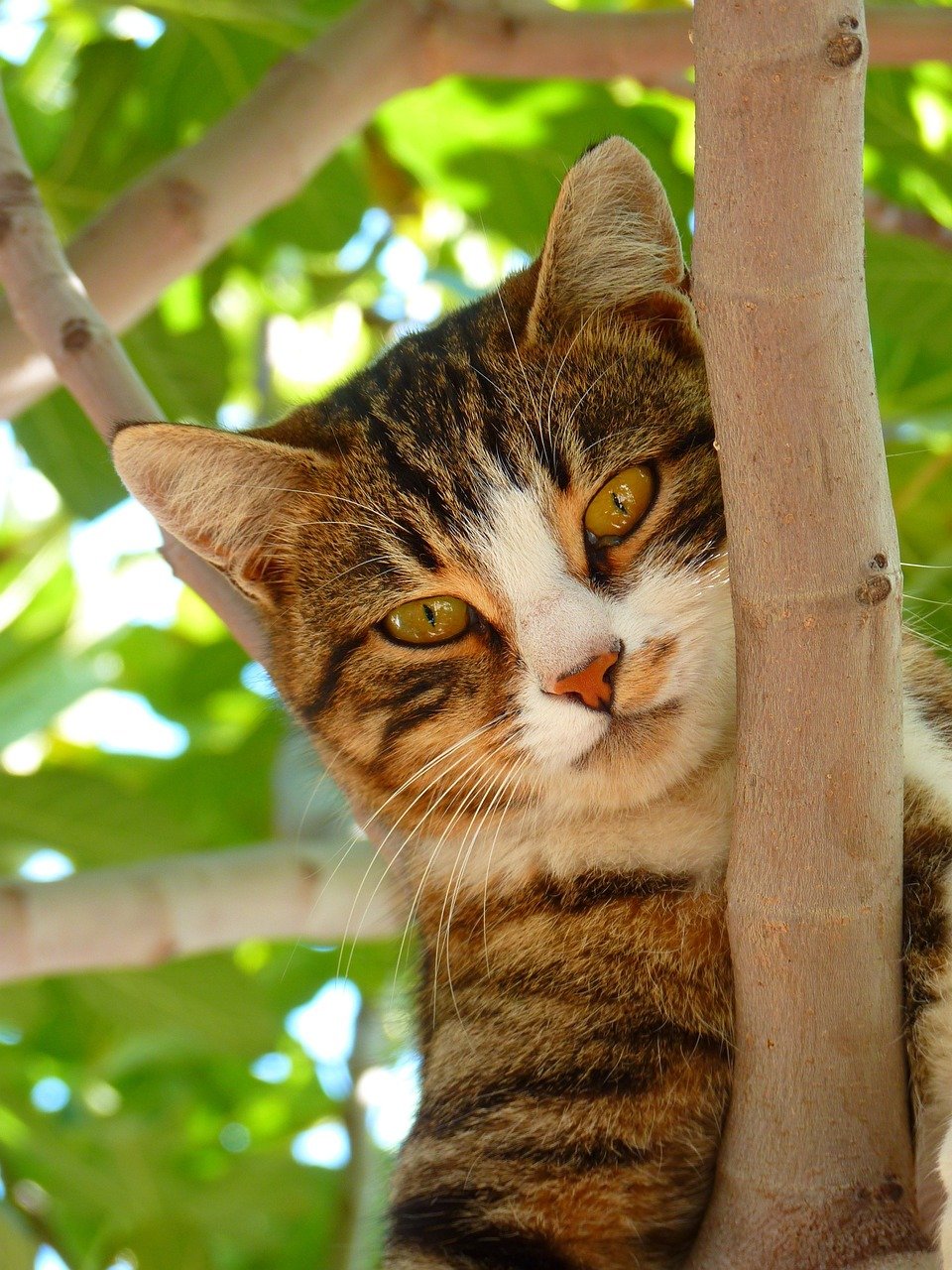
Cats love to climb, perch, and survey their kingdom from above. Adding vertical spaces to your home is an easy way to enrich your cat’s environment without sensory overload. Cat trees, wall shelves, or even the top of a sturdy bookcase can become favorite hangouts. These spots give your cat a safe vantage point to watch the world, relax, or escape from household commotion. Vertical spaces are especially important in multi-cat homes, where personal territory can be hard to come by. Just make sure these areas are stable and easy to access—nobody wants a wobbly perch! Think of vertical spaces as the skyscrapers in your cat’s city, offering freedom and security all at once.
Gentle Introduction to New Experiences

When it comes to new sights, sounds, or smells, slow and steady wins the race. Cats thrive on familiarity, so sudden changes can be jarring. If you’re introducing a new toy, bed, or even a family member, do it gradually. Let your cat sniff, explore, and observe from a safe distance before expecting them to interact. Use treats and gentle praise to build positive associations with new experiences. If your cat seems wary, give them time and space—they’ll come around when they’re ready. Remember, patience is your best ally. Just like dipping your toes into a cold pool, easing in slowly helps your cat adjust without feeling overwhelmed.
Engaging All the Senses—Carefully
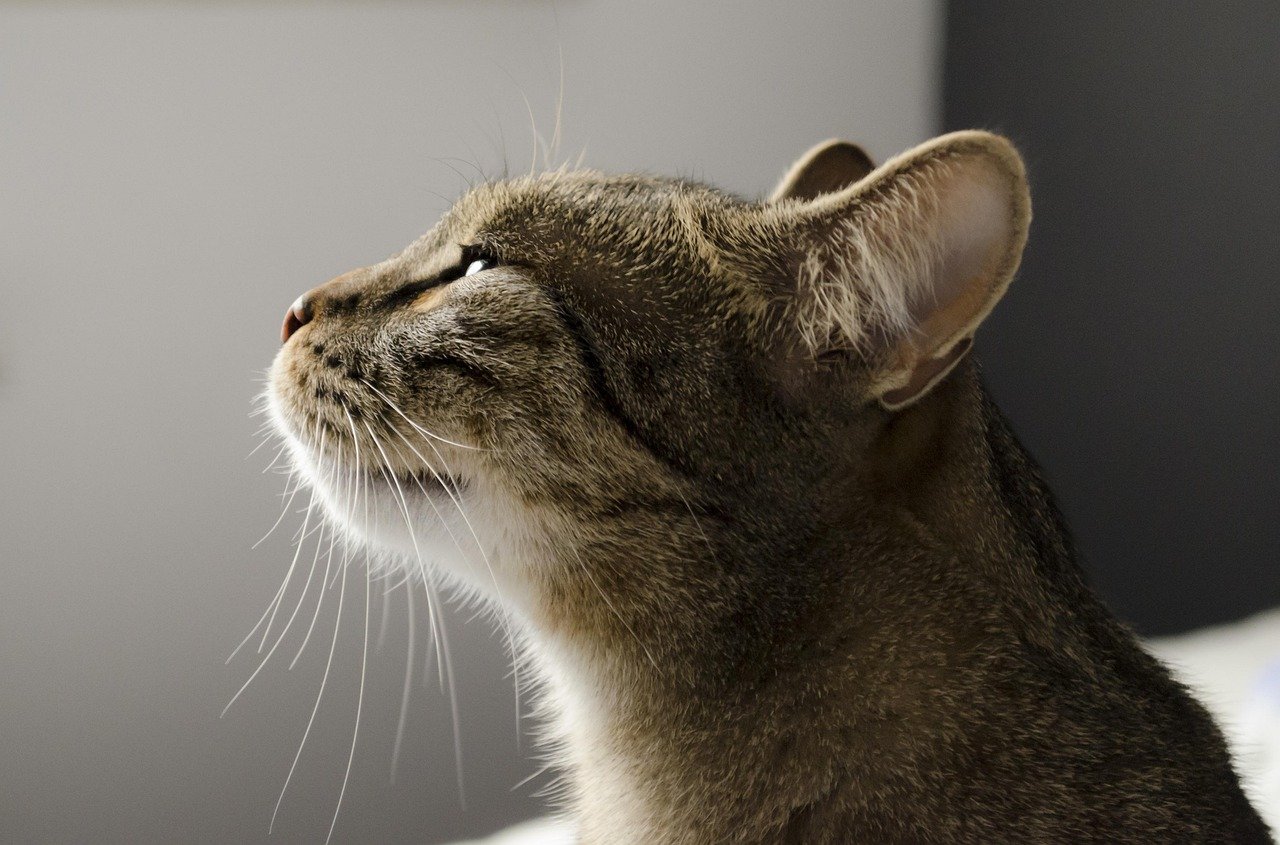
Cats experience the world through a rich tapestry of senses—sight, sound, smell, touch, and even taste. Engaging these senses can provide wonderful enrichment, but too much at once can be overpowering. Try introducing new scents with cat-safe herbs or gentle essential oils, but avoid strong or artificial fragrances. Use soothing music or soft noises instead of blaring televisions or chaotic sounds. Offer different textures in beds and toys, but don’t swap everything out at once. It’s a bit like building a flavorful meal—balance and variety, but not too spicy all at once. Pay attention to your cat’s reactions and adjust as needed.
Respecting Individual Personalities

No two cats are exactly alike, and their emotional needs can vary widely. Some cats are social butterflies, eager for attention and adventure. Others are shy homebodies, happiest in quiet corners. Get to know your cat’s unique quirks and preferences, and tailor enrichment to suit their style. If your cat loves laps and cuddles, make time for quiet snuggle sessions. If they’re more independent, set up solo play stations and safe retreats. Never force your cat into activities that make them uncomfortable—respect their limits. Think of your relationship as a partnership, where each cat gets to call the shots on their own happiness.
Balancing Solitude and Togetherness
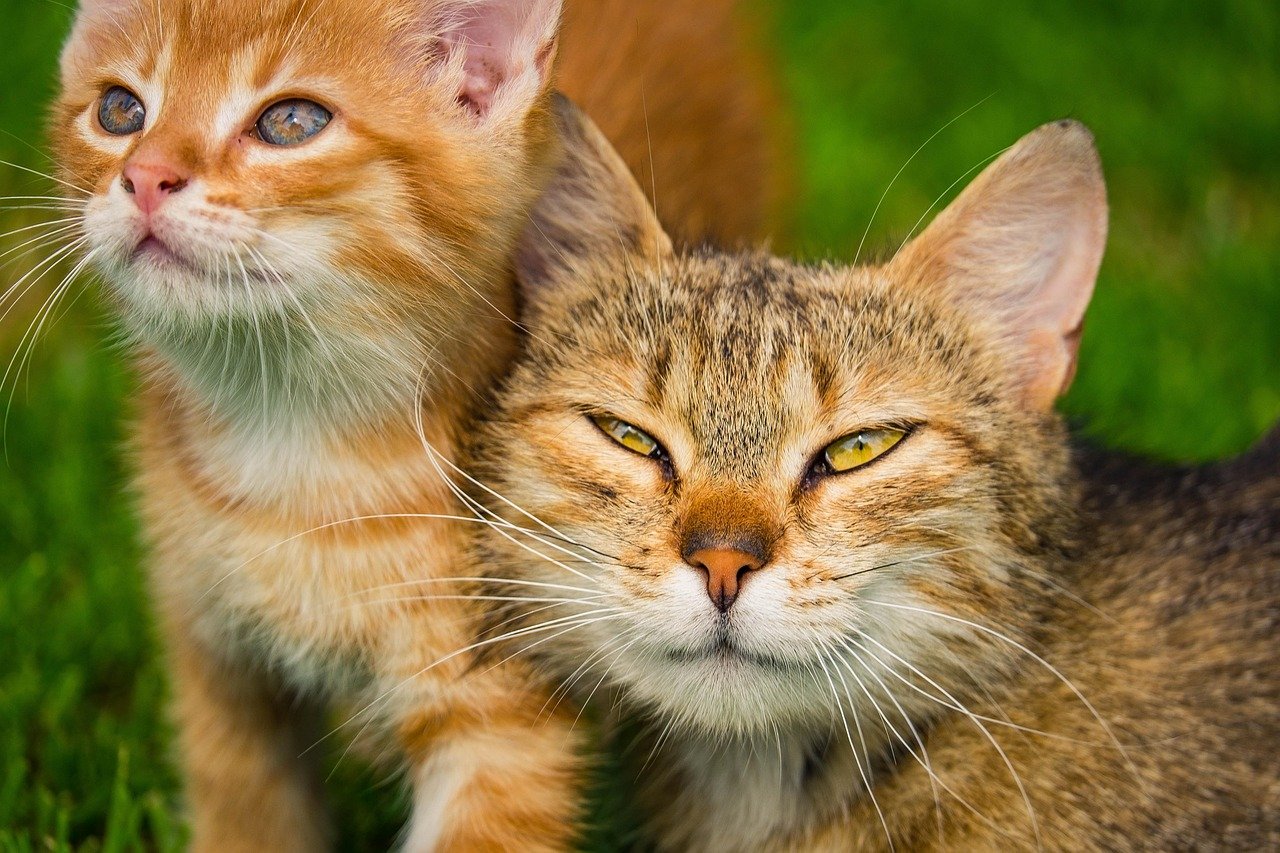
Cats need a balance between social interaction and alone time. Too much attention can be just as overwhelming as too little. Watch for signs that your cat wants company—purring, head butts, or curling up beside you. When they wander off or hide, respect their need for solitude. Offer companionship on their terms, and let them choose when to engage. This balance is essential for emotional enrichment, allowing your cat to feel loved without feeling smothered. Imagine the perfect friendship—plenty of togetherness, with the freedom to just be yourself when you need a break.
Introducing Environmental Variety

A stimulating environment doesn’t have to mean chaos. Small changes—like moving a scratching post, adding a new window perch, or swapping out toys—can inject excitement into your cat’s routine. Rearranging furniture or offering seasonal items, like a pumpkin in fall or a sunbeam in summer, can be a fun surprise. The key is to introduce variety in small doses, so your cat has time to adjust. Too much change at once can trigger anxiety or confusion. Think of environmental variety like seasoning food—just a sprinkle is enough to keep things interesting.
Using Window Views for Visual Stimulation
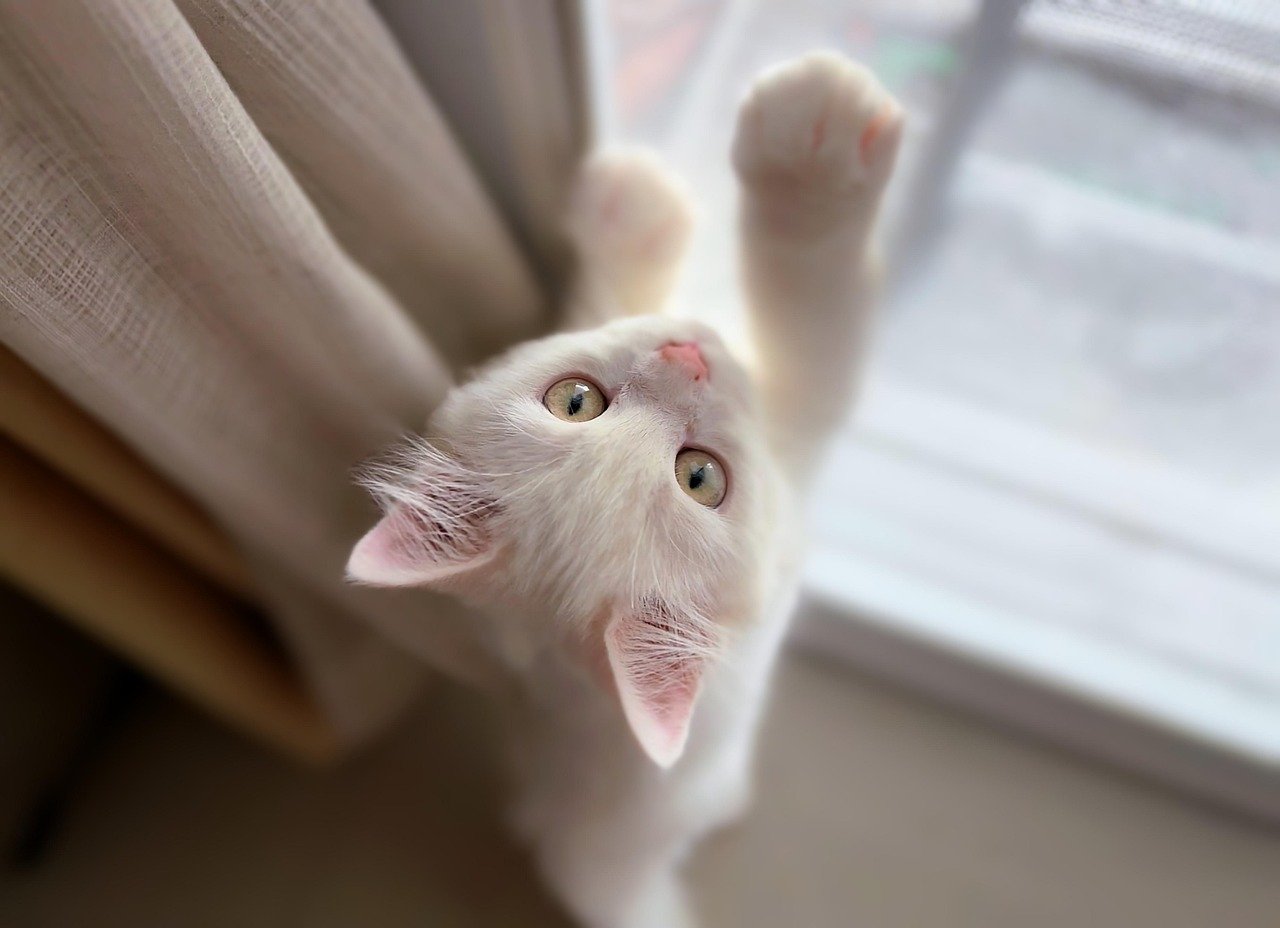
A window can be a cat’s personal movie screen, offering endless entertainment from the safety of home. Birds, squirrels, and passing cars all provide visual enrichment. Set up a comfy perch or hammock by the window, and watch your cat’s eyes light up. For extra fun, hang a bird feeder outside or scatter some seeds to attract wildlife. Just be careful not to overstimulate—if your cat gets agitated or starts chattering at the window, take a break. Visual stimulation should be fun, not stressful. It’s like visiting the zoo—exciting in small doses, but exhausting if it never ends.
Calming Techniques for Sensitive Cats

Some cats are especially sensitive to noise, movement, or even changes in lighting. For these delicate souls, calming techniques are a must. Use soft lighting, gentle voices, and slow movements to create a peaceful atmosphere. Calming pheromone sprays or diffusers can also help, acting like a gentle hug for anxious kitties. If your cat seems jittery, try a quiet cuddle or a gentle grooming session. Calming techniques are like a reset button, helping your cat relax and recharge before diving back into play.
Encouraging Natural Hunting Behaviors

Hunting is hardwired into every cat’s DNA, and encouraging this instinct can be deeply satisfying. Use wand toys, treat balls, or even hidden snacks to create mini hunting adventures around your home. Let your cat stalk, pounce, and “capture” their prey. Rotate toys and hiding spots to keep the game fresh. Just be sure not to make the hunt too difficult or frustrating—success is key to keeping your cat engaged and happy. Think of it as a treasure hunt, where every victory brings a boost of confidence and joy.
Introducing New People and Animals Gradually

Bringing a new person or pet into your home can be a major source of excitement—and stress—for your cat. Take introductions slowly, allowing your cat to observe from a safe distance at first. Use treats, praise, and gentle encouragement to create positive associations. Never force interactions, and always provide a safe escape route. Over time, most cats will become curious and may even initiate contact on their own. Gradual introductions are like planting seeds—patience and gentle care yield the best results.
Monitoring Emotional Health Regularly

Keeping tabs on your cat’s emotional well-being is just as important as monitoring their physical health. Watch for changes in behavior, appetite, or energy levels. A normally playful cat who suddenly hides or stops eating may be feeling stressed or overwhelmed. Regular check-ins—both at home and with your vet—can catch problems early. Don’t be afraid to adjust your enrichment routine if something isn’t working. Monitoring emotional health is like tending a garden; a little attention every day keeps everything blooming beautifully.
Incorporating Training and Positive Reinforcement

Training isn’t just for dogs—cats can learn, too! Simple tricks like “sit,” “high five,” or coming when called can boost your cat’s confidence and deepen your bond. Use treats, praise, and patience to encourage positive behaviors. Keep training sessions short and fun, ending before your cat gets bored or frustrated. Positive reinforcement works wonders, turning learning into a game instead of a chore. It’s like teaching a child to ride a bike—lots of encouragement, a few wobbles, and plenty of celebration when they succeed.
Adapting Strategies for Senior or Special Needs Cats
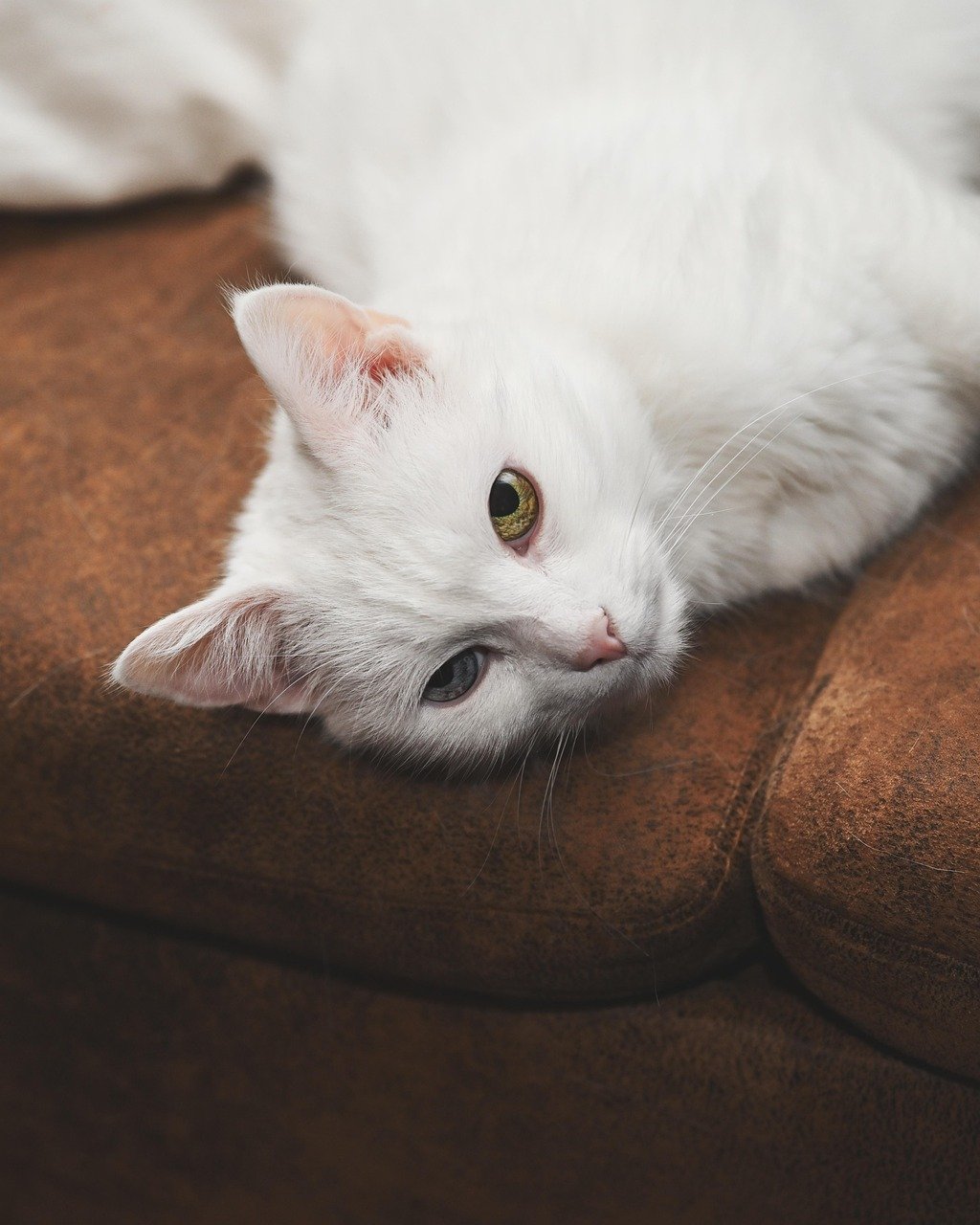
Older cats or those with special needs require extra sensitivity when it comes to enrichment. Their senses may be dulled, or they may tire more easily. Choose toys and activities that are gentle and easy to access. Soft beds, ramps, and slow-moving toys are ideal for seniors. For cats with disabilities, adapt your approach to fit their abilities—what matters most is engagement, not intensity. Be patient and loving, and celebrate every small victory. Adapting strategies for special cats is like customizing a suit—it takes time, but the perfect fit is worth the effort.
Celebrating Success—Big and Small

Every time your cat masters a new toy, bravely explores a new room, or simply relaxes in your presence, it’s a victory worth celebrating. Offer treats, cuddles, or a gentle word to let your cat know you’re proud. Celebrate the little moments—a purr, a playful leap, a quiet nap in the sun. These small successes add up to a big difference in your cat’s emotional well-being. Happiness isn’t found in grand gestures, but in the everyday joys you share together.
Knowing When to Seek Professional Help

Sometimes, despite your best efforts, your cat may struggle with anxiety, aggression, or other emotional challenges. If you notice persistent changes in behavior or signs of distress, don’t hesitate to seek help from a veterinarian or feline behaviorist. Professional guidance can uncover underlying issues and offer customized solutions. Asking for help isn’t a sign of failure—it’s a step toward a happier, healthier life for your furry friend. Recognizing when you need support is just another way of showing how much you care.

Hi, I’m Bola, a passionate writer and creative strategist with a knack for crafting compelling content that educates, inspires, and connects. Over the years, I’ve honed my skills across various writing fields, including content creation, copywriting, online course development, and video scriptwriting.
When I’m not at my desk, you’ll find me exploring new ideas, reading books, or brainstorming creative ways to solve challenges. I believe that words have the power to transform, and I’m here to help you leverage that power for success.
Thanks for stopping by, Keep coming to this website to checkout new articles form me. You’d always love it!