Your Maine Coon cat represents one of nature’s most remarkable feline companions, and naturally, you want to maximize every precious year together. These gentle giants possess the potential for extraordinary longevity when given proper care, but achieving their maximum lifespan requires understanding their unique needs.
Most Maine Coons typically live between 12 to 15 years, though many healthy individuals can reach 16 to 18 years with exceptional care. Some remarkable cats even enter their high teens and a few reach the twenty range, thanks partly to the dedicated care Maine Coon owners provide.
Your journey toward ensuring your Maine Coon’s longest possible life starts with recognizing that these magnificent cats have specific requirements that differ from typical house cats. Their impressive size, slower maturation rate, and genetic predispositions all play crucial roles in determining their health outcomes. Let’s explore the essential strategies that can help your gentle giant thrive for decades to come.
Prioritize Regular Veterinary Care and Health Monitoring

Regular veterinary care remains essential for monitoring and maintaining your Maine Coon’s health, as early detection of issues allows for timely intervention that can significantly extend their lifespan. Maine Coon cats should visit the veterinarian at least once annually as adults, while senior cats benefit from going every six months.
Your veterinary visits should include comprehensive examinations that focus on Maine Coon-specific health concerns. Hypertrophic cardiomyopathy affects approximately 10.1% of the breed, making regular cardiac screenings and genetic testing crucial for early detection and management. Hip dysplasia represents another significant concern, affecting approximately 20% of Maine Coons.
Create a proactive healthcare schedule that includes annual blood work, dental examinations, and breed-specific screenings. Routine checkups, vaccinations, dental cleanings, and preventive care prove essential, with blood work and physical exams performed yearly or more often as your cat ages.
Provide Optimal Nutrition Throughout All Life Stages
Feeding your Maine Coon a high-quality diet proves crucial for their health and longevity, as this large breed has specific dietary needs including a diet high in animal protein to support their muscular build. High-quality protein should comprise at least 50% of your Maine Coon’s diet to support their muscular development and overall health.
These large cats require approximately 26-30% protein content in their daily meals, significantly higher than many commercial cat foods provide, making protein the cornerstone of any effective Maine Coon diet. Ensure their daily protein intake reaches 35% to 50%, and when selecting cat food, verify that the first ingredient is protein like fish or chicken.
Because Maine Coons reach maturity later than other breeds, you may want to keep your cat on kitten food longer than typical, with some veterinarians suggesting keeping Maine Coons on kitten food up until nine months instead of the usual four to five months. Senior Maine Coons need approximately 50-60 calories per kilogram of body weight, about 20% less than during their prime adult years, with senior-specific formulas containing higher levels of easily digestible protein.
Maintain Proper Weight Management
Low-quality food or improper portion control can lead to obesity, which represents one of the top health risks for this breed, increasing the risk of arthritis, diabetes, heart disease, and reduced mobility. Due to their large frame, Maine Coons are prone to obesity, making maintaining a healthy weight through proper diet and exercise crucial for preventing weight-related health issues.
Monitor your Maine Coon’s body condition regularly by feeling for their ribs and observing their waist from above. An adult Maine Coon weighing 15 pounds typically requires 400-500 calories daily, though this varies based on activity level, age, and metabolism. Maine Coons need more calories than average cats due to their larger size, with adult males needing up to 600 calories daily depending on weight and activity level, requiring proper feeding schedules adjusted by age.
Work closely with your veterinarian to establish appropriate portion sizes and feeding schedules. Overfeeding can exacerbate stress on their joints and create health problems such as diabetes, liver disease, and heart disease, making it essential to measure meals accurately and stick to veterinarian-recommended feeding schedules.
Ensure Adequate Daily Exercise and Physical Activity
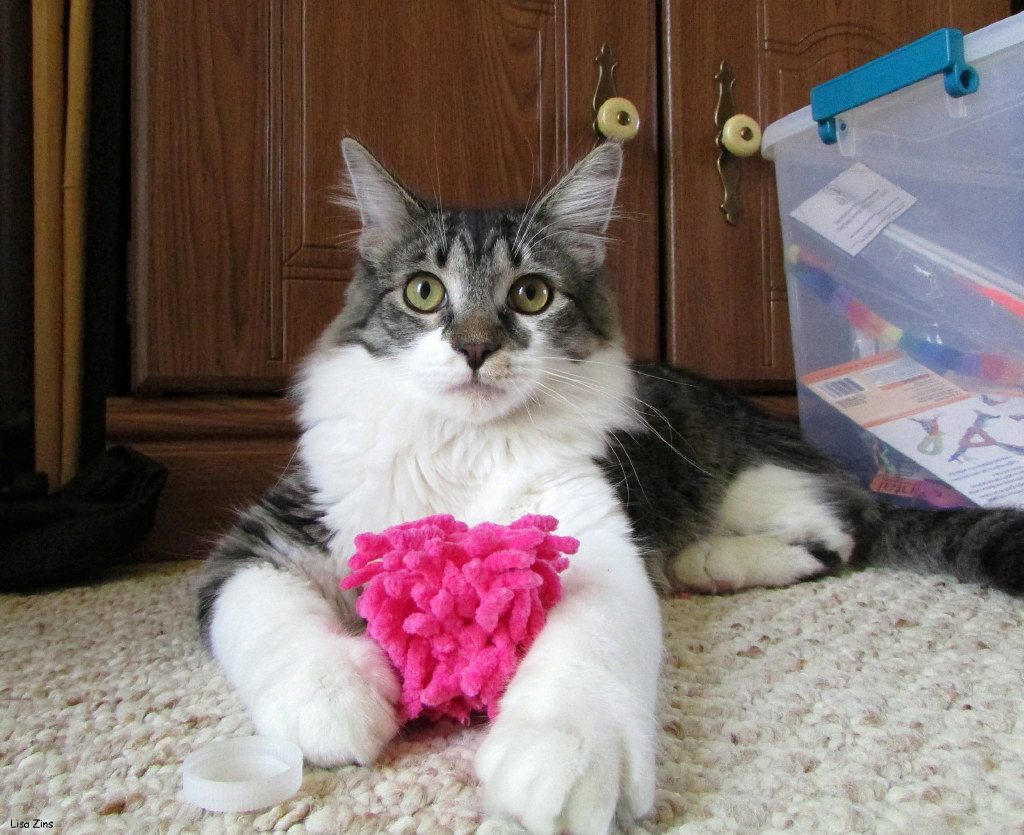
Maine Coons are naturally playful and active cats, requiring regular exercise to keep them healthy, as exercise helps prevent obesity and related conditions such as diabetes and joint problems, which are particularly common in large cat breeds. Experts recommend at least 30 minutes of structured exercise each day for these cats, helping prevent obesity and keeping their muscular body in prime condition.
Although not as hyperactive as some breeds, Maine Coons are playful and benefit from regular movement, as exercise prevents obesity and helps with mental stimulation, both important for long-term health. Interactive toys like feather wands and balls help get your cat moving while having fun, adding years to their life while deepening the bond you share.
Create varied exercise opportunities that match your cat’s preferences and abilities. Engaging them in regular physical activities helps maintain healthy weight and supports cardiovascular health through interactive toys, laser pointers, and climbing structures, while mental stimulation through puzzle feeders and training sessions keeps their minds active.
Provide Mental Stimulation and Environmental Enrichment

Since Maine Coon cats are intelligent, they require significant mental stimulation in addition to physical stimulation to stay happy and healthy, with toys and playtime helping keep them mentally stimulated and preventing boredom that can lead to behavioral issues. Interactive play aids in mental stimulation, which proves imperative for maintaining cognitive functioning, with toys that mimic prey effectively engaging Maine Coons in activities that sharpen their hunting skills and puzzle toys that reward with treats keeping these intelligent cats engaged.
Interactive toys, puzzle feeders, and daily playtime help keep Maine Coons stimulated, while scratching posts and climbing towers support muscle strength and flexibility. Creating DIY foraging toys provides a fantastic way to engage your Maine Coon’s natural hunting instincts, turning snack time into an exciting adventure while keeping their mind sharp and preventing boredom.
Design your home environment to challenge and engage your Maine Coon’s intelligence. These gentle giants crave mental stimulation and physical exercise, needing plenty of ways to express their natural hunting instincts even when living the pampered indoor life. Mental enrichment helps these intelligent cats avoid boredom-related behavior problems such as overgrooming, aggression, or furniture scratching.
Create a Safe Indoor Living Environment
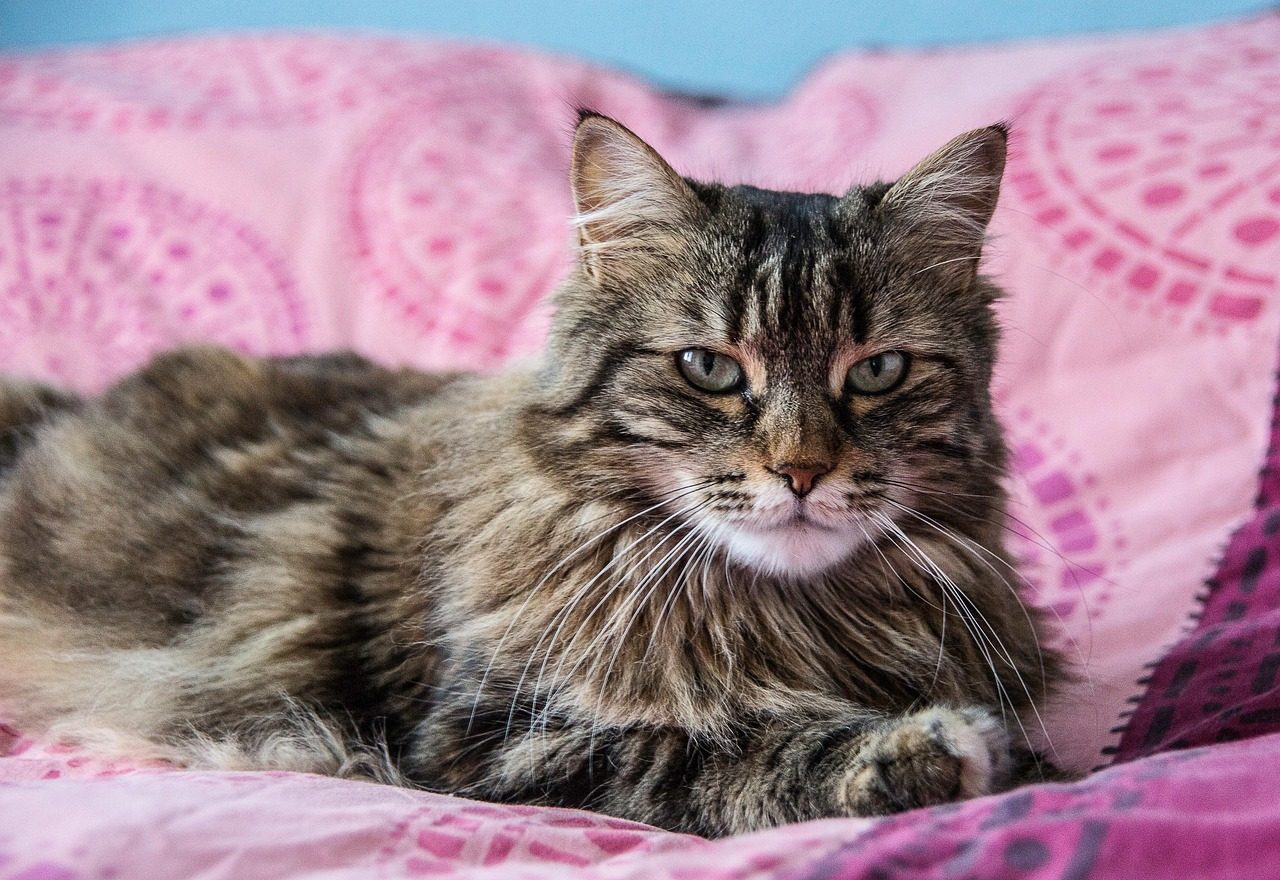
Indoor Maine Coons tend to live longer than those who go outdoors, as outdoor cats face more exposure to accidents, predators, toxins, and diseases. Keeping your Maine Coon indoors can significantly impact their longevity, as indoor cats are generally protected from various outdoor hazards such as traffic accidents, predators, and diseases.
A safe, stress-free home environment proves vital for your Maine Coon’s well-being and longevity, as these cats thrive in stable, calm surroundings where they feel secure, since stress can weaken their immune system and make them more susceptible to illnesses, while their sociable nature means they benefit from homes with plenty of interaction, enrichment, and space to explore.
Transform your indoor space into an enriching environment that meets all your Maine Coon’s needs. Making their indoor environment as stimulating and engaging as their natural one through toys, climbing trees, and other interactive play can keep them feeling good and happy. Maine Coons appreciate routine and low-stress environments, benefiting from reduced exposure to loud noises or unfamiliar pets and cozy spots to rest with areas they can retreat to when wanting space.
Maintain Excellent Grooming and Hygiene Practices

The long, thick fur of Maine Coons can become matted and tangled if not groomed regularly, requiring brushing or combing at least once weekly, though daily grooming proves better during spring and summer. Maine Coons are longhaired cats requiring daily brushing to stay tangle-free, and while this daily upkeep might make them seem high-maintenance to some pet parents, these large cats are relatively laid-back aside from their grooming needs.
Make sure to trim your Maine Coon’s nails at least once monthly and brush their teeth if they allow it, though more likely you’ll need your veterinarian to perform dental cleanings. Maine Coon cats may be at risk of developing feline juvenile gingivitis when as young as six months old, making brushing your cat’s teeth daily and scheduling routine veterinary exams the most effective ways to prevent dental disease.
Regular grooming sessions provide opportunities to monitor your cat’s overall health while maintaining their magnificent coat. Regular grooming not only keeps them looking their best but also fortifies their overall health by preventing common issues like matting. Dental care should be a priority, as oral health impacts overall well-being.
Monitor for Age-Related Changes and Adapt Care Accordingly
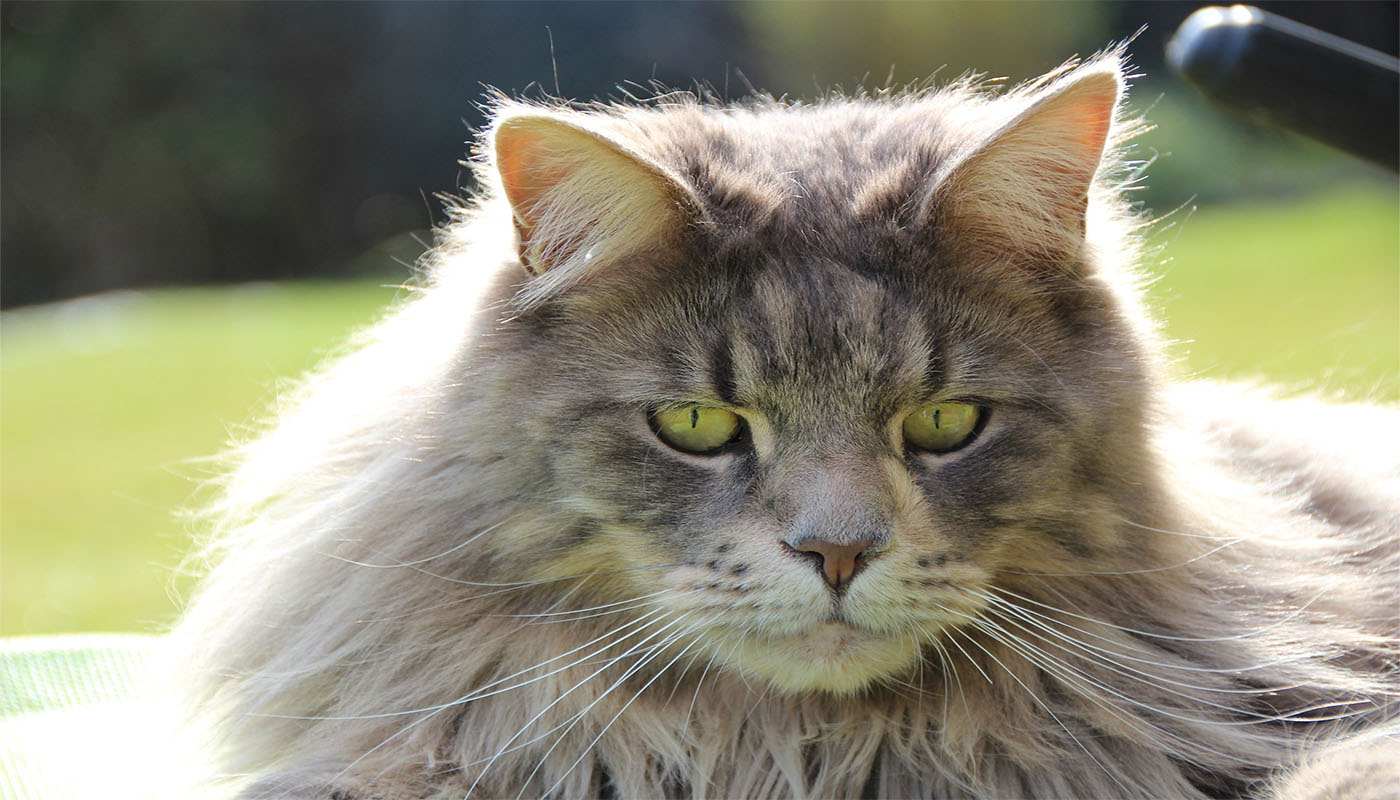
Caring for an aging Maine Coon involves adjusting their routine, monitoring for health changes, and making your home more accessible by placing ramps or stairs near furniture, ensuring litter boxes have low sides for easy entry, and keeping food and water in easily accessible areas. Senior cats can experience feline cognitive dysfunction similar to dementia, with signs including confusion, altered sleep patterns, and increased nighttime vocalization, though your veterinarian can recommend strategies to manage these changes.
As Maine Coons age, mobility can become a concern, with joint problems, arthritis, or hip dysplasia potentially limiting their ability to climb, jump, or walk comfortably. Supplements like omega-3 fatty acids, glucosamine, and chondroitin can help maintain joint function, though you should talk to your veterinarian before starting any supplement.
Pay special attention to your senior Maine Coon’s emotional needs as well as physical requirements. Senior cats may need more attention and reassurance, benefiting from daily time together, predictable routines, and gentle speaking, while touch can be particularly calming when mobility becomes reduced. Senior-specific formulas feature adjusted phosphorus levels to support kidney function, increased antioxidants for cellular health, and added glucosamine and chondroitin for joint support.
Your Maine Coon’s longevity depends on the consistent, thoughtful care you provide throughout their life. These remarkable cats have the genetic potential to be your companions for well over a decade, with some exceptional individuals reaching their twenties. The investment you make in proper nutrition, regular veterinary care, adequate exercise, and a loving environment pays dividends in years of companionship and joy.
Remember that each Maine Coon is unique, and their individual needs may vary based on genetics, health status, and personality. Stay attentive to changes in your cat’s behavior, appetite, or activity levels, and maintain open communication with your veterinarian about the best care strategies for your specific companion. What do you think will make the biggest difference in your Maine Coon’s longevity? Share your thoughts in the comments.