Walking across your lawn should be relaxing, not a chance to get swarmed by invisible attackers. Yet here you are, noticing your pets scratching more than usual and tiny bites appearing on your own ankles. Honestly, fleas are one of those problems that seem minor until you realize they’re breeding by the thousands in the very grass where your family plays. Let’s be real, your yard is supposed to be a sanctuary, not a battleground against parasites.
What makes this situation worse is that fleas don’t discriminate. They’ll feast on your dog, your cat, or even you. The good news? You don’t have to surrender your outdoor space to these bloodsucking pests. With the right approach and a bit of persistence, you can reclaim your yard and finally enjoy it again without worrying about bringing unwanted guests indoors.
Spot the Signs Before It Gets Worse
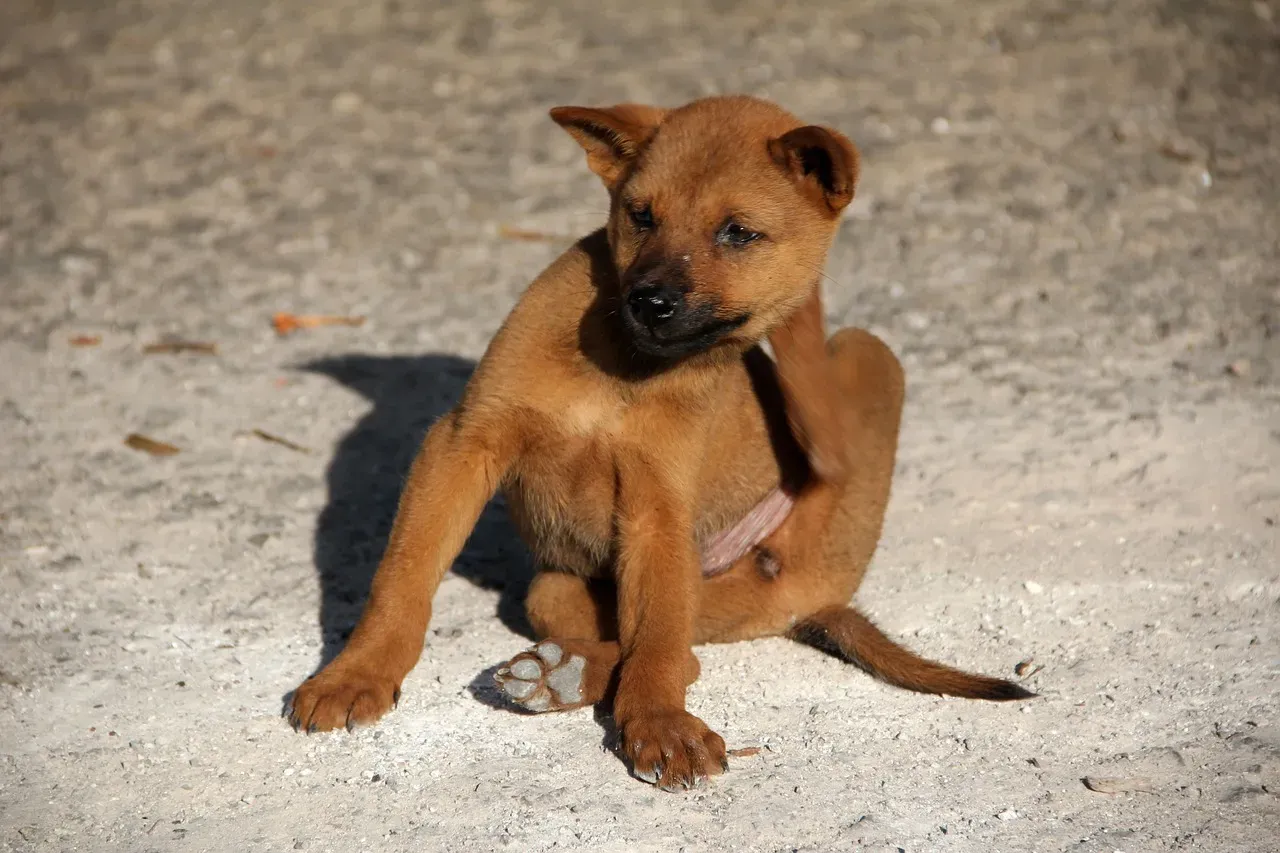
Here’s the thing about fleas: by the time you actually see them, you’re probably dealing with a much bigger problem than you think. These pests are tiny and tend to hide under leaves and brush, making visual detection nearly impossible until their numbers explode. Your first clue often comes from your pets acting strangely, excessive scratching, or developing small red bumps on their skin.
Try the white sock test if you’re not sure whether fleas have invaded your space. Simply put on a pair of tall white athletic socks and walk around your yard, especially near spots your pet likes to frequent, and if fleas are present, they’ll show up on your socks. I know it sounds crazy, but this simple trick reveals whether your suspicions are correct. Wildlife activity from raccoons, opossums, skunks, deer, coyotes, stray cats, and rodents often carry fleas, which can lead to a yard infestation.
Understand Where Fleas Actually Hide
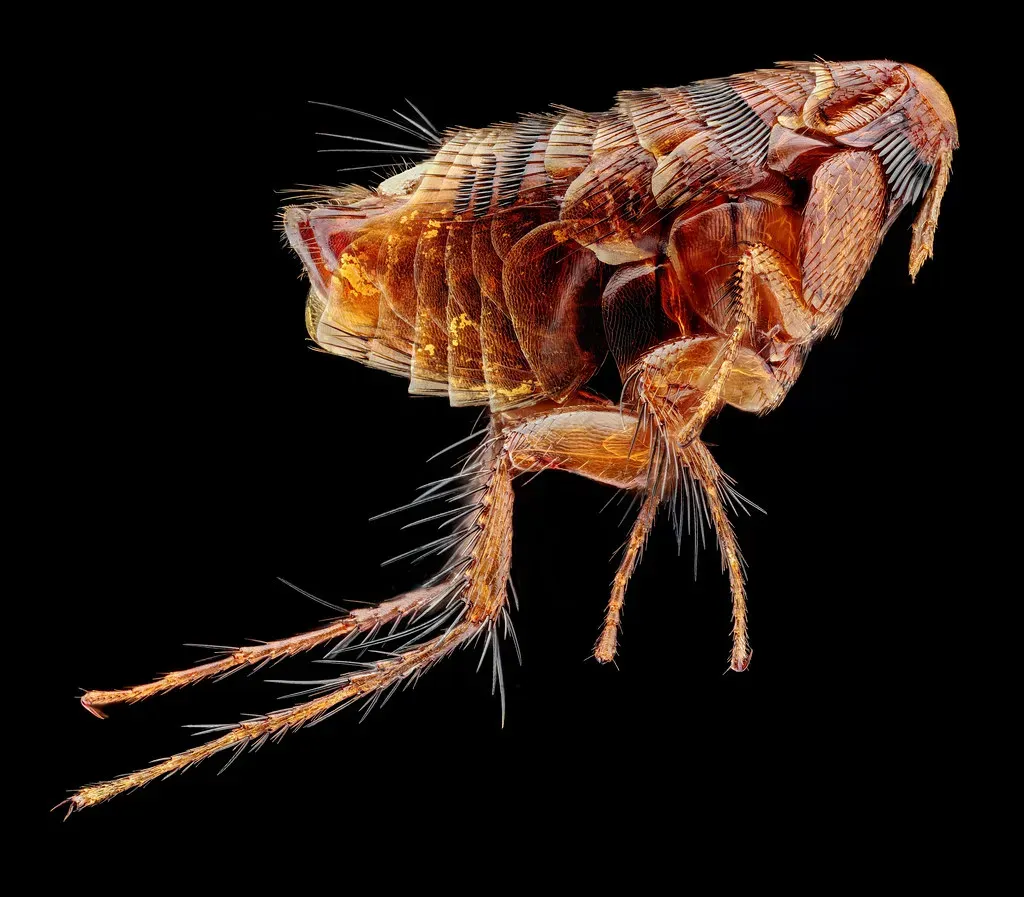
Fleas love places that are shaded, humid, and warm, which means they’re not hanging out in the middle of your sunny lawn. Instead, they congregate under decks, beneath shrubs, around tree bases, and in piles of leaves or debris. Direct sun-exposed areas can get too hot for fleas, so focus your efforts on the shadier spots where moisture lingers.
Pay attention to where your pets spend most of their outdoor time. One of the best ways to find problem areas is to observe where your pet likes to lie down and spend time outdoors. These resting spots become flea breeding grounds because the pests can easily hop onto a host for their next blood meal. Successful outdoor flea control depends more on controlling fleas in areas where pets routinely rest than in the open, sunny areas of the yard.
Mow and Clean Your Yard Regularly
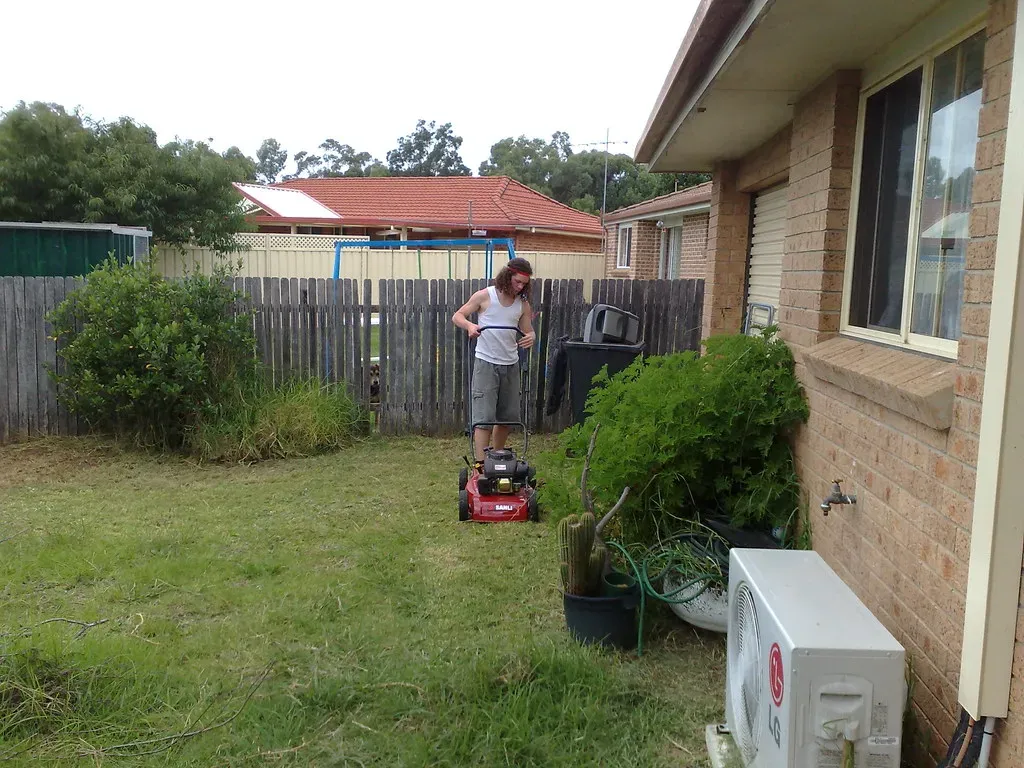
You might not realize this, but keeping your grass trimmed is one of the simplest ways to discourage flea populations. Fleas like to hide in tall grass, and when you mow regularly, you expose the soil to sunlight and heat, creating an environment fleas try to avoid. Mowing exposes the soil to the sun, which fleas try to avoid.
After mowing, don’t just leave the grass clippings and debris lying around. Make sure to bag yard debris produced from mowing and raking, rather than adding that plant debris to the compost pile. Clear out leaf piles, twigs, and any organic matter from under bushes and around your deck. Clear debris such as stone or lumber piles, stack and store pots neatly, and clean crawl spaces or other areas beneath your deck. This removes the damp, protected spaces where flea larvae thrive.
Let the Sunshine In
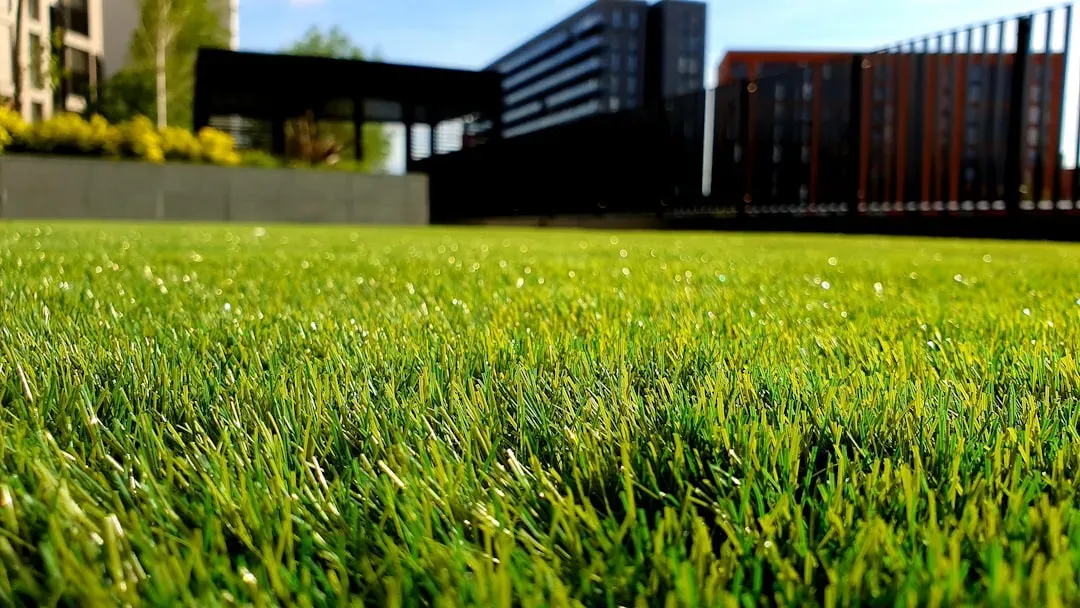
Fleas absolutely hate bright light and heat, which is why they stick to shaded areas. Fleas like it dark, so increase the light your yard receives by doing some tree and shrub pruning and remove low branches and prune thick canopies to allow sunlight to reach areas beneath. This environmental modification doesn’t kill fleas instantly, but it makes your yard far less hospitable to them over time.
The more sun exposure you can create in previously shaded areas, the harder it becomes for fleas to complete their life cycle. Larvae need humidity and darkness to develop properly, so when you eliminate those conditions, you’re essentially cutting off their ability to reproduce. It’s like turning their nursery into a desert.
Apply Chemical Treatments Strategically
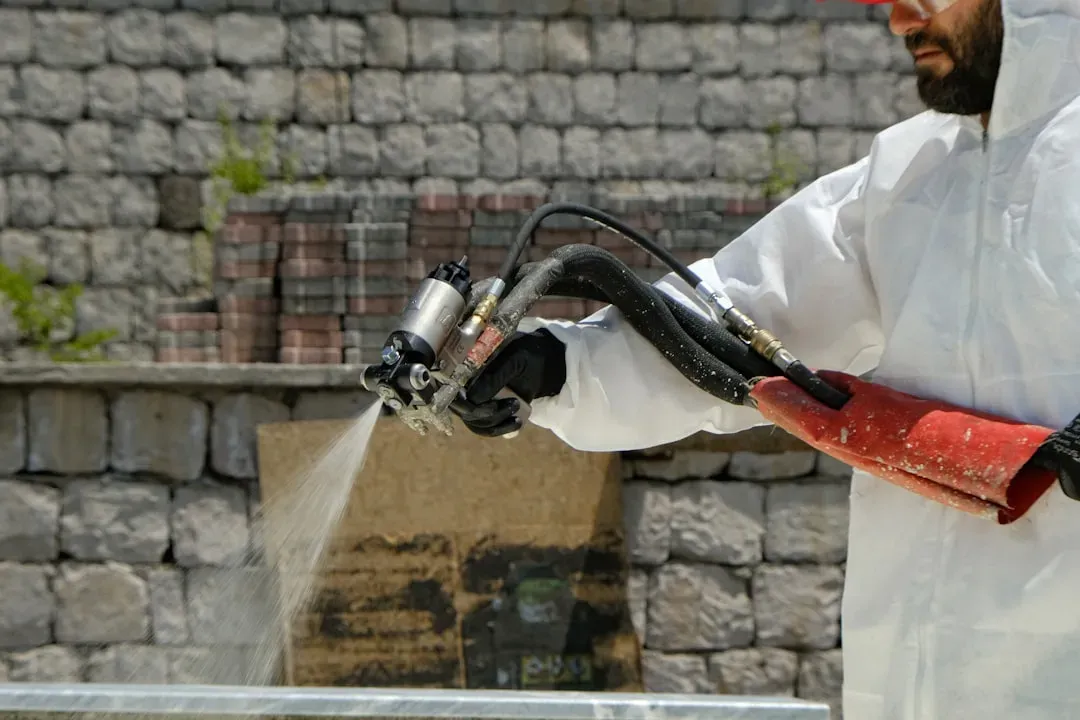
Liquid sprays are better suited for treating under shrubs and porches and other resting areas compared to granular products. When applying insecticides, focus on the spots where fleas actually live rather than blanket-spraying your entire property. You should aim to apply these treatments in the early morning or evening when the sun isn’t directly overhead, and it’s also best to use flea sprays on clear days at least 24 hours before and after rain.
When shopping for flea sprays, look for products that contain spinosad, an ingredient that will kill fleas but is less toxic to bees once it dries. It is usually recommended to treat your yard weekly for four weeks and then once a month to kill the larval stages as they hatch, since the insecticide won’t kill the eggs. Consistency matters here because you need to break the entire flea life cycle to truly eliminate the problem.
Try Beneficial Nematodes for Natural Control
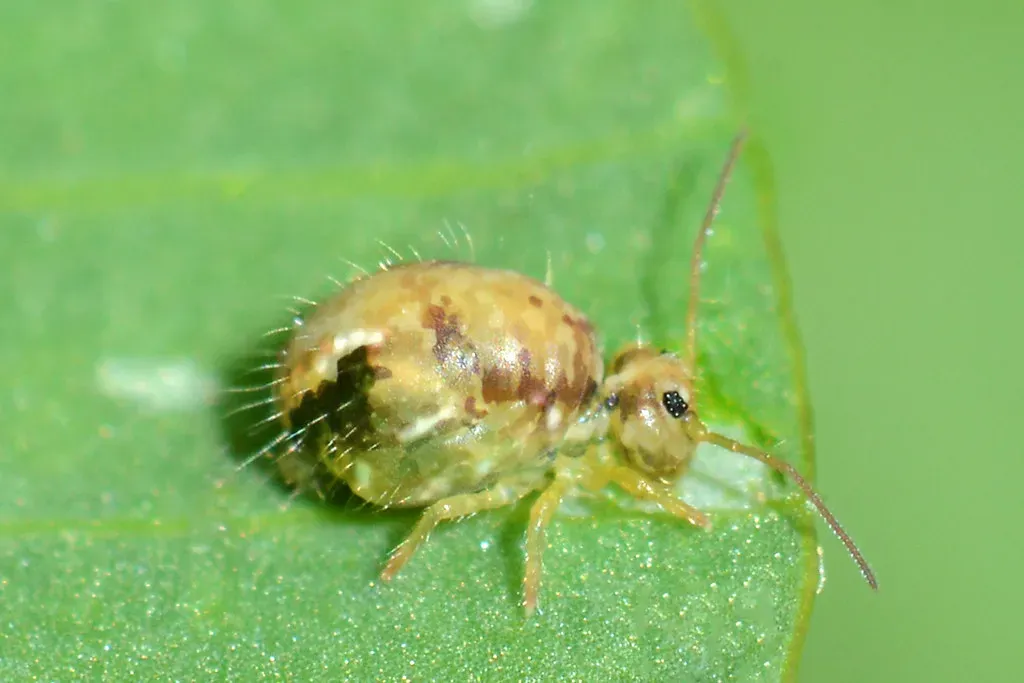
If chemicals aren’t your thing, beneficial nematodes offer a surprisingly effective alternative. Beneficial nematodes are natural flea predators that enter flea bodies and release a deadly bacteria that kills the insects within 24 to 48 hours, and they kill flea larvae and pupae and stop the flea life cycle before it leads to adult fleas and more eggs. These microscopic roundworms are completely safe for people, pets, and plants.
Applying nematodes to the soil outdoors can reportedly stop 70% to 100% of the fleas from turning into adults. You purchase them on a sponge or in a liquid solution, mix them with water according to package directions, and spray the mixture onto shaded areas of your yard. A single package containing about one million live nematodes covers about 3,000 square feet of yard space.
Use Diatomaceous Earth in Problem Areas
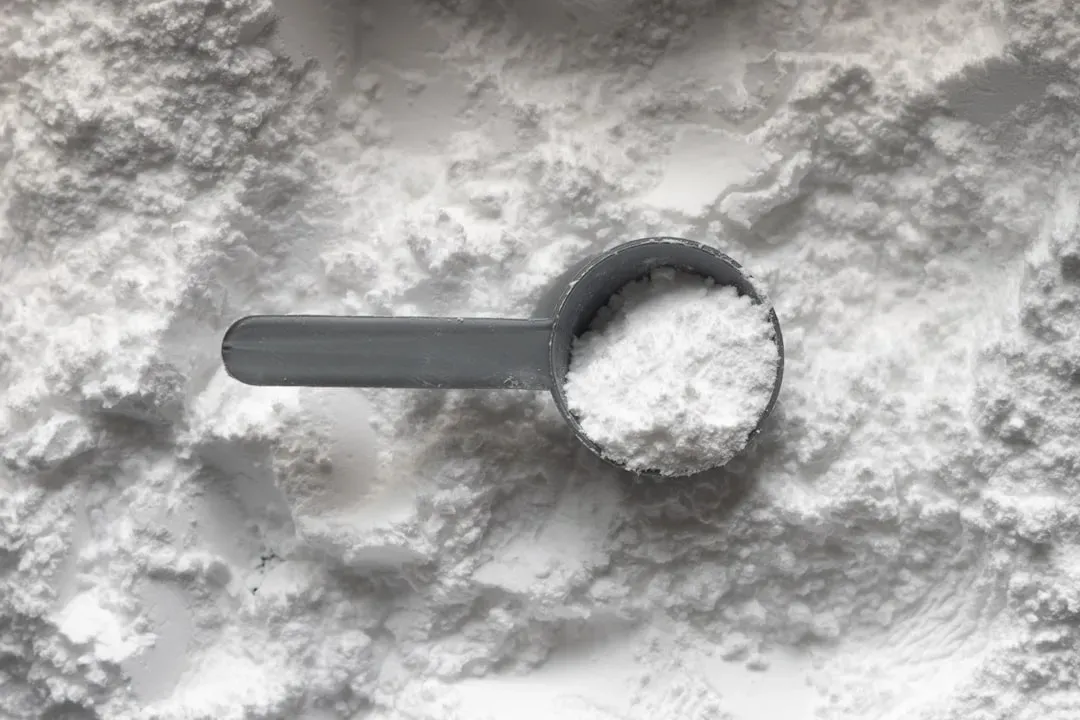
Diatomaceous earth is a natural insect repellent made from the fossilized remains of tiny water organisms whose skeletons contain silica that absorbs fats and oils from the flea’s skeleton, causing them to dry out and die. This fine powder can be sprinkled in areas where your pets hang out, under decks, and around the perimeter of your yard.
Just be careful when applying it because the powder can irritate eyes and lungs if inhaled. Wear a filter mask when spreading the fine powder and keep your dog inside while treating the yard. Make sure you purchase food-grade diatomaceous earth, not the kind intended for pool filters, as the pool version has been chemically treated and isn’t safe around animals.
Create Barriers with Cedar Chips
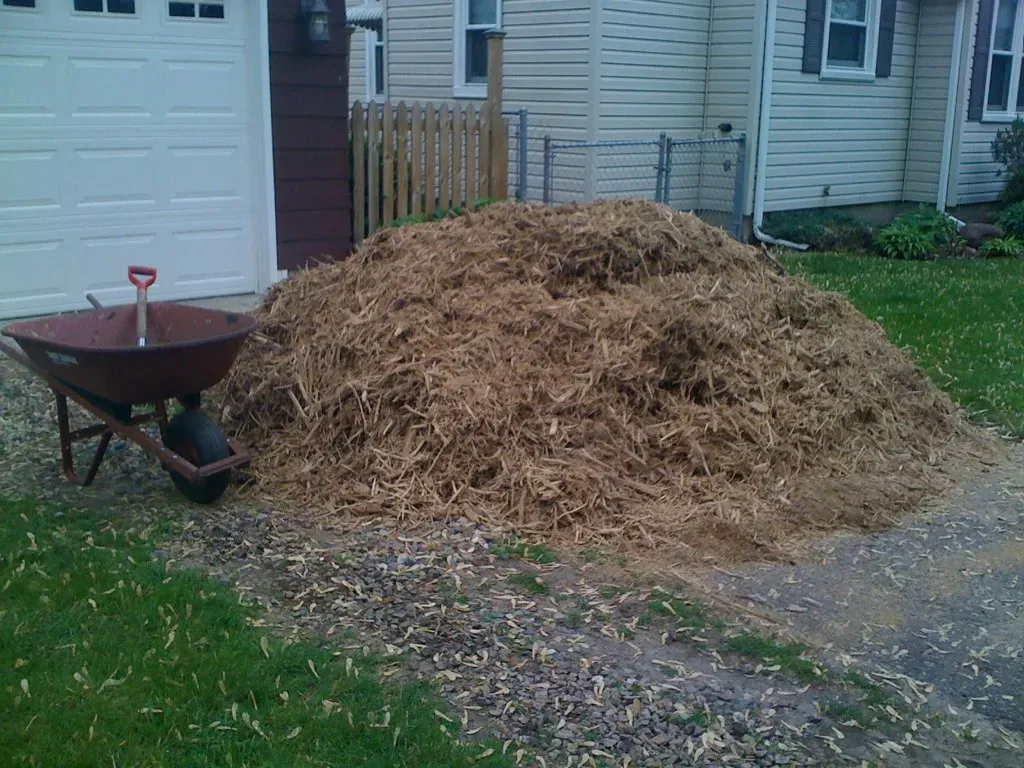
Cedar is like kryptonite to fleas. Cedar chips repel fleas, ticks, and mosquitoes, and can be used to edge your property as a natural deterrent, and cedar chips can be used along with nematodes and are safe for use around pets, people, and plants. Spread them around the perimeter of your yard, under bushes, in flower beds, and anywhere your pets like to rest.
The natural oils in cedar emit a scent that fleas find intolerable. Adding cedar mulch around your decks, patios, porches, fences, and play areas is a simple way to protect your yard from fleas. Replace or refresh the cedar mulch every few months to maintain its effectiveness as the oils gradually dissipate over time.
Address Moisture Issues
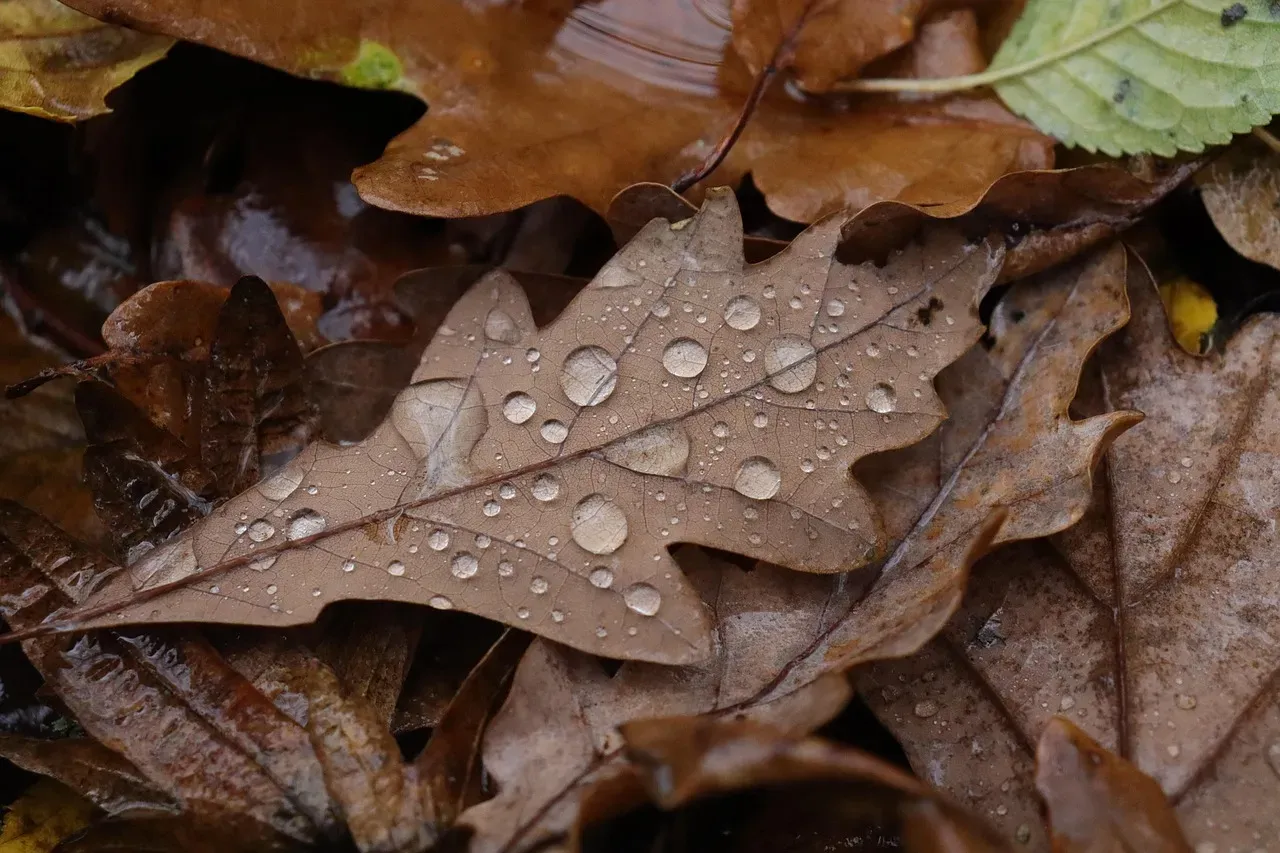
Fleas thrive in moist environments, so ensure proper drainage by fixing leaky faucets or sprinklers and removing standing water sources such as birdbaths or puddles to create an unfavorable environment for fleas to survive. Check your yard after rainfall and eliminate any areas where water pools.
Avoid overwatering the lawn since doing so may create the humid conditions that support flea populations. It’s tempting to give your grass extra water during hot months, but too much moisture essentially rolls out the welcome mat for fleas. Find a balance that keeps your lawn healthy without creating a flea paradise.
Keep Wildlife Away from Your Property
Wild animals are major flea carriers, and if they’re hanging out in your yard, they’re constantly reintroducing new fleas into the environment. Critters like squirrels, feral cats, skunks, rabbits, and deer are all potential flea transports. Make your yard less attractive to them by securing trash cans, removing fallen fruit from trees, and not leaving pet food outside.
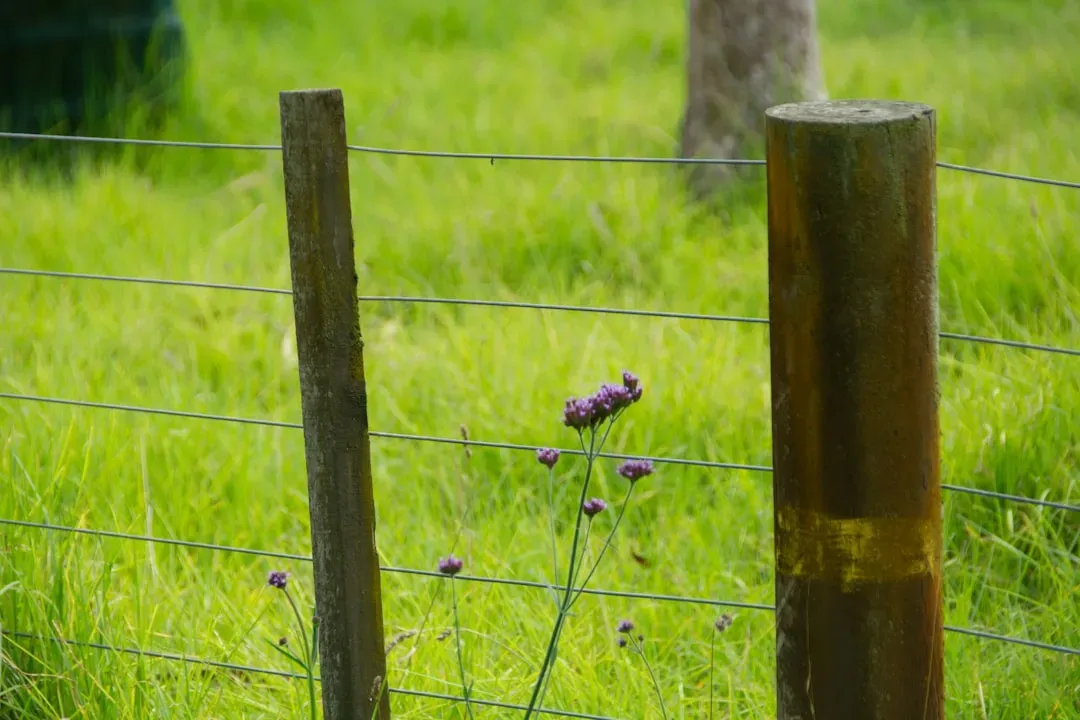
Fencing the yard or sealing crawlspaces under buildings and openings to attics are examples of ways to achieve this. If you feed outdoor pets, avoid feeding free-choice in areas where strays or wild animals can access the food. The less wildlife traffic you have, the fewer opportunities fleas have to establish permanent residence in your outdoor space.
Treat Your Pets at the Same Time
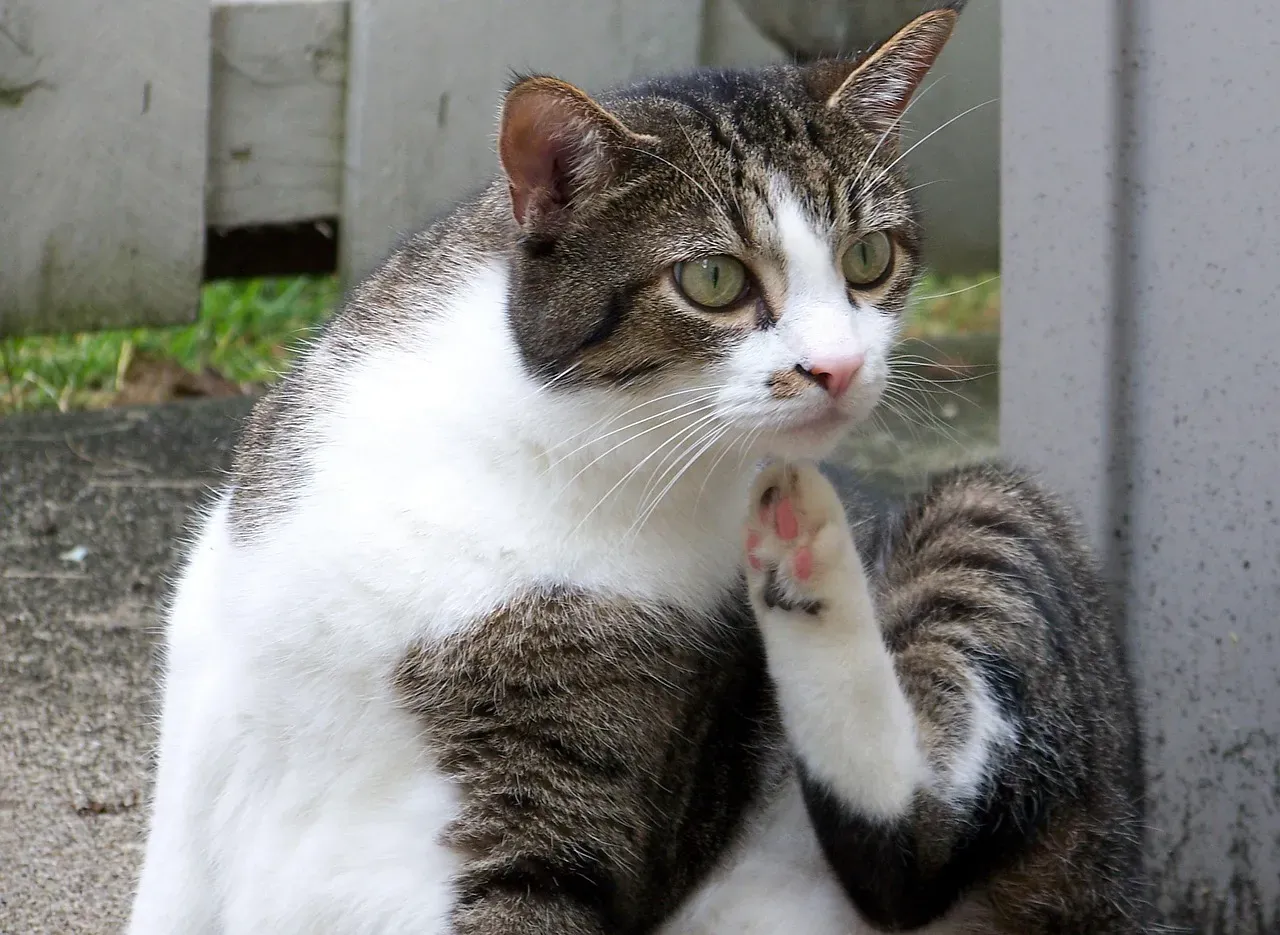
Here’s something crucial: you can’t truly eliminate yard fleas if your pets keep bringing new ones in from outside or spreading them around. To control fleas successfully, you need to control them in all areas where they occur: on the pet, in the house, and in the yard. Talk to your veterinarian about year-round flea prevention products for your furry companions.
It’s imperative to treat your yard, your home, and all household pets at the same time to ensure the issue doesn’t return. This simultaneous approach breaks the cycle completely because fleas can’t hop back and forth between treated and untreated areas. Honestly, skipping this step is like bailing water from a sinking boat while someone keeps drilling holes in the bottom.
Getting rid of a yard flea infestation requires patience and a multi-pronged strategy. You need to modify the environment, apply treatments consistently, and prevent reinfestation by addressing wildlife and pet issues simultaneously. It’s not a quick fix, but with regular maintenance and the right combination of methods, your yard can absolutely become flea-free again. Think about how much more enjoyable your outdoor time will be when you’re not constantly swatting at bites or worrying about your pets bringing pests inside. What’s one change you’re going to make to your yard this week?