You love your cat, so when they suddenly lash out at you or seem ready to pounce at any moment, it can feel pretty unsettling. Maybe you’re dealing with biting during playtime, or perhaps your usually calm companion turns into a mini tiger when you touch a certain spot. Let’s be real, cat aggression isn’t exactly what you signed up for when you adopted that adorable furball.
Cat aggression is often a sign of unmet needs or underlying medical issues, not malice. Your cat isn’t trying to be spiteful or mean. Instead, they’re communicating something important through their behavior. The good news is that with patience and the right approach, you can help transform your aggressive cat into a calmer, happier companion. Ready to figure out what’s going on and how to fix it? Let’s dive into the world of feline aggression and discover practical ways to bring peace back to your home.
Understanding Why Your Cat Acts Aggressively

Aggression is hostile or violent behavior intended to dominate or intimidate another individual, and its causes can be complex, both in terms of triggers and targets. Think of aggression as your cat’s way of saying something is wrong. It’s rarely random violence.
Common causes of cat aggression include resource guarding, overstimulation, and redirected stress. Your cat might be protecting their favorite sleeping spot, feeling overwhelmed by too much petting, or taking out frustration from something they saw outside on the nearest target, which unfortunately might be you. Understanding the root cause is your first step toward solving the problem.
Pain is another sneaky culprit you shouldn’t ignore. Cats with aggression problems should always be examined for underlying medical problems, especially painful diseases such as arthritis, dental pain and abscesses from fighting. Even the sweetest cat can become defensive when hurting. If your typically gentle kitty suddenly becomes snappy, a vet visit should be your priority.
Recognizing the Warning Signs Before It Escalates

Your cat actually tells you quite a lot before they strike, you just need to know what to look for. Signs of aggression include dilated pupils, ears flattened backward on the head, tail held erect with hairs raised, and an arched back. When you spot these signals, you have a brief window to intervene before things get ugly.
Pay attention to tail movements too. Cats that are about to engage in play aggression will often thrash their tails back and forth, have their ears pinned to the tip of their head, and have dilated pupils. It’s like your cat is waving a red flag, telling you to back off or redirect their energy elsewhere.
Sometimes the signs are more subtle. A cat who suddenly becomes very still, with a fixed stare and tense body, is probably about to launch an attack. Learning to read these cues means you can prevent aggressive incidents rather than just reacting to them. Think of it as becoming fluent in cat body language, which honestly every cat owner should learn anyway.
Getting Medical Issues Ruled Out First
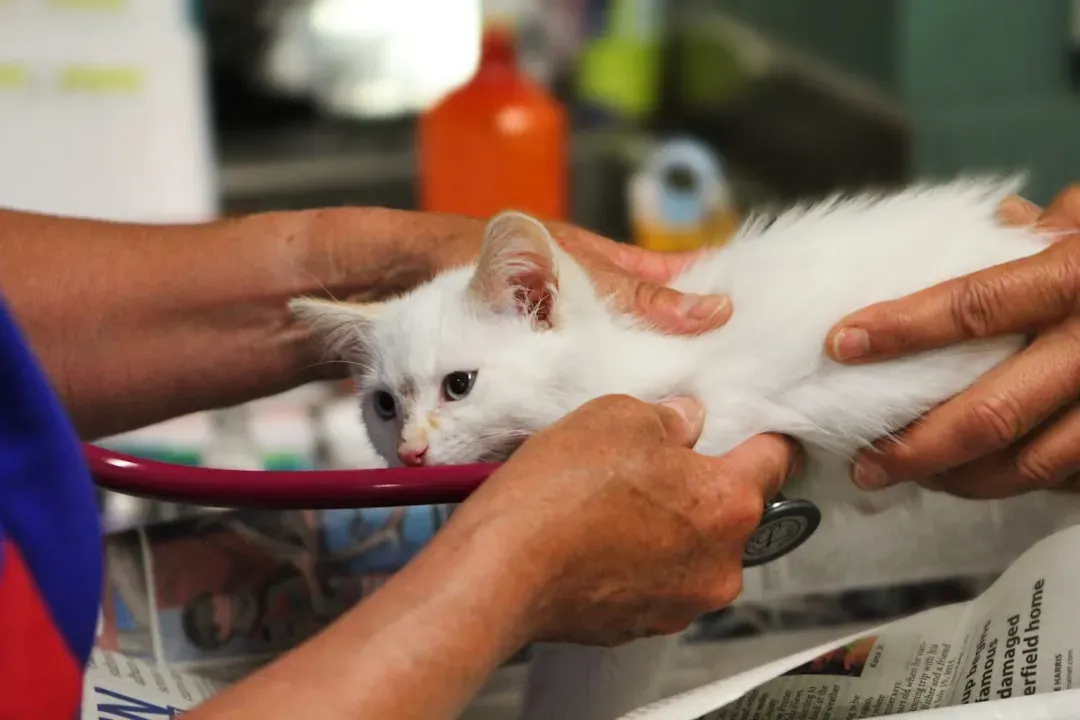
Before you try any behavioral tricks, you need to make absolutely sure your cat isn’t in pain. The first step in managing an aggressive cat is to ensure that there is no medical reason for aggressive behavior, as diseases such as hyperthyroidism, osteoarthritis, dental disease, and central nervous system problems may cause aggression. Your vet can run blood work and perform a thorough exam to identify hidden health issues.
Even a well-socialized, normally docile cat can lash out when he’s hurt, when someone tries to touch a painful part of him, or when he’s in pain and he anticipates being handled because someone is approaching him. This isn’t misbehavior, it’s self-protection. Imagine having a terrible toothache and someone trying to pick you up. You’d probably swat them away too, right?
Once medical problems are ruled out or treated, you can move forward with behavior modification techniques with confidence. Sometimes fixing the medical issue alone resolves the aggression completely, which would be the easiest scenario for everyone involved.
Dealing With Play Aggression Effectively
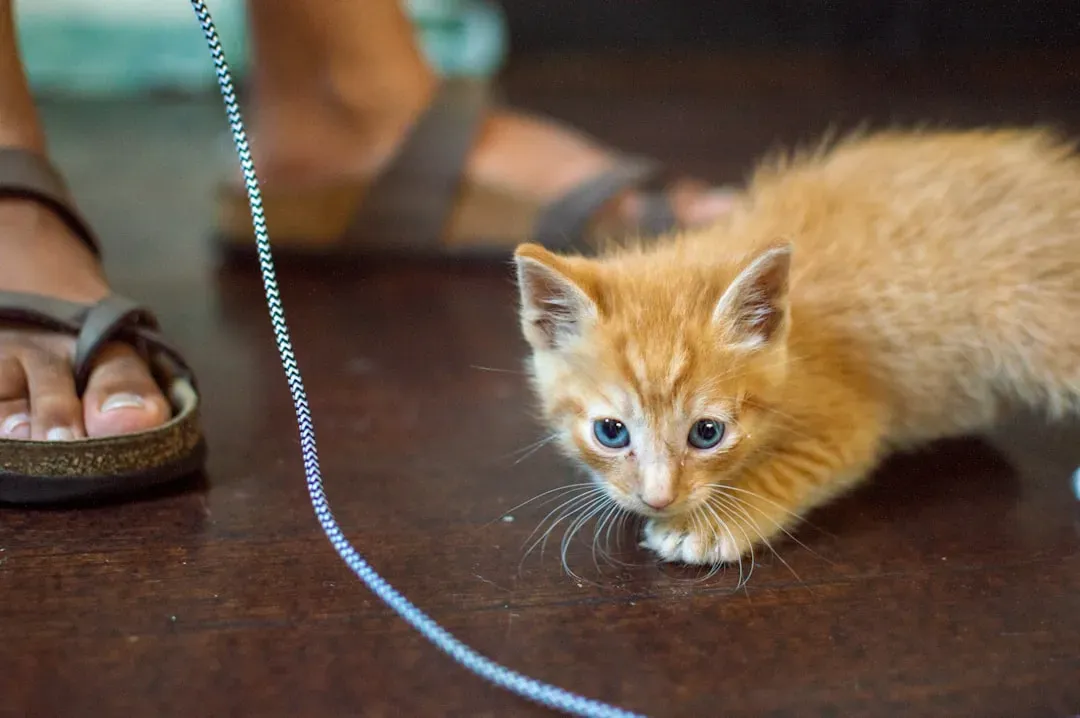
The most common type of aggressive behavior cats exhibit toward family members is play aggression, with young cats or kittens most frequently presented for this problem. Your kitten might stalk your feet under the covers or ambush your ankles as you walk past. While it seems cute when they’re tiny, those needle-sharp claws and teeth hurt.
Young cats and kittens that were not raised with littermates, or that lack opportunities to play most commonly show play aggression, as learning appropriate play is an important part of a cat’s socialization that normally occurs during time spent with littermates when cats learn that they are biting or scratching too hard. Singleton kittens miss out on these crucial lessons about bite inhibition.
Never use your hands or feet as toys. If you’re playing with your cat and they get aggressive, stop what you’re doing immediately, ignore your cat, and walk away, which may help teach that play aggression isn’t rewarded and results in no play time at all. Consistency here is key. Provide appropriate toys instead, like feather wands or toy mice, and schedule regular interactive play sessions to burn off that predatory energy.
Managing Petting-Induced Aggression
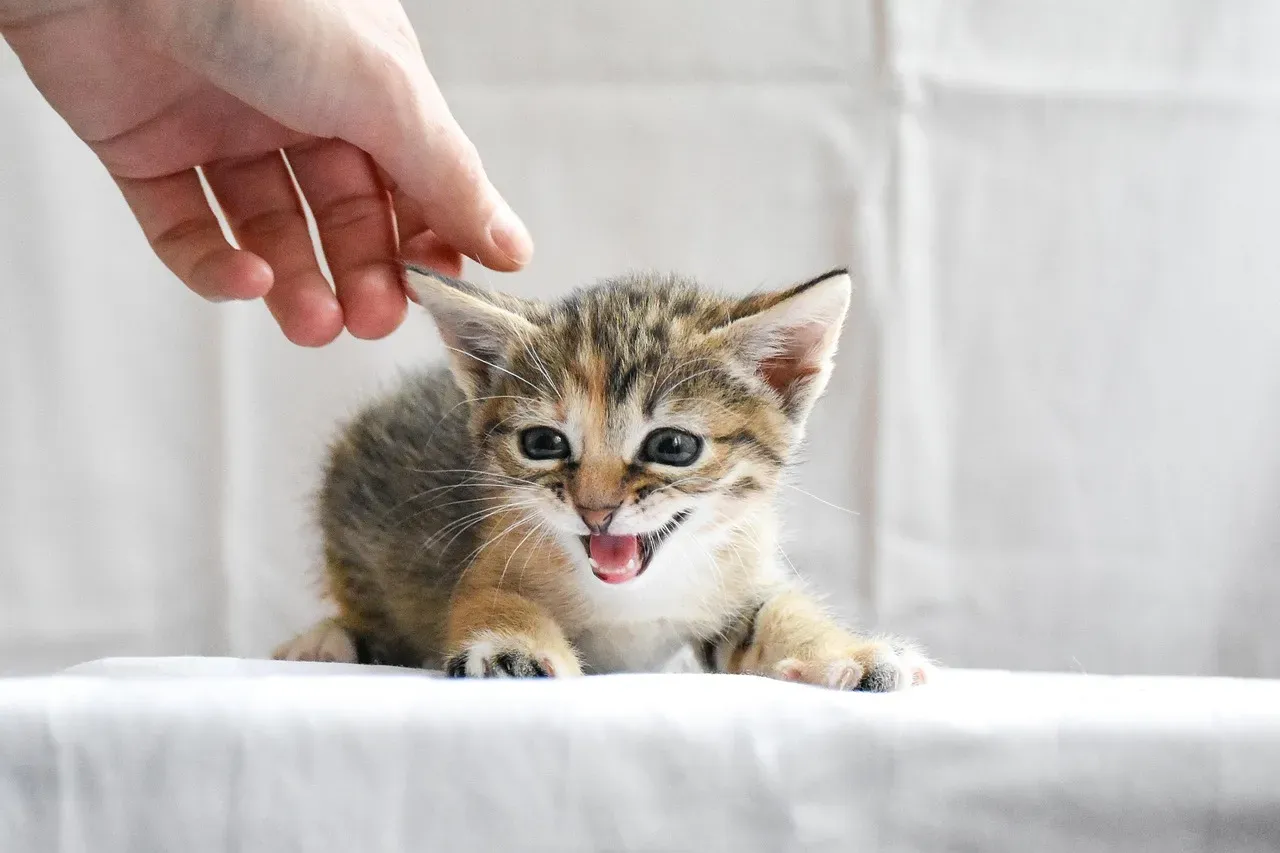
Have you ever been petting your cat peacefully when suddenly they bite you seemingly out of nowhere? Petting aggression can stem from physical overstimulation or negative associations with handling. Some cats just have a lower tolerance for physical contact than others, which doesn’t make them bad cats.
To manage a cat with petting-induced aggression, owners should avoid uninvited handling or petting, any type of physical punishment or restraint, and attempts to pick up or interact with the cat while he is eating. Let your cat initiate contact when possible. When you do pet them, watch for early warning signs like skin twitching, tail flicking, or ears rotating backward.
Rewarding a cat with a food treat for allowing brief, light stroking without signs of aggression may be helpful, and over time, owners can gradually increase the duration of stroking, but with any sign of aggression, the owner should stop the petting and begin a cooling down period with no physical contact. You’re basically teaching your cat that good things happen when they tolerate touch calmly. Start with very short sessions, maybe just a few seconds, and build up slowly.
Handling Redirected Aggression Carefully

Redirected aggression accounts for approximately 50% of cases of feline aggression toward humans, especially their owners, and occurs when cats redirect their aggression when aroused by a trigger that the cat cannot access. Picture this scenario: your cat sees another cat outside the window, gets all worked up, but can’t reach the intruder. So they turn around and attack you instead.
This type of aggression can be particularly dangerous because the bites are often uninhibited and intense. When a cat is in a high state of arousal, the ideal way to respond is to leave it in a darkened room, avoid contact, and close the door, though if the cat must be handled, thick leather gloves, a fish net, or a large towel may be used for protection. Your cat needs time to calm down completely before you interact with them again.
Preventing redirected aggression means identifying and managing triggers. If outdoor cats are the problem, block your cat’s view of windows where they typically spot intruders. Use window film or simply close the blinds during times when stray cats usually appear. It might seem extreme, but it beats getting bitten.
Creating a Calm Environment to Reduce Stress
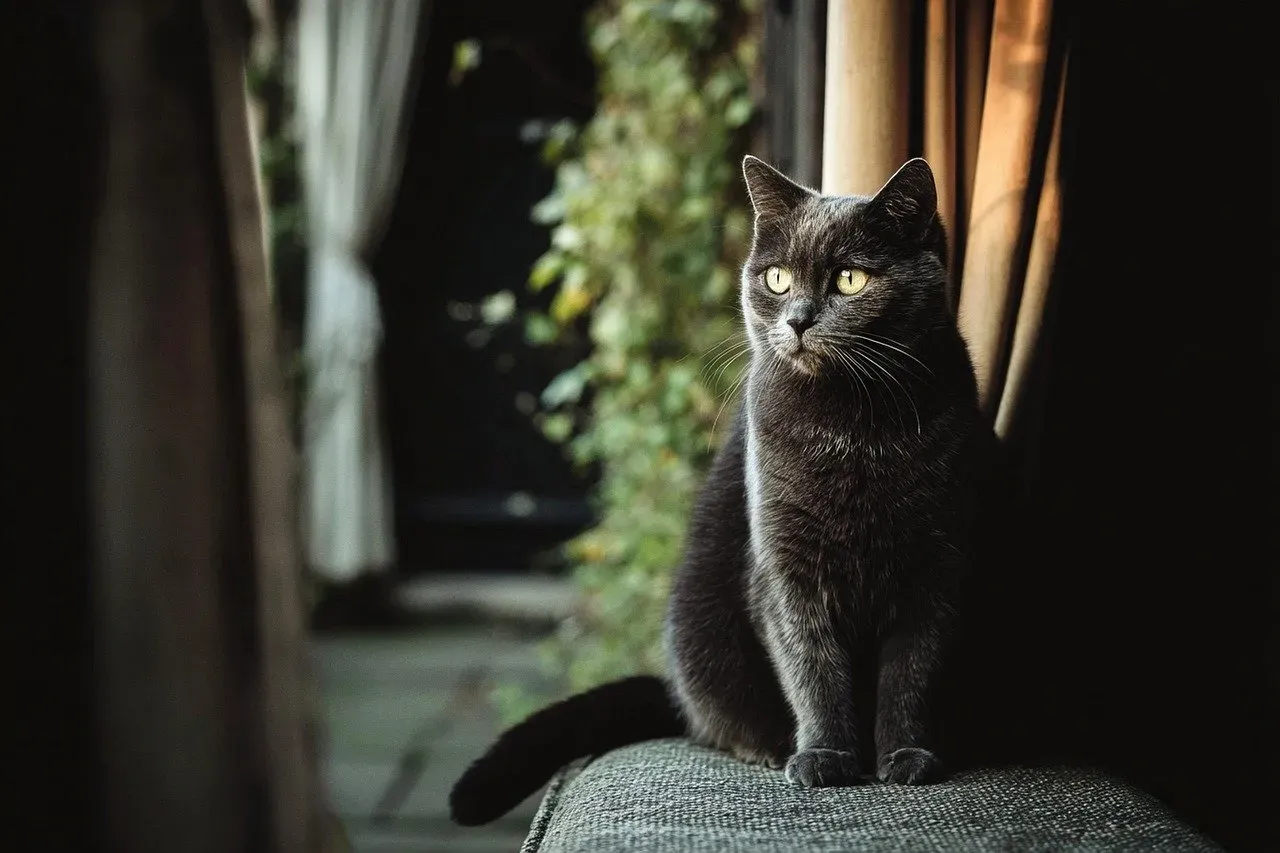
When cats feel threatened, they are going to be on edge, which often causes them to act out, and your cat might be stressed and feel like there is no safe place to relax, as cats need their alone time and it’s important for them to have quiet places like cat condos, high shelves, or a special room for them to chill out. Environmental enrichment isn’t just a fancy term, it’s essential for preventing aggression.
Provide multiple resources in multi-cat homes. If the cats primarily fight over resources, such as access to food or resting places, provide them with multiple sets of resources in different areas of your home, as a cat will find it much more difficult to guard four food bowls rather than one. This reduces competition and territorial disputes significantly.
Consider using synthetic pheromone products designed to create a calming atmosphere. While they don’t work for every cat or every situation, many owners report positive results when combined with other behavioral strategies. The goal is making your home feel safe and predictable for your cat, which naturally reduces stress-related aggression.
Knowing When to Seek Professional Help

Sometimes despite your best efforts, aggression persists or even worsens. Aggression that cannot be managed using basic techniques may require consultation with a veterinary behaviorist. These professionals have advanced training specifically in animal behavior problems and can create customized treatment plans.
A veterinary behaviorist is a veterinarian who has done an additional 2-3 years of advanced training in the form of a residency program, with these veterinarians having the added letters DACVB behind their name as Diplomate of the American College of Veterinary Behavior, and while veterinary behaviorists often work with animal trainers and your veterinarian, these are the pros to go to with severe cases of cat aggression that aren’t responding to care. They can also prescribe behavior-modifying medications if needed.
Don’t feel like seeking help means you’ve failed as a cat owner. Some aggression cases are genuinely complex and require expertise beyond what any caring owner can provide alone. Your cat deserves the best chance at a peaceful, happy life, and sometimes that means bringing in the experts. The sooner you seek help for serious aggression, the better the prognosis typically is.
What Not to Do When Your Cat Is Aggressive
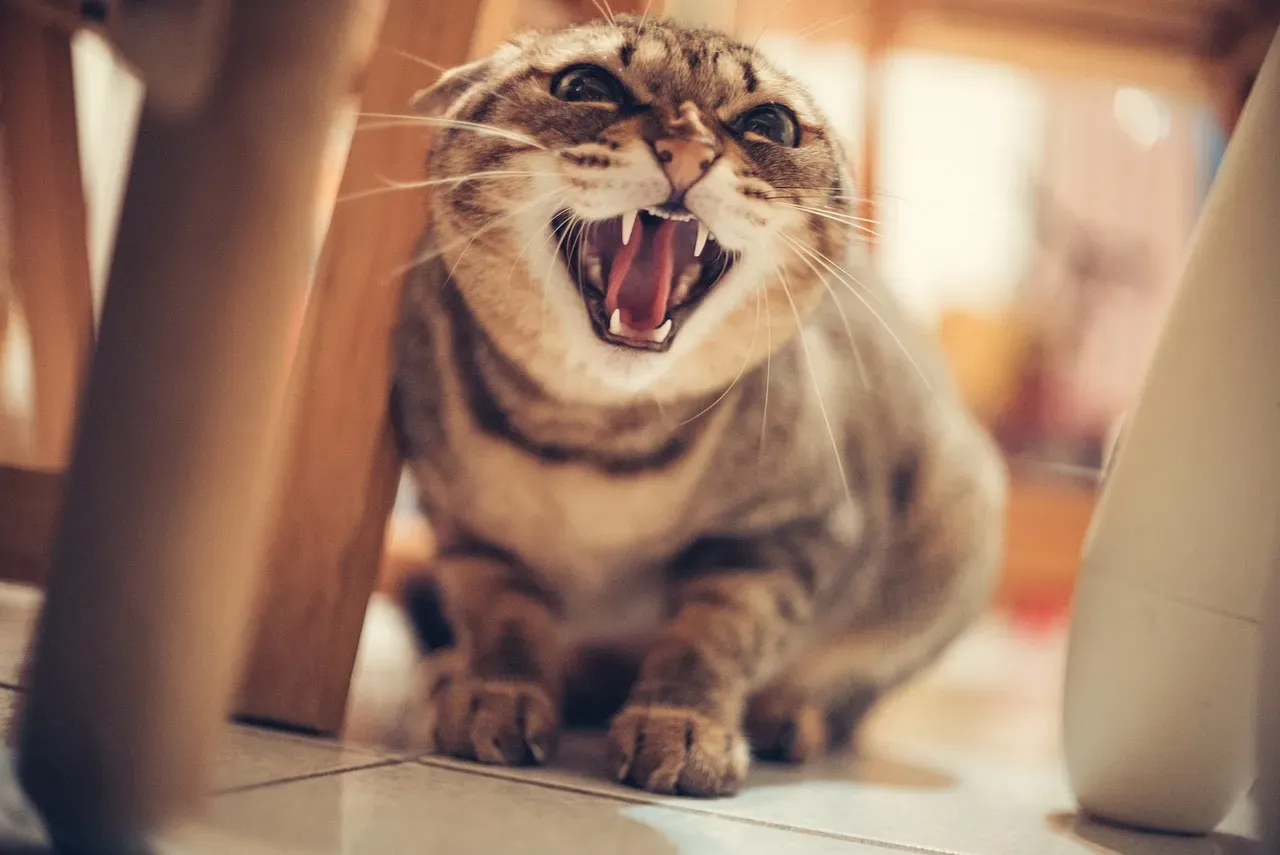
Any type of physical punishment can increase a cat’s fear or anxiety and worsen aggression. Hitting, yelling, or using spray bottles might seem like they work in the moment, but they often backfire spectacularly. Your cat doesn’t understand punishment the way you think they do.
Studies have shown that punishment and confrontational training techniques are more likely to lead to fear, avoidance, and increased aggression. You want your cat to trust you, not fear you. Physical punishment can damage your bond permanently and create even more behavioral problems down the line. It’s just not worth it.
Never console an aggressive cat either. It is very important not to console an aggressive cat, as this may be perceived as approval of aggression. Instead, remain calm and neutral. Remove yourself from the situation if needed, giving your cat space to decompress. Remember, you’re trying to teach your cat that aggression doesn’t get them what they want.
Handling cat aggression isn’t always easy or quick. It requires patience, observation, and sometimes professional intervention. Yet most aggressive behaviors can be successfully managed or eliminated once you understand what’s driving them. Whether it’s redirected frustration, play that got too rough, or pain your cat can’t communicate, there’s almost always a solution. Start with a veterinary checkup, learn to read your cat’s body language, and never hesitate to seek expert help for serious cases. Your cat isn’t trying to be difficult, they’re just trying to tell you something important. Are you listening? What changes will you make today to help your aggressive cat find peace?