
Have you ever watched your cat stare at you with those wide, curious eyes, only to suddenly hide under the couch when you try to approach? Changes in your daily routine or shifts in how you interact with your feline friend can leave them feeling puzzled—or even a little heartbroken. Cats are creatures of habit, and even the smallest change in your bonding routine can make them feel lost. But there’s good news: with patience and some thoughtful steps, you can help your cat adapt and thrive, building a deeper bond than ever. Let’s dive into the surprisingly emotional world of feline adaptation and discover the secrets to helping your cat feel safe, loved, and truly at home with a new bonding rhythm.
Understanding Your Cat’s Sensitivity to Change

Cats notice even the tiniest changes in their environment or your behavior. A new work schedule, a family member moving in, or even changing the time you play together can send ripples through their sense of security. Unlike dogs, who may eagerly adapt to change, cats often need more time and reassurance. They rely on predictable patterns to feel safe, so a disruption can be confusing and stressful. You might see them hiding more, being less affectionate, or even acting out with sudden meows or scratching. It’s not defiance—it’s a sign they need your help to adjust. Recognizing these signs early can make a huge difference in easing their transition. Remember, what seems minor to you can feel monumental to your furry companion.
Recognizing Signs of Stress in Your Cat

When a bonding rhythm changes, cats often show stress in subtle (and sometimes not-so-subtle) ways. You might notice your cat grooming excessively, refusing food, or avoiding their favorite spots. Some cats become more vocal, while others may seem withdrawn or even aggressive. Don’t overlook small changes—your cat’s body language, such as flattened ears or a twitching tail, can speak volumes. Watch for hiding, loss of interest in play, or changes in litter box habits. These behaviors are your cat’s way of asking for help, not misbehaving. By staying observant and empathetic, you can intervene early, making the adjustment process much smoother for both of you.
Establishing a Predictable Routine

Consistency is key for helping cats feel secure, especially during times of change. Try to keep feeding times, play sessions, and cuddles on a regular schedule. If your routine must change, introduce new patterns gradually so your cat has time to adjust. For example, if you’re shifting playtime to the evening instead of the morning, start with short sessions at the new time and slowly transition. Using cues like a special toy or a certain phrase before play or mealtime can help signal what’s coming next. Predictability gives your cat a sense of control, making them less anxious and more open to new experiences with you.
Creating Safe Spaces for Comfort

A safe, cozy retreat can work wonders for a cat adjusting to a new bonding rhythm. Designate a quiet spot with soft bedding, familiar scents, and perhaps a favorite toy or blanket. This becomes a sanctuary where your cat can retreat when they feel overwhelmed. Make sure the area is away from loud noises and high traffic. Place some of your worn clothing in their safe space, as your scent is reassuring. Cats often feel more at ease when they can watch from a distance, so a perch or a window seat can help too. Providing these comforts shows your cat you understand their needs and respect their boundaries.
Using Positive Reinforcement

Encourage your cat to embrace the new bonding rhythm by rewarding calm and curious behavior. Use treats, gentle praise, or extra head scratches when they respond positively to the new routine. If your cat approaches you at the new playtime or settles in for cuddles during your new schedule, acknowledge their effort. Avoid punishing or scolding if they seem resistant; instead, offer gentle encouragement and patience. Over time, your cat will associate the new rhythm with good things, making the transition smoother. Think of it like teaching a child to enjoy a new bedtime story—enthusiasm and rewards make all the difference.
Incorporating Play and Enrichment

Play isn’t just fun for your cat—it’s essential for their emotional well-being, especially during transitions. Make time for interactive games like feather wands or laser pointers that get your cat moving and thinking. Rotate toys to keep things interesting and introduce puzzle feeders to challenge their mind. Play also helps release stress and builds positive associations with your presence. If your new rhythm means less time together, consider toys that your cat can enjoy solo, such as treat balls or catnip mice. Enrichment activities tap into your cat’s natural hunting instincts, providing comfort and distraction during times of adjustment.
Respecting Your Cat’s Individual Pace

Every cat is unique, and their adjustment timeline will vary. Some cats leap into new routines with curiosity, while others need weeks to feel comfortable. It’s crucial to respect your cat’s pace and not rush the process. Allow them to come to you when they’re ready and never force interaction. Observe their body language and respond with patience and understanding. If your cat hides or avoids contact, let them know you’re nearby but give them space. Trust is built on respect, and by letting your cat set the pace, you’ll encourage a stronger, more confident bond over time.
Seeking Help When Needed
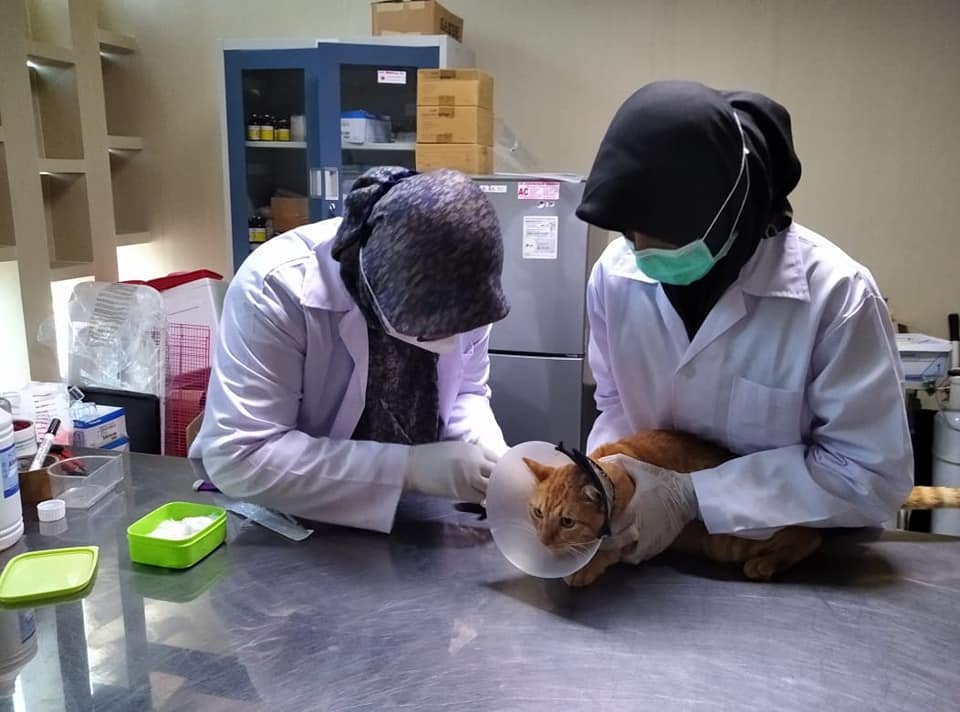
Sometimes, despite your best efforts, your cat may struggle to adjust. If you notice persistent signs of stress—like refusal to eat, ongoing aggression, or withdrawal—it’s time to consult a veterinarian or feline behaviorist. Medical issues can sometimes masquerade as behavioral problems, so a checkup is always wise. Experts can offer tailored advice, from pheromone diffusers to specialized training techniques, to help your cat adapt. Remember, asking for help isn’t a sign of failure—it’s a way to ensure your cat’s health and happiness. Your commitment to their well-being is the greatest act of love you can offer.
Growing up traveling and experiencing new cultures and wonders, I have had a passion for nature, adventuring, photography, and videography. I am currently working towards a BSc in Biodiversity and Ecology at Stellenbosch University, and I hope to specialise in Marine Sciences one day.
Please send any feedback to Feedback@animalsaroundtheglobe.com