Spotting big cats in the wild is a thrilling experience for any nature enthusiast. Yet, these elusive creatures often leave behind only subtle hints of their presence. Learning to identify them based on their tracks and signs can be as rewarding as seeing them face-to-face. This article will guide you through the art of tracking these majestic animals, making every step in the wilderness an adventure of discovery.
Paw Prints: The First Clue

Paw prints, or tracks, are the most common signs you’ll encounter. They vary in size and shape depending on the species. For instance, lion tracks are large and round, with four distinct toe impressions and a heel pad that is wider than it is long. In contrast, leopard tracks are smaller with a more oval shape. When examining tracks, note the size, shape, and distance between them. This provides clues not only about the species but also about the size and gait of the animal.
Understanding Claw Marks

Most big cats have retractable claws, meaning their tracks usually don’t show claw marks. However, cheetahs are an exception. Their tracks often display claw impressions because they use their claws for traction during high-speed chases. Look for these distinctive marks when trying to differentiate between cheetah tracks and those of other big cats. This unique feature makes cheetah tracks a rare find and a true gem for trackers.
Trail Patterns: A Walk Through the Wild
Different big cats have distinct walking patterns, which can be a clear indicator of their identity. Lions often leave a straight line of tracks as they move in a direct path, showcasing their confidence and dominance in their territory. Leopards, being more cautious and elusive, may leave a more zigzag pattern as they stealthily navigate their environment. Observing these patterns can tell you a lot about the behavior and mood of the animal at the time.
Recognizing Scrapes and Scratch Marks
Big cats often mark their territory by scraping the ground or scratching tree trunks. These marks are a form of communication, indicating presence and dominance. Tigers, for instance, are known for their deep claw marks on trees that can reach several feet off the ground. These markings not only indicate the presence of a tiger but also its size and strength. Observing the height and depth of these marks can provide insights into the cat’s physical characteristics.
Scat: Nature’s Business Card

Scat, or animal droppings, can provide a wealth of information about big cats. The size, shape, and content of the scat can help identify the species. Lion scat is typically large and contains hair, bones, and other remnants of their prey. Leopard scat, on the other hand, is smaller and more segmented. Examining scat can also reveal what the animal has been eating, offering a glimpse into its diet and hunting habits.
Listening for Vocalizations

While tracks and signs provide visual clues, sometimes the best indicator of a big cat’s presence is auditory. Lions are known for their powerful roars that can be heard for miles. Leopards, conversely, have a distinctive rasping cough used to communicate with others. Paying attention to these vocalizations can alert you to the presence of these animals, even if they remain out of sight.
Spotting Fur and Hair
Occasionally, you may find fur or hair caught on branches or rough surfaces. This can be a subtle sign of a big cat’s presence. Tigers often leave behind tufts of hair as they brush against trees or undergrowth. Examining these remnants can provide clues about the animal’s size and color, helping differentiate between species like tigers and leopards.
Identifying Kill Sites
Big cats are apex predators, and their kill sites can tell you a lot about their presence and behavior. A lion’s kill site is often messy, with large carcasses left behind. Leopards, being more secretive, drag their prey into trees to keep it away from scavengers. Observing these sites can reveal feeding habits and territorial behaviors, giving you a deeper understanding of these magnificent creatures.
Understanding Scent Marks
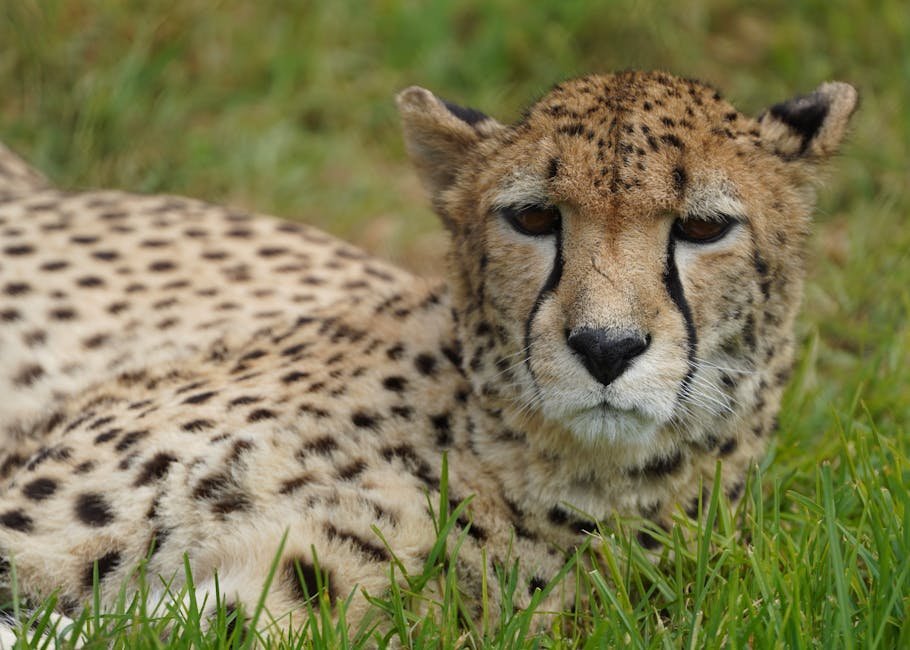
Scent marking is a common behavior among big cats, used to establish territory and communicate with others. Lions and leopards often rub their faces and bodies against trees or rocks, leaving behind scent marks from glands located around their face and paws. These marks are invisible to the eye but can be detected by the keen sense of smell of other animals. Recognizing these scent marks can help you understand the social dynamics and territorial boundaries of big cats.
Observing Watering Holes
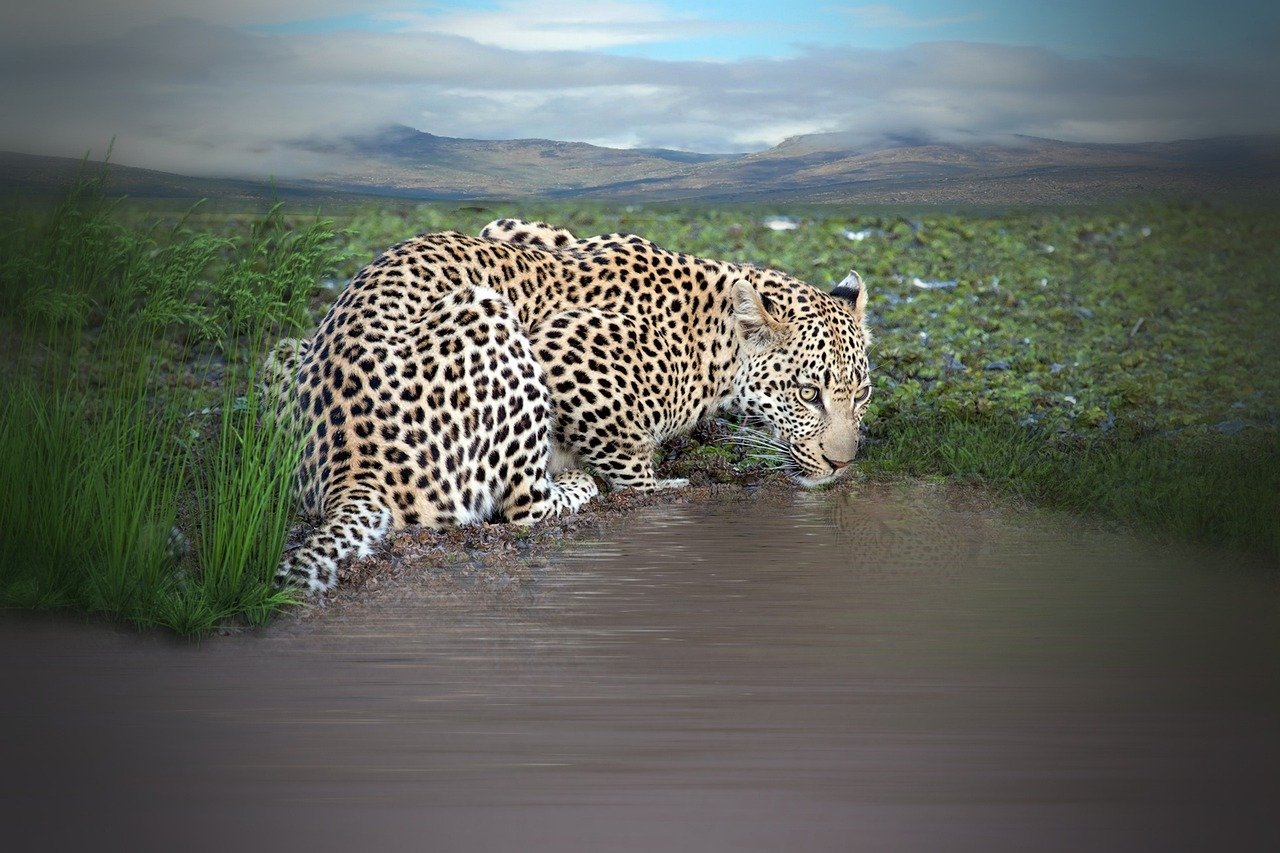
Water sources are essential for wildlife and often become gathering spots for big cats. Observing tracks and signs around watering holes can provide insights into the presence and behavior of these animals. Lions may leave large tracks along the banks, while leopards often leave more subtle signs as they approach the water stealthily. Spending time at these locations can increase your chances of spotting these elusive creatures in their natural habitat.
Spotting Tail Drag Marks
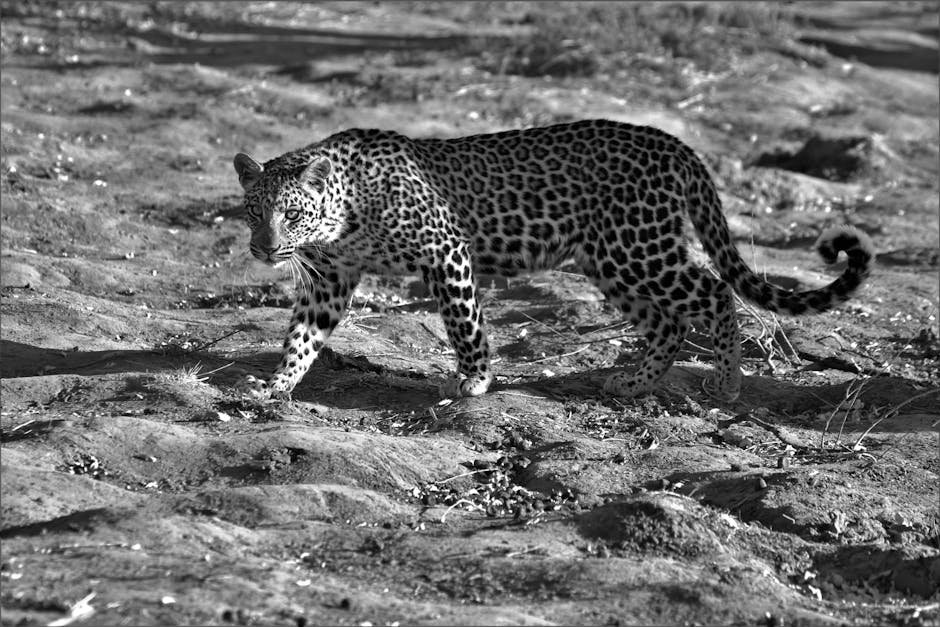
In some cases, you might notice a line in the sand or dirt that indicates where a big cat’s tail has dragged. This can be particularly noticeable with larger cats like lions and tigers. These drag marks can help confirm the presence of a big cat and provide further evidence of its path and direction. Paying attention to these subtle signs can enhance your tracking skills and provide a deeper understanding of these animals’ movements.
Understanding Behavior from Tracks

The arrangement and spacing of tracks can reveal a lot about a big cat’s behavior. Tracks that are closely spaced together might indicate a stalking or hunting mode, while widely spaced tracks suggest a cat in a hurry or on the move. Analyzing these patterns can help you infer the animal’s state of mind and purpose, adding an intriguing layer to your tracking experience.
Recognizing Signs of Play
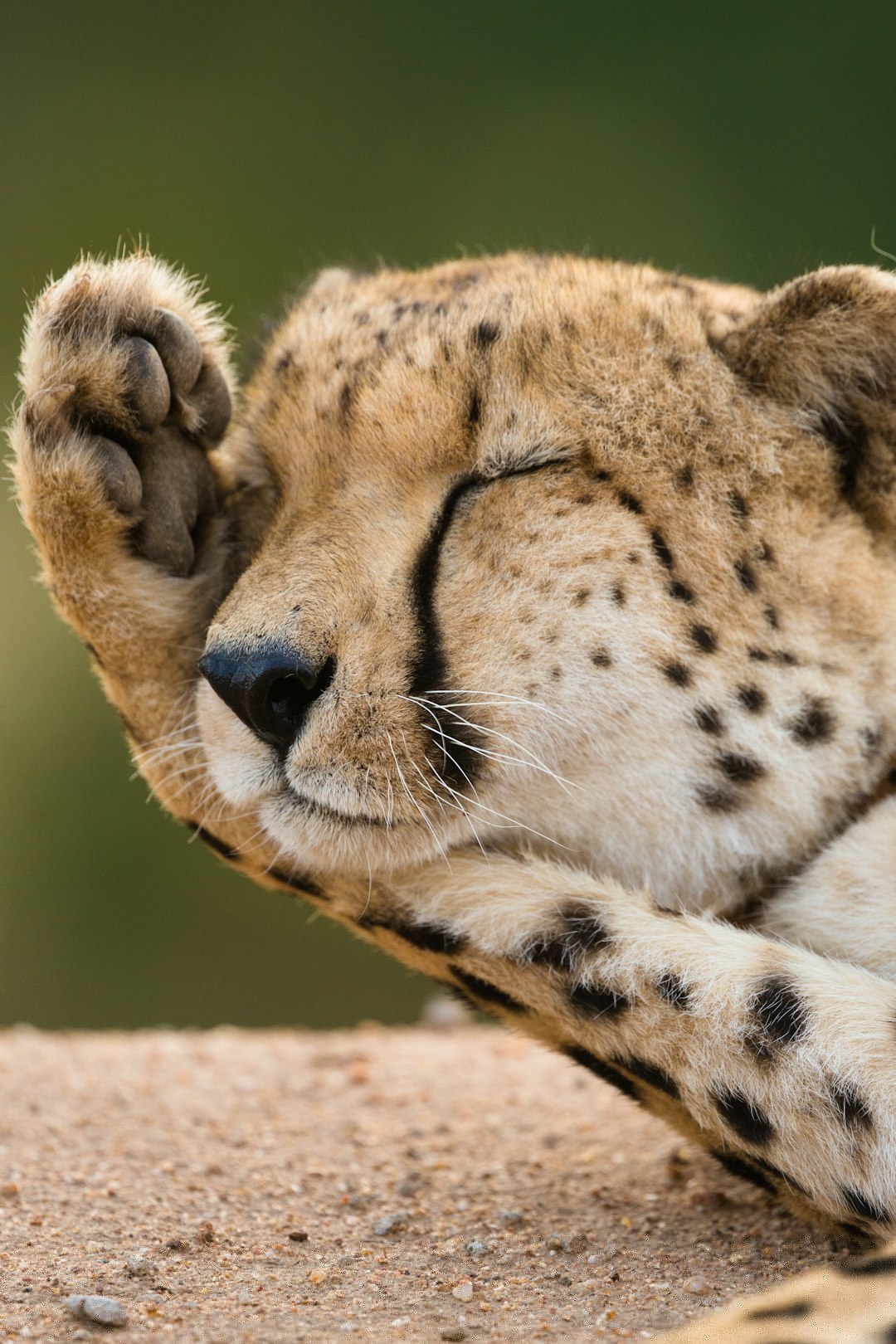
Big cats are playful creatures, and sometimes their tracks indicate play behavior. You might find tracks that show sudden changes in direction or evidence of pouncing. These signs are often seen with cubs or young adults as they practice hunting skills and social interactions. Observing these playful patterns can provide a heartwarming glimpse into the lives of these majestic animals.
Spotting Signs of Resting Spots
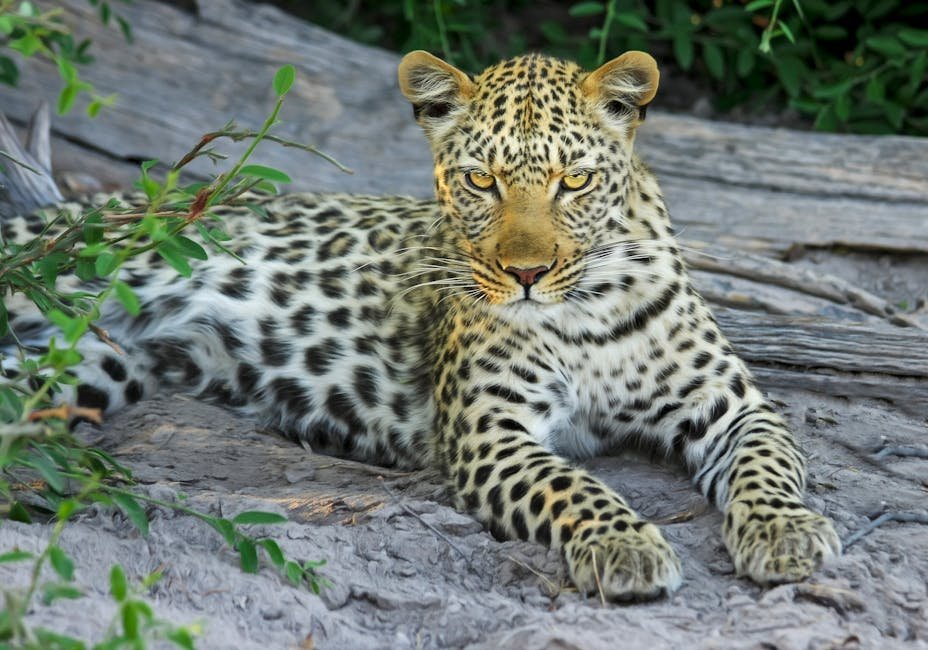
Big cats often choose specific spots to rest and observe their surroundings. These resting spots can be identified by flattened grass or indentations in the ground where the animal has lain. Observing these spots can provide insights into the cat’s preferred habitat and behavior, offering a deeper understanding of its daily routine.
Learning from the Locals
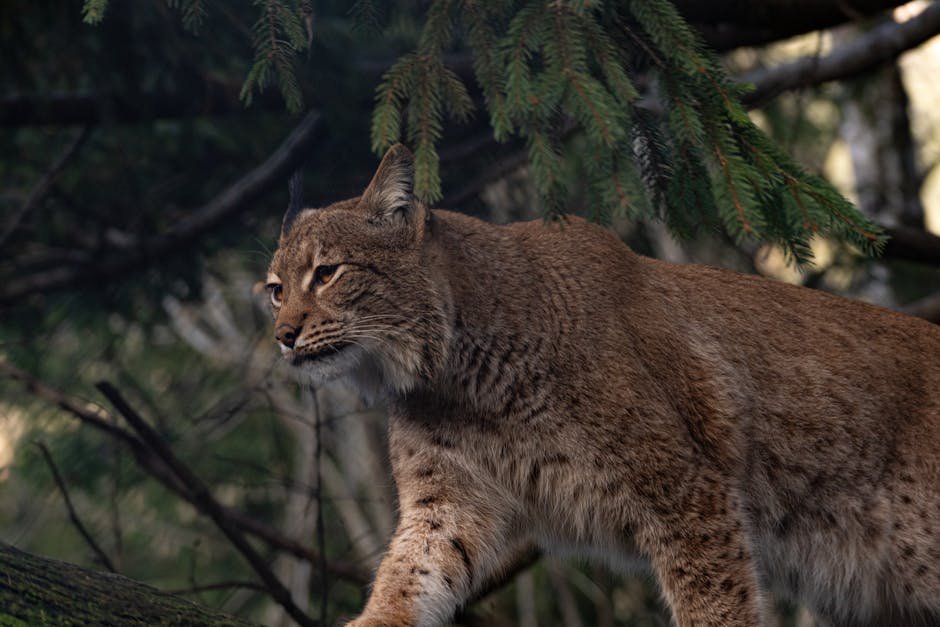
Local guides and indigenous communities often possess invaluable knowledge about big cats and their signs. Engaging with these experts can enhance your tracking skills and provide unique insights into the behaviors and habits of these animals. Learning from those who have lived alongside these creatures for generations can enrich your understanding and appreciation of big cats in the wild.
Using Technology to Aid Tracking
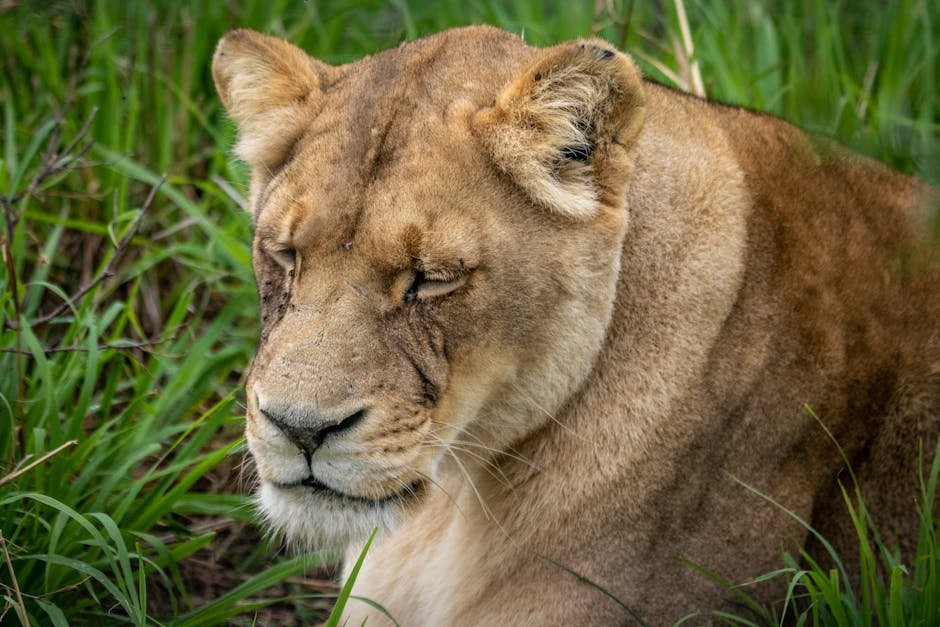
Modern technology can complement traditional tracking methods, offering new ways to identify big cats. Trail cameras, GPS devices, and drones can capture images and data that provide insights into the presence and movements of these animals. Utilizing technology can enhance your tracking experience and increase the chances of spotting these elusive creatures in their natural habitat.
Respecting Nature’s Balance
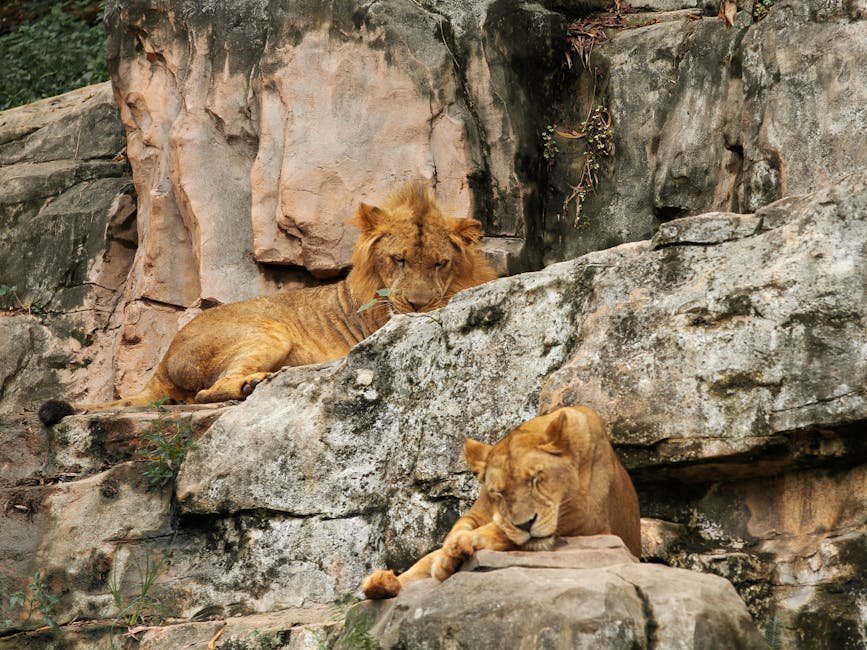
While tracking big cats is an exciting adventure, it’s essential to respect the delicate balance of nature. Observing these animals from a distance and minimizing disturbance to their environment ensures their continued survival and prosperity. Practicing ethical tracking habits contributes to conservation efforts and helps preserve the beauty and majesty of big cats for future generations.
Embracing the Journey
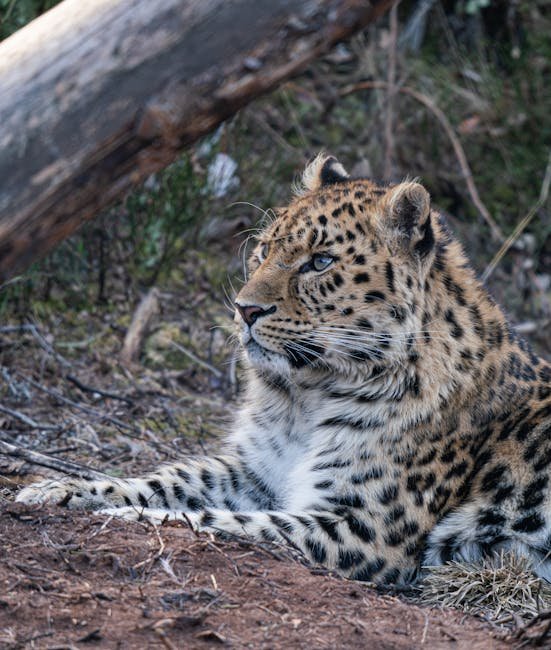
Tracking big cats in the wild is more than just identifying signs and tracks; it’s about embracing the journey and connecting with nature. Every sign tells a story, and every track reveals a glimpse into the world of these magnificent creatures. With patience, respect, and a keen eye, you can embark on a rewarding adventure that deepens your connection to the natural world.
Conclusion

Identifying big cats based on their tracks and signs is a skill that combines observation, knowledge, and intuition. Whether you’re a seasoned tracker or a beginner, each encounter with these signs offers a chance to learn and grow. As you venture into the wild, remember that every step you take brings you closer to understanding and appreciating the majestic world of big cats.

Hi, I’m Bola, a passionate writer and creative strategist with a knack for crafting compelling content that educates, inspires, and connects. Over the years, I’ve honed my skills across various writing fields, including content creation, copywriting, online course development, and video scriptwriting.
When I’m not at my desk, you’ll find me exploring new ideas, reading books, or brainstorming creative ways to solve challenges. I believe that words have the power to transform, and I’m here to help you leverage that power for success.
Thanks for stopping by, Keep coming to this website to checkout new articles form me. You’d always love it!