There’s a quiet kind of magic in sharing your home with a cat that doesn’t actually need you. Not in an emotional sense, of course. Independent cats will eat your food, sleep on your most expensive blanket, and occasionally grace you with a slow blink from across the room. But they will do all of it entirely on their own terms. That is the beautiful and sometimes bewildering reality of loving a self-sufficient feline.
The truth is, not every person is cut out for this kind of relationship. While many people enjoy the company of dogs, a cat can be more of an acquired taste – and once acquired, it’s a hard taste to lose. If you’ve ever wondered whether you and an independent cat would actually be a good match, you’re already asking the right question. Let’s dive in.
You Actually Understand What “Independent” Really Means
Before anything else, you need to be honest about what you’re signing up for. While it’s true that cats are often more self-reliant than dogs, the idea that they are completely independent isn’t accurate. Cats require love, attention, and care from their people to truly thrive. Think of it less like owning a houseplant and more like having a very opinionated flatmate who communicates mostly through body language.
While it’s true that in general, cats can be kept home alone for longer periods than dogs, they are still dependent on their owners and are not low-maintenance companions. The misconception that cats are independent and require little or no care causes many of them to suffer needlessly, both physically and emotionally. If you’ve been telling yourself a cat is easy and hands-off, this is your gentle reality check. The right human knows the difference between giving space and giving up.
You Don’t Need Constant Affirmation from Your Pet
Here’s the thing – if you need your pet to run to the door every time you come home, an independent cat is going to disappoint you. Repeatedly. A cat will be there for you when you need them, but they’re also perfectly adept at entertaining themselves. Most don’t need – or want – constant attention, and you’ll never have to endure guilt-inducing puppy eyes from a cat. That suits some people just fine. Others find it maddening.
is someone who reads affection differently. Most people don’t see a cat’s sociability because a cat’s signs of affection are so subtle – no jumping and face-licking here – that we often overlook them. We just don’t notice how excited they are when they touch us with a nose, blink their eyes slowly, or solicitously raise their tail. You need to be the kind of person who finds joy in those quiet, understated moments of connection.
You’re Comfortable With a Personality That Runs on Its Own Schedule
You know that friend who texts back three days later and acts like no time has passed? Independent cats are basically that, but they live with you. Cats are by nature independent, but sometimes this is perceived as being aloof or standoffish. Cats like to feel in control of their destiny – that’s why they like routine, and like to know how their day is mapped out. Any change in routine can throw a cat into a tailspin and send them off to a safe space until their day returns to normal.
Honestly, I think this is one of the most underrated compatibility factors people overlook. All creatures thrive with routine. A cat that knows what to expect from day to day will be more at ease with you. If your lifestyle is wildly unpredictable – irregular hours, constant guests, frequent moves – you may be creating a stressful environment for a cat who craves a calm, consistent world.
You Genuinely Respect Boundaries Without Being Told Twice
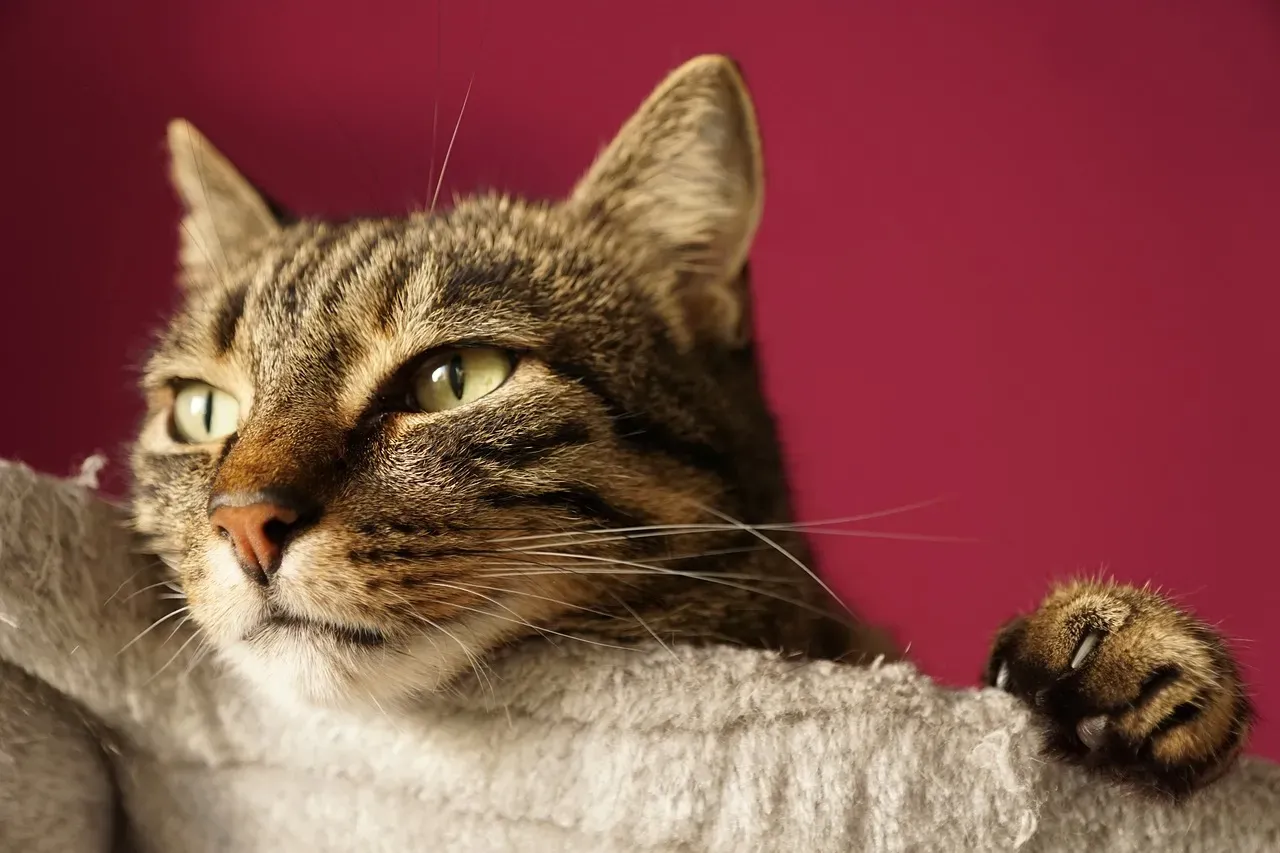
This one is crucial, and it’s a bigger deal than most people realize. Giving your cat space is an important part of your relationship. When cats know they can trust you to respect their boundaries, they’re more likely to seek you out for affection. It’s a simple act of love that shows you understand their needs. If you’re the type who respects a “do not disturb” sign, you’re already ahead of the game.
Providing cats with designated safe spaces is essential for their overall well-being. These spaces should be quiet, comfortable, and easily accessible for the cat to retreat to when they need a break. It can be a cozy cat bed in a secluded corner, a designated room, or even a cat tree with hiding spots. Make sure these spaces are off-limits to children and other pets, allowing your cat to have a private sanctuary where they feel secure. The right human creates these spaces without being asked and never violates them out of impatience or curiosity.
Your Personality Actually Complements Theirs
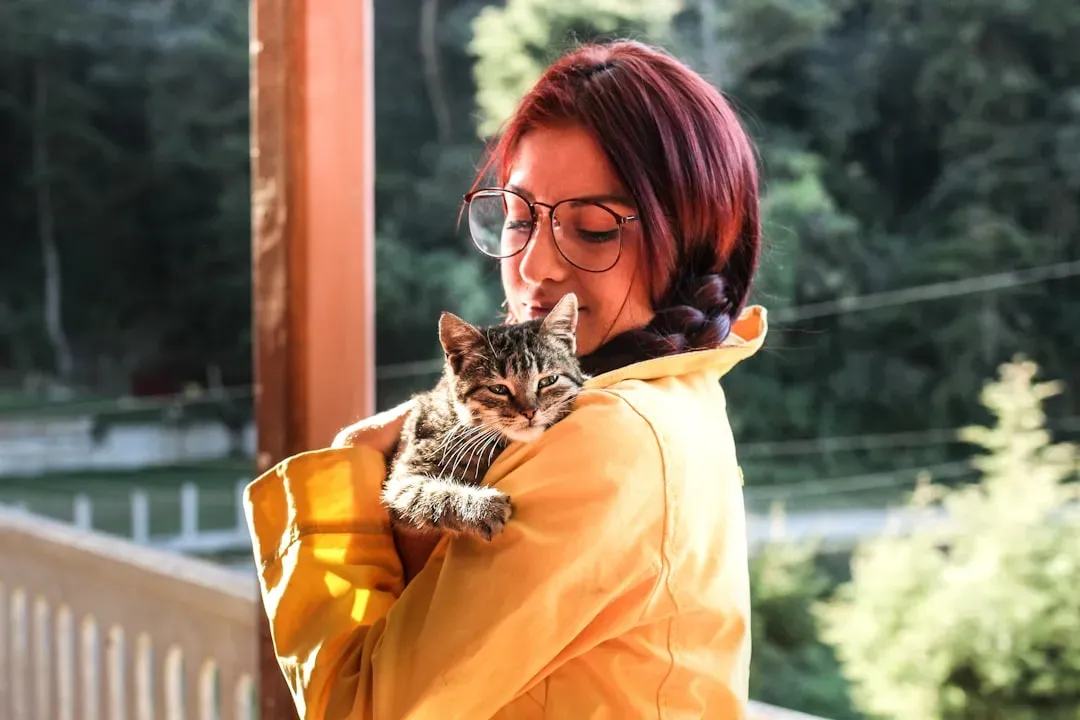
This is where it gets genuinely fascinating – and slightly unsettling. Science suggests your personality has a real impact on how your cat turns out. Recent research suggests that cats may not be as cold and aloof as many of us think, and that they may in fact bond with their owners like a child bonds with their parents. Just like a child’s personality is impacted by their parent’s personality, a cat’s personality may be impacted by their owner. In other words, you’re not just choosing a cat. You’re co-creating one.
Researchers from the University of Texas examined five main character traits – extraversion, agreeableness, conscientiousness, neuroticism, and openness – to see whether there were any differences between people who identified as cat people or dog people. They found that most respondents who identified themselves as introverted and sensitive were cat lovers, while those who said they were extroverted and agreeable were more typically dog people. If you score high on self-reliance and intellectual curiosity, there’s a good chance you and an independent cat will get along swimmingly.
You Can Provide Environmental Enrichment – Not Just Love

Love is wonderful. Love alone, however, is not enough. Independent cats need a world that challenges and stimulates them. It’s essential to give independent cats a mentally stimulating environment so they can exercise their natural instincts. You can do this by providing cat toys and play opportunities, as well as creating climbing and exploring spaces for them. Think vertical space, puzzle feeders, window perches, and rotating toys. Your home needs to be interesting.
A cat’s environment has a profound effect on its confidence and mental health. A home that caters to their natural instincts – climbing, hunting, observing, and resting – provides security and stimulation, making them less reliant on you for entertainment or comfort. The right human doesn’t just love their cat; they invest in creating a space where the cat can truly be a cat. That distinction matters enormously for a feline’s long-term wellbeing.
You’re Committed to the Long Haul – No Matter What
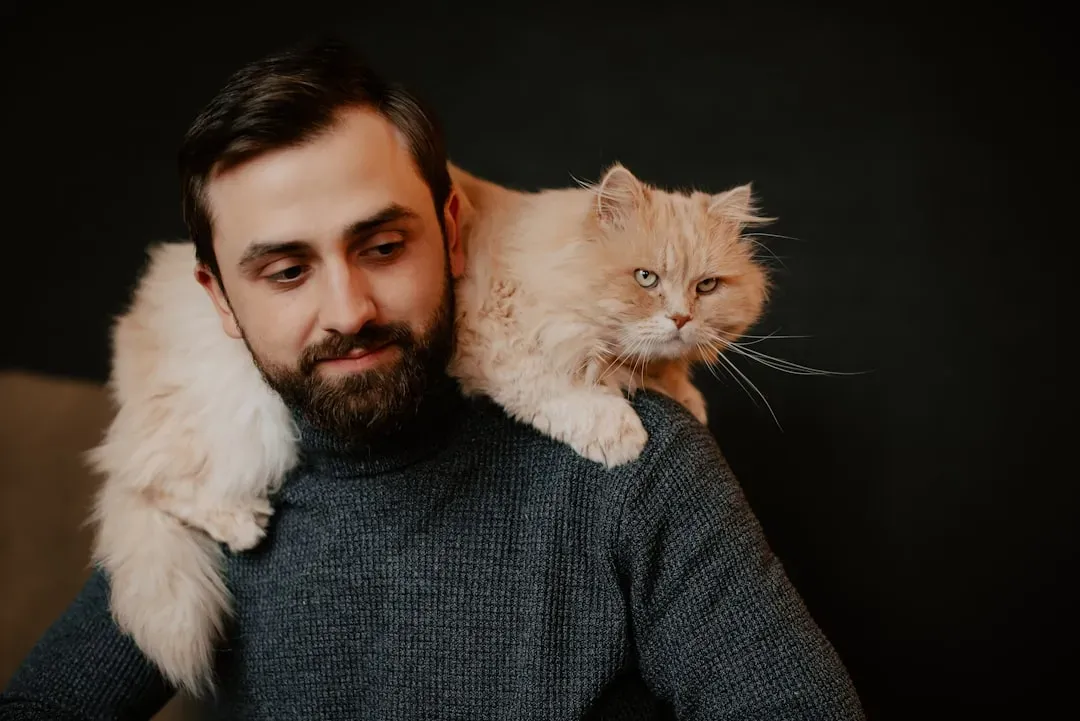
Let’s be real: independent cats aren’t always warm, cuddly, or immediately charming. They may take months to fully trust you. Although cats are more independent than many other pets, owning one is still a major commitment. They need a devoted owner to keep them as happy and healthy as possible. Walking away because things feel distant or difficult is simply not an option if you’re truly the right fit.
Believe caring for a pet for 15 to 18 years does not seem like a lifetime. Spoiler: it genuinely is a substantial part of your life. The right human accepts that, plans for it financially and emotionally, and understands that the relationship with an independent cat is a slow-burn kind of love story – one that pays off in ways that are deeply rewarding but rarely instant.
You Know How to Read Subtle Cat Communication
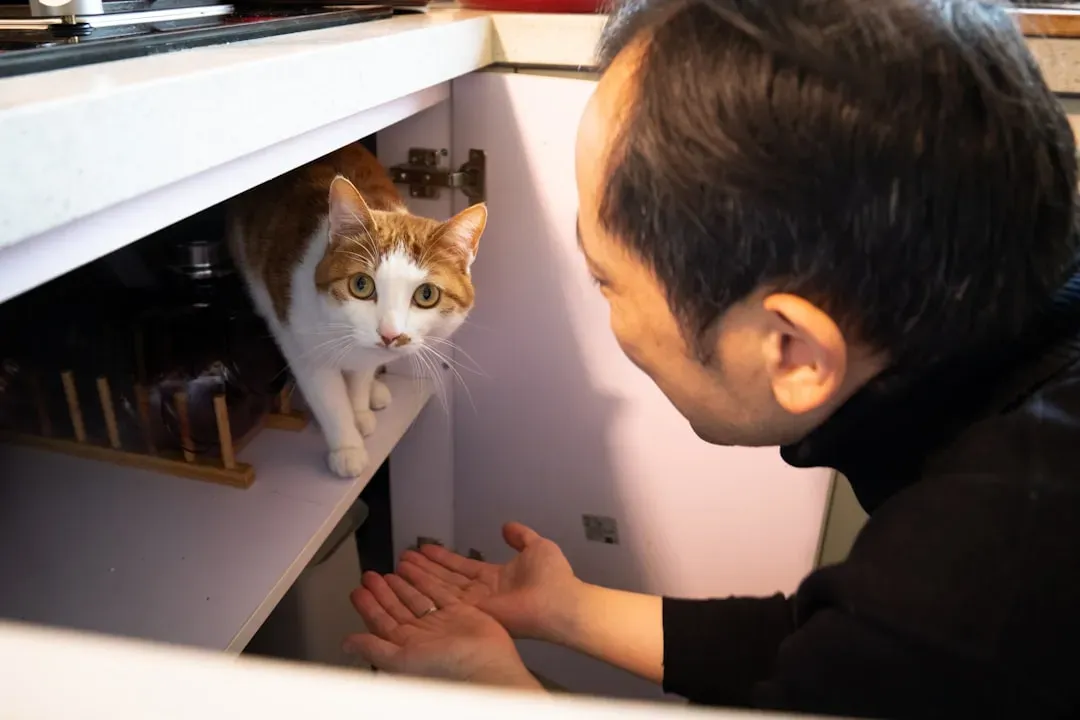
If you’ve ever assumed a cat “doesn’t like you” simply because it didn’t come running, you might need to rethink your language skills – feline edition. Cats are marvelous communicators, and your own kitty tells you so much through body language. Pay attention to your cat’s signals and you’ll help create a stronger, more trusting bond. The right human learns to read these cues rather than dismissing them.
When your kitty approaches you, let them do it in their own time. Keep an eye on their tail, which can be a good indication of how they are feeling – if they approach you and their tail is held high, this means they are comfortable and feeling friendly. They will probably start to rub up against you, at which time they will probably be receptive to you stroking them. Learning to interpret these signals is essentially learning a second language – and fluency in cat communication is non-negotiable for the right human.
You Value the Relationship Without Trying to Control It
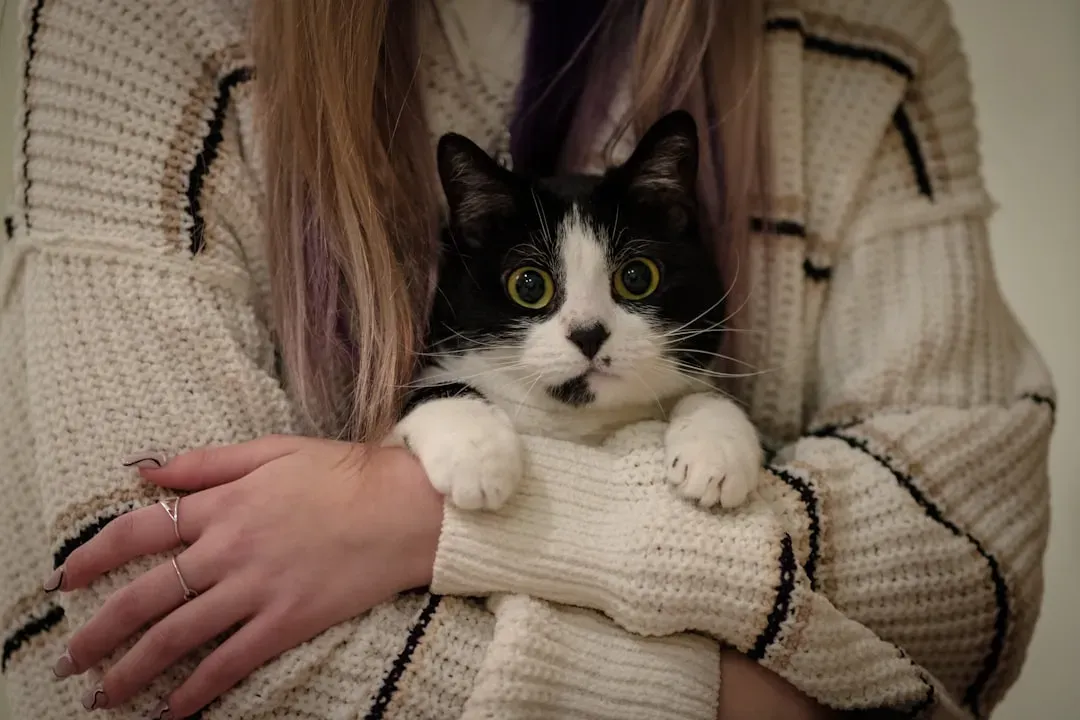
Perhaps this is the most telling sign of all. The right human doesn’t try to reshape an independent cat into something more convenient or demonstrative. Like any relationship, “you get out what you put in” – and if you respect that your cat sometimes likes its independence, it will make all the sociable interactions you have all that much more special. It’s a relationship built on mutual acknowledgment, not ownership in the traditional sense.
Finding a balance between respecting their boundaries and training them to respect yours is worth the effort. With consistent behaviors, you can have a happy and healthy relationship with your feline friend. The more secure they feel in their bond with you, the more your cat will be comfortable on their own. When you stop trying to force a connection and simply show up reliably, an independent cat will choose you. And that moment, when a self-sufficient creature decides you’re worth their time, is genuinely one of the most quietly meaningful things you’ll ever experience.
Conclusion
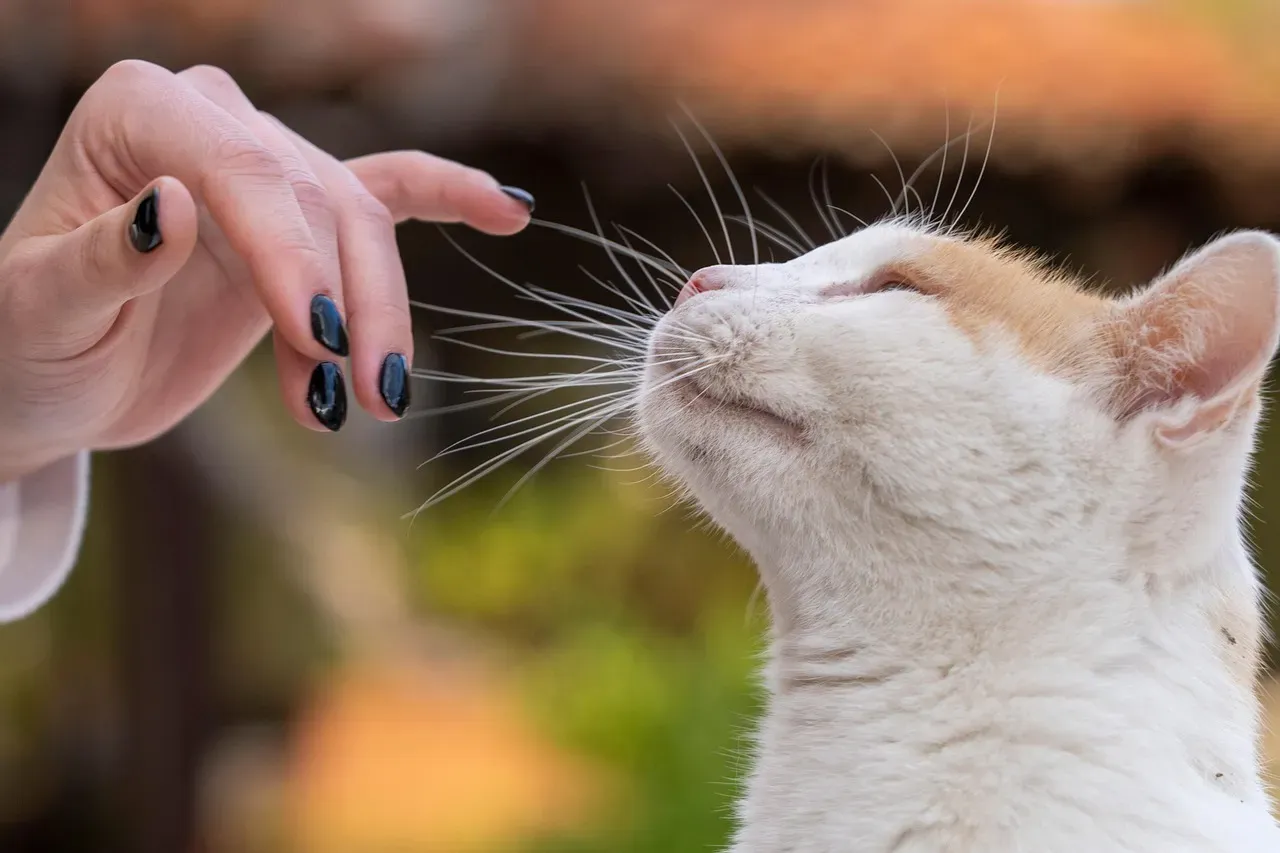
So – are you ? The answer probably lies somewhere in your relationship with patience, boundaries, routine, and your willingness to learn a whole new vocabulary of affection. You don’t get to choose your cat’s personality, and establishing a bond with reclusive or shy kitties can be challenging. What you do get to choose is how prepared, self-aware, and genuinely committed you are going in.
Independent cats don’t need you to be perfect. They need you to be consistent, respectful, and secure enough in yourself not to take their independence personally. If that sounds like you, then honestly, you might just be exactly what one of these remarkable creatures has been waiting for. What surprised you most about what it really takes? Tell us in the comments – your experience might be just what another reader needs to hear.