Have you ever noticed how a cat’s world can be turned upside down by just a small change—a new sound, a new scent, or even a slight shift in their daily routine? Cats may look cool and confident, but deep down, they’re creatures of habit who crave safety and predictability. When they feel secure, their personalities blossom—suddenly, that shy kitty is purring on your lap, or your playful tabby is zooming around, tail held high. If you want your cat to truly thrive, you can turn the most ordinary moments into islands of calm and happiness. Let’s unravel the secrets to making every day feel like home for your feline friend.
Understanding Your Cat’s Need for Security

Cats are mysterious creatures, but one thing is clear: they love feeling safe. Unlike dogs, who might bounce back quickly from surprises, cats take time to trust their surroundings. Their wild ancestors survived by being cautious, always scanning for danger. At home, this translates to needing routines, familiar scents, and cozy hiding spots. When a cat feels threatened or overwhelmed, it might hide or even lash out. Understanding this sensitivity is the first step to building a secure environment for your furry companion. If you notice your cat flinching at new noises or hiding from guests, it’s just their instinct telling them to be careful.
Creating a Safe Home Base

Every cat needs a place that feels like their personal fortress. Whether it’s a sunlit windowsill, a covered bed tucked in the corner, or even a cardboard box, this spot becomes their safe zone. It’s important to let them choose this space themselves—don’t force a location. Once you notice where they gravitate, make it even cozier with a soft blanket or an old T-shirt that smells like you. If your cat ever feels scared, this home base will be their comfort zone. Think of it as their own little sanctuary where the world can never reach them.
Sticking to a Predictable Routine

Routine is everything to a cat. Feeding them at the same times, playing at regular intervals, and maintaining a daily rhythm helps them feel in control. Cats thrive when they know what to expect next. If your schedule changes suddenly, your cat might get anxious or act out. Even on busy days, try to keep their meal and play times consistent. If you’re going to be away, ask a friend to follow the same routine. The more predictable their world, the more secure your cat will feel every day.
Offering Gentle and Consistent Handling

Some cats love cuddles, while others prefer a gentle head scratch. Whatever your cat’s preference, it’s vital to be consistent and gentle. Sudden grabs or rough play can make your cat wary of human touch. Always let your cat approach you for affection and read their body language. If their ears flatten or tail twitches, they might need a break. Over time, your gentle approach will build trust, making even simple petting moments feel safe and special.
Designing Vertical Spaces and Hiding Places

Cats aren’t just land dwellers—they’re climbers and explorers at heart. Installing shelves, cat trees, or even leaving space on top of furniture gives your cat a high vantage point. From here, they can watch the world safely, away from noisy kids or other pets. Hiding spots are equally important. A cozy cave bed, an empty box, or a space under the bed can give your cat a quick escape when things get overwhelming. These vertical and hidden spaces give your cat choices, which is key to feeling secure.
Using Familiar Scents for Comfort
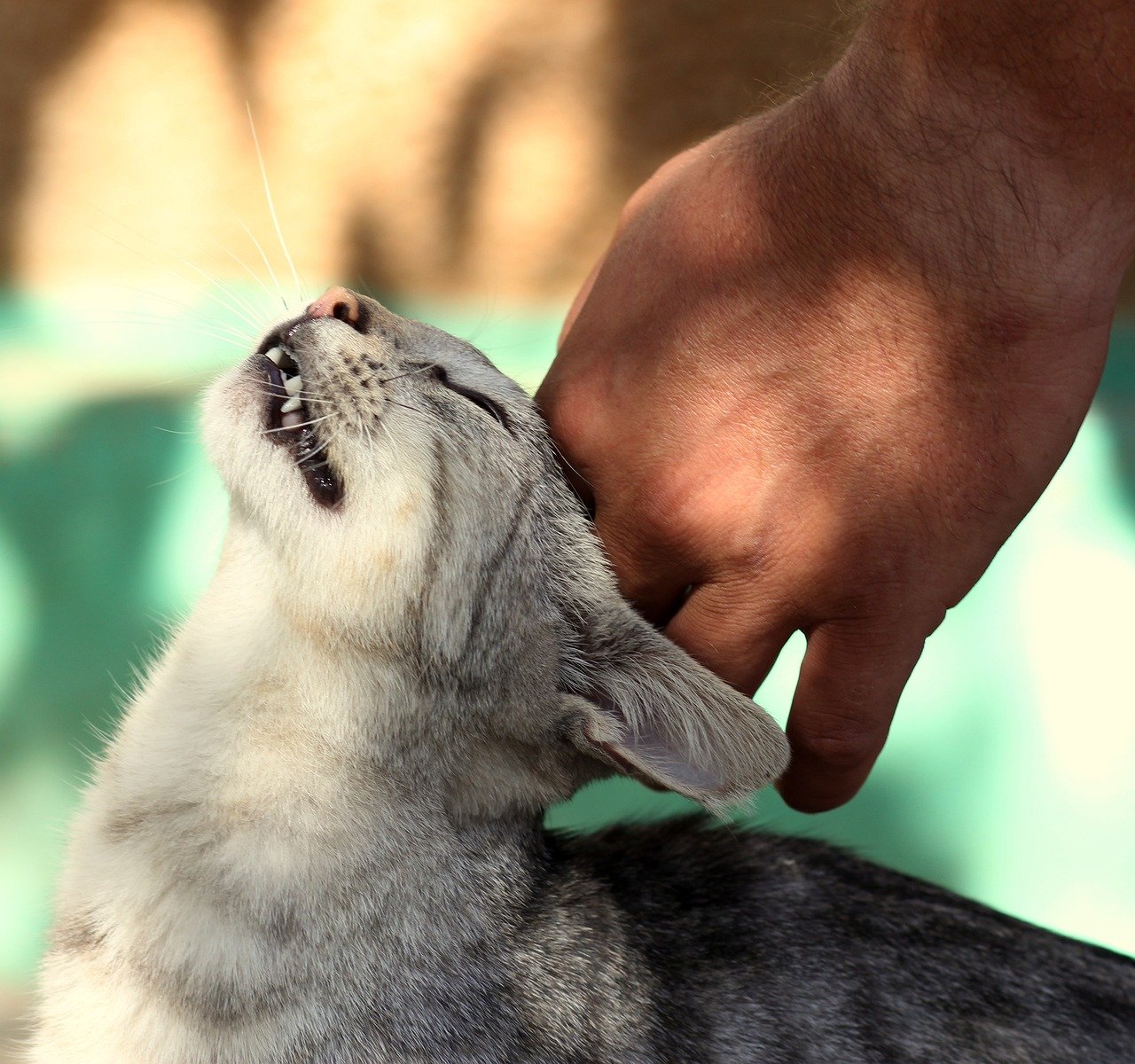
Smell is a cat’s superpower. They use scents to recognize family, mark territory, and feel at ease. You can help by placing familiar-smelling objects—like their favorite blanket or your worn T-shirt—around the house. If you bring home a new item or person, let your cat sniff it at their own pace. For added comfort, you can use synthetic feline pheromone sprays or diffusers that mimic the scent of a mother cat. These little touches can be incredibly soothing during stressful times.
Keeping the Noise Down

Loud noises can send a cat into a panic. Sudden bangs, loud music, or even the vacuum cleaner might make your cat dart for cover. Whenever possible, keep things calm and quiet, especially during sensitive moments like feeding or naptime. If you know there will be noise—maybe you’re hosting a party or doing home repairs—set up a quiet room for your cat with their essentials. Over time, they’ll learn that you’ll protect them from chaos, building trust and security.
Providing Interactive Playtime

Play isn’t just fun—it’s a powerful way to make your cat feel safe and connected. Use interactive toys like feather wands, laser pointers, or crinkly balls to engage your cat’s hunting instincts. Play together at the same times each day to build a sense of routine. This shared activity creates positive associations with you and the environment. Plus, a tired cat is a happy cat—after a good play session, they’ll be more relaxed and content in their surroundings.
Introducing New People and Pets Gradually

New faces can be unsettling for cats. If you’re introducing a new roommate, partner, or pet, go slowly. Let your cat observe from a distance, and never force interaction. Use treats and gentle words to create positive associations. Allow your cat to approach when they feel ready. This patient approach helps your cat feel in control, reducing stress and building confidence. Remember, what feels like a small change to you can be huge for your kitty.
Managing Changes in the Environment
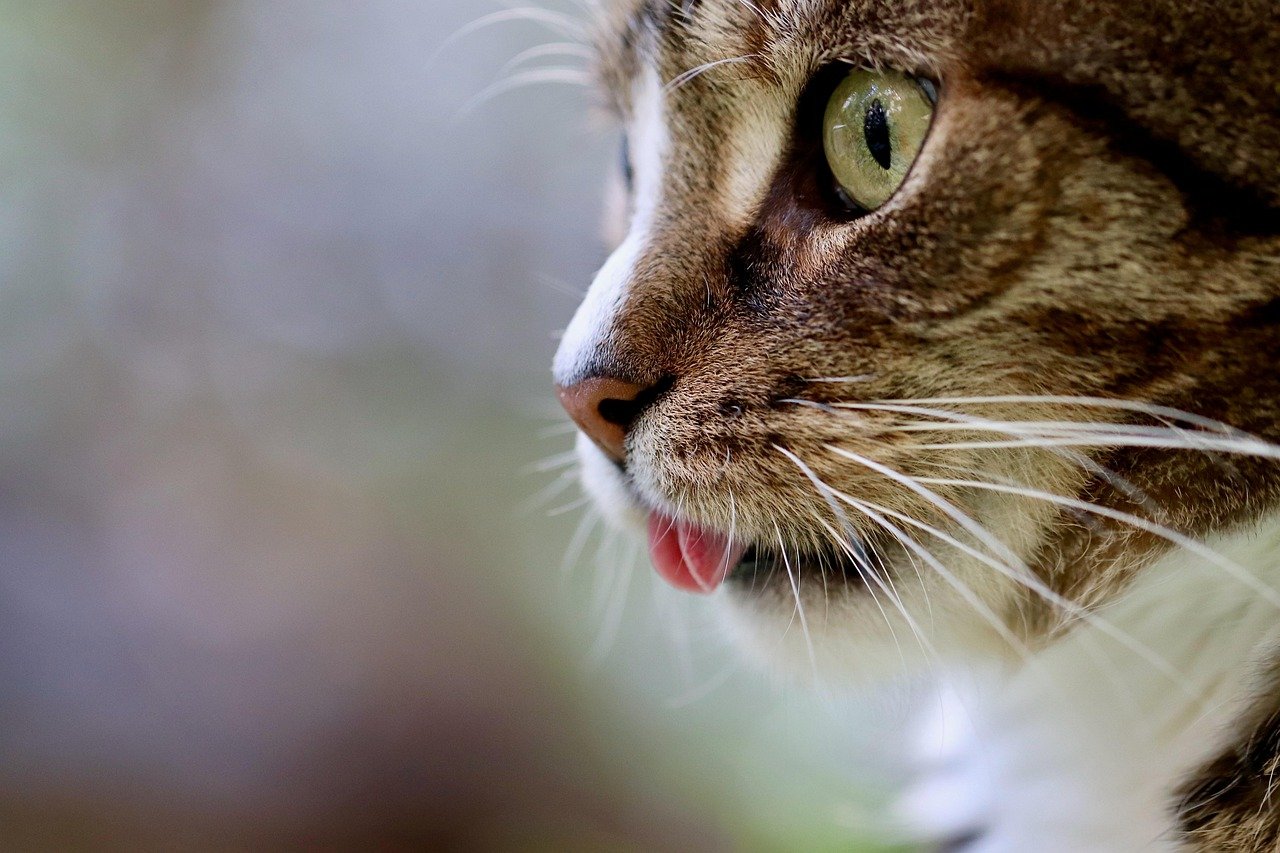
Even small changes—like rearranging furniture or bringing home new items—can unsettle your cat. Try to make changes gradually and always provide a familiar object nearby. Give your cat time to explore new things at their own pace. If you must make a big change, like moving to a new home, set up a safe room first with familiar belongings. This gives your cat a chance to adjust slowly and feel secure, bit by bit.
Respecting Your Cat’s Boundaries

Cats are famous for their independence. Sometimes, they want your company; other times, they need alone time. It’s important to respect their signals—if your cat walks away or hides, don’t chase or bother them. Let them come to you when they’re ready. Over time, this respect builds trust, making your cat more likely to seek out your affection. Think of it as a dance where your cat leads and you follow.
Encouraging Positive Social Interactions

While some cats are loners, others love socializing. Create chances for gentle interactions with family members or other pets, always watching your cat’s reactions. Use treats, toys, or calm voices to reward calm behavior. If your cat seems overwhelmed or anxious, give them space. Positive, low-pressure social moments help your cat feel like part of the family, building confidence and security.
Ensuring Access to Food and Water

A hungry or thirsty cat is a stressed cat. Make sure your kitty always knows where their food and water are. Keep bowls in quiet, accessible spots away from litter boxes. Some cats prefer running water—consider a cat fountain for extra comfort. Stick to a feeding routine to build predictability. Having easy access to their essentials makes your cat feel safe and cared for every day.
Maintaining a Clean Litter Box

Litter box troubles can lead to stress and insecurity. Scoop the box daily and change the litter regularly. Place the box in a quiet, private area where your cat won’t be startled. Avoid moving the box unless necessary, and never punish your cat for accidents—this only increases anxiety. A clean, reliable litter box makes your cat feel secure and in control of their territory.
Offering Cozy Bedding Options

Every cat has a favorite napping spot. Provide a variety of cozy beds—soft cushions, heated pads, or even a simple basket. Place beds in quiet corners or sunny windowsills so your cat can choose their perfect spot. Wash bedding regularly, but always leave something with your scent for comfort. A soft, warm bed is a little haven your cat can retreat to whenever the world feels overwhelming.
Monitoring for Signs of Stress

Cats aren’t always obvious when they’re stressed. Watch for subtle signs: hiding more, over-grooming, changes in appetite, or sudden aggression. These behaviors are your cat’s way of telling you they feel unsafe. If you spot changes, look for possible sources of stress and try to address them quickly. Sometimes, just spending extra quiet time together can help your cat feel more secure.
Providing Enrichment for Mental Health

Boredom can make cats anxious or destructive. Offer plenty of stimulation—puzzle feeders, new toys, or even bird-watching from a window. Rotate toys to keep things fresh and exciting. You can also create simple DIY games, like hiding treats in a towel. Mental enrichment keeps your cat’s mind sharp and happy, making their daily life feel safe and interesting.
Using Calming Products When Needed

Sometimes, even the calmest home can get stressful—think thunderstorms, fireworks, or houseguests. In these moments, calming aids like pheromone sprays, calming collars, or special treats can help. Only use these products as directed, and combine them with your usual routines for best results. These little helpers can make a big difference during rough patches, giving your cat extra comfort.
Building Trust Through Positive Reinforcement

Reward your cat for brave or calm behavior with treats, praise, or gentle petting. This positive reinforcement teaches your cat that good things happen when they explore or try new things. Never punish or scold—this only makes your cat more anxious. Instead, celebrate their small victories and always offer comfort when needed. Over time, your cat will associate you and their home with safety and love.
Regular Vet Visits and Health Care

Health is a big part of feeling secure. Take your cat for regular checkups, keep up with vaccinations, and watch for any changes in behavior or appearance. A healthy cat is a happy, confident cat. If your cat gets nervous at the vet, bring a familiar blanket or toy for comfort. Building a relationship with a gentle, cat-friendly vet can make these visits much less stressful for both of you.
Celebrating Your Cat’s Unique Personality

Every cat is different. Some are bold and outgoing, others are shy and cautious. Take time to learn what makes your cat tick—what toys they love, where they like to nap, and how they prefer to be loved. Celebrate their quirks and respect their boundaries. The more you honor your cat’s true self, the safer and happier they’ll feel in every moment you share.

Hi, I’m Bola, a passionate writer and creative strategist with a knack for crafting compelling content that educates, inspires, and connects. Over the years, I’ve honed my skills across various writing fields, including content creation, copywriting, online course development, and video scriptwriting.
When I’m not at my desk, you’ll find me exploring new ideas, reading books, or brainstorming creative ways to solve challenges. I believe that words have the power to transform, and I’m here to help you leverage that power for success.
Thanks for stopping by, Keep coming to this website to checkout new articles form me. You’d always love it!