Stress in cats can manifest in various ways, often going unnoticed by even the most attentive cat owners. Understanding and recognizing signs of stress in cats is crucial for ensuring their well-being and maintaining a harmonious home environment. This article aims to provide insightful information on the behavioral and physical signs of stress in cats, helping you to identify and take necessary actions to alleviate their discomfort.
Understanding Cat Stress
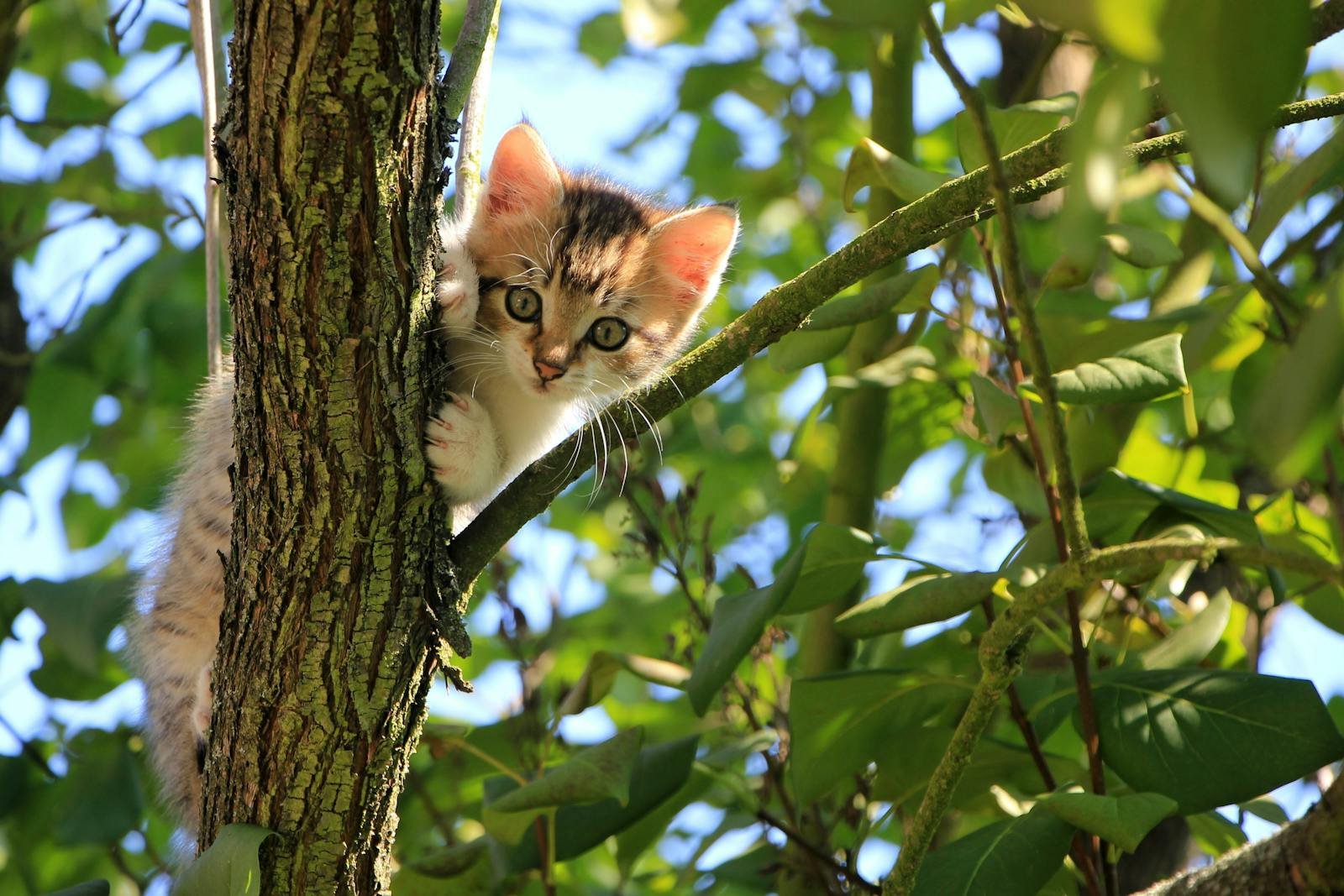
Before delving into the signs, it’s important to understand what stress means for cats. Cats are territorial and routine-oriented animals, which makes them particularly sensitive to changes in their environment. Stress can be induced by various factors, such as changes in their environment, introduction of new pets, or even changes in their owner’s routine. Understanding these factors is a step forward in identifying and addressing stress in cats.
Common Causes of Stress in Cats
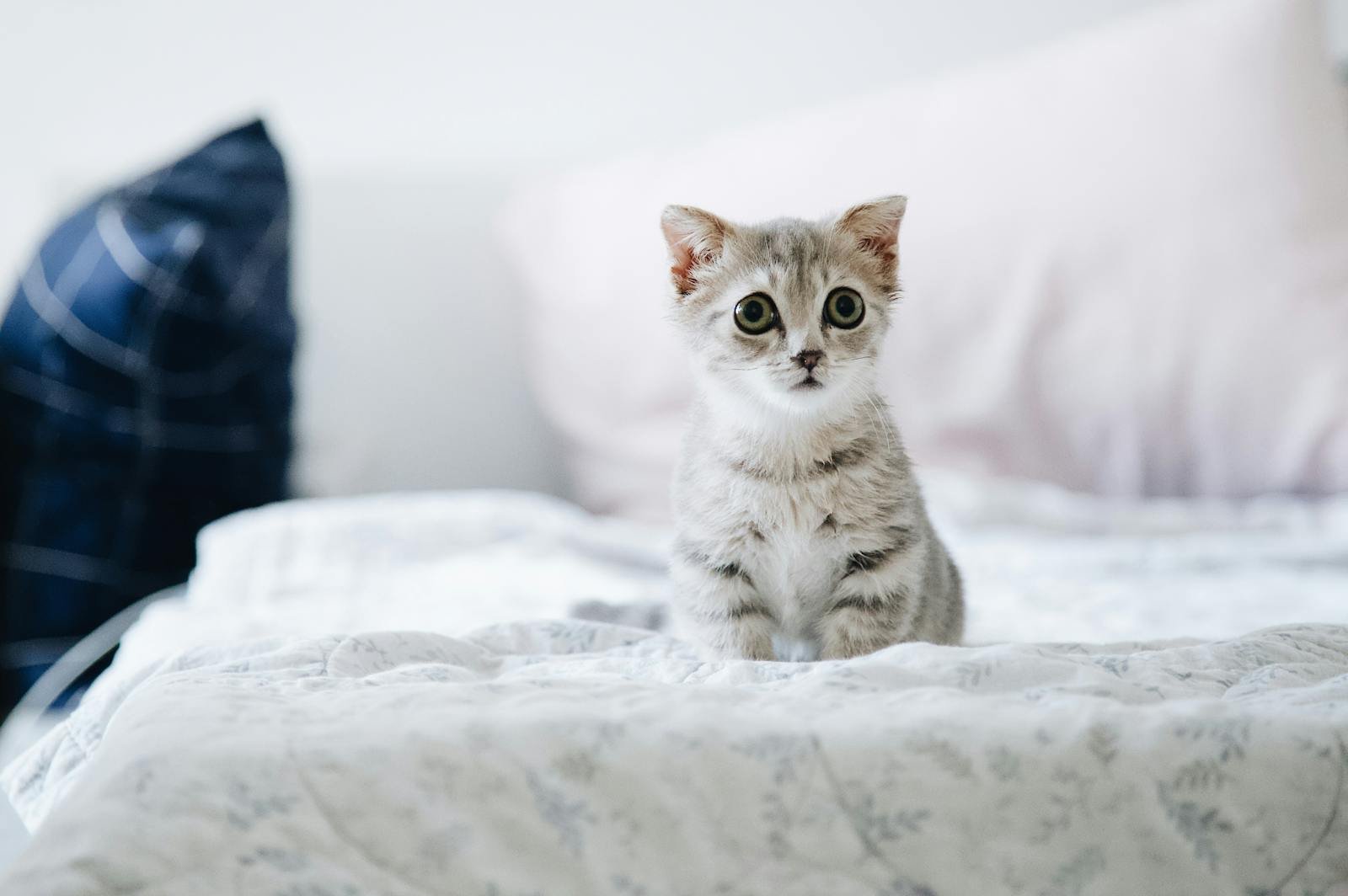
Recognizing what could cause stress in your cat is the first step in mitigating it. Common causes include moving to a new home, rearranging furniture, loud noises, lack of stimulation, or conflicts with other pets. Even subtler changes, such as new people in the house or changes in their feeding schedule, could potentially cause stress. It is crucial to consider your cat’s perspective to better understand the root of their anxiety.
Behavioral Changes
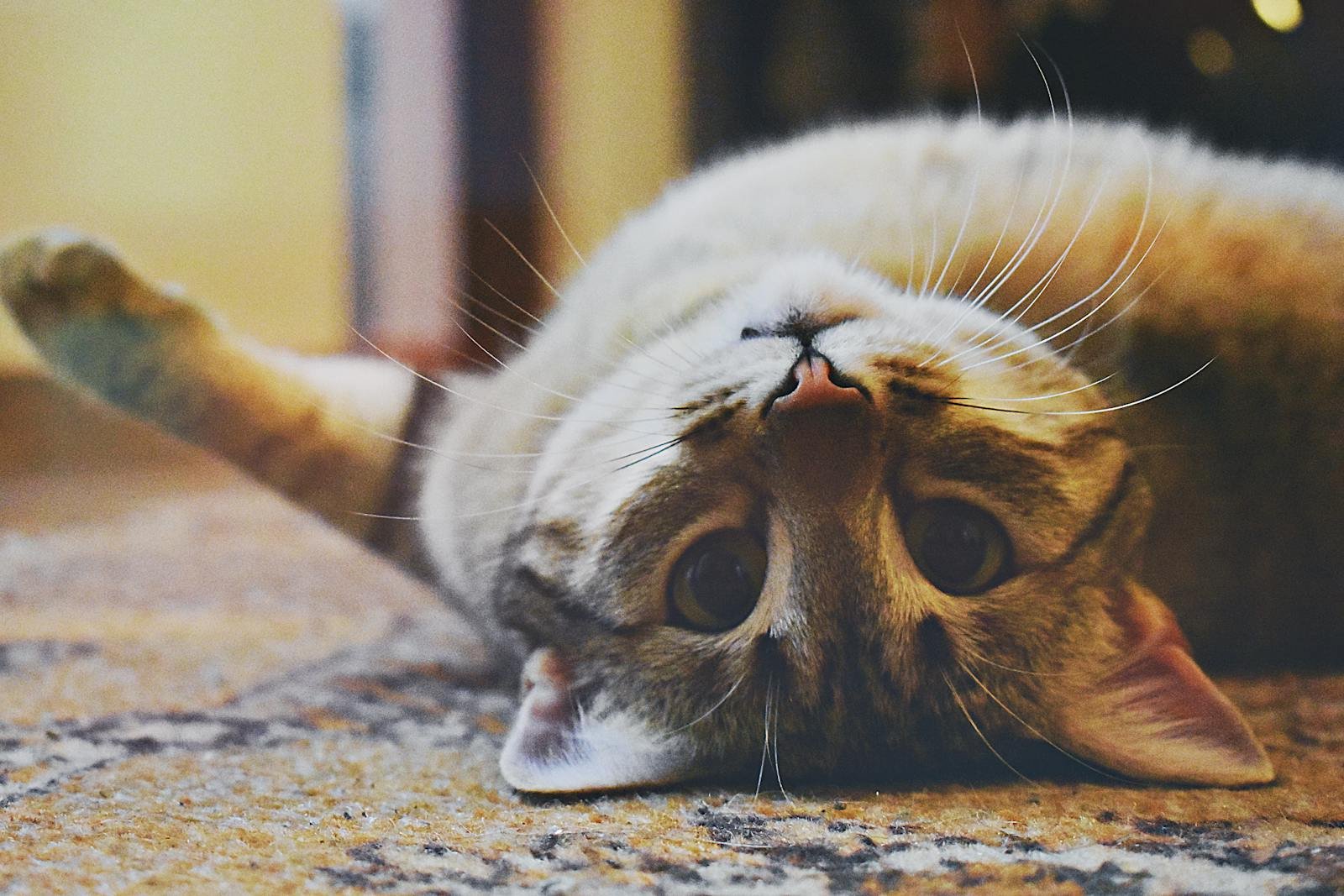
Cats often exhibit stress through their behavior. A stressed cat may become more withdrawn, spend more time hiding, or on the contrary, might seek excessive attention. Changes in their grooming habits, such as over-grooming or neglecting grooming altogether, can also indicate stress. Increased aggression or sudden bouts of vocalization are other potential behavioral changes.
Alterations in Eating Habits
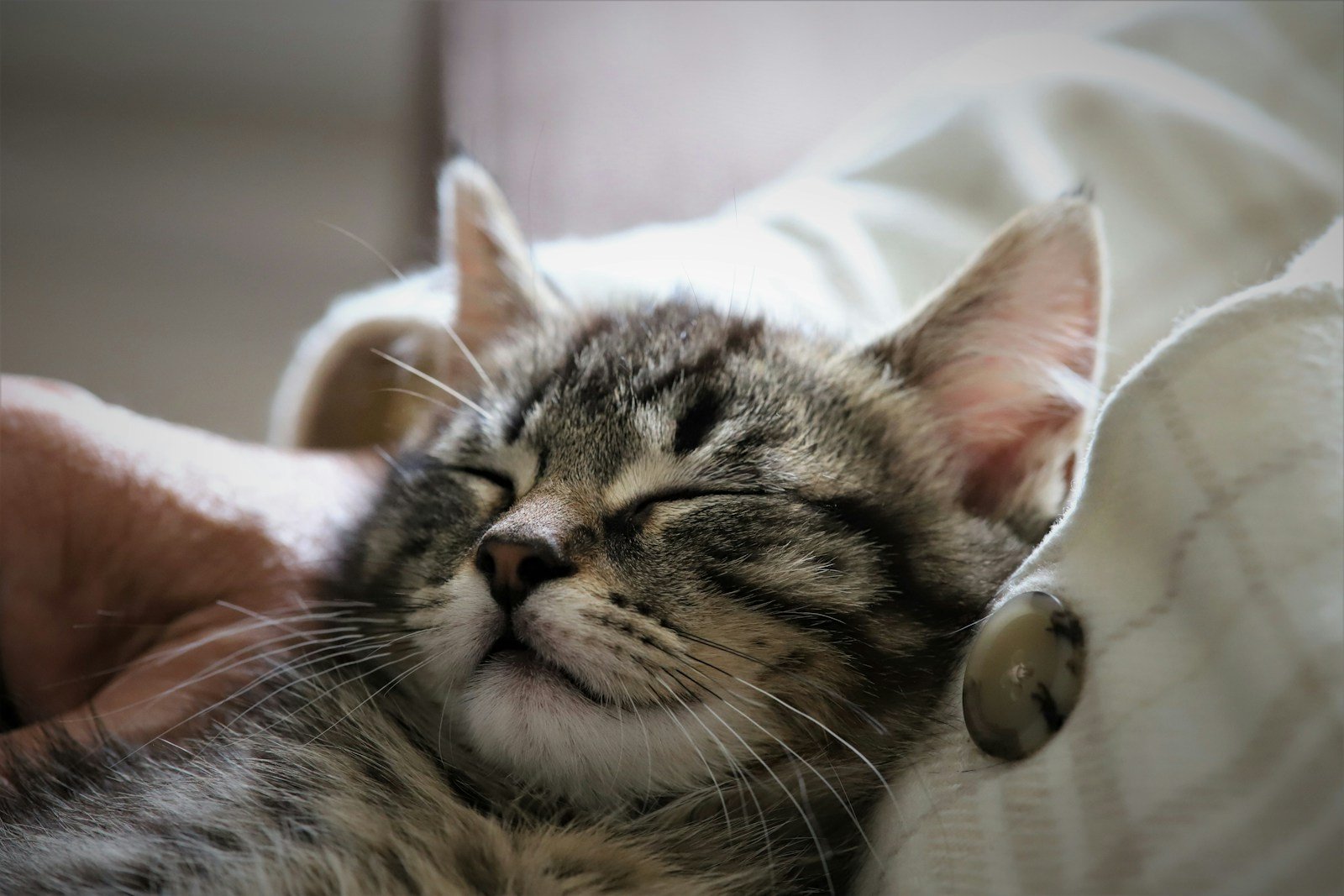
Stress can significantly impact a cat’s appetite. A stressed cat might eat considerably less or more than usual. Watch for sudden weight loss or gain, as these can be indicators of stress-related eating issues. Additionally, vomiting or other digestive issues could be physical manifestations of stress.
Litter Box Problems
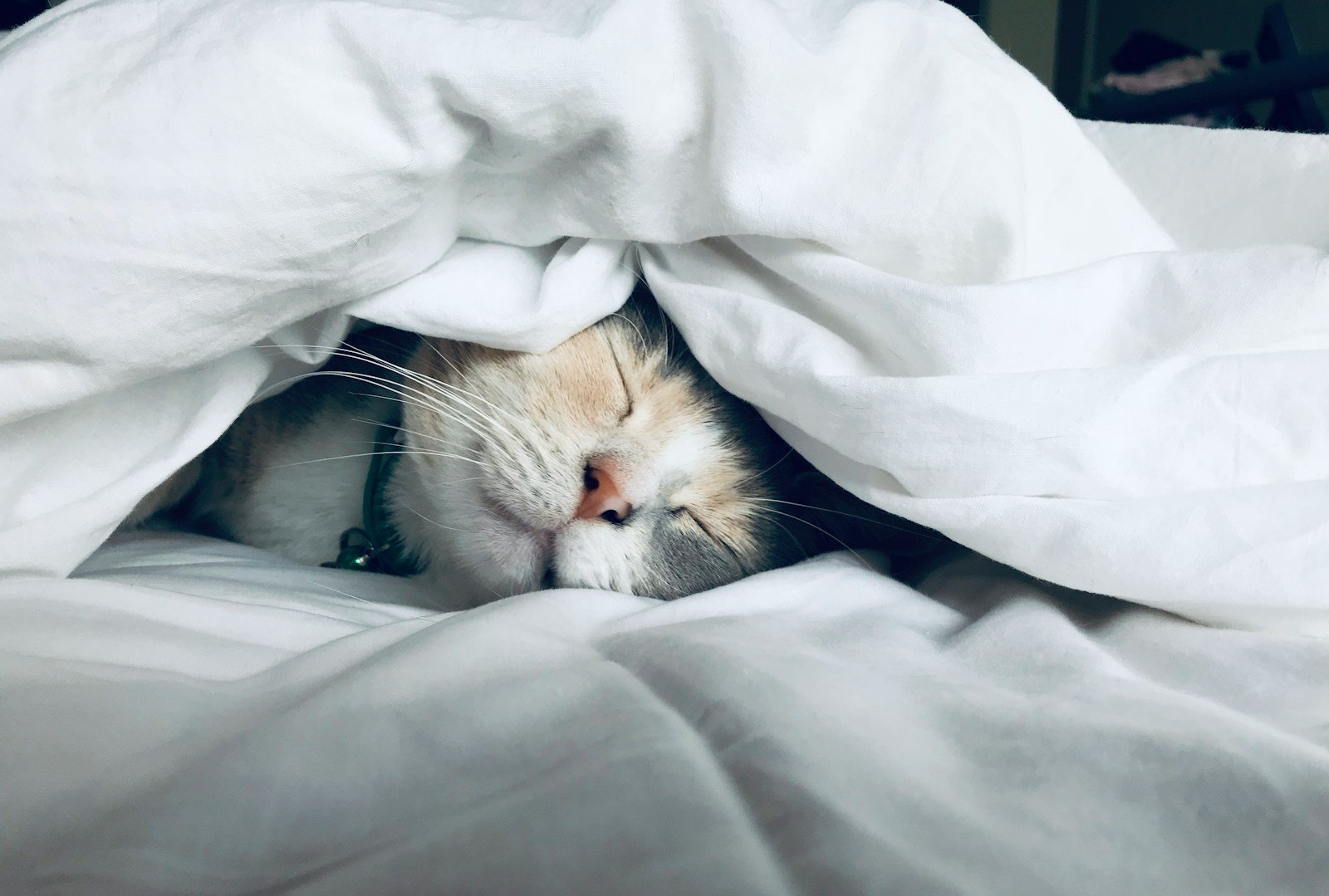
One of the clear signs of stress is when a cat starts to have problems with their litter box. They might begin to urinate or defecate outside the litter box, a behavior that is often mistakenly attributed to disobedience. Stress-related litter box issues can stem from anxiety or as a reaction to changes in the household.
Excessive Scratching
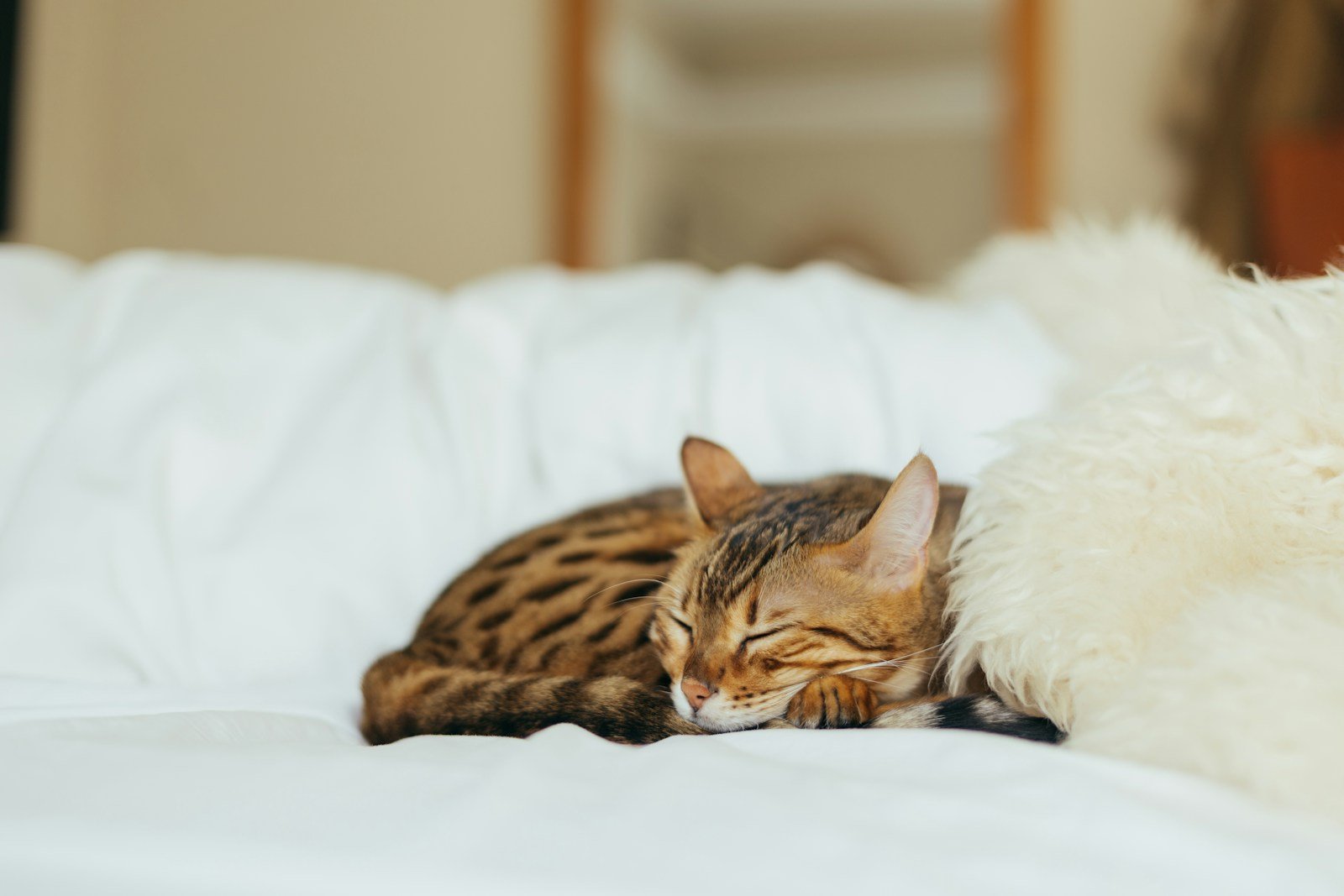
While scratching is a natural behavior for cats, excessive scratching can be a sign of stress. This behavior might be directed towards furniture, walls, or carpets, especially if it seems to be more frequent or intense. This kind of behavior could be an outlet for their anxiety and stress.
Changes in Sleep Patterns
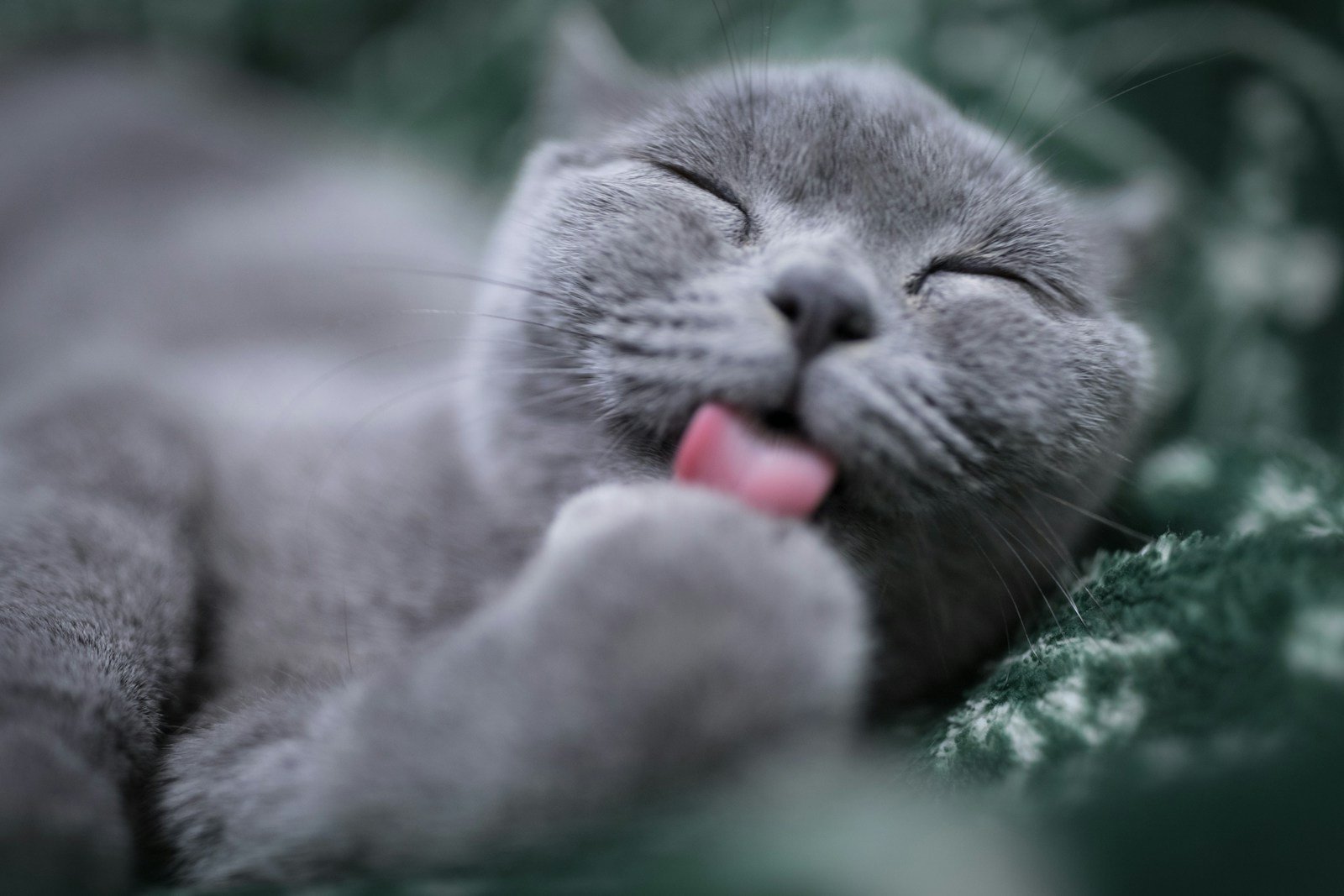
Cats are known for their irregular sleep patterns, but significant changes can be indicative of stress. A stressed cat may sleep more than usual or have difficulty settling down. Cats might also become more restless and active during odd times, disrupting their normal sleep routine.
Unusual Vocalizations
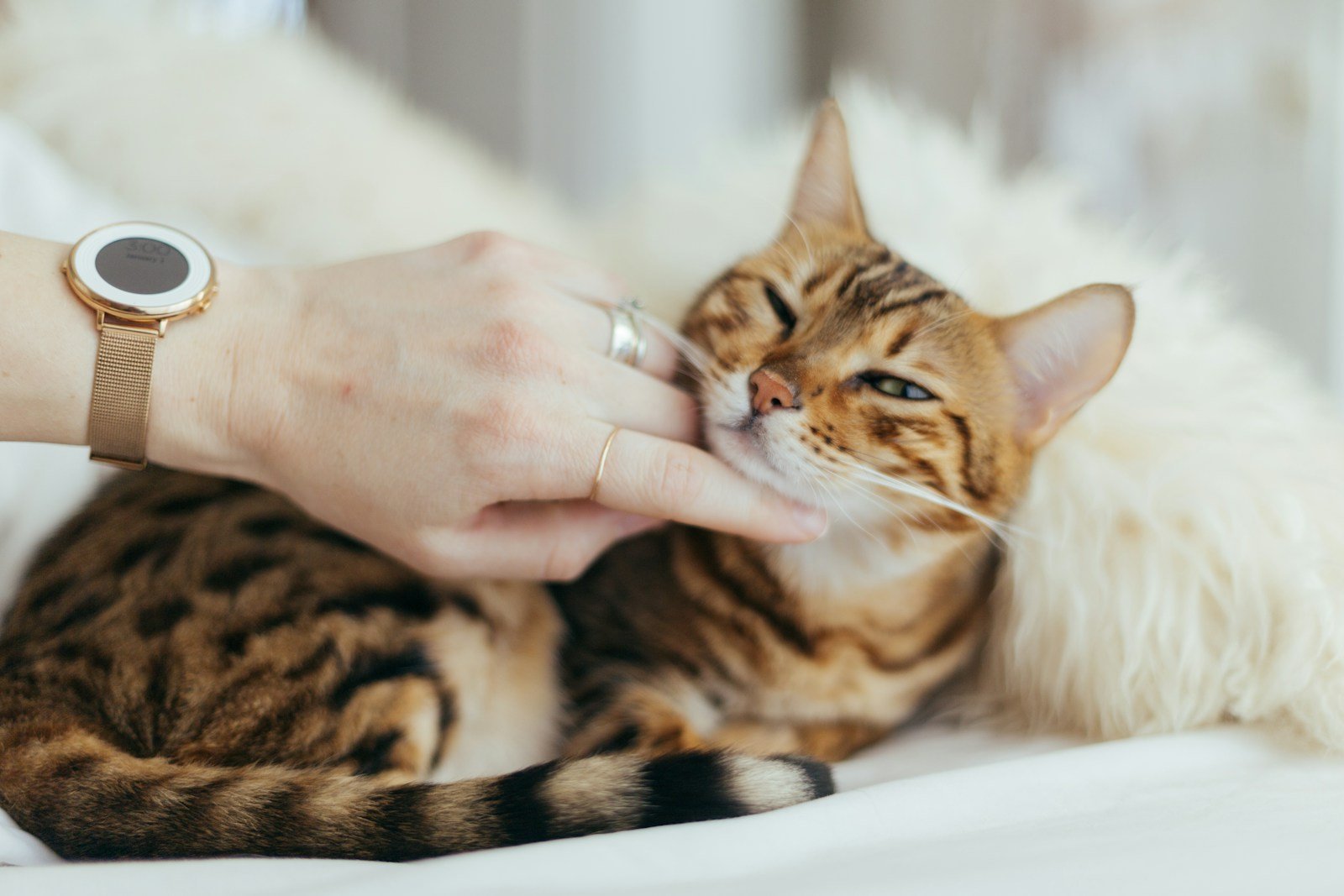
Cats communicate through vocalizations, and changes in the frequency or intensity of vocal sounds can be a stress indicator. This could include increased meowing, yowling, or hissing. Understanding your cat’s usual vocal patterns will help you notice when something is off.
Physical Signs of Stress
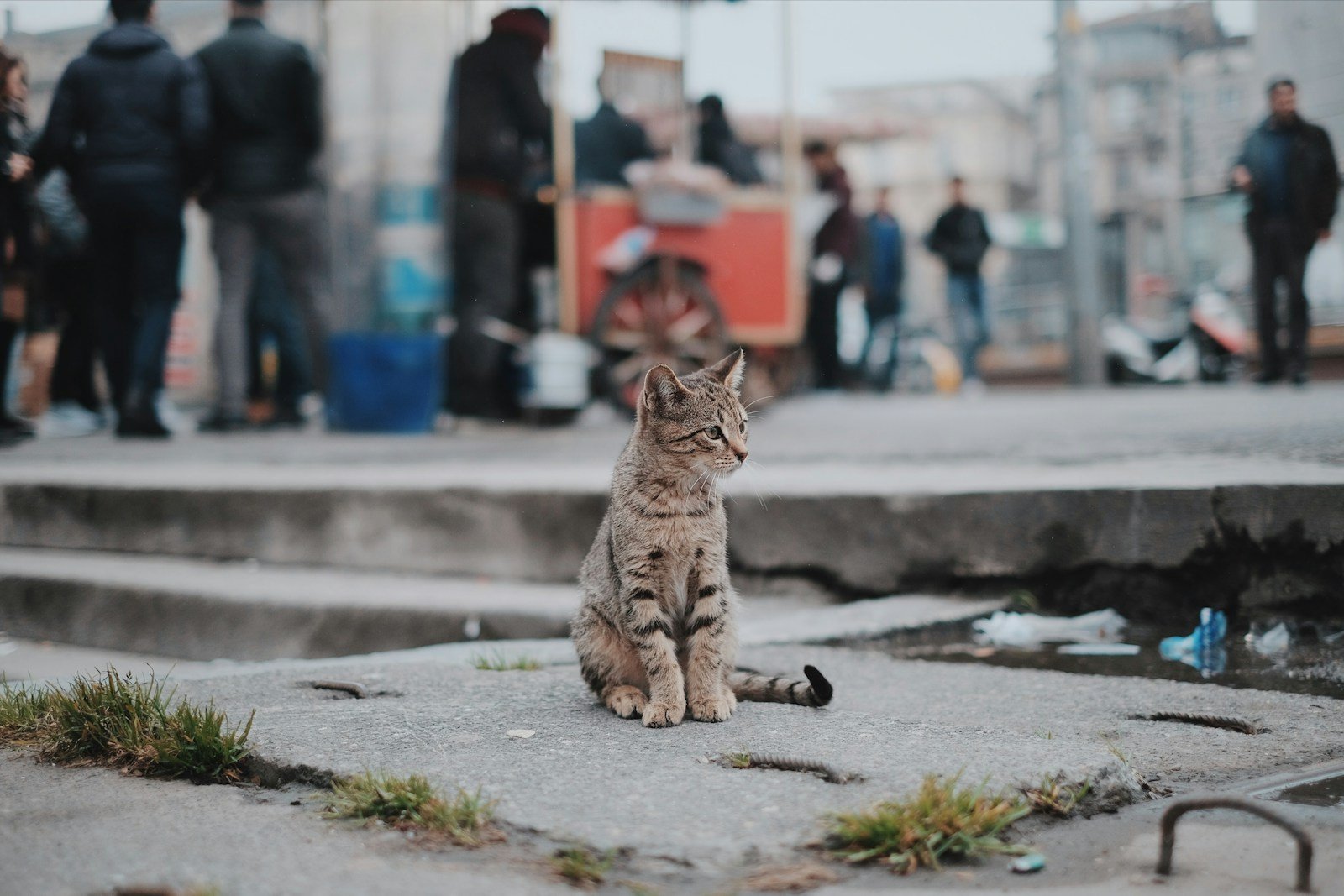
Besides behavioral signs, physical symptoms can also indicate stress in cats. Look for changes in their coat condition, such as excessive shedding or bald patches from over-grooming. Stress can also manifest through bodily tremors or an increased heart rate.
Consulting with a Veterinarian
If you notice any of these signs of stress, it is crucial to consult with a veterinarian. They can help rule out medical conditions that might be causing stress-like symptoms and provide recommendations for alleviating stress. Veterinarians can also offer guidance on behavioral interventions or modifications to the home environment to help reduce stress.
Strategies to Reduce Stress in Cats
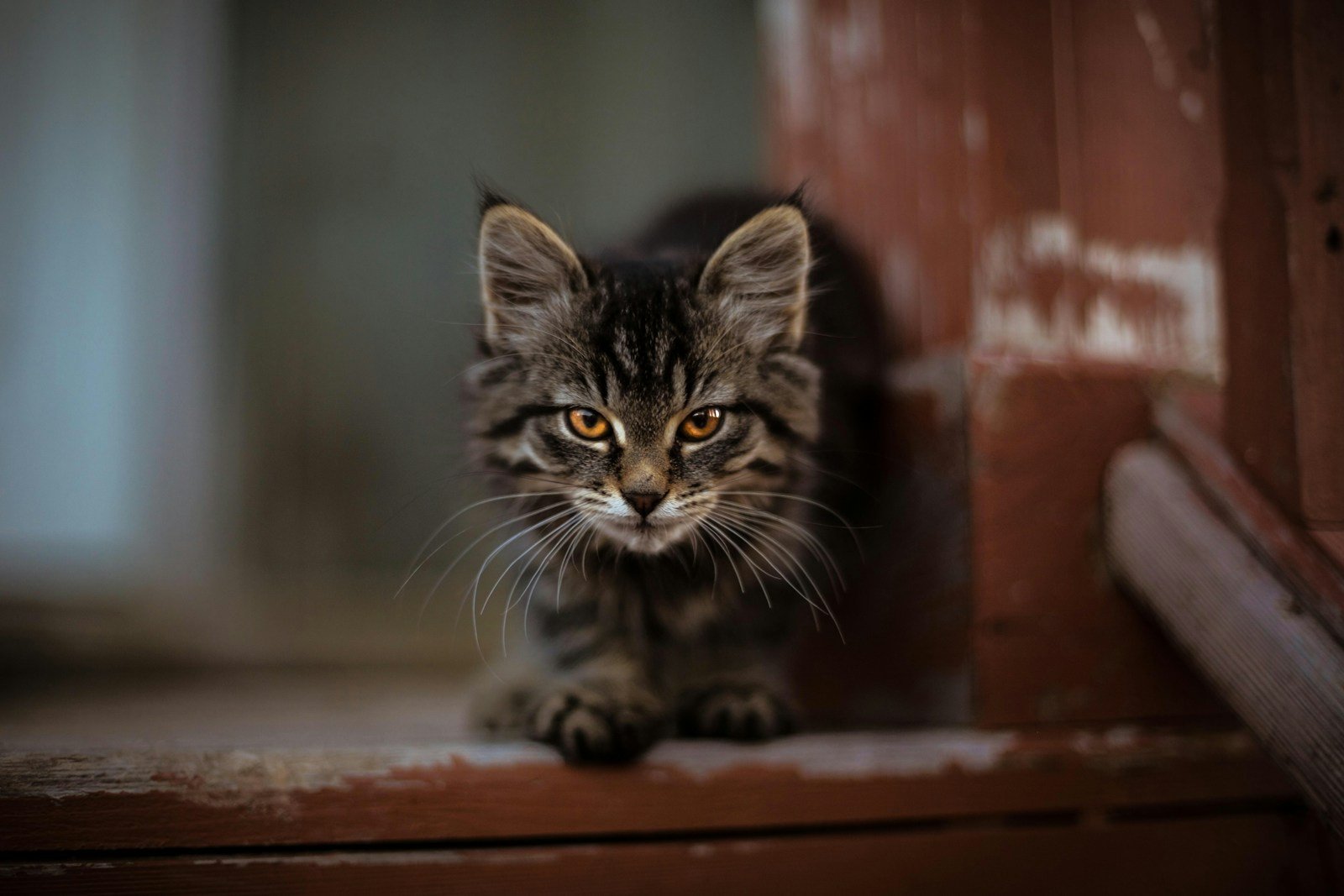
Once you recognize the signs and consult a veterinarian, you can employ strategies to reduce stress in your cat. Ensuring a stable environment, introducing enrichment activities, providing hiding spaces, maintaining a consistent routine, and using pheromone diffusers are all effective ways to help calm a stressed cat.
Conclusion
Recognizing the signs of stress in cats is vital for their overall health and well-being. By understanding the behavioral and physical signs, as well as the underlying causes, you can take proactive steps to minimize stress and promote a more serene and content lifestyle for your furry friend. Acknowledging and addressing stress in cats not only enhances their lives but also strengthens the bond you share with them.

Hi, I’m Bola, a passionate writer and creative strategist with a knack for crafting compelling content that educates, inspires, and connects. Over the years, I’ve honed my skills across various writing fields, including content creation, copywriting, online course development, and video scriptwriting.
When I’m not at my desk, you’ll find me exploring new ideas, reading books, or brainstorming creative ways to solve challenges. I believe that words have the power to transform, and I’m here to help you leverage that power for success.
Thanks for stopping by, Keep coming to this website to checkout new articles form me. You’d always love it!