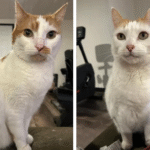
Moving can feel like the end of the world for a cat. Imagine waking up in a place where nothing smells right, and all the cozy spots you loved have vanished. For our feline friends, a new home can be downright terrifying. Their whiskers twitch with worry, their paws tiptoe around every corner, and their wide eyes dart from strange shadows to unfamiliar sounds. But the good news? With a little care, patience, and understanding, you can help your cat feel safe and happy in their brand-new world. Here’s how to be the best feline friend during this big change.
Understand Your Cat’s Stress Signals

Cats are masters at hiding discomfort, but if you look closely, you’ll spot their distress. Common stress signals include hiding under furniture, refusing to eat, excessive grooming, or even hissing and growling. Some cats might become clingy, while others prefer to be invisible. Notice if your cat is meowing more than usual or avoiding their litter box. These behaviors aren’t your cat being naughty; they’re ways of coping with a world turned upside down. The sooner you spot these signs, the sooner you can start helping your furry friend feel at ease.
Prepare a Safe Space Before Arrival

Before you bring your cat into their new home, set up a dedicated safe zone just for them. This could be a quiet room with their favorite bed, a few toys, food, water, and a litter box. Choose a spot away from the hustle and bustle of unpacking or visitors. Familiar smells are comforting, so add a blanket or shirt that smells like you. This safe space acts like a warm hug, giving your cat a cozy retreat where they can watch the world from a safe distance until they’re ready to explore more.
Introduce the New Environment Slowly

Don’t rush your cat into the entire house all at once. Let them discover their new surroundings at their own pace. Keep them in their safe room for the first few days, then open the door and let curiosity lead the way. Some cats might dash out and start exploring, while others will inch out slowly. Let them sniff and investigate each new space—never force them out of their comfort zone. Think of it as unwrapping a present one layer at a time, making each new corner a little less scary.
Keep Familiar Items Close

Your cat’s old toys, scratching posts, and bedding are like security blankets. They hold the comforting scent of “home,” no matter where you are. Place these items around your cat’s new space to help them feel anchored. If your cat has a favorite perch or hiding spot from the old house, try to recreate it. Even a cardboard box with a familiar blanket can work wonders. These little reminders tell your cat, “You’re safe here. This is your space.”
Maintain a Consistent Routine

Cats thrive on predictability. In a new house, routines become lifelines. Feed your cat at the same times as before, keep playtime on schedule, and don’t skip cuddle sessions. Even your own routines—like when you wake up or return from work—offer stability. This consistency reassures your cat that, despite the change in scenery, some things will always stay the same. Over time, routines help your cat settle in and regain confidence.
Control Noise and Activity Levels

A new home often comes with strange noises—moving boxes, new appliances, or even different traffic outside. Loud sounds can overwhelm a cat, especially when they’re already anxious. Try to keep noise to a minimum for the first week or two. Ask family members to speak softly, and set up a quiet zone away from busy areas. If you can, play soft music or white noise to mask scary sounds. The quieter and calmer their environment, the easier it will be for your cat to relax.
Offer Extra Affection and Reassurance

Your cat may crave more attention—or want more space—after a move. Either way, make sure they know you’re there for them. Sit quietly in their room, talk gently, and offer slow blinks (a cat’s version of a “kiss”). If your cat approaches you, give them gentle pets and let them curl up next to you. If they’re hiding, don’t force interaction; just being nearby can be enough. Your calm presence is one of the best comforts you can offer.
Monitor Eating and Drinking Habits

Stress can make cats lose their appetite or drink less water. Watch your cat’s food and water bowls closely in the days after the move. If they’re not eating or drinking for more than 24 hours, it’s time to worry. Try tempting them with their favorite treats or a bit of tuna. Place food and water in quiet, accessible locations. Hydration and nutrition are crucial for coping with stress, so keep an eye out for any changes in their habits.
Encourage Play and Exercise

Play isn’t just fun—it’s therapy for anxious cats. Wand toys, feather teasers, or even a crinkly paper ball can distract your cat from their worries. Schedule daily play sessions to help burn off nervous energy and build positive associations with the new house. If your cat is too scared to play at first, don’t push it. Leave toys within reach and let curiosity do its work. Eventually, playtime will become a sign that your cat is starting to feel at home.
Keep the Litter Box Clean and Accessible

A dirty or hard-to-find litter box can be a big source of stress for cats. Set up the litter box in a quiet, easy-to-access spot—ideally in their safe room at first. Scoop daily and avoid changing the type of litter during this transition. If your cat has accidents, don’t scold them; it’s likely anxiety, not mischief. Gently guide them back to the box and keep the area as inviting as possible. A reliable litter routine tells your cat that some things in life are still under their control.
Limit Visitors and New Experiences

As tempting as it is to show off your new home, keep visitors to a minimum at first. Too many strange faces or voices can overwhelm your cat. Wait until your cat is comfortable before inviting friends or family over. If you must have visitors, let them know to ignore the cat and give them space. Gradually introduce new people and experiences once your cat is confident in their surroundings. The slower you go, the more successful the adjustment.
Watch for Signs of Illness

Moving can trigger stress-related illnesses in cats, such as urinary tract issues or digestive upset. Keep an eye out for symptoms like vomiting, diarrhea, peeing outside the litter box, or lethargy. If anything seems off, don’t hesitate to contact your vet. Sometimes, what looks like bad behavior is actually your cat’s way of saying, “I don’t feel well.” Quick action can prevent small issues from becoming big problems during this vulnerable time.
Use Calming Aids if Needed

If your cat is struggling despite your best efforts, consider using calming aids. Products like pheromone diffusers (which mimic a cat’s natural comfort signals), calming sprays, or anxiety wraps can help soothe nerves. Some cat parents swear by herbal supplements or treats designed for stress. Always consult your vet before trying anything new, especially if your cat has health concerns. These aids aren’t magic, but they can gently tip the scales toward calm.
Gradually Introduce Other Pets

If you have other cats or pets, introduce them slowly and carefully. Keep them separated for the first few days and allow them to sniff each other under a door. Swap bedding so they can get used to each other’s scents. Short, supervised meetings are best at first—never force interactions. Watch for signs of aggression or fear, and be patient. With time and careful introductions, most pets learn to accept (or at least tolerate) their new housemate.
Reinforce Positive Behavior

When your cat does something brave—like exploring a new room or using the litter box in the right place—celebrate it! Offer a treat, a kind word, or an extra-long petting session. Positive reinforcement helps build your cat’s confidence and encourages more good behavior. Avoid punishment or scolding, which can backfire and make your cat more anxious. Think of yourself as your cat’s cheerleader, rooting for every little victory.
Stay Patient and Consistent

Adjusting to a new home can take weeks, or even months, for some cats. It’s easy to get frustrated when progress seems slow. But patience is the secret ingredient. Stick to your routines, offer comfort, and let your cat set the pace. Remember that every cat is different—some adjust in a flash, while others need more time. Your steady, loving presence is what matters most.
Give Your Cat High Places to Perch

Cats feel safest when they can watch the world from above. If possible, provide a cat tree, shelves, or even a cleared bookshelf where your cat can perch. These high spots let your cat observe their new kingdom from a safe distance. In time, these perches will become favorite hangouts and help your cat feel more secure in their territory. Sometimes, just a little elevation can lift their spirits, too.
Provide Hiding Spots and Cozy Nooks

Besides high places, cats love to hide. Cardboard boxes, covered beds, or even a space under the bed can offer comfort when the world gets overwhelming. Place a few cozy nooks around the house so your cat always has a safe place to retreat. Don’t drag them out of hiding; let them come out when they’re ready. Giving your cat control over their hiding spots helps them regain a sense of security and ownership over their space.
Talk to Your Cat Often

It might sound silly, but talking to your cat helps. Your voice is familiar and comforting, even if your cat doesn’t understand every word. Narrate what you’re doing, offer gentle encouragement, or just sit and chat. Some people find that reading aloud or singing softly calms their cats. Your voice is a constant in a sea of changes, and it helps build a bond that can weather any storm.
Keep Windows and Outdoor Views Safe

Cats love to watch the world go by, but new windows can be both exciting and scary. Make sure windows are secure and screens are sturdy—curious cats have been known to push through! Set up a perch near a window for safe bird-watching. Close blinds at night if outside noises or shadows seem to spook your cat. Over time, these views can become favorite spots for relaxation and entertainment.
Celebrate Small Wins Together

Every step forward deserves a little celebration. Did your cat finally come out from under the bed? Use the litter box without fear? Spend a few minutes exploring a new room? Each milestone means your cat is settling in and building confidence. Celebrate with extra treats, a new toy, or a quiet cuddle session. These moments remind both you and your cat that you’re in this together, and that things will get better, one pawstep at a time.

Hi, I’m Bola, a passionate writer and creative strategist with a knack for crafting compelling content that educates, inspires, and connects. Over the years, I’ve honed my skills across various writing fields, including content creation, copywriting, online course development, and video scriptwriting.
When I’m not at my desk, you’ll find me exploring new ideas, reading books, or brainstorming creative ways to solve challenges. I believe that words have the power to transform, and I’m here to help you leverage that power for success.
Thanks for stopping by, Keep coming to this website to checkout new articles form me. You’d always love it!