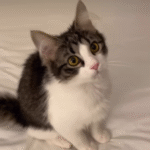
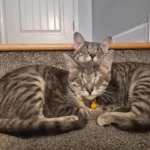
You walk through your front door after a long day, and there they are. Your feline friend waiting with a certain look, a specific movement, or maybe no reaction whatsoever. Whatever you witness, it’s not random. Those first few seconds when your cat sees you again can reveal volumes about what they truly think of you.
Let’s be real, cats have a reputation for being mysterious. They seem indifferent at times, yet somehow manage to convince us we exist solely to serve them. The truth is, your cat is communicating constantly through greeting behavior, and if you understand their language, you’ll know exactly where you stand in their world. So let’s dive in.
The Tail Held High Like a Victory Flag
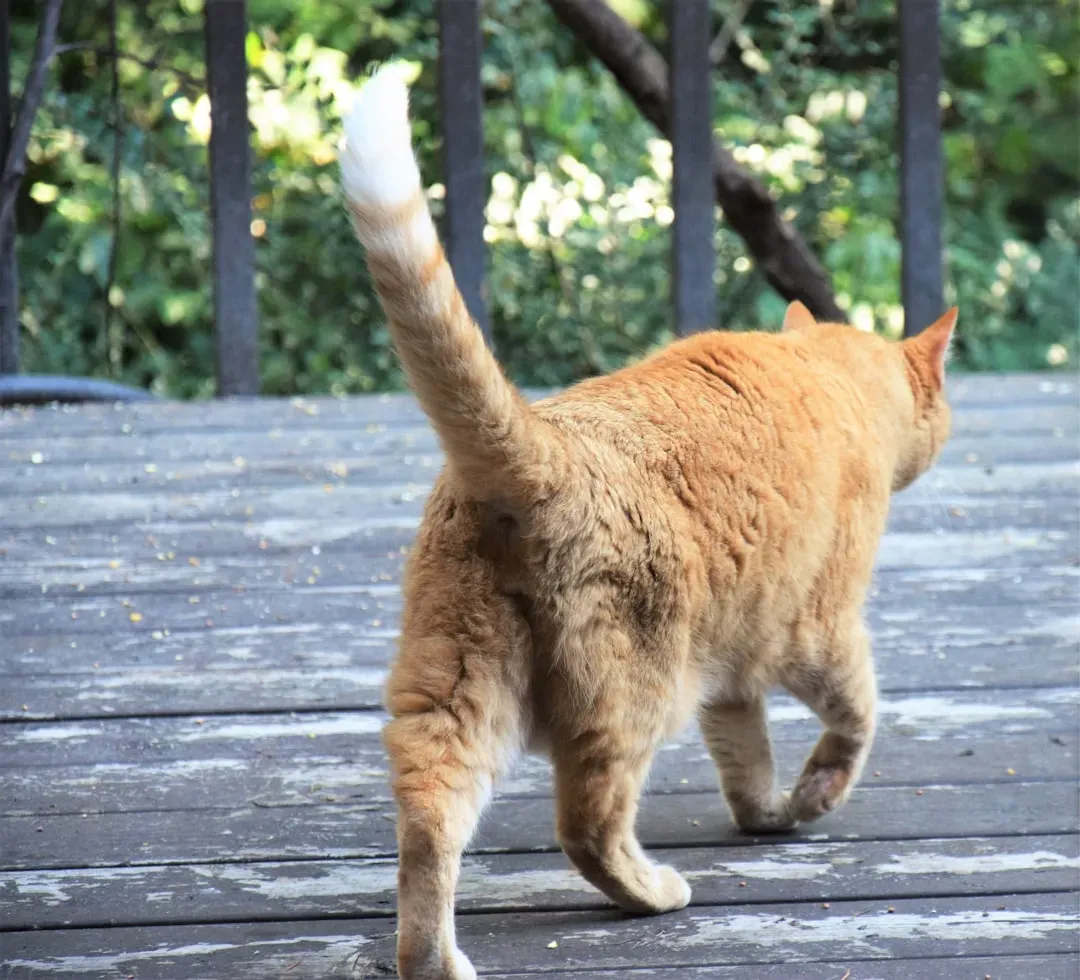
When your cat approaches you with their tail pointing straight up, they’re feeling social, confident, and open to interaction. Think of it like a warm handshake between old friends. Cats often hold their tails straight up with a quivering motion when greeting their owners, which indicates extreme happiness.
If your cat greets you at the door with their tail held high and the tip slightly bent, it’s a sign they’re pleased to see you and they think of you as a loving, protective presence they’re happy to have around. This isn’t something they’d do for just anyone. Your cat considers you family, someone worth celebrating when you return home.
The Slow Blink That Melts Your Heart
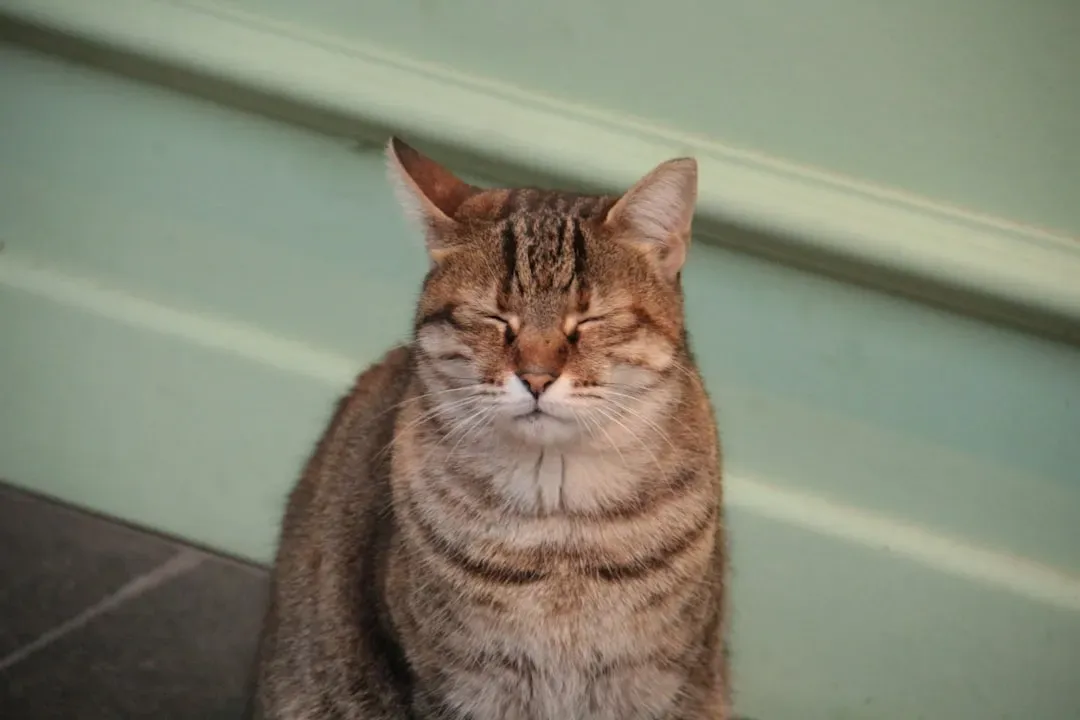
Have you ever caught your cat staring at you, then softly closing their eyes in a slow, deliberate way? Your cat’s slow blink is a sign that they trust you and feel comfortable around you, and it’s as close to an “I love you” from them as you’ll ever get. Honestly, it’s one of the sweetest things a cat can do.
When a cat slow blinks at you, they are expressing trust, contentment, and affection, and in the feline world, closing their eyes makes them vulnerable as they are unable to detect potential threats. Research shows that cats are more prone to slow blinking when their parents do it to them, and cats appeared to prefer approaching experimenters that slowly blinked at them rather than those with neutral expressions. Try slow blinking back next time. You might be surprised at the connection it creates.
The Head Bonk That Nearly Knocks You Over
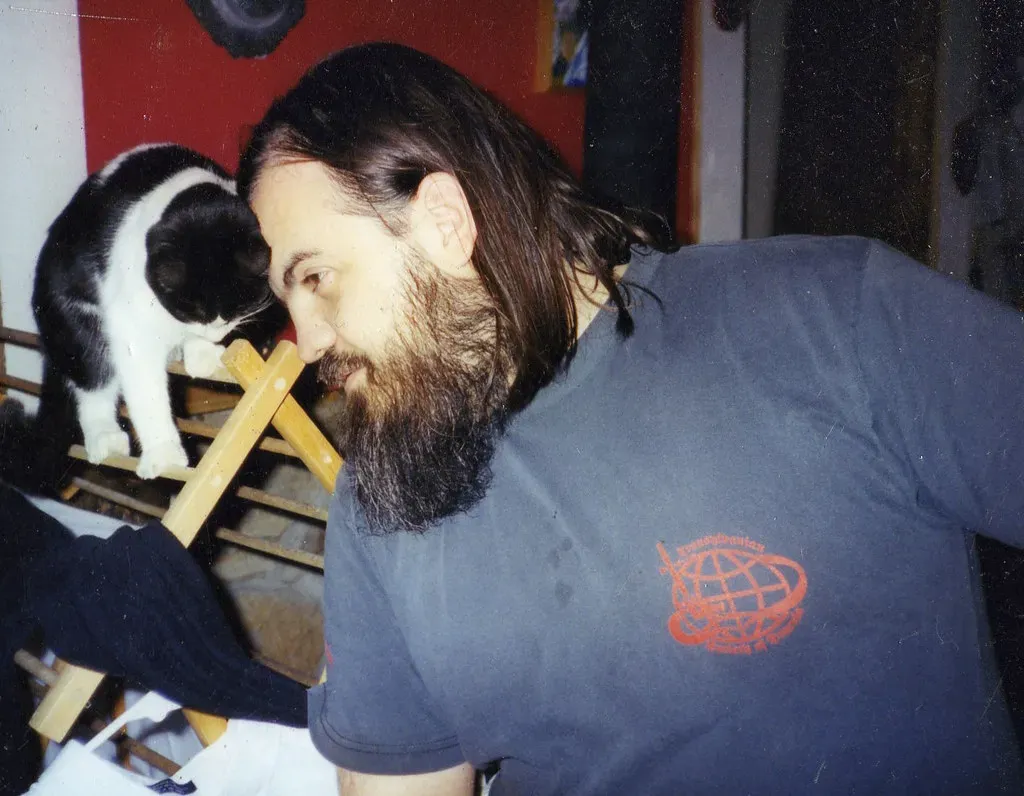
Sometimes gentle, sometimes surprisingly forceful, the head bonk is unmistakable. Cats head-bump humans or other cats with the front part of the head in a behavior referred to as “bunting,” which has an olfactory component as there are scent glands in this area and is possibly for seeking attention. Cat headbutting, also called bunting, is usually a friendly behavior where cats mark you with their scent to show bonding, comfort, and familiarity.
Here’s the thing: not every cat bunts. When your cat engages in head bunting, they are placing their scent there as a social and affectionate gesture, and for them to place their face so close to yours is quite an act of trust. The head bunt is first and foremost a social, friendly behavior, an affiliative act designed to encourage closeness in a group of cats or between cats and people. Your cat is basically saying you belong to their inner circle.
The Chirping or Trilling Sound of Joy
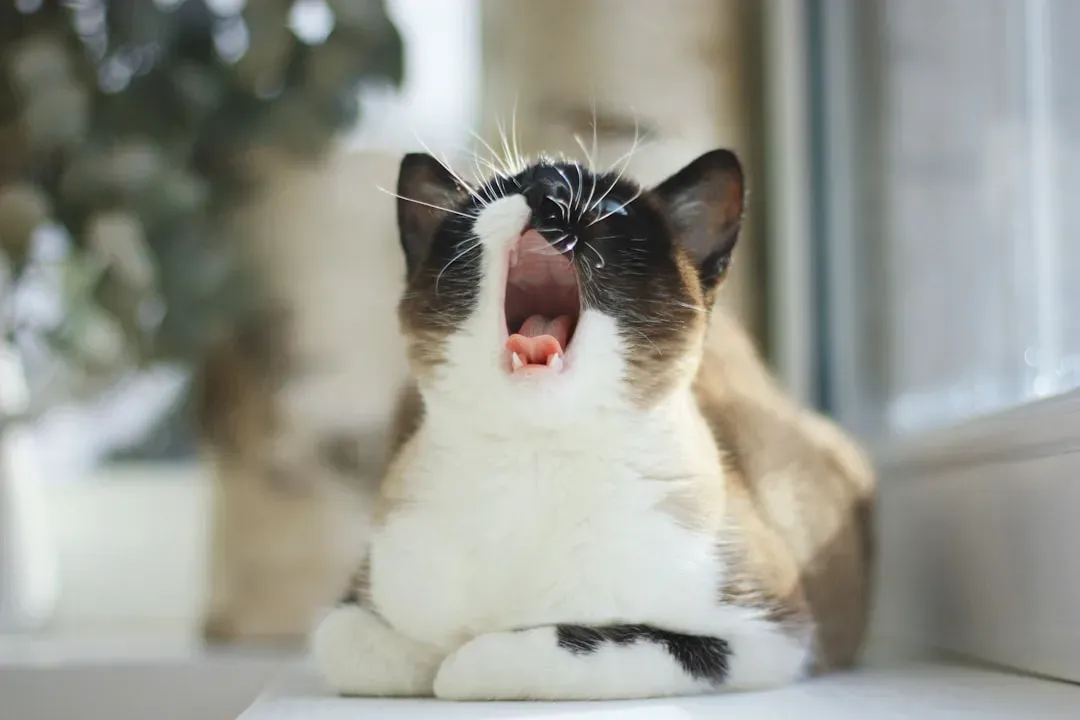
Not all greetings are physical. Trilling sounds a bit like purring but has a much higher pitch almost like a bell, and when a cat trills, it’s probably feeling friendly and familial, often trilling to their owners to greet them. Chirping is used in a friendly manner by cats when they are greeted by another cat or a human, and people can mimic the sound to reassure and greet pet cats.
This vocalization is special because most cats reserve it for beings they truly care about. If your cat makes these little melodic sounds when you walk in, consider yourself important. They’re using their most affectionate vocal repertoire just for you.
The Belly Flash That Isn’t an Invitation
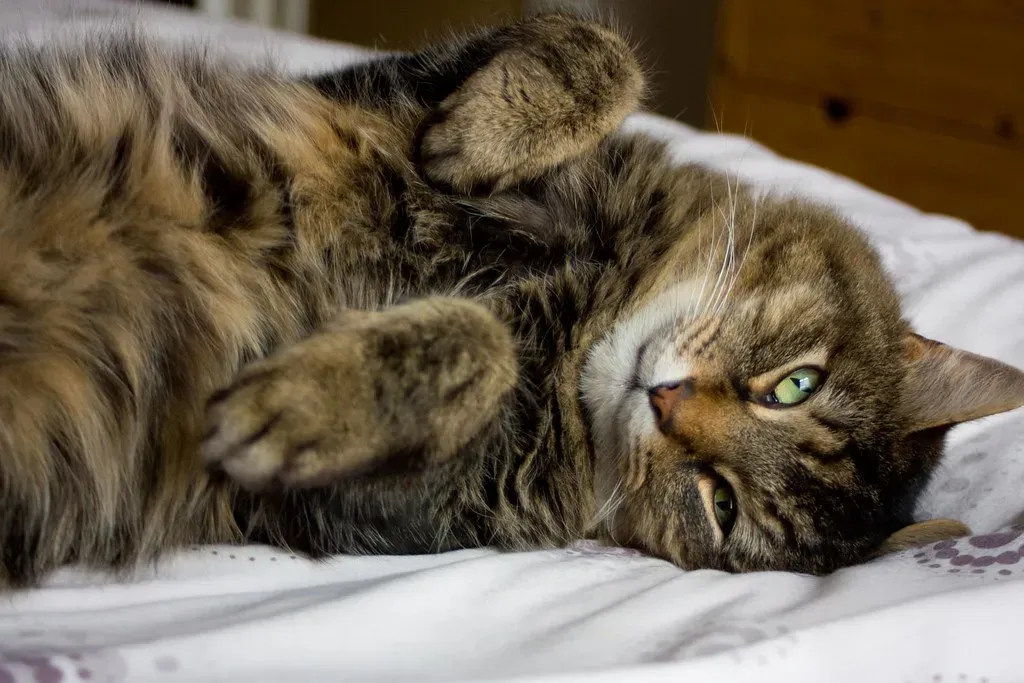
Some cats lie around and roll over to expose their belly when greeting, showing that they feel safe and are willing to leave themselves vulnerable. Cats are often protective of their vulnerable bellies, so it’s a major sign of trust and affection when a cat is so happy to see you that they roll around and invite you to see their tummy.
Wait, though. This doesn’t mean they want you to come over and rub their belly. I know it sounds crazy, but this is a display of trust, not necessarily a request for pets. Talk softly to your cat and observe their reaction before diving in for belly rubs, or you might end up with some friendly scratches.
Rubbing Against Your Legs Like You’re Home Base
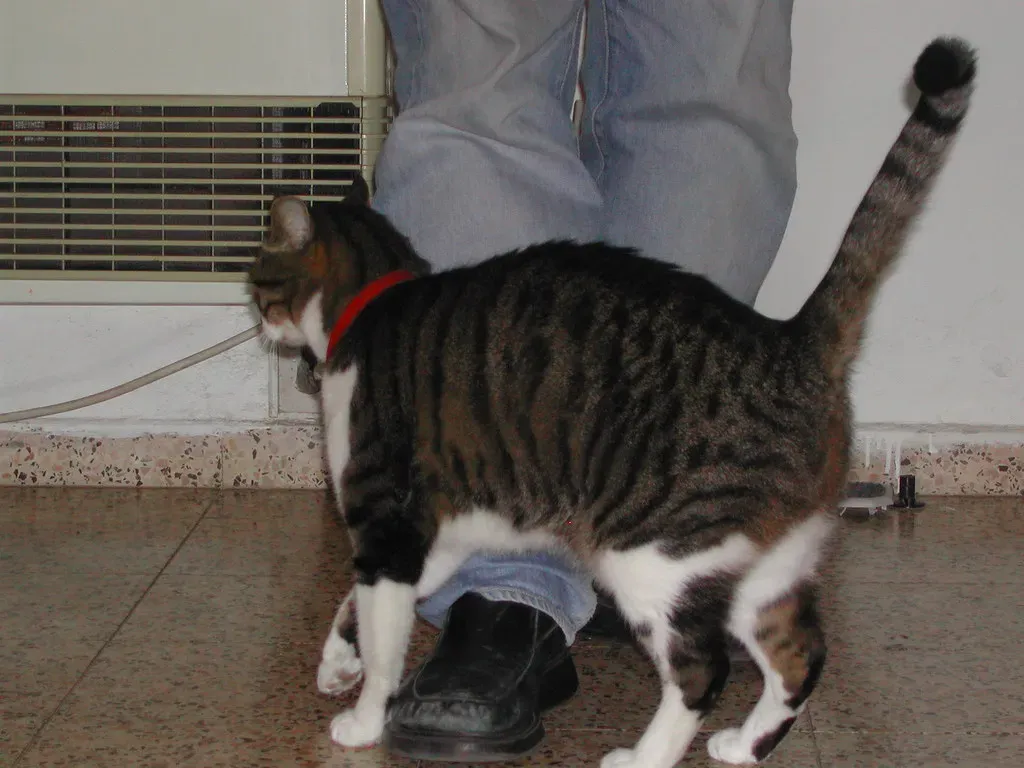
Cats often greet loved ones by rubbing against them, starting with a few head butts and then moving on to rubbing the lengths of their bodies against their favorite people. They have scent glands around their whiskers, ears, and chins, and when your cat rubs against you, they leave behind a scent marking and essentially claim you as “theirs”.
This behavior is actually quite territorial in the best possible way. Your cat is marking you as part of their safe zone, their family, their world. You’re not just furniture to them. You’re someone they want to merge scents with, creating a shared identity.
The Kneading Motion on Your Lap
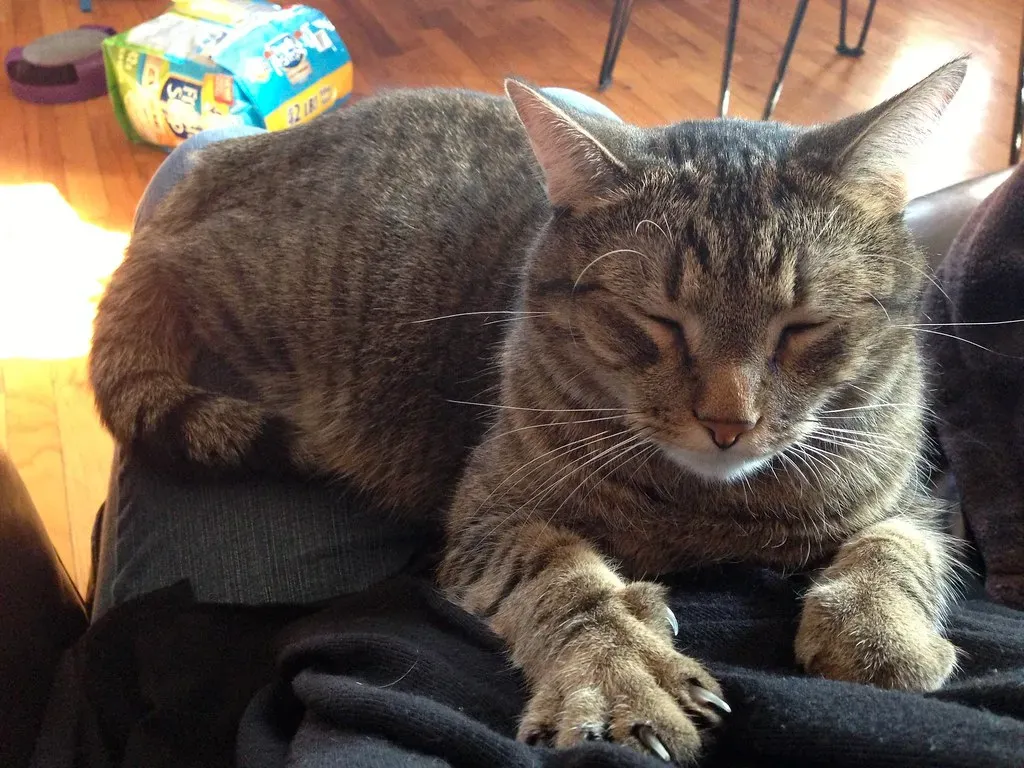
Kittens knead their mother’s mammary glands to stimulate milk flow, and they may grow to associate kneading with deep comfort, with the action providing adult cats the same feeling of contentment. Kneading is often a display of love, and if your cat climbs onto your lap and starts making biscuits while purring, they are showing they feel completely relaxed and happy in your presence.
Kneading is often a precursor to sleeping, and many cats purr while kneading, usually taken to indicate contentment and affection. Sure, those claws can hurt a bit, especially when they really get into it. Still, your cat is essentially reverting to kittenhood around you, which speaks volumes about how safe and loved they feel.
Purring That Vibrates Through Their Whole Body
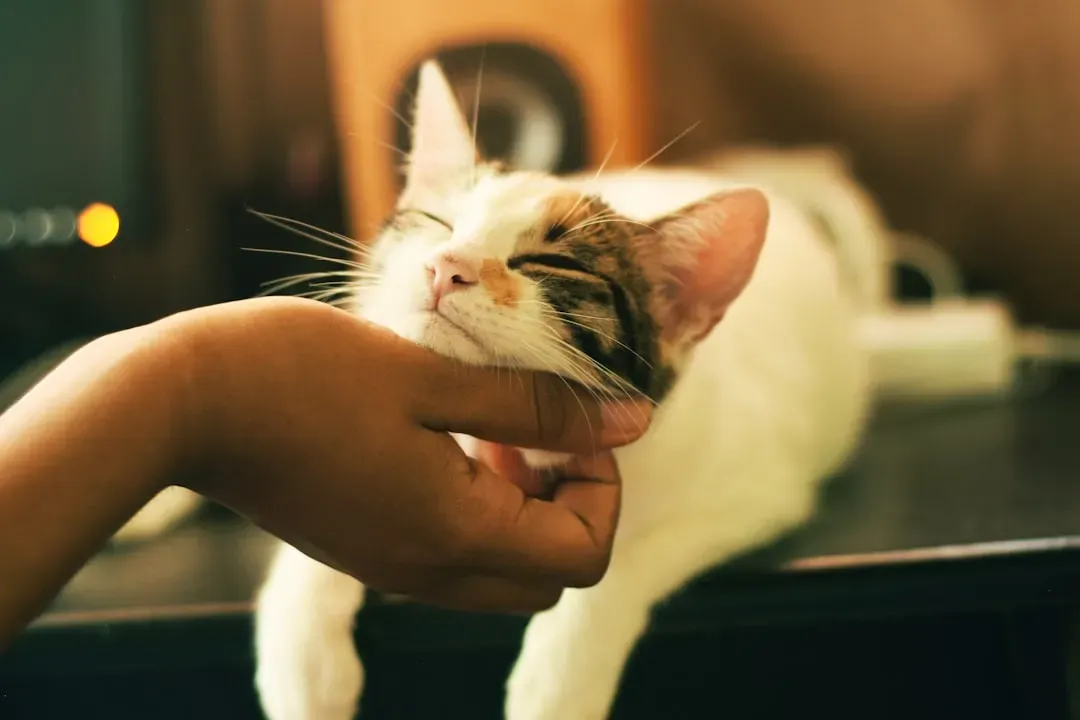
Cat purring has mostly been associated with contentment, excitement, or other positive emotional states, and when a cat is purring with content, they have a relaxed facial expression and body language. Cats may utter a short purr when greeting people or other cats, and typically this is a friendly interaction with the other party.
That said, purring isn’t always happiness. Cats sometimes purr when they’re not feeling terribly well, as some purr to control pain. Context matters. If your cat greets you with relaxed purring, soft eyes, and a gentle demeanor, they’re genuinely pleased. Pay attention to the whole picture, not just the sound.
Wrapping Their Tail Around You Like a Hug
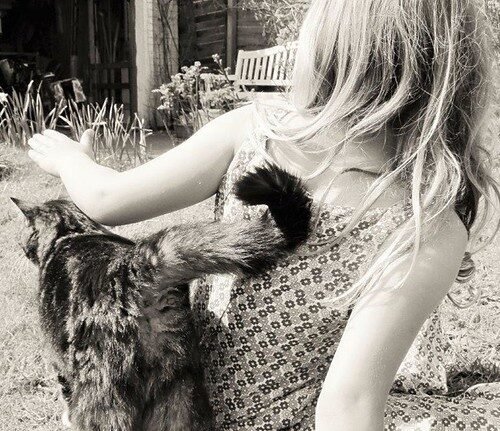
Cats may greet by curling their tails around people and by intertwining their tails with other cats, and tail wrapping is an affiliative behavior that demonstrates a willingness to interact. Cats who are feeling friendly and wish to interact may greet people by curling their tails around them, and sometimes cats will twine their tail around a person’s legs in a bid for attention or food.
This is one of those gestures that feels incredibly sweet. Your cat is literally embracing you in their own way, using their tail to create a physical connection. It’s their version of holding hands, showing you matter to them.
The Question Mark Tail Position of Playfulness
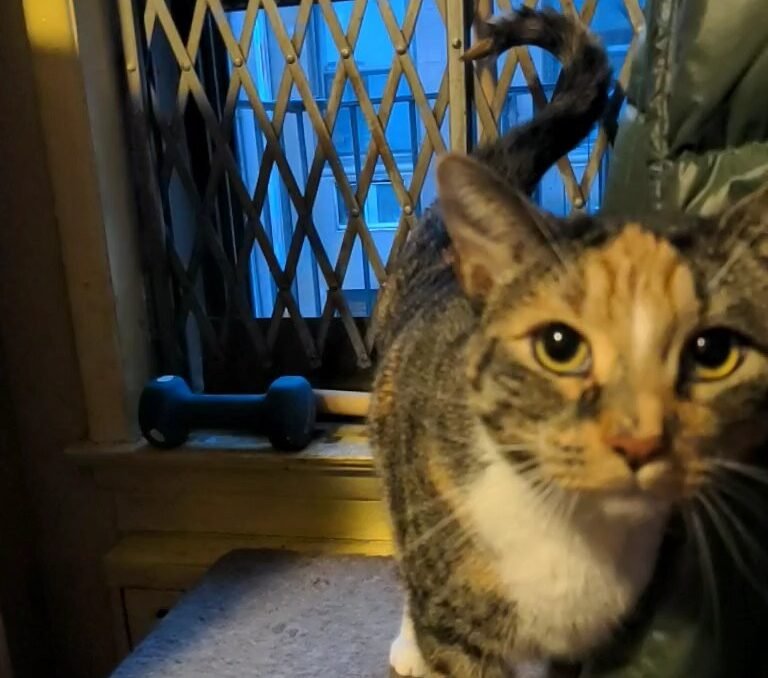
Sometimes your cat’s tail looks like a question mark, standing upright but curling at the end, which indicates that your cat is happy and approaching amicably, and when your cat’s tail is in this position, it’s an invitation to interact. If your cat bends their tail into the shape of a hook or question mark, this is a very positive sign, a pro-social behavior like walking up with a huge smile and arms open wide, and it’s your cat’s way of giving you a friendly greeting.
This playful position suggests your cat is not just happy to see you but actively wants to engage with you. Whether it’s playtime, cuddles, or just hanging out together, they’re ready for quality time.
The Silent Stare That Speaks Volumes
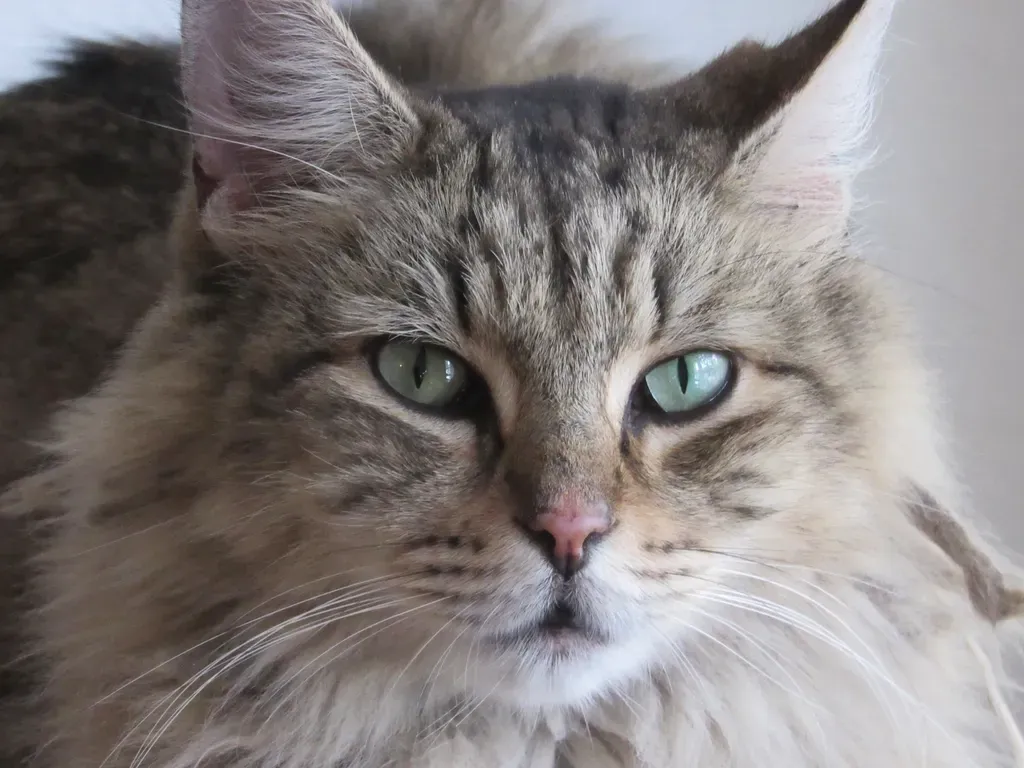
Not every greeting is enthusiastic or obvious. When cats encounter strange humans or other cats they don’t know, they usually greet them with an unblinking stare. However, the context changes everything. If your cat simply watches you quietly without approaching, they might be assessing the situation or waiting to see what you’ll do.
When a stranger comes into your home it’s very likely your cat keeps their distance, and cats are very independent animals, so when they do make the effort to greet someone, it is because they trust that person and consider them part of their world. If your cat doesn’t rush to greet you every single time, it doesn’t mean they don’t care. Cats have moods, and sometimes they prefer to acknowledge you from a distance. What matters is that they acknowledge you at all.
Conclusion
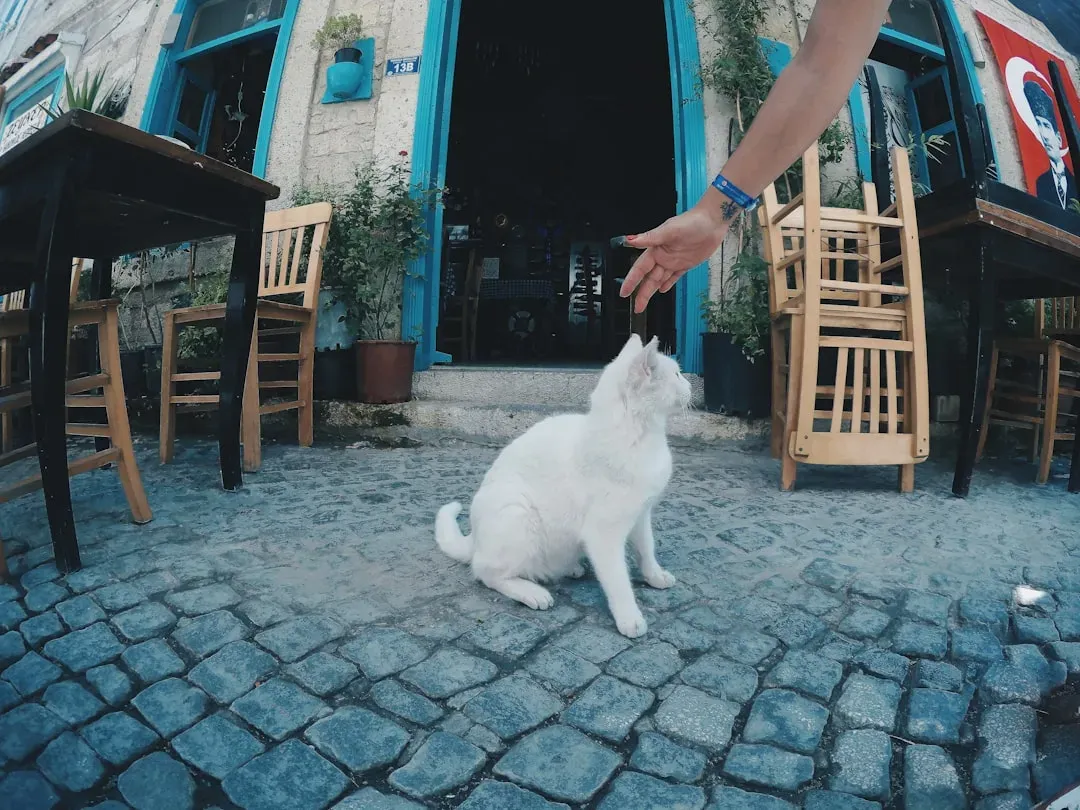
Your cat’s greeting behavior is far from meaningless. From the triumphant tail held high to the tender slow blink, each gesture tells you something about your relationship. These aren’t just random movements or sounds. They’re deliberate communications rooted in trust, affection, and social bonding.
The next time your cat greets you, take a moment to really observe. Are they showing you their belly? Rubbing against your legs? Giving you a gentle head bonk? Each of these signals reveals that you’re not just tolerated, you’re genuinely valued. Your cat has chosen you as part of their family, their safe space, their world. What do you think your cat is really saying when they greet you? Pay attention, and you might be surprised by how much love is hidden in those small moments.