You’ve probably heard all the glowing praise about Maine Coons. The gentle giants. The perfect family cats. Those majestic, fluffy creatures that supposedly combine the loyalty of a dog with the independence of a cat. They sound absolutely perfect, don’t they?
Here’s the thing, though. While Maine Coons are undeniably beautiful and have wonderful personalities, they might not be the ideal choice for everyone. Behind that gorgeous coat and sweet temperament lies a reality that many prospective owners don’t fully grasp until they’re knee-deep in cat hair and vet bills. These cats typically live around 13 years, which is actually shorter than many other breeds. They’re also prone to inheriting certain diseases and shed significantly more than other cat breeds.
Let’s be real here. If you’re working full time, living in a smaller space, or simply want a feline companion without quite so much maintenance, there are other breeds that might suit your lifestyle better. The good news? There are some absolutely fantastic alternatives that offer just as much love and companionship, often with fewer headaches attached. Let’s dive into five cat breeds that deserve your attention if you’re reconsidering that Maine Coon.
The British Shorthair: Your Low Drama Companion
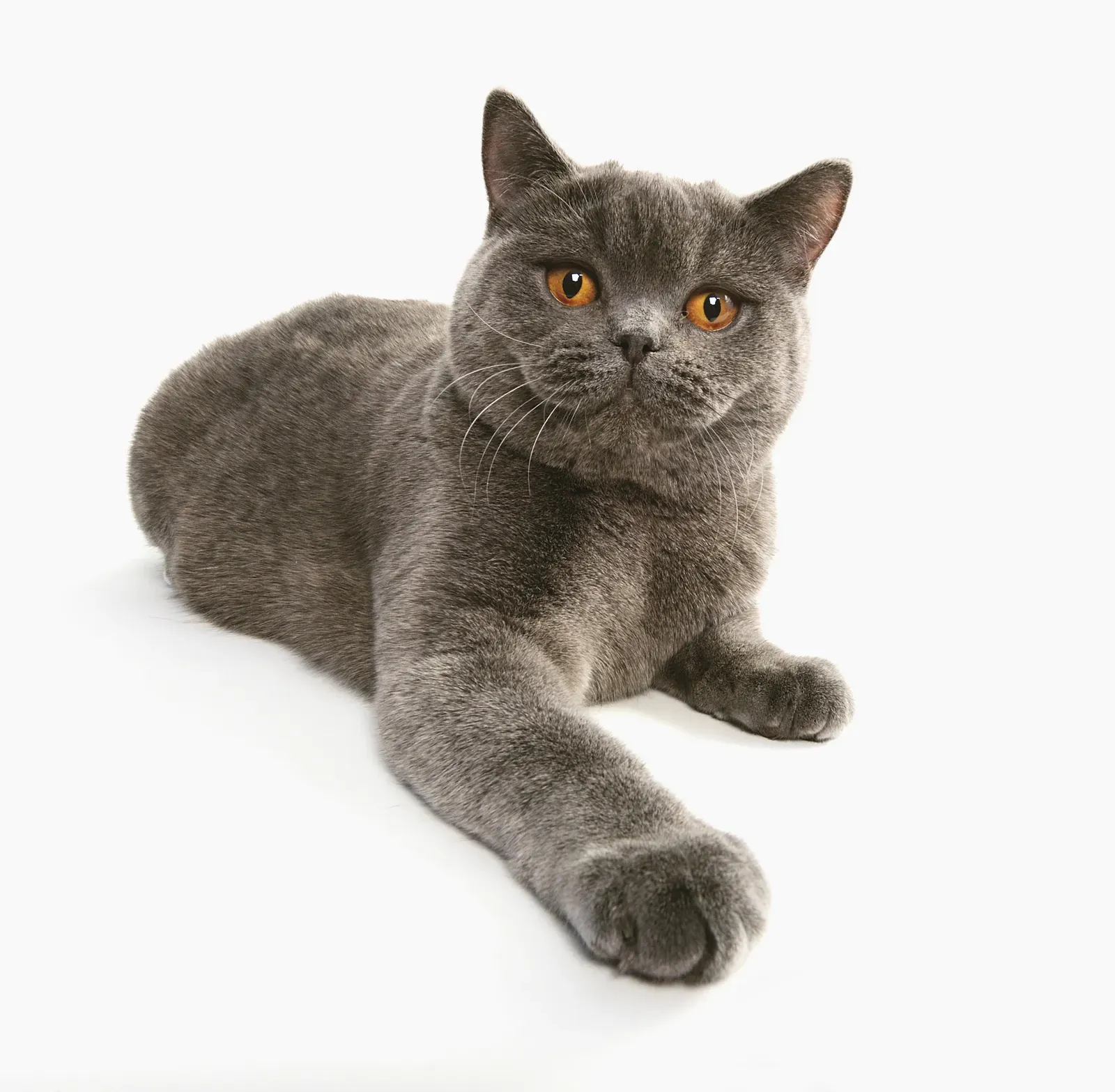
The British Shorthair is dignified, affectionate, and easygoing, ideal for quieter homes as they’re gentle cats that enjoy companionship without being overly clingy. Think of them as the introverts of the cat world. They’ll happily share your space without demanding constant attention or following you from room to room like a furry shadow.
What really sets them apart is their incredibly manageable coat. Their short, dense coat is easy to maintain, with a weekly combing usually sufficient to remove dander and debris. Compare that to the Maine Coon’s two to three brushings per week, and you’re already saving time. British Shorthairs are generally healthy and robust cats with fewer genetic health issues than many other breeds, though you’ll want to monitor their weight since they can pack on pounds if overfed.
These cats have personalities that adapt beautifully to various living situations. They’re perfect for families seeking a calm, low-maintenance pet that fits apartment living. Plus, they’re patient with children but also appreciate their alone time, making them ideal for households that value a balanced relationship with their pets.
The Ragdoll: For True Cuddle Enthusiasts
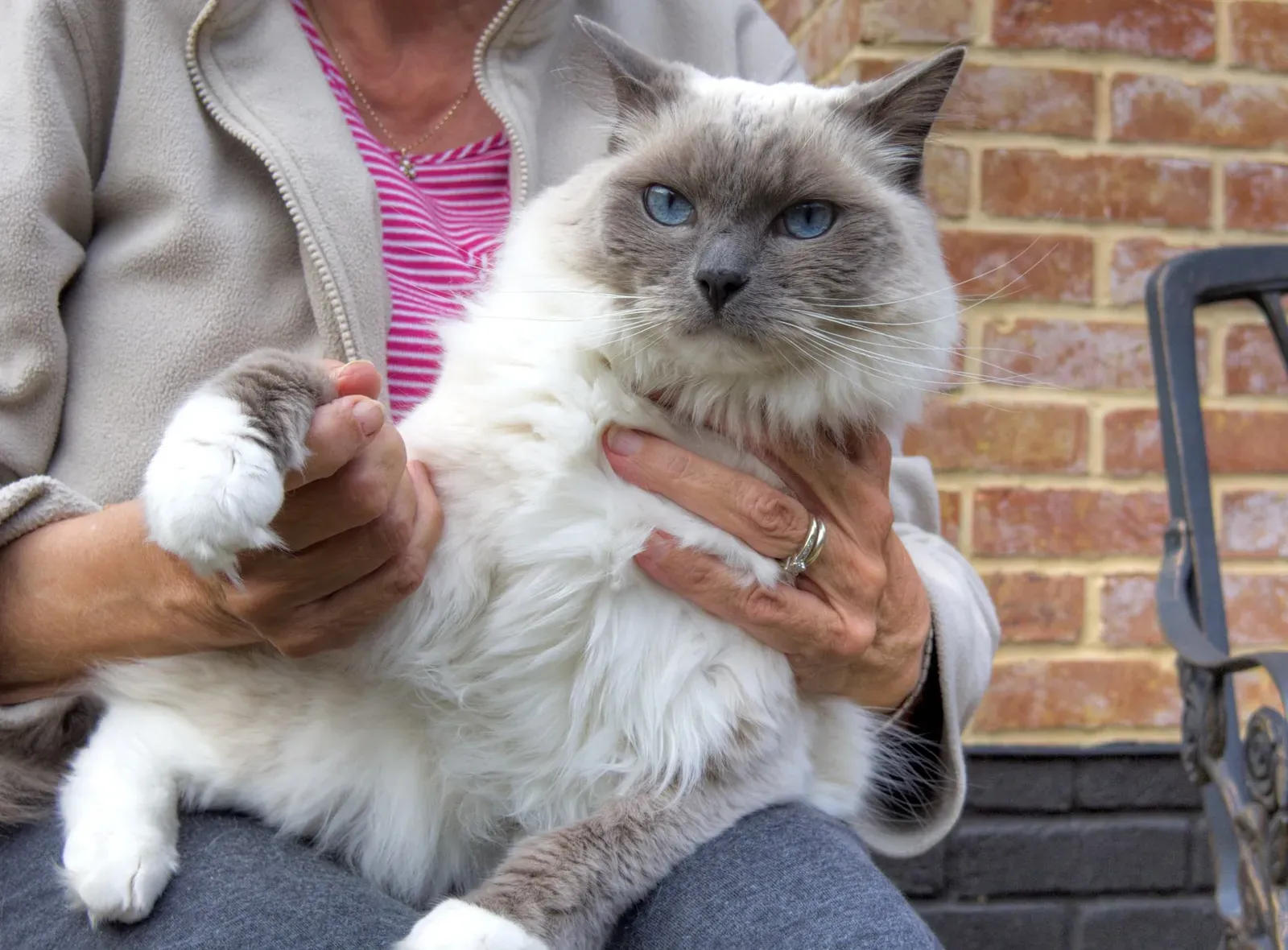
If you loved the idea of a Maine Coon’s affectionate nature but want something even more devoted to snuggle time, meet the Ragdoll. Named after their habit of going limp as a ragdoll when picked up, this breed is as docile as that trait would suggest, being affectionate and relaxed to the max. They’re basically living, breathing teddy bears.
Known for their sweet temperaments, Ragdolls get along nicely with other family pets, and their gentle nature makes them well-suited to growing families with little kids. Unlike some cats who tolerate children, Ragdolls actually seem to enjoy the attention. While they’re playful, they’re not overly active, preferring to lounge on the floor instead of finding a high perch to rest on.
Here’s something interesting. Ragdolls are not as active as Birmans, and they don’t require a lot of grooming but benefit from weekly brushing. That’s considerably less demanding than the Maine Coon’s grooming requirements. The best part? They’re genuinely happy being lap cats, which means all that affection you’re craving from a pet comes without the high-maintenance grooming routine.
The Birman: Elegance Without the Effort
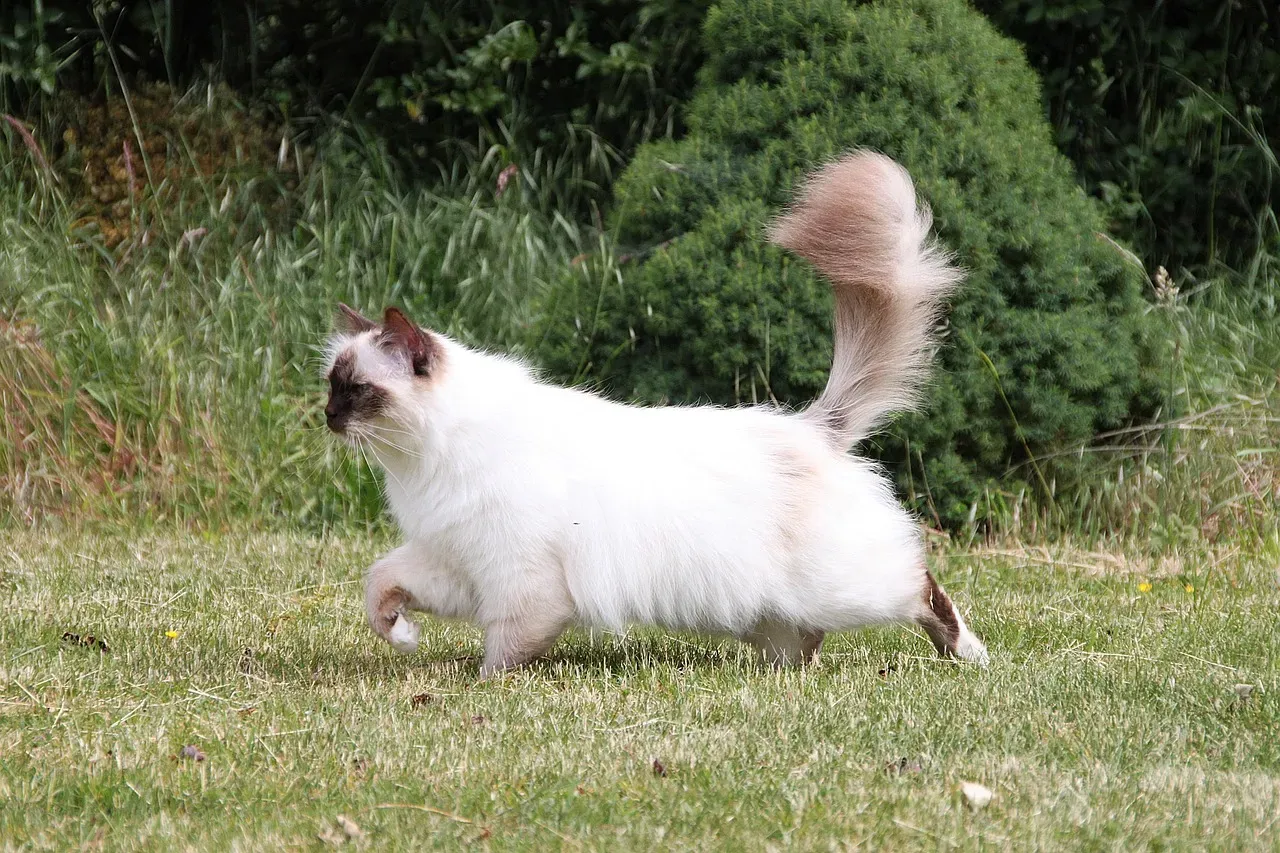
Birman cats are easy-going and patient, quickly forming bonds with humans and other animals, making them an excellent choice for families with children and other pets. What I find fascinating about this breed is their mysterious history and striking appearance. They’re often called the Sacred Cats of Burma, and one look at those blue eyes tells you why they earned such a poetic name.
The grooming situation is surprisingly manageable. Birman cats are smaller, more elegant and have a lower maintenance coat compared to Maine Coons. These medium-sized, more muscular cats have silky, longer coats but do not require special grooming. That silky texture means fewer tangles and mats to deal with, which translates to less time spent with a brush and more time enjoying your cat’s company.
Personality-wise, they strike a beautiful balance. Birmans are calmer, quieter and more loyal, affectionate companions than some of the more vocal breeds. They develop deep bonds with their owners without being overwhelmingly needy. It’s the kind of relationship where your cat genuinely wants to be near you but doesn’t have a meltdown if you need to leave for work.
The American Shorthair: Classic for a Reason
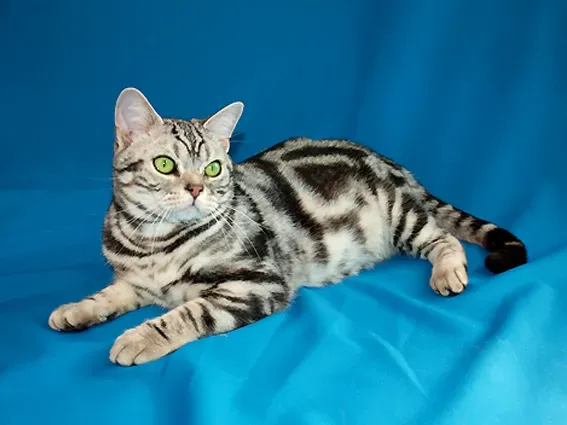
Sometimes the most popular choice becomes popular for very good reasons. The American Shorthair is considered a low-maintenance cat breed, known for their robust health, easy-going temperament, and short, easy-to-care-for coat. They’re like that reliable friend who’s always there when you need them but never overstays their welcome.
Their short coat requires minimal grooming, with a quick brush once a week usually enough to keep their coat healthy and reduce shedding. That’s a fraction of the effort required for a Maine Coon. This breed is generally healthy with fewer genetic health issues than many other cat breeds, and with proper care they tend to live long, healthy lives.
What makes them particularly appealing for families is their adaptability. American Shorthairs are known for their robust health, friendly demeanor, and low-maintenance coats, making them an excellent choice for families, singles, and people with busy schedules. They don’t demand constant entertainment or attention, but they’re always up for playtime when you are. It’s the perfect middle ground between independent and affectionate.
The Russian Blue: The Introvert’s Dream Cat
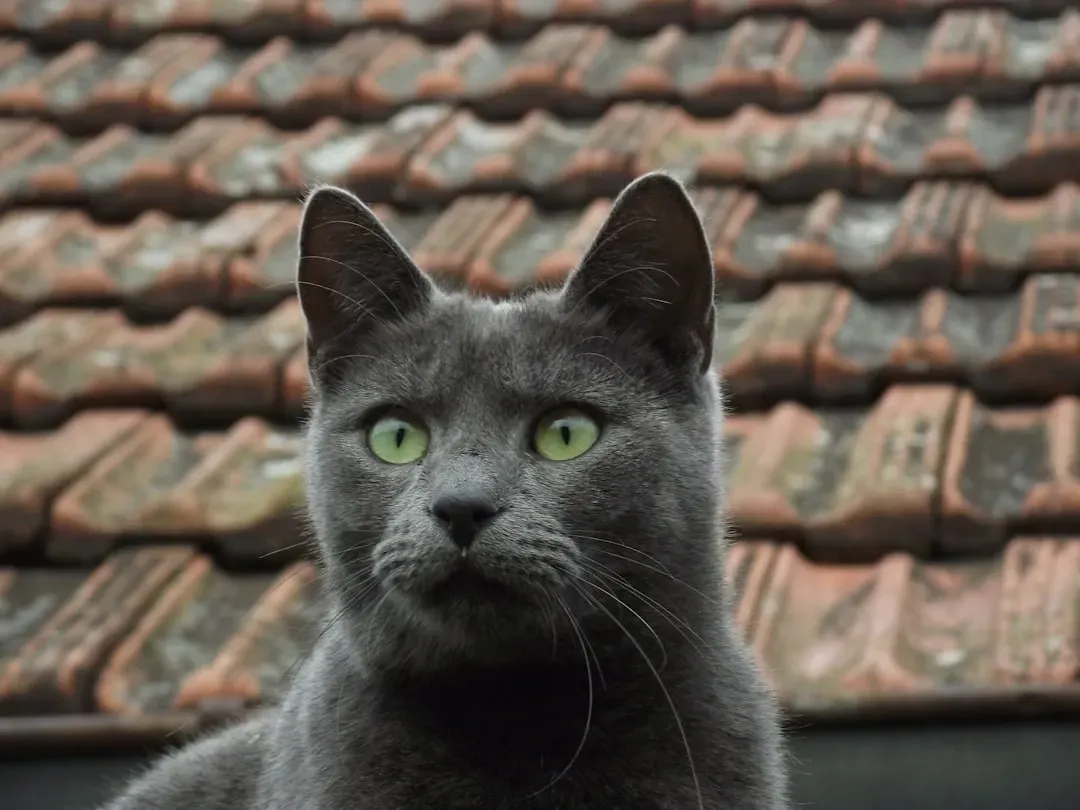
Known for their shimmering blue coat and striking green eyes, Russian Blues are not only beautiful but also very low-maintenance, being reserved and often shy around strangers but loyal to their family. If you appreciate a cat with a bit of mystery and sophistication, this breed delivers.
Here’s something that sets them apart. This breed is particularly good for allergy sufferers as they produce less of the glycoprotein Fel d 1, one of the main allergens in cats. That’s a huge advantage if you or anyone in your household has sensitivities. The grooming requirements are minimal, and Russian Blues are healthy cats with a gentle nature toward other pets and children, with their dense and silky coat being low-shedding and low-maintenance.
Their temperament is perfect for quieter households. They’re not the type to follow you from room to room or to demand cuddle time when you’re doing dishes. They’re content to entertain themselves while you’re busy, then join you when you’re ready for some companionship. It’s a respectful relationship that many cat owners find incredibly refreshing.
The Reality Behind the Maine Coon Mystique
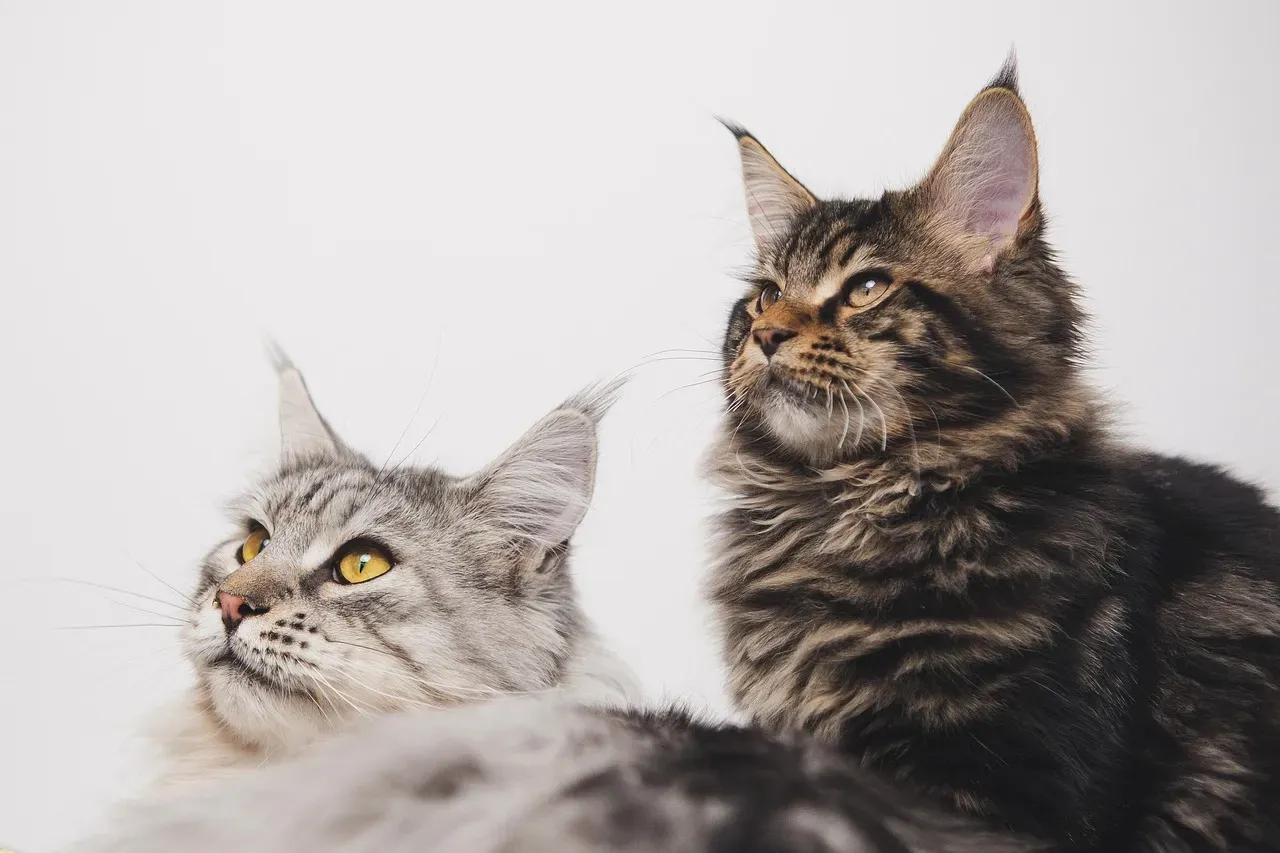
Let me be clear about something. Maine Coons aren’t bad pets by any stretch. In 2025 the Maine Coon overtook the Ragdoll, becoming the most registered cat breed with the Cat Fanciers’ Association, being adored for its gentle and sociable nature as the gentle giant of the cat world. They’ve earned their reputation for good reason.
The issue isn’t with the breed itself but with the expectation versus reality gap. Maine Coons are longhaired cats that need daily brushing to stay tangle-free, which might make them high-maintenance to some pet parents. Maine Coons are prone to ear infections due to their large, tufted ears, requiring regular cleaning and monitoring.
Health concerns are another factor to consider seriously. Common Maine Coon health issues include Hypertrophic Cardiomyopathy causing thickened heart muscles that can lead to heart failure, Spinal Muscular Atrophy causing muscle weakness. These aren’t just minor inconveniences. They’re potentially expensive, emotionally taxing conditions that require ongoing veterinary care.
Making the Choice That’s Right for You
Honestly, choosing a cat breed shouldn’t be about following trends or getting the most Instagram-worthy pet. It should be about finding a companion whose needs align with your lifestyle and capabilities. If you’re looking for a cat that requires minimal grooming, is generally healthy, and has a calm temperament, low-maintenance cat breeds like the British Shorthair, the affectionate Russian Blue, and the adaptable American Shorthair are great choices for those seeking a relaxed lifestyle.
The breeds we’ve explored offer genuine alternatives that deserve consideration. Each brings something unique to the table. Whether it’s the British Shorthair’s independent dignity, the Ragdoll’s devoted snuggling, the Birman’s balanced affection, the American Shorthair’s reliable companionship, or the Russian Blue’s quiet elegance, there’s a perfect match out there for your specific situation.
Remember that every cat is an individual. Breed characteristics give you general guidelines, but your actual experience will depend on the unique personality of the cat you bring home. Visit shelters, talk to breeders, spend time with different breeds if possible. The right cat for you is the one that fits into your life seamlessly, not the one that requires you to completely restructure your routine.
What matters most isn’t choosing the most popular or prestigious breed. It’s finding that furry companion who’ll share your home, your couch, and your life in a way that brings joy to both of you. Did you expect that some of these breeds might actually be easier to care for than a Maine Coon? What would you choose?