You’ve probably heard it before. Cats are aloof, indifferent, only sticking around because you fill their food bowl. They’re not like dogs, who actually love you. Here’s the thing though: this couldn’t be further from reality. Years of scientific research have shattered this outdated stereotype, revealing that your feline friend forms emotional connections just as deep and meaningful as any canine companion. They just express it differently.
It’s easy to misunderstand cats when you’re expecting them to behave like enthusiastic, tail-wagging dogs. Their loyalty operates on a different wavelength, one built on mutual respect and choice rather than pack mentality. Think about it this way: when a cat chooses to spend time with you, that decision carries weight. They’re not hardwired to follow you around. They’re doing it because they genuinely want to be near you. Let’s dive in and discover what science really tells us about the profound bonds cats create with their humans.
The Science Behind Feline Attachment Is Remarkably Similar to Human Infants
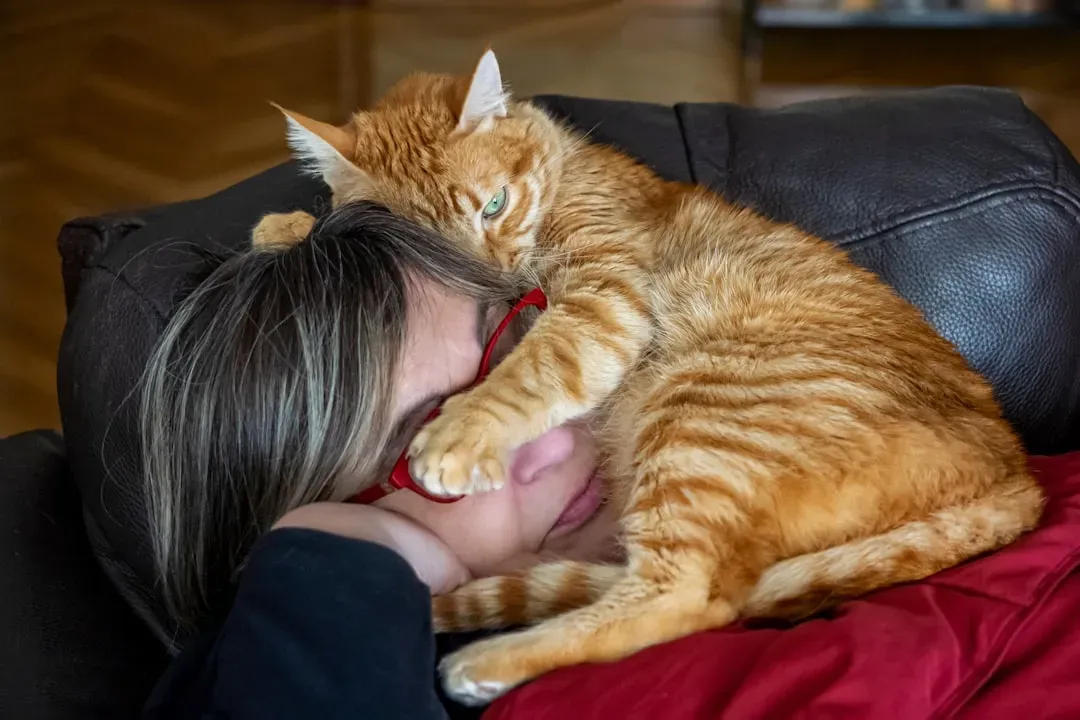
Researchers discovered that roughly two-thirds of cats display secure attachment to their owners, mirroring the exact proportions found in human children. Oregon State University conducted groundbreaking research demonstrating that cats display the same main attachment styles as babies and dogs. This wasn’t speculation or wishful thinking from devoted cat lovers.
Scientists used the secure base test, which involves placing a cat in an unfamiliar room with their owner for two minutes, then separating them, and finally reuniting them. Securely attached cats displayed reduced stress and curiously explored the room while periodically checking in with their owners. The insecurely attached ones either avoided their humans entirely or clung excessively. Sound familiar? It’s the exact same pattern observed in children with their caregivers.
Your Cat Views You as More Than a Can Opener
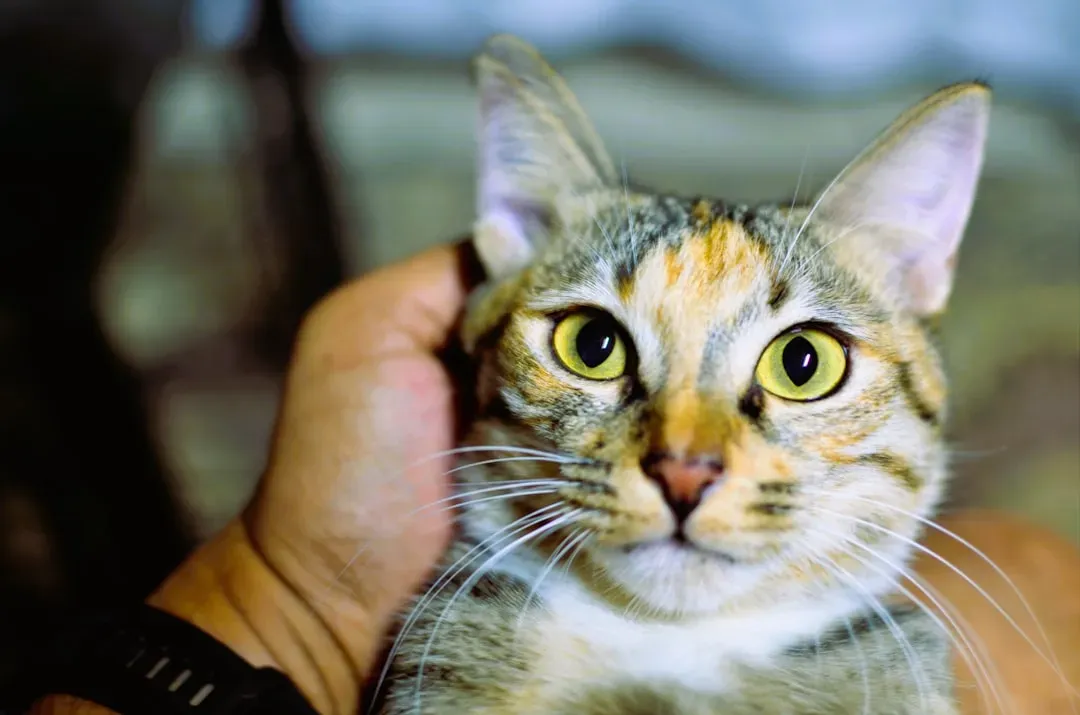
Let’s be real: the whole “cats only love you for food” argument falls apart when you actually examine their behavior. Cats are perfectly capable of seeking food elsewhere if they don’t feel safe or happy with you, and many cats continue to show loyalty and affection even when they have access to other food sources. Their affection isn’t just transactional.
Evidence suggests that cats have an attachment to their owners and can experience positive emotions such as joy, contentment, and pleasure when they interact with their favorite people. Studies revealed that cats spend significantly more time engaged in locomotion and exploration while accompanied by their owner compared to being alone or with a stranger. They actively prefer your company because you make them feel secure, not just because you control the kibble supply.
Cats Express Love Through Subtle, Meaningful Gestures
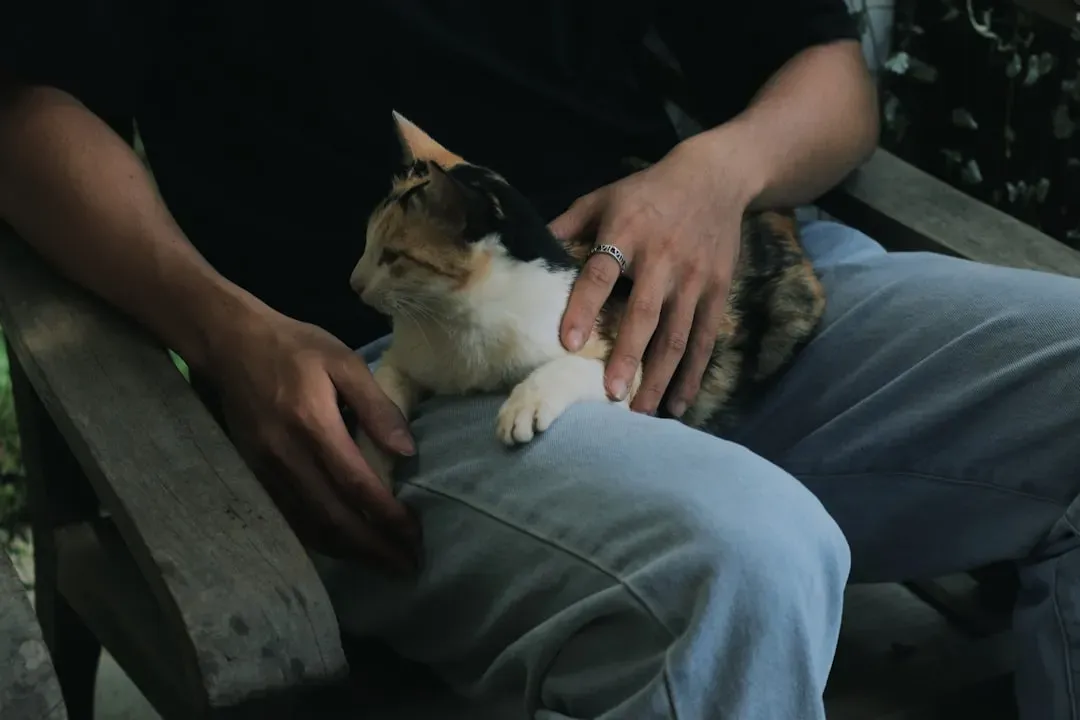
Common signs that a cat loves you include purring, rubbing up against you, sitting on your lap, licking you, and head-butting you. When your cat rubs her head against you in a behavior called scenting, it’s a clear sign of affection. They’re literally marking you as part of their family, claiming you as theirs.
A slow blink is a sign of trust and affection, indicating that cats feel comfortable and relaxed in your presence. Cats also expose their bellies only to the people on their most-favorite list. That vulnerable belly display? It’s one of the highest compliments a cat can give. They’re showing you that they trust you completely, enough to expose their most defenseless position.
The Majority of Cats Use Their Owners as a Source of Security

The majority of cats use their owner as a source of security. There’s long been a biased way of thinking that all cats behave aloofishly, but research shows your cat is depending on you to feel secure when they are stressed out. When the world feels overwhelming, they turn to you for comfort, just like a child runs to their parent after a nightmare.
The majority of cats view their owners as a source of comfort and security just like dogs do. Time spent inactive was considerably higher when the animal was alone, and these results are consistent with ones obtained in children attached to their mothers. Your cat literally behaves differently when you’re around, becoming more confident and willing to explore their environment.
Attachment Styles Remain Stable Throughout a Cat’s Life
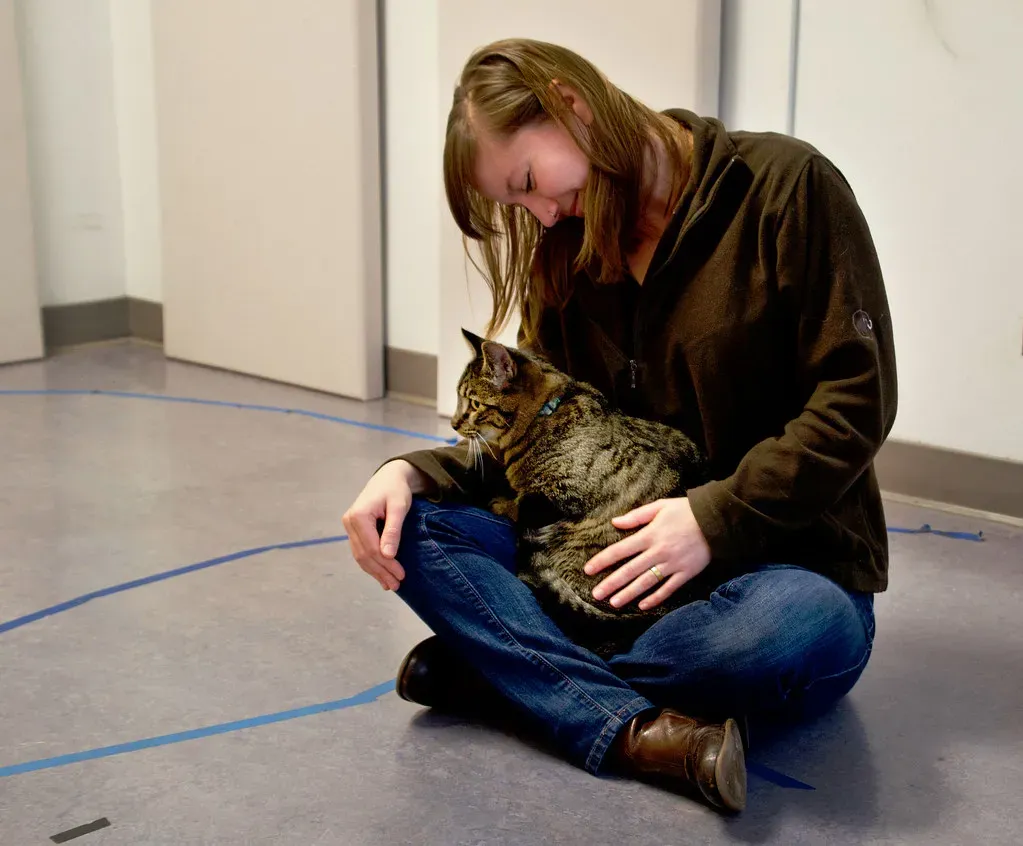
Because cats retain several juvenile traits into maturity and remain dependent on humans for care, researchers predicted attachment behavior would be present in adulthood, and testing revealed distinct attachment styles in adult cats with nearly identical distributions to kittens. This is huge. It means that bond your cat forms with you isn’t just a kitten phase. It’s lifelong.
Distinct attachment styles were evident in adult cats with a distribution similar to the kitten population, and cats remain dependent on humans for care throughout adulthood. The connection deepens over time rather than fading. Those years you spend together actually matter, building trust and strengthening the relationship in ways that persist throughout your cat’s entire life.
Cats Form Multiple Types of Relationships With Their Humans
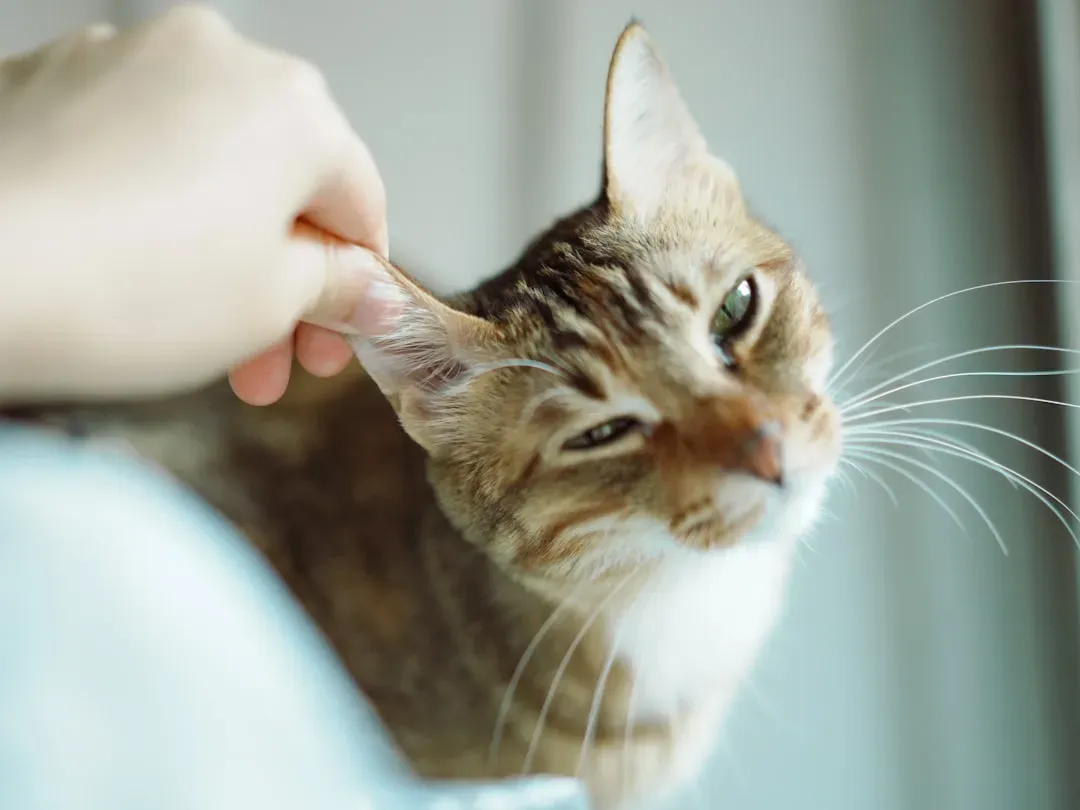
Five distinct forms of cat-owner relationship were identified, including what researchers describe as an “open relationship”, “remote association”, “casual relationship”, “co-dependence” and “friendship”. Not all cat-human bonds look identical. Some cats develop intensely close friendships with their owners, while others maintain a more casual but still genuine connection.
As with any complex social relationship, the type of cat-owner bond that develops is the product of the dynamic between both individuals, along with certain personality features. Your cat’s sociability and your own expectations play crucial roles. Honestly, it’s refreshing that scientists acknowledge what cat lovers have always known: each relationship is unique and multifaceted, just like human relationships.
Cats Recognize and Respond to Human Emotions
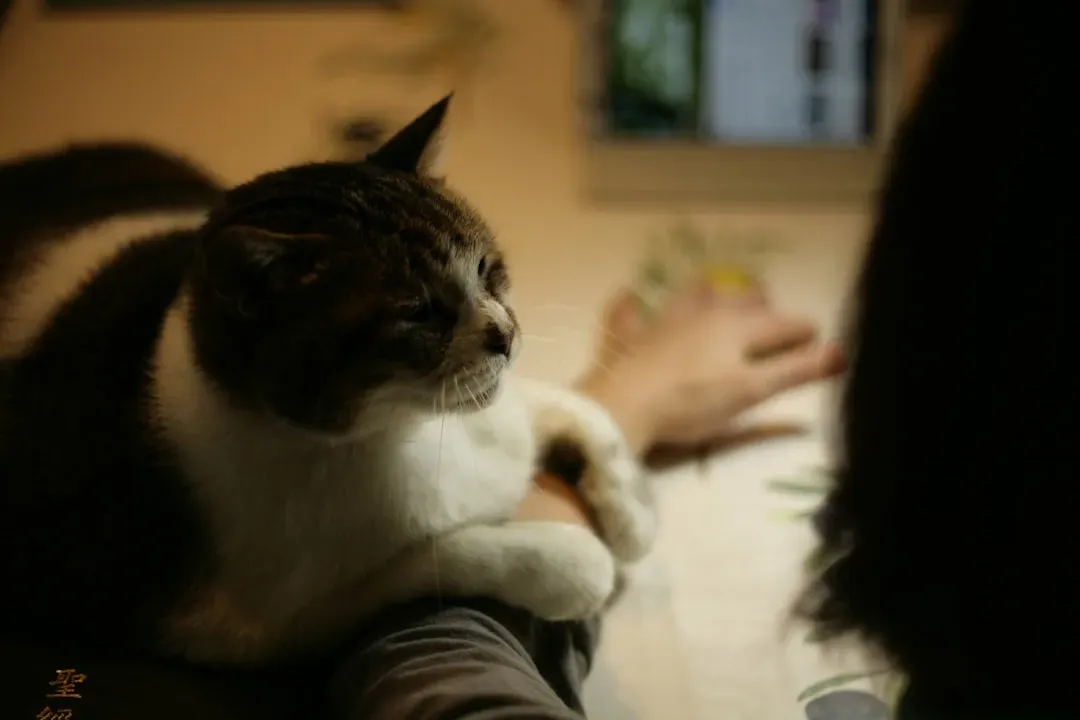
Research has shown cats can form secure attachments to their owners like infants with caregivers, and they recognize human emotions, read tone and gesture, and exhibit behaviors linked to empathy and social awareness. Cats can understand several human emotions, including happiness, sadness, anger, and anxiety, primarily through tone of voice, facial expressions, and body language. They’re not oblivious to your feelings.
When an owner is depressed, the cat changes its behavior when close to the person, vocalizing more frequently and head-rubbing and flank-rubbing more often. Cats alleviate negative moods, and this effect was comparable to the effect of a human partner. They’re actively trying to comfort you when you’re down, adjusting their behavior to provide support.
The Independence Myth Misinterprets Natural Cat Behavior

Domestic cats are by nature more independent than domestic dogs, but as anyone who has had their cat jump on their lap for a fuss will testify, cats do show affection towards their owners and many like to be stroked and spend time in our company. Independence doesn’t equal indifference. It simply means they value autonomy.
Cat relationships are very much based on consensual partnerships where they need to feel like they’re on your level, and you need to have permission to interact with them. Their loyalty is based on choice, not obligation, and when a cat forms an attachment, it’s because they genuinely want to. That voluntary nature of their affection actually makes it more meaningful when you think about it.
Building Strong Bonds Requires Understanding Their Unique Communication
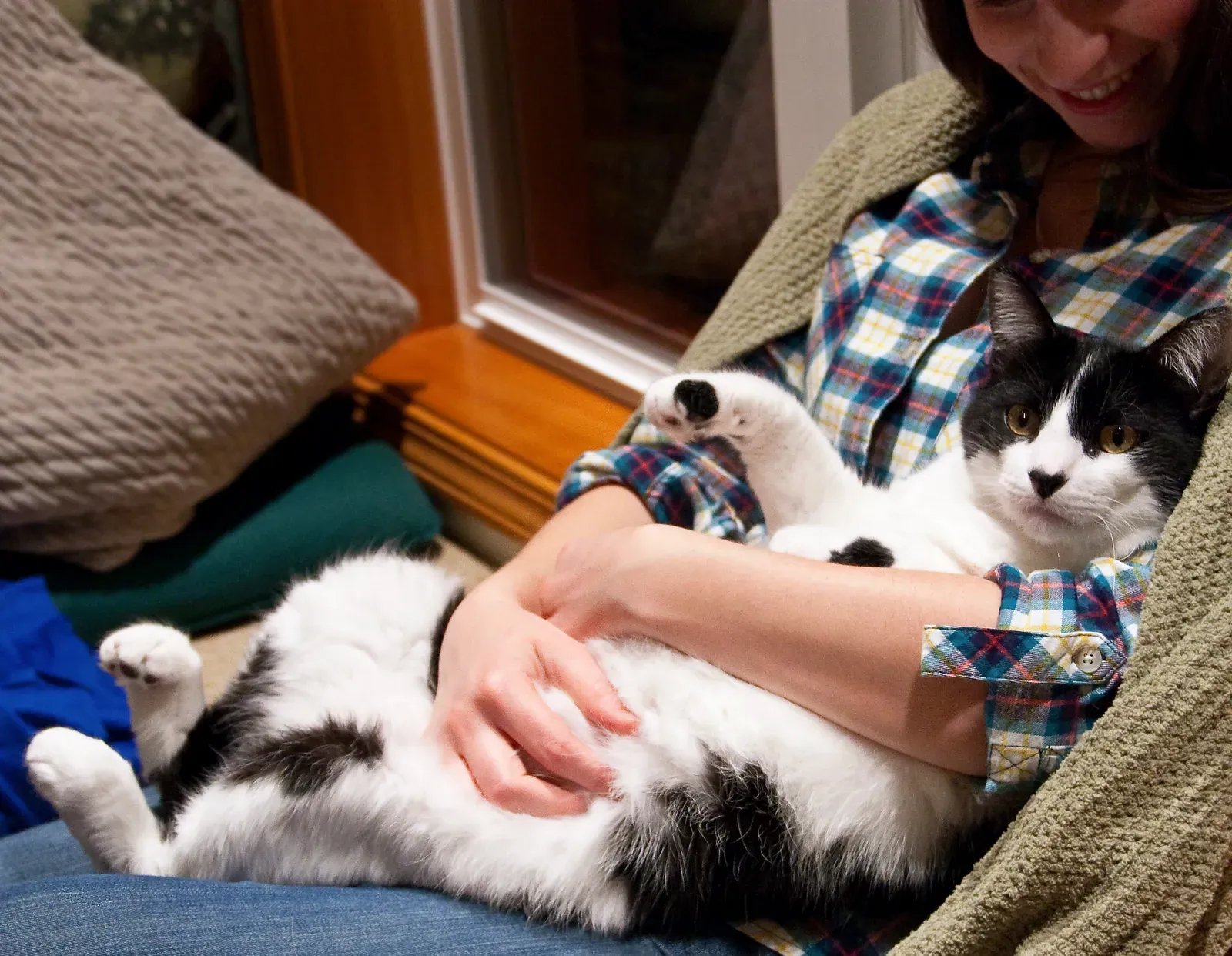
To recognize when a cat has bonded with you, it’s essential to understand their behavior and body language, as cats communicate primarily through non-verbal cues such as vocalizations, facial expressions, and body postures. You can’t expect them to express love like dogs or humans do. They have their own language.
Cats’ loyalty isn’t automatically given and must be earned through consistent, respectful interaction, and you can build loyalty by maintaining consistent care routines, respecting boundaries, providing positive interactions, and creating a safe environment. It’s essential to respect the cat’s boundaries and personal space, allow them to initiate contact and set the pace for affection, and be consistent, gentle, and attentive to their needs. Patience matters more than anything else.
The evidence is overwhelming. Your cat isn’t just tolerating you until something better comes along. Cats are emotionally complex, cognitively advanced, and socially nuanced. They form attachments that mirror those of human children, recognize your emotions, seek your presence for security, and maintain these bonds throughout their entire lives. The myths about aloof, unloving cats belong in the past where they’ve always belonged. Your feline companion loves you deeply, they just show it in their own distinctly feline way. What would you have guessed before learning all this? Tell us in the comments.