You’ve probably heard it before. Cats are aloof, they don’t care about you, they only stick around because you feed them. It’s one of those beliefs that gets repeated so often that people accept it as gospel. Yet if you’ve ever shared your life with a cat, you might have experienced something quite different.
There’s a disconnect between what folklore tells us and what really happens when a cat curls up in your lap or follows you from room to room. Perhaps it’s time to challenge those dusty misconceptions. The truth about feline attachment is far more fascinating and heartwarming than most people realize.
Your Cat Experiences Attachment Styles Just Like Human Infants
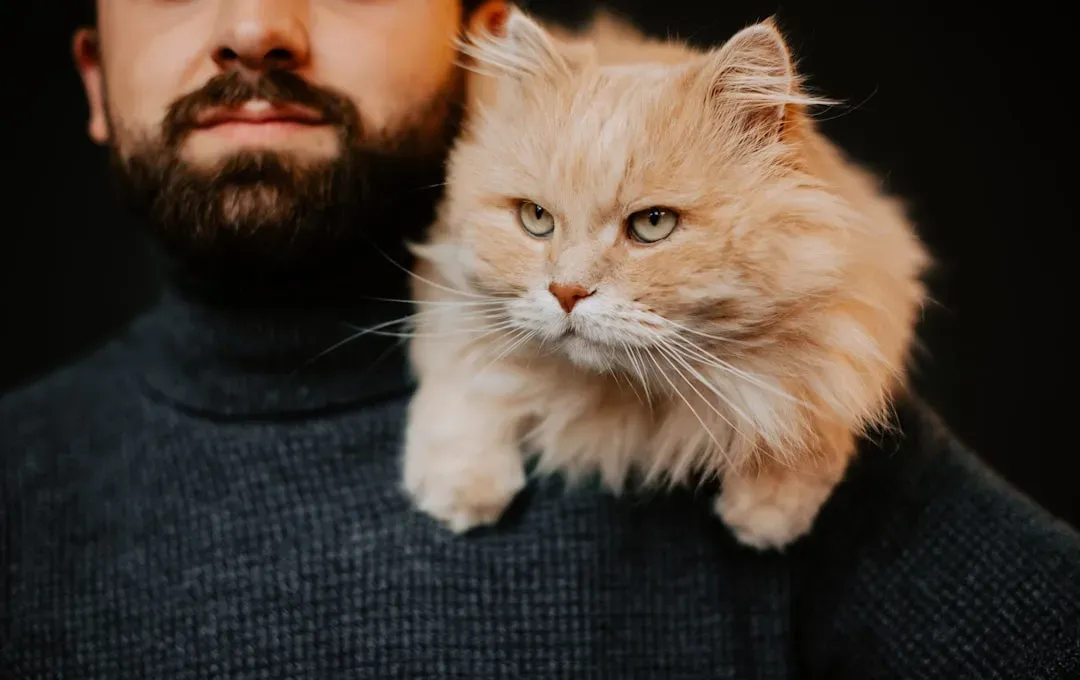
Here’s something that might surprise you. Research has shown that cats display attachment behaviors toward humans including proximity seeking, separation distress, and reunion behavior, with roughly two thirds of cats forming secure attachments to their caregivers, similar to human children and dogs. Think about that for a moment. Your feline companion isn’t just tolerating you.
Scientists have found that cat attachment style appears relatively stable and is present in adulthood. This means the bond your cat forms with you isn’t some fleeting phase. It’s wired into their emotional makeup, shaping how they relate to you throughout their entire lives. That’s pretty remarkable when you consider how often cats get labeled as emotionally indifferent creatures.
The Science Shattered Long-Held Beliefs About Feline Independence
For decades, scientists gave cats the cold shoulder when it came to studying social cognition and attachment. Dogs got all the attention. The assumption was that cats were too independent, too solitary to bother investigating their emotional lives. Boy, were they wrong.
Current research reveals that cats are emotionally complex, cognitively advanced, and socially nuanced, with studies showing cats can form secure attachments to their owners like infants with caregivers. Let’s be real, this flips the script on everything popular culture has taught us about cats. Failure to account for cats’ variable individual preferences and social tolerance can lead them to experience distress that undermines both their welfare and the human-animal bond. Understanding this changes how we should approach our relationships with these animals.
Multiple Relationship Types Exist Between You and Your Cat
Not all cat-human relationships look the same, which makes perfect sense if you think about it. Research has identified five distinct forms of cat-owner relationship: open relationship, remote association, casual relationship, co-dependence, and friendship. Each reflects different levels of emotional investment and behavioral patterns between both parties.
What’s fascinating is how these relationships mirror the complexity we see in human connections. Some cats form what researchers describe as friendships with their owners, characterized by mutual emotional investment and consistent positive interactions. Others maintain more casual arrangements. Neither is inherently better or worse, but recognizing these differences helps you understand what your specific cat needs from you. Studies evaluating emotional closeness in large groups of cat owners have found that bonds can be interpreted as medium to high according to established scales.
Early Socialization Creates Bonds That Last Decades
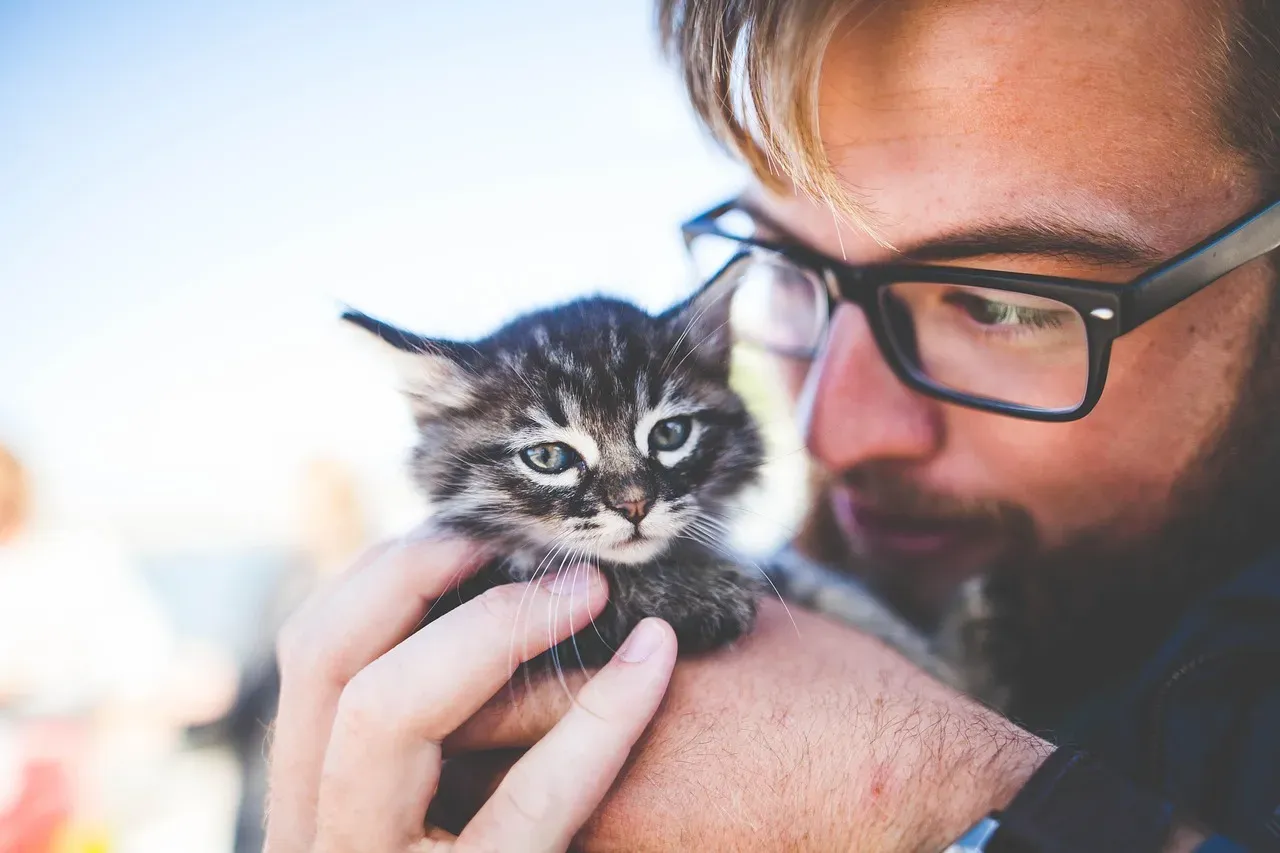
Kittens handled frequently by humans during their second to mid-seventh week of age become friendly and trusting of people and remain so throughout their later lives. That’s an incredibly narrow window when you consider its lifelong impact. Miss that critical period, and you might end up with a cat that never fully trusts humans.
It’s hard to say for sure, but this probably explains why some shelter cats struggle more than others with adoption. The original socialization status to people is of paramount importance for future cat-human relationships, though other parameters also influence the establishment of new relationships. Interestingly, research shows that even when cats undergo socialization training later in life, very few switch their basic attachment styles. The foundation gets set remarkably early, underscoring just how crucial those first weeks are.
Cats Recognize and Respond to Your Emotional States
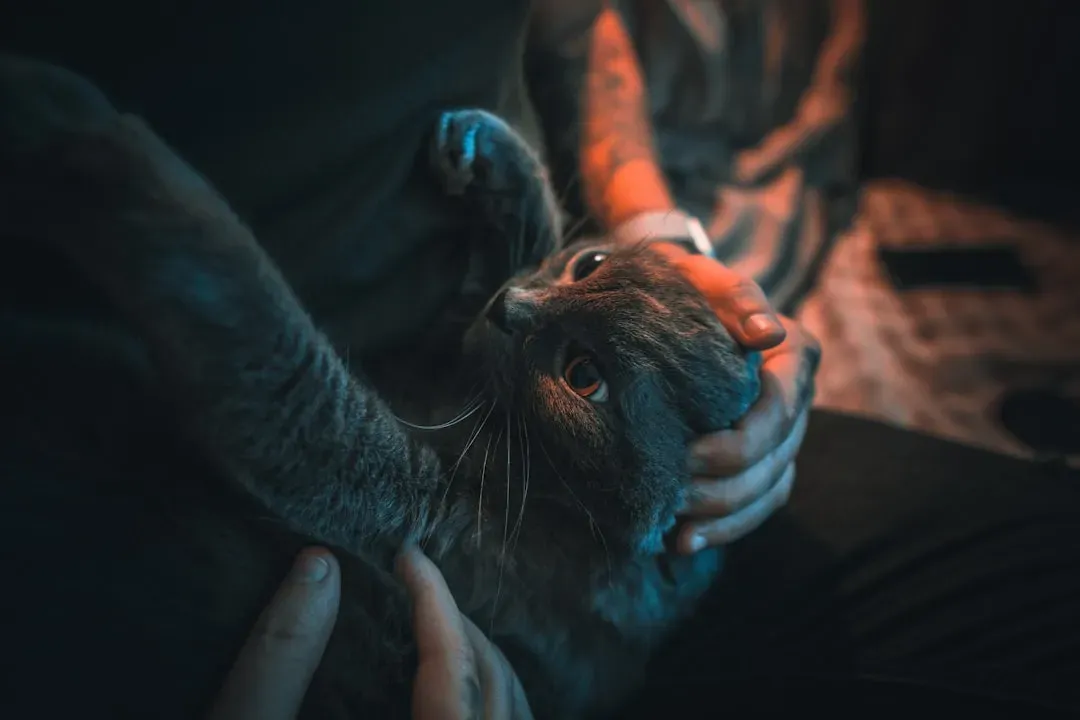
Your cat knows when you’re upset. Seriously. Recent research suggests cats may be more attuned to human emotions than previously thought, with studies showing cats react to their owners’ visual and vocal signals and adjust their behavior based on human emotions. They’re not just reacting to your tone of voice or body language randomly.
When exposed to fear and physical stress odors, cats relied more on their right nostril while displaying severe stress behaviors, suggesting these odors trigger a higher emotional response because the right nostril connects to the brain’s right hemisphere responsible for processing intense emotions. Your cat is literally smelling your stress and reacting to it. That’s not indifference. That’s emotional attunement most people wouldn’t expect from a supposedly aloof animal.
Gender and Personality Influence the Strength of Your Bond
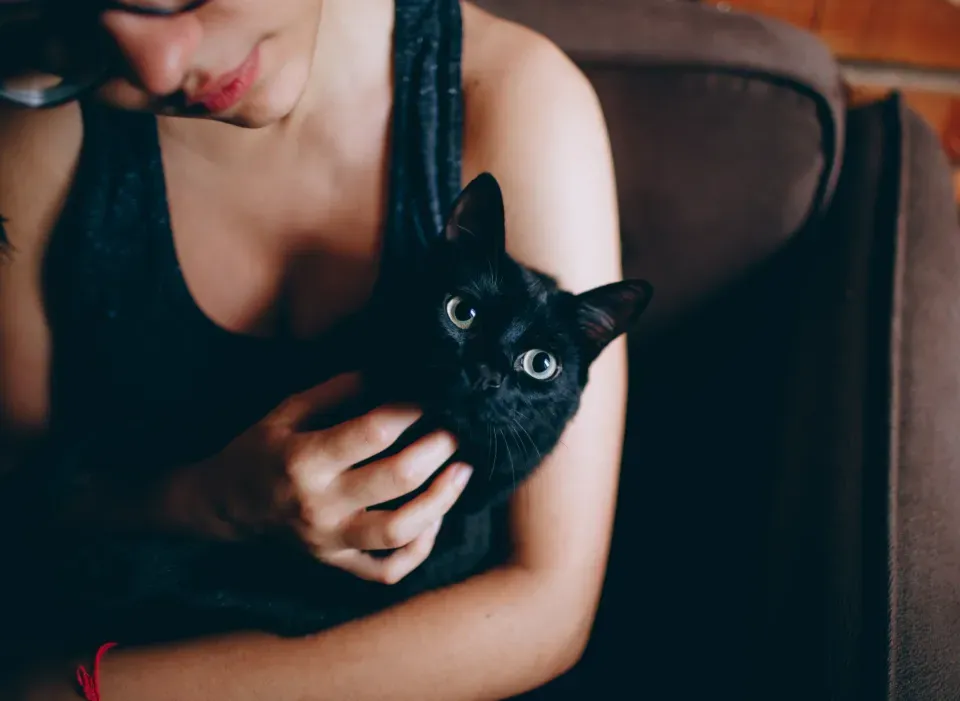
Research consistently shows that attachment to dogs is generally stronger than to cats, with gender and age significantly affecting attachment levels, as women and younger owners report higher attachment. This doesn’t mean male owners don’t bond with their cats, just that the dynamics differ based on various factors.
Female owners tend to entertain more structured interactions with their cats than male owners, and women consider their cats to be more communicative and empathetic than men do. Personality traits matter too. Owner neuroticism and poor mental well-being are linked to anxious pet attachment in both dog and cat owners. The bond between you and your cat reflects who you both are as individuals, not just some standardized relationship template.
Behavioral Problems Don’t Necessarily Weaken Emotional Bonds
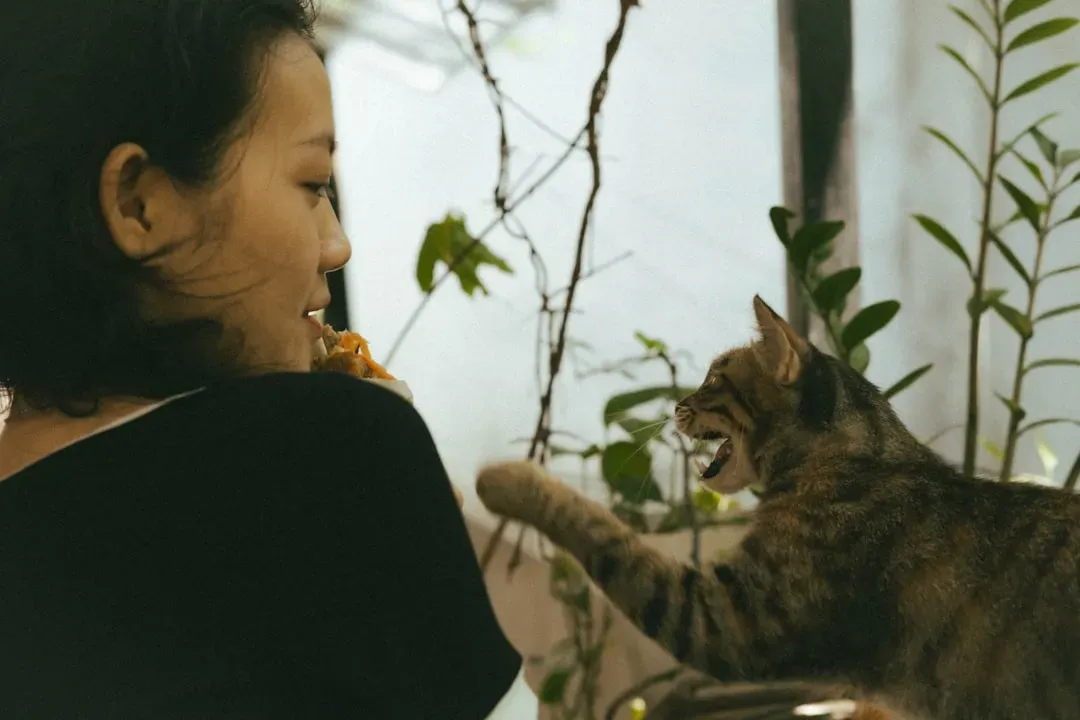
Here’s something I find truly touching. Problem behaviors in cats were not associated with a lower level of emotional closeness in owners, with no association found between emotional closeness and aggression, excessive vocalization, or inappropriate elimination. Many owners keep their cats despite behavioral challenges because the emotional attachment runs deep.
Think about what that means. You might complain about your cat knocking things off counters or meowing at three in the morning, yet you wouldn’t dream of rehoming them. That’s the hallmark of a genuine bond. Having a cat is associated with reduced negative feelings, while interacting with the cat is associated with positive emotions. The relationship offers something valuable that transcends occasional frustrations or inconveniences.
Cats Display Distinct Love Languages You Might Be Missing
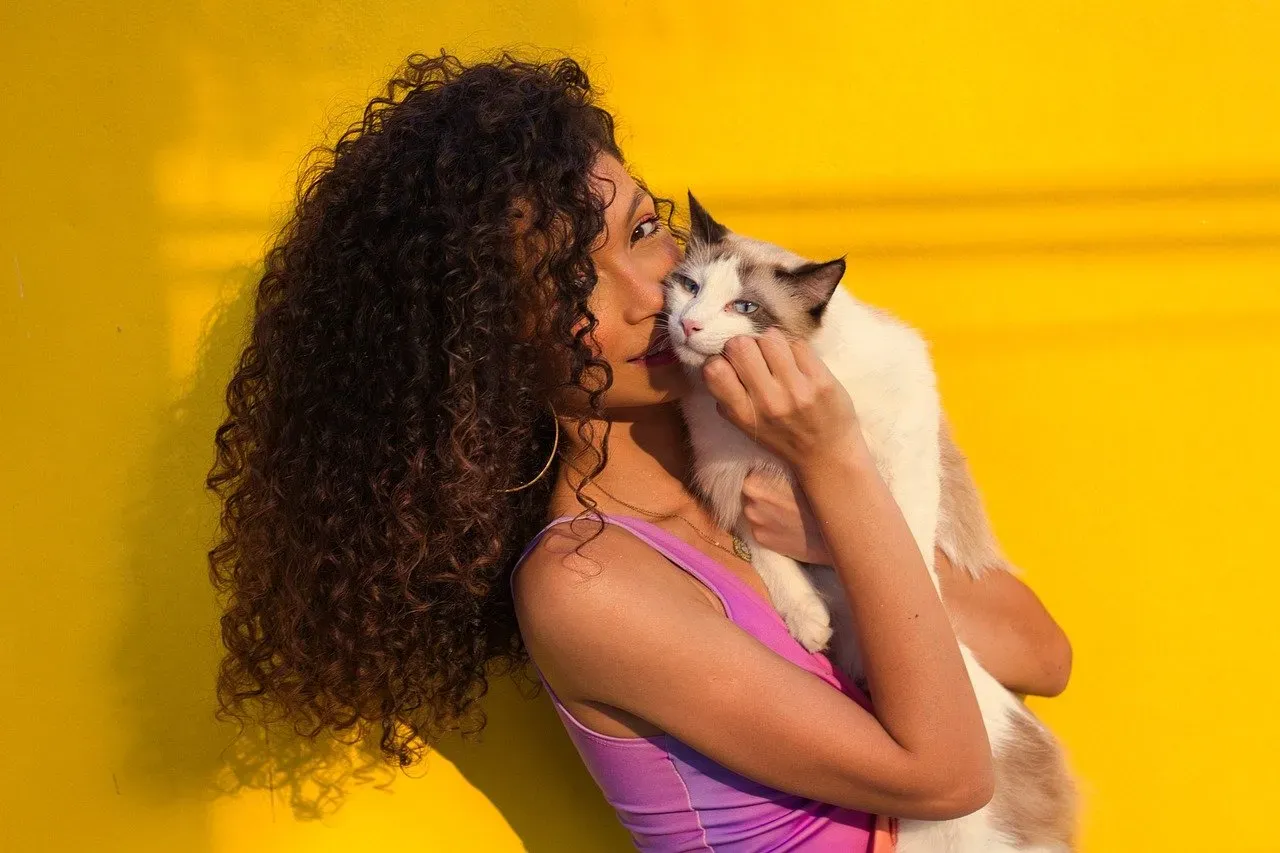
Common signs that a cat loves you include purring, rubbing up against you, sitting on your lap, licking you, and head-butting you. If you’re expecting your cat to greet you like an exuberant golden retriever, you’ll be disappointed. Cats communicate affection differently.
Cats expose their bellies only to people on their most-favorite list, and the slow blink is a sure sign your cat feels content when you’re around. These subtle gestures carry profound meaning in the feline world. Miss them, and you might genuinely believe your cat doesn’t care about you. While cats may not express affection in the same overt manner as dogs, they are capable of forming deep bonds with their owners through subtle behaviors such as purring, kneading, head-butting, and rubbing against their owners. Pay attention to these quiet declarations of love.
The Myth of Feline Solitude Has Been Thoroughly Debunked
Cats are among the most popular pets worldwide, but major gaps remain in the public’s understanding of their social behaviors, with people often holding negative or ambivalent attitudes about cats that directly impact their welfare outcomes. This ignorance has real consequences. Shelters overflow with cats surrendered because owners didn’t understand their social needs.
Research has shown that cats can develop close relationships with both humans and other animals, thoroughly debunking the myth of their solitary nature. Domestic cats have complex social structures. They form bonds, communicate through body language and vocalizations, and engage in cooperative behaviors when conditions support it. While cats can survive in a solitary state, social groups with internal structure are formed whenever there are sufficient food resources to support them. Viewing cats as loners does them a tremendous disservice.
Understanding Cat Bonds Improves Both Your Lives
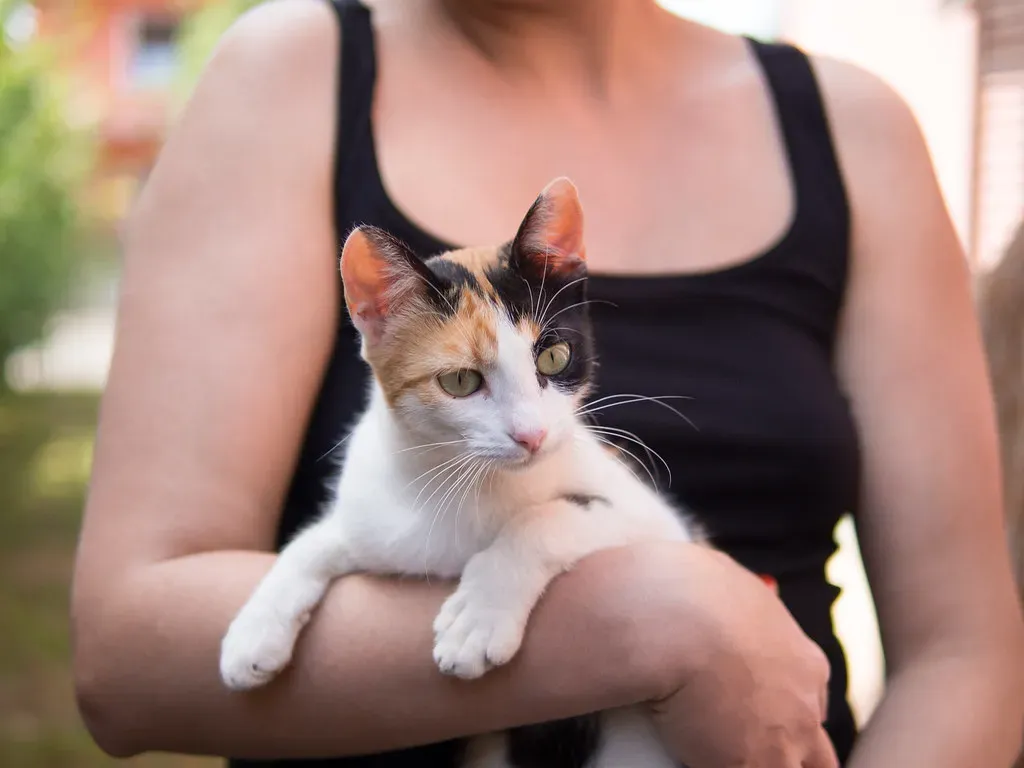
Understanding the reciprocal emotional bond between cats and their people opens new pathways for preventive care, with research showing pet ownership can reduce anxiety and stress while improving cardiovascular health. This isn’t just feel-good fluff. The connection between you and your cat has measurable health benefits for both of you.
Evidence suggests cats have attachment to their owners and can experience positive emotions such as joy, contentment, and pleasure when they interact with their favorite people, recognizing them as part of their family. Your cat isn’t using you. They’re bonding with you. When you invest time in understanding their communication style, respecting their boundaries, and providing for their emotional needs, you strengthen a connection that enriches both your lives immeasurably.
Those old wives’ tales about aloof, emotionally distant cats? They’re just that. Tales. The scientific evidence paints a completely different picture of creatures capable of profound, lasting emotional bonds with the humans they love. Your cat might not show it the way a dog would, but that doesn’t make their attachment any less real or meaningful. Next time your cat slowly blinks at you from across the room, remember you’re witnessing a declaration of trust and affection that took millions of years of evolution to perfect. What do you think about it? Has your cat proven the old stereotypes wrong?