When I watch my neighbor’s seventeen-year-old tabby gracefully climbing his favorite tree each morning, I can’t help but wonder what secrets lie behind his remarkable longevity. The truth is, while genetics play a role in determining how long our feline companions live with us, there are proven strategies that can significantly extend their healthy years.
The average cat lifespan ranges from 12 to 18 years, with some cats living well into their twenties. However, some lucky felines have been known to live 20 years or more – the world record holder for oldest cat on record, adorably named Creme Puff, lived to be a whopping 38 years old. What’s truly exciting is that thanks to advances in feline medicine, nutrition, and care, our house cats are living longer, healthier lives.
The difference between a cat living twelve years versus twenty often comes down to the daily choices we make as their caregivers. Let’s explore the seven most impactful strategies that veterinarians and feline health experts recommend for maximizing your cat’s lifespan.
Keep Your Cat Indoors for Maximum Protection

The single most dramatic factor affecting your cat’s lifespan isn’t genetics or expensive treatments – it’s whether they live indoors or venture outside. On average, indoor cats live 13–17 years while an outdoor cat’s life expectancy, by comparison, is just two to five years.
Indoor cats are protected from many of the hazards that outdoor cats face, such as cars, disease, fights with other animals, and exposure to harsh weather. Think about it: every time an outdoor cat leaves the safety of home, they face potential encounters with traffic, predators, aggressive animals, and exposure to infectious diseases that can be prevented entirely by staying indoors.
Indoor cats, protected from environmental threats and encouraged by consistent veterinary care, tend to live longer than outdoor cats. Indoor cats often live 12-18 years and beyond while outdoor cats face risks like accidents, predators, and disease, with lifespans averaging 5-7 years. If your cat seems restless indoors, consider creating a secure outdoor enclosure or “catio” where they can enjoy fresh air safely.
Prioritize High-Quality Nutrition for Longevity

What goes into your cat’s food bowl might be the most powerful tool for extending their lifespan. Cat food full of water and protein are the best preventative medicine, and can add years to you cat’s lifespan.
Cats are obligate carnivores, which means that they rely on nutrients found only in animal products. Cats evolved as hunters that consume prey that contains high amounts of protein, moderate amounts of fat, and a minimal amount of carbohydrates, and their diet still requires these general proportions today. This biological fact makes choosing the right food crucial for their long-term health.
Research shows that a nutrient blend, with antioxidants, essential fatty acids and a prebiotic can extend the healthy lives of cats, with research indicating that nutrient-rich diets with antioxidants and essential nutrients can help improve and extend the healthy lives of cats. Wet food offers additional benefits since canned cat food has a moisture content of at least 75 percent, making it a good dietary source of water. This extra hydration helps prevent kidney disease and urinary issues that commonly affect aging cats.
Schedule Regular Veterinary Checkups
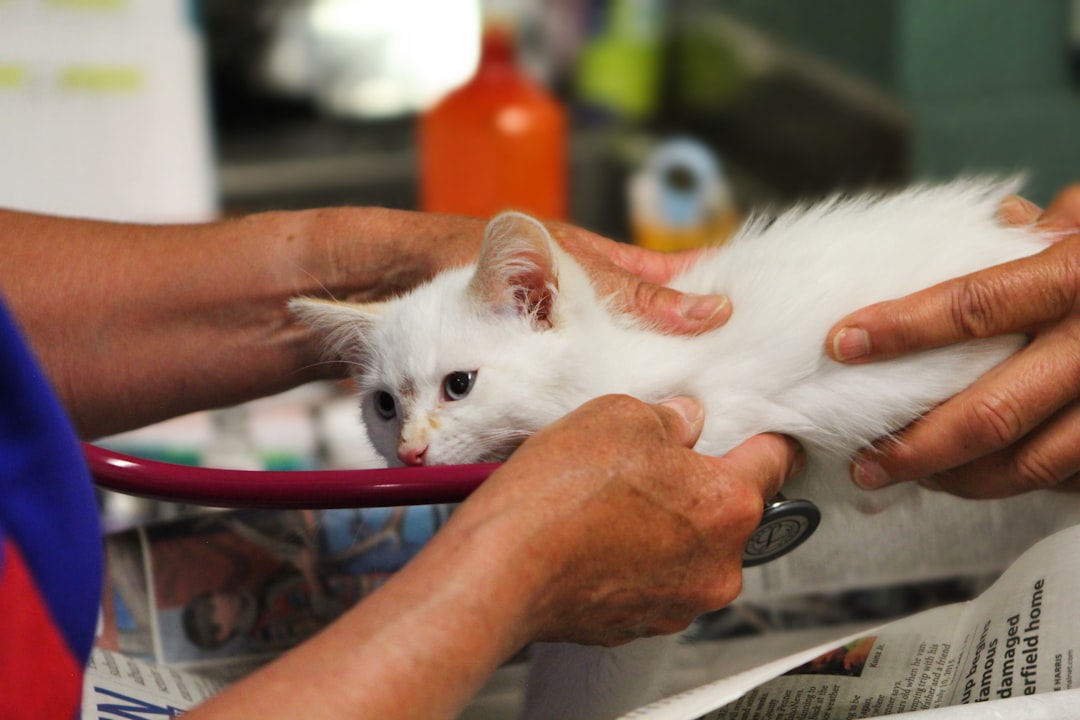
Cats are stoic creatures and often hide symptoms of illness. Regular veterinary checkups can help identify health issues early, increasing the chances of successful treatment. This natural tendency to mask pain and discomfort means that by the time you notice something wrong, the condition may already be advanced.
Regular wellness exams and routine lab tests can help veterinarians find and treat many life-threatening health conditions before they become a problem. They’re especially important for cats, who are excellent at hiding when they’re sick or in pain. Early detection of conditions like kidney disease, diabetes, or heart problems can add years to your cat’s life through proper management.
It’s commonly recommended for cats 10 years and older to have blood work and urine testing done every six months, as organ health can change quickly. While this might seem excessive, remember that cats age much faster than humans, and catching problems early often means the difference between successful treatment and watching helplessly as a condition progresses. Vaccinations, parasite control, and dental cleanings are essential aspects of preventative care.
Maintain an Ideal Body Weight

Obesity might seem harmless, but it’s actually one of the most serious threats to your cat’s longevity. An overweight cat is an unhealthy cat. Carrying a few extra pounds can lead to a host of health conditions, including liver problems, diabetes, and arthritis.
Overfeeding can lead to obesity, which is a significant risk factor for diabetes, joint problems, and heart disease. The extra weight puts tremendous strain on their joints, organs, and cardiovascular system, effectively aging them faster than nature intended.
The good news is that weight management is completely within your control. Controlling a cat’s daily calorie intake can reduce the risk of obesity and other diseases such as cancer, kidney disease, osteoarthritis, and immune-mediated disorders. Eating 20% to 25% fewer calories every day can slow the progression of age-related changes and increase a cat’s lifespan. Work with your veterinarian to establish the ideal weight for your cat and create a feeding plan that maintains it throughout their life.
Ensure Daily Exercise and Mental Stimulation

Regular play significantly contributes to a cat’s healthy lifespan. This remarkable statistic highlights just how powerful regular activity can be for your feline friend’s longevity. Yet many cat owners underestimate the importance of keeping their cats physically and mentally engaged.
Obesity can increase the risk of other health complaints including diabetes mellitus, osteoarthritis and cancer. Regular exercise can therefore help to keep pets trim and make these conditions less likely, which in turn helps to improve their lifespan. Beyond physical benefits, exercise is important mentally. When we exercise, endorphins known as ‘feel good hormones’ are released in the body. This gives us a sense of achievement and satisfaction, contributing to mental well-being.
Due to the variation between breeds, ages, and abilities, there is no set amount of exercise a cat should have, but around 30 minutes per day is widely thought to be an appropriate amount. This can be made up of a combination of activities and doesn’t all have to be in one go. Simple interactive toys, puzzle feeders, and short play sessions throughout the day can make a tremendous difference in your cat’s physical and mental health.
Spay or Neuter for Extended Life
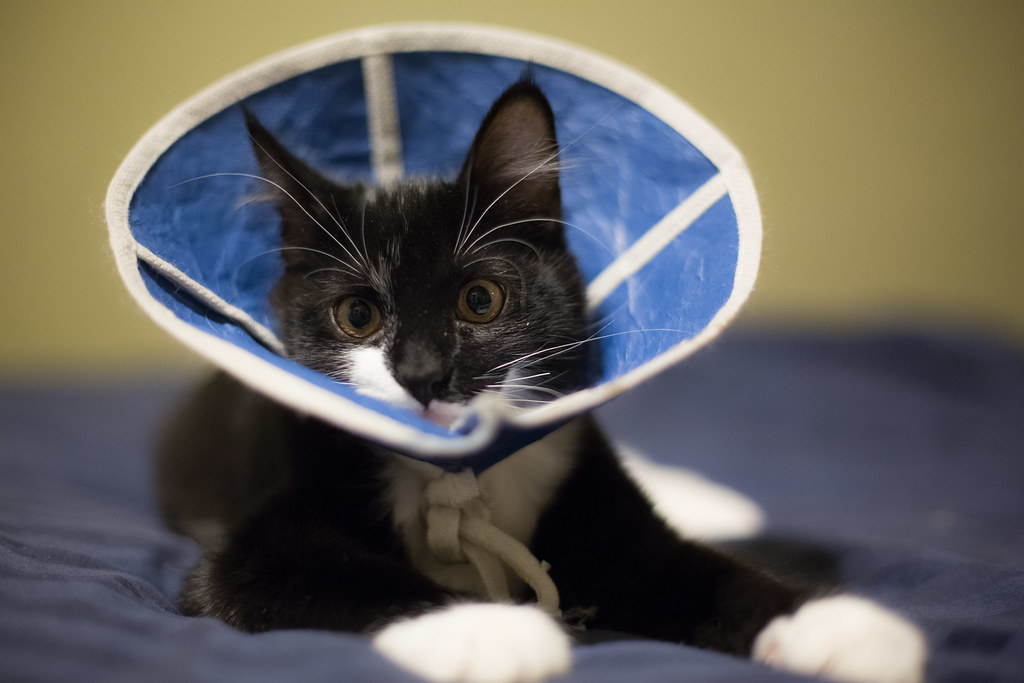
This simple surgical procedure offers one of the most significant longevity benefits you can provide for your cat. Spaying or neutering a cat significantly increases their lifespan. These statistics are so dramatic that they bear repeating – neutering can increase your male cat’s lifespan by more than half.
Neutered cats tend to live longer. One possible reason for this is that neutered cats are less likely to roam far from home. This decreases the chance of road traffic accidents. Additionally, neutered cats are less likely to have close contact with other cats. This reduces the risk of injury and the spread of disease through fighting or mating.
Spaying or neutering not only helps control the feline population but can also reduce the risk of diseases like uterine infections, mammary tumors, and certain cancers. The procedure eliminates the risk of reproductive cancers entirely and significantly reduces aggressive behaviors that can lead to injuries and stress.
Focus on Dental Health and Preventive Care

Attention should be paid to oral health and dental cleanings should be considered at this age at the discretion of your veterinarian, especially in cats resistant to routine tooth-brushing. Dental disease doesn’t just affect your cat’s mouth – it can lead to serious systemic health problems that dramatically impact lifespan.
Poor dental health allows bacteria to enter the bloodstream, potentially affecting the heart, liver, and kidneys. Cleanings, X-rays, and even extractions may be required to keep your cat’s mouth and body in tip-top shape. While dental procedures require anesthesia, which some owners worry about, the benefits far outweigh the risks when performed by experienced veterinarians.
Finding a pet toothbrush and toothpaste that work for your cat is ideal to help lower the need for frequent dental cleanings and to invest in your cat’s oral health consistently – if you can get them to cooperate. Start dental care early and be consistent. Even if your cat initially resists tooth brushing, gentle persistence and positive reinforcement can help them accept this important health routine.
Conclusion

The path to extending your cat’s lifespan isn’t about expensive treatments or complicated protocols – it’s about consistently implementing these seven fundamental strategies. From keeping them safely indoors to maintaining proper nutrition, regular veterinary care, healthy weight, daily exercise, spaying or neutering, and dental health, each element builds upon the others to create a foundation for a long, healthy life.
What strikes me most about these recommendations is how achievable they are for any dedicated cat owner. The seventeen-year-old tabby I mentioned earlier isn’t exceptional because of genetics alone – his owner has been faithfully following these principles for nearly two decades. The same opportunity exists for your feline companion.
What do you think about these longevity strategies? Have you tried implementing any of them with your own cats? Tell us in the comments.