You’ve probably heard the saying a thousand times: cats are solitary, self-reliant creatures who do exactly what they want, when they want. They sleep when you’re busy, stroll past you without a glance, and make you feel like an inconvenient roommate rather than a beloved owner. Honestly, it’s part of what makes them so fascinating.
Yet something strange happens the moment you try to work from home or focus on a task. There’s a paw on your arm, a stare from across the room, or your laptop keyboard mysteriously becomes the most comfortable napping spot in the entire house. So what’s really going on? Your so-called independent cat might be hiding a craving for connection that runs deeper than you ever imagined. Let’s dive in.
The Great Independence Myth: Your Cat Is Not as Aloof as You Think
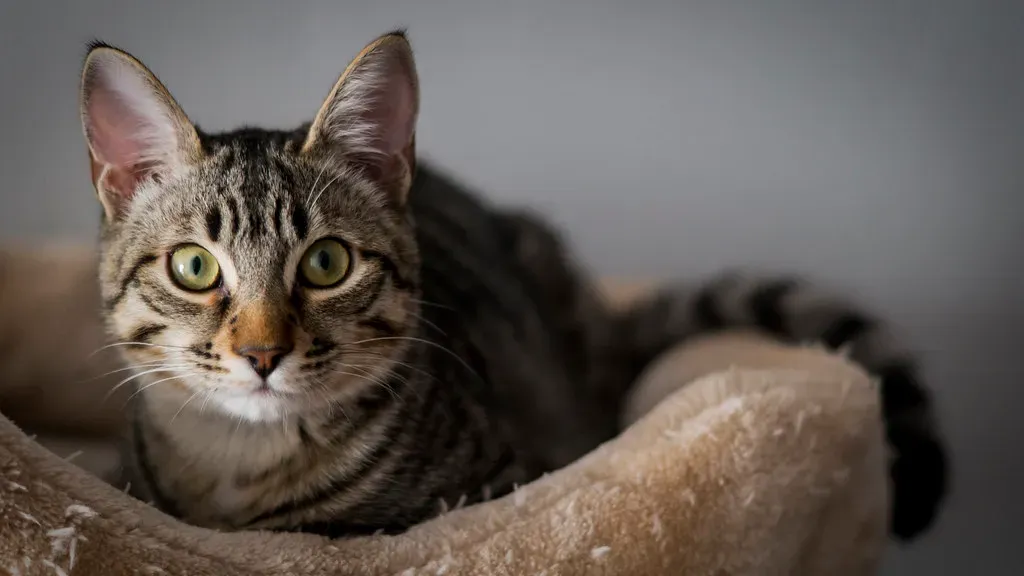
Cats are widely known for their autonomy and independence. Still, sometimes they crave attention from their human caregivers in very noticeable ways, which can be interpreted as disruptive or “naughty” behaviors. Think about it like this: imagine a coworker who never speaks in meetings but sends you a dozen messages the moment you look busy. That’s your cat in a nutshell.
Like most of us, you’ve probably been brought up to believe cats are independent, detached creatures. As it happens, their relationships with humans are far more complex than we might think. While we wouldn’t go so far as to call them antisocial, cats are certainly unique in their social needs and the way they interact with us humans. The independence narrative sells cats short, and it’s time to stop buying into it.
How Cats Evolved to Bond With Humans
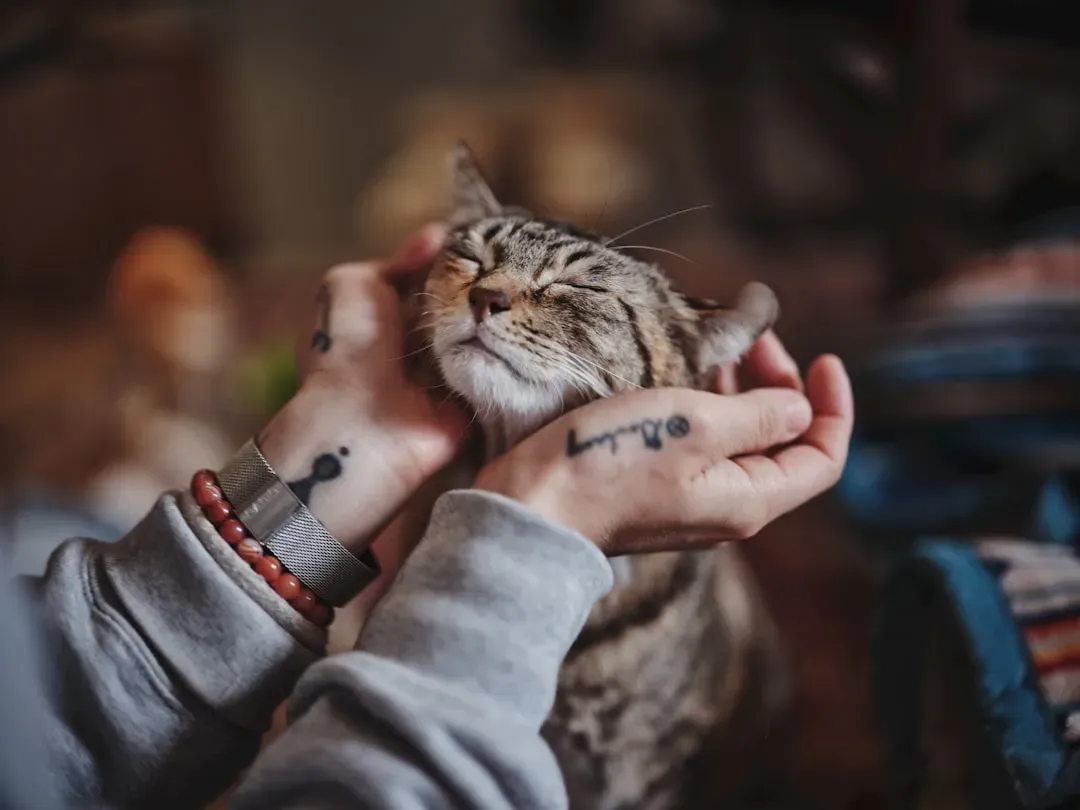
Unlike dogs, who have more of a pack mentality, cats are very subtle in their social structures. They’ve evolved over years of domestication to form strong attachment bonds with humans, often seeking us out for comfort and security. These social interactions are nuanced and vary from cat to cat, but understanding this evolution can help us to meet their complex needs.
Research has demonstrated that cats form genuine attachment bonds with people, similar to how human infants bond with their parents. That’s not a small claim. Cats are much more subtle in showing their love, though that doesn’t mean the shared bond between cats and humans is any less than with dogs. It just means that you’ll need to work harder to understand your cat’s love language and boundaries to build trust. Think of it as learning a second language. Tricky, but deeply rewarding once it clicks.
Reading the Subtle Signs Your Cat Wants Your Attention
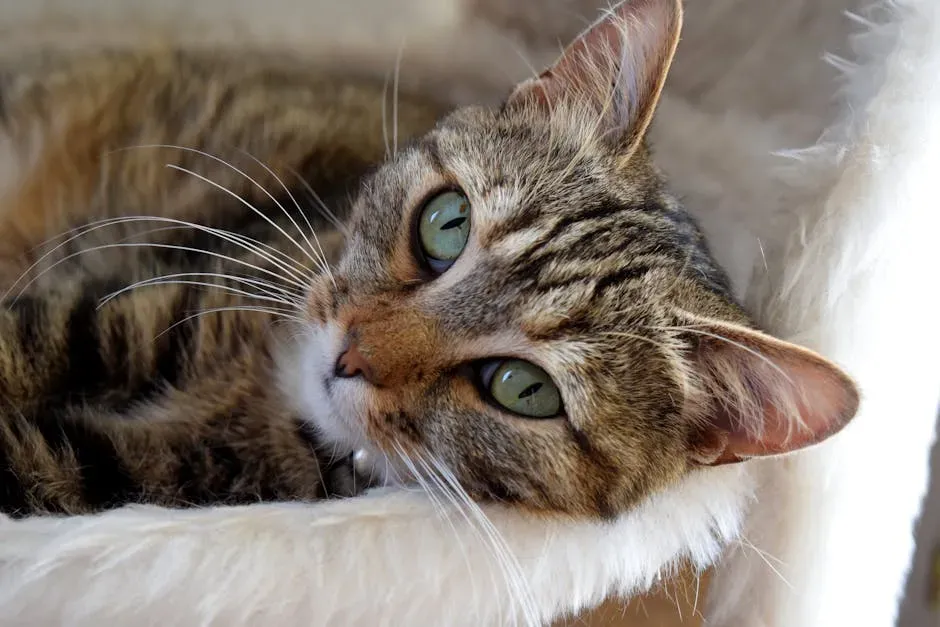
Cats have a way of getting your attention simply by staring at you. They seem to have mastered the art of getting your attention by staring intensely from across the room and speaking with their “eyes.” Although some cat owners may find this behavior creepy, cats do it because they are observant animals that like to assess their environment. If your cat has been giving you that unblinking gaze lately, it’s probably not a coincidence.
When your cat walks between your legs, paws at your ankles, or edges into the space between your neck and the sofa, they have one goal in mind: they want to get close to you. If your cat gently taps you with their paw or climbs on your lap while you are working at a computer or reading a book, they may be trying to signal that they want you to engage with them. These are not random accidents. These are deliberate communication attempts, and your cat has been waiting patiently for you to notice.
The Language of the Body: What Your Cat’s Posture Is Really Telling You
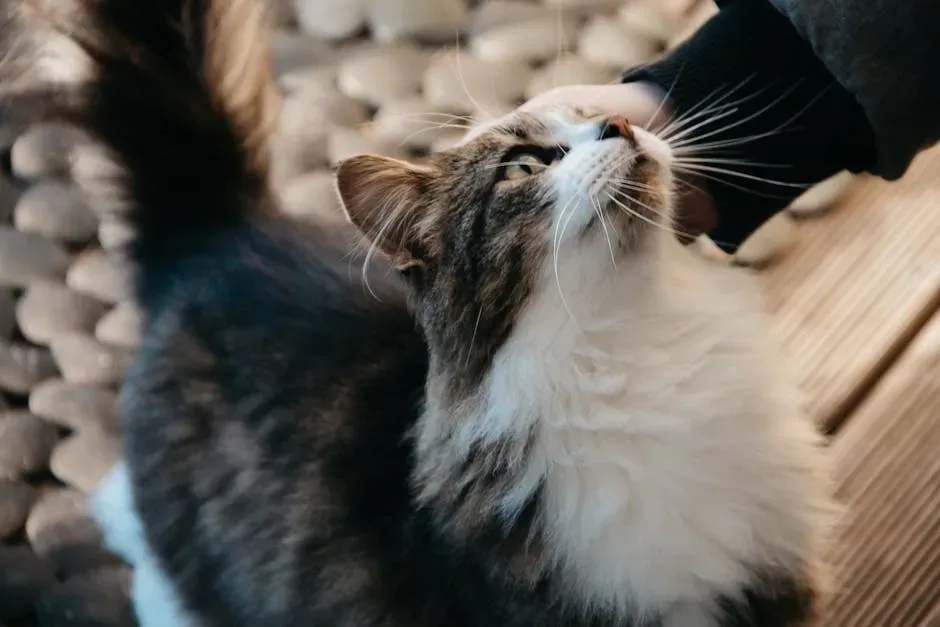
When cats are showing their affection, they rub themselves on you, often circling or turning in little figure eights. Their tails are held high, often with a tiny curve at the very end, showing that they’re happy to see you. Head butts and chin rubbing are also clear signs that your cat loves you, because cats have scent glands in their faces that allow them to claim friends and objects as their own. Your cat literally marks you as theirs. Territorial? Sure. Sweet? Absolutely.
Cats have earned a reputation for being hard to read, but it’s not their fault. They just communicate differently than humans. With their posture, tails, ears, eyes, whiskers, and vocalizations, they’ll tell you whether they’re comfortable or not. A cat’s tail acts like a mood barometer, and every twitch, flick, and curl adds context to what your cat is feeling. Once you start watching closely, the signs are everywhere.
Attention-Seeking Behaviors You Might Be Misreading as Misbehavior
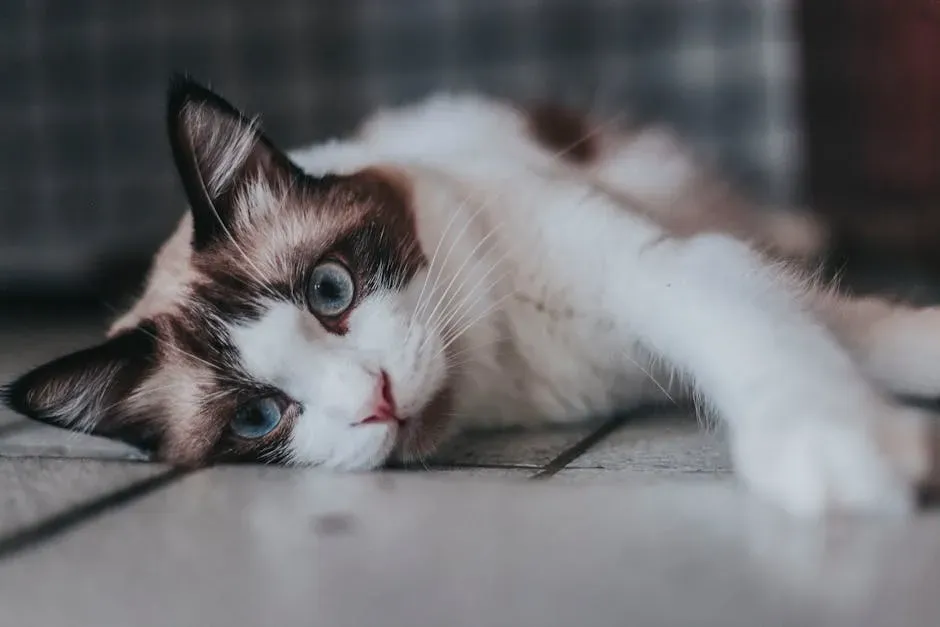
Attention-seeking behaviors may include excessive vocalization, destructive scratching, pawing or tapping, and deliberately knocking items off surfaces within your view. Most owners chalk this up to chaos or bad behavior, but let’s be real, your cat is basically sending emails marked “urgent” and hoping you open them.
Cats seek attention for many reasons, including loneliness, boredom, or an unmet need. Attention-seeking behavior can occur in any cat at any age, and it is most often observed in cats who don’t receive adequate stimulation or who are left alone for longer periods. Many cats demand attention when there’s no stress, but they like to be petted, talked to, and played with. It’s that simple, and that important.
What Separation Anxiety in Cats Actually Looks Like
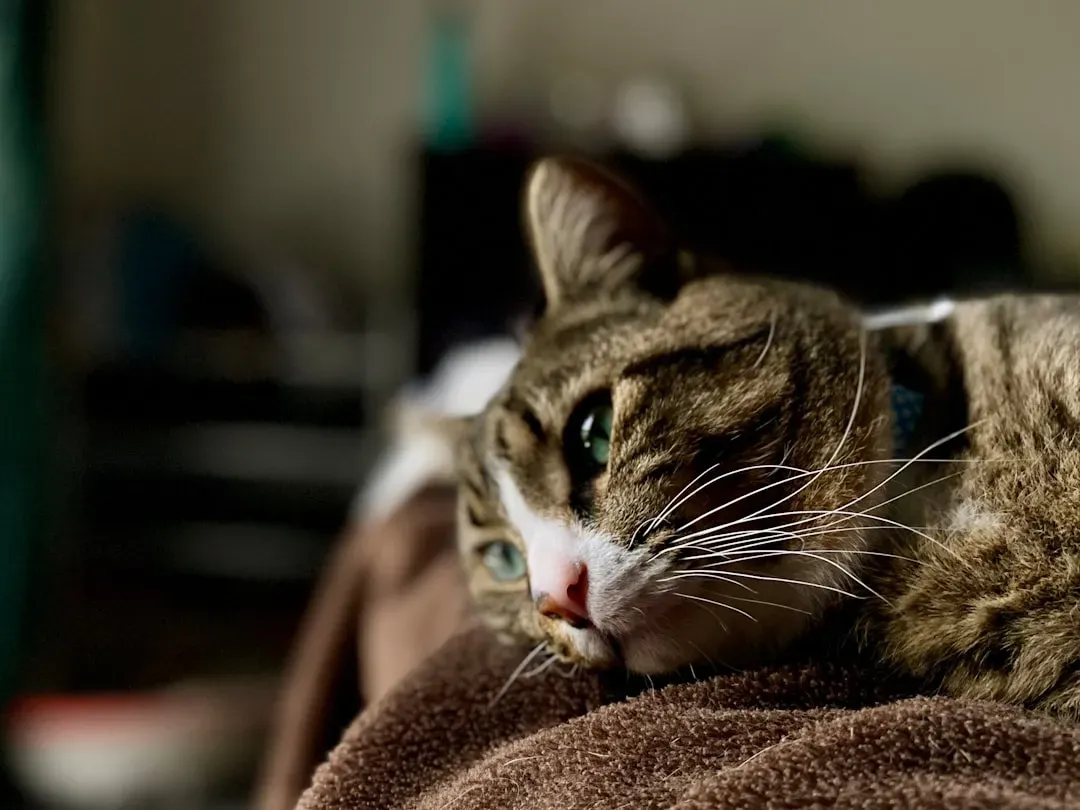
Cats have a reputation for being aloof and not particularly attached to their humans, but there is both anecdotal and scientific evidence that cats can get lonely and, just like humans, feel nervous or upset. Much like dogs, separation anxiety in cats develops when they grow overly attached to you. Because you’re their primary caregiver, you’re their source of warmth, food, shelter, and love. They feel distressed and anxious when you leave them alone.
There can be many signs of separation anxiety in cats, including increased vocalization like meowing or crying either when you leave or as you are getting ready to go. You may also notice your cat refusing to use their litter box. Your cat might scratch your furniture, curtains, or eliminate outside their litter box, with these destructive behaviors often being an outlet for nervous energy. Excessive grooming is another way your cat might self-soothe when you’re not around. These behaviors need understanding, not punishment.
How Much Attention Does Your Cat Actually Need Each Day?
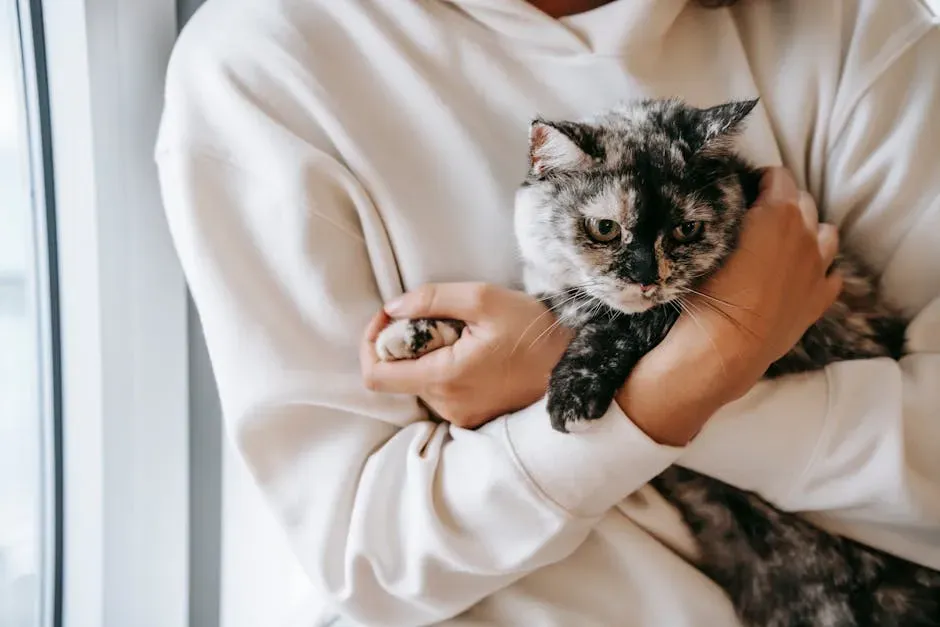
Most cats need at least 20 to 30 minutes of dedicated attention daily, though some may require up to an hour or more depending on their age, breed, and personality. That’s less time than an episode of your favorite TV show. This interaction should include a mix of activities like playing, petting, grooming, or simply spending quality time together. Quality really does matter more than quantity here.
Attention provides physical and mental stimulation, but it also strengthens the bond between you and your cat. A cat that does not receive enough attention may become asocial, destructive, and not feel comfortable in your home or presence. Playtime is critical for a cat’s well-being and reduces stress and frustration. The average adult cat needs about 30 minutes of play time daily, and this can be broken into several short sessions instead of one long bout. Short, consistent, and engaging sessions make all the difference.
Practical Ways to Give Your Independent Cat the Attention They Secretly Crave
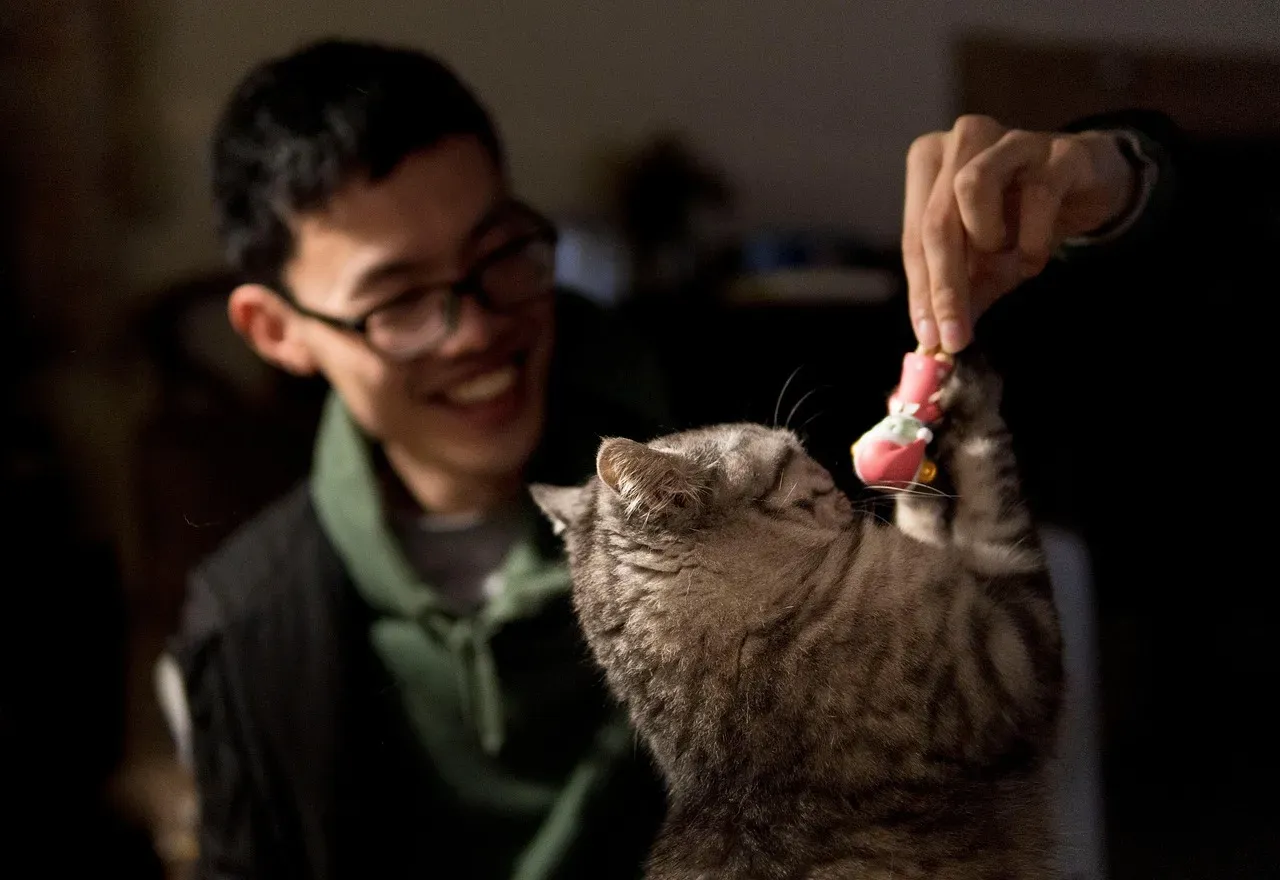
Providing your cat with structured attention rather than more attention is key. Scheduling two or three play sessions a day to total 15 to 30 minutes, along with a couple of short quiet-attention times for cuddling, petting, massage, grooming, or whatever activities your cat enjoys, can be very effective. Your cat will be less likely to be pushy and demanding if they know attention will be given at regular times each day.
Cat trees, scratching posts, interactive toys, and puzzle feeders can keep your cat entertained when you’re not around. Social activities with humans can be the single most effective way to enrich your indoor cat’s environment. Set a timer for five minutes twice daily and play with your cat, rotating the toys and activities you choose during these periods. You’d be shocked at how a small amount of daily structure transforms a fidgety, demanding cat into a calm and contented companion.
When Attention-Seeking Becomes a Medical Warning Sign
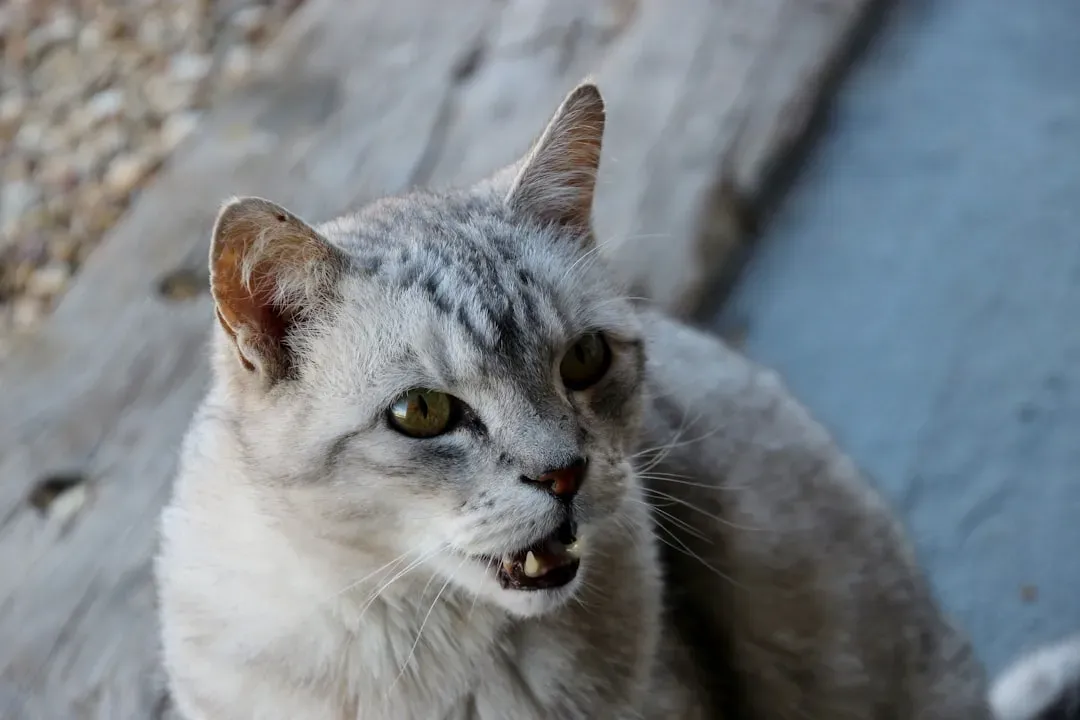
Certain cat attention-seeking behaviors may relate to anxiety, stress, pain, or other discomfort. It’s important to get your cat checked out by a veterinarian so they can rule out medical causes for your cat’s sudden change in behavior. Think of your vet visit as the equivalent of calling in a translator when the communication has genuinely broken down.
Attention-seeking behavior can occur as part of another primary behavior problem or as a result of an underlying medical problem. It can be due to inconsistent schedules, too much time left alone, or improper training. Some signs of separation anxiety, like appetite changes, overgrooming, and litter box issues, can also stem from health problems. A veterinary check-up ensures that underlying medical conditions aren’t being overlooked. Never assume your cat is just being dramatic. Sometimes the drama is a cry for real help.
Conclusion: Your “Independent” Cat Has Been Waiting for You to Notice
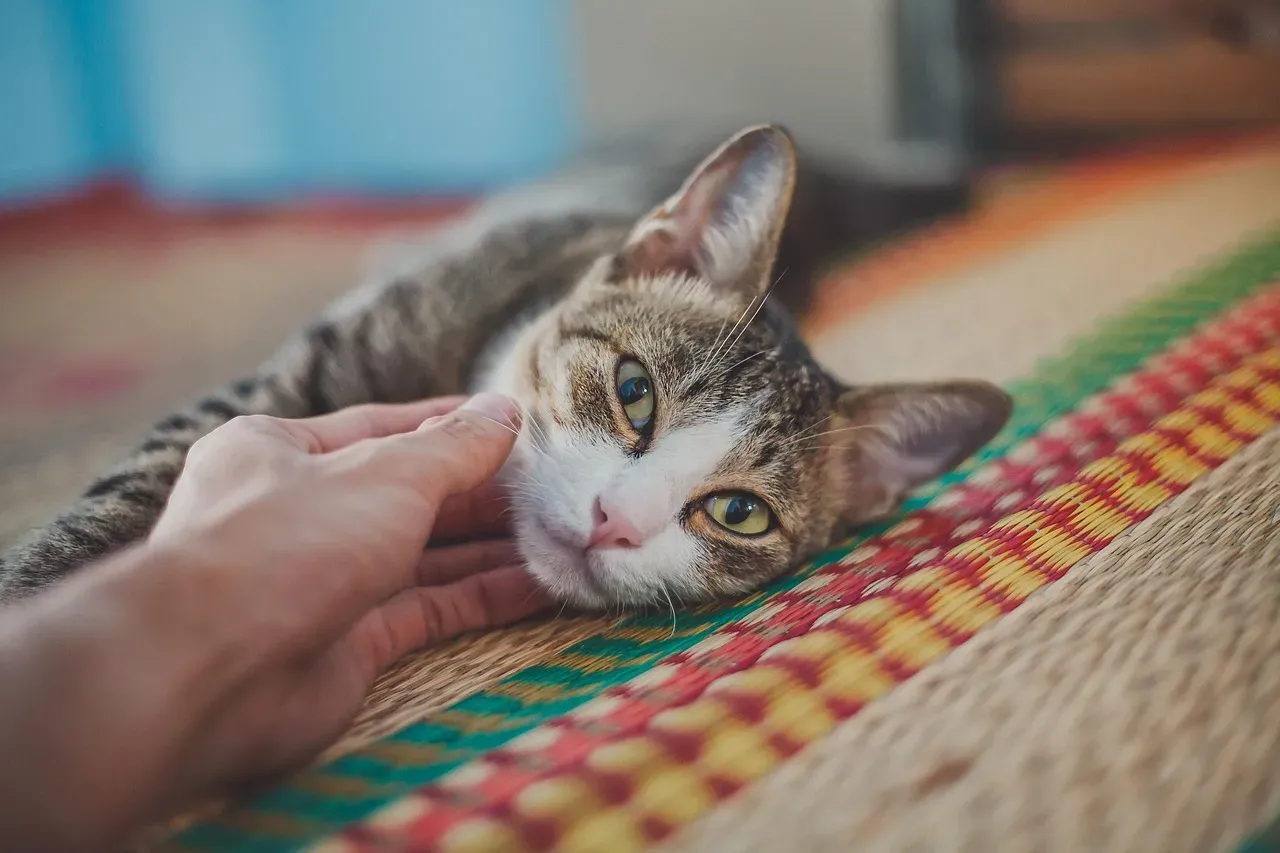
Here’s the truth that most cat owners discover too late: that proud, self-sufficient creature who seems to tolerate your presence is, in fact, quietly watching your every move, waiting for you to show up. While cats may try to make you think they are independent and carefree, the truth is that cats are actually very emotional. The independence is real, but so is the need for connection. These two things live side by side.
Your cat may not wag their tail or leap at the door with the enthusiasm of a golden retriever. Their love is understated, patient, and often expressed through the softest blink or the most deliberate choice to sit next to you on the couch. Sitting near you is a meaningful choice. Cats are selective about where they spend their time. In fact, their independence can be one of their most admired qualities. That makes choosing to share space with you a quiet but powerful sign of attachment. The next time your cat parks themselves two inches from your feet, maybe take a moment to appreciate the message they’re sending.
So, knowing all of this, do you think you might have been underestimating your cat’s emotional world all along? Tell us what you think in the comments.