You’ve probably had that moment. You’re sitting on the couch minding your business, and your cat walks in and just starts talking at you. Like, really talking. Long, winding vocalizations that sound suspiciously deliberate. Or maybe yours is the opposite – a mysterious little creature that stares at you in total silence and communicates through blinks and slow tail movements alone.
Honestly, both types are equally fascinating, and what’s even more surprising is how much cats are actually saying when they open their mouths. Whether your cat sounds like a tiny opera singer or a library librarian, their vocal habits carry real meaning. This article is your complete guide to decoding those meows, yowls, trills, and everything in between. Let’s dive in.
Your Cat Has a Bigger Vocabulary Than You Think
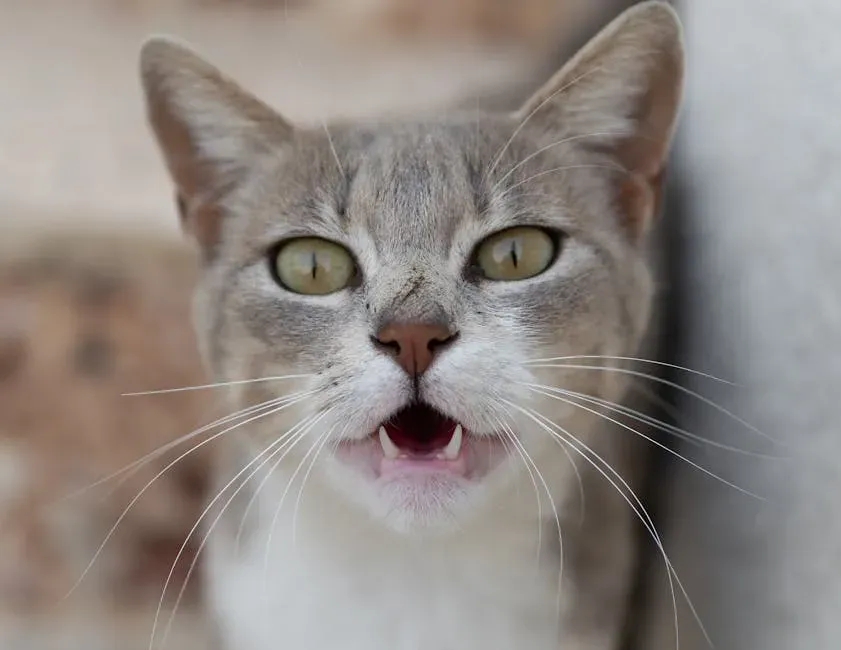
Here’s a surprising place to start: your cat’s vocal range is genuinely impressive. Up to 21 different feline vocalizations have been described in scientific research, and their vocal repertoire probably contains even more. Think about that for a second. That’s not just meowing – that’s a whole language system.
Cats can use these vocalizations to create complex phrases, sort of like sentences created by people, and there are many reasons why they speak up. The amazing part is that this communication is almost entirely directed at you. Adult cats rarely meow to each other, so adult meowing to human beings is likely to be a post-domestication extension of mewing by kittens. In other words, your cat learned to talk to you specifically – and they’ve been refining that skill their whole life.
The Short Meow: Your Cat’s Casual “Hey”
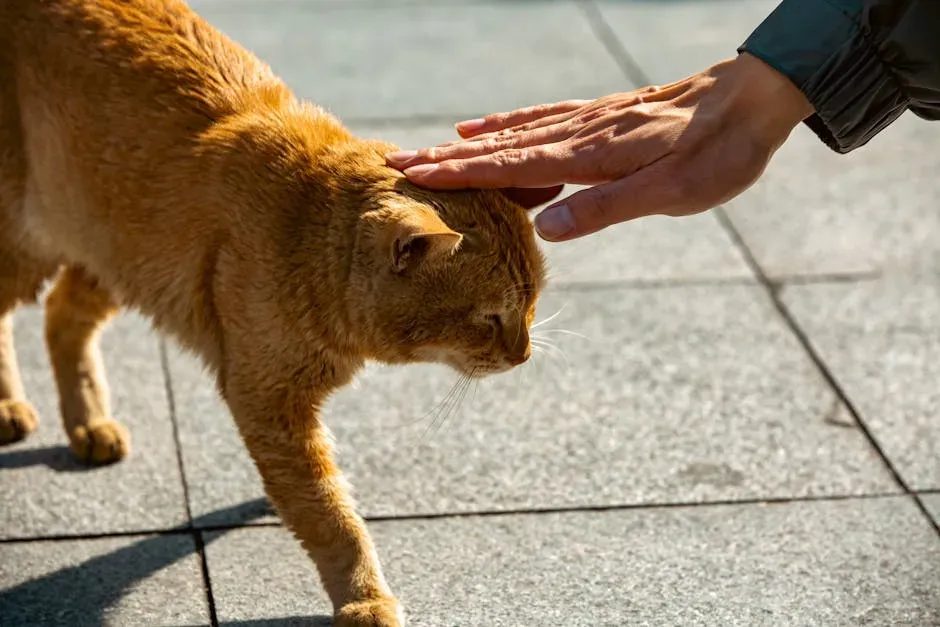
Not every meow is a dramatic declaration. Sometimes your cat is just being friendly. When a cat gives a short but sweet meow, it likely is not a request for something. This is the meow that simply means “Hi!” You’ll often hear it when you get back from work or a trip, when your cat is winding around your legs to greet you.
Short, cheerful meows are typically used as friendly greetings. These brief vocalizations, often accompanied by an upright tail and forward-pointing ears, signal that your cat is happy to see you and wants to interact. Think of it like a wave across the room. Nothing urgent, nothing demanding – just a polite acknowledgment that you exist, and that your cat has noticed. Sweet, really.
The Long, Drawn-Out Meow: When Your Cat Gets Demanding
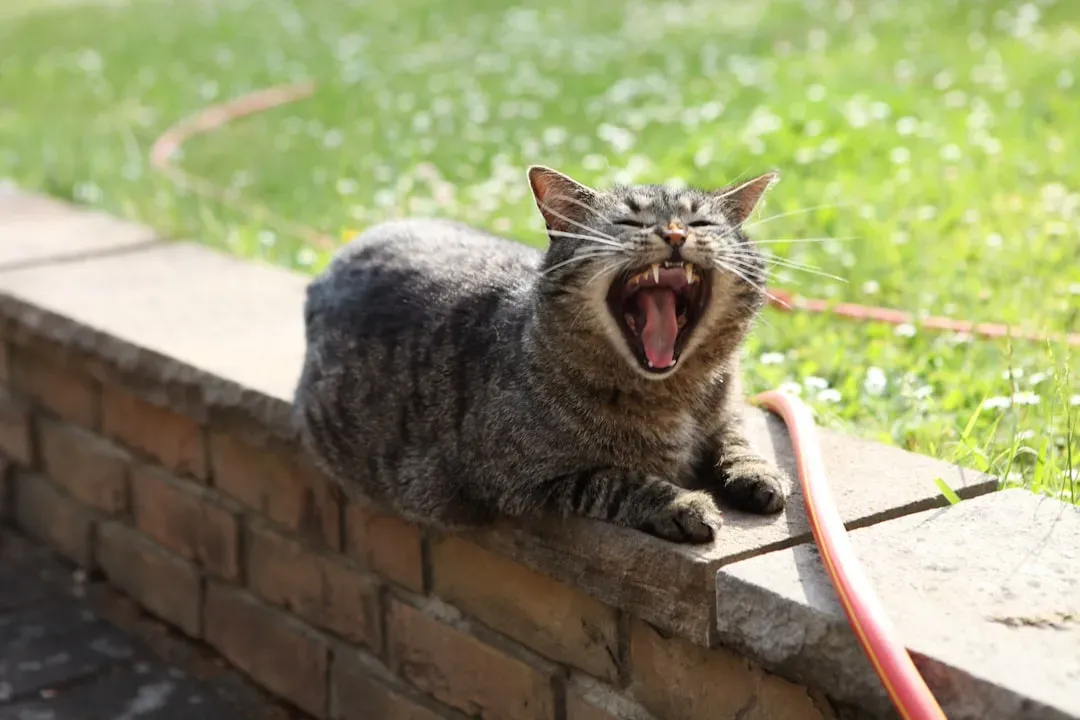
Now this one you’ve definitely experienced. The long meow is a whole different energy. Our feline friends aren’t shy in telling us when they want something, and a long meow may be another way to demand what they want. The long meow is a bit more demanding and a bit more pleading. It could show up when your pet wants to go in or out of the house, desires attention, or wants access to something.
Meows may become longer and more drawn out as your cat waits to be addressed. Pitch lowers as cats get more insistent and grows more strident when they feel ignored. Let’s be real – if you’ve ever tried to ignore a cat that wants its dinner, you know exactly how that escalation feels. It starts polite. It ends in a full performance.
Low-Pitched vs. High-Pitched Meows: Mood Is in the Tone
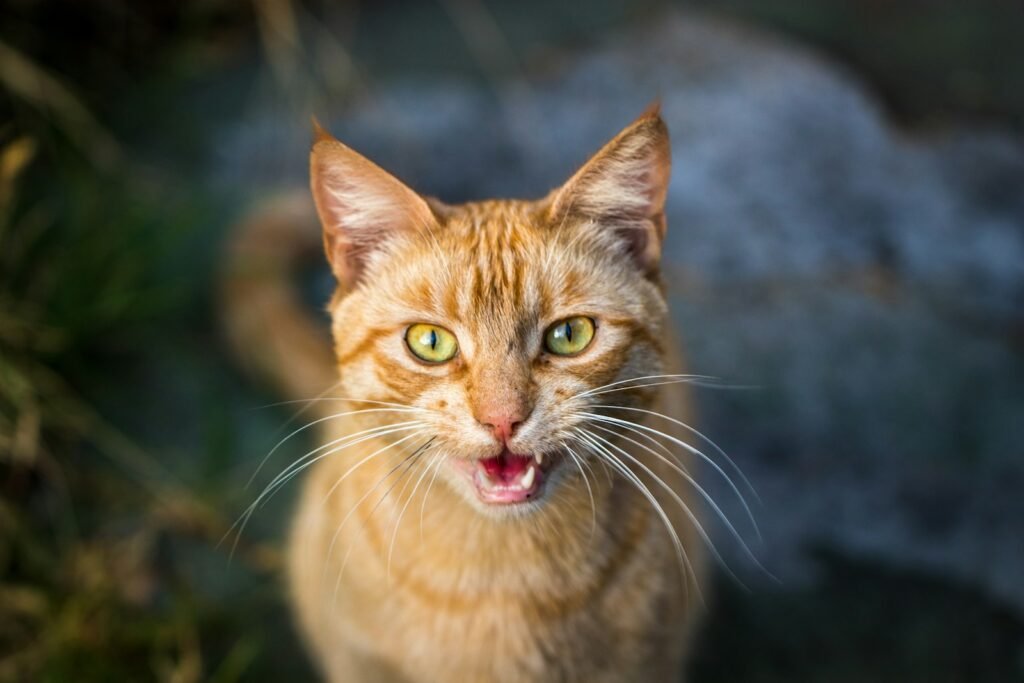
Pay attention to pitch – it tells you a lot about what your cat is actually feeling. Short meows typically mean hello, while longer meows often indicate requests or demands. High-pitched meows might signal distress, while low-pitched meows can indicate displeasure or anger. It’s almost like a sliding emotional scale right there in your living room.
A meow that comes in a lower pitch than normal is a warning and a complaint. Your cat is typically unhappy about something, and they’re either complaining about whatever it is or warning you to go away before they lash out. Your pet could be unhappy because there’s no food in their bowl, because they want your attention, or because they’d rather not have your attention right now. Honestly, the duality of that last point is very cat. They want everything and nothing, sometimes simultaneously.
The Trill: Your Cat’s Warm and Fuzzy Hello
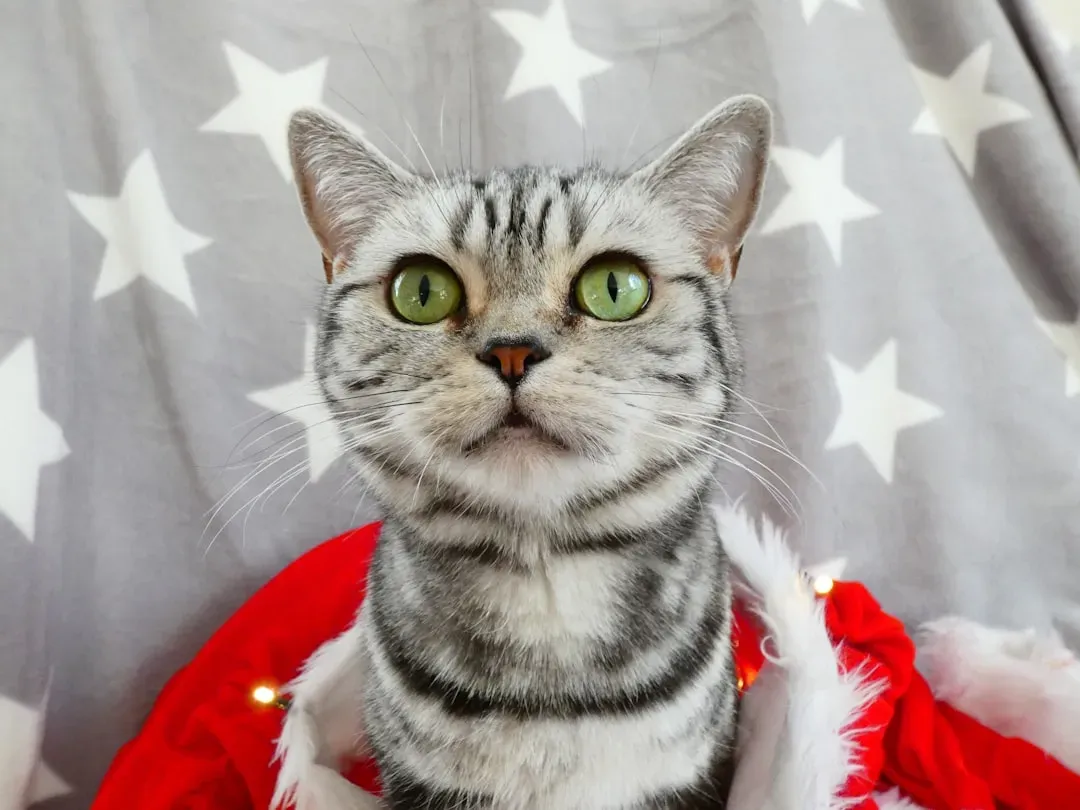
The trill is honestly one of the most delightful sounds a cat makes. A mix between a meow and purr, the trill is often described as a friendly “mrrp” sound. High-pitched and repetitive, it comes out in short bursts. Cats make this sweet sound as a greeting to other cats or to people. It can also be used as a thank you if their human has given them a treat or a head scratch.
Chirps and trills are how a mother cat tells her kittens to follow her. When aimed at you, it probably means your cat wants you to follow them, usually to their food bowl. If you have more than one cat, you’ll often hear them converse with each other this way. So the next time your cat does that adorable little rolling sound as you walk down the hallway – they’re essentially saying, “Come on, follow me, I have something important to show you.” Spoiler: it’s their empty food bowl.
Chirping and Chattering: The Hunter’s Secret Language
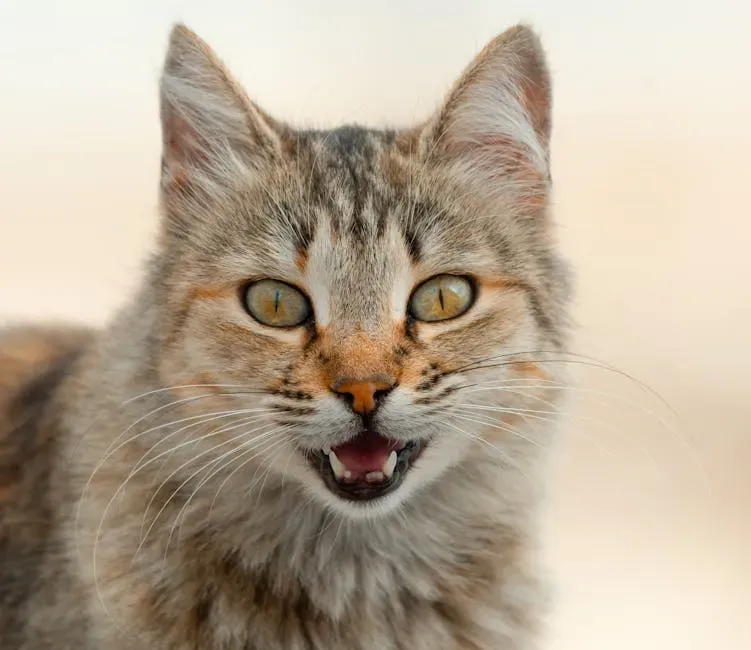
If you’ve ever seen your cat staring out the window at a bird, making that rapid, clicking “ek-ek-ek” jaw-vibrating sound, welcome to one of feline nature’s most fascinating quirks. Cat chattering, also known as chirping or twittering, mimics the sounds of small prey like birds and squirrels. It involves rhythmic jaw movements and an open mouth, often accompanied by physical signs like widened eyes and tilted ears, indicating your cat’s focused attention.
When a cat sees unreachable prey like a bird outside or a laser pointer on the ceiling, their adrenaline spikes. The chattering sound is literally their jaw involuntarily practicing the “kill bite” – the precise neck bite a wildcat uses to dispatch a bird or mouse instantly. Chattering involves intense frustration because the cat cannot reach the prey. I think that’s one of the most fascinating things about domestic cats. Strip away the cozy life and the treat pouches, and underneath is still a tiny apex predator who hasn’t forgotten a single thing.
The Yowl and Howl: When Something Is Seriously Wrong
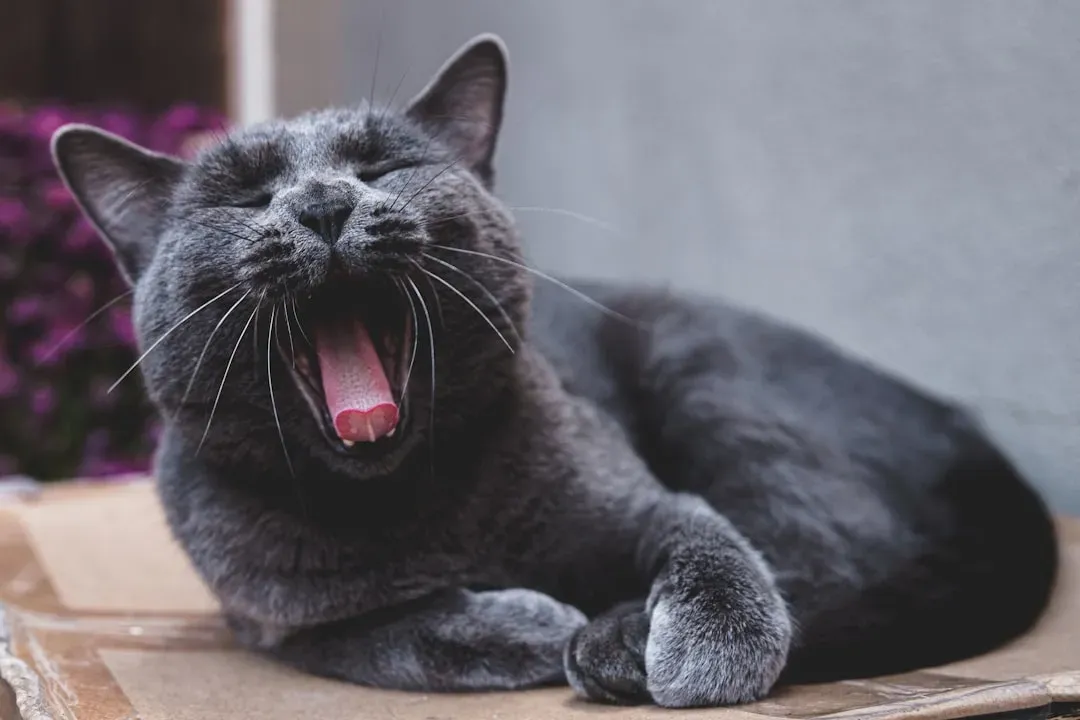
A yowl is not something you can ignore, nor should you. It sounds unsettling because it is. Often described as a louder, longer meow, a yowl is a drawn-out sound cats can make. Yowling and howling are signs that a cat is in distress. This may be physical distress from pain or illness, or emotional distress from worry, frustration, boredom, or confinement.
Yowling can also be a sign of pain or illness. Cats are usually excellent at hiding their pain, so take that yowling seriously and get them to the veterinarian to check for any injuries or illness. This is especially important to remember because cats are notoriously stoic creatures. If they’re making that much noise about it, it very likely matters. Think of a yowl as your cat finally deciding they need to file a formal complaint.
Why Some Cats Never Shut Up – and Others Say Almost Nothing
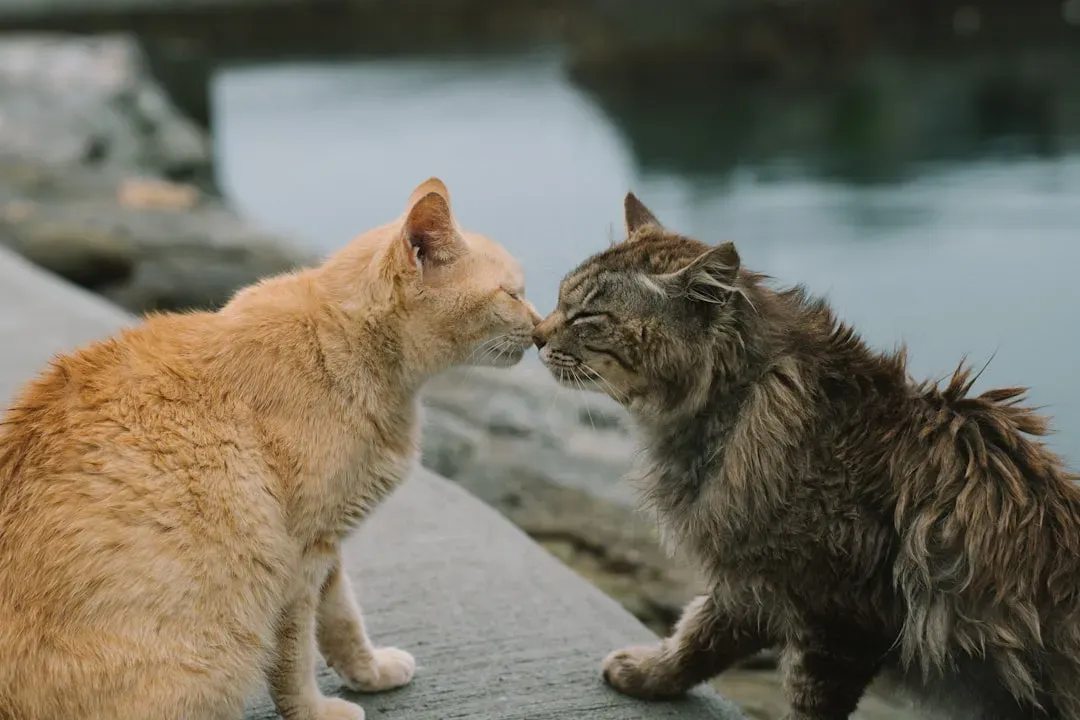
You’ve probably noticed that cats vary wildly in how much they talk. Some breeds are practically one-sided conversationalists. Some breeds are famously chatty. Talkative cat breeds like Siamese, Oriental Shorthairs, and Burmese love to “converse” with their humans. If you have one of these breeds, constant meowing is part of their personality.
On the flip side, some cats seem almost deliberately quiet. If you’d prefer a less vocal cat, consider a Persian, Russian Blue, Chartreux, Norwegian Forest Cat, or Maine Coon. These breeds tend to be on the quieter side. Breed-specific guidelines are not failsafe, though – you could end up with a noisy Persian or a silent Siamese! It’s hard to say for sure whether it’s nature or nurture, but in reality, it’s almost always both. Vocalization levels vary based on breed, personality, and learned behavior. Some breeds like Siamese cats are naturally more talkative. Additionally, cats often develop different vocal patterns based on how effectively their meowing achieves desired responses from their humans.
When Meowing Becomes a Health Warning Sign
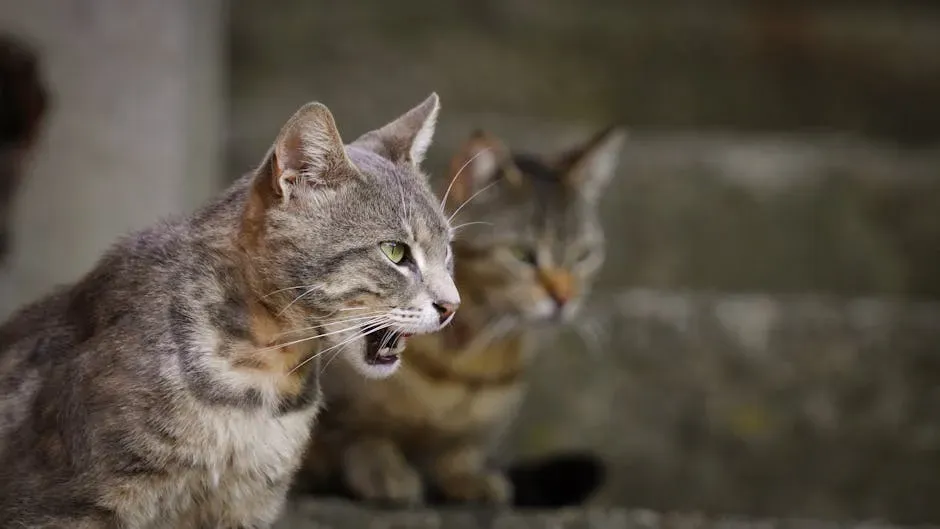
A sudden change in your cat’s vocal habits deserves real attention. Changes in your cat’s vocalization patterns can mean medical or health problems, so it’s important you know what’s normal for your cat. If your cat tends to be an avid conversationalist and suddenly becomes quiet, or if your typically reticent feline suddenly becomes loud and insistent, they may be trying to tell you they’re ill, in pain or uncomfortable.
Numerous diseases can cause cats to feel unusually hungry, thirsty, restless or irritable – any of which is likely to prompt meowing. Even if your cat has a history of meowing for food, you should still have her checked by your veterinarian. As cats age, they’re prone to developing an overactive thyroid and kidney disease, and either one may result in excessive meowing. This is one area where it genuinely pays to know your cat’s baseline. Their normal is your most powerful diagnostic tool.
Senior Cats and the Midnight Meow: What Age Does to Feline Voices
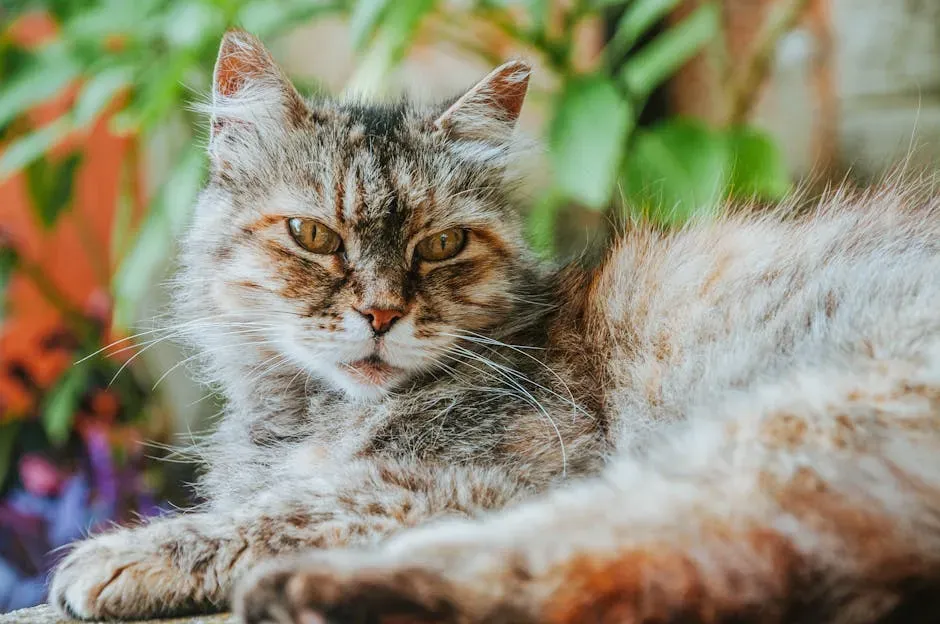
If you live with an elderly cat, you may have started noticing a lot more nighttime noise. This isn’t just a quirk of aging – it can signal something deeper. Older cats may vocalize excessively for a number of reasons, including disorientation, loss of hearing and pain due to one or more medical conditions. Think of it the way you would a very elderly person who has trouble sleeping and calls out in confusion – it deserves compassion, not frustration.
It’s estimated that cognitive decline – referred to as feline cognitive dysfunction, or FCD – affects more than 55 percent of cats aged 11 to 15 years and more than 80 percent of cats aged 16 to 20 years. Memory, ability to learn, awareness, and sight and hearing perception can all deteriorate in cats affected with FCD. On top of that, hearing loss is a possible cause specific to senior cats. If your cat experiences deafness, they might not be able to hear themselves meow like they used to, resulting in louder vocalizations. Your senior cat isn’t being dramatic. They’re navigating a confusing world with fewer tools than before.
Conclusion: Listening Is the Purest Form of Love
Your cat, whether they’re a relentless chatterbox or a dignified creature of few words, is always communicating something. The meows, yowls, trills, chirps, and even the silent stares are all pieces of a very personal language developed just for you. Every cat is different and so are the meanings behind their vocalizations. By paying attention to the context of the situation and also looking at their body language, you may be able to understand what it is your cat wants to tell you.
Learning to listen – really listen – changes everything about your relationship with your cat. You stop hearing noise and start hearing a story. Understanding your cat’s different types of meows is key to being a responsive and attentive pet parent. By paying attention to the context, timing, and characteristics of their vocalizations, you can better meet their needs and strengthen your bond. So the next time your cat strolls in and opens their mouth, give them your full attention. They’ve been learning your language for years. The least you can do is learn a little of theirs.
Is your cat a ‘Chatty Cathy’ who narrates their whole day – or a ‘Silent Sam’ who communicates purely through soulful stares? Tell us in the comments!