You’ve probably felt it before. That moment when your cat curls up beside you after a tough day, purring softly against your chest, and somehow everything feels just a little bit lighter. It’s not just your imagination playing tricks on you. There’s something genuinely mysterious and powerful happening in those quiet moments with your feline companion that goes far beyond simple affection.
Scientists and researchers are increasingly fascinated by what cat owners have intuitively known for centuries. Your whiskered friend might actually possess remarkable healing abilities that affect both your body and mind in ways we’re only beginning to understand. The evidence emerging from laboratories and research institutions worldwide suggests that these enigmatic creatures offer more than just companionship. They might be quietly working as furry therapists, delivering tangible health benefits while appearing to do nothing more than nap and demand treats.
The Science Behind That Mysterious Purr
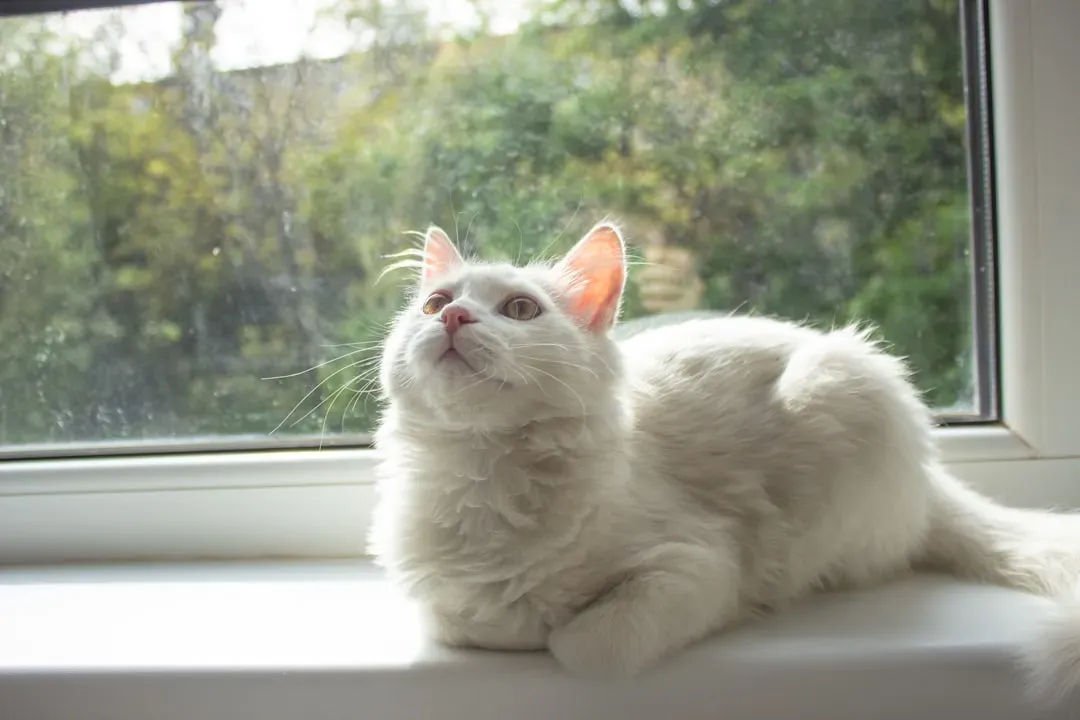
Your cat’s purr operates at a frequency between 25 and 150 hertz, which isn’t just random noise. This frequency range closely matches those used in therapeutic vibrational therapy treatments, particularly for bone healing and tissue repair. Think about that for a moment. Your cat is essentially a living, breathing sound therapy device that happens to enjoy tuna and knocking things off counters.
These vibrations can help reduce inflammation, improve circulation, and stimulate the healing of damaged tissues, while also promoting bone cell regeneration and increasing bone density. Cats themselves purr when injured or in distress as a natural healing mechanism, which might explain why they typically recover from injuries more quickly than many other animals. So when your cat settles on your lap after you’ve twisted your ankle or strained your back, they might actually be doing more than seeking warmth.
Stress Relief That’s Backed by Research
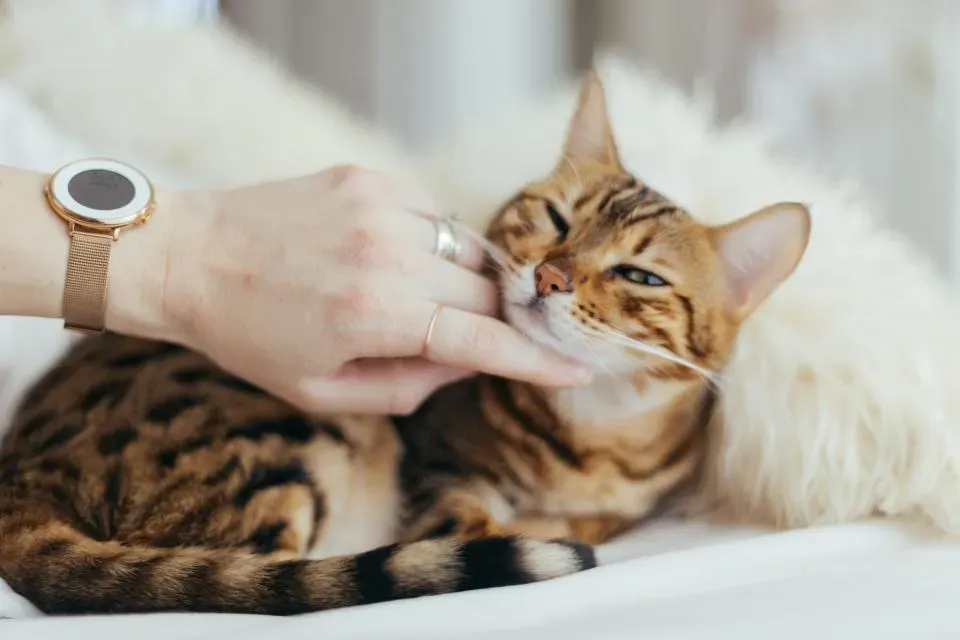
Let’s be real here. Life in 2026 can feel overwhelming. Petting a cat or listening to their purring triggers the release of oxytocin, which promotes happiness and reduces stress, while lowering cortisol levels and helping to ease chronic discomfort. The process is remarkably straightforward yet profoundly effective.
Just spending ten minutes petting or cuddling with a cat can relieve stress and improve moods. The soothing vibrations can help regulate your autonomic nervous system, which controls involuntary bodily functions like heart rate and breathing, promoting a sense of calm and emotional well-being. Your cat isn’t just being lazy when they demand attention during your work deadline. They’re actually providing you with a biological stress intervention, whether they realize it or not.
Heart Health and Cardiovascular Benefits
Studies have shown that people are less likely to die of a heart attack if they own a cat. That’s not a small claim. We’re talking about measurable, life-extending benefits from sharing your space with a creature that spends most of its time sleeping and judging your life choices from atop the refrigerator.
Cat owners often experience lower blood pressure and decreased risk of cardiovascular disease compared to non-cat owners. Research findings suggest cat owners are roughly one third less likely to die from a heart attack or stroke, and can expect to enjoy lower cholesterol, triglycerides, and blood pressure. The mechanisms behind these benefits likely involve multiple factors, including the calming presence of your feline friend and the regular stress reduction they provide simply by existing in your home.
Mental Health Support You Can Actually Pet

Depression and anxiety are common struggles for many people today. Surveys have found that roughly one third of cat owners felt that stroking their cat was calming, while the vast majority reported their cat had a positive impact on their well-being. That’s significant when you consider how difficult it can be to find effective coping strategies for mental health challenges.
About three quarters of cat owners found they coped better in life by having cats for companionship. The repetitive sound of purring has a calming, meditative quality that can reduce anxiety and promote mindfulness, while simply spending time with cats often triggers the body’s relaxation response. Your cat doesn’t judge your bad days, doesn’t require you to explain your feelings, and offers unconditional acceptance. Honestly, that alone makes them worth their weight in premium cat food.
Pain Management Through Vibrational Healing
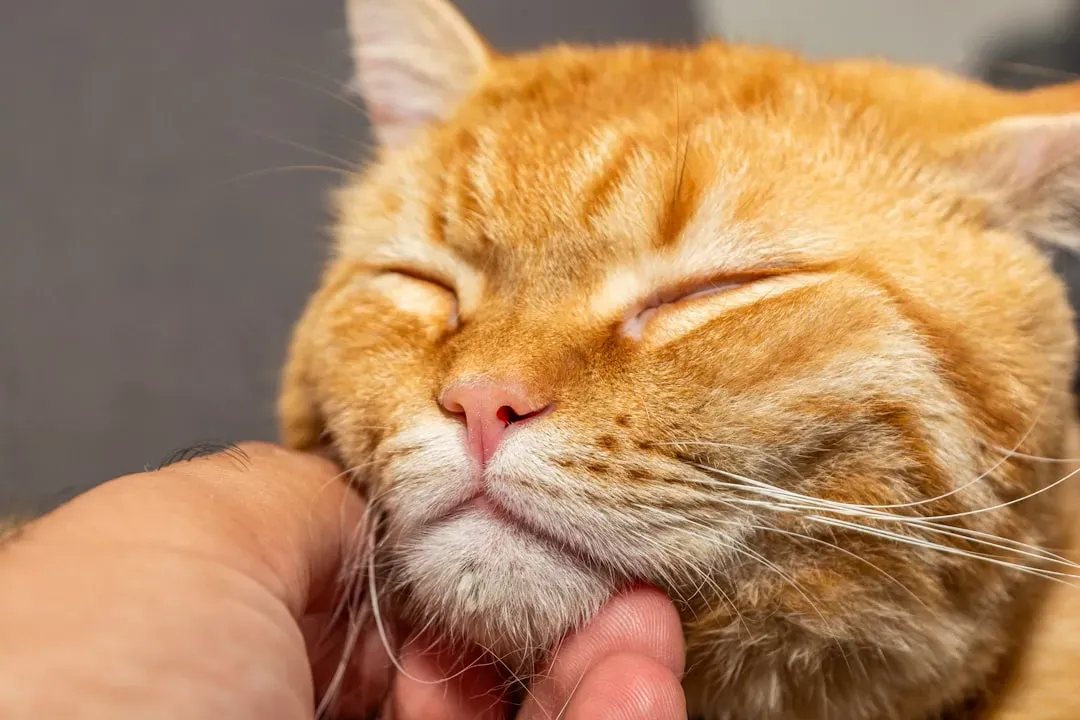
There are many stories of people with migraines whose headaches are eased or extinguished when they lie with their heads close to purring cats. While anecdotal evidence isn’t the same as clinical trials, the sheer number of similar reports suggests something noteworthy is happening. The vibrations from purring seem to offer genuine pain relief for some individuals.
The frequency of cat purring may aid in healing processes, with frequencies in that range known to help promote the healing of bones, reduce inflammation, and improve joint mobility. The vibrations created by cat purring have been linked to the release of nitric oxide, a molecule that plays a role in reducing pain and improving circulation. So when your cat insists on sleeping directly on your sore shoulder, they might be onto something after all.
Companionship That Combats Loneliness
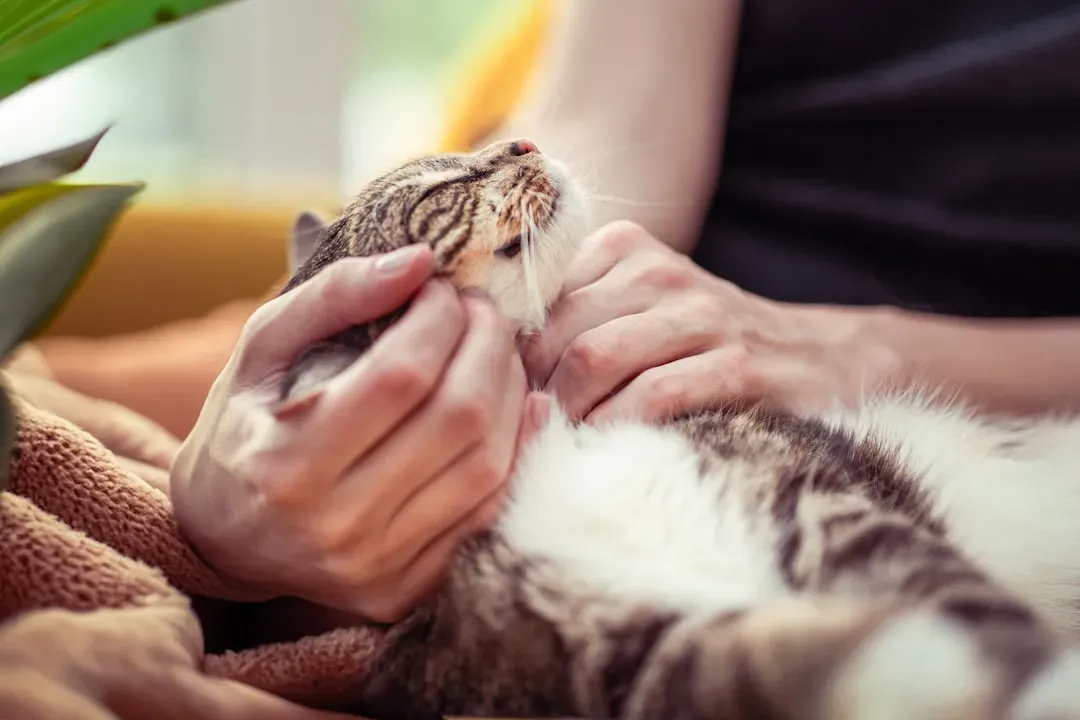
Living alone or feeling isolated has become increasingly common across all age groups. Research shows that cats can serve as important sources of social and emotional support, helping people cope with loneliness and isolation. They provide consistent presence without the complications that sometimes come with human relationships.
People with cats reported experiencing fewer negative emotions and feelings of seclusion than people without cats, with single people who had cats often being happier than people with a cat and a partner. Your cat greets you when you come home, depends on you for care, and shares your living space in ways that create genuine connection. They might not understand your work problems or remember your birthday, but their simple presence fills a fundamental human need for companionship.
Sleep Quality and Nighttime Comfort
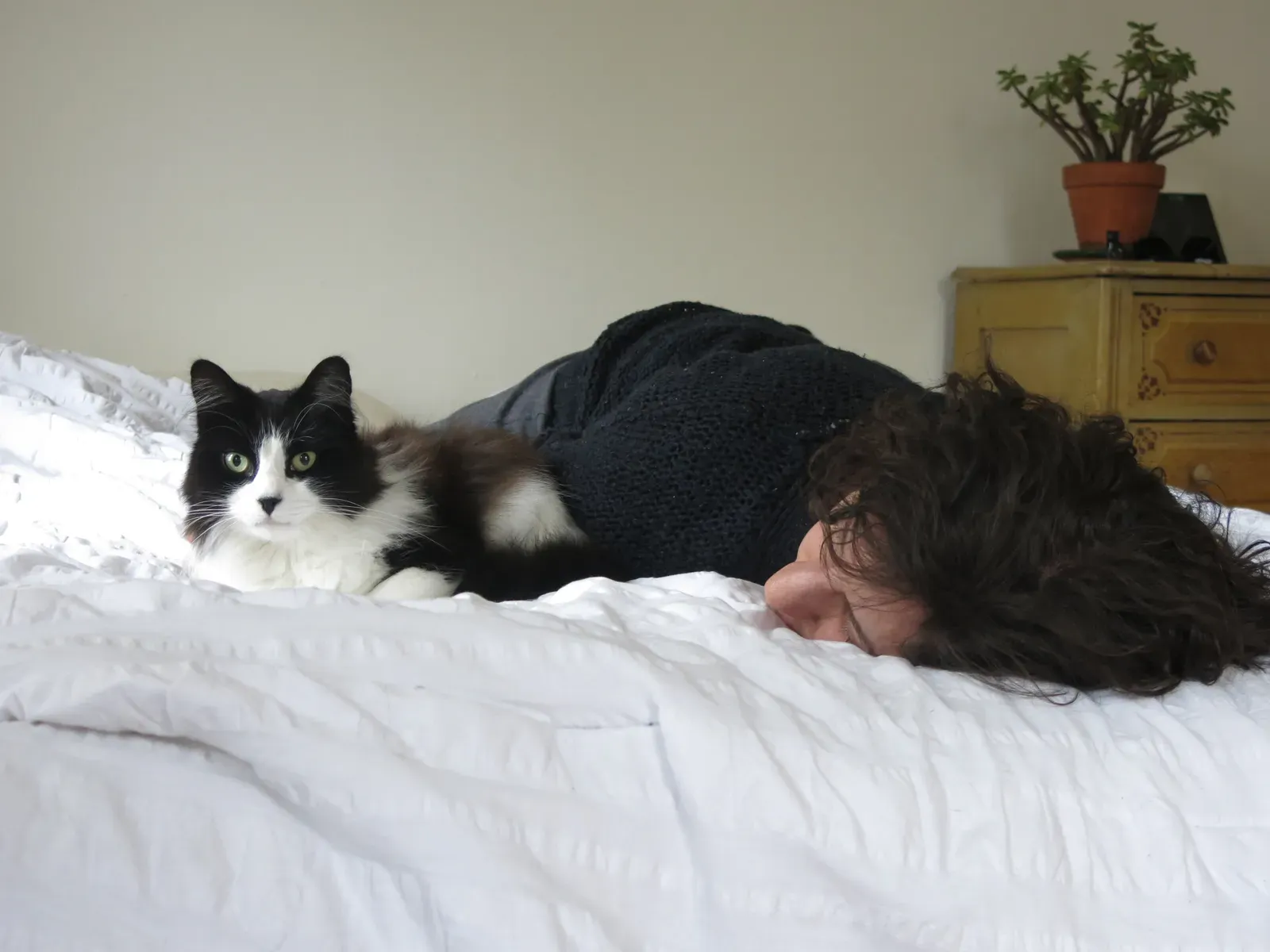
Studies show that approximately two in five people stated they slept better because of their animal. Sleep is absolutely crucial for mental and physical health, yet many of us struggle to get enough quality rest. Your cat might actually be helping in this department, despite their occasional three a.m. zoomies.
Sharing your bed with your cat can help you relax as you drift to sleep and ease nighttime anxiety. The gentle weight of a cat on the bed, the rhythmic sound of purring, and the warmth they provide all contribute to creating a soothing sleep environment. Sure, they might steal your pillow or sleep directly on your face, but for many people, the trade-off is worth it for the improved sleep quality and reduced anxiety.
Immune System Boost and Physical Health
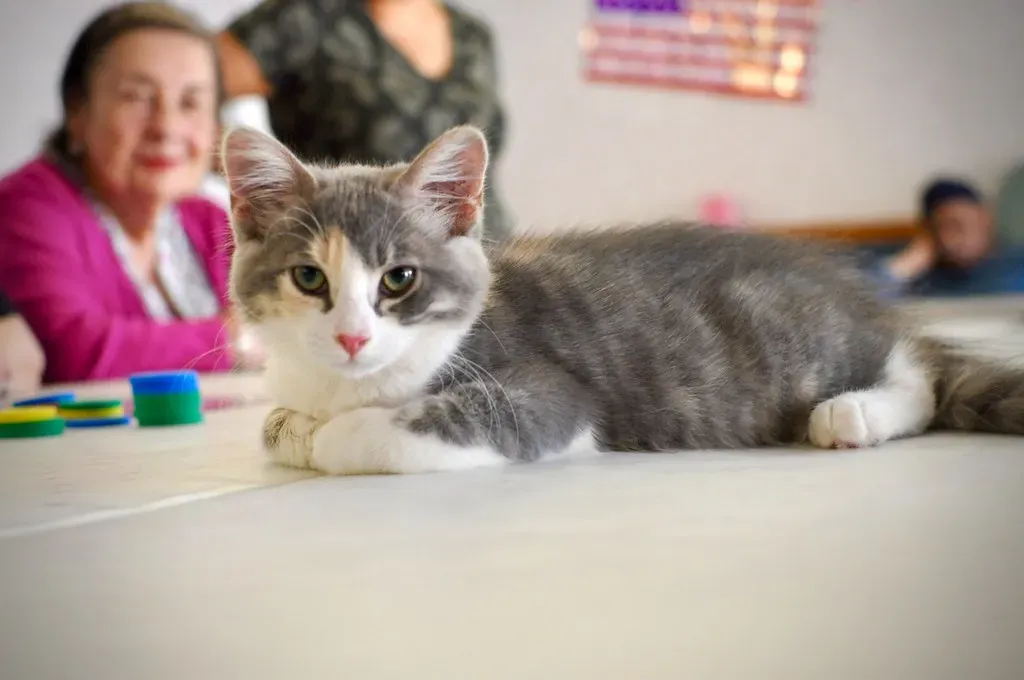
Cats can improve depression and provide social support, which can impact immune response and motivation to make positive health changes. The connection between mental health and physical health is well established, and cats seem to contribute positively to both areas simultaneously. They create an environment that supports overall wellness.
Cat purr frequency ranges have been found to have various health benefits, including lowering blood pressure, reducing the risk of heart attack, and promoting the healing of bones and tissues. Your cat isn’t just a pet. They’re a walking, meowing wellness program that occasionally brings you dead mice as questionable gifts. The physical health benefits extend beyond any single system and seem to create a cumulative positive effect on your overall wellbeing.
Emotional Regulation and Mood Enhancement

Interacting with cats triggers the release of hormones such as serotonin, dopamine, and oxytocin, with oxytocin being recognized for its role in bonding and stress relief, as well as its physiological effects such as decreased heart rate and slowed breathing. These aren’t trivial chemical changes. They represent fundamental shifts in your emotional and physiological state.
Cat ownership is associated with lower levels of depressive symptoms and improved mood, with cat owners laughing more frequently and spontaneously than non-owners, particularly in response to something their cat has done. Anyone who has watched their cat unsuccessfully calculate a jump or get startled by their own reflection knows exactly what this research is talking about. Cats provide both intentional and unintentional entertainment that genuinely improves your mood and emotional state.
The Broader Picture of Feline Healing Power

Key benefits cited by those whose pets positively impact their mental health include helping reduce stress and anxiety, offering companionship, and providing a calming presence. A strong majority of pet owners said their pets have a mostly positive impact on their mental health, with dog and cat owners being equally likely to report this benefit. The therapeutic value of cats is becoming increasingly recognized in formal healthcare settings.
The cat purring effect on humans has been explored in therapeutic settings, including animal-assisted therapy, with therapy cats visiting hospitals, nursing homes, and schools to provide comfort, while the gentle vibrations of purring can have a grounding effect helping individuals manage symptoms of anxiety or PTSD. The healing power of cats extends beyond individual homes into broader community health applications. These aren’t just beloved pets anymore. They’re being recognized as legitimate contributors to human health and wellbeing.
Your cat probably doesn’t know they’re a natural healer. They’re mostly concerned with their next meal and whether that bird outside the window is plotting something. Yet the evidence keeps mounting that these enigmatic creatures offer genuine therapeutic benefits that can measurably improve your life. From their vibrating purrs that match frequencies used in medical treatments to their ability to lower your blood pressure and boost your mood, cats provide multifaceted health benefits that science is only beginning to fully understand. So the next time your cat demands to sit on your laptop while you’re working or insists on kneading your stomach at five in the morning, remember they might just be doing their job as your personal, furry healthcare provider. What do you think about your cat’s healing powers? Have you noticed ways your feline friend has improved your wellbeing?