You set down a fresh bowl of food, feeling pretty good about yourself. Your cat saunters over, takes one long, dramatic sniff, looks you dead in the eye, and walks away. Sound familiar? Cats are famously opinionated, and nowhere is that more obvious than at the dinner table – or, well, their dinner bowl.
The thing is, your cat can’t exactly file a one-star review on Yelp. Instead, they communicate displeasure in subtle, sometimes hilarious, sometimes genuinely worrying ways. Knowing the difference between a picky phase and a real red flag could make all the difference for your furry food critic. Let’s dive in.
They Walk Away Without Touching the Bowl
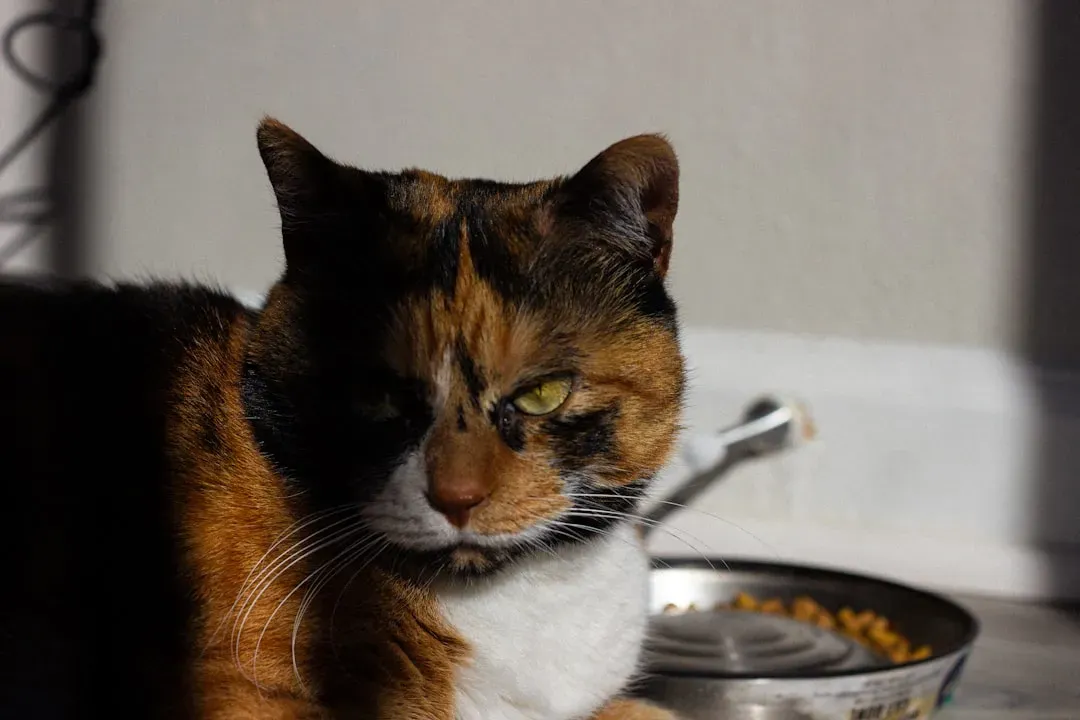
This is the most classic move in a cat’s disapproval playbook. The most common reason a cat loses interest in food while otherwise acting normally is simply that they don’t like it. If it’s new food, or if they’ve been eating the same thing for a long time, they may decide to get picky about what they eat. It’s a bit like ordering the same takeout every Friday for a year and then, one day, just not being able to face it anymore.
If your cat is not eating but is otherwise acting normally, the issue may simply be the food itself. They might not like the flavor, texture, or odor. Think about it from their perspective. Imagine someone serving you the same bland meal every day and wondering why you’re unenthusiastic. You’d walk away too.
They Sniff It, Then Stare at You With Judgment
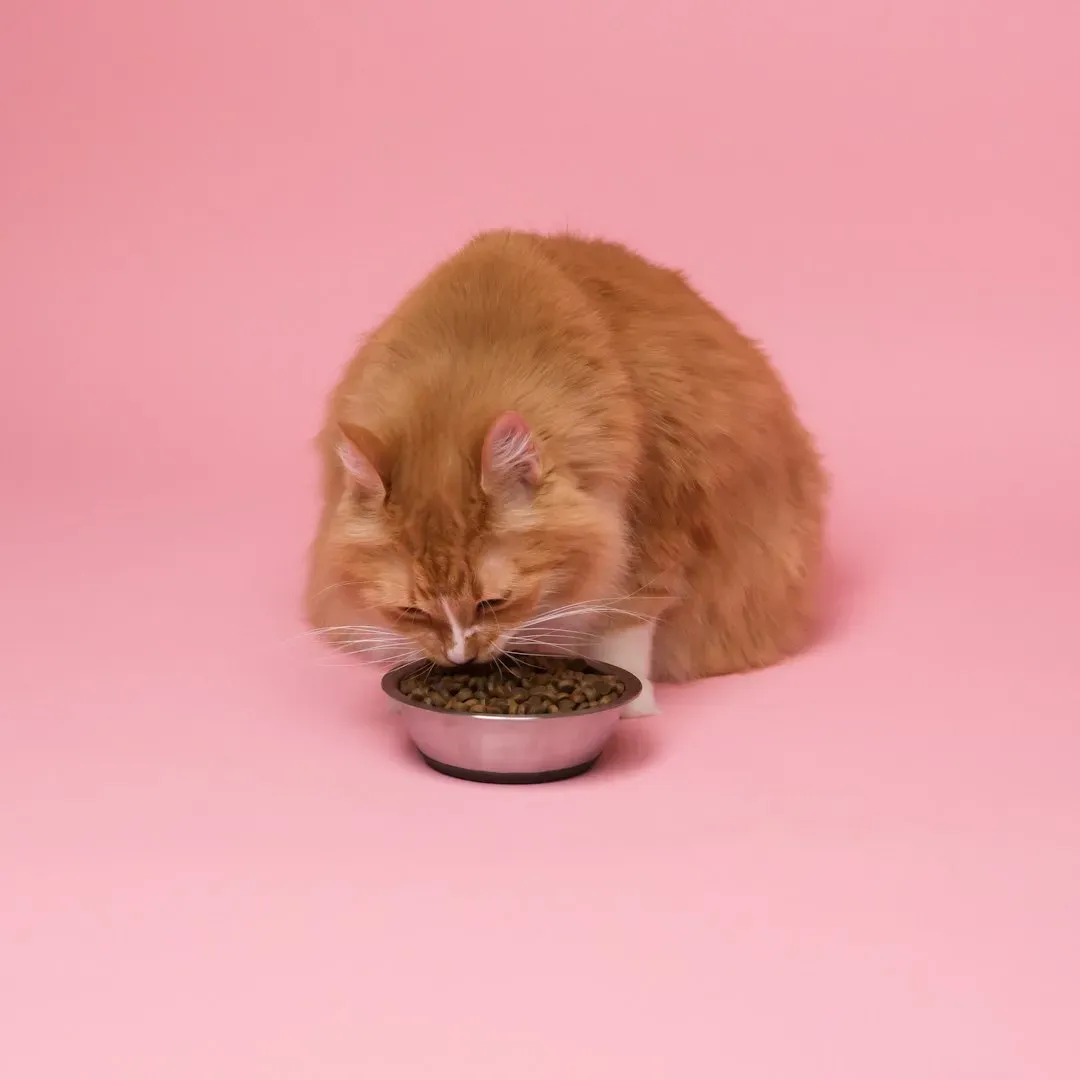
That long, loaded stare after a sniff? It’s not an accident. Taste is an essential characteristic for cats and has been shown to affect food selection significantly. Cats use their nose as the first gatekeeper. If the smell doesn’t pass the test, the whole meal is already disqualified before a single bite is taken.
Cats will often reject bitter-tasting foods, as it is a means of avoiding the consumption of something that is potentially toxic. So when your cat sniffs that new formula and backs away with what honestly looks like offended dignity, they’re not being dramatic. They’re running a full sensory security check. The stare afterward is just the verdict being delivered.
They Scratch or Paw Around the Bowl
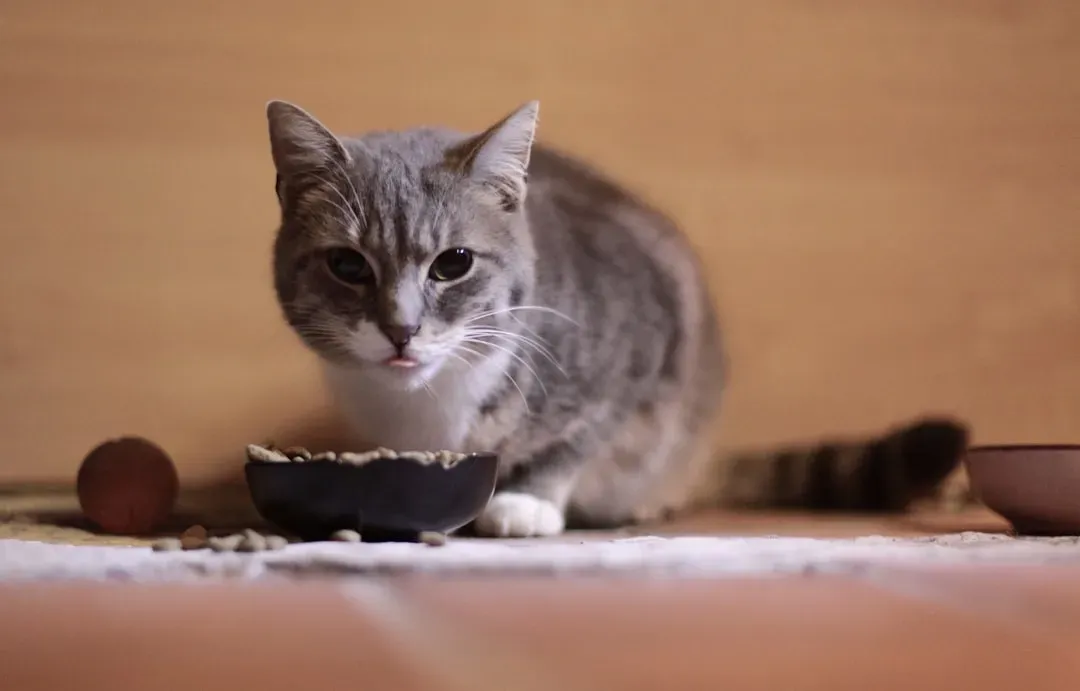
Here’s one that really throws people off. Your cat doesn’t eat the food, and then they start scratching at the floor around the bowl like they’re trying to bury treasure. If the food is too cold, stale, or has an off-putting odor, your cat may scratch around the bowl in an attempt to “dispose of” the unacceptable meal. Wild, right? They’re literally trying to cover it up and pretend it doesn’t exist.
Some cats avoid certain kibbles due to size, hardness, or flavor intensity, and the burying motion may be less about instinct and more about rejection – akin to a person pushing unwanted food to the edge of a plate. So that scratching ritual isn’t always ancient feline survival instinct. Sometimes it’s just a tiny, furry Gordon Ramsay telling you the dish didn’t make the cut.
They Only Eat Part of the Meal and Walk Off
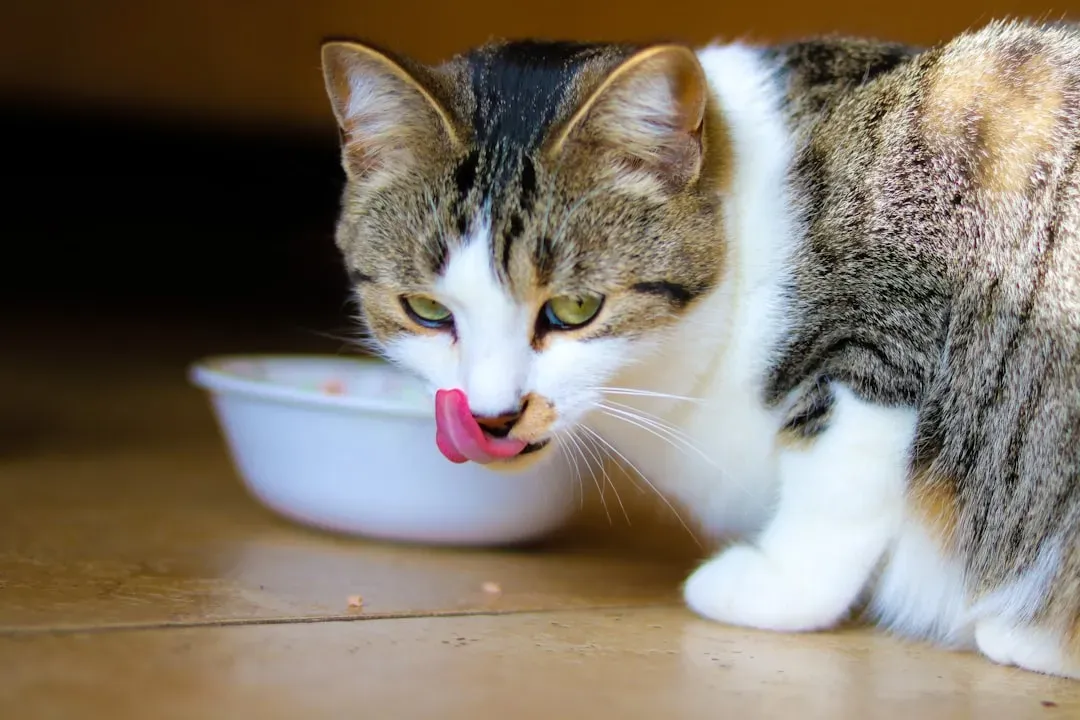
Your cat circles back, takes a few grudging bites, and then abandons the bowl like someone who ordered food at a restaurant and found it disappointing after the second forkful. If a cat eats the same amount of two different foods, it doesn’t mean much. While cats appreciate taste, they mainly eat because they’re hungry, and when they are satisfied, they stop. However, partial eating followed by avoidance is a different story altogether.
Other issues, such as gastrointestinal upset, nausea, or oral infections, can also cause partial eating followed by avoidance behaviors. This is where you need to pay careful attention. If it happens consistently over multiple meals, your cat may be telling you something important, and it’s worth noting whether anything else seems off with their energy or behavior.
They Chew With Their Back Teeth or Eat With Their Eyes Closed
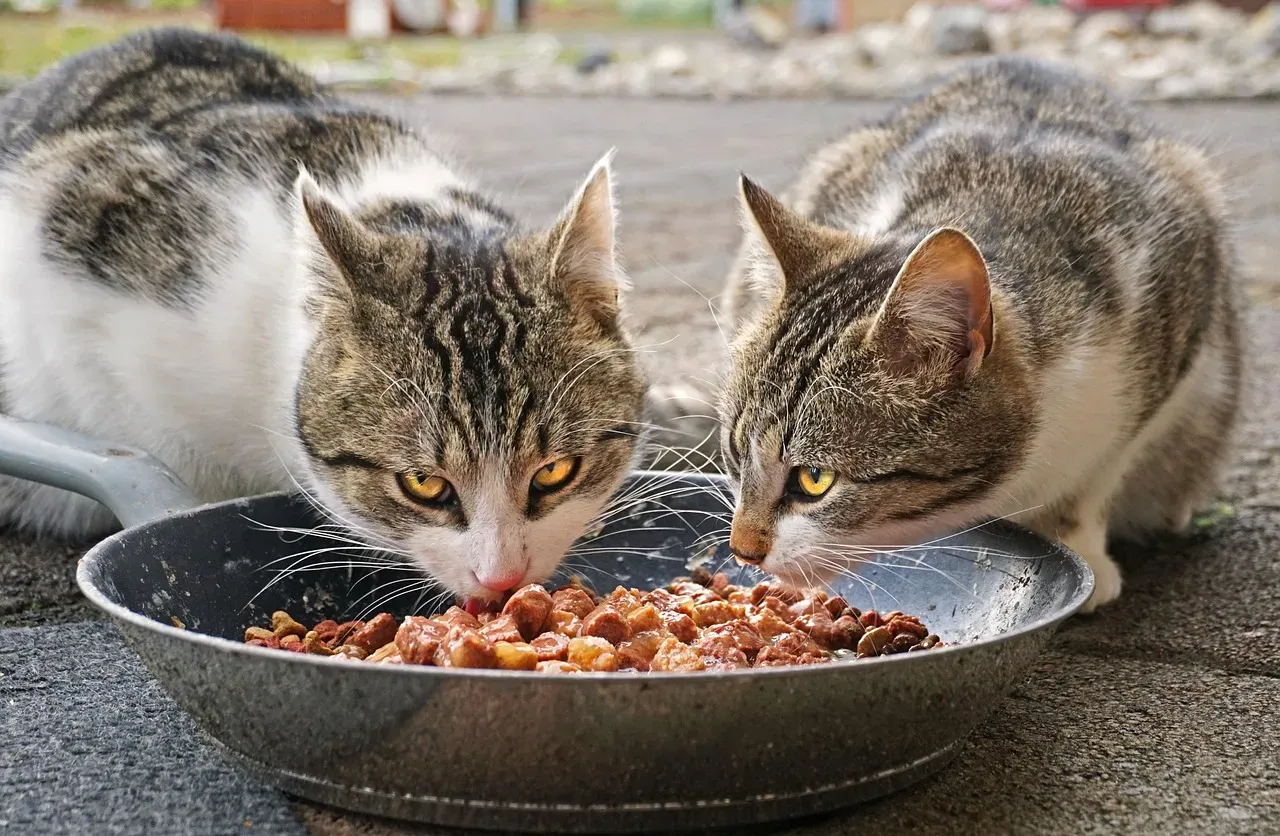
This one sounds almost comically specific, but it’s genuinely telling. If your cat is chewing food with their back teeth, or with closed eyes, they may not find their food all that appealing. Think of it like the face people make when they eat something just tolerable enough not to throw away but not exactly enjoyable either. It’s resigned chewing. It’s eating under protest.
Here’s a way to tell if your cat dislikes their food even if they are eating it: if your cat is chewing with their back teeth or with closed eyes, they may not find it appealing. If the nutritional value is equal, always try to give your cat the food they enjoy the most. Honestly, that’s just good advice for any pet parent. Life really is too short for your cat to suffer through a meal they hate.
They Get Distracted Easily During Mealtime
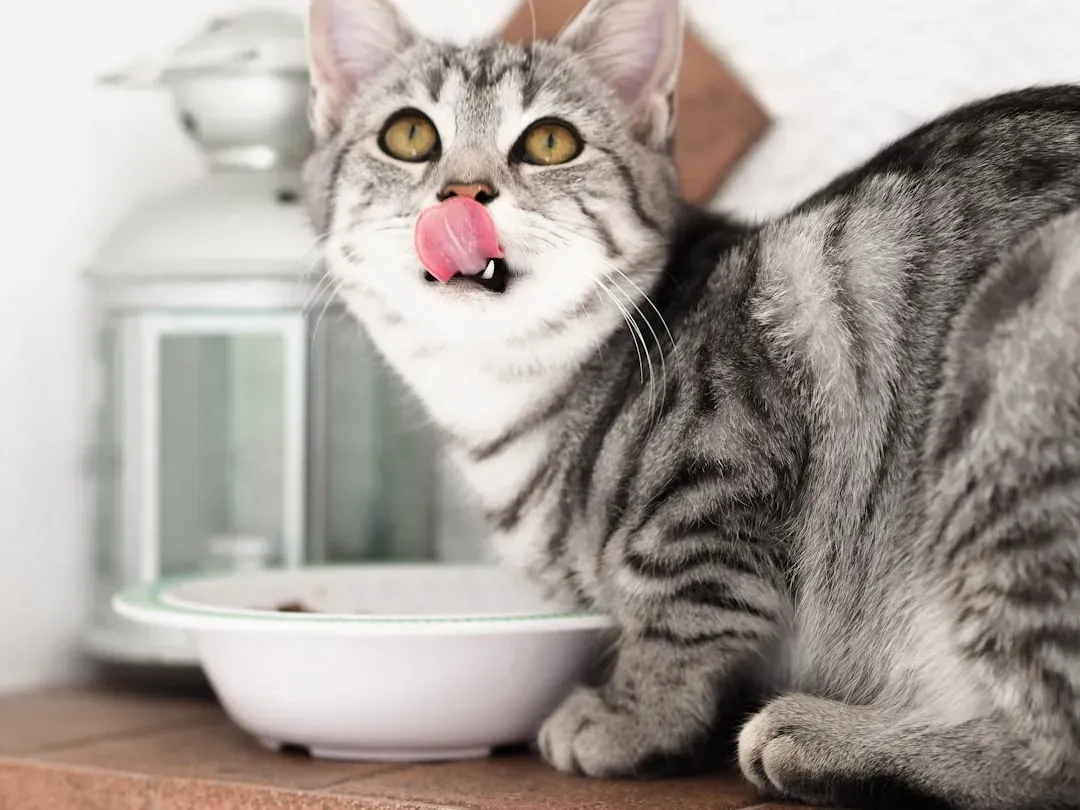
When your cat is truly excited about their food, they are completely locked in. Nose in the bowl, ignoring everything else. But when they’re not into it? If they tend to get distracted during their meals and don’t pay as much attention to their food, they probably don’t care for it very much. It’s the feline equivalent of scrolling your phone at dinner because the food just isn’t holding your attention.
The first sign of genuine food enjoyment is focus. If your cat is really focused on their food with their nose in the bowl, chances are they are enjoying it a lot. So watch your cat’s mealtime behavior over a few days and notice the pattern. Are they zeroed in and determined, or are they easily lured away by a passing noise, a shadow, basically anything? That contrast is surprisingly revealing.
They Suddenly Reject a Food They Used to Love
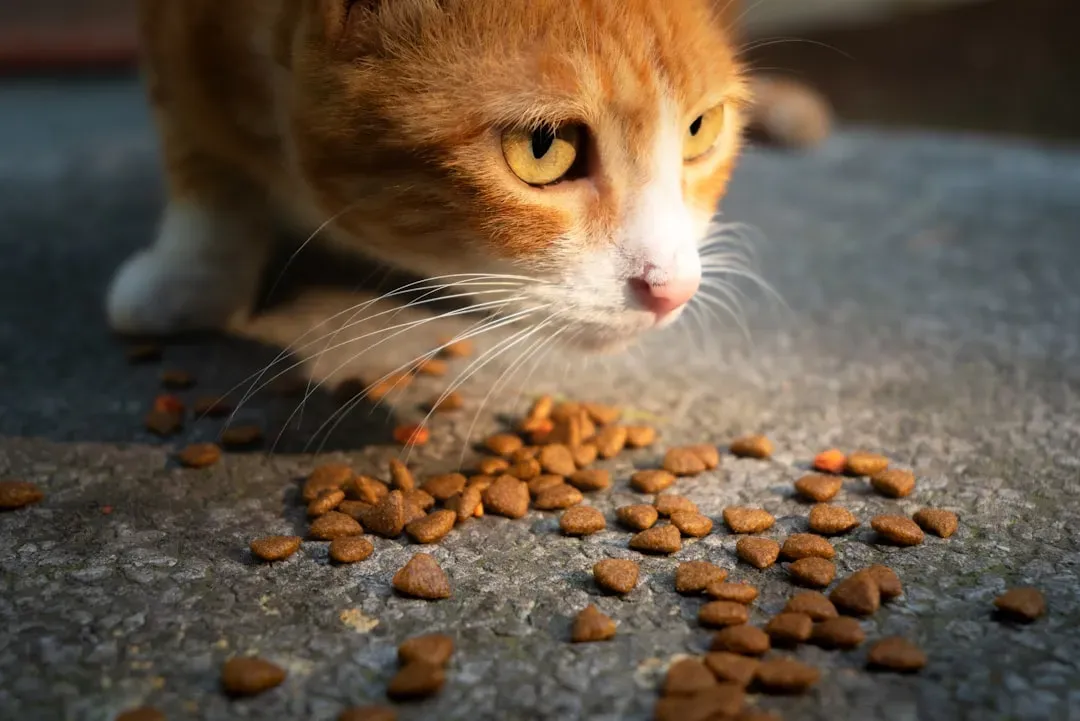
This one genuinely confuses a lot of cat owners. Your cat has eaten the same chicken pate for months, and then one Tuesday it’s dead to them. Cats exhibit a “monotony effect” in their food selection – they experience a growing aversion to familiar foods, which may lead to a preference for novelty and dietary diversity. So it’s not always you, and it’s not always the food. Sometimes it’s just how cats are wired.
Some cats develop a food aversion, most commonly after an illness or a hospital stay. Such cats associate a particular food with feeling sick or with the stress of being hospitalized, and then refuse to eat that food. This is worth knowing because if your cat recently had any health issues and now rejects a food they used to love, that association might be playing a role – and switching to something entirely different may be the simplest fix.
They React to the Bowl Itself, Not Just the Food
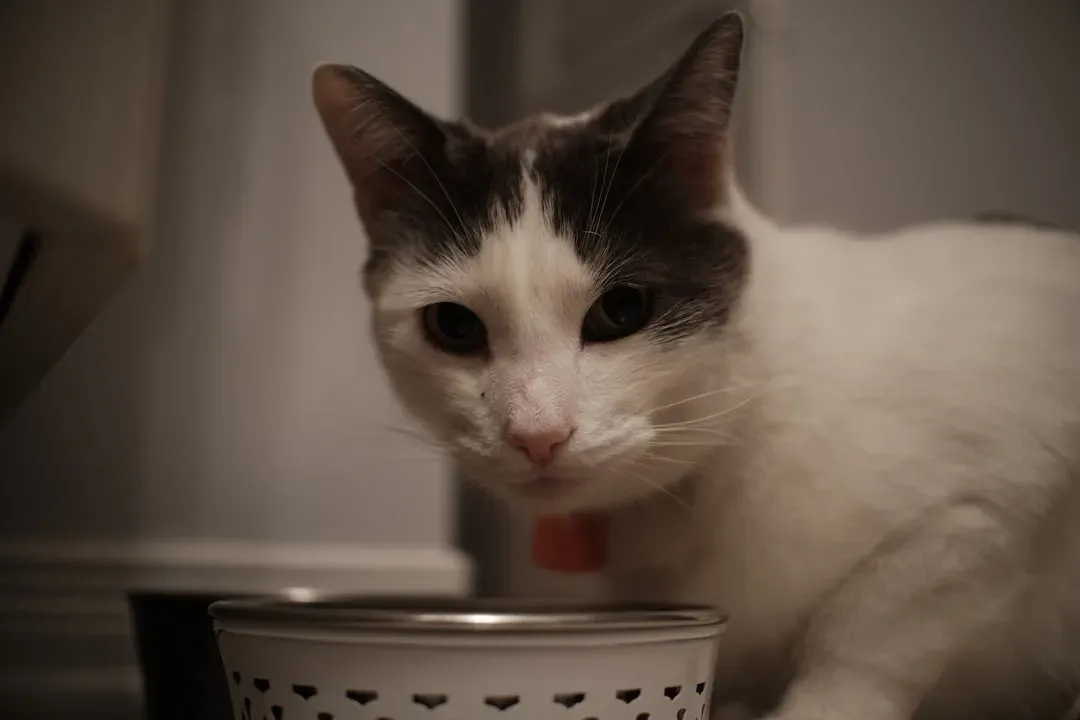
Here’s a sign most people overlook entirely. Sometimes your cat isn’t rejecting the food. They’re rejecting the vessel it comes in. Some cats dislike deep bowls that press against their whiskers, a condition known as whisker fatigue. This is a real, recognized issue. Cats have highly sensitive whiskers, and deep bowls that brush against them during eating can cause actual discomfort with every bite.
Other situations that may upset your cat include excessive noise, other animals in their feeding area, dirty food dishes, or their food dish being too close to their litter box. So before you assume your cat hates the food, do a quick environment check. Is the bowl clean? Is it too deep? Is it sitting near the litter tray? You might be surprised how much a shallow ceramic dish and a quieter corner of the kitchen changes everything.
Conclusion: Your Cat’s Inner Food Critic Deserves to Be Heard
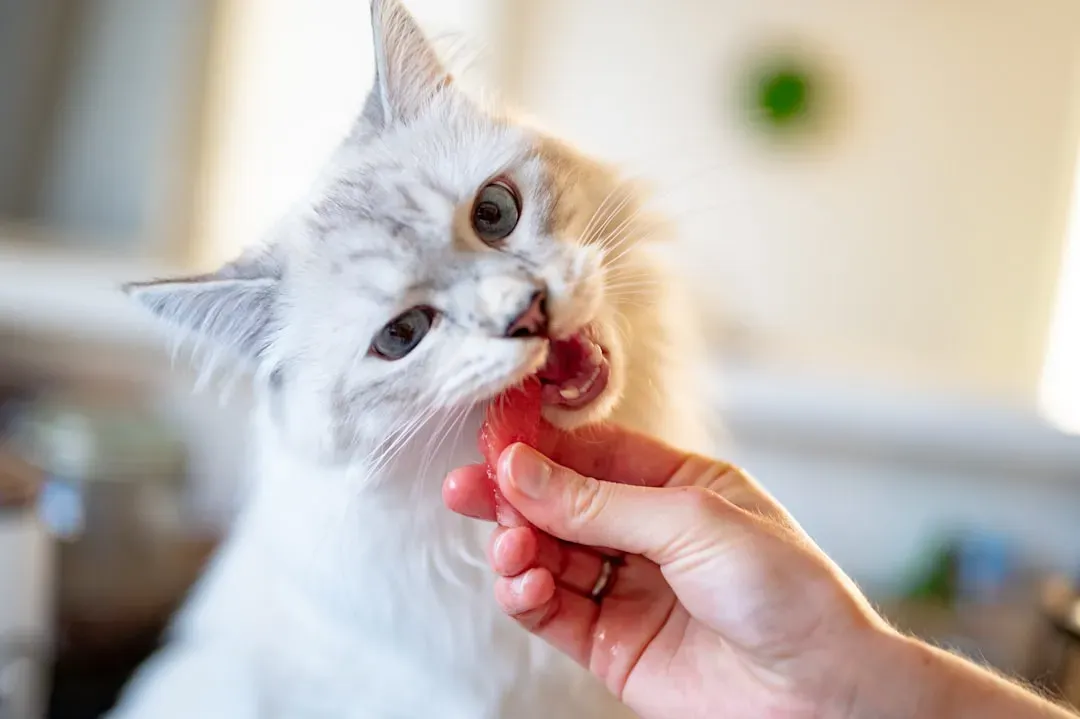
Let’s be real – living with a cat means accepting that you will never fully be in charge of mealtimes. Your cat has preferences, sensory opinions, instincts, and moods, and they will express all of them at the food bowl. Cats are known for having strong opinions on lots of things, and that doesn’t stop when it comes to what they eat. Like us, each cat will have their own favorite food and flavors, and just like us, this can change week to week.
The key is knowing when to adjust and when to worry. Most of the time, a little food detective work, trying a different texture, warming the meal slightly, or switching the bowl type, is all it takes. Cats naturally hide illness, so appetite changes may be one of the first noticeable signs that something is wrong. This makes it especially important to pay attention when your cat’s eating habits change suddenly. When in doubt, a vet visit is always the right call.
Your cat may never tell you what they want for dinner. But they’re absolutely telling you what they don’t want. The question is: are you paying attention? What’s the most dramatic food rejection your cat has ever pulled? Tell us in the comments.