You’ve probably caught your cat staring at you from across the room with those knowing eyes, and wondered what’s really going on behind that fuzzy face. Maybe you’ve dismissed their clever antics as mere instinct or randomness. Here’s the thing, though. That little furball lounging on your couch might be operating on a level of intelligence that rivals a human toddler.
Research continues to reveal just how sophisticated feline cognition really is. While dogs have dominated the spotlight in animal intelligence studies for decades, cats have been quietly proving they’re brilliant in their own right. The difference is that cats just don’t care about impressing us. So let’s dive in and discover the hidden signs that your cat is probably way smarter than you’ve been giving them credit for.
They Remember Things for Years, Not Just Days

Cats possess impressive long-term memory capabilities, retaining recollections of events and locations for a decade or longer. Think about it. Your cat still remembers that one time you accidentally stepped on their tail three years ago, and they’re not letting it go anytime soon. These memories are often intertwined with emotions, allowing cats to recall both positive and negative experiences associated with specific places.
This isn’t just about holding grudges, though. Research shows these memories last 10 years or more. Cats associate the memory of an event or place with the emotions they experienced in the surroundings or locations. It’s why your cat knows exactly where you keep the treats, even if you moved them months ago. They’ve encoded that information along with the happy feelings associated with snack time. Pretty clever, right?
Your Cat Actually Understands Object Permanence
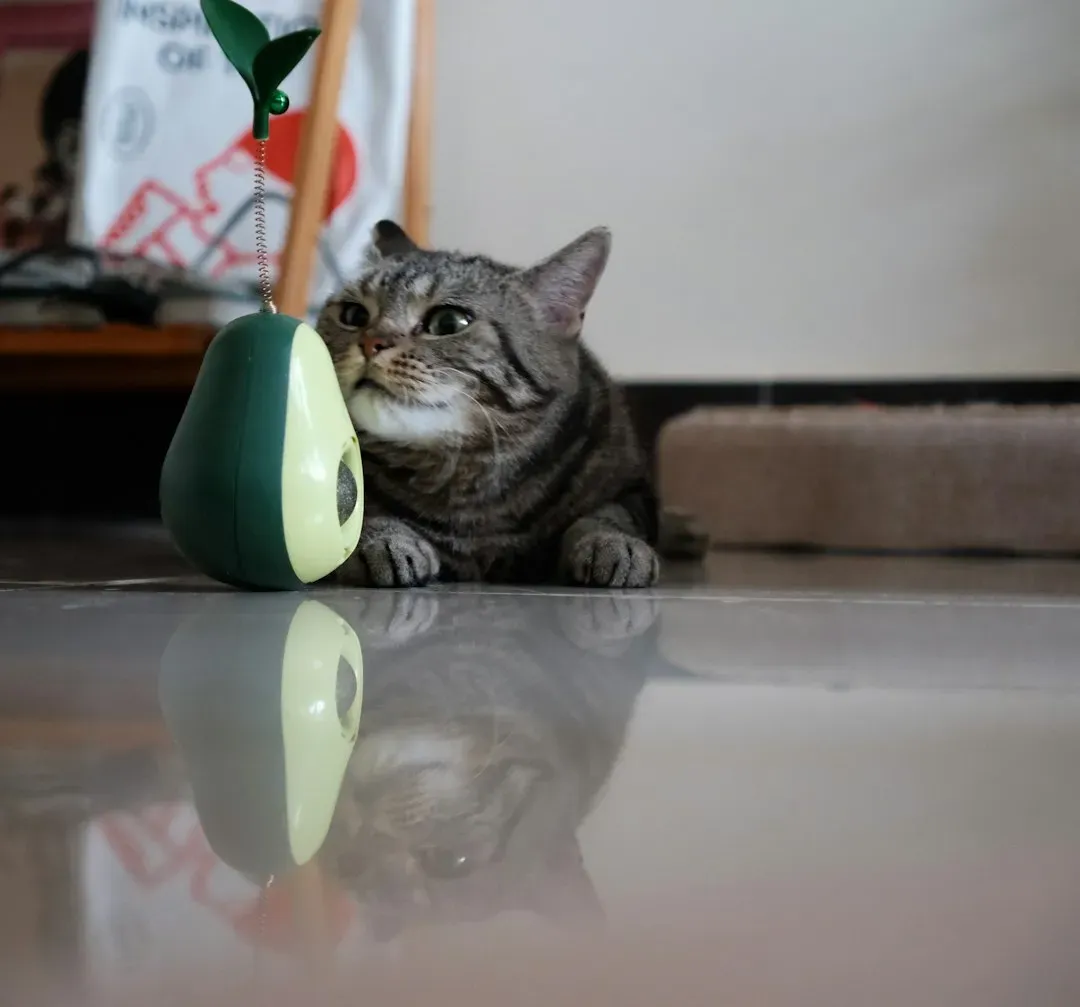
Remember playing peek-a-boo with a baby who thinks you’ve literally vanished when you cover your face? Well, your cat is way past that stage. In controlled experiments, cats demonstrated fully developed concepts of object permanence, indicating that their sensorimotor intelligence is complete.
This means when you hide their favorite toy behind a book, they know it didn’t just cease to exist. Studies have shown cats have object permanence recognition, an awareness of objects that aren’t directly visible. That is, out of sight doesn’t mean vanished forever. Human children typically begin to master this skill around 8 to 12 months old. So when your cat paws behind the furniture searching for that toy mouse, they’re demonstrating genuine problem-solving intelligence.
They’ve Mastered the Art of Training You
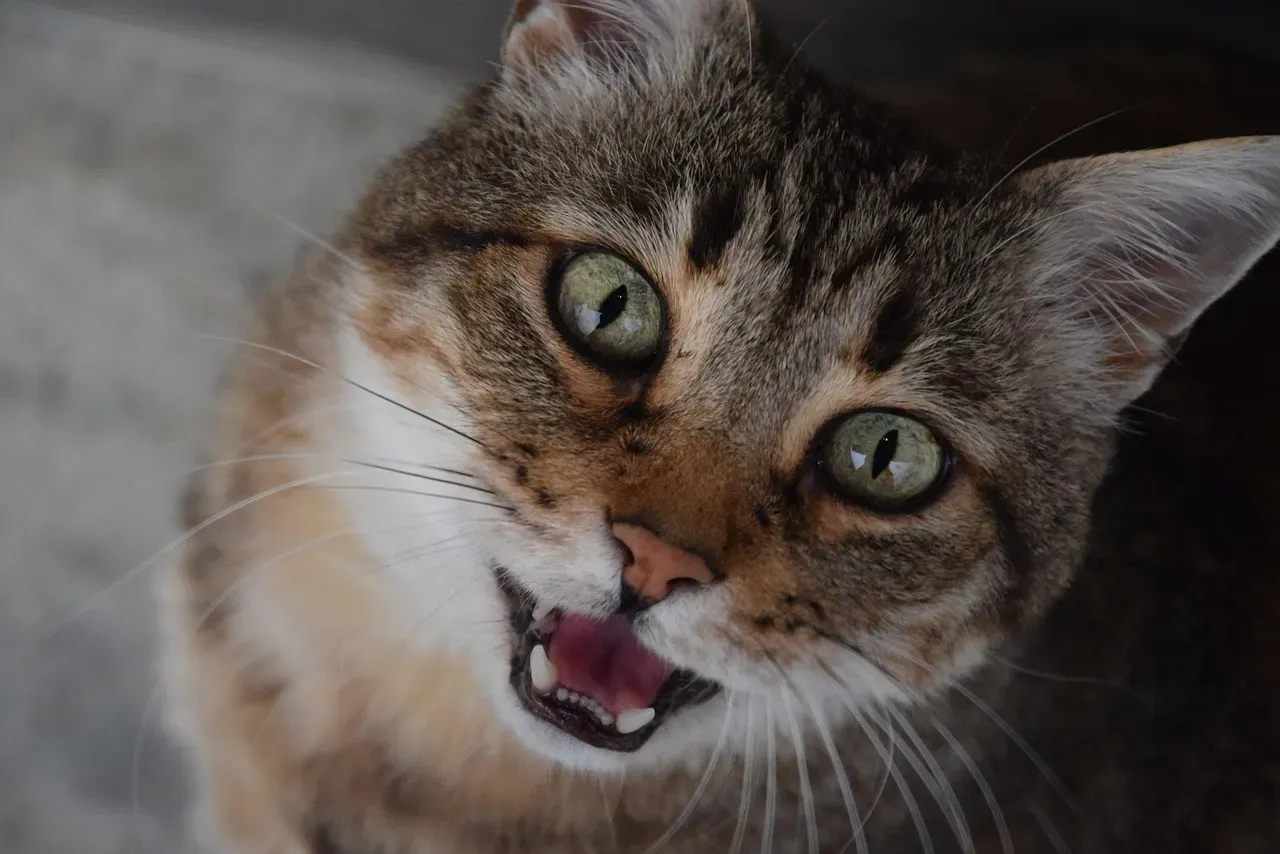
Let’s be real. Who’s really the trainer in your household? Does your cat use meows and other attention-getting behaviors to get you to feed it at a certain time? This indicates that your kitty understands the concepts of time and cause and effect. That’s right, your cat has figured out that certain actions on their part lead to predictable responses from you.
Cats have a keen sense of timing. Most cat parents know their feline charges have an uncanny ability to predict mealtimes. Research shows cats have internal clocks that help them anticipate events and establish routines. They know when you usually wake up, when you typically get home from work, and exactly when dinner should be served. If you’re even five minutes late, they’ll let you know. Loudly. That’s not just habit; it’s sophisticated time perception combined with an understanding of social manipulation.
Problem Solving Is Their Secret Superpower
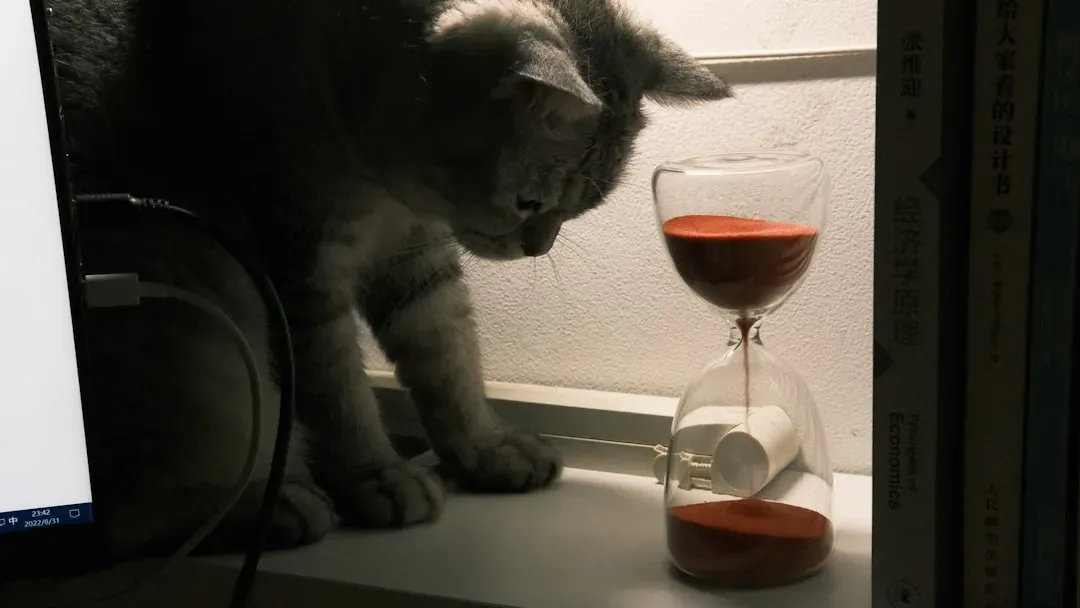
Researchers found that cats use logical reasoning to access rewards through trial and error. Ever wonder how your cat figured out how to open that cabinet door you thought was cat-proof? They didn’t stumble upon it by accident. Cats are natural problem solvers who observe, experiment, and refine their techniques until they succeed.
Simply by watching their owners, and mirroring their actions, cats are capable of learning human-like behaviors like opening doors and turning off lights. This observational learning is incredibly sophisticated. Your cat isn’t just mindlessly batting at things. They’re watching you interact with objects, understanding the cause and effect relationship, and then replicating those actions when it suits their needs. Some cats have even learned to turn on faucets or flush toilets, not because anyone taught them, but because they figured it out themselves.
They Read Your Emotions Better Than You Think

Cats can read their owner’s moods, such as fear, anger, happiness, and sadness, and adjust their behavior accordingly. Your cat may observe your facial expressions and tone of voice when deciding whether to crawl on your lap or go hide. This emotional intelligence is seriously underrated.
Recent research has shown that cats have remarkable social cognitive abilities. They can follow human pointing and gazing cues, and they can discriminate human emotional expressions and attentional states. When you’re feeling down, notice how your cat might suddenly become more affectionate? That’s not coincidence. They’ve picked up on subtle cues in your body language, voice, and behavior. They’re reading you like an open book, making split-second decisions about how to respond to your emotional state.
Their Brains Are Wired More Like Ours Than You’d Expect
Here’s something that might blow your mind. A feline’s brain structure shares some organizational similarities with the human brain. Despite having a brain that weighs barely more than an ounce, cats pack serious cognitive power into that tiny space.
The cerebral cortex, which handles decision-making, communication, and problem-solving, gives cats the edge. It contains approximately 300 million neurons. That’s right – cats efficiently pack neurons into their cerebral cortex. It’s not about size; it’s about efficiency. An adult cat’s intelligence is comparable to that of a two- to three-year-old child, since both species learn through imitating, observing, and experimenting.
They Communicate on Multiple Levels Simultaneously
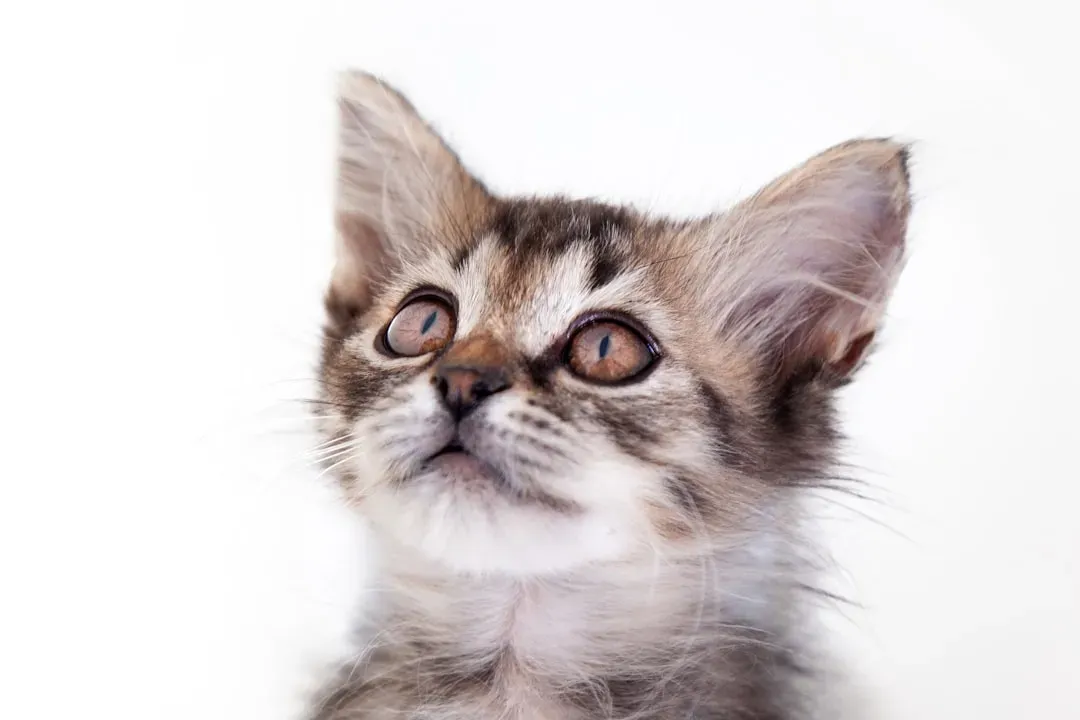
Cats can even distinguish between people’s voices and that our vocalizations elicit measurable changes in behavior. Your cat doesn’t just hear sound when you talk; they’re processing who’s speaking, the tone you’re using, and what it might mean for them. That’s multilayered information processing happening in real time.
Cats are macrosmatic, meaning they have a highly developed sense of smell. In cats, the vomeronasal organ plays a major role in communication between individuals, with scent marking often used to convey different messages to conspecifics. They’re simultaneously reading visual cues, auditory information, and scent markers to build a complete picture of their environment and the social dynamics around them. When your cat rubs against you, they’re not just being affectionate – they’re marking you as part of their social group and gathering information about where you’ve been.
Conclusion: Your Cat Is Quietly Brilliant
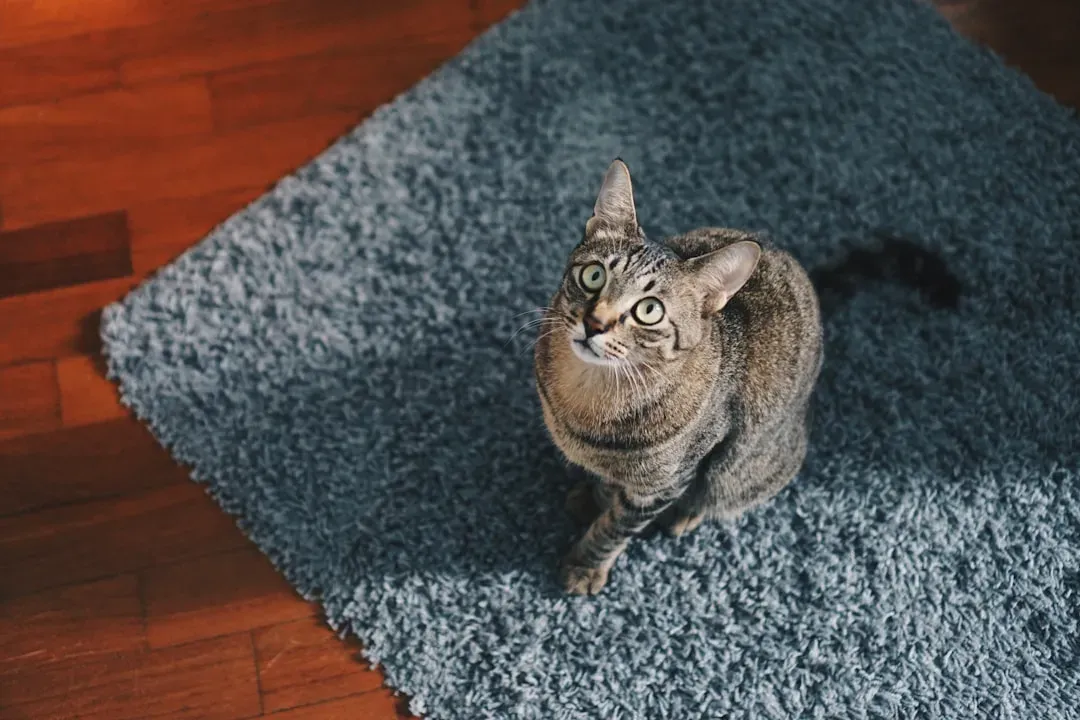
The evidence is pretty clear. Your cat possesses a sophisticated intelligence that’s been flying under the radar, partly because they’re too independent to show off and partly because we’ve been looking for the wrong kind of smarts. They remember events from years ago, understand complex concepts like object permanence, manipulate you with precision timing, solve problems creatively, read your emotions accurately, and communicate on multiple sensory levels at once.
Breed matters less than environment when it comes to how ‘smart’ a cat is – enrichment, play and social interaction shape a cat’s brain far more than pedigree. So whether you’ve got a fancy purebred or a scrappy rescue, your cat has the potential for genius-level thinking. The real question is: now that you know your cat is secretly brilliant, are you going to keep underestimating them? What surprising intelligent behaviors have you noticed in your own cat? Share your stories in the comments below.